Just a friendly bear who works in financial reporting that would rather be playing, writing or talking about video games. https://twitch.tv/unexpectedenemy
Thoughts & impressions on the games I played/finished during Q1 of 2026 including Chronicles of the Wolf, Tokyo Scramble, Lovish, MIO: Memories in Orbit, Resident Evil requiem, Big Hops, Planet of Lana II, a few UFO 50 games, and more…
ZINO/ZENO CRISIS
2026 kicked off with the Year of the Zino/Zeno. If you’re cool enough to know what that means, feel free to stop reading now. If you have no idea what I’m talking about, you don’t know what you’re missing. January is typically a slow month in the video game release calendar. With each passing year, however, developers/publishers (typically on the indie side of things) are using the first month or two of the year to nestle their releases in before the big boy, usual suspects occupy those late Winter/early Spring slots. Many would argue that this “Year in Games” started with Resident Evil requiem in February, but there were a few indie/AA games (perhaps Big Hops or maybe Lovish?) that were certainly worth your time. I typically use these early months of the new year to start/catch up on late releases from the previous year (Chronicles of the Wolf). With that said, I’m always on the lookout for that one special new release (MIO: Memories in Orbit, for example) that happens to drop in those cold, lonesome January days (depending on where you live). So, without further ado, here are the games I managed to play/finish during the first quarter of 2026 (January through March):
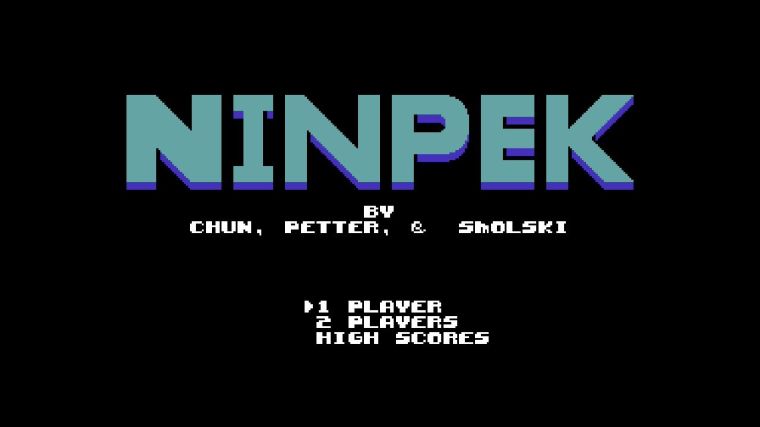
Game #1 of 2026: Ninpek (UFO 50) – Developed by Mossmouth – Released on September 18, 2024 – Played on Nintendo Switch 2 – Hours Played: 2
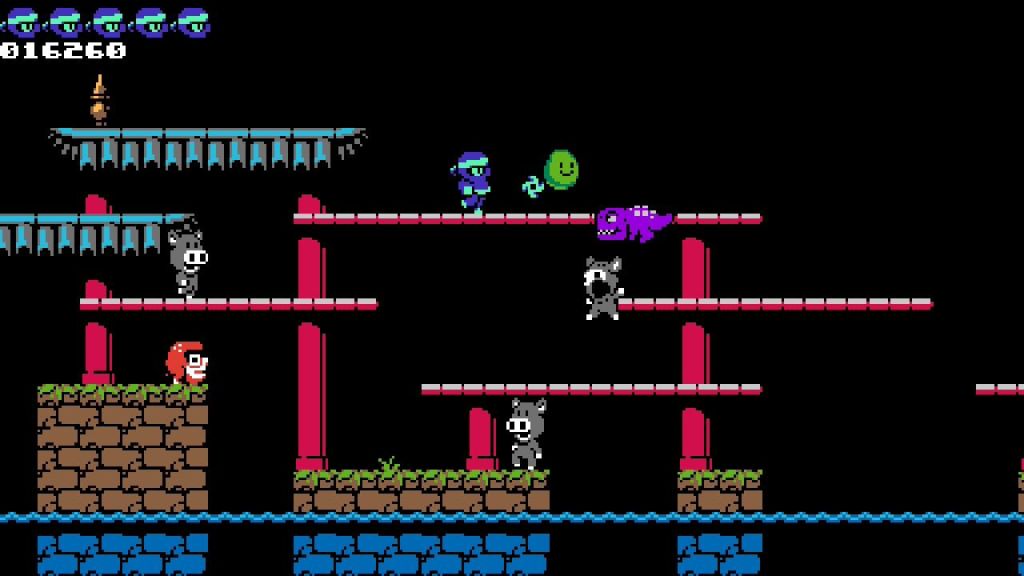
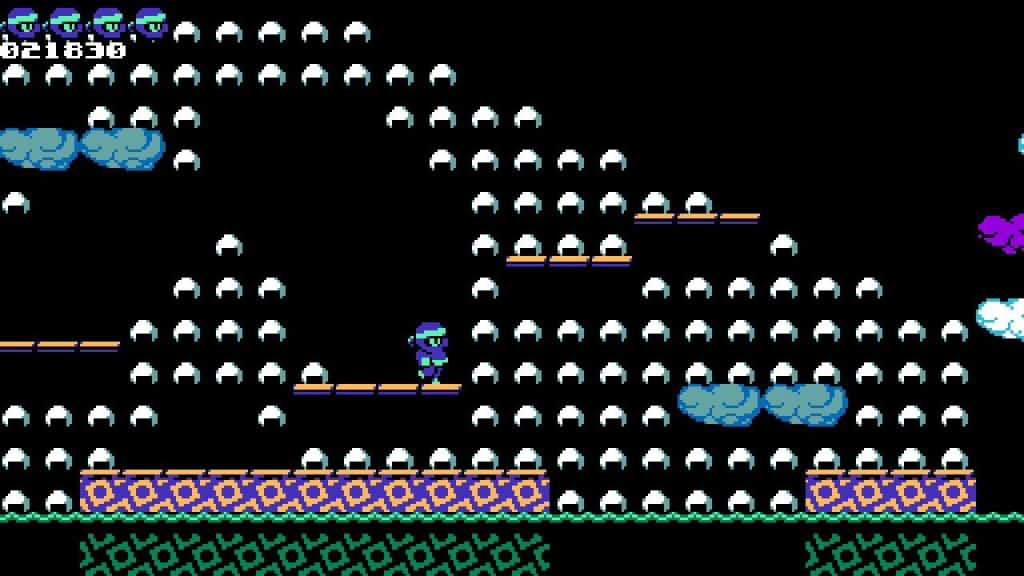
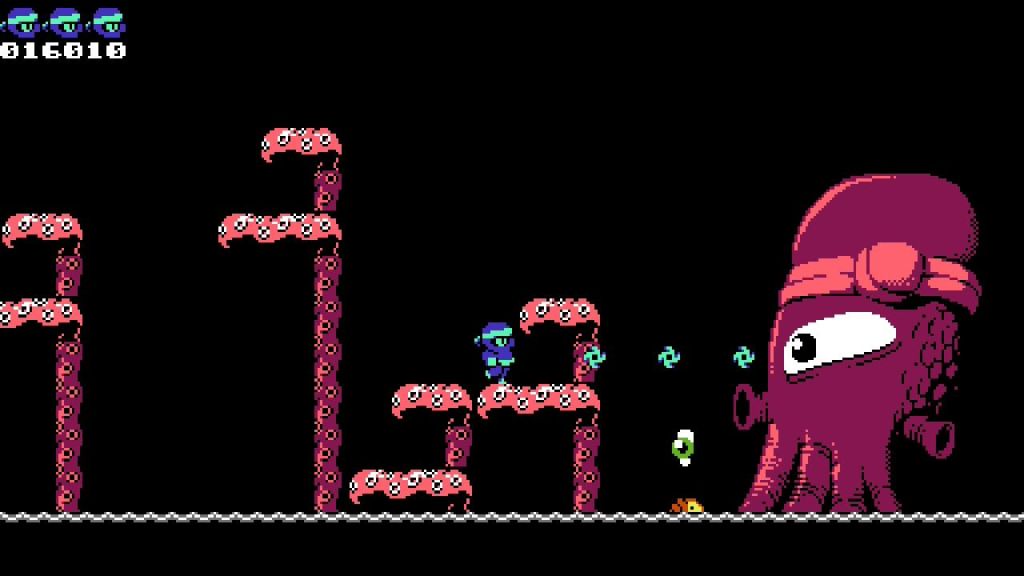
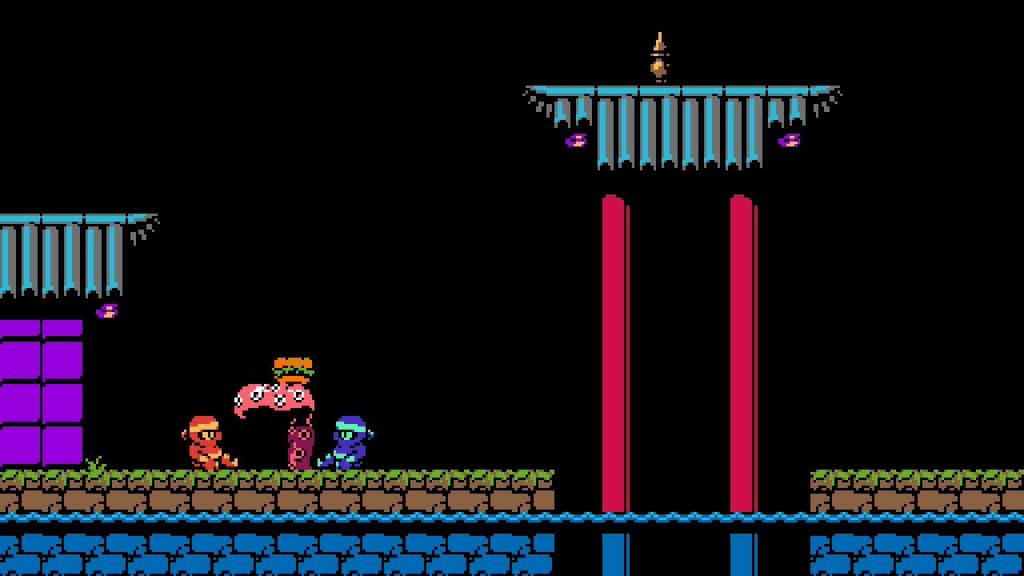
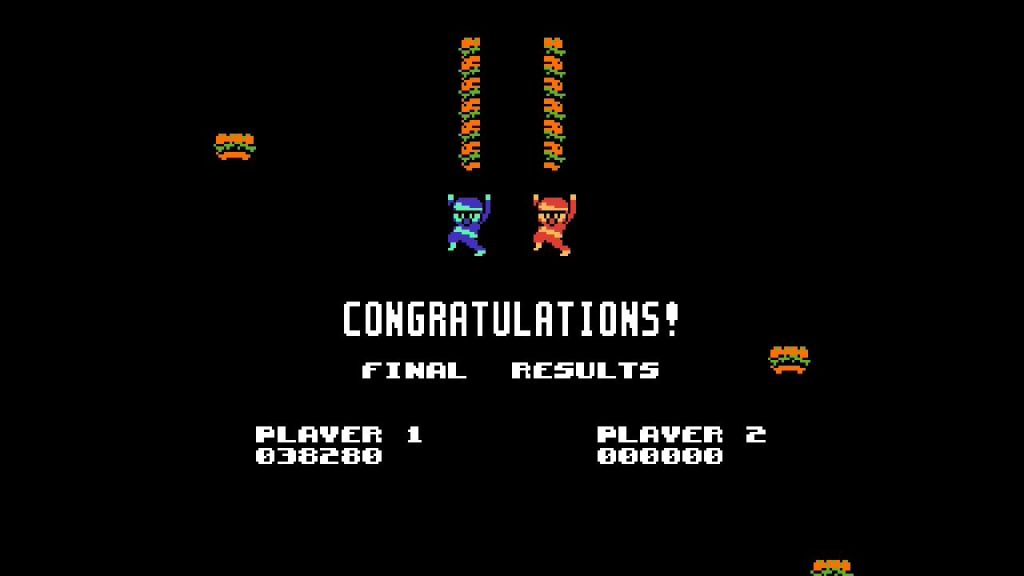
Ninpek (UFO 50), developed by Mossmouth and company (specifically by Benedikt Chun, Thorson Petter, and Gerry Smolski), is the third game chronologically within UFO 50. Ninpek is an arcade shooter auto-scroller where you play as a ninja who’s had their sandwich stolen by an octopus. I played the game in 1-player mode, but it does feature up to 2 players.As you move left to right, enemies will spawn from nearly all directions. Your weapon of choice is a shuriken, naturally. Enemies drop their souls when defeated, which nets you points. Sometimes, they will drop shuriken power-ups, which increase your rate of fire. A lot of the enemies crawl around on platforms or fly from one side of the screen to the other, but monsters in the water will telegraph their jumps with an exclamation point. You can speed up your movement by holding forward, and you can even turn around and run backwards, despite the screen always scrolling. The game consists of 3 to 4 areas and concludes with a final boss. Stages get progressively more challenging as you progress, at least in terms of platforming and environmental hazards. In what I would consider “Stage 2”, the clouds will start to shoot lightning, for example. The entire game is a single screen, but when you’re moving from what’s considered “Stage 1” to “Stage 2”, for example, you enter a bonus round of sorts where the entire screen is filled with cherries, onigiri, and other food items. If you collect enough of one item, the bonus item will change into something else that’s worth even more points. It’s impossible to collect everything on screen, but it certainly adds a dynamic to the scoring system. There are also hidden cheeseburger items worth a lot of points that seem to spawn based on particular tiles/spaces you stand on.
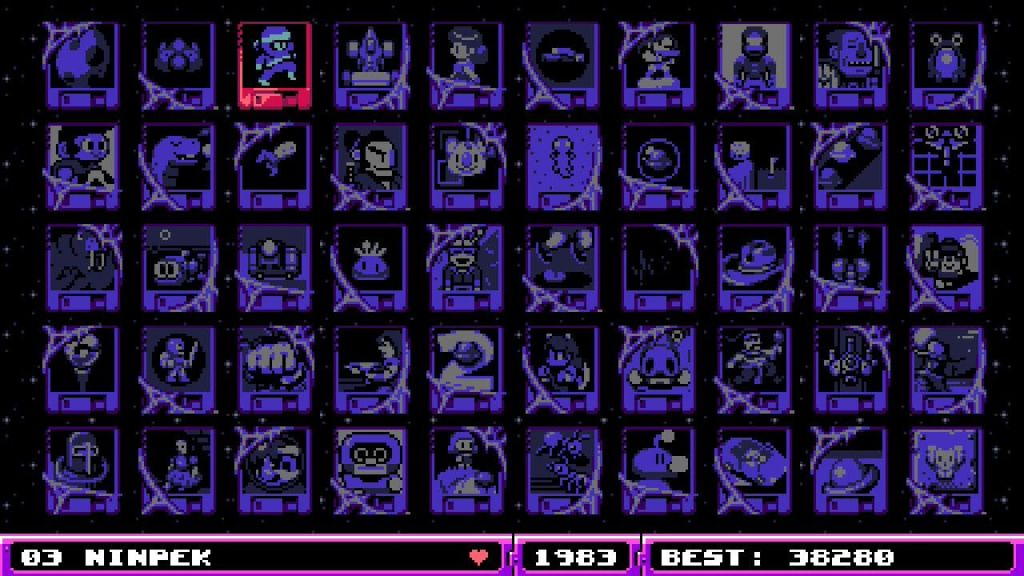
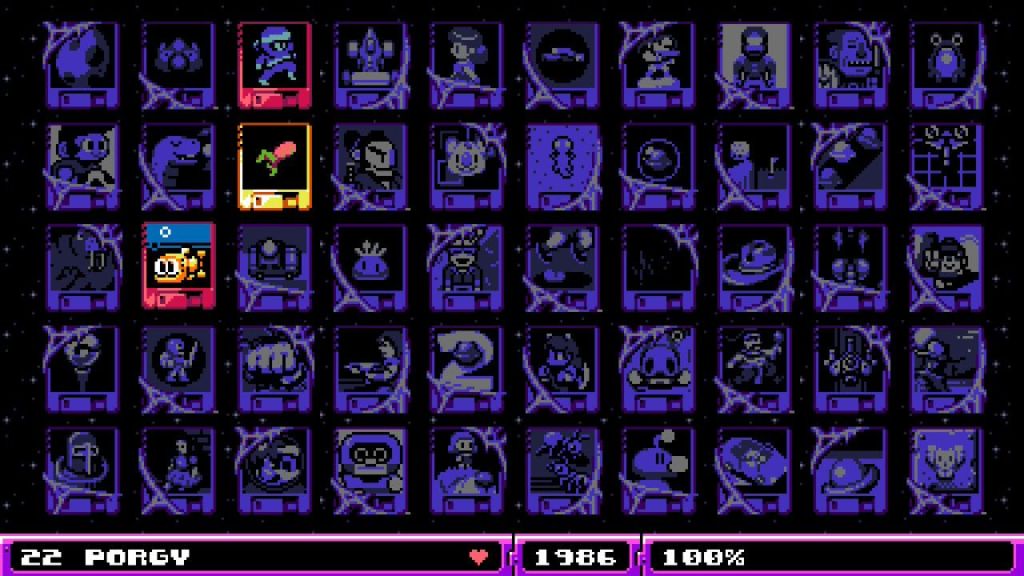
Other than high-score chasing, I believe you can earn an extra life based on your score, but I’m not sure what the points’ threshold is. Balloons that hold extra lives will also fly up from the bottom of the screen, so you better shoot them fast! I wrote about UFO 50 in previous posts, but in terms of counting game completions during any given year, I’m considering each entry in UFO 50 as its own game. When you beat it once, the game loops a second time (which is a classic shoot ’em up staple) and the difficulty is increased. There are more enemies and hazards the second time around, but you do carry your extra lives over from the previous run (and it does seem like you earn them faster on the second playthrough). I finished Ninpek at least three times and earned the “Cherry” completion. Cherry requirements are different for each game, but it usually involves completing a hard challenge or reaching 100% in-game completion. In Ninpek, you need to finish the second playthrough, so you essentially need to beat the game twice in a sitting. A playthrough is maybe 20 minutes long, so it’s quite short (but highly replayable).Finally, I’d be remiss if I didn’t mention UFO 50’s superb example of “Environmental Visual Progression (EVP).” On the game select screen, the cobwebs get blown off of the cartridge when you choose a game. When you finish the game, the cartridge turns gold and when you earn the Cherry completion, it turns red. I played/finished a second game in this collection (which I wrote about below), but I’m looking forward to exploring more of what UFO 50 has to offer in the coming year(s).
Game #2 of 2026: Chronicles of the Wolf – Developed by Migami Games – Released on June 19, 2025 – Played on PS5 Pro – Hours Played: 15
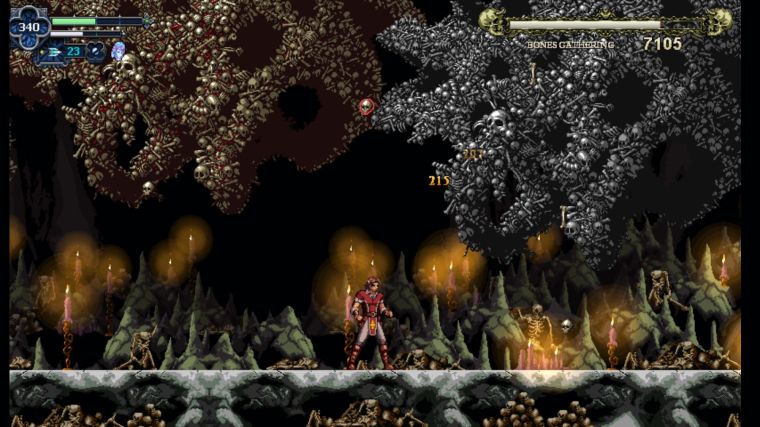
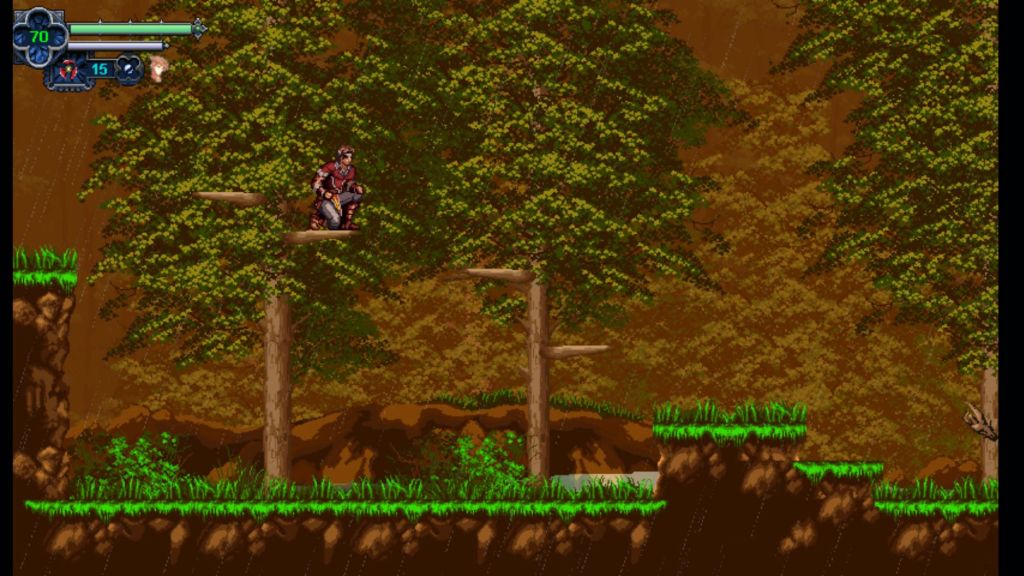
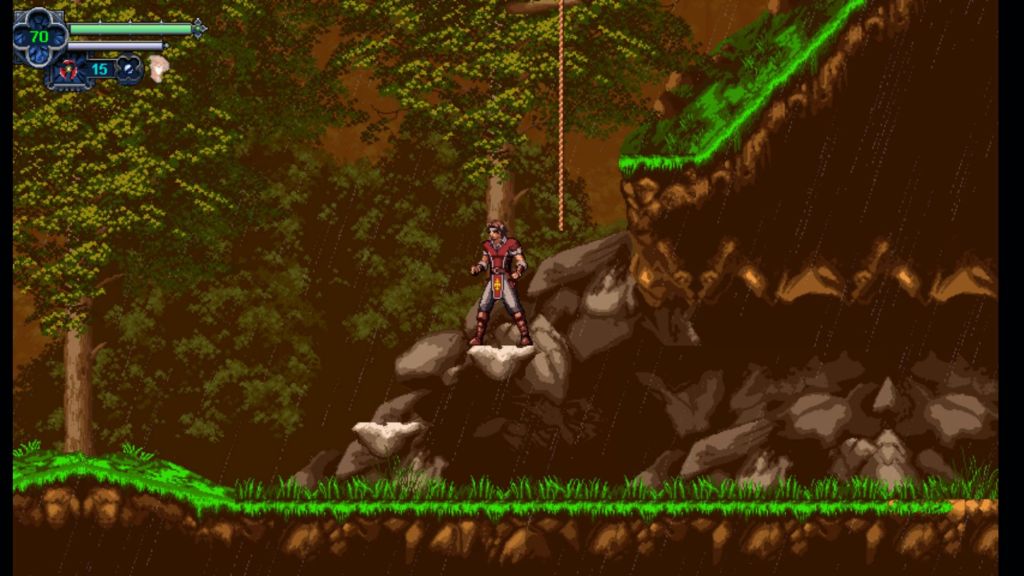
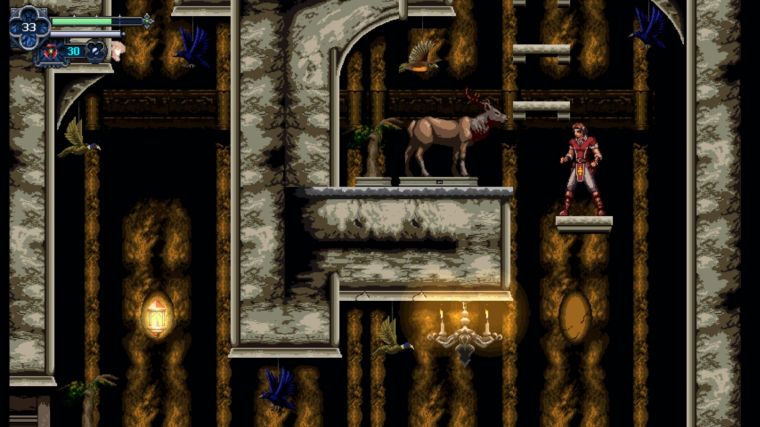
Chronicles of the Wolf, developed by Migami Games, is a 2D Metroidvania/Metroid-like that wears its inspirations on its sleeve for games like Zelda II, Ys, and Monster Boy. The developer’s previous game, Wallachia: Reign of Dracula, was a stage-by-stage, 2D action-platformer in the same vein as the older Castlevania titles. Chronicles of the Wolf, however, clearly follows in the footsteps of Castlevania: Symphony of the Night (SotN). The developer is also known for Castlevania fan projects, The Lecarde Chronicles 1 & 2, which I’ve yet to play. In Chronicles of the Wolf, you play Mateo Lambardo, a knight of the Rose Cross Order. You’re given an order to go to the region of Gévaudan in France to hunt a werewolf-like beast terrorizing the countryside. The game begins shortly after your unit is taken out by the very same beast you’ve been tasked to destroy. The first half of the game has you exploring Gévaudan and its surroundings, which includes caverns, forests, lakes, and mountains. You eventually discover that there are evil apostles rumored to be linked to the beast. After discovering and defeating all of the apostles, you’ll gain access to a castle that would feel right at home with any of the Castlevania titles. Structurally, the game is very similar to Castlevania: Order of Ecclesia on the Nintendo DS. Although I enjoyed the first half of the game, I think the second half is arguably where it shines most.
I think the sprite work and background art look decent. The character portraits are nicely detailed, but there’s an undesirable screen filter being used here that doesn’t look great (but can apparently be fixed on PC, but not on consoles where I played it). The soundtrack, composed by Jeffrey Montoya, is the highlight of the game, though. Apcher Valley is so evocative of older Castlevania titles. I love the renaissance-y sounding, yet haunting town tracks and the usage of acoustic guitars and instrumentation. The enemy variety is decent and there are a lot of bosses, but you can definitely tell it’s made by one person. A lot of the enemies simply walk back and forth, jump around, and have simple attack animations. Many of the bosses are giant sprites that are either stationary with limited animations or simply float around. It’s relatively impressive considering it’s mostly a solo dev affair, but if you start to compare it to the likes of Hollow Knight or Silksong, then a conversation can be had.
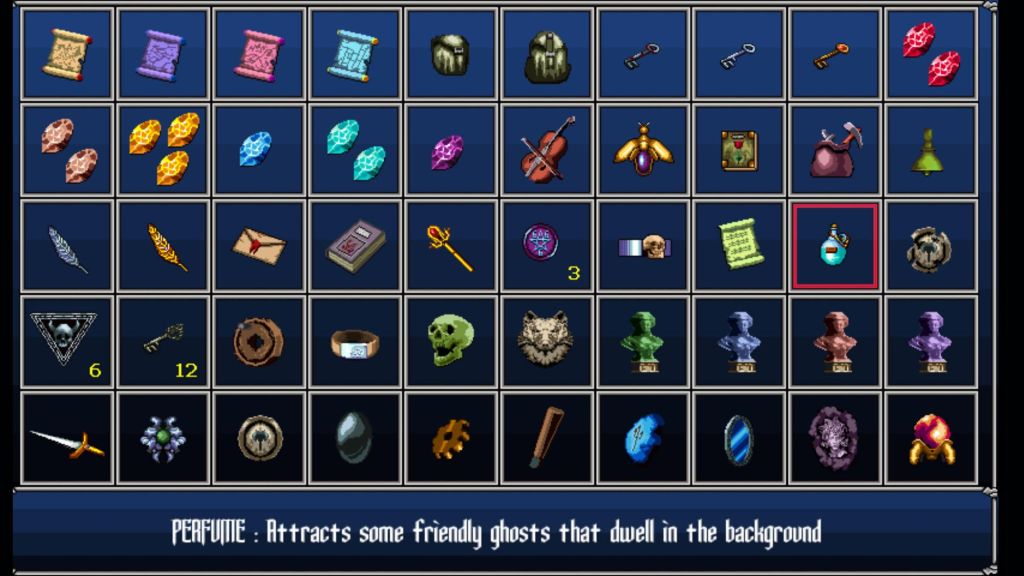
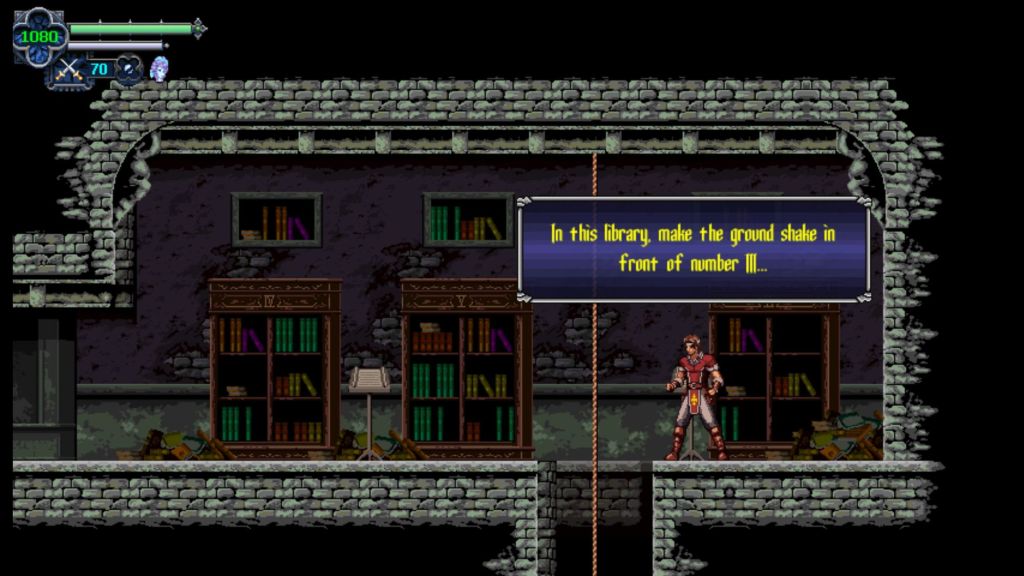
The level design is mostly excellent in Chronicles of the Wolf. The areas are just big enough and there are plenty of wraparounds, shortcuts, and secrets to discover. There’s a degree of trial and error at play here as the game will ask the player to run back and forth between areas, talking to NPCs in order to progress, and it can feel a bit cryptic at times. The fast-travel points are placed well enough, though. Because the game is more in-line with SotN than Metroid, you can level-up by defeating enemies and can equip Mateo with a plethora of gear. I really like how all the boots, for example, are more or less reserved for traversal functions. There are boots that let you float on air currents, walk on water, and more. There are a ton of special items to collect in the game, too. These items, known as “Relics”, are typically used as keys to access different parts of the game, but then there are items like the Perfume, which allows you to speak to ghosts to solve riddles. The Dictionary allows you to “translate weird languages”, for example. There isn’t a ton of equipment in the game, but each piece has its own slot/position in the menu, so it looks perfect when you collect everything. A lot of the equipment has some sort of stat tradeoff too, so you’re not constantly invalidating older pieces of gear.
WARNING! WARNING! WARNING! AN ORGANICALLY ANCHORED PLATFORM (OAP) CHECK IS FAST APPROACHING!!! WARNING! WARNING! WARNING!
OAP Approved!OAP Approved!OAP Approved!
A new gaming term I have been workshopping with a few of my closest gaming friends over the past year or so is “Organically Anchored Platforms (OAP).” An OAP is any platform in a game that is naturally/organically fixed in the environment (maybe I should have called these “Naturally Anchored Platforms (NAP)“, instead?) A proper/preferred OAP can be found in both 2D and 3D games, but it’s typically more noticeable in a 2D game. As much as I love and respect the original Super Mario Bros. on the Nintendo Entertainment System (NES), I’m sad to report that it fails to meet any sort of positive OAP approval rating. Having a poor OAP approval rating doesn’t necessarily make it a bad game. It’s more an observation/talking point that focuses on the artists/level designers’ perspective when crafting a world/level.
OAP Not Approved(?) I have some questions…
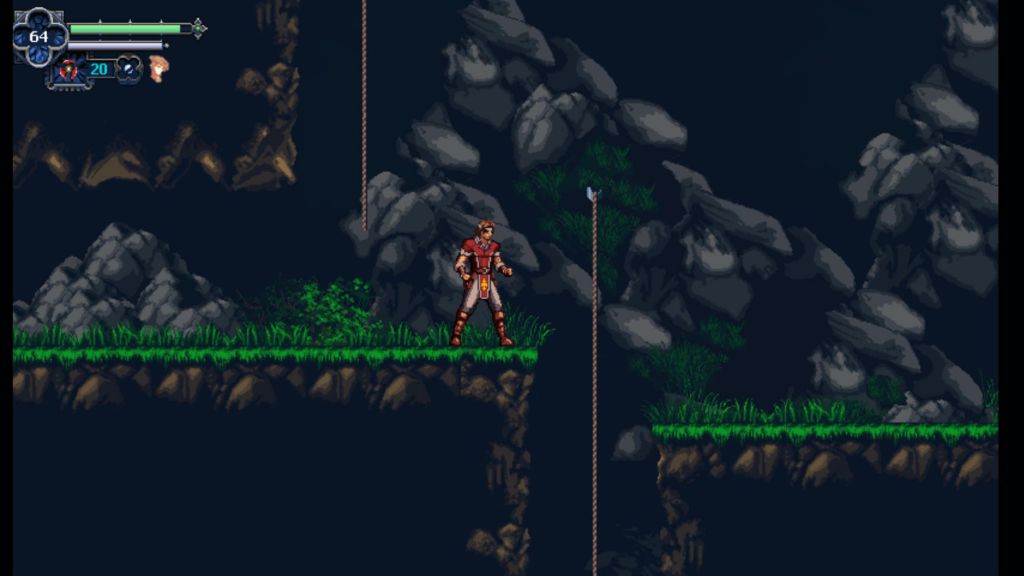
Fortunately, Chronicles of the Wolf would get a “Mostly Approved” rating on the OAP scale. Ropes are realistically anchored onto the side of cliffs, tree branches are organically attached to their respective trees and even floating rock platforms are placed with mountain-like textures behind them indicating that it’s likely a small ledge jutting out from the rocks behind it. There are, however, a few instances where there’s a floating platform or two that doesn’t appear to be fixed to anything in the background.
WARNING! WARNING! WARNING! THE ORGANICALLY ANCHORED PLATFORM (OAP) EMERGENCY BROADCAST HAS ENDED… WARNING! WARNING! WARNING!
There are a variety of weapons, including swords, daggers, axes, and even guns. A broad sword comes with a slower attack animation, but ideals more damage, so there’s a classic risk and reward system with the equipment. One of the best, most memorable things about the game are these instant death spots scattered about the world. In one instance, you’ll come across a dimensional tear underneath the castle. The game asks you if you want to proceed and if you do (and don’t have the required item to negate the effect), you get transported to another dimension and immediately die. GAME OVER. From what I could gather, many people found the placement of these instant death traps to be too unforgiving (as save points aren’t always plentiful), but every instance is unique, and they always made me laugh, so I welcomed my demise at any given moment! Mateo isn’t a particularly mobile character, either. He cannot back dash à la Alucard from SotN, although he can slide and perform a triple jump and air dash (after acquiring the appropriate Relic upgrades).
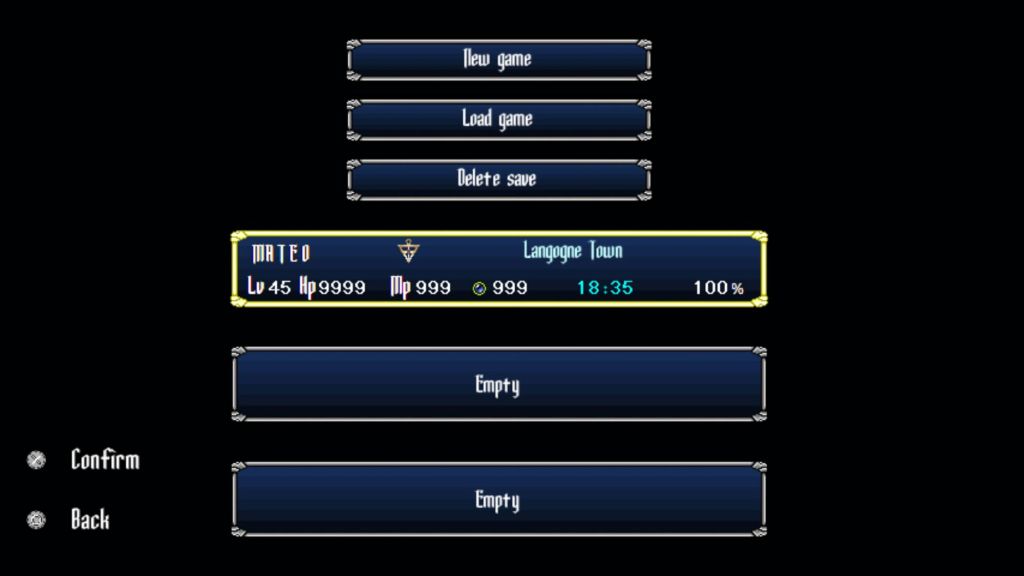
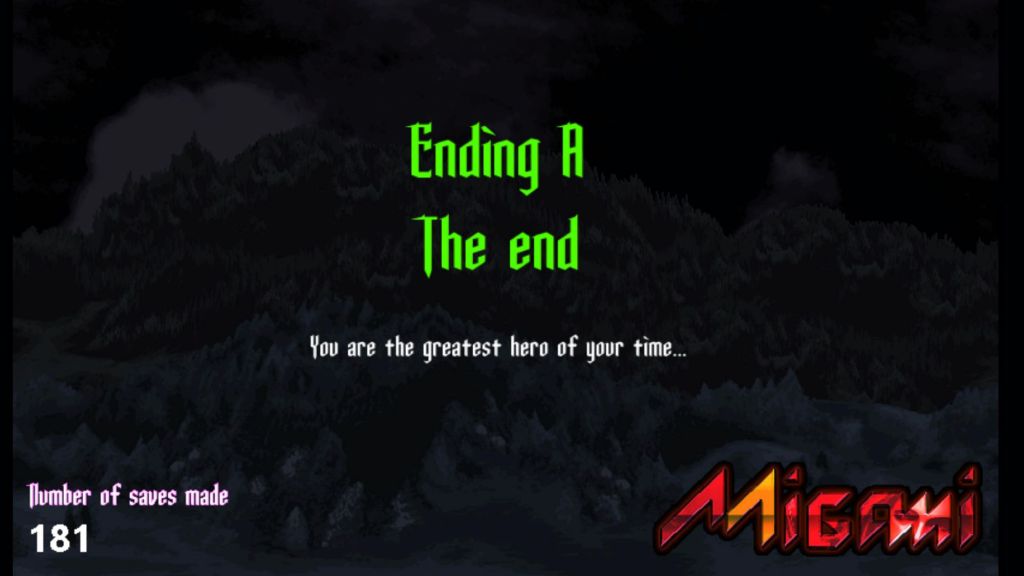
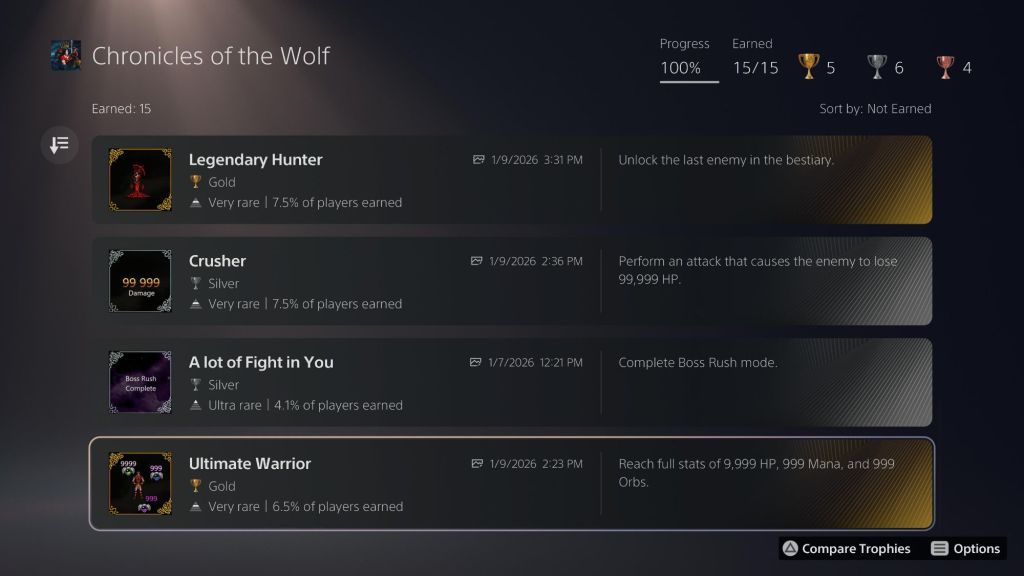
Chronicles of the Wolf has multiple endings. Many of the endings are considered “bad”, some of which you’ll see naturally as you make your way towards Ending A, the “best” ending. There is an ending or two that you might miss. However, if you don’t make the correct choices at the time, they’re hard to miss without spoiling anything. With that said, when you finish the game properly, the post-game spawns secret powerful enemies that are not only required to complete the bestiary, but they drop max stat-boosting items so that you can grind out your stats. I feel like this is such a hyper-specific thing to include in your game. I’m guessing Migami grew up with PlayStation 1 (PS1) RPGs and was likely someone who would max out their stats if given the opportunity (such as utilizing the duplicator trick in the original Wild ARMs). I completed Chronicles of the Wolf at 100% with all trophies earned, which included maxing out my stats. Chronicles of the Wolf is “Basement Indie” to me. It’s the type of game my brother and I would have attempted to make in our mom’s basement, so I feel relatively connected to it. There is no Platinum trophy to earn, sadly. I need to play Wallachia: Reign of Dracula at some point now, too. Apparently, they are already working on their next game, and it appears to be more akin to Super Castlevania IV this time around.
Game #3 of 2026: Porgy (UFO 50) – Developed by Mossmouth – Released on September 18, 2024 – Played on Nintendo Switch 2 – Hours Played: 7
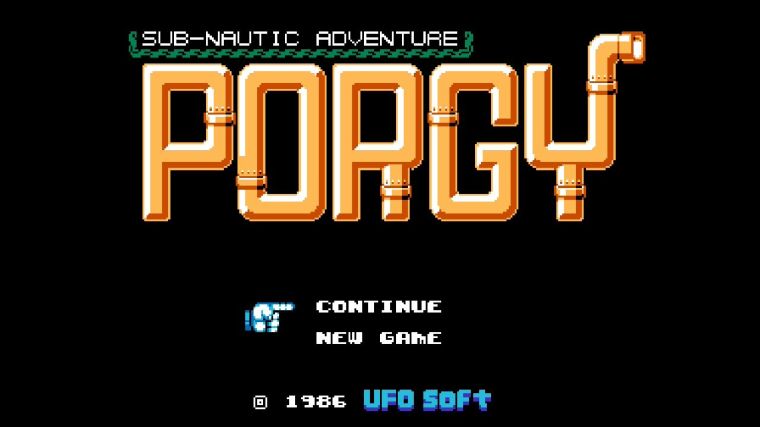
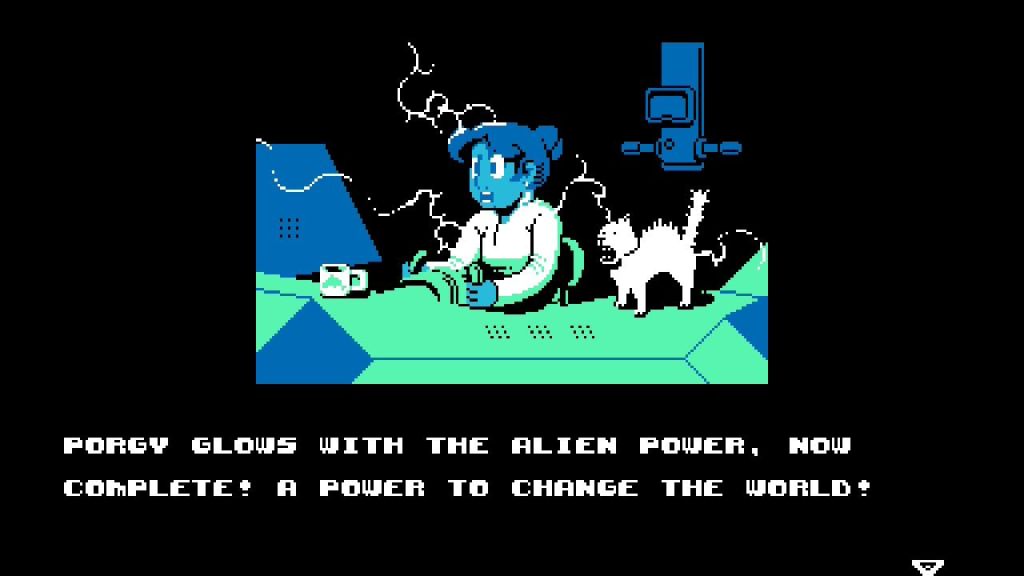
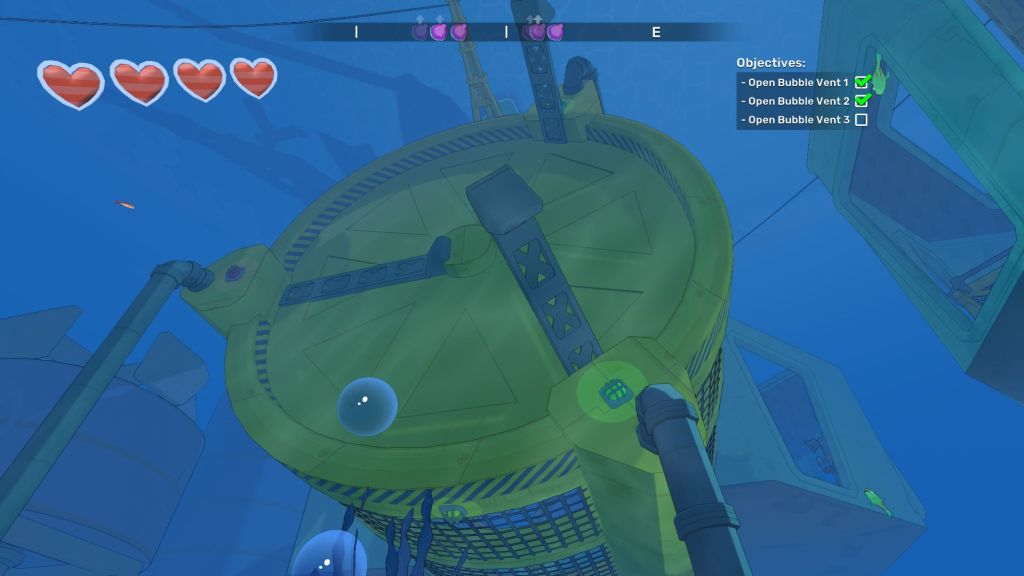
Porgy (UFO 50), developed by UFO Soft, is a 2D Metroid-like where you control an adorable yellow submarine. You play as Vishmi, who’s a marine biologist researching a disturbance in the ocean. Porgy is the first UFO 50 title I played that felt like a full-ass game. It could easily sit alongside the hundreds of indie releases that come out on a monthly basis and charge anywhere from five to ten dollars and I would have been happy to pay for it. That’s not to say the games that released chronologically before Porgy within UFO 50 are any less “real”. Although UFO 50 is a collection of modern-retro games, it also posits a fictional game development world where the creators of each game naturally progressed their craft over many releases across numerous pieces of hardware. I grew up in the NES era, and it would be like if you only experienced single-sitting/arcade-like games and then you happened upon something like The Legend of Zelda and realized it had an actual save file system, and took longer than 2 hours to beat. That’s what playing Porgy felt like after having chosen Ninpek to be my first game from the collection.
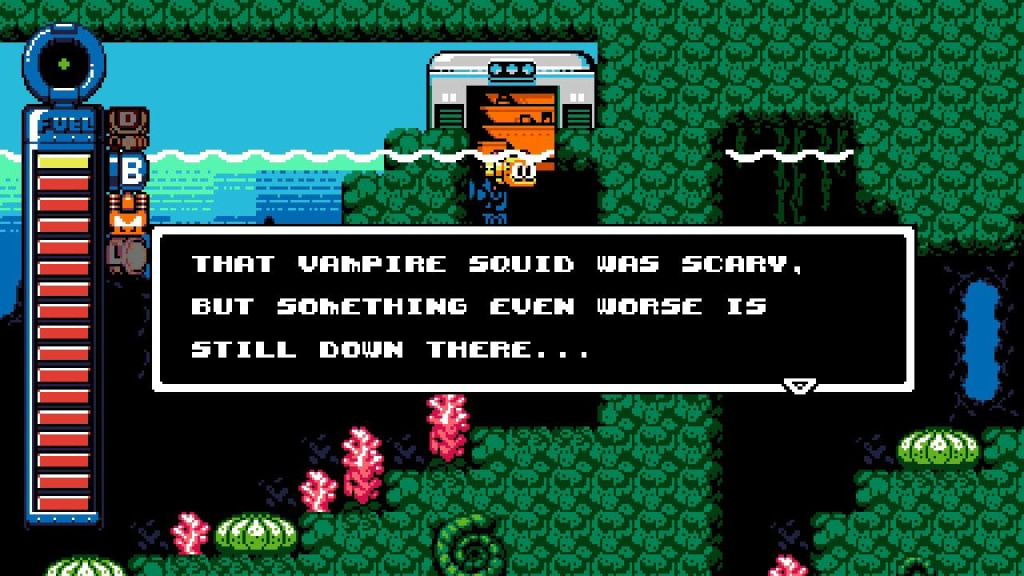
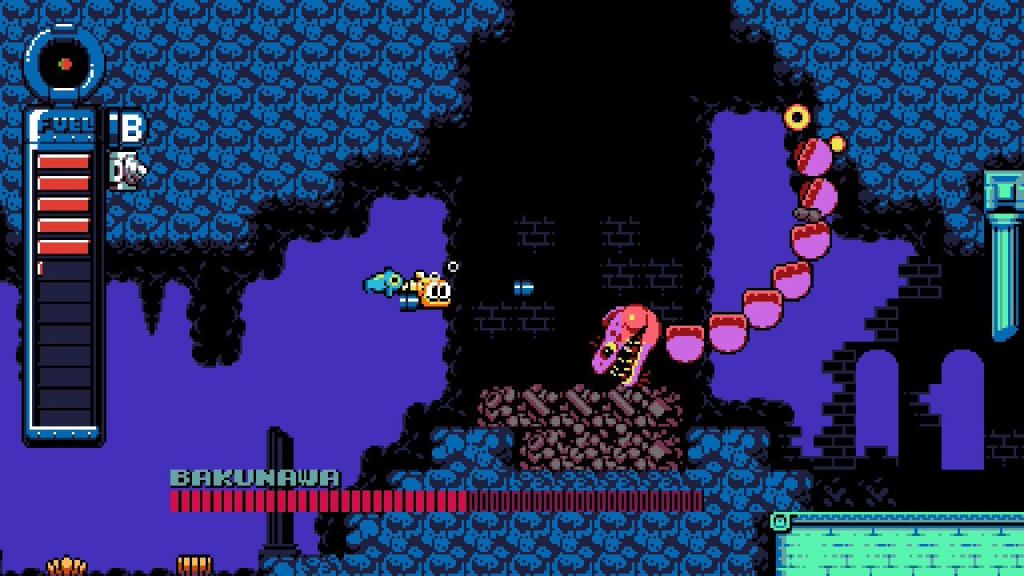
Porgy is all about risk and reward. At the start of the game, you have very little oxygen to explore. By collecting Fuel Tanks, you can increase your maximum air capacity so that you can further explore the depths of the ocean. Along the way, you’ll find missile upgrades and other equipment, some more useful than others. There’s a radar that shows you the location of hidden items and a light that will help make navigating the dark areas of the ocean more approachable. The progression generally feels good and rewarding, but I think the loadout for your submarine can feel a bit too limited. A lot of the items you can equip are essential to finishing the game, so when you can only have a few equipped at a time, you’ll find yourself making repeat trips through the same stretches of the ocean floor. The ocean is made up of three separate locations, and you’ll face giant sea creatures, like a big shark or the Vampire Squid, at various depths. Defeating all the sea monsters will take you one step closer to the mysterious anomaly that’s said to be located in the abyss.
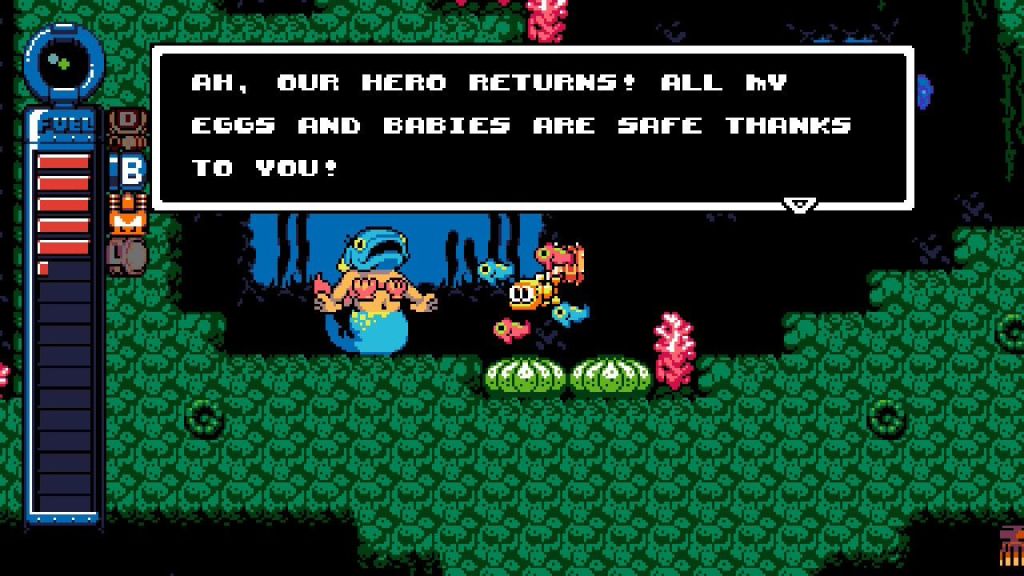
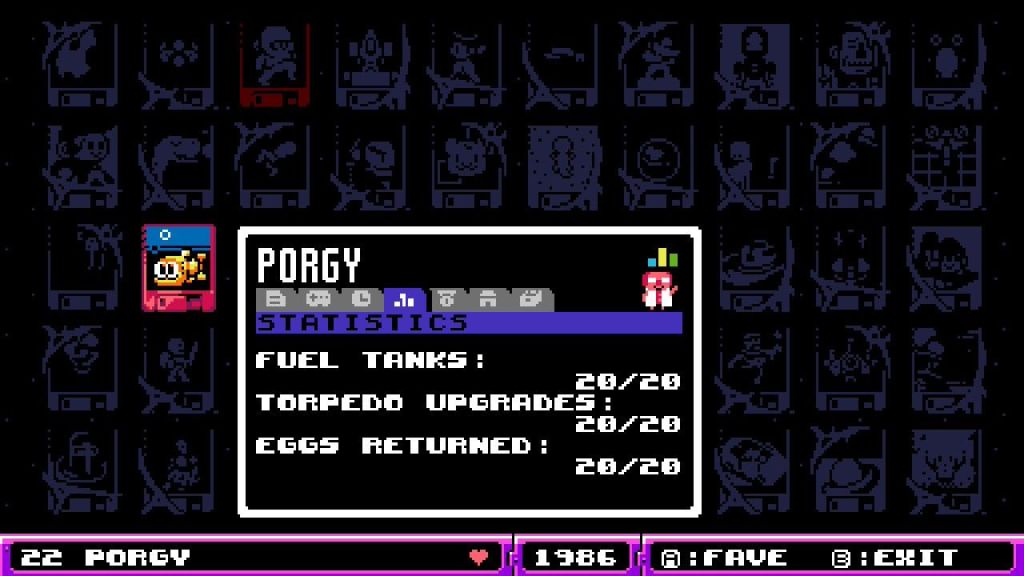
Porgy has nice pixel graphics and pleasant tunes (of which there are maybe 3?) I found the act of simply playing the game to be an incredibly calming experience, despite its sometimes frustrating structure. Perhaps it’s that one track you’ll listen to on loop for almost the entirety of the game that sent me adrift and brought me back to my childhood. Some people have compared elements of the game to JAWS on the NES, but it feels more like an enhanced/elevated NES game than something that’s trying to emulate the old guard, so to speak. There’s a lot to collect in Porgy, ahem, a “Sub-Nautic Adventure”, including Fuel Tanks, Torpedos, Eggs, and other various equipment. Eggs must be returned to a mother whose babies have been scattered about the ocean. After a certain number of Eggs is collected, you’ll unlock fish, which sort of act like familiars, that rotate around your sub providing support fire. It almost feels like having an “Option” equipped like in a Gradius game. I completed Porgy at 100% and earned the Cherry completion. Porgy took me about 7 hours to fully complete, and I somehow managed to find everything on my own. It’s easily one of my favorite games from UFO 50 so far.
Game #4 of 2026: Big Hops – Developed by Luckshot Games – Released on January 12, 2026 – Played on PS5 Pro – Hours Played: 30
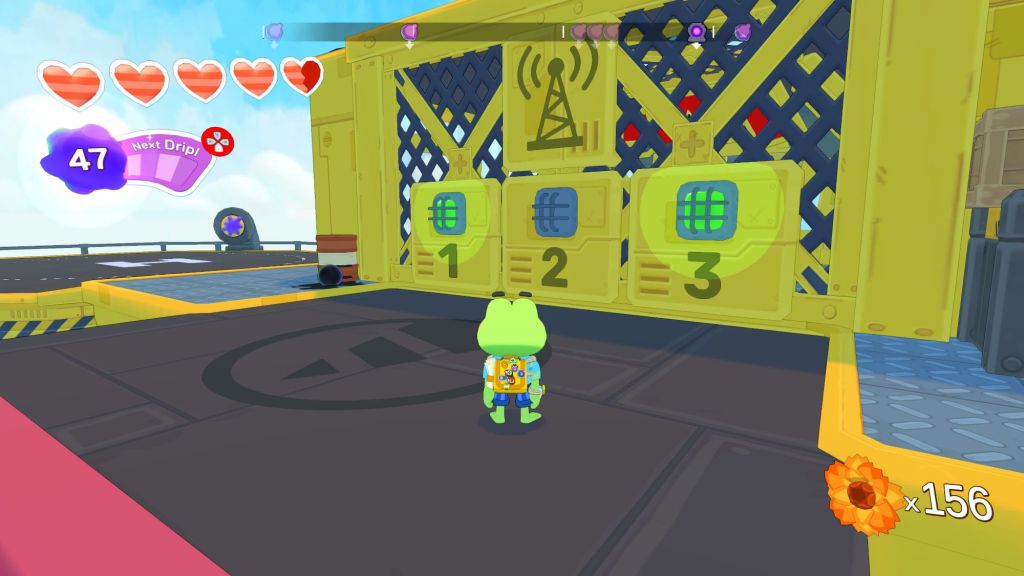
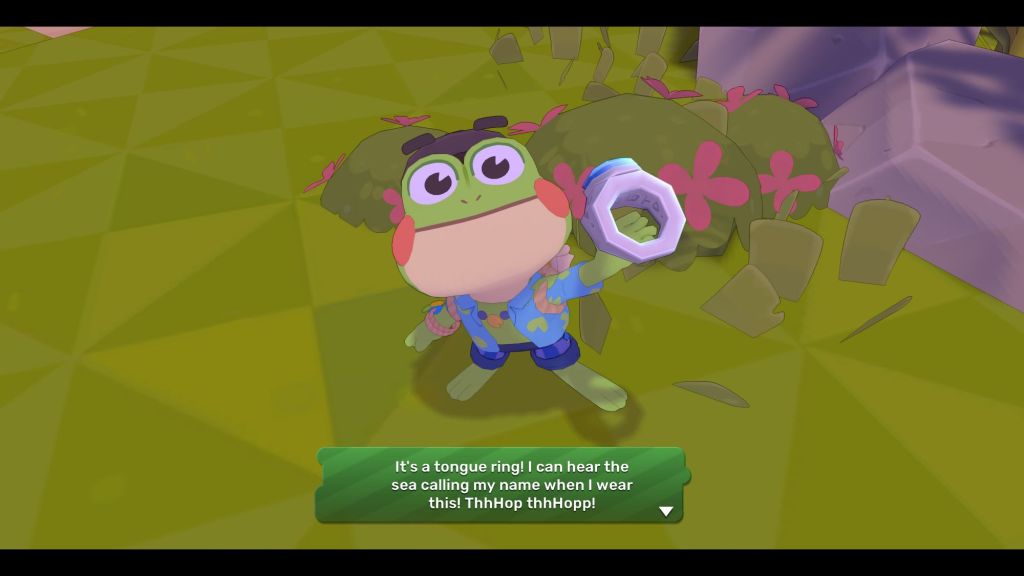
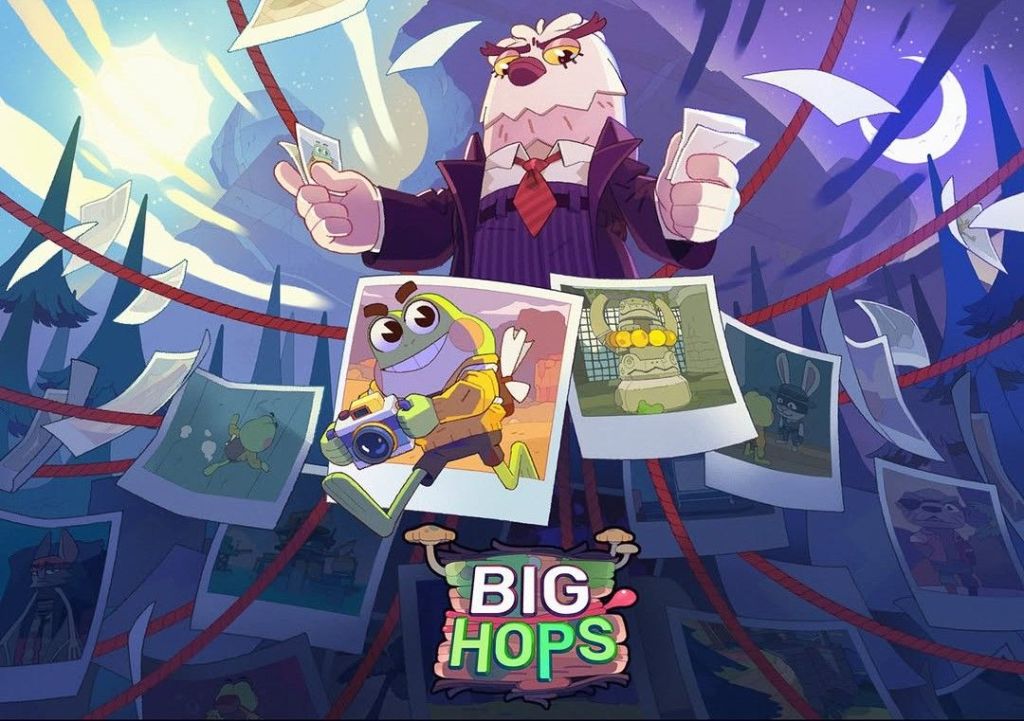
Big Hops, developed by Luckshot Games, is an expressive 3D platformer where you play as a cute little frog. The game begins with Hop and his sister having a picnic out in a forest near their home. Hop, the main character, talks about how he wants to leave home and go out on an adventure to see the world. After a tutorial sequence of sorts, Hop discovers a series of ruins where a mischievous entity known as “Dis” makes his presence known. To get back home, Dis asks Hop to collect the “Dark Drips” scattered around the world, otherwise there won’t be a home for him to return to. Along the way, Hop realizes that he’ll need “Airship Parts” to get back home and the adventure begins. The world comprises three major regions, but they’re all somewhat interconnected. Each major area has a town where NPCs live and every single one of them is voiced! I’d imagine having VO for every single character in the game was rather costly. I would have preferred the gibberish style approach, something more akin to how dialogue is handled in Banjo-Kazooie, for example, but the developer managed to score some pretty good talent to voice their characters.
Before I discuss the game further, I have to address the bugs/glitches I experienced at launch. I downloaded Big Hops on release date, and I’m sad to report that the game hopped out of the pond STEAMING HOT. During the game’s launch period, my experience with Big Hops was riddled with glitches, performance issues and game-breaking bugs. I had the game soft-lock on me at least three times and on a few occasions, I had to completely close the application in order to resume my playthrough. Max heart containers, which permanently increased your health, were glitched and didn’t get added to my health bar until a patch fixed things. I played Big Hops on my PS5 Pro and the game stuttered constantly (which might be due to the game auto-saving at certain invisible checkpoints, according to the game director on their Discord). Two of the more challenging trophies unlocked for me when they shouldn’t have, which really made me frustrated as I wanted to earn them legitimately. Thankfully, the developer was very communicative and vocal on their Discord, and while the game is in a much better state now than it was at launch, I think it needed a few more months in the oven. I wish I would have waited to play this game post-patch, but it’s hard for me not to pick up a 3D platformer at launch. Lesson learned, I suppose.
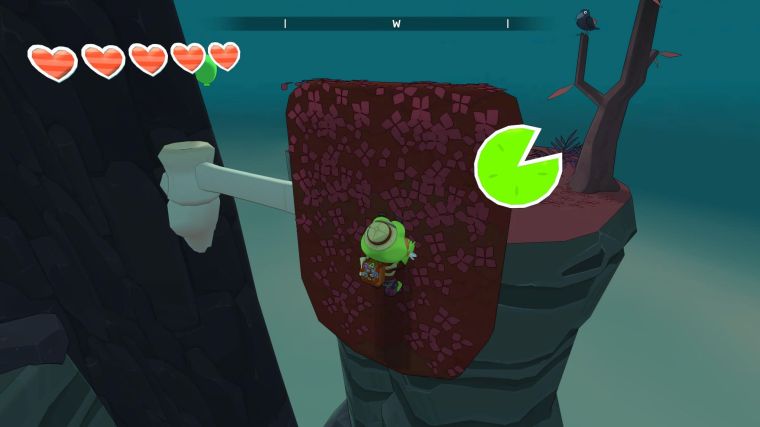
The best thing about Big Hops is the general movement scheme and character feel. Hop simply feels good to control. He can jump, dive and belly slide his way around the environment and there’s a good sense of momentum behind it all. Hop can also use his tongue to grapple onto switches and the sort, being a frog and all. Big Hop’s gameplay “gimmick” is the ability to use vegetables to navigate the levels. You can find an acorn that grows vines when thrown against a wall so that you can climb up a cliff, or maybe you’ll find a mushroom which creates a bouncy pad, so Hop can jump higher. The veggies are supposed to bring about the game’s emergent gameplay systems, but I didn’t find how they were implemented to be very engaging. I think that’s partially due to the level design. Some areas are fairly boxed-in and rather linear. You’re always making your way from point A to B, so while you can use different veggies to cross a path, so to speak, you don’t have a ton of options at your disposal for any given sequence. Furthermore, you need to store your veggies in your backpack, which has limited inventory at the beginning. By the time you’re fully upgraded and near the end of the game, the veggies start to feel like an afterthought. I think it’s a fun idea that can create interesting gameplay and navigation opportunities, but perhaps it’s something that will be developed further in a sequel (hopefully).
As I mentioned earlier, there’s a lot of dialogue in Big Hops and every NPC is voiced, which is quite impressive considering it’s an indie project. I don’t feel like anyone has anything interesting to say, though. The tone of the game might not be for me, and that’s fine, but I’m not exactly sure who it’s for then? It’s obviously “E for Everyone”, but do kids even like 3D platformers these days? Outside of Nintendo/Mario, I feel like most of these indie 3D platformers are for the 30s to 40s crowd who grew up playing these types of games. Big Hops straddles the line between a Cartoon Network and Adult Swim show, but never fully commits to either style. One of the main NPCs in the story curses and the game bleeps out the expletives and writes them as “&#$!” for the text, which is one of my biggest pet peeves when it comes to writing styles in games. I also think the game failed to deliver on what could have been a relatively heart-warming “fish out of water” story, as Hop himself is an endearing and loveable character.
With that said, I don’t feel like Hop learns anything from the encounters he has out in the “real” world, so to speak. The first town you arrive at in the desert region tells a story about a gang of rabbits who are drilling underneath the town to steal its water so that they can sell it back to the people to turn a profit. At the end of the scenario, the youngest child in the gang comes to some sort of realization about his family, but Hop more or less says, “Okay, that’s great, now where’s my airship part?” Hop comes off as a silent protagonist at times. The player is given multiple choice answers during conversations, but there’s rarely any sort of personal growth displayed. There are some more interesting conversations between Hop and Dis throughout the game, but I also found Dis to be a relatively throwaway antagonist. I think the game would have been better without him. The game also ends in such an unceremonious way, I was left feeling nothing. Even the ending you get for 100%’ing the game doesn’t feel any more fulfilling than the default ending.
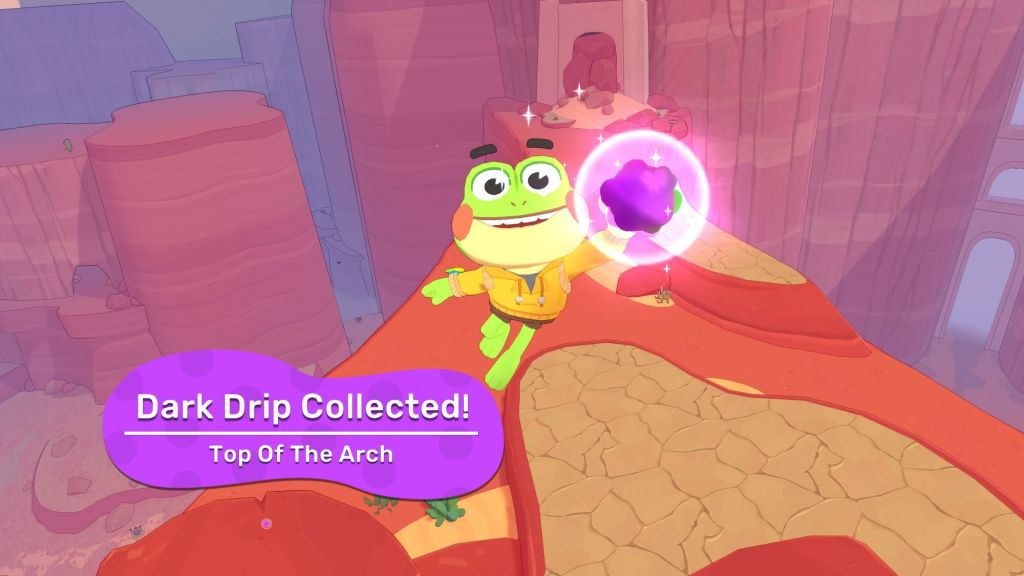
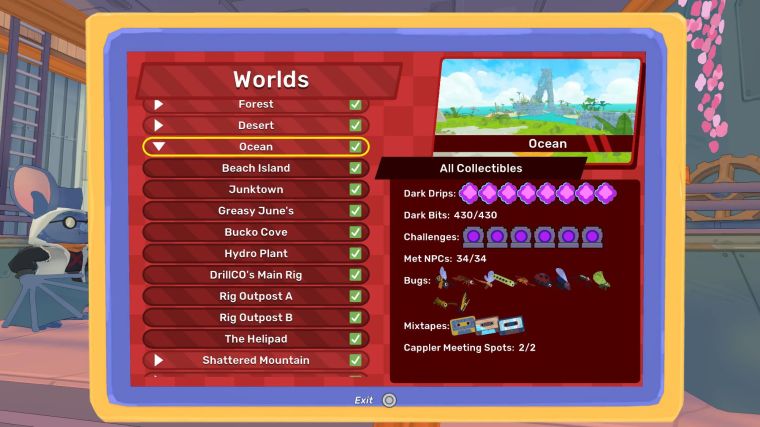
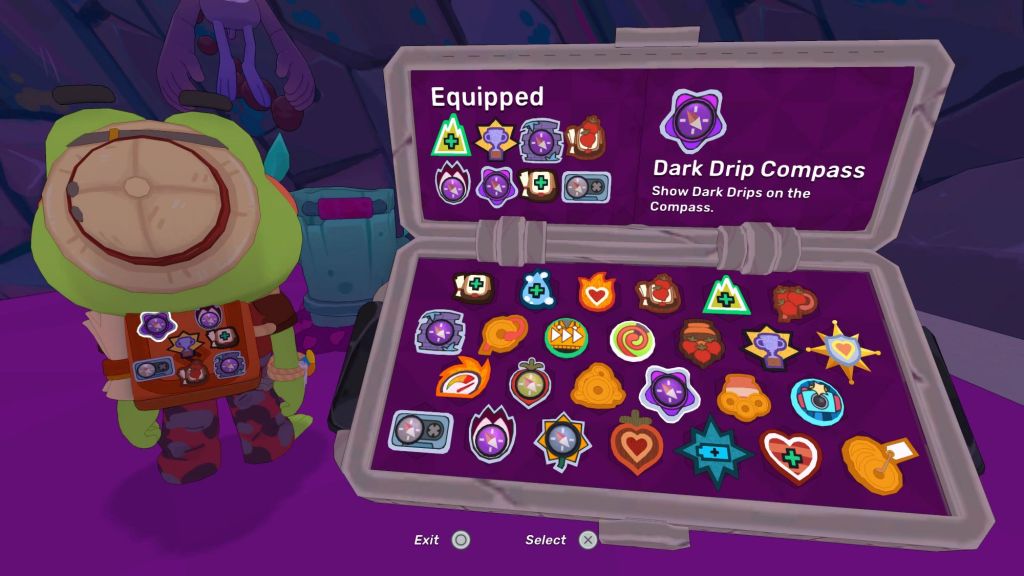
There’s some baffling design decisions throughout Big Hops as well. Why was there no master list for all of the collectables at launch? The director stated that they didn’t want players to feel obligated to collect everything, but it just feels so antithetical to the genre. The game does not gate progress behind any of the collectables, so I think most players would have arrived at that realization on their own. The game even utilizes 3D Mario-like descriptions for its primary collectable, Dark Drips, like “Top Of The Arch” where a Dark Drip is placed at the very peak of a mountain in the desert region. When Hop does collect a Dark Drip, he does do a nice little “Power Star” acquired animation, which is always something I’m looking for when I play a 3D platformer. Then there are the Dark Bits, which are more or less fragments of a Dark Drip. When enough are collected and a bar fills up, you can trade them for a Dark Drip on the spot, which adds an interesting dynamic to the character progression. When you earn a Dark Drip this way, Dis will appear with a chest of sorts where two random Badges will be presented to you. Badges are accessory-like items that can be equipped (and placed visually) on your backpack. A lot of the Badges act like compasses for the main collectables, but I feel like a lot of these should have been system/feature unlocks instead of being delegated to an accessory slot. Once you collect everything in the game, the collectable-based Badges become pointless, for example.
Why was a master list of collectables not considered prior to release!? Regardless of the design decision for not including it, this update makes the game 100% better.
Then there are the Gadgets you unlock by collecting blueprints throughout the game. One of them is a metal detector, which I used once, maybe? The game never asks you to utilize any of them. The in-game currency (coins) is rather plentiful, and you’ll purchase all the unique items/upgrades by playing thoroughly, so the game’s economy could have used some work, too. The costume and dye system are needlessly overly complicated as well. You first need to pluck a flower for the first time and collect its petals (which you might miss as they can fly off a cliff and never come back). From there, you go to the shop and buy a dyeing pack from the vendor. You then have to go to a dresser to use your petals to unlock the corresponding color for each piece of clothing. My biggest issue with this system is that you simply can’t buy all of the color variants at once! I don’t think you can purchase every color variant for all pieces of clothing either, due to the fact that the flowers do not respawn. So, for you mega completionists out there, tough luck!
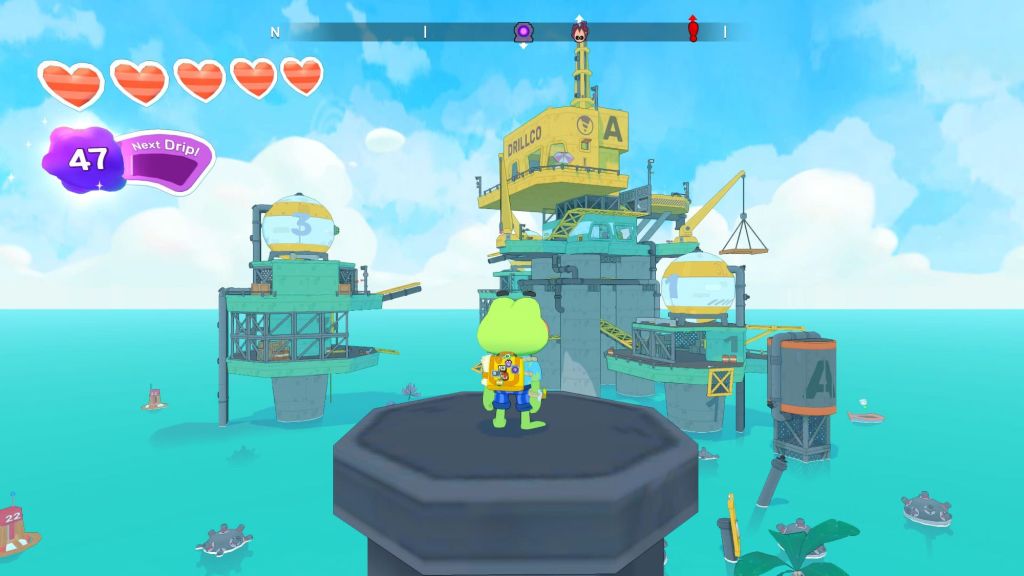
I just don’t think Big Hops respected my time as a player. I don’t need fast-travel in every game, but the fact that there’s no warp back to the airship you unlock towards the end of the game, at the very least, is ridiculous to me. The director has stated that they wanted players to think about how each area is connected, but when you’re missing one collectable in Stage 4 of 5, for example, and the only way to get back there is to traverse Stages 1 to 3 again, and then do Stage 4 and 5 again to “get out”, it’s not exactly an enticing offer. Finally, one big thing I feel is missing from the game is a good sense of place. Each area feels a bit disjointed due to the structure of the game. It doesn’t help that you jump into portals to travel to the next “world”. Are the three main areas within the same world? It’s not super clear, outside the fact that DrillCO, an evil mining corporation, seems to be present in two of the three worlds. I would have appreciated a beautifully illustrated world map (perhaps a globe you could interact with on your airship) showing where each region is physically located. I do think one of the best aspects of the game is its soundtrack, composed by Tom Dunkin. Sometimes you’ll get a track that could arguably come from something like The Legend of Zelda: Wind Waker, and then you’ll be greeted with a piece that could be from Threads of Fate on the PS1.
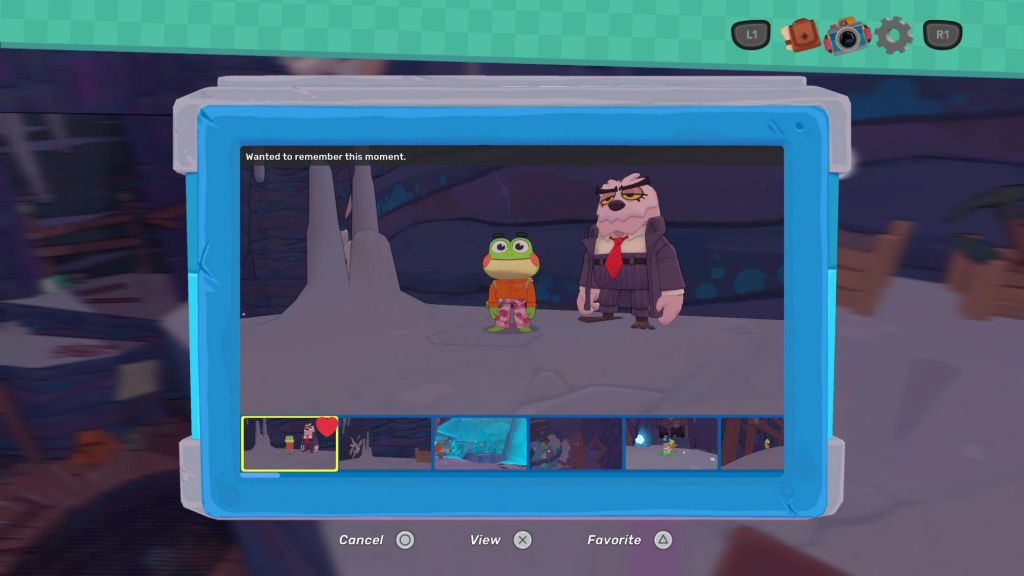
The camera album is a mess.
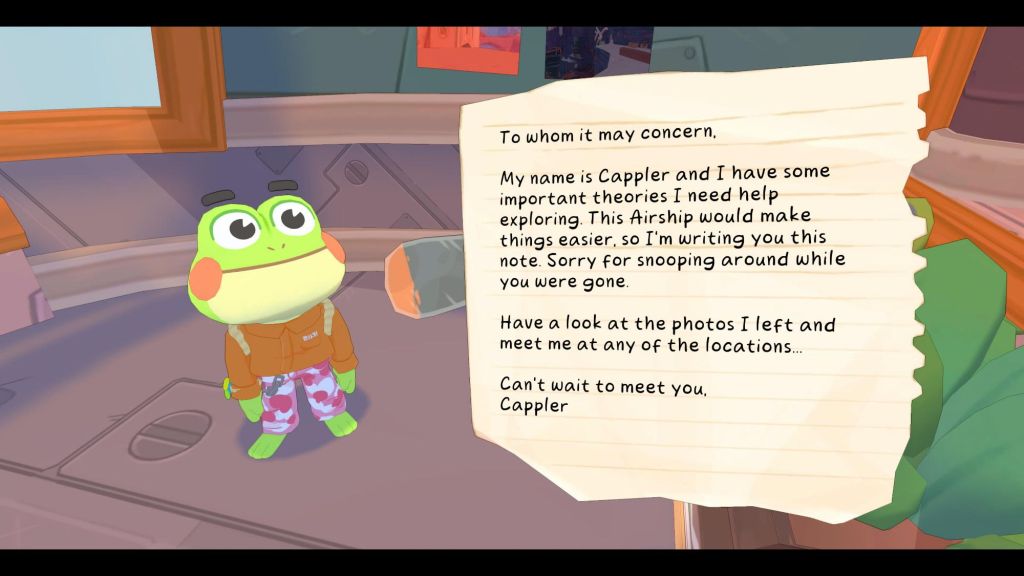
I did also play through the Cappler’s Conspiracy DLC, which was a free update to the base game. In this DLC, you can earn new camera filters by completing requests from Cappler, a conspiracy theorist, who can be found in the various zones throughout the game. I think this DLC would have been better to experience with the base game fully patched as it’s integrated fairly well into the original experience. You can find a note and pictures of Cappler’s locations on your airship. The picture requests have you exploring parts of the levels you might not normally discover, so it sort of lends itself to those who like to explore. Each request is more or less a riddle to solve. I think some of the conspiracy-related story beats in this DLC were better than the base game’s plot. My biggest issue with the camera, however, is that you can’t delete or sort any of the pictures you take. Your camera will become an unorganized mess over the course of the game, so the entire package just feels a bit rushed.
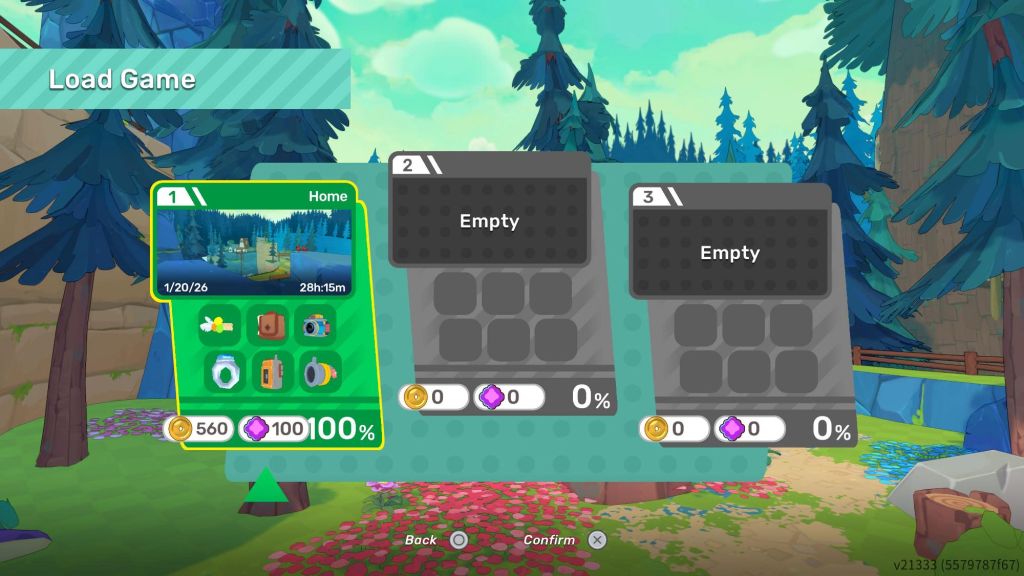
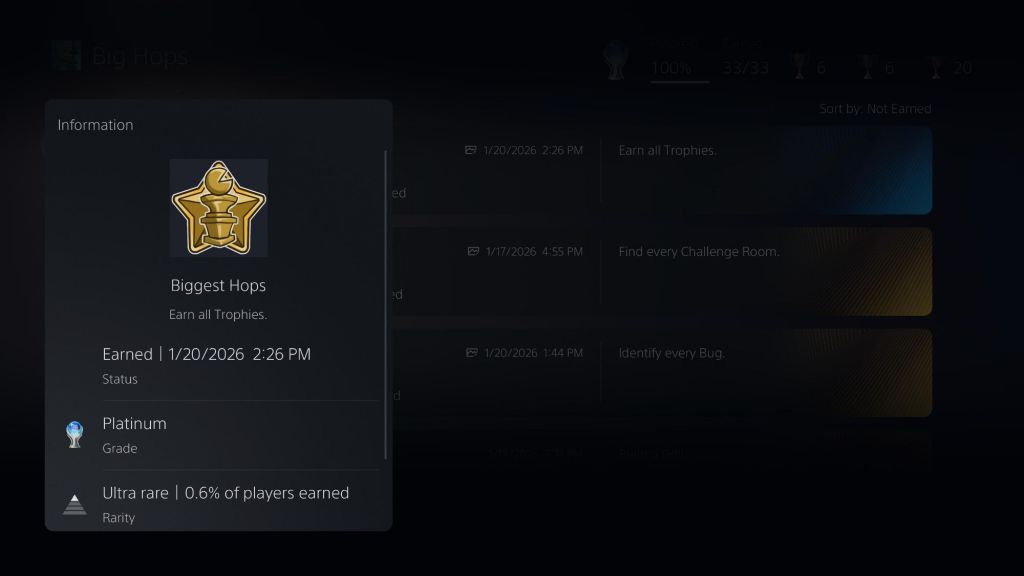
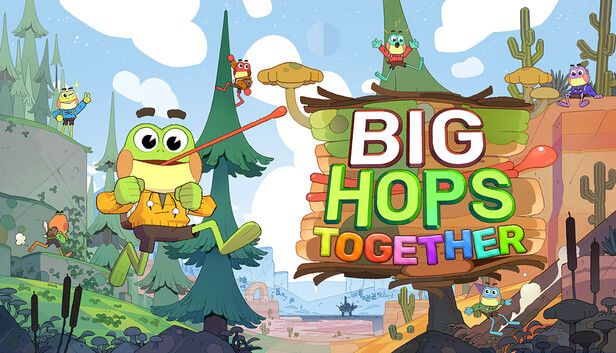
The developer also released an 8-Player Mode on PC/Steam called “Big Hops Together”, but I have no desire to replay this game with another person, let alone 7 more people. I love 3D platformers and I think Big Hops has a lot going for it, particularly the character’s move-set and the overall feel of the game, but it had a lot of issues at launch. I felt like I was playing a game in Early Access, reporting bugs and issues I found to the developer’s discord, which is not something I (willingly) signed up for. I begrudgingly 100%’ed the game, but two of the more difficult trophies unlocked randomly for me as the credits rolled, so the whole experience just left a sour taste in my mouth. I will happily play Luckshot Game’s next release, but perhaps I should give it a few months of patches before I hop in.
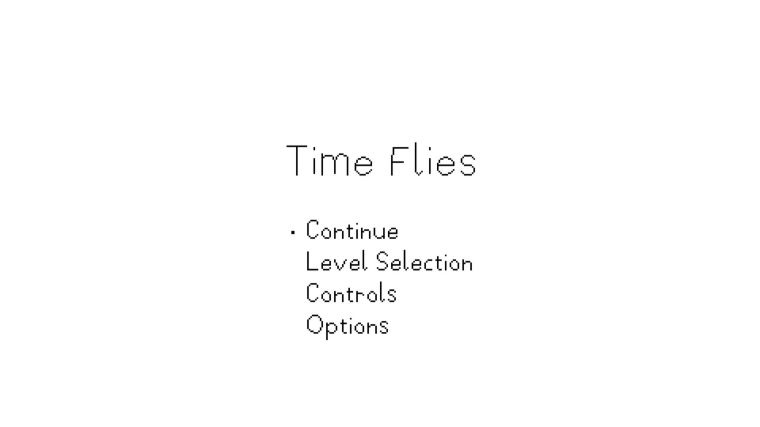
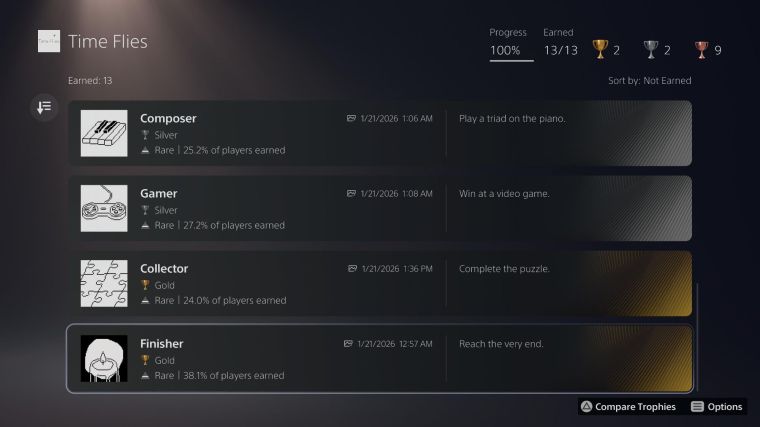
Game #5 of 2026: Time Flies – Developed by Playables – Released on July 31, 2026 – Played on PS5 Pro – Hours Played: 2
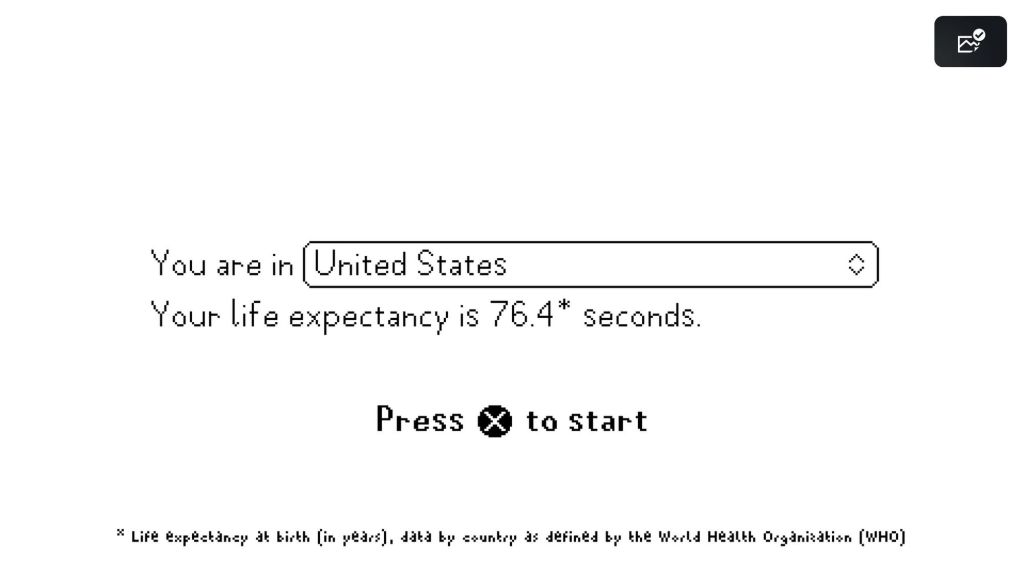
Time Flies, developed by Playables, is a fly-ing (pun intended) simulator of sorts where you only have a minute or so to fully explore a space and perform checklist objectives on a “Bucket List” before you die. Time Flies is structured similarly to Untitled Goose Game. You’re dropped into a tiny sandbox with a list of objectives to complete. One of the coolest things about the game is that the developers provided the average life span of a fly from all over the world, and you can select your fly based around those parameters (life expectancy at birth (in years), data by country as defined by the World Health Organization (WHO)). The game takes a minimalistic approach in terms of its visuals, as it looks like someone took a pencil to a sketchbook as it’s all in black and white. There’s no dialogue or narrative through-line, which I found somewhat refreshing. This isn’t a sad story about some fly trying to find their family or anything like that. You simply exist for a brief moment in time and your goal is to experience all the things life as an insect can offer… such as diving head first into a glass of unidentified liquid and simply perishing in the blink of an eye. There’s also no music in the game. All you can hear is the sound of your fly buzzing around a space along with the surrounding ambiance. It’s quite unnerving at times.
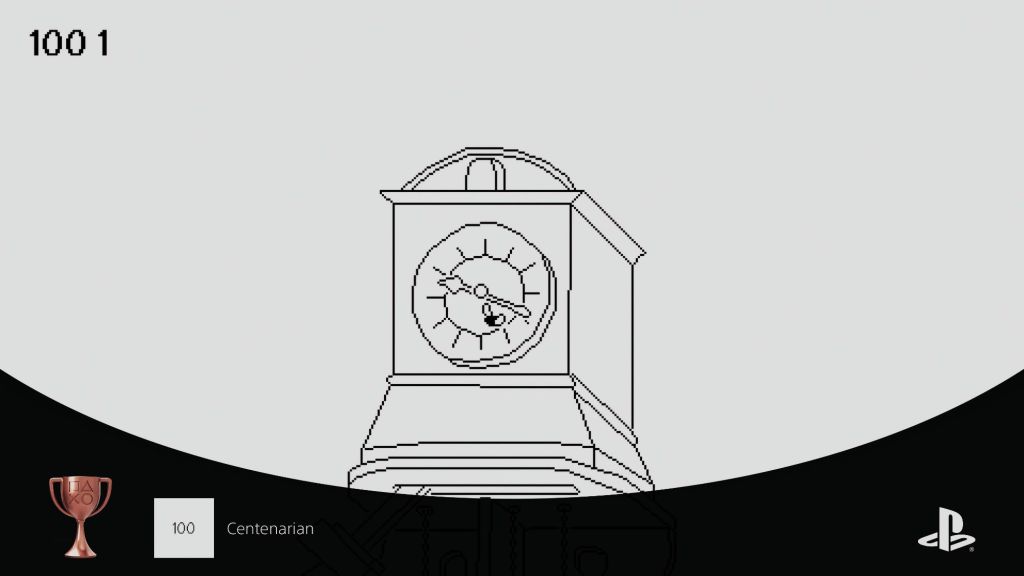
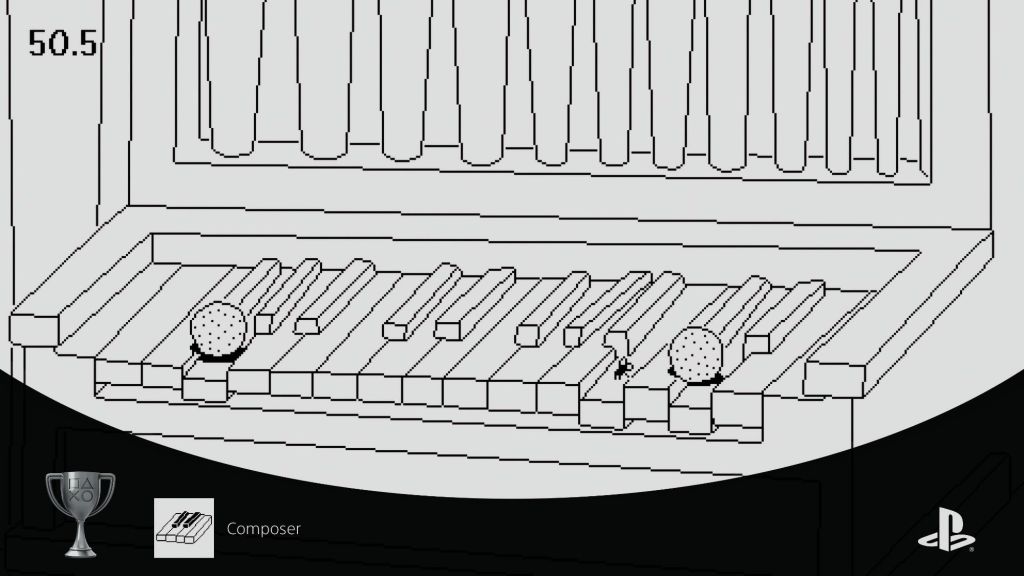
The game consists of 4 stages; two houses, a sewer, and a gallery. You can find a clock on most levels where you can “turn back time” for a few seconds, which is a very clever mechanic. These clocks can be strategically used along your route when trying to complete your bucket lists, too. I think finding the most efficient route is the most interesting thing about the game. A level or two’s final objective might ask the player to more or less end their lives as the fly, so you need to figure out which objectives to do first before you go meet the big fly in the sky, so to speak. There are also a handful of puzzle pieces to collect, which can be fairly difficult to find. I completed the game at 100% with all trophies unlocked. To unlock one of the trophies, it’s recommended to choose a fly that has a longer life-span, for example, which I thought was neat. There’s unfortunately no Platinum trophy, however. I would have taken a few more levels because it’s fun to fly around and interact with the environment, solving puzzle-like objectives within a time limit, but it’s also perfectly fine for what it is.
Game #6 of 2026: MIO: Memories in Orbit – Developed by Douze Dixièmes – Released on January 20, 2026 – Played on PS5 Pro – Hours Played: 30
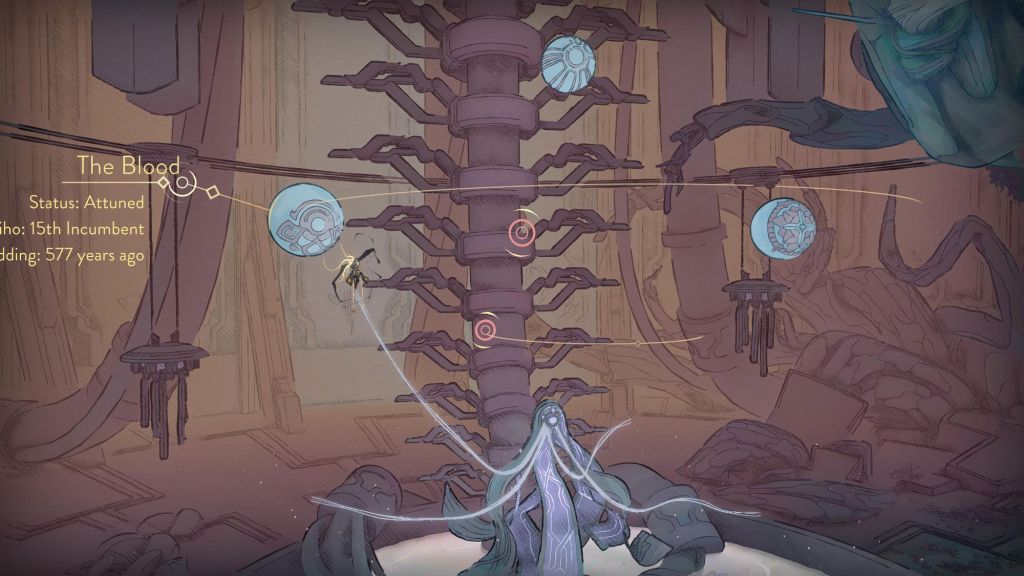
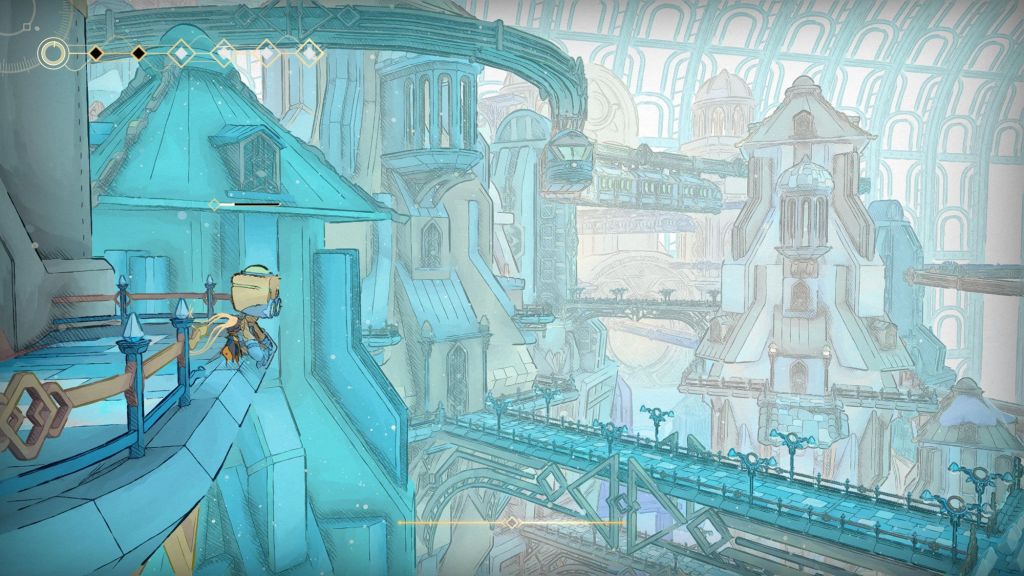
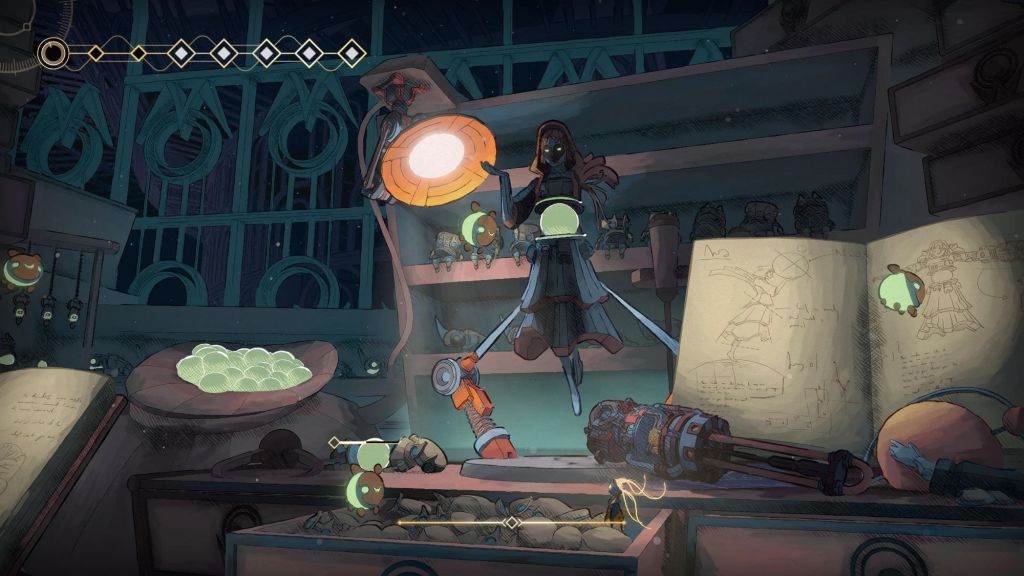
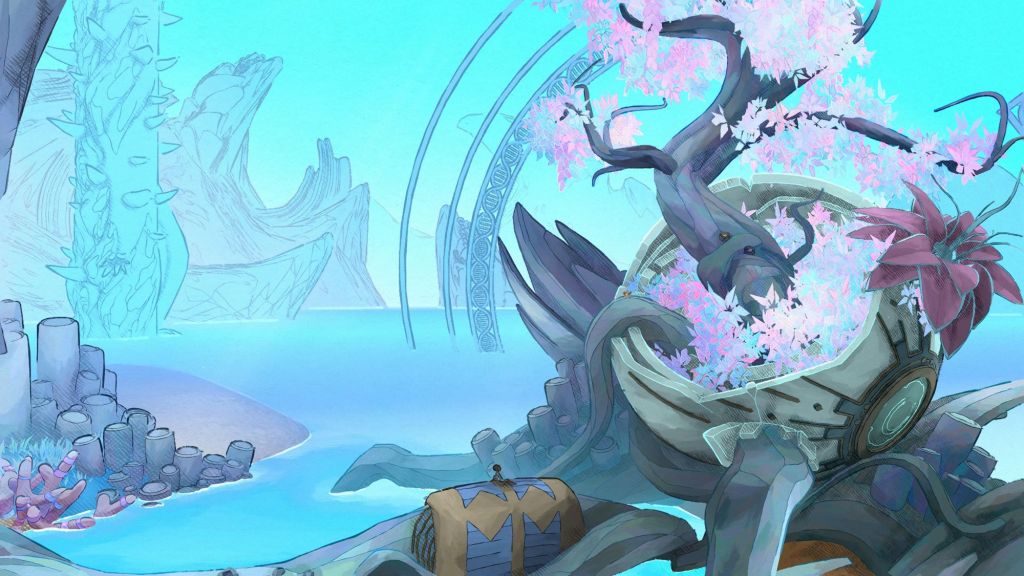
MIO: Memories in Orbit, developed by Douze Dixiémes, is a 2.5D Metroidvania/Metroid-like where you play as a little robot on an abandoned space vessel. As Mio, you awake inside a vessel that has gone cold and dead for an unknown period of time. All the humans are gone, portions of the ship have shutdown, and only a few remaining robots persist, including yourself. Douze Dixiémes’s previous game, Shady Part of Me, was a 3D adventure game of sorts. MIO is in the same vein as Hollow Knight or Nine Souls, so it’s quite a departure compared to their debut release. MIO’s got all the trappings you’d come to expect from a modern-day Metroidvania that’s more a hybrid of genres than the games that came before it, however. You can run, dodge, float and eventually climb the walls and ceiling with your hair. I do think the game feels a bit floaty at times, and although the combat is simple and the enemy variety is decent, the game shines the most during its many boss battles.
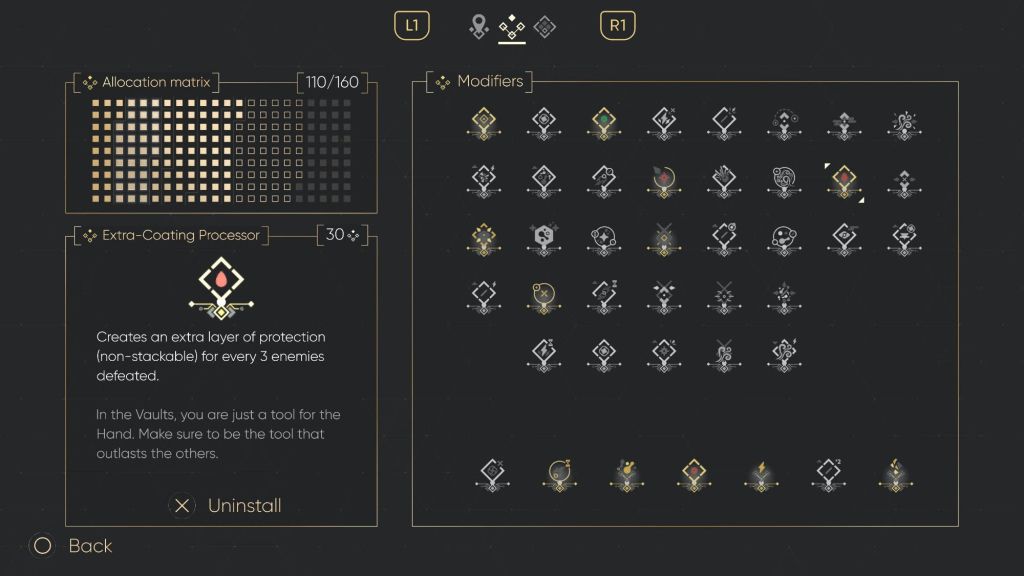
Your primary attack is your hair tendrils, which can be altered by applying “Modifiers” to your “Allocation Matrix”, an accessory-like grid system where you slot enhancements into a grid which grant you passive/active abilities. “Pain Inversion”, for example, charges your “Energy” when you take damage. Energy is more or less your stamina meter and both combat abilities and traversal mechanics affect it. “Protective Overlay” grants you an additional level of protection (hit-point), which is extremely helpful early in the game. While I do generally like the art style, Mio isn’t the most distinguishable/memorable character, outside her hair tendrils. Your character doesn’t speak or even gesture much, but the supporting robot cast and the AI systems you encounter along the way do most of the heavy lifting. The game has a nice painterly art style with good usage of watercolors, too. The soundtrack is nice and atmospheric as well. Some of the boss tracks in particularly are interesting, to say the least.
One of the more punishing gameplay “gimmicks” in MIO is that narratively, every robot on this vessel is slowly dying due to entropy and mechanical failure, including yourself. You’ll notice some robots in the environment have a health bar above them, but over time (or perhaps after enough progress has been made at certain points in the game), you’ll come across NPCs in the background that have been disabled. It can feel quite random, although it’s entirely scripted, when Mio’s health bar gets slashed by one health point permanently. If you’re thoroughly exploring, collecting upgrades, and engaging with all the game’s systems, you can offset this penalty quite easily. I found it to be an interesting balancing approach as you never truly feel overpowered as you make your way towards the end-game content. I’ll always appreciate it when a game ties a mechanic to its narrative themes.
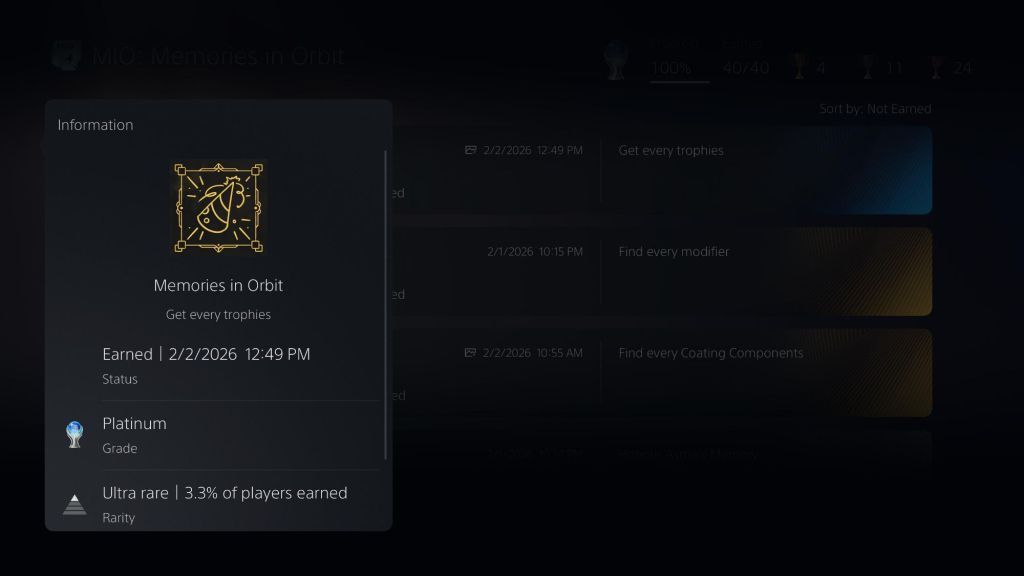
MIO also utilizes some nice EVP throughout. There are pedestals for each Candle in a room on the space vessel and when all of them are collected, the room looks really nice lit up. Similarly, in the main hub area, as you restore sections of the space vessel, what the game refers to as “Pearls” will appear and replace the red “offline” circles that hover in place. I somehow managed to discover the secret ending on my own, beat the true final boss, and collected everything, along with the Platinum trophy earned. I was really trying my best not to look up the location of the collectables, but ONE Candle eluded me for hours. The Candles are a unique collectable which must be brought back to a special robot in the game. Ultimately, I looked up the location of 2 to 3 items I just couldn’t find on my own and that was after spending 30-ish hours pouring over the maps. The Candle was in a not-so-hard to find location, too! Some of the collectables are hidden extremely well, so I feel good that I found almost all of them on my own. If anyone 100%’ed this game on their own completely, hats off to you! At the time of writing this, I’ve learned that the studio has since closed. The game just did not meet sales expectations from the publisher, so they bought back their shares, laid off staff, and shutdown the studio on their own terms. This isn’t the last instance of a 2026 game I played this year whose studio also shut down. I don’t know what to say anymore…
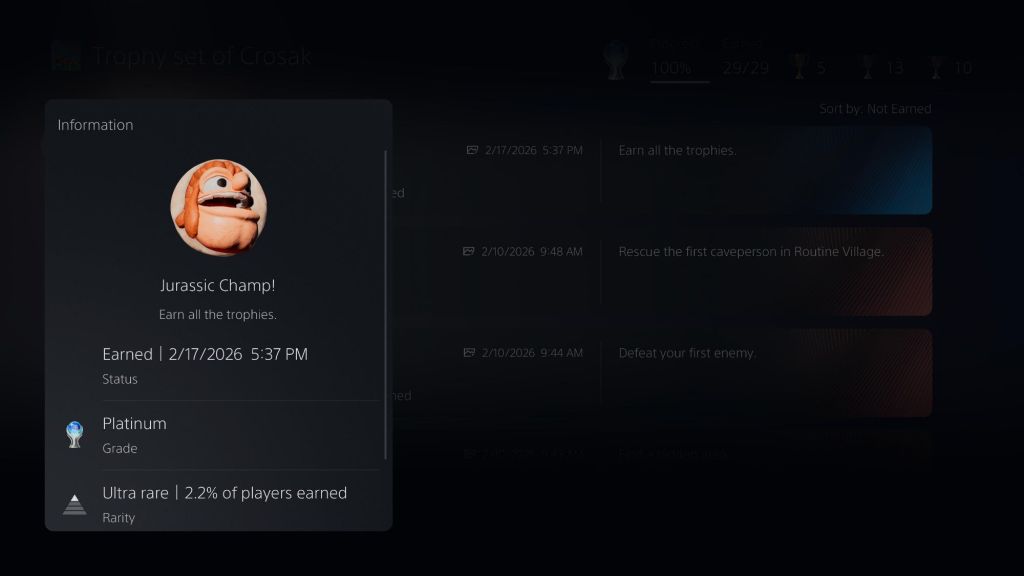
Game #7 of 2026: Crosak (Play-Dough Age) – Developed by WildSphere – Released on January 29, 2026 – Played on PS5 Pro – Hours Played: 13
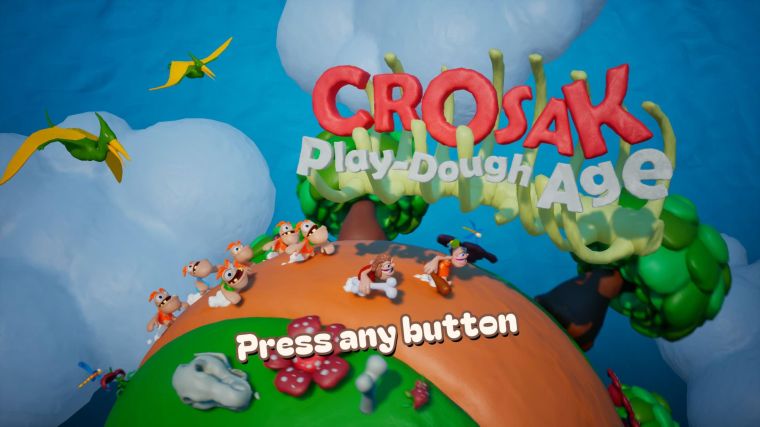
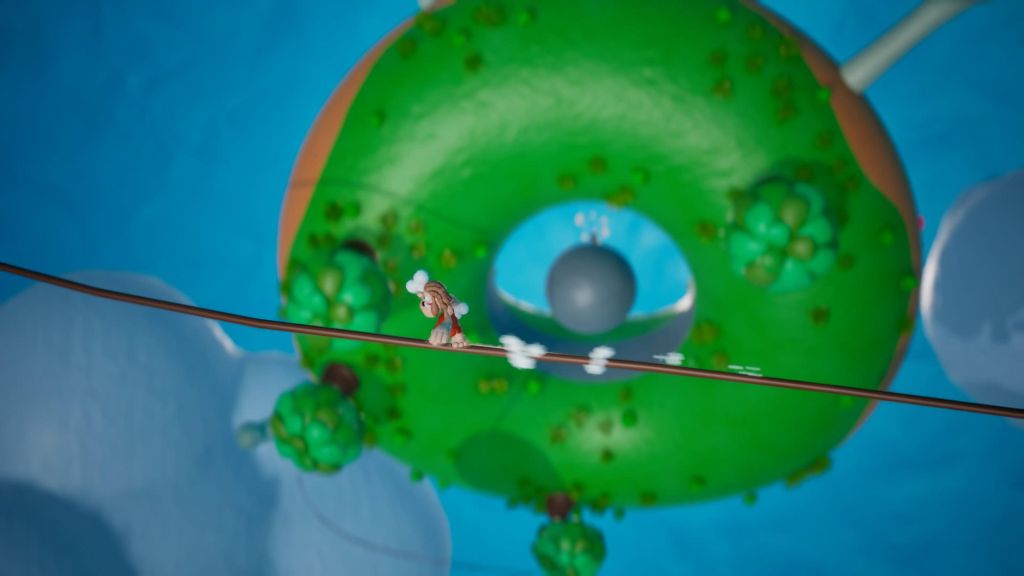
Crosak (Play-Dough Age), developed by WildSphere is a 3D platformer in the same vein as Super Mario 64 (SM64) or Banjo-Kazooie (B-K). The developer is an independent studio based in Madrid, Spain. With that said, the game also takes a lot of inspiration from Super Mario Galaxy (SMG) with its gravity-defying levels. Each world is a series of (often) spherical islands suspended in the air, connected by grind rails and floating platforms. You and your fellow cavewoman are away from home, resting by a nearby pond, presumably hunting for food, when your village gets invaded and ransacked by other traitor cavemen and an evil wizard. From there, you set out on an adventure to save your fellow villagers… and that’s it! Your caveman can run, swing his club around, and even double jump. I suppose the most interesting move is rolling up in a ball like Sonic the Hedgehog to speed around the levels. It’s a relatively simple platformer, which isn’t necessarily a bad thing. Everything in the game appears to be made out of play-dough, so it’s got a degree of that stop-motion/Claymation effect going for it. The game likes to use depth of field a lot, too. The music is mostly unremarkable and suits the game, but it’s nothing to write home about.
Crosask is a collect-a-thon through and through. Each level includes 10 “Cavemen” to discover (which are more or less the Power Stars or Jigsaw Pieces equivalents of SM64 and B-K, respectively) along with 200 “Stones” to collect. Think of the Stones as Music Notes from B-K; there are a finite amount and if you collect them all, you are rewarded with yet another Caveman. Like SM64 or SMG, when you collect a Caveman, you get booted out of the level, so it can feel a bit tedious to fully complete a world. In some levels, you may find a bone which is required to open a locked house located somewhere within the world (the door nob is a pair of teeth, which I appreciated). Similarly, there can be a hidden fish to collect on a stage, which when brought back to a pterodactyl, you’ll hop on its back to play an overhead/vertical shoot ’em up sequence to reach another Caveman. It’s kind of cool? Finally, you may find yourself rolling in a ball along a racetrack of sorts filled with narrow paths, slopes and jumps to make. Reach the end, and you’ll find yet another Caveman. My favorite Cavemen to find are the ones that are simply out in the open, tied up to a post.
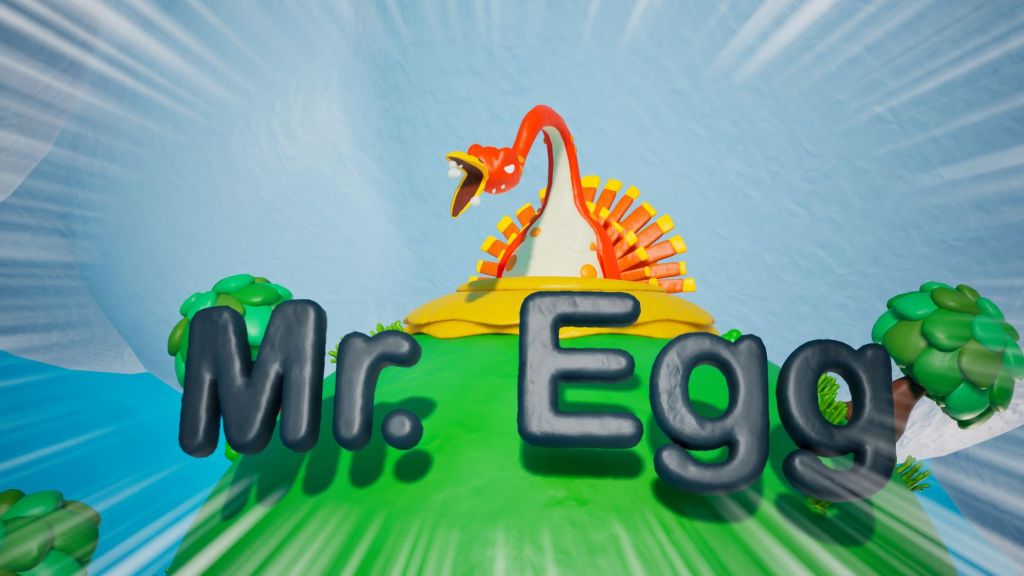
Okay, sure… but who made this game!?
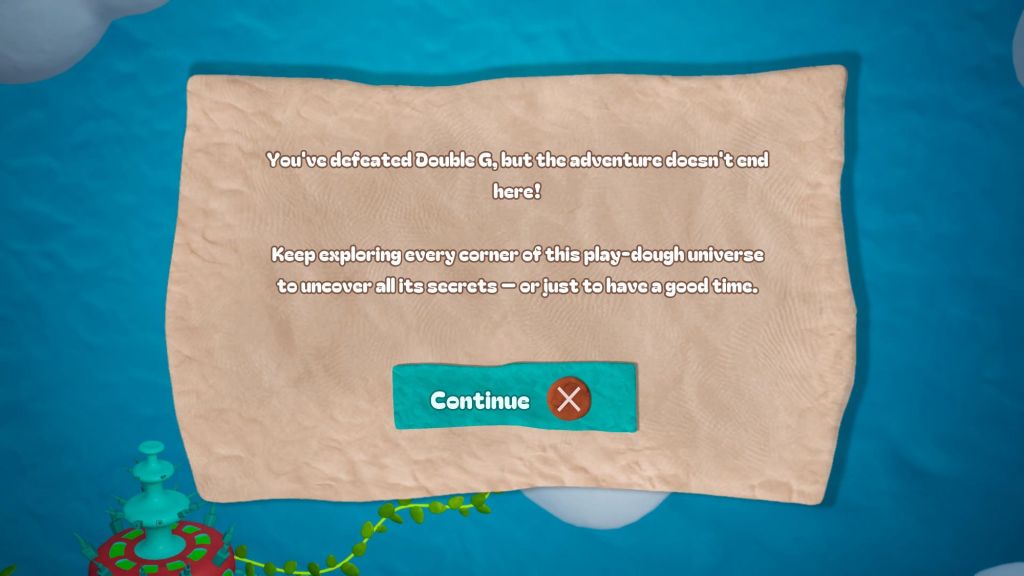
Almost all the world objectives get repeated throughout the various levels, however. There are very few, if any, unique cavemen objectives for any given level. One aspect that took me by surprise is that there are no credits when you beat the game! After the short and abrupt ending sequence, you’re simply treated to a black screen with “Thanks!” in big, bold white font. I would have liked to have seen who worked on the game or the size of the team. You do get a message screen telling you to more or less collect any remaining cavemen or stones you may have missed, but there’s no reward for doing so outside of PSN trophies. With that said, I did complete the game at 100% with the Platinum trophy earned and really enjoyed my time with the game for what it’s worth. It’s not ground-breaking by any stretch of the imagination, but it’s a surprisingly competent 3D platformer in a year that’s been relatively competitive, at least in the indie space.
Game #8 of 2026: Lovish – Developed by LABS WORKS – Released on February 5, 2026 – Played on PS5 Pro – Hours Played: 17
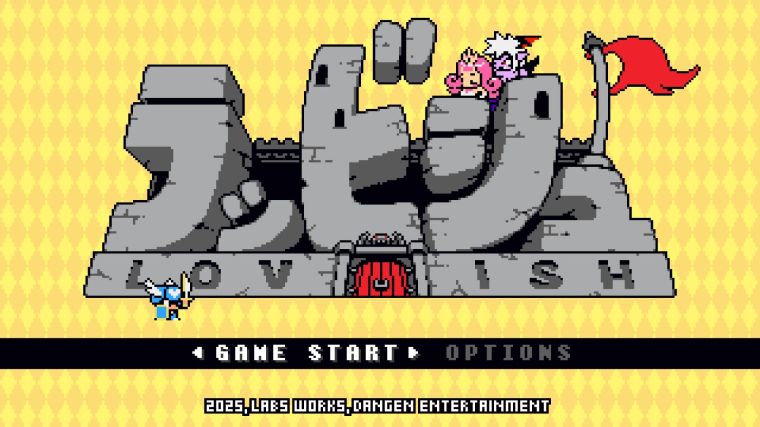
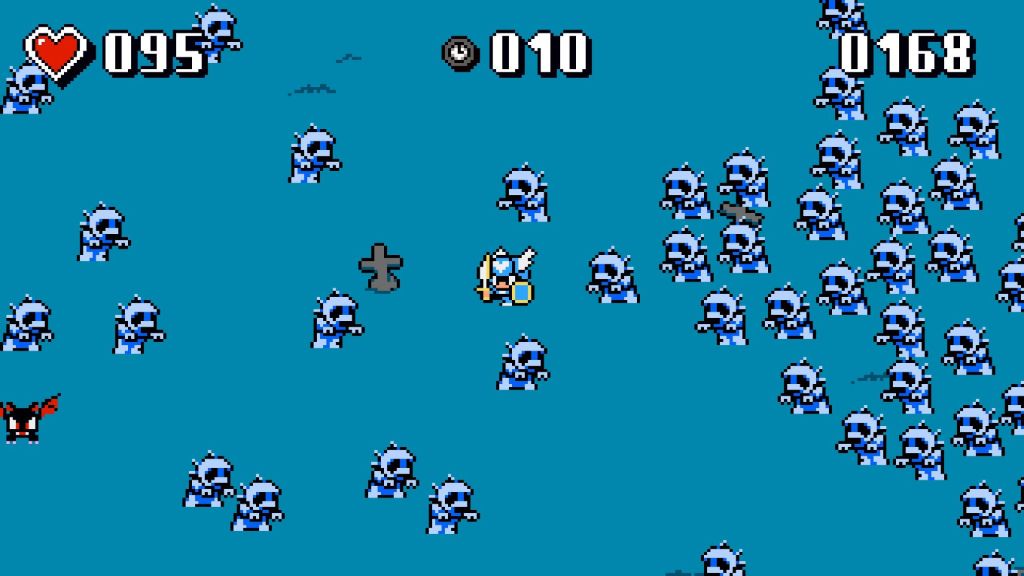
Lovish, developed by LABS WORKS and composed by Matt Kap, is a 2D Metroid-like that feels like a modern-day Tower of Druaga. Princess Tsuna has been captured by the Devil Lord, so Sir Solomon and his friends storm the castle in hopes of saving the princess. Lovish doesn’t have much of a story, but it’s got a lot of heart. In fact, “Hearts” is one of the game’s main mechanics. You die in a hit and lose a Heart, which more or less acts as an extra life. You begin the game with 200 Hearts, and although there’s a possibility that you can run out of lives, it’s sort of an illusion. There are ways to earn more Hearts while playing the game too, so it never really becomes an issue. I love single screen arcade games and Lovish consists of 50+ single screen rooms filled with enemies to beat, platforming challenges to conquer, riddles to solve, and bosses to defeat. I do think the controls are a bit slippery and imprecise. You can sort of position yourself on the edge of a tile, which is both a good and bad thing. Although you do unlock a few traversal abilities (such as an air dash), it’s a relatively simple 2-button action-platformer. The soundtrack is pretty good, too. Each floor comprises 10 levels with a unique track, so there is always something new to look forward to just when you’re sick of listening to one piece.
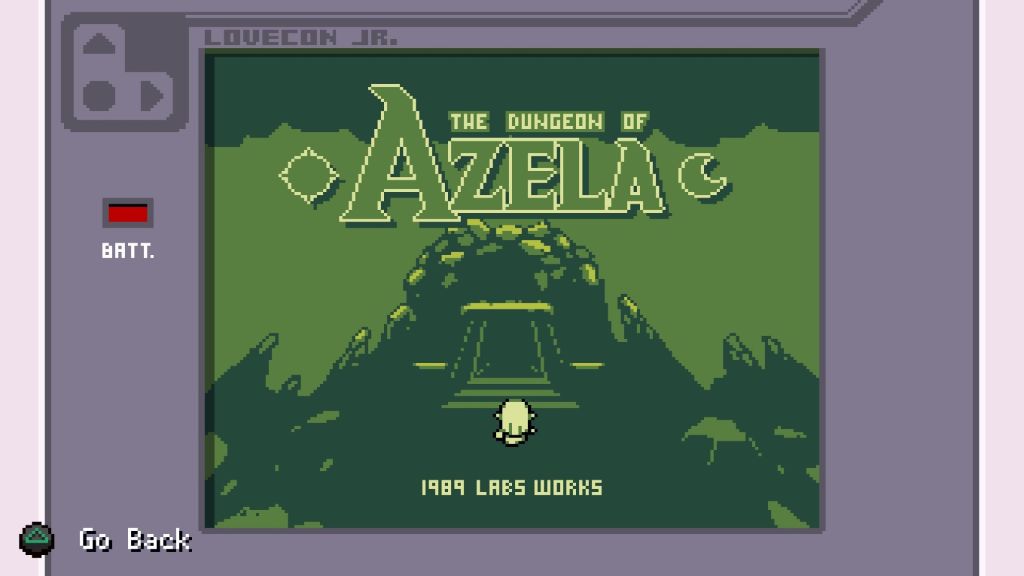
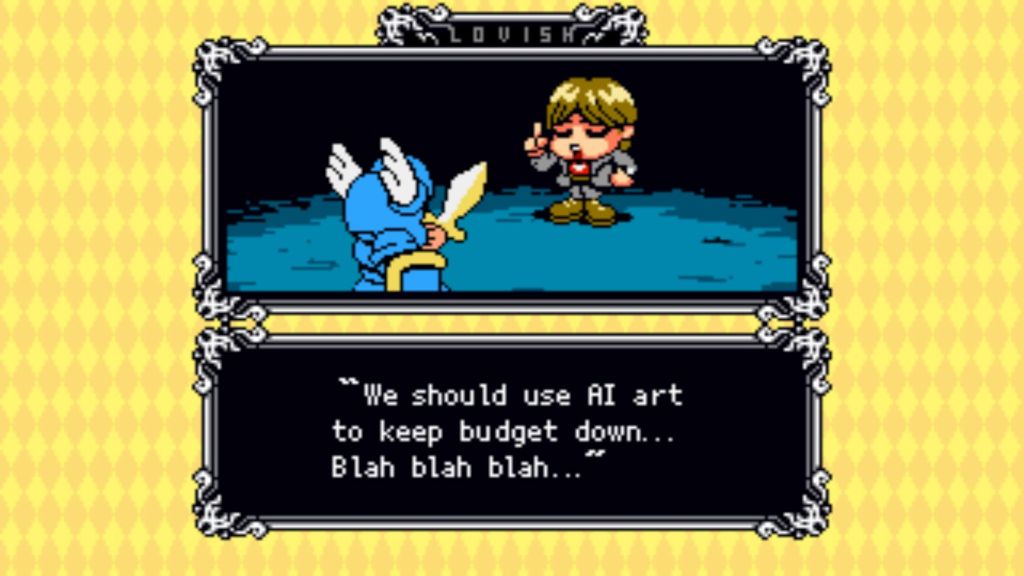
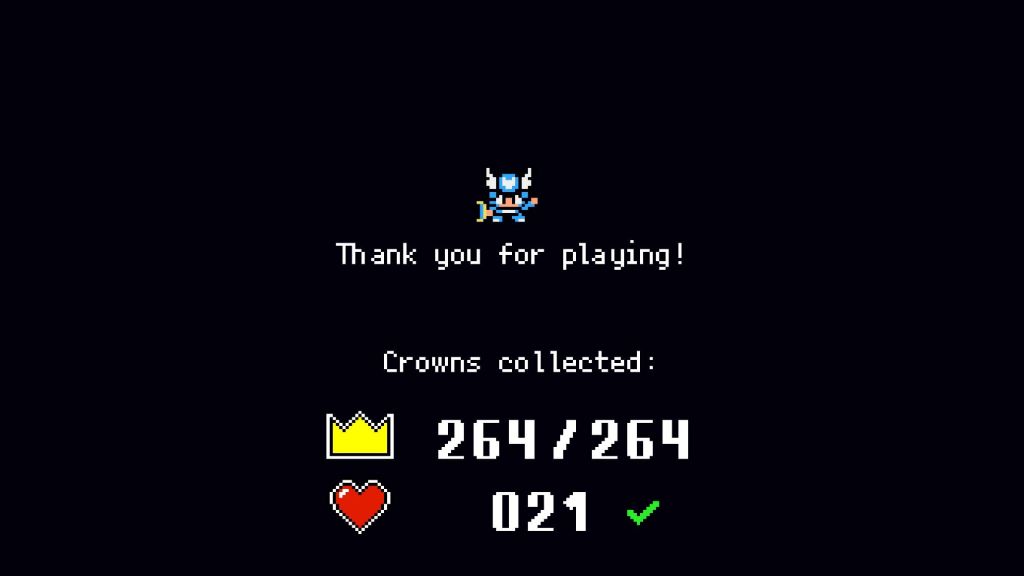
You’ll collect Pennies along the way, which can be used to purchase items and upgrades. The aforementioned air dash is unlocked by purchasing the Dash Cape, for example. A lot of the things you purchase in the shop feel more like single-use keys, however. Additionally, each stage has a set of challenges to complete. One Crown is simply hidden, another is earned by completing the time trial and the third Crown is unlocked by finishing the level without killing an enemy (which requires you to get a bit more creative with your approach). Crowns unlock more stages and other special features, so it can become quite an addictive loop. One of the best things about Lovish are the numerous vignettes in-between levels. When you finish a stage, you’ll sometimes be greeted with a humorous cutscene (one of which pokes fun at generative AI, rightfully so) or sometimes you’ll play a mini-game of sorts, such as a Vampire Survivors or Link’s Awakening clone. Normally, I’d roll my eyes at meta-game jokes like this, but they are actually really well-made for what it’s worth! There are many, many scenes, and you need to discover them all to complete the game fully.
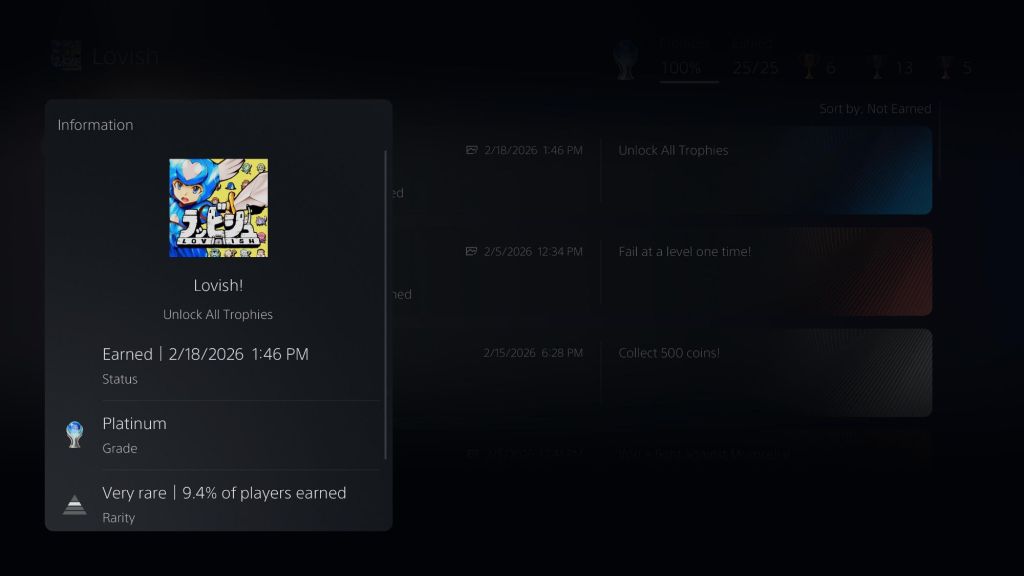
My GamePro Pro Tip™: I didn’t realize you could keep dashing if you are jumping up against a ceiling. In one of the game’s random events, you’ll acquire scrolls which hint at some of the more obscure secrets in the game. I learned that you could indefinitely dash against the side of walls (which is required to fully complete the game), but I didn’t realize ceilings worked the same way! I completed the game at 100% with the Platinum trophy earned. I only had to look up the general location of one of your “Friends” on your Cell Phone’s Contact List. Although I haven’t finished the developer’s previous games, Castle in the Darkness or Astalon: Tears of the Earth, I think Lovish is their best effort yet, and I can’t wait to see what they do next.
Game #9 of 2026: Tokyo Scramble – Developed by Adglobe/Binary Haze Interactive – Released on February 11, 2026 – Played on Nintendo Switch 2 – Hours Played: 20
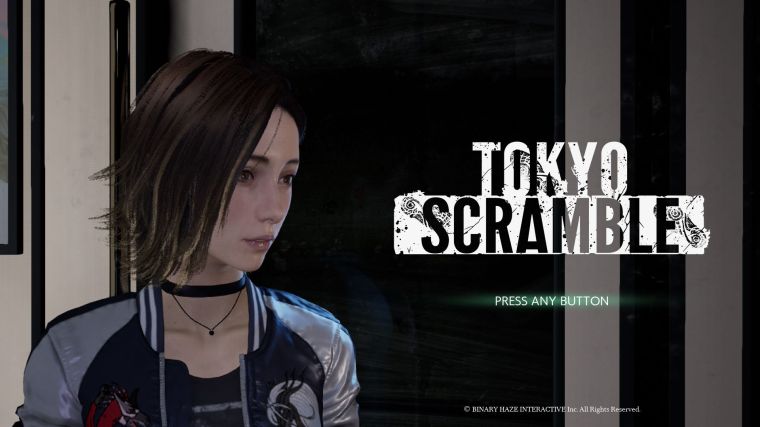
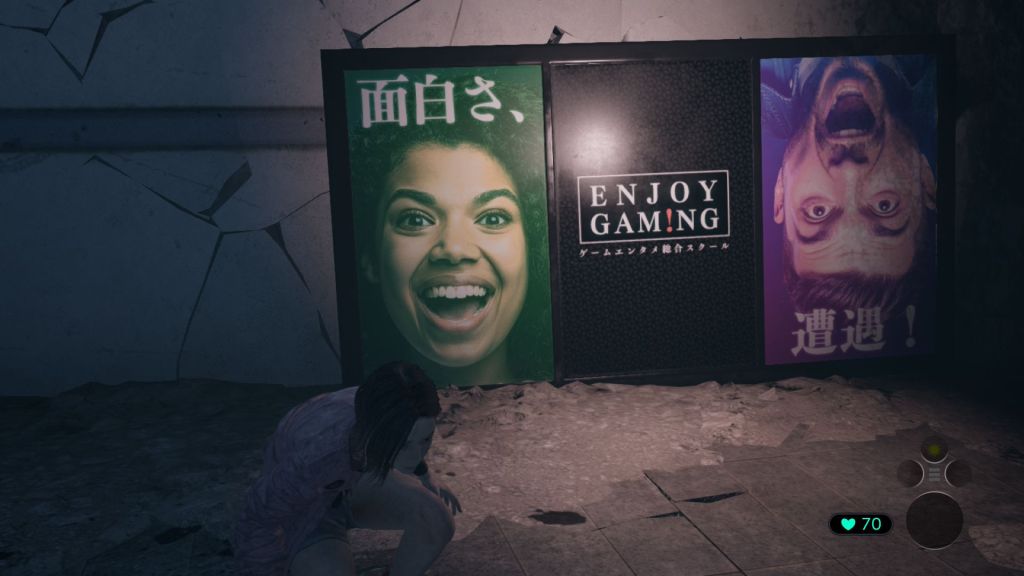
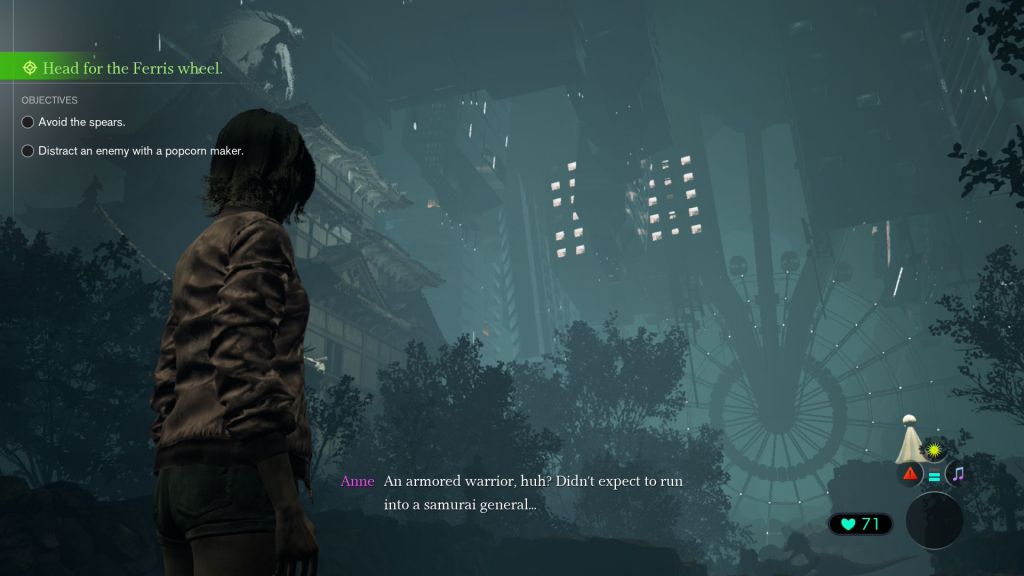
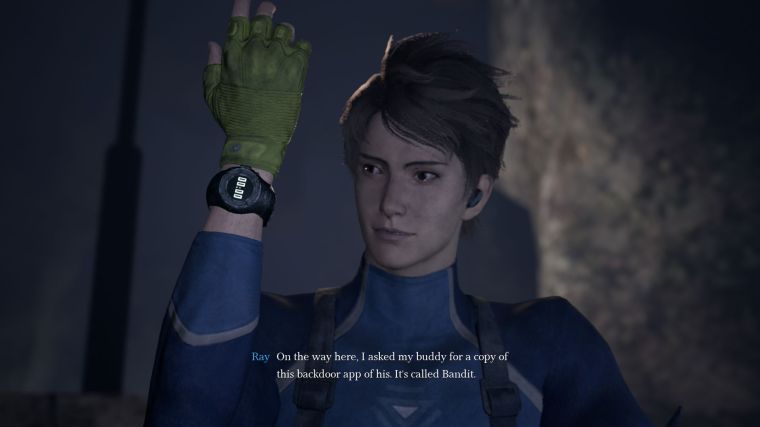
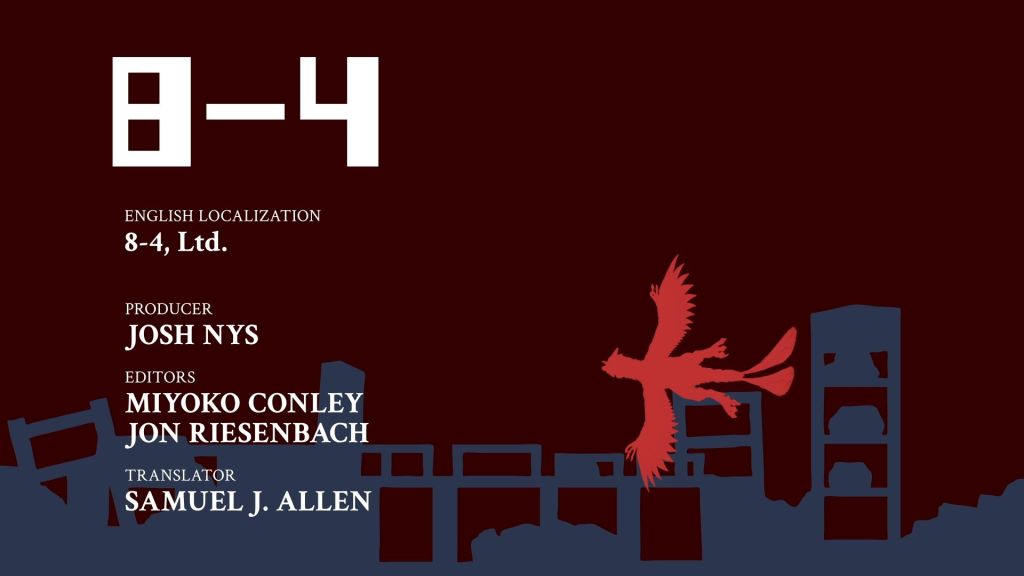
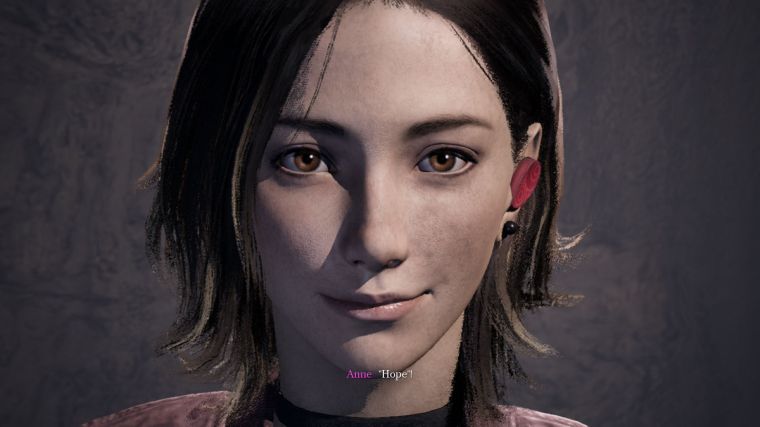
Tokyo Scramble, developed by Adglobe/Binary Haze Interactive, is an adventure game with an emphasis on stealth. You play as Anne, an 18-year-old high school student who becomes the lone survivor of a subway incident involving a sinkhole. Your goal is to escape the seemingly prehistoric underbelly of Tokyo and reunite with your estranged bandmates so that you can repair broken and misunderstood teenage friendships. It’s a mess! Thankfully, 8-4’s wonderful localization made it far more enjoyable and provided some much-needed laughs to an otherwise depressing and grim, albeit confusing experience. Tokyo Scramble feels like a lost Wii era game, something that could have sat alongside Monolith Soft’s Disaster: Day of Crisis and I love it for that reason alone. Don’t get me wrong, it’s not a good game, but it’s the type of ass that’s so endearing I can’t help but endure it. I also find it fascinating that the developer was previously known for 2D Metroidvania games (Ender Lilies/Magnolia), so this is quite a departure in more ways than one.
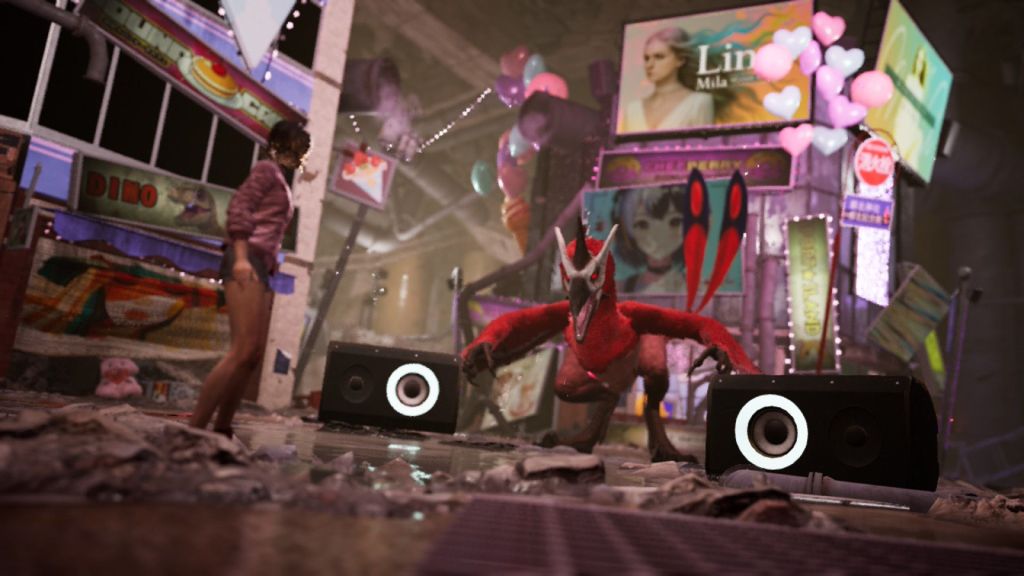
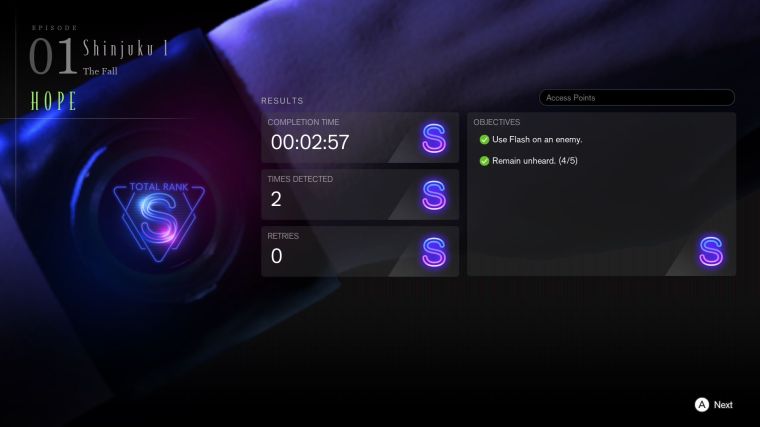
Tokyo Scramble is chapter-based, and each mission is (thankfully) relatively short. The main character uses a smartwatch to activate traps throughout the level to thwart the Zinos (dinosaurs). Some of the traps are shared between levels, such as the saw blades, fire alarms, or escalators, but other chapters contain unique mechanics you won’t find elsewhere. The escalators are particularly funny to use when present. It never gets old watching a mutated dinosaur run on a treadmill, locked in place. In one late game chapter, you can drop motorcycles that are hanging from the ceiling, presumably caused by the earthquakes that caused the predicament Tokyo finds itself in. It was a fairly memorable sequence, I admit. Every stage interaction/trap is activated by your watch. However, each environmental trap is both proximity-based and requires charges. You have a finite amount of charges per stage, so you need to be relatively strategic to get through a level unharmed. There are stations where you can recharge your watch, but each mission ranks you on time taken and how often you alert a Zino, for example.
The worst (best) character of 2026.
The other core mechanic is Anne’s heart rate (stamina). If her heart rate exceeds 150 to 170 BPM from sprinting too much, you’ll begin to slow down, which makes it easier for the Zinos to catch up to you. If I had all the time in the world and no other games to play, I would have suffered through the hardest difficulty. Despair difficulty is so damn frustrating, though. Your BPM increases at a much faster rate and the Zinos feel way more responsive to your presence. Just finishing the first level with an S Rank took me into the ballpark of 20 tries. It’s kind of miserable, and I can’t imagine there are even a dozen people out there who manage this feat. I mean, who even bought Tokyo Scramble and managed to even finish it once!?
No S+ Rank? Lame.
I completed Tokyo Scramble with all S Ranks on No Hope (normal) difficulty and unlocked all the text messages. I did manage to get S Ranks in each category on one mission, but there’s no S+ Rank or anything like that. The text messages are where the bulk of the dialogue is in this game, but it’s purposely written in such a tween/gen-z style, a lot of it will go in one ear and out the other. I did manage to complete the first mission on Despair difficulty with an S Rank, but that playthrough will have to wait until I’m severely desperate. I really like the soundtrack in this game, particularly the main menu/chapter select theme and the overly melodramatic ending theme. Unfortunately, I can not find any of the game’s music on YouTube, and it also seems difficult to find online in general, so I can’t reasonably link anything here (which makes me sad). Rei Kondoh is credited for the soundtrack, but I’m not 100% sure if he was responsible for all the music. I highly doubt this game will ever get ported to other consoles, so enjoy it as one of Switch 2’s seemingly soon-to-be obscure exclusives.
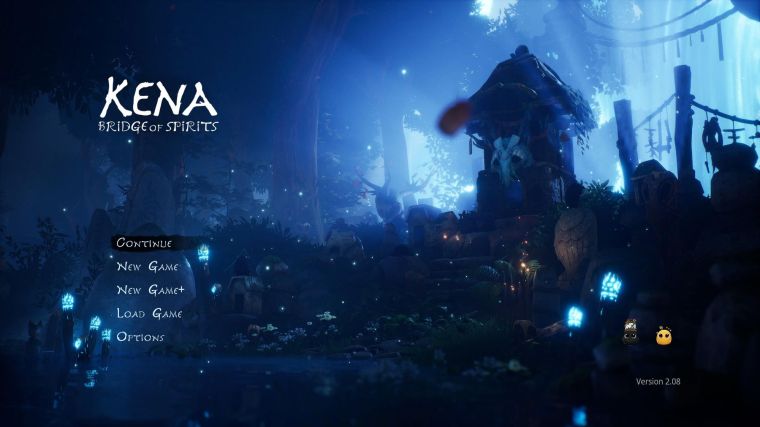
Game #10 of 2026: Kena: Bridge of Spirits – Developed by Ember Lab – Released on September 21, 2021 – Played on PS5 Pro – Hours Played: 15
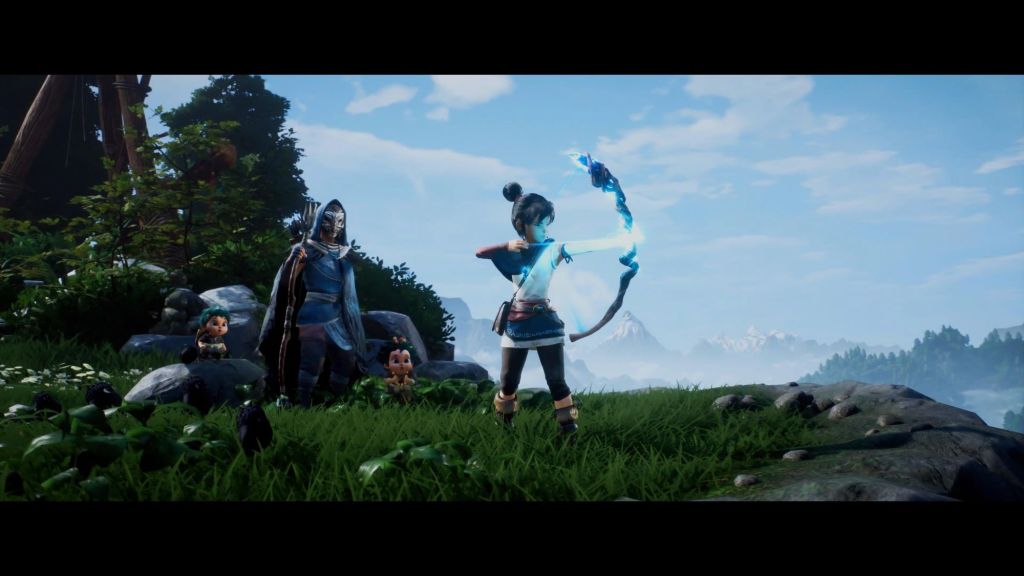
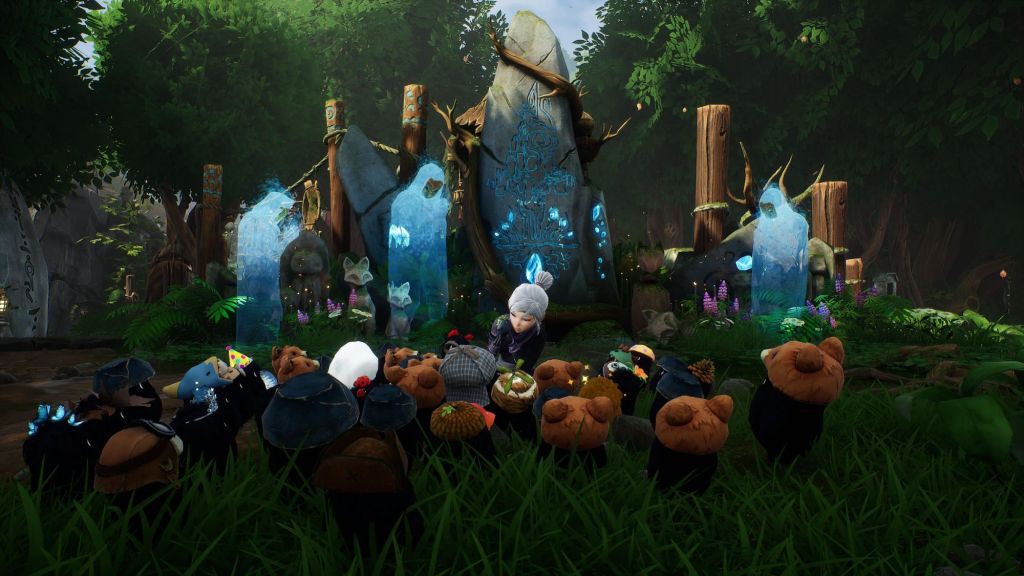
Kena: Bridge of Spirits, developed by Ember Lab, was the studio’s debut action-adventure title. Ember Lab is mostly known for their animation background, specifically the Terrible Fate short film. They’re clearly a group of talented artists and animators, but can they make a good action-adventure game too? I said this the first time I wrote about the game, but Kena feels and plays like the first quarter of a 3D era Zelda game. At the same time, the game looks like something that a “AAA” first-party studio would produce in terms of visuals and production values, perhaps even Pixar-like at times. While there are some minor blemishes here and there (foliage does not always react to your character’s movement, which I found disappointing), the game’s undeniably beautiful. Kena reminds me of the types of games you’d receive at/near a system’s launch (as it did technically fall within the first year of the PS5’s release). Similar to how I felt about Ratchet & Clank: Rift Apart at the time of its release, Kena felt more like a promise/road map for what true “next gen” games will be capable of graphically. At the time of writing this (2026), I think it’s fair to say we’ve surpassed the fidelity and graphical prowess on display here, but with the sequel finally announced and seemingly launching next year, Kena: Scars of Kosmora is shaping up to be quite the looker.
I do still feel like the entire game feels like the first quarter of most 3D Zelda titles, specifically the young Link portion of Ocarina of Time (OOT). If you’re just following the main story, it’s about a 10-hour game. Just when Kena is wrapping up, most 3D Zelda games are getting started. There’s essentially three areas/zones, with a hub-like open space, interconnected environments, fast-travel points, and mini-dungeons to conquer. There are numerous sub-bosses throughout the entire game, but each area culminates in some truly challenging boss encounters. Some have said it’s Souls-like with its challenging difficulty at times, almost borderline character-action game difficulty, but I think it’s still more comparable to the types of bosses you’d encounter in a 3D Zelda title. I replayed Kena on Master Spirit Guide difficulty using new game+, which introduced more challenging combat encounters along with new boss phases. This playthrough was tough, particularly the final few bosses in the game.
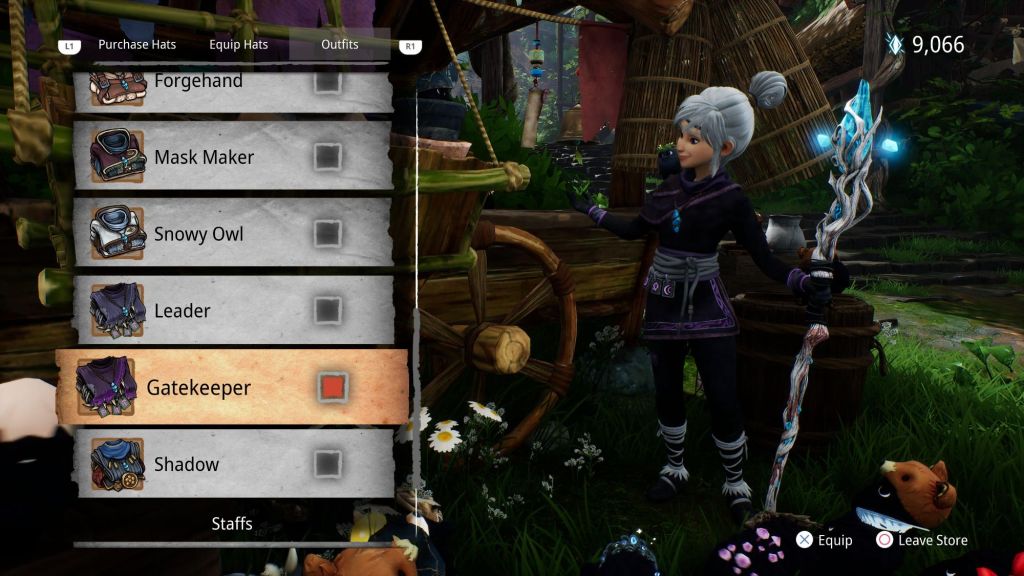
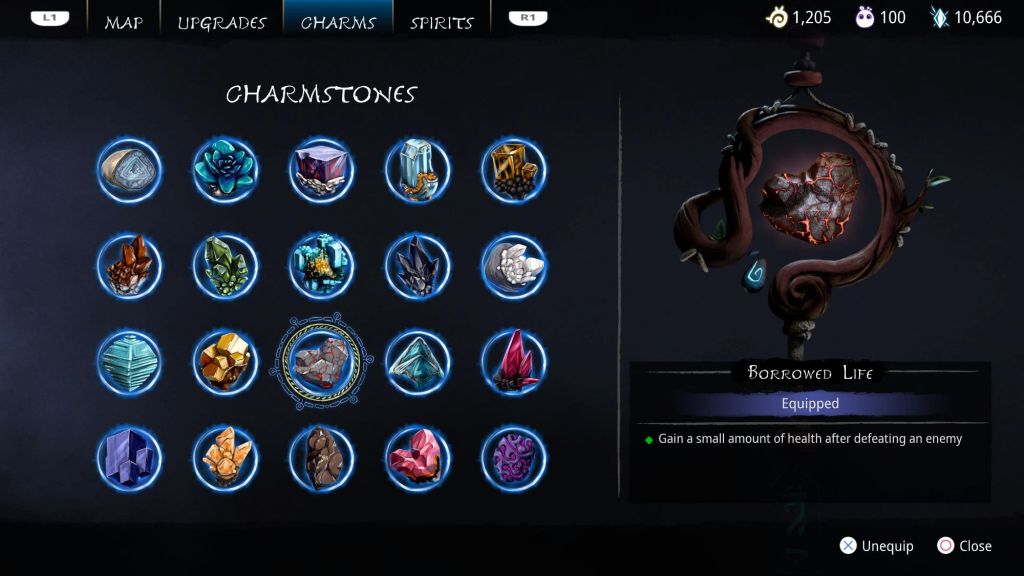
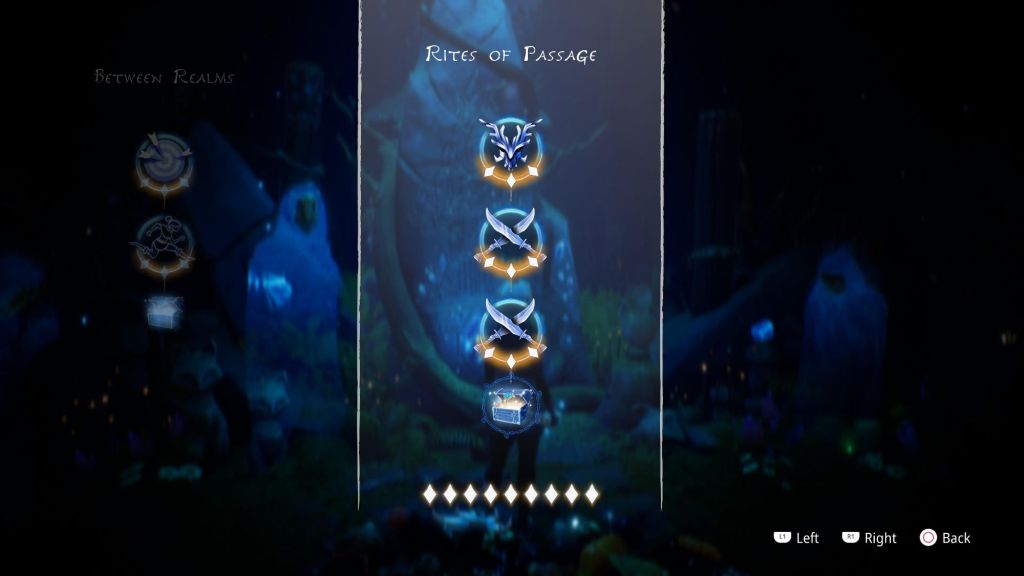
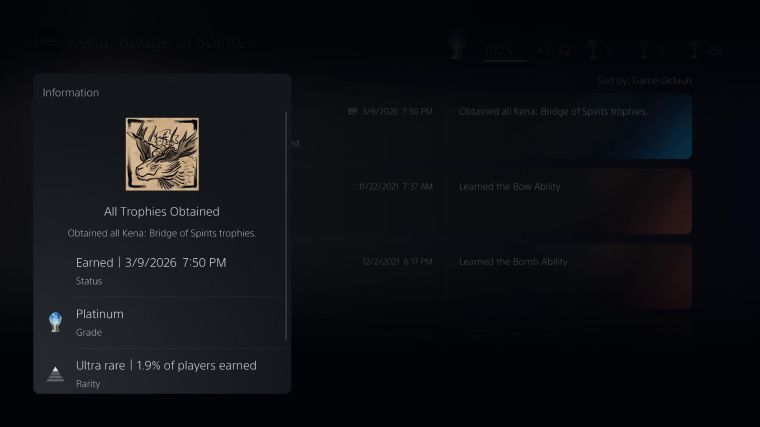
Managing your Spirit Gauge is crucial on the highest difficulty. I found using the sticky Spirit Bombs and shooting them with your Spirit Bow to be a good tactic. The Rot Hammer ability was also super powerful when used properly. Parrying, although relatively strict at times, is also important. I really appreciated the pushback this second playthrough presented as it made me appreciate the combat system even more. Although all of your unlocked abilities and skills carry over, Flower Shrines, Spirit Mails, Meditation Spots (which increase your maximum health), and Warp Points do not, so you essentially have to replay the entire game again. Charmstones were added after the fact, so I did not get to experience the accessory system the first time around. Charmstones grant passive buffs to Kena, such as increased defense and health regeneration, among other effects. New Charmstones get added to the new game+ playthrough as well, so you need to play the game twice to complete the game at 100%. I finally unlocked the Platinum trophy on this playthrough and completed all the Spirit Guide Trials with all objectives completed, unlocking all the costumes.
Game #11 of 2026: Resident Evil requiem – Developed by Capcom – Released on February 27, 2026 – Played on PS5 Pro – Hours Played: 11
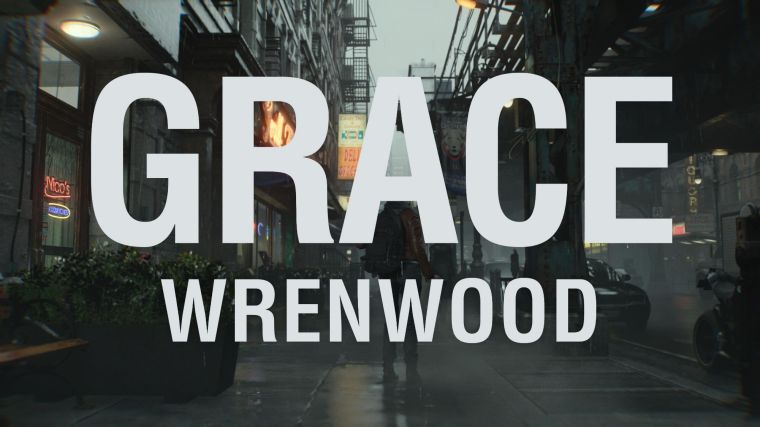
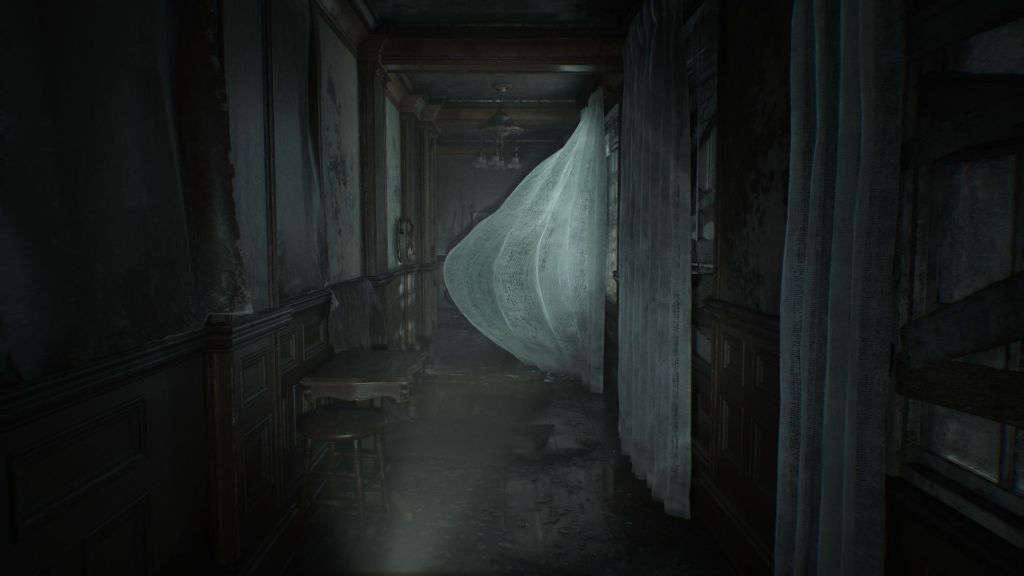
Resident Evil requiem (RE9), developed by Capcom, is the latest entry in the long-running franchise that (thankfully) won’t stay dead. Considering the director of RE7 is the same director for Requiem, Grace’s scenario felt like a more refined version of what RE7 first established back in 2017. After a brief introduction sequence where you bounce between both Grace and Leon, the game begins proper at the Care Center. I played Requiem on Standard (Classic) difficulty, which limits your saves (at least for the Grace portions of the game). Although the Baker family holds a special place in my heart, the twisted staff, infected patients and grotesque monsters of the Care Center are just as memorable. I loved the new behavioral “zombies” introduced in the Care Center. You’ll find maid/cleaner zombies obsessively scrubbing the bathroom floors or a butcher/chef lurking and working tirelessly in the kitchen. If you engage with them, but ultimately avoid their pursuit, you’ll find them looping back to their old human behaviors/routines. There are also giant, Nemesis-like pursuers who will stalk you throughout the Care Center. Grace can find Hemolytic Injectors and utilize pools of blood found throughout the facility to combat these creatures, causing them to explode. It’s a super satisfying gameplay loop that’s compounded by the classic lock & key progression, resource management-driven, classic RE design. It’s Resident Evil at its best (and the save room music here is a good one, too). With that said, it feels like Requiem (unfortunately) peaks with Grace’s portion of the game.
Some of the best “old-school” RE to date.
Total missed opportunity…
I don’t know, it was fine…
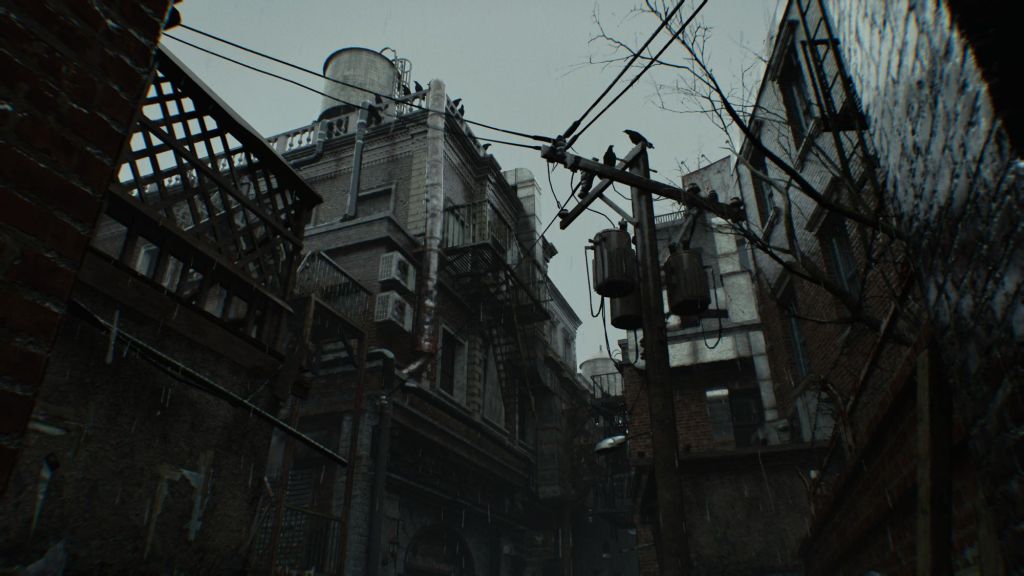
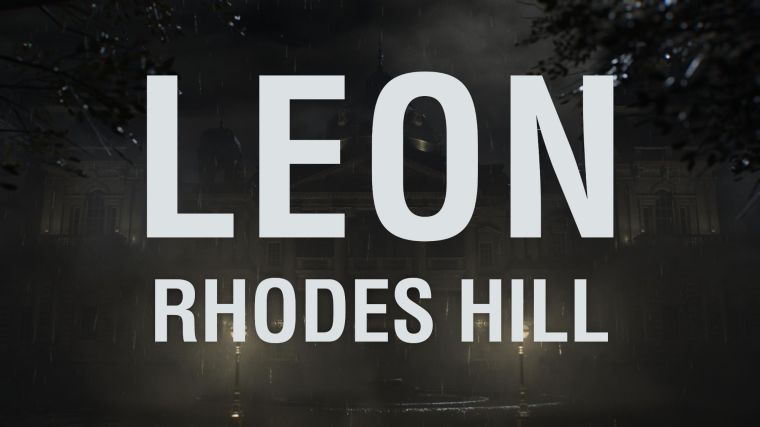
Leon’s Raccoon City revisit feels more like a nostalgic, fan-service trip down memory lane, but I’d like to think it’s mostly earned. I do think some of the setups/scenarios could have been a bit more interesting, though. Take the giant spider encounter, for example. The giant spider sequence is more or less a short, set-piece style boss encounter. I would have much preferred exploring a larger, more interconnected location filled with tiny monstrosities, webs to burn away in order to access new areas, and puzzles to solve. Afterward, you arrive at the Raccoon City streets proper as Leon, which then unfolds into a fetch quest of sorts where your goal is to assemble a bomb by collecting parts around the city so that you can destroy a giant gate. This section is divided up into three separate areas; a warehouse area, an apartment complex, and a ruined skyscraper. These areas ultimately interconnect with each other, but I didn’t find the look and design of each section visually distinct enough. In the ruined skyscraper area, the gameplay “gimmick” has you walking on the sides of buildings while infected BSAA soldiers rush you. You can shoot the glass out from under their feet to send them plummeting to the ground, which is neat. There’s also a rather tense gas station encounter during Leon’s scenario, but it doesn’t hold a candle to the cabin sequence from Resident Evil 4, for example.
I’m all in again.
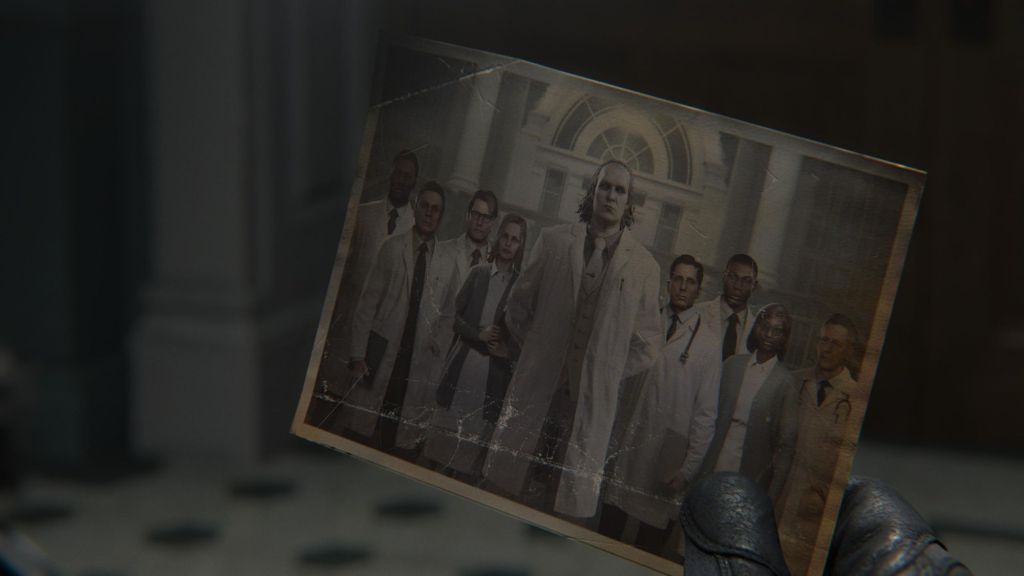
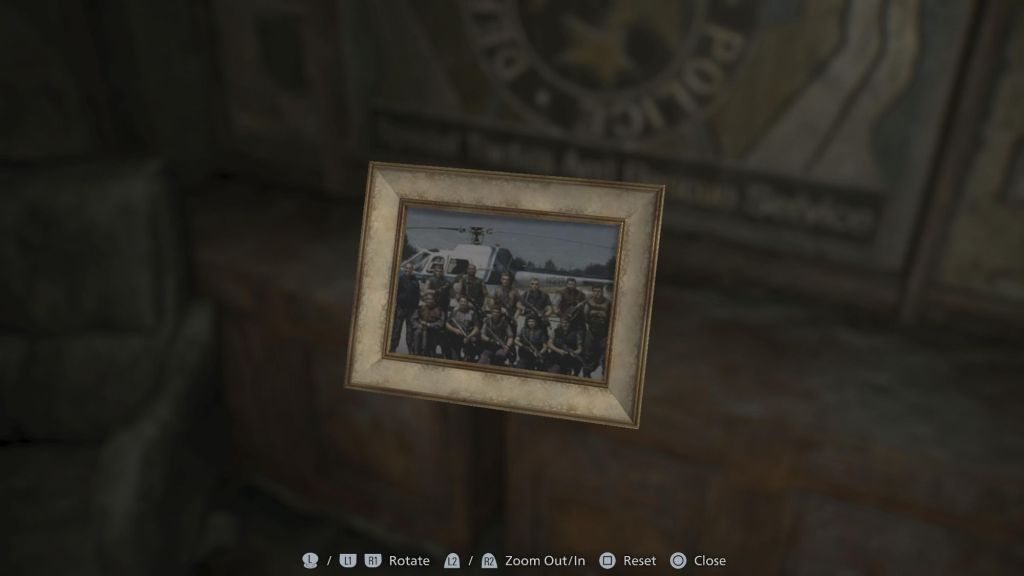
After you create the bomb and blow up the gate, Leon hops on a motorcycle which then leads into this chase sequence where you have infinite ammo. You’ll face off against Victor (one of the game’s antagonists, who’s also on a bike) along with mutated dogs/wolves(?), who you’ll never face again afterward. The highlight of Leon’s campaign is revisiting the destroyed Raccoon City Police Department (R.P.D.). I loved the music and atmosphere in R.P.D and all the nods, secrets, and references to the older games felt earned and appreciated. At one point, you can look at the very same old photograph from the original Resident Evil 2 back on the PS1, which pictures the S.T.A.R.S unit. I love old, tattered photographs in games and this one holds a lot of meaning for me. For that reason alone, Leon’s portion of the game was (mostly) salvaged. From there, the game funnels you in a linear fashion where you face classic RE bioweapons, such as Plant 43. Like any good Resident Evil game, the game culminates in a secret, underground lab.
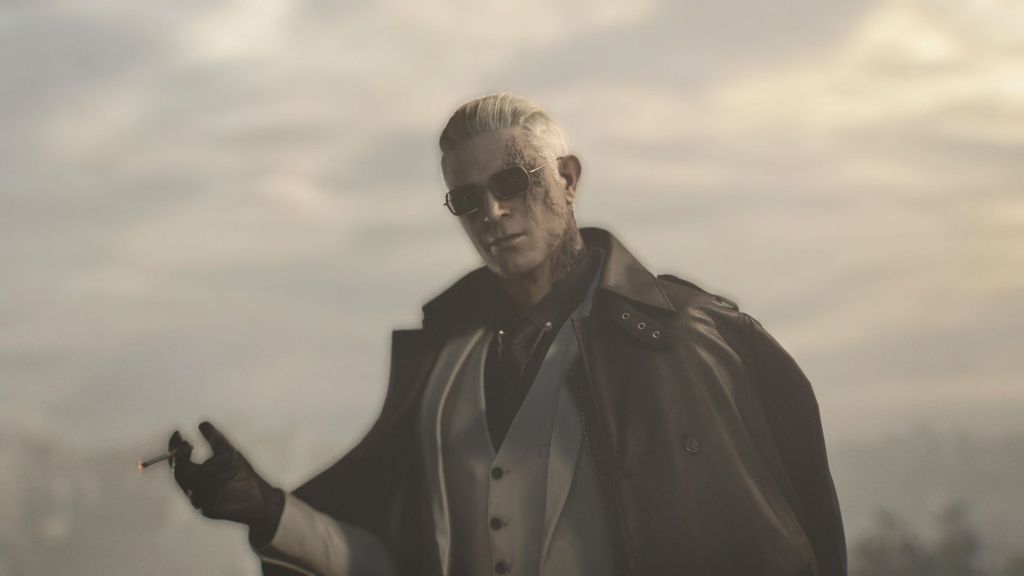
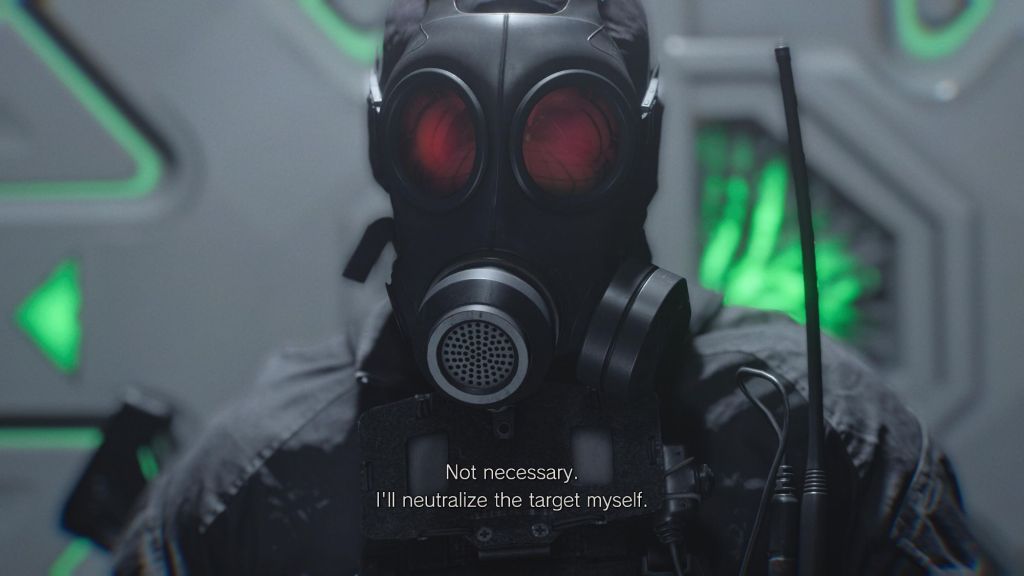
I liked a lot of things about RE9, but it ultimately feels hampered by its obligation to Leon and the post-RE4 game template. I appreciate that the game made an attempt to root itself in a non-mainline RE title (Grace is the daughter of a character from Resident Evil: Outbreak), but then it totally wastes the potential of characters like Zeno, who’s clearly made in the image of the legendary RE villain, Wesker. You don’t even fight Zeno in the main game! I thought it was cool that Leon finds a BSAA bracelet that acts as battle data of sorts where his kills are converted into an in-game currency, so that there’s a progression system for his character. As I mentioned, however, Leon’s portions aren’t bad, but they’re unremarkable and arguably weigh down the part of the game (Grace) that showcases Resident Evil at its best. With that said, Capcom killed it in 2026 and RE9 is still one of my favorite games of the year. Here’s hoping Veronica (the remake of Resident Evil: Code Veronica) is even better.
Game #12 of 2026: Ratcheteer DX – Developed by Shaun Inman – Released on March 5, 2026 – Played on Nintendo Switch 2 – Hours Played: 3
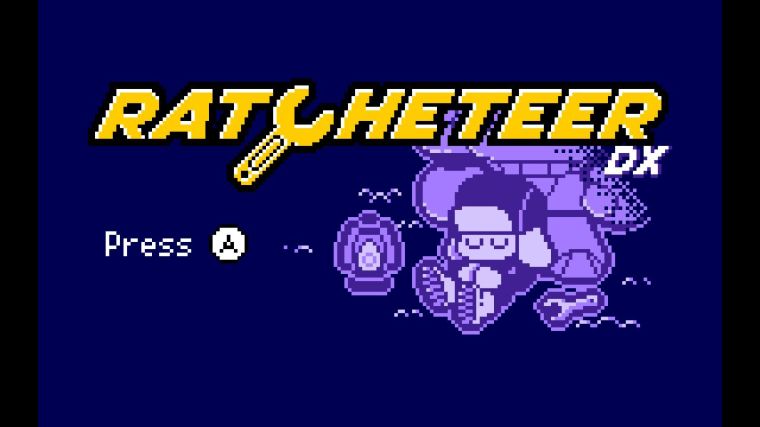
Ratcheteer DX, developed by Shaun Inman, is a top-down, 2D Zelda-like that takes place almost entirely underground. A giant meteor hit the earth many years ago, and it drove humans to the caverns below. The main gimmick in the game is that you must use a lamp to see your surroundings. Sometimes, a few enemies act as light sources, but you’re mostly in the dark for the majority of the game. After each dungeon, you’ll collect a part that needs to be brought back to the blacksmith so that they can repair a mech for you. You’ll also need minerals when you hand the part over, but it’s rather plentiful, typically found in chests or for destroying objects in the environment. I think the pixel graphics look nice, although it’s a bit evocative of a Game Boy Color era game. With that said, since the majority of the game takes place in the darkness, it’s hard to appreciate the sprite-work when you can’t see anything. I think the music is fine, although there’s nothing here that stood out to me.
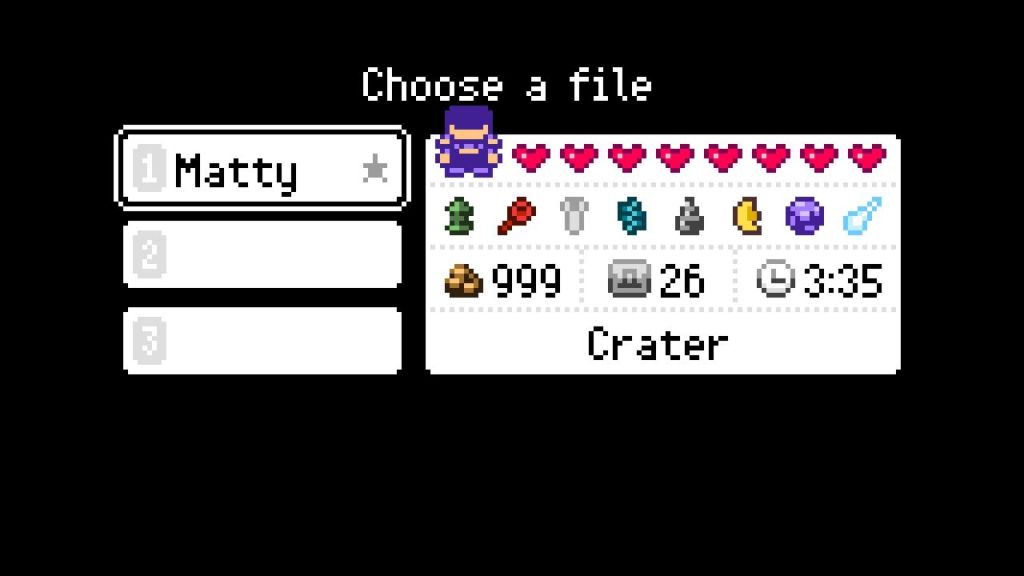
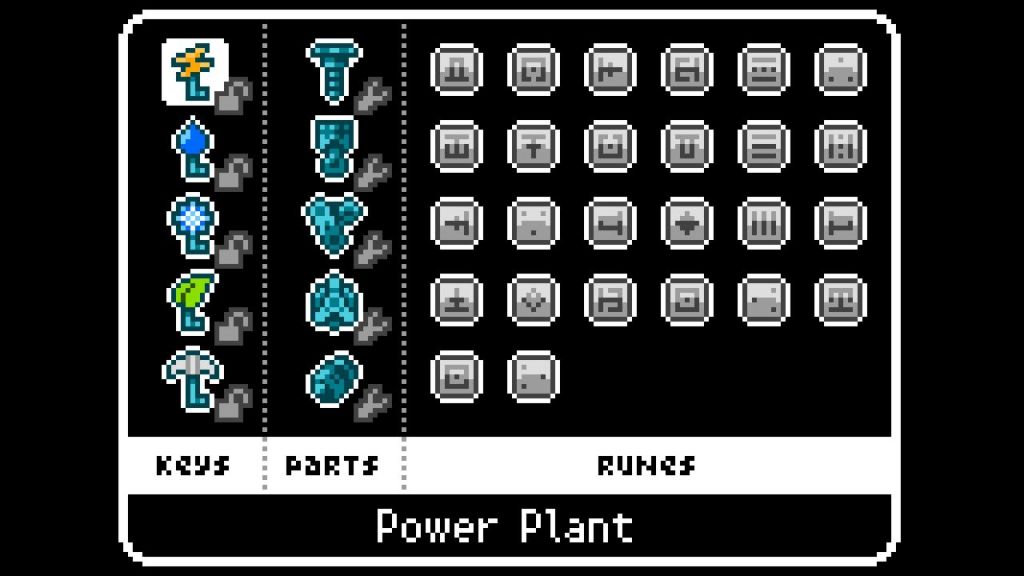
The dungeon design is fairly competent in Ratcheteer DX, but it’s nothing you haven’t seen before if you’ve played an older Zelda game. You’ll typically acquire a new traversal ability in one of the main dungeons, such as the ability to jump, which is then used to complete the dungeon’s various puzzles. Your main weapon is a wrench, which can be used to strike enemies or activate switches. The boss of each dungeon may ask you to use the ability you just acquired, so it follows the old-school Zelda formula very closely. The puzzles aren’t particularly challenging, although an end-game riddle or two requires you to collect runes, which translate the game’s fictional language. I completed the game at 100% with everything collected; all heart pieces, every item collected, and all runes discovered. There’s apparently a hidden Boss Rush somewhere in the game? I never found it and only discovered its existence well after I beat the game, so maybe I’ll check it out at some point down the road. You also get a little star on your save file when you beat the game, which is something I always appreciate. Ratcheteer DX is only about 3 to 4 hours long, so if you find yourself on an airplane traveling across the country, it’s not a bad way to pass the time.
Game #13 of 2026: Planet of Lana II – Developed by Wishfully Studios – Released on March 5, 2026 – Played on PS5 Pro – Hours Played: 6
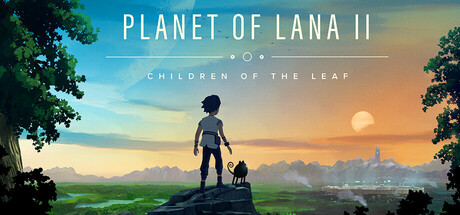
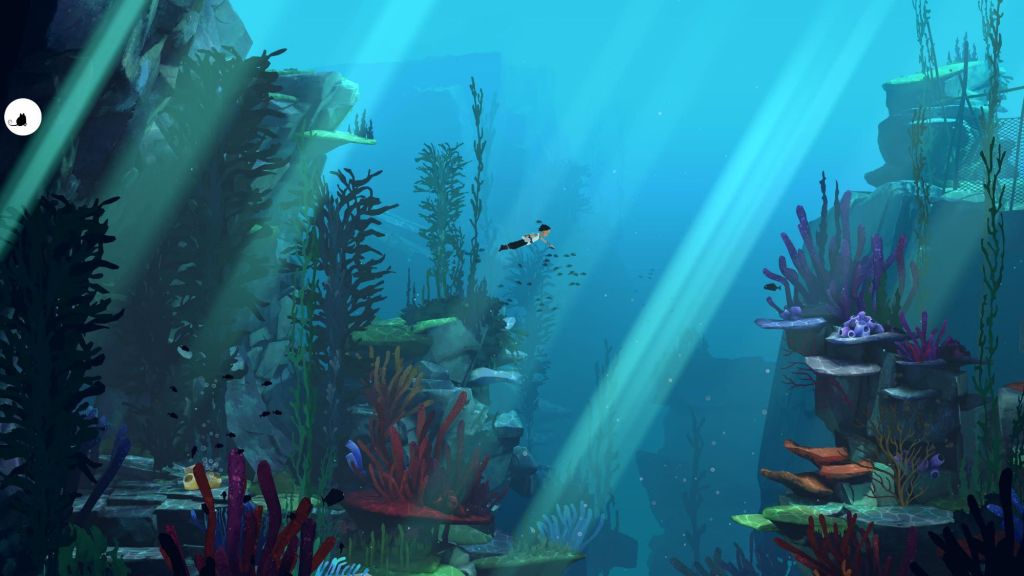
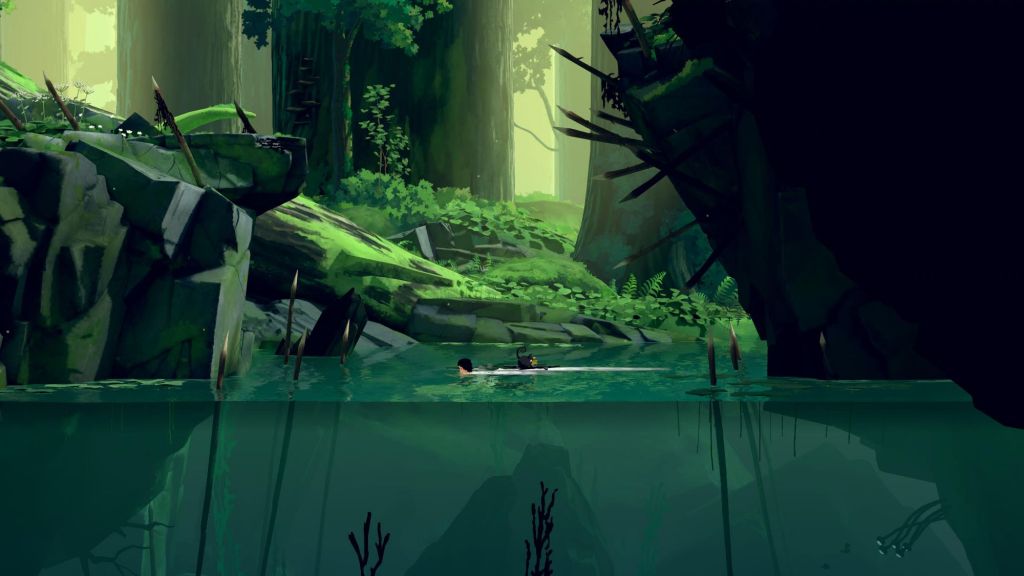
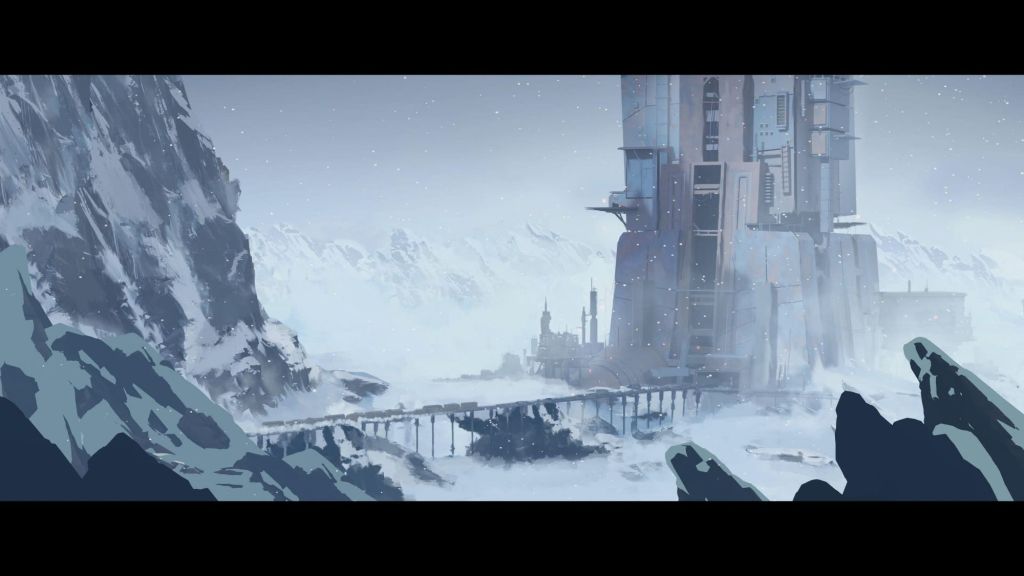
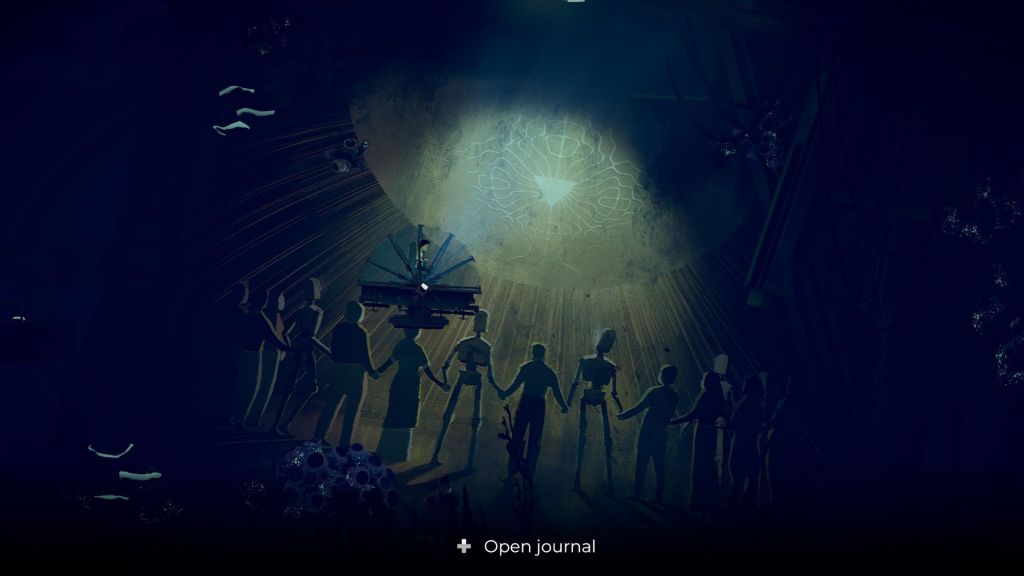
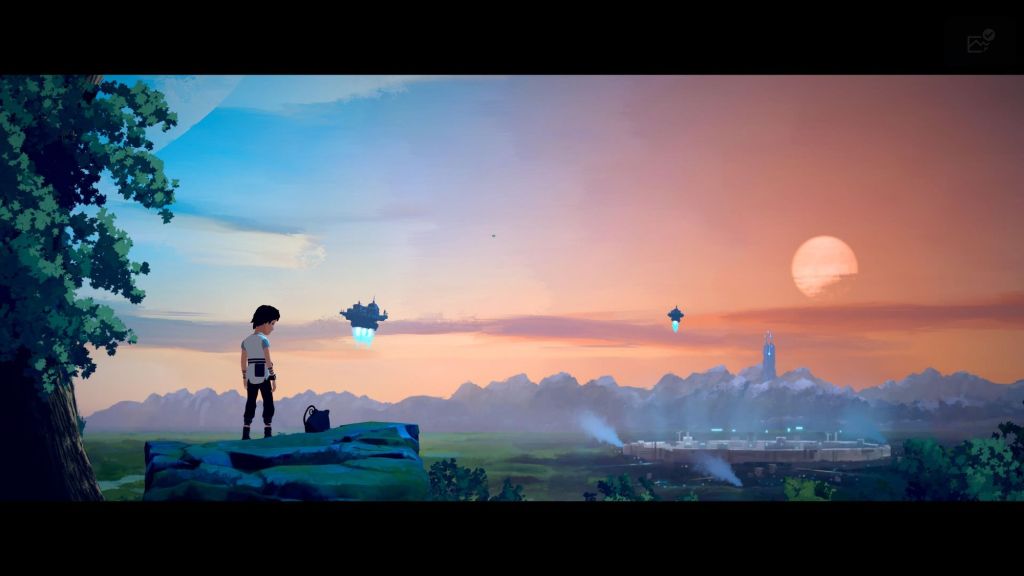
Planet of Lana II, developed by Wishfully Studios, is the follow-up to their debut release back in 2023, Planet of Lana. Planet of Lana is a 2D cinematic platformer series in the same vein as Another World, Heart of Darkness, or INSIDE. This sub-genre, first established by Éric Chahi, has had a resurgence over the past few years. This year alone, we’ve seen REANIMAL, Darwin’s Paradox!, Deer & Boy, Replaced and more. Last year we saw Bionic Bay, Little Nightmares III, and arguably Double Fine’s Keeper. It’s one of my favorite types of games, so I’m thrilled we’re living in a golden age of sorts. There are a few key aspects I look for when I play a cinematic platformer; a good sense of place, great audio design, physicality, and dynamic camera work. Cinematic platformers are minimalistic by nature and utilize environmental storytelling to establish their world. Because these games are primarily 2D puzzle-platformers, there’s not a ton you can do in this space that hasn’t already been done before. More often than not, you’ll find yourself pushing/pulling blocks, jumping
Structurally and gameplay-wise, Planet of Lana II is very similar to the first game. It’s a 2D puzzle-platformer at its core. I think the biggest gameplay difference this time around is how often you’ll find yourself traversing far away from Mui, a cat/mouse-like creature,to solve some sort of environmental puzzle. Just like in the first game, you can have Mui pause and sit as you explore. The game is also heavy on underwater exploration. There’s a really neat mechanic where you’ll be forced to take Mui underwater, but they can’t swim. To accomplish this, you’ll need to find these black seaweed-like lily pads, which encapsulate Mui when diving into the water. The animation looks really sweet, too.
The game changes locations a lot. After the first few chapters, you’re tasked with collecting ingredients for a flower so that you can cure a young girl’s illness from your village. She was exposed to a miasma of sorts from an object discarded by the antagonists in a nearby field. I would be remiss if I didn’t mention the soundtrack, composed by Takeshi Furukawa, most notable for their work on The Last Guardian and Avatar: The Last Airbender. The main themeleitmotif is used throughout and it’s incredibly moving stuff. You can definitely hear the composers’ work on Star Wars come through with this game, too. It’s easily one of my favorite soundtracks of the year and completely elevates the entire experience from something good to great.
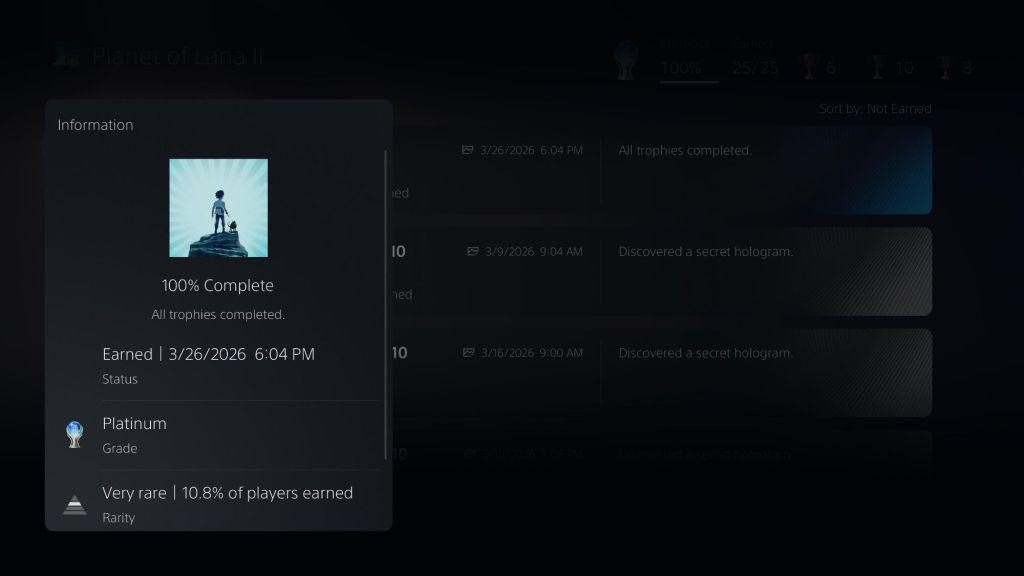
Similar to the first game, there are a few hidden secrets to discover. In tucked-away locations, you’ll discover these crate-like chests that Mui can interact with. When you open one, a part of the mural will be filled-in, which provides some additional lore/world-building once completed. I feel like the secrets were easier to discover this time around as many of them are often just out of sight. In terms of trophies/achievements and general replay value, the developers did not ask players to beat the game without dying this time around, which was quite the frustrating task (even when exploiting the checkpoint system) in the first game. I completed Planet of Lana II at 100% with the Platinum trophy earned. It’s easily one of my favorite games of the year and I hope Wishfully gets the opportunity to make a third game.
Just a friendly bear who works in financial reporting that would rather be playing, writing or talking about video games. https://twitch.tv/unexpectedenemy