Just a friendly bear who works in financial reporting that would rather be playing, writing or talking about video games. https://twitch.tv/unexpectedenemy
Thoughts and impressions on the games I played/finished during Q4 of 2025, including Promise Mascot Agency, Herdling, Lumines Arise, Hollow Knight: Silksong, to a T, Little Nightmares III, Keeper, Yooka-Re-Playlee, and more…
Procrastination is a…
I “finished” a handful of the games I wrote about below earlier in the year. I thought, “I’ll just write about a lot of these games for my fourth and final quarterly update, after I play them to full completion, of course.” It was a terrible idea in hindsight. I wrote about 29 games for this post, some more lengthy than others, and now I’m exhausted. It’s something I’ll never do again! Because of my terrible procrastination, my GOTY-related posts won’t be released anytime soon. I’m writing more for myself than meeting any sort of standardized deadline, but I’m frustrated that I didn’t have it all written and ready by now. Will anyone care about my thoughts on 2025 games in February of 2026? Will we even have a functioning society by then (seriously, FUCK ICE)!? It seems silly to be writing about games when the world continues to spiral into despair. I do feel like I have an obligation to myself and my readers, so thank you if you’re still here for this nonsense. You can read my previous quarterly posts here, here, and here. So, without further ado, here are some thoughts and impressions on the games I played/finished during the months of October through December of 2025.
Game #32 of 2025: Promise Mascot Agency – Developed by Kaizen Game Works – Released on April 10, 2025 – Played on PS5 Pro – Hours Played: 27
Promise Mascot Agency (PMA), developed by Kaizen Game Works, is a semi-open world, sim-management game where you run a mascot agency on a cursed island as a former Yakuza named Michi (AKA, “The Janitor”). At the start of the game, your matriarch sends you out to perform an important job, but after a 12 billion yen deal falls through, you’re banished to a forgotten town to earn back the money and respect you’ve lost. Your goal is to resurrect a failed mascot business, pay off your debts and restore the glory to your family name. The most ridiculous thing about PMA is that the mascots are simply not people in costumes. These mascots are living beings, one of which, a severed finger called Pinky, becomes your protegee. Within the first few hours of the game, you learn that a corrupt mayor has taken over the town and run its businesses into the ground. Over the course of the game, you’ll slowly re-open establishments, attract people back to the island, and uncover a larger conspiracy involving your family. Oh, and there’s a card-based battle system in here for good measure, too.
One of the most interesting aspects of PMA is that you simply control a Kei Truck as your means to “getting around”, so to speak. There’s no on-foot action here. In fact, the game sort of straddles the line between being a visual novel and an adventure game. You’ll be doing a lot of reading, but fortunately, the writing is poignant, witty and funny. Michi, voiced by Takaya Kuroda, is serious and stern. He more or less embodies Kiryu from the Yakuza series, unironically. It’s rare for dialogue in a game to make me laugh or smirk, but most conversations between Michi, Pinky and the gang managed to pull one out of me on more than one occasion. You’ll learn more about the mascots as you send them out on jobs to promote local business and after specific milestones are reached, you’ll be treated to brief story vignettes where you’ll learn about their past. It’s here where you’ll find some of the best writing in the game. Although the mascots are otherworldly entities, they’re undeniably human, sharing their hopes, dreams, feelings of self-doubt and other insecurities.
One of the first instances of “Environmental Visual Progression” (EVP) or “Visual Meta-Progression” (VMP) for me.
I’ve been workshopping a new term for one of my favorite things in gaming; “Environmental Visual Progression” (EVP) or “Visual Meta-Progression” (VMP). I want to say this was first established for me in Super Metroid (SM) with its golden boss statue. When you beat a boss in SM, the eyes in the golden boss statue go dim and turn grey. So, this term is for any fixed element in a game to change/update visually based on actions made within the game. PMA is loaded with EVP/VMP (is that enough abbreviations for you!). At the start of the game, the evil mayor’s signs (one of the game’s many “collectables”) are plastered all over town. One of your objectives is to quite literally drive over them. When you do this, they’re replaced with signs of your beloved Pinky (who also ends up running for mayor in the latter half of the game). In addition to this, you’ll meet a mechanic who tasks you with hunting down and capturing spirit foxes around the island. When you find one, your truck gets upgraded with additional exhaust pipes and the sort, including wings which let your truck fly like an airplane! There are also hidden stickers littered around the map and once collected, they get stamped on the exterior of your vehicle. Finally, as you re-open businesses, lanterns, billboards, flags and more breathe life back into the island. As the town develops, you’ll also start to see citizens return to the island, which are represented by featureless silhouettes of people standing along sidewalks and around buildings. It’s certainly a clever (yet stylish) cost-saving measure to make the world feel more alive.
As you send mascots out to promote business, they will sometimes encounter “issues” on the job. Perhaps your favorite mascot is out promoting “S-Rank Ramen” when suddenly, a swarm of bees attack. Maybe a stray dog crashes the party or the stage where the venue takes place falls apart because you tripped over a piece of equipment. To tackle these problems, you partake in card-based battles. As you progress through the game, you’ll have opportunities to purchase or find “Hero Cards”. Each card (which are based on the characters from the game) come equipped with attack values and other stats. More often than not, a card will grant you your turn back or add more cards to your current deck. Your goal is to defeat the problem before time runs out. If you successfully resolve the issue, you get paid, and you’re going to need that money! At regular intervals, your matriarch will require payments to pay off your debt. This is compounded by the daily overhead cost of running your mascot business; each mascot has their own salary (that you negotiate) and those lights aren’t on for free! I played through the game with the recent Hard difficulty update and in the early portions of the adventure, I was barely scraping by. I typically don’t like card-based battle systems and found the whole process to be extremely confusing at first. I’ll be here all day trying to describe all of the layered mechanics at play here, but once you wrap your head around it all, it becomes an incredibly addicting and satisfying collection of systems to engage with.
I’d be remiss if I didn’t mention the soundtrack, which feels heavily inspired by the PlayStation 2 (PS2) era Shin Megami Tensei (SMT) games, specifically Persona 4 (according to one of the composers). The soundtrack is exceptional. I mean, listen to this bassline! I can’t fully describe how it makes me feel, but listening to this game’s music transports me to simpler times. In a post-launch patch, there was an update that added Time Trials where you can earn gold medals based on how quickly you complete them. I managed to earn gold medals on a handful of races, but a lot of them are fairly challenging. In the last act in the game, you’ll also gain access to making deliveries to local shops/establishments. By collecting “Gacha” merchandise scattered around the island (which the game, once again, has a narrative reason for), you can use various crane machines (UFO Catchers) to collect the figures. From there, you can sell them and make a profit from participating retailers. Some places are looking for specific collectables, so you’ll get more money if you decide to send certain figurines to specific locations. It’s yet another layer to the sim-management aspect of the game and a great way to earn some additional daily income.
I only got a few establishments to three stars, which is the highest rank needed to earn a trophy, but if I wanted to fully complete the game at 100%, I’d have to max them all out. There’s also a super secret unlockable Hero Card for paying off the 12 billion yen debt before you reach the post-game/epilogue. It’s a completely unrealistic goal for any normal player, so I don’t think I’ll ever unlock the card legitimately. I sort of wish the game gave you an option to pay it off on your own after you finish the game, but there’s no trophy tied to doing this. I completed the game with the Platinum trophy earned and loved every second of it. I’ll be revisiting the developer’s first game, Paradise Killer, in 2026, as I’ve heard nothing but great things about that game, too. I can’t wait to see what Kaizen Game Works does next, though. They have instantly skyrocketed to the top of my “keep an eye on this developer” list. Promise Mascot Agency doles out new ideas and dopamine hits like a Blackjack dealer at your favorite casino. It’s a game about community and amplifying marginalized voices, which is more important today than ever, because, well, *gestures wildly at everything going on in the world*. I can feel it. I understand Fighting Dreaming.
Game #33 of 2025: Sword of the Sea – Developed by Giant Squid – Released on August 19, 2025 – Played on PS5 Pro – Hours Played: 5
Sword of the Sea, developed by Giant Squid, is the developer’s latest Journey-like adventure that feels like the culmination of their previous titles, Abzu and The Pathless. The game begins in a dark cave filled with statues of what appears to be warriors of some kind. A water droplet falls from a stalactite above and awakens one of the soldiers. With sword in tow, you take off for reasons unknown. Sword of the Sea is at its best when you’re just cruising around the sand on your sword, taking in the visuals and listening to Austin Wintory’s score. The ebb & flow of the sand dunes is simply mesmerizing. The game is comprised of semi-open areas, but you progress in a linear fashion (although there is a chapter select). Typically, each area has an objective or two that can be tackled in any order. Tucked away in nooks & crannies, you’ll find secret sea shells and treasure chests filled with golden triangles, which can be traded for new sword-surfing techniques from a hooded merchant.
What you’re actually doing in each level isn’t very interesting, though. More often than not, you’re simply performing light platforming sequences to reach a switch in order to open a gate. There’s moments where the game will introduce a unique idea or two, but they don’t linger on them for too long. In one of the levels, you need to grab water bubbles and bring them back to specific spots in order to progress. In one section of this area, one of the water bubbles is found at the end of pathway between waterfalls of sand. If you hit the sand while carrying one of these water bubbles, you’ll loose it. It’s a neat idea, but these segments are far and few between. I do think it’s fun to grind on giant chains and “restoring” an area and seeing all of the sea life and choral reefs come back to life feels satisfying and reminds me of the type of feeling you get when you purify an area in Okami, for example, but that’s more or less the gist of the game. Oh, and you can ride on giant whales and the like, which is very cool.
Much to my surprise, there’s also a trick system, but it feels like an afterthought. Performing tricks does give you something to do while you’re in the air (and it looks cool), but I don’t really understand why it was implemented. Furthermore, there are hidden arenas (skate parks) where you must beat a high score, but they are all so laughably easy and don’t require any interesting combination of tricks to beat. The fact that the game has a high score/points system feels at odds with the type of game that it is. I’m all for making games more “game-y” or arcade-like, but not every adventure game needs all these bells and whistles. The game is also lacking any sort of emotional gut-punch. Early in the game, a masked figure shadows your progress and eventually, you meet this person and they remove their mask. This mystery person looks like the main character from The Pathless, but I don’t think it’s the same protagonist? There’s also sequences that try to capture the sand-surfing segments from Journey, and while the music and camera work elevates these moments, I didn’t particularly connect with any of them. With that said, I completed the game at 100% with the Platinum trophy earned. I want Giant Squid to keep making games because they are always so visually striking, but I hope their next game does something emotionally for me.
Game #34 of 2025: Herdling- Developed by Okomotive – Released on August 21, 2025 – Played on PS5 Pro – Hours Played: 6
Herdling, developed by Okomotive, is an adventure game about herding a bunch of yak-like creatures through dangerous wildlife and environmental hazards. The game begins in a city where you see a little boy (girl?) sleeping in an alleyway, presumably unhoused. As they wake and stumble out towards a parking lot, they discover a creature in need of help. After naming the animal and finding a stick to herd them, you’ll slowly discover a few more friends before you find your first mural. The mural’s depiction suggests that your ancestors guided similar-looking creatures to their true home. As you make your way out of the city with only a handful of the creatures in tow, you’ll open the city gates to a lush, grassy field just as dawn breaks. As you slowly make your way up the hill, music begins to swell and the title of the game appears making Herdling one of my favorite title-card sequences from any game in 2025. Speaking of the music, the developers released some behind the scenes videos on the making of the game’s soundtrack on YouTube. Herdling’s OST is exceptional and one of my favorites of the year.
From there, you’ll trek across grassy fields, dense forests, frozen tundra and icy cliffs. There’s technically no fail state in Herdling, but your yak-like creatures can take damage (and even die!). In the forest level, for example, giant bird-like creatures will harm your animals if you knock over (what appear to be) bundles of straw, so you have to navigate the environment slowly. If your creature dies, they will appear as ghosts for the rest of your journey. I’m not sure if it’s random or not, but I noticed the ghosts of my deceased animals showing up at the campfire scenes specifically. I named all of my animals after my family’s cats, most of which have since passed. I named one of the creatures “Little Girl”, who my mom was still looking after back home. In the game, she was the only animal I lost during my first playthrough. In the icy cliff area, the ledge gave way and she fell to her death. Oddly enough, not too long after I finished the game, my mom called me to let me know what Little Girl wasn’t doing well. She shortly passed away after that call. RIP.
The most interesting and unique thing about Herdling is its controls. Herding the animals feels both natural and finnicky due to the control scheme. You never truly feel like you are in control; they’re animals, of course. By holding down one of the triggers, if you move to your right, the animals will start to turn left and vice versa. As you move your herd through special blue flowers, they’ll gain a charge that let’s you dash through the environment (the mechanic feels similar to the carrots from The Legend of Zelda: Ocarina of Time when controlling Epona). If you guide your creatures into thick bushes, they will get sticks and other garbage stuck to their fur. You can clean-up your yak-like creatures at any time and you can also equip them with hidden ornaments and harnesses you find throughout the game. The collectable gear is purely for aesthetic purposes. You can only carry one item at a time and you must equip it to one of your animal’s appendages. You can pet them too, of course. There are a handful of “challenges” to complete in the way of trophies to earn, but there’s no in-game trackers or anything other than a chapter select to choose from. I completed it with the Platinum trophy earned and loved it! I’ve yet to play the developer’s previous FAR games, so I’ve got some homework to do between Herdling and (hopefully) their next release.
Game #35 of 2025: and Roger – Developed by Tearyhand Studio – Released on July 23, 2025 – Played on Steam/Switch 2 – Hours Played: 2
and Roger, developed by Tearyhand Studio, is an emotionally powerful point & click, narrative-driven adventure game with a beautiful story and a moving soundtrack. The game was made by a single Japanese developer named Yona. Although I’m not a religious person today, I was raised Catholic and went to a private school for eight years. In an interesting interview, Yona’s faith and religion appears to be one of his driving forces for making games today. In this particular interview, Yona appears to have really strong convictions about his faith, but I don’t think he’s necessarily trying to impose his religion on anyone else, not at least through his games.
I don’t think I would have ever known if this game was made by an extremely religious person if I didn’t read about it after the fact. and Roger is about an hour long, so I won’t spoil what it’s about. The visual style is simple, but the illustrations are animated well enough and the contrast of colors brings the scenes to life. The game itself has you clicking various prompts or dragging objects on the screen from one point to the next, but there’s nothing here that’s terribly difficult to solve. I actually played it once on my Switch 2 and then replayed it on PC for all of the Steam achievements. As long as Yona’s games don’t start to become too preachy, I will definitely be keeping an eye on this developer.
Game #36 of 2025: Luigi’s Mansion 2 HD – Developed by Next Level Games – Released on June 27, 2024 – Played on Switch 2 – Hours Played: 33
Luigi’s Mansion 2 HD, developed by Nintendo and Next Level Games, is the follow-up to the original Gamecube (GC) title. Luigi’s Mansion 2: Dark Moon first released on the Nintendo 3DS. Considering the game was originally made for a portable device, the design and structure of the game still feels more suited for short pick-up and play sessions, presumably on-the-go. Instead of one large mansion, LM2 has you exploring a handful of themed mansions comprised of brief missions (stages). One of the mansions is overgrown treehouse while another mansion sits on a frozen mine below it. I didn’t really like this approach the first time around and replaying the Switch version sort of cemented my opinion on it. Just as you’re capturing ghosts, finding hidden treasures, discovering new rooms and the sort, E. Gadd will call you on your Dual Scream (DS) and transport you out of the mansion, just to resume the next mission near the place where you last stopped. The mansions are themed and well-designed, but each mission is more or less a copy of the respective mansion in a different “state”. As cute and charming as he is, the worst mission “type” (which gets repeated in each mansion) is finding the Polterpup.
Curse You! is out there somewhere
My issues with the way the ghosts look in both LM2/3 is that they’re more or less color-coded variants that follow typical enemy design variants found in other games. You have your slim, blue ghosts who are agile and hide within objects and then there’s big, brutish red ghosts that take more vacuum power to capture. The ghosts in the original GC title felt and looked more ghastly, as if the disk was truly haunted during development. This is the same issue I have with the modern Ghostbusters movies versus the original films. I will always prefer the GC title since it was more like a classic Resident Evil game with its interconnected mansion. LM3 felt like a compromise between the first two games, perhaps more in-line with Dark Moon in atmosphere and tone. I played the original 3DS version to completion, although I never did complete the ScareScraper. In order to fully complete the game, you need to play the ScareScraper online/locally. Unless you have 2-3 other real-life friends who own and are willing to play the game with you, forget about finding anyone online. Unsurprisingly, I tried to find a match a year or so after the Switch version’s release and it was quite literally a ghost town (pun intended). I completed the game with all Boos, Gems and Vacuum upgrades collected. I even earned Gold medals on every stage netting me two golden E. Gadd medals on my file select screen. I would play a Luigi’s Mansion 4, but I’m also ready for Next Level Games to try something new.
Game #37 of 2025: Cronos: The New Dawn – Developed by Bloober Team – Released on September 5, 2025 – Played on PS5 Pro – Hours Played: 16
Cronos: The New Dawn, developed by Bloober Team, is a 3rd-person survival horror game. In Cronos, you play as an entity called the “Traveler”. The game takes place in a sort of post-apocalyptic, SCI-FI world set in 1980’s Poland, which is interesting considering it’s the developer’s home country. You’re sent back in time to extract important people’s consciousness for a shadowy organization called the “Collective”. I really liked the Traveler character. She reminded me of a cross between the Terminator and the protagonist from Returnal; calm, cool and collected, but direct when she needs to be. Like another game on this list, I think my biggest issue with the game stems from its enemy variety and encounter design. There aren’t a ton of enemy types in Cronos, but it does feel good to shoot them (although the stomp doesn’t feel as effective as it does in Dead Space). You have one primary weapon that can more or less transform into other weapon types, including a shotgun and an automatic pistol. Each weapon does take its own inventory slot, but your space is limited, so you’re going to have to make some choices when venturing from one save room to the next. Your suit can be upgraded with maximum health upgrades, more inventory space and the like, but the materials needed aren’t easy to come by.
Another mechanic/gimmick Cronos somewhat “borrows” from The Calisto Protocol is the fact that the monsters can merge and evolve with other enemies. Similar to the original Resident Evil remake, to dispose of a body permanently, you need to burn an enemy’s corpse. Your suit’s gauntlet comes equipped with a “Torch” device that can incinerate enemies. When you down an enemy and don’t burn them, other monsters will charge towards the corpse to begin the transformation process. If you don’t interrupt them, prepare to use a lot more ammo to take them down. In almost every encounter, red barrels are almost always present, too. While I welcome their explosive benefits, it feels a bit archaic in terms of encounter design. Cronos isn’t easy, either. I was shocked how difficult the Normal difficulty was. Positioning your character, grouping enemies together and utilizing those explosive barrels if key to your survival. You also don’t get a ton of ammo, although enemies will drop ammunition when you need it.
I was super skeptical of Cronos leading up to its release. Bloober Team miraculously nailed the Silent Hill 2 remake, but their older games are a bit questionable. There’s a bit of Resident Evil 4 and a whole lot of Dead Space here, but Cronos does just enough to differentiate itself from its contemporaries. I tried A LOT of horror games this year, particularly on the indie side of things. I liked aspects of Post Trauma, Sorry We’re Closed, and Heartworm (just to name a few), but they ultimately didn’t do it for me. I completed the game on Normal difficulty with a “C” Rank and saw two of the endings. There’s a new game+ and a harder difficulty you unlock after beating the game, but at the time, I had to move on to the two dozen other games I’ve yet to finish. SUCH IS OUR CALLING.
Game #38 of 2025: Keeper – Developed by Double Fine – Released on October 17, 2025 – Played on Xbox Series X – Hours Played: 6
Keeper, developed by Double Fine, is a cinematic adventure game of sorts where you play as a sentient lighthouse. As I’ve gotten older, I’ve become more drawn to lighthouses for reasons I can’t fully explain. Perhaps it’s the isolation and calmness that emanates from their towering, steadfast beacons of hope. On a deeper level, I feel like us humans love going to or being near the beach because there’s a primordial call to “return to the ocean” baked into our DNA. Back in November, my husband and I stayed at the tallest lighthouse on the west coast in California for our anniversary. It was an incredible experience. I got my lighthouse passport stamped for the second time, too!
It’s about time Double Fine made a game along the lines of something like Another World, Heart of Darkness or INSIDE; the cinematic platformer. While the developer has been known for their traditional point & click adventure games in the past, I’m thrilled they’ve finally made a game in this sub-genre of sorts. The gameplay is fairly simple in Keeper. You can walk and dash around as the lighthouse, but you’ll be primarily using your Fresnel Lens (the beam) to solve environmental puzzles. You’re also accompanied by a green, prehistoric bird named Twig. The bird sort of acts on its own, but you can control and guide the little guy to pull switches and grab items, for example. My favorite thing about Twig is how he sort of just hangs around and nests on the lighthouse. There’s a ton of personality packed into both characters, even when there’s no spoken dialogue in the game. Keeper also has impeccable art direction and perhaps my favorite visuals from any game this year. It’s brimming with beautiful colors and the use of lighting and shadows is eloquently implemented. The soundtrack is very unique too, almost abstract in its compositions.
I completed Keeper with all achievements unlocked, but wished there was more to “do” as I didn’t want to leave this world. At the same time, it’s kind of perfect how “pure” of an experience it is (which is how I feel about another game that will grace my Top 10 for the year…). There are really no collectables or optional objectives in the game. All of the achievements are tied to discovering these monoliths built of rocks that provide some subtle world-building, but they’re always placed just slightly off-the-beaten path. Keeper was one of my favorite games of the year. With how terrible of a company Microsoft has been, I’ll simply leave you dear reader with this: Protect Double Fine at all costs.
Game #39 of 2025: Disney Epic Mickey: Rebrushed – Developed by Purple Lamp – Released on August 27, 2024 – Played on PS5 Pro – Hours Played: 14
Disney Epic Mickey: Rebrushed, developed by Purple Lamp, is a remake of Warren Spector’s Nintendo Wii game. I should start with and say that I am not really a big Disney guy. While I grew-up watching Disney films, my brother and I always opted for Teenage Mutant Ninja Turtles or whatever was on Nickelodeon instead. With that said, I am 3D platformer aficionado. Epic Mickey was one of the most anticipated games for the original Wii. I remember people on forums speculating on the concept art that was revealed, thinking the game was going to be dark and mature. I mean, it was coming from the guy who worked on Deus Ex! Instead, we got a fairly compromised 3D platformer staring Mickey and his pals. Perhaps a product of its time or an overly ambitious project, but I liked it then and still sort of like it now?
The game begins when a curious Mickey happens upon a secret room from the mirror in his bedroom. In this workshop, a map of a forgotten kingdom lies on a table. Mickey picks-up a magical paintbrush and carelessly paints the map. Suddenly, a huge ink monster rises from the drawing and Mickey retreats, leaving a mess behind. Time passes and the monster returns and pulls Mickey to the world created in the map, a wasteland for those who have been abandoned. From there, you’ll explore classic Disney worlds and meet characters long forgotten to time. Since Epic Mickey is from the creator of Deus Ex, a game about choice, you’re given the opportunity to be good or bad. You can use Thinner or Paint to destroy or restore the environment and enemies, respectively. Your hub of sorts is Mean Street, which branches out to a handful of themed areas including OsTown, Ventureland, and Bog Easy. Worlds consist of a handful of levels, which are linked together by incredibly boring 2D side-scrolling stages based on classic Disney cartoons. I honestly couldn’t tell you what any of them were, but I’m sure there’s a huge Disney head out there who had a field day with these.
I think the remake looks nice visually. The original art direction feels fully realized here, although the actual level design feels dated, certainly a product of Wii’s hardware limitations at the time. The levels themselves are these semi-open, enclosed spaces comprised of simple platforming challenges, NPCs to interact with, quests to solve and “choices” to make. There are Gremlins trapped in cages, for example, and you can ignore or free them. Some of them might share their secrets or give you an item if freed, but the other choice has consequences as well. There’s also animatronic parts to collect for Goofy, Daisy, and Donald and you can choose to restore them or not. The choices feel very black and white, though, which is a bit ironic all things considered. Even though it’s a fairly basic 3D platformer and the move-set isn’t particularly interesting, I simply enjoy running around, painting/thinning enemies and objects in the environment. I don’t think it scratches a Power Wash Simulator itch or anything like that, but I can’t help myself when I thin a wall and reveal a big red treasure chest behind it. I finished a full Paint playthrough with 89/122 Pins collected. I wouldn’t scoff at a remake ofEpic Mickey 2: The Power of Two at this point.
Game #40 of 2025: Banishers: Ghosts of New Eden – Developed by DON’T NOD – Released on February 12, 2024 – Played on PS5 Pro – Hours Played: 50
Banishers: Ghosts of New Eden, developed by DON’T NOD, is a third-person, character-action game that takes place in a fictional 1695 colonial America. You play as Red mac Raith and Antea Duarte, two ghost hunters who are called to a cursed town in New England to investigate a haunting. It’s not a spoiler to say this as it happens within the first hour or so of the game, but in the opening act, Antea is killed by the ghost that haunts this land. Shortly afterwards, when you’re reunited with her spirit, the two decide to go on a quest to either resurrect her or send her to the afterlife. To bring her back to life, she will need the spirit energy of others, however, which creates quite the moral dilemma for both the player and characters, even if it’s a bit of a binary choice. Banishers reminded me why I loved the Legacy of Kain games so much, specifically the original Blood Omen. If you decide to “Blame” a person, the animation sequence for stealing their lifeforce sort of reminded me of when Kain drew blood from his victims. It’s one of the few western-style RPGs with “choices” that actually made me feel like their was some weight behind my decision. While the game revolves around these two characters, their relationship and purpose in New Eden, it’s the individual haunting cases that captured my interest most.
One of the first optional haunting cases you happen upon involves two men in a forest hunting for food. After interrogating them, you learn that one of them has been murdered by the other out of an act of frustration, fear and hunger. Not only has a murder taken place, but an act of cannibalism is involved too! I was shocked by how dark of a scenario was presented so early to the player and that’s just within the first few hours of the game. I think the battle system, while competent enough, is a complete slog, at least on Very Hard difficulty. Banishers is more or less an action-RPG with levels, experience points and gear. Red and Antea both have their own sets of equipment and skill trees. Most of the time, you’re fighting ghosts, which will sometimes posses corpses on the battlefield. If a ghost does become possessed, they more or less gain an additional health bar. There’s also color-coded ghost variants, including green types that buff surrounding enemies or fast-moving blue ghosts who will likely dodge your ranged attacks (remember what I said about Luigi’s Mansion 2?). There’s big, brutish abominations, wolves and dual-wielding skeletons (who block too much), but I feel the enemy variety is still lacking. The boss fights are unique and fairly memorable, at least. Another issue is that there’s just so little feedback when you’re attacking enemies, both the impact and sound design feels muted.
Why are there so many stats!?
It’s impossible not to see the post-God of War 2018 influence here, too. Banishers is a semi-open world adventure game with interconnected areas. Over the course of the journey, Antea will learn new abilities (such as leaping great distances or destroying walls), which allow you to access new areas, so there’s a degree of backtracking. Remember the yellow paint discourse from a few years back? Well, it’s here in an abundance. There’s all sorts of yellow ledge scaffolding, squeeze throughs and the sort. It’s certainly a game of its time. I think if Banishers was half the length, chilled-out on the GoW 2018 influences and was a bit more refined, it could have been a (cult) classic. The fact that the game is centered around an interracial couple (and also contains LGBTQ characters) likely didn’t help with its sales, which is a shame because there’s something here. I completed the game on Very Hard difficulty (which I do not recommend) and chose to resurrect Antea. I was aiming for a 100% completion, but one of the optional haunting cases glitched-out on me, which was completely soul-crushing after I had spent 50+ hours with the game. I really want to love this game, but after all that time spent trying to do everything the game had to offer, I was ready for Red to banish me to the afterlife.
Game #41 of 2025: Yooka-Re-Playlee – Developed by Playtonic – Released on October 9, 2025 – Played on PS5 Pro – Hours Played: 26
Yooka-Re-Playlee, developed by Playtonic, is a remake of the 2017 Kickstarter release. While Yooka-Re-Playlee is largely the same game, many QoL changes and general design philosophies have been applied to make it “the best version yet”. I wrote a lot about the original release, which you can read about here. I’m considering writing a part two to this piece (and perhaps make a YouTube video on my channel about it) as I’m fairly disappointed with this remake/remaster, too. I’ll share a few of my frustrations here, but I won’t get into all of the details; I thought they were going to address/fix a few issues I had with the game’s world design and geography (and I’m not talking about how they removed the world-expanding mechanics and such). This is hard for me to put into words, but I really don’t like how a few of worlds are more or less floating landmasses in the sky. What I loved about Banjo-Kazooie (B-K) was how grounded the environments were compared to Super Mario 64’s “floating obstacle course” approach. I know we’re exploring magical book worlds, so suspension of disbelief and all that jazz, but all the random rock formations you can jump around on the perimeter of each world feels incredibly messy and junky. They also re-wrote the story to a degree and it’s even more confusing and less interesting somehow?
It’s also inconsistently buggy? At least on PS5 Pro here at launch, I’ve had the game crash three times when using the save and quit option, and another time when loading into one of the retro arcade games. There’s also a weird bug where the game continues to give me free coins indefinitely? I can’t tell if it might be tied to certain Tonics I’ve equipped (it seems to occur when I have the more challenging Tonics equipped; the 1 HP, harder enemies and fall damage Tonics, maybe?). I actually liked learning/unlocking abilities and the world-expanding idea was really neat, even if it wasn’t executed very well in the original release. Having everything available out of the gate is nice, but there’s no major character progression now, excluding the Trowzer upgrades and Tonic additions, I suppose. The Super Mario Odyssey influence is extremely apparent, but I don’t think it suits the game very well. I really want Playtonic to succeed, but I’m not confident they know what they’re doing and I don’t think they’ve quite captured what was important or great about B-K. Because I’ll never learn, I still completed the game at 100% with the Platinum trophy earned. I have a bunch of cosmetic outfits and clothes to buy, but I just had to move on for now. I think Yooka-Re-Playlee is my most disappointing game of the year.
Game #42 of 2025: Shantae Advance: Risky’s Revolution – Developed by WayForward- Released on April 21, 2025– Played on PS5 Pro – Hours Played: 8
Shantae Advance: Risky’s Revolution, developed by WayForward, is the latest entry in the long-running Shantae series. Risky’s Revolution is actually the official release of a lost Game Boy Advance title that never saw the light of day. The game takes place after the first game on and its gimmick is based around the fact that you can rotate the backgrounds. I can’t say the “revolution” aspect was very interesting mechanically. I think seeing the backgrounds rotate on an original GBA back in the early 2000s would have been impressive, but it doesn’t feel particularly “revolutionary” by today’s standards. It’s also not implemented fairly well. I found navigating the levels where you can rotate the screen to be confusing to explore. These particular levels sort of wrap-around when moving from left to right and there’s no mini-map. I do like how enemies jump in and out of the background and foreground, but getting around or finding missing items is a lesson in frustration. Other than the rotating screen mechanic, it’s a fairly standard Shantae experience. You’ll learn transformations, like the monkey and elephant, which let you climb and breaks blocks, respectively. Most of these transformations in Risky’s Revolution are found in the other games, too. I will say that the main dungeons are relatively well-designed, although the boss battles feel like damage sponges.
I have a complicated relationship with Shantae at this point. The first game had such an allure because of its availability. No one owned the original cartridge for Shantae on GBC. It was a holy grail for game collectors in the early 2000s. Now, you can trip over copies of the games in brick and mortar stores and they’re all available digitally at reasonable prices. I don’t think the series has had its moment yet, though. I’d hate to suggest this, but when WayForward got more involved with Limited Run Games, I feel like the overall quality of the games started to decline. Perhaps some of the older talent who left to form Yacht Club Games is more so the reason for why I feel this way, but who knows. The games just feel cheap at this point, like the developers are spinning their wheels and phoning it in. I love Metroidvania’s/Metroid-likes, so I wish Shantae could have its Symphony of the Night or Hollow Knight moment, but I’m not convinced they will ever get there. I am cautiously optimistic about the recently announced Shantae 7. Let’s hope this is the “one”.
Game #43 of 2025: Spindle – Developed by Wobble Ghost – Released on October 13, 2025 – Played on Switch 2 – Hours Played: 17
Spindle, developed by Wobble Ghost, is a top-down, 2D Zelda-like about death and how we mourn those who have passed. I’m not quite sure if it was a translation/localization issue, but I don’t think I really understood what the story was trying to say. You play as a child who’s been chosen to be the next death. The game begins with an animated sequence showing a boy fishing with what’s presumably his father. Suddenly, black tendrils appear and ensnare the child. You wake-up in a mysterious world with a sentient pig at your side and from there, your adventure begins. Your goal is to hunt down souls that have been unable to pass into the afterlife. There are little vignettes when your “save” someone’s soul (typically after a boss battle), but I just never felt connected to any of the individual stories (there’s just something off about the writing).
Spindle is a fairly basic action-adventure game at its core. You have a scythe to attack enemies with and you can jump to dodge enemy attacks. At some point, you can switch to the pig and control him on the fly. Each character has their own mechanics when it comes to puzzle-solving. Death can turn objects into stone and the pig can inhale things. There are special mushrooms that can fling the pig across gaps when he sucks them in, for example. If one is too far away, Death can turn the mushroom to stone and move it closer to the gap where the pig is. You’ll use both characters to solve puzzles and the main dungeon design is quite competent. There are hidden coins to collect and when you find and trade four of them at statues that feel inspired by The Legend of Zelda: Breath of the Wild (BotW), you’ll gain a permanent health upgrade. There’s also a fishing mini-game that’s quite addicting. You can obtain a fish book and when you capture all fish and their respective size variants, you get a nice little completion stamp on your profile select screen.
I completed the game with everything collected, but didn’t do one of the end-game secrets because it’s too involved. Tucked away in an early-game dungeon, there’s a room with a glyph on the floor that lights-up as you destroy these flowers scattered about the game. These flows give you energy for your abilities, but if you die, they respawn. Apparently, you need to destroy every flower in the game without dying and then return to this hidden room to secure your reward. While I believe you can accomplish this task at the very end of the game, you’d have to cover the entire map again, including most of the dungeons, as these flowers are all over the place. While the game does have fast-travel, it’s hard to get back to certain areas. I liked the game well enough and if you’ve already played through Pipistrello and the Cursed Yoyo (and you’re still waiting for Mini the Hollower), then this game fits the bill.
Game #44 of 2025: Another Code: Recollection – Developed by Arc System Works – Released on January 19, 2024 – Played on Switch 2 – Hours Played: 17
Another Code: Recollection, developed by Arc System Works, is a remake of Cing’s first two Another Code games first released on DS and Wii, respectively. Considering the first game was a DS game and the sequel was on Wii, a lot of the puzzles and the way you interact with the games has obviously changed. I never played either of the original two games, Trace Memory and Another Code: R – A Journey into Lost Memories, so I couldn’t tell you what the differences are outside of the visuals and presentation (apparently, the story is a bit different, too?). In both games, you play as Ashley Mizuki Robins, a young girl in search of her father to uncover the truth about her mom’s death. The majority of the first game has you exploring a Resident Evil-like mansion, solving puzzles and watching (incredibly) slow-paced cutscenes. The second game is set in Lake Juliet and its surrounding areas, but it feels much more character-focused than the first game. The two games deal with memory loss and how science and technology can be used to combat it. Both games boil down to a lot of family drama, which I was here for (mostly).
Another Code: Recollection does not have a chapter select or anything that lets you “go back” to the “first” game. It’s a continuous game and while it’s mostly a one and done experience, there are a few hidden elements for the completionists out there. In both games, there are hidden origami cranes to find. Fortunately, your “DAS” (Dual Another System – which looks like a Nintendo Wii U Game Pad) keeps track of them and will show you which “rooms” they’re located in. You’d have to really not be paying attention to overlook one of these cranes. The origami cranes are more or less collectables, but they also provide some additional backstory for many of the games’ characters. In the second game, there are empty soda cans littered around the environment. If you recycle them and complete a few other steps, there’s a unique item to discover that’s purely there for completion purposes (as far as I know). I completed the Another Code: Recollection with all origami cranes collected along with the Eco-Master Badge in the second story. A part of me wants to revisit the original releases to see what the differences are, but for now, I will bask in the amazing credits track that sounds like it was composed for a Xenoblade credits sequence.
Game #45 of 2025: Silent Hill f – Developed by NeoBards Entertainment – Released on September 24, 2025 – Played on PS5 Pro – Hours Played: 20
Silent Hill f (SH f), developed by NeoBards Entertainment, is the latest SH entry in the long-running franchise. SH, just like Resident Evil, has had its dark period of releases. From Silent Hill Origins to Silent Hill Downpour, many western developers have tried to capture what makes Silent Hill, Silent Hill. Silent Hill: Shattered Memories is arguably the most respectable out of the bunch, but the original trilogy from Team Silent hasn’t really been surpassed. In SH f, you play as Shimizu Hinako who lives in the rural Japanese town of “Ebisugaoka” during the 1960s, particularly during the women’s rights movement. Visually, the environments and character models look great. The cast is expressive and the performances are good. I don’t think the fog technology here is as dense or impressive as what Bloober Team did with the SH 2 remake, but the town and its surrounding locations are appropriately dense and moody. I do want to bring attention to the Journal. The illustrations and descriptions for both the characters and monsters are beautifully drawn and written.
I love the “dungeon” design in SH f, but most of the combat encounters ruin it. SH games are typically known for having “town” portions and “nowhere” segments. It’s really no different here, despite the game not taking place in the titular town. Towards the end of the game, the encounters become so miserable and relentless, almost all of the good will established earlier in the game vanished for me. The combat isn’t bad in SH f, but it’s not exactly what I’m here for when playing a SH game. SH f introduced a stamina system along with weapon durability and perfect dodges. I love character-action games, but I don’t necessarily need these mechanics in a survival horror game. My problem with the enemies is more so their placement and volume, although the enemy variety isn’t great, either. Far too often you’ll find yourself in tight spaces fighting three to four enemies at once and it just doesn’t feel great. While you can upgrade your health permanently and equip accessories for passive bonuses and the sort, some fights can still feel a bit unforgiving.
SH f is probably the best non-Team Silent, Silent Hill game (not that that’s a hard bar to clear). I’m not the biggest fan of having to replay a game multiple times to see its “true ending” though, even if it’s built into the narrative. While I “have the time” for it, I don’t necessarily want to “make the time” for it. I do love how this is the first SH game to show you the requirements for each ending within the game. I really appreciate it when developers try their best to keep the player from going online and looking at guides or a forum to figure things out. I completed SH f with the Coming Home to Roost ending on Hard difficulty for both Action and Puzzle. I thought the puzzles were mostly great, actually. I did make a mistake and started the game on Lost in the Fog puzzle difficulty, though. The puzzles on the highest difficulty are far too cryptic and obtuse (I gave up and restarted on Hard after encountering the “Secret Box” puzzle). We’ll see if I’ll make a return trip in 2026 to witness the rest of what the game has to offer.
Game #46 of 2025: The Touryst Deluxe – Developed by Shin’en Multimedia– Released on September 25, 2025- Played on Switch 2 – Hours Played: 6
The Touryst Deluxe, developed by Shin’en Multimedia, is an adventure game of sorts with some light 3D platforming elements. The Touryst first released back on 2019 for Nintendo Switch. The game has been ported around to many platforms since, but Shin’en has released a Deluxe version of the game in 2025 for Switch 2. If you own the original Touryst on Switch, you get a discount for upgrading it (you can also carry over your save file). I decided to start fresh since my original file wasn’t fully complete. The Touryst more or less starts with no introduction. You arrive on an island by boat and simply start exploring. At some point, you meet an old tourist who asks you to activate these monuments on various islands. From there, you’ll find new maps which take you to new locations. The Touryst is more of an adventure game than anything else, even though you can jump and dash around. Some tasks require different costumes for surfing, breaking into a club or going scuba diving. You’ll find treasures for a museum (which provide some additional world-building) and even partake in various mini-games in an arcade (some of which are based on existing Shin’en properties – they’re all fun too and could stand to be in a collection of their own).
Each monument is a mini Zelda-like dungeon comprised of a few screens where you’ll solve puzzles and platforming sequences which typically culminate in a boss battle. There is no combat per se in The Touryst, however. One boss fight asks the player to toss rocks on top of geysers while a snake-like creature slithers around the floor. You need to toss the rocks from a pillar or the snake will knock them around. The game utilizes voxels for its visual style. It’s typically not an aesthetic I prefer, but it works here. Shin’en has primarily released games on Nintendo hardware in the past and they are known for pushing the console’s limits, at least from a technical perspective. The Touryst Deluxe on Switch 2 offers 4K resolution at 60 frames per second when docked and 1080p at 60fps when played in handheld. I completed the game at 100% with everything collected. While I welcome the new content, the island they added didn’t feel too significant. The ending leaves the story on a cliffhanger, so I hope the developers have a sequel planned at some point. They also released yet another racing game in their FAST series this year, FAST Fusion, which is Switch 2 exclusive.
Game #47 of 2025: DOOM: The Dark Ages – Developed by id Software – Released on May 13, 2025 – Played on PS5 Pro – Hours Played: 30
DOOM: The Dark Ages, developed by id Software, is the third entry in the modern-day DOOM trilogy(?). The first game, DOOM 2016, felt like the franchises’ Metroid Prime moment. The complete visual identity of the series was overhauled, the structure of the game, although still mission-based, had you backtracking to previous levels to find hidden secrets, and Glory Kills (melee finishes) were introduced. The Glory Kills would give you health back and your chainsaw would make monsters drop ammo, which provided a particular gameplay loop/feel not seen previously in the series. DOOM Eternal ran with this idea, but introduced new weapons and a combat flow that felt more in-line with a character-action game, with divisive reception. DOOM: The Dark Ages feels like a compromise between the first two games. The biggest addition, mechanically, is the shield, which can not only be used to toss at enemies and objects in the environment, but for parrying enemy attacks as well. The other big change was the size of the maps and the volume of enemies. At times, it feels like you’re fighting on a massive battlefield. The scope of the game feels next-gen, but the levels are still designed in a way that resemble the older games; tight action sequences, lock & key progression, and nooks & crannies filled with secrets and power-ups.
One thing I noticed is that I always found myself looking at the map instead of exploring on my own. I can’t say I’m a big fan of the soundtrack, either. None of the tracks really spoke to me and I found the enemy grunts/sounds lacked a distinct voice (perhaps the mixing was off?). In the older games, when you entered a room, you knew when a Demon or Cacodemon was there because of the sound they made. In The Dark Ages, there’s just too much going on at any given moment and because of the fast-paced combat, you can kill an enemy before they even make their presence known. Despite the game showing you what you’ve been killed by, I don’t feel like I ever really knew what killed me. Parrying green projectiles with your shield feels good and looks satisfying, but it’s incredibly easy to pull off. If you have one of those revival items and refuse to use them, you’re constantly being bombarded with the menu/screen upon death asking you to use the item, too. I played on Nightmare difficulty with the parry window options tweaked to the lowest setting. I completed the game on Nightmare difficulty at 100% with everything collected and the Platinum trophy earned. I’ll always be down for new DOOM, but I am ready for id Software to move on from whatever was first established (and has been tweaked) since 2016.
Game #48 of 2025: Paper Mario: The Thousand-Year Door – Developed by Intelligent Systems/Nintendo – Released on May 23, 2024 – Played on Switch 2- Hours Played:40
Paper Mario: The Thousand-Year Door (TTYD), developed by Intelligent Systems/Nintendo, is a remake/remaster of the original Gamecube (GC) title. I don’t think the game has aged as well for me as it has for others. The community (specifically Paper Mario fans) have been clamoring for this game to be re-released/remade for years. It’s arguably a “cult classic”, but it’s resonated with fans more than any other entry to date, and for good reason. TTYD is a great game and a competent RPG, generally speaking. My first Paper Mario game was the Nintendo 64 game and while I haven’t revisited that game in ages, I still think I prefer it to the GC follow-up. I just don’t find the individual chapter scenarios to be particularly interesting or compelling. I think the early-game chapter where you go to a castle to find that Koop’s father has been eaten by a dragon is my favorite. It’s a story about how a young hero who’s lacking confidence sort of “comes out of their shell”, pun intended.
What is this……Super Mario 128 characters on-screen?
The writing isn’t bad in TTYD, either. The game is just too damn chatty! The Glitz Pit is by far the most tedious segment in the game. Why do I need to see the same waiting room dialogue and events between EVERY match. It’s so exhausting, especially when each individual battle isn’t very challenging, either. Speaking of difficulty, I wish this remake offered a Hard mode right out of the gate (or at least made the Double Pain Badge obtainable right at the start). Why does this badge also allow you to stack more than one? Who is even going to find a second badge to make the playthrough more challenging and at what point in the game? I think a new game+ would have made for a more interesting “Hard” mode playthrough, but there isn’t one.
I think what stood out to me the most during this revisit was the game’s the volume of on-screen characters and the emphasis that was placed on it. In nearly every chapter, there’s a scenario where seemingly 100s of characters are represented on a single screen. Perhaps it was due to the GC’s processing power at the time? I completed the game back on GC at 100% with everything collected; all Zess T. Recipes, Star Pieces, Shine Sprites, and the Pit of 100 Trials cleared. This time around, I just didn’t have it in me. I’ve had to drop 100%’ing certain games this year due to the time commitment involved. In many cases, I’d rather move on to something new that I haven’t played before (especially since I’ve done it all back on GC). With that said, it is fun to spelunk the depths of Rogueport to find all of its tucked-away secrets. Backtracking to older areas to use your newly acquired paper abilities to find Badges and other goodies will always scratch that Zelda/Metroid itch I continuously have in the back of my mind. The Pit of 100 Trials is a decent challenge as well and it asks the player to tinker with their Badge builds, which is appreciated. Although it’s likely Gamer Sin to say this, replaying TTYD ultimately cemented my opinion that The Origami King is my new favorite entry. I hope Intelligent Systems/Nintendo is working on a new game, though. I’m always down for a new Paper Mario game.
Game #49 of 2025: Gears of War: Reloaded – Developed by The Coalition, Sumo Digital Ltd., and Disbelief LLC – Released on August 26, 2025 – Played on PS5 Pro – Hours Played: 10
Gears of War: Reloaded, developed by The Coalition, Sumo Digital Ltd., and Disbelief LLC, is the second remaster of the iconic 3rd-person Xbox 360 cover-shooter. The original Gears of War (GoW) is a formative game for me. It’s where I met some of my best gaming friends online (and have since reconnected with). It’s the first game my brother and I won a tournament in (it was at our local GameStop, so don’t get too excited). It also released during my college years and as someone who took a lot of night classes, we found ourselves staying up until daybreak, plugging away at that ridiculous “Seriously” (10,000 kills) achievement for years. It’s safe to say that the first GoW is one of my favorite games of all time.
The Reloaded visuals look nice, but I think the lighting is a bit busted in some of the areas. In one of the chapters, dusk falls and when you find yourself in the dark, Krill (Locust crows) will swarm you and instantly kill you. This particular chapter is designed in a way where you need to shoot propane tanks to create light-based cover. It’s a neat idea, but due to the visual changes (lighting) in this remaster, these areas feel like they are far too bright. My friend and I found ourselves running into “dark” areas when we thought they were properly lit. Playing the game in co-op also reveals just how janky and “tapped” together the experience was. I can’t recall if it was always like this, but the cutscene transitions are a mess. When one player triggers a checkpoint, the other player will teleport to them and it’s extremely jarring. Those blemishes aside, the campaign is a reminder of simpler times. There’s no leveling, skill trees or progress trackers. You simply pick-up guns, take cover and shoot monsters. I also think GoW reminds me of what’s missing from the latest DOOM game, for example.When a Boomer (giant locusts with grenade launchers) makes its presence know, you’ll know. Their loud stomps that make the screen shake and their titular “BOOM” growl makes them both a formidable and memorable foe (even if they sort of stand around like idiots waiting for their heads to pop).
I completed the game with a friend on Insane difficulty and collected all COG Tags. I’ve gotten all trophies outside of the multiplayer ones, too. I’ve played some multiplayer matches with my brother and a friend, and it was like travelling back in time. The “locker room” chat is just as vile and offensive as it was back in 2006. Whether you’re playing Warzone, King of the Hill or really any other mode, the multiplayer is as fun (and frustrating) as it’s ever been. There’s still very few games that can match the feel of using the Longshot to pop an enemy’s head. The sound effect and feedback is just *chef’s kiss*. I think the original Gears of War is an all-timer. I hope these developers remake Gears 2 and 3 at some point as I’ll gladly revisit their campaigns at the very least. Here’s hoping Gears 5 goes back to the basics.
Game #50 of 2025: Hypogea – Developed by Charlie Wagner – Released on November 9, 2025 – Played on PC/Steam – Hours Played: 3
Hypogea, developed by solo developer, Charlie Wagner, is an atmospheric, minimalistic 3D platformer that does not overstay its welcome. The game begins when a robot drops a battery down a pit where your unresponsive body lies. The battery (which become collectables needed to progress) begins to spark and you become charged by proximity. After crawling to your feet, the robot from before tosses you a staff and from there, your journey in the underground begins. The most interesting thing about Hypogea is its pogo-stick/vaulting mechanics. The staff you receive during the intro is your means of traversal. You can stand on your staff to gain some additional height or use it to cross gaps by planting your staff into the ground when running forward. The margin for error when jumping is fairly forgiving, too. If you jump towards a ledge and hold your staff out, you’ll grab the ledge and pull yourself up. This also applies to the various swinging poles and hooks in the environment.
Although the game is chapter-based, it’s a rather linear adventure. After the tutorial of sorts, you do find yourself in a hub-like area where four lights need to be activated in order to proceed. By using a nearby minecart/trolley system, you’ll make your way to different parts of the cavern. You’ll collect radiant butterflies in one level, which illuminate invisible platforms for you to traverse. In another stage, special mushrooms have formed in an overgrown cavern. When you step on one, the mushroom platforms will start to spawn, leaving a walkable trail behind you. I am a simple man, though. I love sliding down slopes in this game. You leave a trail of dust and rocks behind you and the slopes almost always funnel the player into a jump towards a ledge. Who hasn’t liked this mechanic since Super Mario 64?
There are also hidden “Recollections” to find, which are busted robots typically found in tucked-away corners. These Recollections are essentially flashback scenes that provide a bit more lore/world-building, as there’s no spoken dialogue in the game. From what I could gather, the robots in this game were created and used for some sort of war? They’ve clearly been discarded (or shutdown) since, but a few of them, including your character, remain in this underground complex. The Artifacts also provide some additional details on the game’s setting, but you have to sort of put it together yourself. The game feels evocative of the Wii era platformers; it’s the type of game that could have sat alongside something like Mushroom Men, Deadly Creatures or even The Kore Gang. I completed the game with all of the Artifacts collected. I am keeping my eye on you, Charlie Wagner!
Game #51 of 2025: Metroid Prime 4: Beyond – Developed by Retro Studios – Released on December 4, 2025 – Played on Switch 2 – Hours Played: 14
Metroid Prime 4: Beyond (MP4), developed by Retro Studios, is the highly anticipated sequel to Metroid Prime 3: Corruption and the first game from the studio in over ten years. The game begins with Samus picking up a distress signal (classic) from a nearby Galactic Federation base. After a brief tutorial section that feels ripped out of an early-to-mid 2000s campaign shooter, Samus, along with her dumb space marine friends, are transported to an alien planet called “Viewros”. It’s here where she learns of her destiny and purpose for being called to this world. MP4’s prime (pun intended) new gimmick is the psychic abilities you acquire over the course of the game. These new powers more or less play around with the existing upgrades you’d find in the older games. The Psychic Bomb, for example, can be placed, grabbed and tossed to charge receptacles that are out-of-reach. Then there’s the Psychic Lasso, which allows you to rip off enemy shields or pull grates off of walls. I thought the new powers felt a bit underutilized in both combat and exploration, sadly.
Drown me in that HDR
Visually, the game looks stunning. The art direction in general is very good and serves as a reminder that the artists over at Retro “still got it”. The use of HDR is also implemented exquisitely to bring certain areas to life. One of the first major “dungeons” in the game, Volt Forge, is powered-down when you first arrive. When you charge its generators (by using the lightning storms surrounding the facility), the place comes to life. Previously unlit corridors radiate from the electrical currents flooding its walls. The Ice Belt, the second major region in the game, has been completely frozen over, including the lab where experiments took place. When you restore heat to the complex, the ice begins to melt and a warm glow permeates the space. It’s during these moments where the music shines as well. The tracks that play in these dungeons will change when they’ve been restored. The tempo increases and the music feels more energized, as if restoring the power to these zones also somehow affected the composer.
MP4 peaks in the first half of the game and after a strong start, it’s all down hill from there. Fury Green, a lush jungle biome, acts as the starting area to the game. What’s sort of disappointing about this first area is that while it’s arguably somewhere in the ballpark of 10-15 screens, it feels like you only really explore 5 of them. Why this area wasn’t larger and more complex is a mystery to me. Instead, you’ll find yourself riding across a mostly-empty desert that connects each area in the game on a motorcycle. Speaking of the bike, which is called Vi-O-La, the area where you acquire it, the Volt Forge, is one of the best parts of the game (outside of the weird F-Zero-like race track where you learn how to control the bike). MP is known for its scanning and it’s here in an abundance. While it can feel a bit exhaustive at times, the amount of detail and volume of descriptions that have been written for each scan is staggering. As silly and dumb as the plot may seem, the world-building and justification for everything you’re scanning, down to how and why each part exists, does not go unnoticed. It’s all very cool.
These campfire scenes feel like they’re from another game
The game is more or less divided into four major sections. The second half of the game has some baffling design decisions, unfortunately. The last two areas are more heavy with the NPC interactions, as you’ll find yourself escorting and protecting your allies from waves of enemies far too often. These areas are also strangely linear and while the game does ask you to go back and forth between old areas with new power-ups to find secrets and the like, it ultimately feels like padding due to the overall structure of the game. The return trips to each area should have introduced new enemies or boss encounters, but they rarely do. In one trip back to the Volt Forge, for example, you’ll fight the same mini-boss you fought during your first visit and there’s really no difference to the encounter. The game introduces these potential moments of brilliance, like when the volcano erupts and causes “Green Energy” rain to transform the monsters in the desert, but it all feels so inconsequential. In the Great Mines, if you shoot a missile at the walls, the sound will attract enemies. It’s a really cool idea that feels entirely throwaway, however. I didn’t even realize it was a thing until the NPC that you were escorting there commented on it during a combat encounter. Although I didn’t care for the NPCs, their character models looked great and the facial animations were expressive. I do agree that it was a poor decision to keep Samus silent, even if she never really speaks in any other game (outside of Metroid: Other M).
I think the bosses are generally a highlight of the game (outside of Sylux because I couldn’t care less about him), but the enemy variety is lacking. I’m exaggerating when I say this, but it feels like you fight the same two enemies (and their variants) the entire game, both the Grievers and Psy-bots. Sure, there are the non-combative bugs and endemic creatures crawling around the environment, but the world feels less-populated than any of the previous games. It doesn’t help that you can kill most enemies with your normal power shots. The game throws A TON of weapon upgrades at you too in the way of elemental shots. What’s wild is that you need to first discover a “chip” and bring it back to Myles at your “base” so that he can install the upgrade into your cannon. Did Samus ever need someone to upgrade her suit? I suppose it’s alien technology so an engineer is needed, but that’s a bit of stretch here, all things considered. From there, you can upgrade each elemental shot a total of THREE TIMES. By discovering and completing BotW-like shrines out in the open desert, you’ll upgrade each elemental shot. The Ice Shot, for example, will bring flying enemies down to the ground when frozen. The Thunder Shot appears to vaporize machine-type enemies, but I always questioned whether or not these elemental shots were doing more damage than the regular shots, especially on bosses.
I’ll (Metroid Prime 2) echo the general sentiment I read online; it’s a game of high, highs and low, lows. Metroid Prime 4 ultimately felt like a compromised experience. With that said, something compelled me to finish the game at 100%. Perhaps its short run-time helped or maybe there was this overwhelming sense of morbid curiosity as the game lingered in its final (underwhelming) hours. “This couldn’t have been it?”, I said to myself as I approached the final boss. Yes, this is what we waited 10+ years for. Metroid Prime 4: Beyond should have been the system-seller for Switch 2, but it’s not. I truly hope Retro Studios simply had to “get the game out” and that their next title is a return to form. Or maybe the studio is a shell of its former self and the Prime games should have just stayed dead and buried.
Game #52 of 2025: Pokémon Legends: Arceus – Developed by GameFreak and Nintendo – Released on January 28, 2022 – Played on Switch 2 – Hours Played: 27
Pokémon Legends: Arceus, developed by GameFreak and Nintendo, is the first Pokémon game I’ve beaten since Red/Blue/Yellow on the original Game Boy (GB). Arceus is apparently a prequel to Pokémon Diamond and Pearl, which I’ve never played before. After you create a character with (limited) customization options, the game begins with the player being “Isekai’d” to a world where both Pokémon and humans struggle to coexist. Two clans are fighting each other as their cultures, beliefs and perspectives differ when it comes to Pokémon and their purpose in this world. As the child who fell through an anomaly in the sky, you’re tasked at helping the Survey Corps of the Galaxy Expedition Team with their research. The primary goal is to calm the frenzied Pokémon in the region. I really hate to say it, but it’s yet another game where some of its design choices feels inspired by BotW. Each zone in the game consists of a semi-open world with Pokémon to catch, resources to gather, and quests to solve. The music out in the open world is actually quite lovely, but more ambient than being an actual theme (which is another similarity to BotW) .
Although the open world feels relatively empty and barren, I really enjoyed discovering all of the traversal-based Pokémon in each region. You’ll gain Basculegion, which allows you to swim in water without drowning. Then there’s Sneasler, who will assist you in climbing steep cliffs. It’s fun to use these Pokémon to uncover portions of the map that were previously inaccessible. More often than not, there’s an item or a Pokémon you’ve yet to discover in these areas. I also really enjoyed the real-time combat changes. Arceus is one of the first (if not first?) entry to actually show the Pokémon out on the field in real-time. Instead of running around in grass fields/zones, they’re all there living organically in the wild. If you see a tree shaking, there’s likely a spider-type Pokémon amongst its branches. See a mineable pile of rocks moving? There’s probably a Geodude below it. The Agile/Strong Style battle system mechanics made battles just interesting enough in terms of manipulating turn order as well. I also loved sneaking up behind a Pokémon and catching them for experience points. If you told my grade school-self that twenty-some years later, you could level your Pokémon without fighting, you’d have to pick my jaw up off the floor.
I really liked Arceus because it’s sort of a standalone, spinoff of sorts that doesn’t really come with any baggage. Historically, most Pokémon games release with two versions. As someone who’s still a completionist at heart, having to either choose one version over the other (or playing both) always left me with choice paralysis. I’m also completely enamored with the Shiny Pokémon. If I had all the time in the world, I’d play through each game and catch one of each type of Pokémon’s shiny variant. I still can’t believe that the only difference there is between a regular catch and a Shiny Pokémon is its color. How are their stats not better by default? I feel like a crazy person questioning this, but any veteran of the series I’ve spoken to in real life doesn’t think twice about it. It just seems like basic RPG rules 101, no? I rolled the initial credits, but at the time of writing this, I did not “Seek out all Pokémon” by the end of the year. I bought Pokémon Legends: Z-A at launch, but shelved it for 2026, so I’m looking forward to making that my next entry in the series.
Game #53 of 2025: Lumines Arise – Developed by Enhance and Monstars – Released on November 11, 2025 – Played on PS5 Pro/PSVR2 – Hours Played: 18
Lumines Arise, developed by Enhance and Monstars, is the latest entry in the long-running Lumines series. Lumines first launched on the PlayStation Portable (PSP). At the time, I wasn’t really playing a whole lot of puzzle games. Lumines Arise is the first Lumines game I’ve played for more than an hour. I played through the game in PSVR2 and just like my time spent with Tetris Effect, it was an audio/visual tour de therapy. In Arise, Journey mode is where it’s at. Lumines is a simple Tetris-like puzzle game where blocks fall from the top of the screen, but there’s more here if you dig a little deeper. You’ll play through a series of stages with unique visual themes, like two chameleons dancing on either side of the screen or two giant hands made of wires pulling strings. The objects you’re clearing are always based around the theme of the level. In one stage, you’ll be clearing red and green apples while in another instance, you’ll be manipulating clocks. Your objective is to match similar styled/colored blocks to get rid of them before the screen fills up. A line, called the “Timeline”, moves from left to right on fixed intervals and as it passes over blocks you’ve matched, they’ll be erased from the “board”. By aligning blocks and creating combos, you can earn a lot of points if played properly. After spending 20 hours or so with the game, I found that the Timeline moved too quickly for my brain, even on Normal difficulty!
What’s new to this entry is the “Burst” technique. As you clear blocks, a percentage bar fills and once it hits 50% (or 100% for a longer period of time), you can slow down time and push blocks off of the field by stacking similar styled/colored blocks (if I understand it all correctly). If you don’t crash out and game over during a particular set of stages, you can continue playing through to the next set of levels, maintaining your high score. Although you can restart on the stage you fail, I found myself restarting from the first level of a set so I could practice and potentially net a higher rank. It’s hard to describe some of the game’s mechanics, so if any of this sounds cool or interesting, I’d suggest just playing it yourself to get a feel for it all. There’s also an extensive tutorial mode where you can learn both the basics and more advanced techniques, which I should probably revisit. Just like with Tetris Effect, there are weekly events where rewards can be unlocked for your avatar and profile based on community participation. I played a bit of the “Burst Battle” mode online (where you compete against another player to see who can earn the highest burst value), but got mostly destroyed by other players who have clearly been around the block (pun intended). I completed the Journey mode on Normal difficulty (while only managing C Ranks because I still don’t fully understand how to play the game). At this point, I would take a new game from Enhance every year. The soundtrack is pure catharsis.
Game #54 of 2025: Shinobi: Art of Vengeance – Developed by Lizardcube – Released on August 29, 2025 – Played on PS5 Pro – Hours Played: 21
Shinobi: Art of Vengeance, developed by Lizardcube, is a 2D action-platformer with some Metroid-like elements. I’m not going to attempt to describe the story beyond the following; an evil corporation invaded Joe Musashi’s village and their leader is using Death’s scythe to harvest souls? It’s dumb. It’s hard for me to not compare this game to The Game Kitchen’s Ninja Gaiden: Ragebound. Both franchises haven’t had 2D entries in a very long time. Considering The Game Kitchen’s pedigree, I figured Ragebound would have been the “Metroidvania”, but it’s not. Instead, it’s a linear, stage-based, 2D action-platformer at its core. Art of Vengeance primarily comes from the developers behind Streets of Rage 4, which is a traditional brawler/beat ’em up, yet this game is a Metroid-like. I suppose both developers zigged when I expected them to zag. Considering the developer’s pedigree, the game is beautifully animated and looks very nice visually, but I think the scale of the game, or how far the camera is zoomed back, makes the whole experience feel a bit strange. It’s hard to explain, but there’s something off about the overall game-feel.
I think the strongest aspect of Art of Vengeance is its combat system. Fighting enemies feels good. At times, it almost feels like a platform-fighter, something more akin to a Super Smash Bros. game. You can bounce enemies off walls and juggle them with kunai. You have Ninpo spells and accessories you can equip to enhance your combat abilities, too. One accessory, for example, gives you health back when you land hits. When you “break” an enemy’s guard, you can execute them in one fell swoop. The level design isn’t great, though. Instead of having a completely interconnected map, the developers chose to take the Castlevania: Order of Ecclesia approach instead. Art of Vengeance has an old-school world map where you select your stages. You’ll often have 2-3 levels to choose from at a time, which is nice. Each level is essentially a mini-Metroid style map, with areas to backtrack to and secrets to find when you unlock new traversal abilities. You’ll gain the ability to destroy green barriers, climb special walls or use a glider to ride air currents, for example. It all feels like an afterthought, however. The traversal abilities feel more like keys rather than interesting tools to tackle platforming challenges and the sort.
After you beat the game, you unlock an Arcade mode where you can tackle each stage with all of your abilities and earn a high score. I earned an S Rank or two just to see how it differed from Ragebound’s (extremely) strict ranking system and I much prefer how it’s handled here. I do think the levels are far too long overall. It’s especially noticeable in Arcade mode as the entire stage is fully explorable. Secret chests and side areas now contain score medals instead of the items and upgrades you would have found previously. Arcade mode also ranks you on time, highest combo, whether or not damage was taken, and other criteria. There’s some give and take with the ranking system here, so you don’t have to play absolutely perfectly to net an S Rank (although it helps if you receive the No Damage Taken bonus it seems). I completed the game at 100%, but I’m still missing a few trophies. I think Art of Vengeance is fine enough, but it doesn’t hold a candle to Shinobi III: Return of the Ninja Master and I think I even prefer the 3DS game to it.
Game #55 of 2025: to a T – Developed by uvula – Released on May 28, 2025 – Played on PS5 Pro – Hours Played: 20
to a T, developed by uvula, is Keita Takahashi’s adventure game of sorts about self-acceptance. You play as a boy who’s “stuck” in the shape of a “T” who’s just trying to live their life and go to school. Because kids are the absolute worst, you’re bullied for being different than everyone else. Although you have a supportive mom and a few devoted friends, you can’t shake the feeling that there’s something’s “wrong” with you. Without spoiling anything, the story definitely goes places. The game consists of eight or so chapters that are presented like a Saturday morning cartoon, complete with an intro and outro song. Each chapter introduces a new scenario or challenge for the child, like getting through gym class, learning ballerina, or getting a haircut. Each morning you’ll have to dress yourself, use the bathroom and eat breakfast. Your daily routine, so to speak, is accompanied by simple mini-game sequences that typically uses the right analog stick and right/left triggers. It’s perhaps not the most “fun” game to play in a traditional sense (it’s certainly not as immediately gratifying as a Katamari game in the gameplay department), but it makes up for it by having a whole lot of heart.
After you roll credits, you can freely explore the town in a post-game chapter. From there, you can play and beat the high-scores for each mini-game, purchase any remaining piece of clothing, find all of the hidden haircuts, and more. I had to look-up 3-4 of the haircuts, however, as a few people are extremely well-hidden. There are 100s of pieces of clothing to purchase as well. To earn money, you have to collect coins scattered around town. Fortunately, there’s a spot where a high-value coin spawns indefinitely, but your currency maxes out quickly (99,999), so you’ll have to make trips to each store frequently to purchase everything the game has to offer. The town (game) feels fairly barebones, but I honestly loved being there. I should say that it’s not exactly easy to navigate the town, though. Although you can ride around on a sentient unicycle to get around faster and you unlock an ability to turn into a tornado to fly around, your pathing is sort of restricted to 2D planes. It helps that the music is really pleasant to listen to, so I didn’t mind trekking it from one side of the town to the other. I completed the game and unlocked all but the one (super grindy) clothing-related trophy. Considering Sony recently bought a portion of the Peanuts brand, I’d say give Keita Takahashi a budget and let him go to town!
Game #56 of 2025: Little Nightmares III – Developed by Supermassive Games – Released on October 10, 2025 – Played on PS5 Pro – Hours Played: 5
HM #3.Little Nightmares III, developed by Supermassive Games, known for Until Dawn and The Dark Pictures Anthology, take on the Little Nightmares (LN) franchise. I was super skeptical of this game not being in Tarsier Studio’s hands (the previous developer), but it’s actually not a total disaster! LN II was one of my favorite games of 2021 (it even made my Top 3!). Although the second game was a single-player experience where you controlled one character, you eventually meet a friend who accompanies you along the way. LN II almost felt like ICO at times, as you could hold the hand of your partner and even shout out to them. In LN III, you now have two playable characters and it features a multiplayer component (you can only play with another person online as there’s unfortunately no local co-op play). In LN III, you control Low and Alone, two children who once again find themselves in a dystopian world full of larger-than-life monstrosities. The game more or less plays like a “Greatest Hits” of the previous games, however. There’s nothing particularly “new” here, but it does introduce some interesting ideas, mechanics, and theories, even for the most devoted fan. Without spoiling anything major, the item you pick-up in the final chapter introduces a unique mechanic that’s not found in the previous two games, for example.
I think LN III peaks in the floating carnival chapter, however. Half-way through the game, the two children find themselves escaping a nightmarish theme park filled with dangerous rides, cheap games, and disgusting concession stands. At the culmination of the chapter, you realize that the entire carnival takes place in the sky on an airship. The first game took place in a massive underwater submarine-like facility while the second game more or less takes place on the surface. The thought that the people of this world could engineer something like this had my head spinning. As the chapter concludes, both kids float away in a hot air balloon in the middle of a thunder storm and it’s one of my favorite moments/shots from any game in 2025. I had so many unanswered questions walking away from this chapter, which is exactly how I should feel when playing a Little Nightmares game. With that said, I do feel like the chapters were way too short and there were too many empty hallways connecting rooms together. I wouldn’t say the pacing is bad (as the game is really short), but it does feel like the designers struggled to piece together the few novel ideas they did have.
I think one of the more interesting aspects of LN III is that there’s actually combat encounters in the game. LN II toyed with this idea briefly, but combat was never a focus in either game. Alone has a wrench, which they can use to destroy objects in the environment and fight enemies with. Low has a bow and arrow, so they can target switches and the sort that are out of reach. One of my favorite things about these games is how the camera, sound and music is used to elevate certain moments to enhance the atmosphere. When the camera starts to slowly zoom back and the music begins to play, I can’t not put the controller down to soak in the vibes. The LN games are also known for the monsters that chase you and while there’s nothing here you haven’t really seen before, they’re still relatively memorable and frightening. LN III still finds a way to capture what I value most from the series, even if it sort of feels like a shell of its former self. I think it’s always risky business when you pass an IP to a new studio, especially for something like Little Nightmares that’s all about tone, atmosphere, and feeling. I thought LN II was incredible, so they had a lot to prove here. LN III is good*, but with a huge emphasis on the asterisk. I completed the game once, but did not collect everything and still have a bunch of trophies to unlock. I wouldn’t say no to another Supermassive Games title, but if I’m being brutally honest, I’m sort of ready for REANIMAL, the “real” Little Nightmares III.
Game #57 of 2025: Ruffy and the Riverside – Developed by Zockrates Laboratories UG – Released on February 11, 2025 – Played on PS5 Pro – Hours Played: 20
Ruffy and the Riverside, developed by Zockrates Laboratories UG, is a 3D platformer where the primary gimmick is swapping title-sets/textures to solve environmental puzzles. Before I talk about the game itself, I need to discuss the game’s story and writing style. You play as a bear who’s accompanied by a bee named Pip. An attempt was made to make this game a buddy-duo platformer, but I couldn’t even tell you what your buzzing friend does (other than talk your ear off). This game is far too wordy for its own good. Characters will make the occasional sound when you’re reading their text, so it’s not fully voice-acted, but there’s so much needless dialogue and the story is nearly incompressible. There’s this Hollywood-esque sign that spells out “Riverside”, which is where the game takes place. The sign powers the land, but the letters have all been stolen, so your goal is to retrieve them and save the world. All of the world-building and lore is just so confusing and weird, though. The story could have been so much more digestible if the developers cut the script in half and opted for Banjo-style gibberish instead. The game has an almost Paper Mario-like aesthetic with its two-dimensional character cutouts, but the environments are in 3D. It’s certainly a collect-a-thon through and through and there are a variety of activities to accomplish that are tied to each of the game’s main collectables.
Ruffy clearly wears its inspirations on its sleeve, but it also feels slightly inspired by (yes, once again) BotW. Not only are there shrine-like challenges on the surface where you’re teleported to puzzle rooms below, there are these hidden Gobbos-like creatures (think Croc) that feel heavily inspired by the Korok seeds. These furry little creatures rely on noticing objects in the environment that sort of “stand out” from the rest. If you see a tree swaying, for example, one of those buggers is likely hiding amongst its branches. If you swap the tree’s texture with a different one, they will reveal themselves. In other instances, you might come across stacks of 3×3 blocks. On a nearby wall, you’ll find a painting of what the block formation should look like. The rows of blocks are always made out of stone, so if you swap their texture with wood, you can break boxes to match the formation shown from the painting. Then there’s this questline where you need to move planks up and down to connect an illustrated snake. By copying the texture of an arrow that’s moving up and down, you can manipulate the planks to move in either direction. These ideas are repeated often, though, so they sort of lose their luster after the first few you complete.
Most of the navigation and platforming revolves around the game’s primary hook, which is having the ability to “swap” textures. If you need to ascend a waterfall, for example, you can steal vines on a nearby wall and apply it to the waterfall so you can climb it. This swap technique is used in a few clever ways throughout the game, but it definitely starts to wear thin towards the end. You can also edit the look of each texture in the game (after collecting hidden Dreamstones found throughout the game), which is a neat feature, but I didn’t feel compelled to engage with it. It felt more like something that would have appealed to a younger Minecraft fan, maybe? I didn’t dislike my time with Ruffy and the Riverside, but the story and writing style made me want to explode. For whatever reason, I completed the game at 100% with the Platinum trophy earned.
Game #58 of 2025: Hirogami – Developed by Bandai Namco Studios Singapore – Released on September 3, 2025 – Played on PS5 Pro – Hours Played: 11
Hirogami, developed by Bandai Namco Studios Singapore (BNSS), is a 3D action-platformer where everything is made of origami. The game begins with your character meditating at a shrine when the “Blight” appears and starts encroaching on a nearby village. You realize you lost all of your “folded forms” because of this darkness, so you’re off to regain them Metroid-style. That’s all I’m going to really say about the plot, because the story feels nearly incomprehensible at times and I did not like the writing style at all. The font is also super small and the dialogue boxes are huge. You’ll learn new origami transformations over the course of the game, such as a frog or armadillo, which allow you to jump higher or break blocks, respectively. You can swap between the transformations on the fly and each serves their purpose in combat, too. Stages are comprised of combat encounters, platforming challenges and puzzles. The “puzzles” typically make use of your transformations, but a lot of the time, you’ll just be collecting paper and scraps to activate bridges, platforms, and gates. There are boss battles as well, but they’re nothing to write home about. The music is quite lovely, but a lot of tracks are reused throughout the journey.
The levels in Hirogami are way too long, which is a big pet peeve of me in terms of design. You have to backtrack to old stages with new abilities to find everything, too. The world map looks nice, at least. I completed the game at 87% and simply could not stomach even thinking about 100%’ing this game right now. It’s far too frustrating of a grind. Each level has at least six challenges to complete. Many of the challenges are tied to opening chests, defeating enemies and the like, but a lot of the time, you need to beat a stage without taking damage. As I mentioned, the levels in Hirogami are very long. Furthermore, it’s not the most polished game. More often than not, you’ll scrape the side of a spiky block or fall into a pit because of the camera. If the environment doesn’t ruin your run, you’ll likely take damage from an enemy while engaging with it. I think the visuals look nice at times, but in certain shoots, it looks like a mess. The menus, font and UI all feel like placeholders. For a game about the beautiful art of origami, you’d think more attention would have been placed in the presentation. I liked Hirogami, but it’s rough! From my understanding, BNSS has been bought by Nintendo, so who knows what’s next for them…
Game #59 of 2025: Monster Hunter Wilds – Developed by Capcom – Released on February 28, 2025 – Played on PS5 Pro – Hours Played: 45
Monster Hunter Wilds, developed by Capcom, is the latest entry in the long-running Monster Hunter franchise. Since Monster Hunter (MH) World, the games have become more approachable and user-friendly. The series has seen its fair share of QoL changes, from no longer requiring expendable pickaxes to mine materials to paintballs being no longer needed to track monsters. Wilds takes things further by introducing hunts that can be triggered organically out in the open, having the ability to carry two different weapons at a time, and a mount (the Seikret) who will automatically guide you towards the monsters, just to name a few. New to the series is “Focus Mode”, which allows you to perform “Focus Strikes” on enemy wounds. While monsters have always had weak-points, breakable parts, and severable tails, for example, it’s never been this convenient before. From what I could gather post-release, many fans feel that a lot of these changes, mechanics and features overcompensated to the point where the game is no longer challenging. While there is a relatively healthy post-game with harder monsters to fight (in addition to the ongoing updates and special events), veterans have claimed that Wilds is much too simplified and not engaging enough.
Excuse me, Capcom……is this Breath of Fire?
I’m a fairly casual MH fan. While my first entry was the original game back on the PS2, I barely played it. It wasn’t until Monster Hunter Tri for the Nintendo Wii when I fell in love with the series. From there, I would dip my toes into the numerous portable entries, but it would be rare if I would ever take them beyond the mandatory questlines. While the story is pretty dumb (Wyvern Milk, seriously?), I think 8-4, as always, did a great job with the localization. A part of me really enjoyed the walk-and-talk, Gears of War style missions, too. The cutscene direction is classic Capcom era stuff, so even though the story wasn’t great, I liked watching it all play out on the big screen, so to speak. It’s certainly the most cinematic entry to date. The beginning of the game also felt reminiscent of Breath of Fire IV’s (BoF IV) intro. Both games begin with characters travelling on ships in a desert, when suddenly, monsters attack. In BoF IV, it’s a dragon that attacks Nina and Cray. In Wilds, it’s these worm-like creatures that can burrow in and out of the sand, which are arguably dragon-adjacent in the MH universe? It’s probably a stretch to say that it was a nod, but I’d like to think it was to a degree.
When Wilds was first revealed, it looked like the series was maybe having its BotW moment. The reveal trailer showed herds of endemic creatures being chased by mammoth-like predators while a giant sandstorm approaches. There’s a shot of what would become known as the Windward Plains at the end of the trailer, which shows animals grazing in a large, sun-drenched field of grass. A giant mountain carved by some unnatural force can be seen in the distance, begging for an explorer (or perhaps a hunter) to question how it was formed. The prospect of a huge open world Monster Hunter game with dynamic weather effects, strange anomalies, and other emergent gameplay ideas sounds like a dream, but I don’t think Capcom fully delivered in that respect. The Windward Plains is probably the most realized area in the game. I think the Scarlet Forest is nicely designed too, but any area after that felt disappointing to explore, both from a narrative and environmental perspective. It didn’t help that the game was marred with performance/graphical issues across the board.
At the end of the day, there’s still nothing quite like Monster Hunter in terms of bashing foes and carving monster bones. Since the Insect Glaive was first introduced back in MH 4, it’s been my weapon of choice. I love extracting monster juice to temporarily buff my character and having the extra maneuverability in the air simply feels too good to pass up. I completed all Low/High Rank main missions and logged somewhere around 45 hours or so before I put the game down. Monster Hunter games aren’t quite “forever” games, but you can easily put well over 100+ hours into any of the entries. I did partake in the “Blossom Festival” this year, earned all of the exclusive gear and such, but I haven’t turned it on since. A part of me wishes I spent more time with Wilds this year than I did with Destiny 2, but that’s a conversation for a later date. There are far too many other games I still want to get back to or play for the first time, so I’ll likely participate in an event from time to time until the next mainline entry releases.
Game #60 of 2025: Hollow Knight: Silksong – Developed by Team Cherry – Released on September 4, 2025 – Played on PS5 Pro – Hours Played: 52
Hollow Knight: Silksong, developed by Team Cherry, is the highly anticipated sequel to one of the most treasured indie darlings of our time. I am a huge Metroidvania/Metroid-like fan and I’ve played a lot of them over the years. Last year, I wrote about the “Souls-ification of the Metroidvania Sub-Genre“, which still feels relevant when talking about this game today. I picked-up the original Hollow Knight at launch on Switch, but didn’t stick with it for whatever reason. I didn’t play through the game properly until 2024. Before that, similar to my time spent with Undertale and Death Stranding, I’ve started and stopped the game at least three times before my most recent playthrough. I’m not sure what made my attempt two years ago click, but it did. I walked away from completing Hollow Knight thinking it was something special, but I wouldn’t say it’s one of my favorite games of all time or anything like that. Compared to other games I’ve played in the sub-genre before it, it’s certainly up there. Silksong, though? It’s a masterpiece.
I wrote about this for “and Roger” earlier, but if you scrolled to the end just to read my thoughts on Silksong, I’ll reiterate a few details here; I grew-up Catholic and went to a private grade school for eight years. While I’m not a religious person today by any stretch of the imagination, to quote Benoit Blanc from the latest Knives Out movie…
“Well, the architecture, that interests me. I feel the grandeur, the mystery, the intended emotional effect. And it’s like someone has shown a story to me that I do not believe. That is built upon the empty promise of a child’s fairy tale, filled with malevolence and misogyny and homophobia. And it’s justified untold acts of violence and cruelty while all the while, and still, hiding its own shameful acts. So like an ornery mule kicking back, I want to pick it apart and pop it’s perfidious bubble of belief and get to a truth I can swallow without choking. The truth can be a bitter herb to swallow. I suspect you can’t always be honest with your parishioners.”
So eloquently put, detective, but what does that passage have to do with Silksong, you may ask? Silksong is divided into three acts. Act I feels like a reprisal of the first game. It’s an impossibly polished trek through bug-ridden tunnels and caverns overgrown with moss, but it’s ultimately familiar territory. Then there’s Act II. When I first stepped into the Citadel and made my way to the Choral Chambers and High Halls, I had to put my controller down. The music that plays in these locations, composed by Christopher Larkin, sent chills down my spine. It feels like, at times, Larkin is channeling the legendary Hitoshi Sakimoto with some of these pieces. When I saw a group of rank and file bugs marching towards me dressed in divine garbs, it was over for me. If you already didn’t know, I love Bayonetta. Silksong captures one of my favorite things about the Bayonetta games and that’s the importance that was placed on the enemy designs/bestiary. The enemy placement and the sort of hierarchical structure of the bugs you face, their purpose and place in the game’s world, reminded me of why I felt so enamored by the angels in Bayonetta. These bugs have placed their undying faith into a cosmic entity that has stripped them of their free will, yet I found myself too, as the player, transfixed (haunted) by the beauty of the architecture, the mystery behind the weave, and the music that permeated its halls.
One of my favorite things about the game are the rosary beads found throughout the world. While they’re considered one of the game’s currencies, there’s just piles and piles of them scattered everywhere that tell a different story. Sometimes, you’ll find beads strung-up on wires set above traps placed by tricksters. In other instances, you’ll discover them neatly contained within a shrine of sorts constructed by a devotee. For the less fortunate, you’ll find a bug’s rotting corpse curled up in the background with rosaries strewn across the floor, indicating that although they didn’t survive the ascent, they never gave up faith. Then there’s the broken church pews, run down from endless worship and prayer, and the overworked maintenance bugs on the perimeter of the Citadel who tirelessly clean the rust, soot and sin away. You could praise Silksong’s world-building and environmental storytelling for days. On top of all of this, you just have an immaculately-made Metroidvania. The new Crest system (Reaper all day, everyday) and the accompanying Tools allows for interesting builds and different playstyles. The sense of progression along with the new Wishwall questlines creates an experience that’s hard to put down.
I have a very short list of issues with the game. In general, my take-away from playing Silksong was that I had “no notes”. If I had to critique the game, however, here are a few areas that could have been improved: When you obtain a new Crest, the game automatically equips it. By doing so, you’ll lose your previous build temporarily until you can find a bench again. As soon as I unlocked the Compass tool, I put it on all of my Crests immediately. The compass shows exactly where you are on the map (and I can’t imagine playing this game without it). When you obtain a new Crest, it can become a bit disorienting when your Compass is disabled. Also, perhaps the cost or frequency of rosary bead requirements for unlocking benches and fast travel points could have been reduced a bit. With that said, I prefer it when there are many opportunities to dump your currency (no one wants a Twilight Princess situation here). There’s nothing worse than having more money in a game than you need and nothing to spend it on. It also creates engaging risk/reward situations as you need to pick & choose what you’re going to spend your cash on, in this case, your rosary beads. With that said, I completed the game at 91% and intended to 100% it before the end of the year, but time got away from me. I simply can’t wait to see what Team Cherry does next.
See you at GOTY (which will be very late this year…)
Just a friendly bear who works in financial reporting that would rather be playing, writing or talking about video games. https://twitch.tv/unexpectedenemy




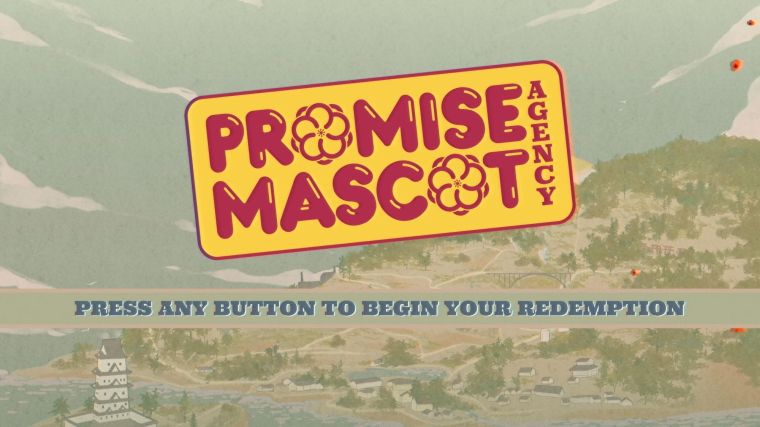
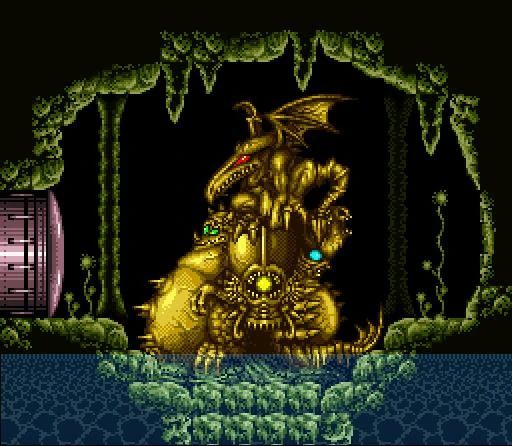
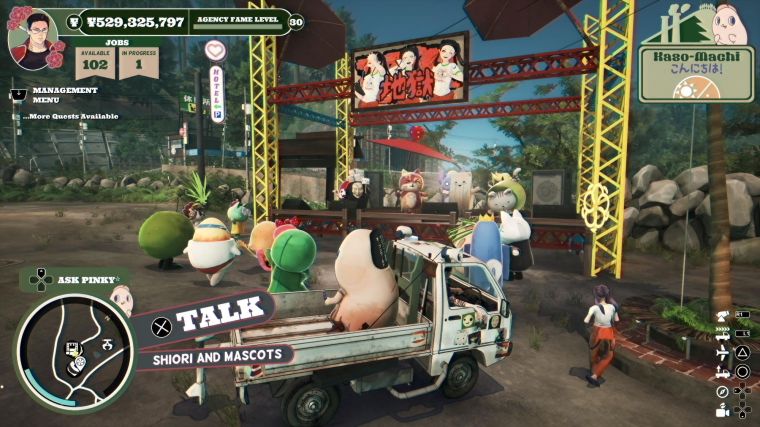
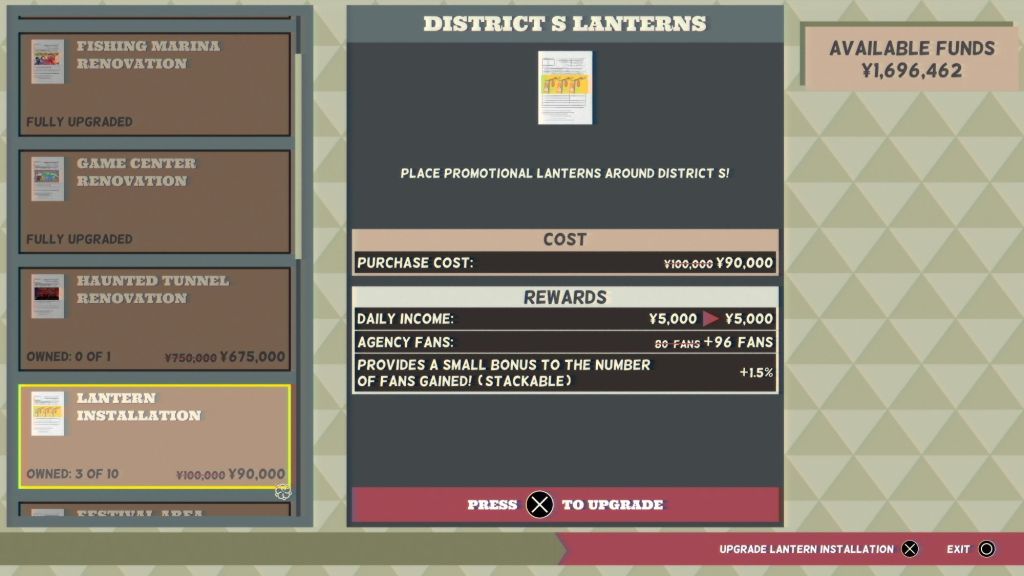
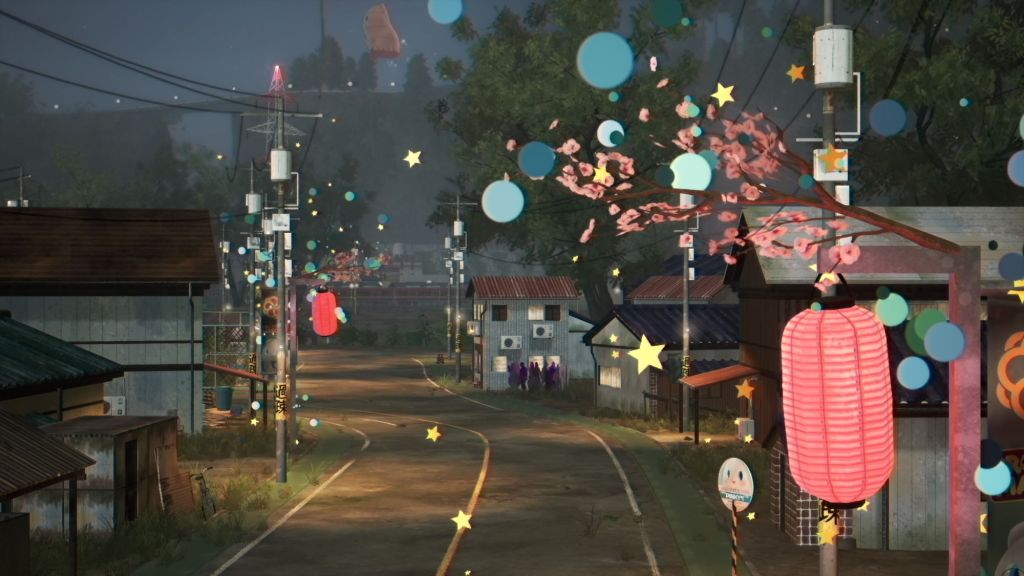
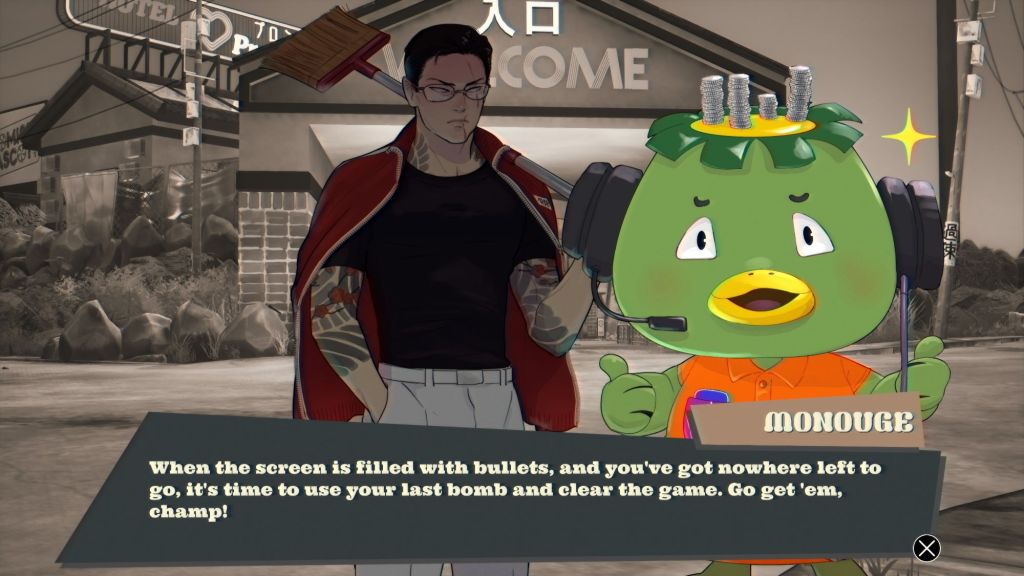

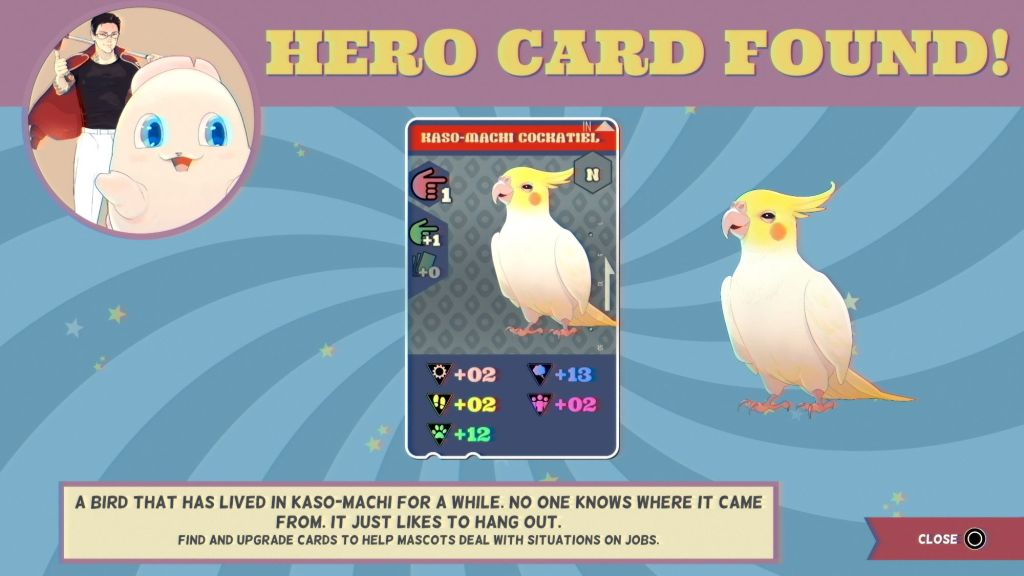
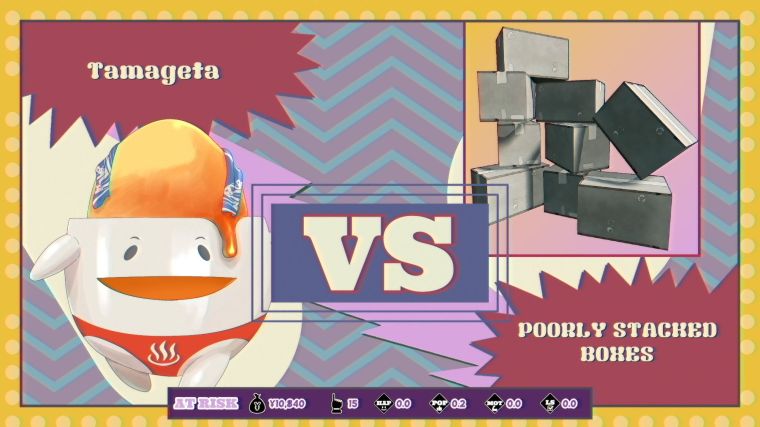
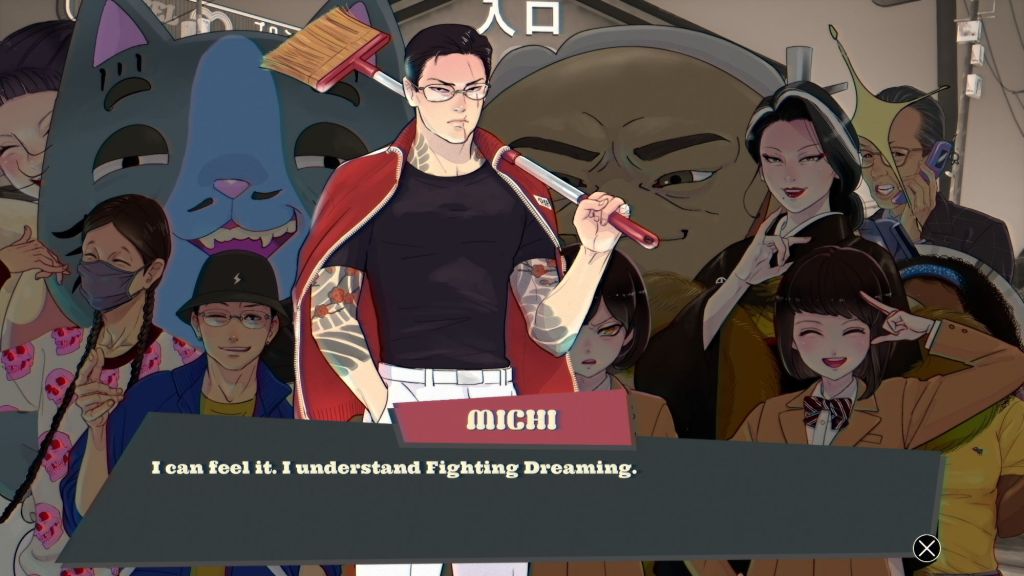
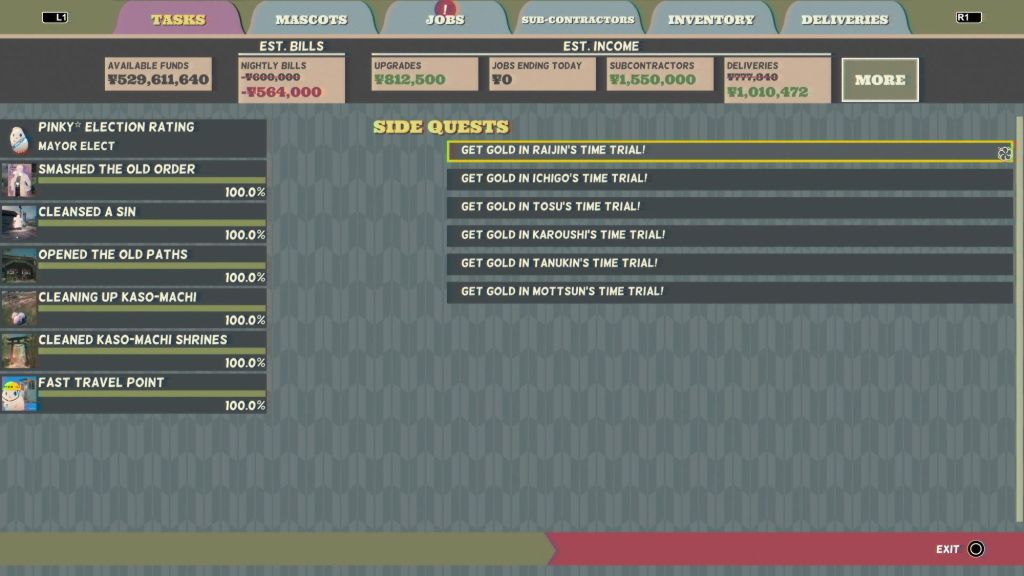
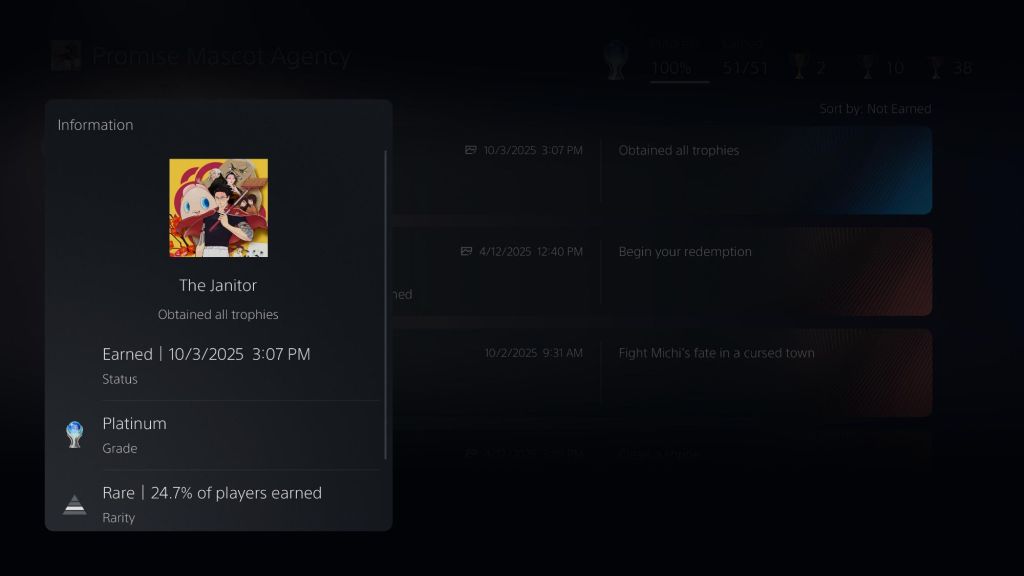

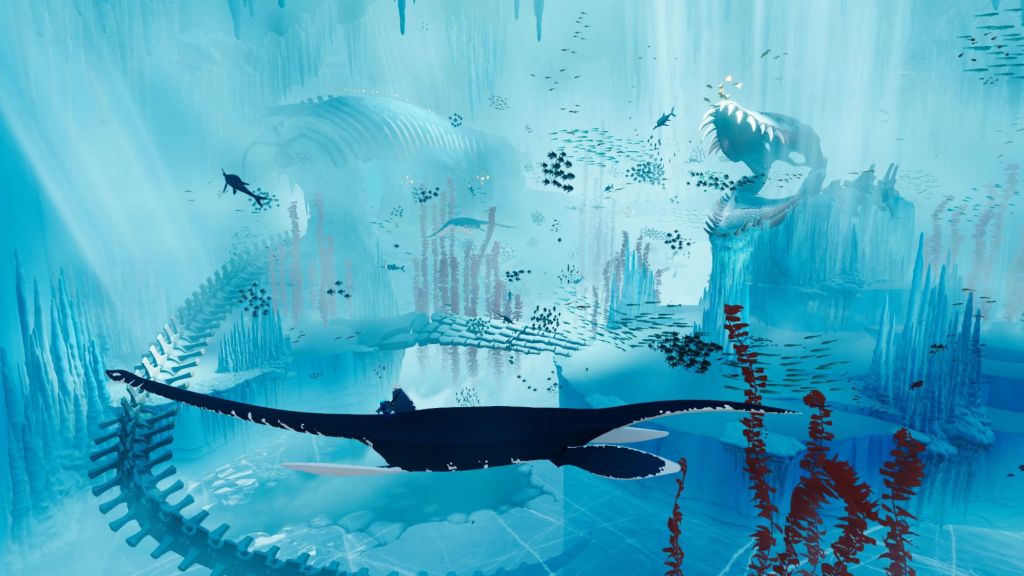
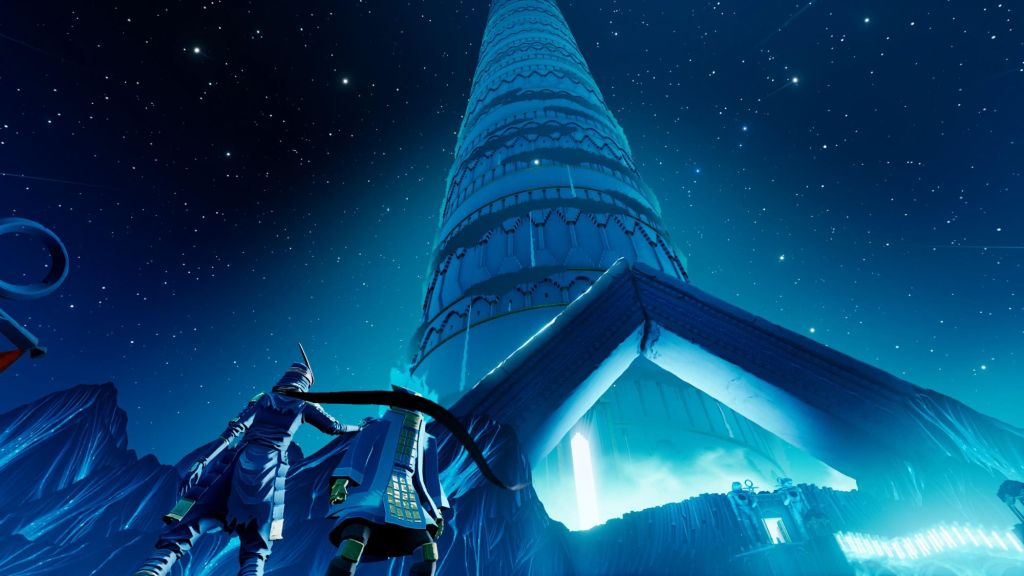
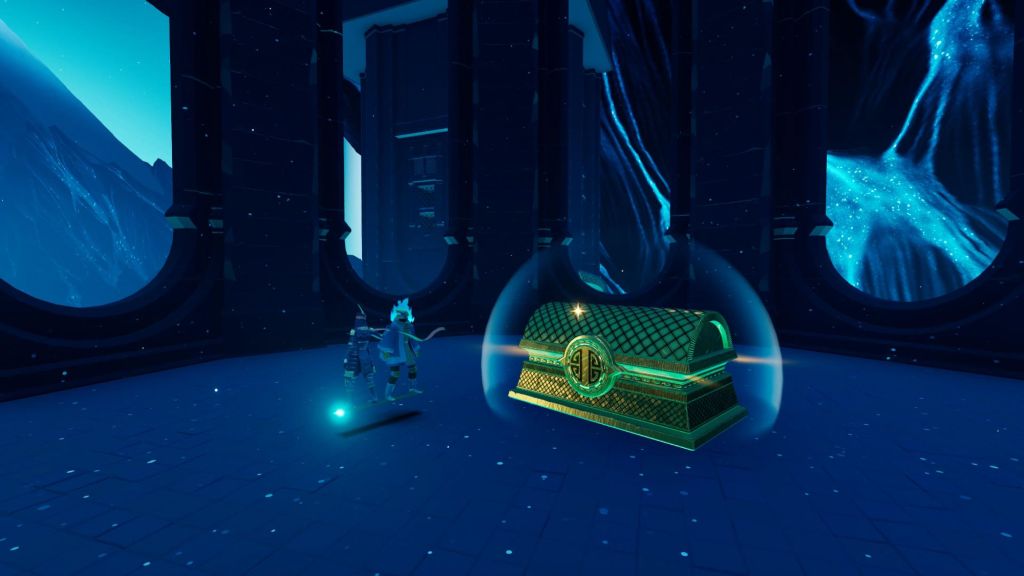
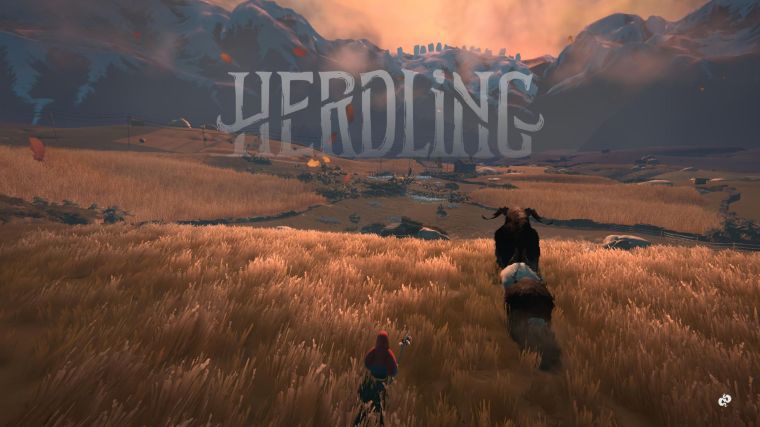
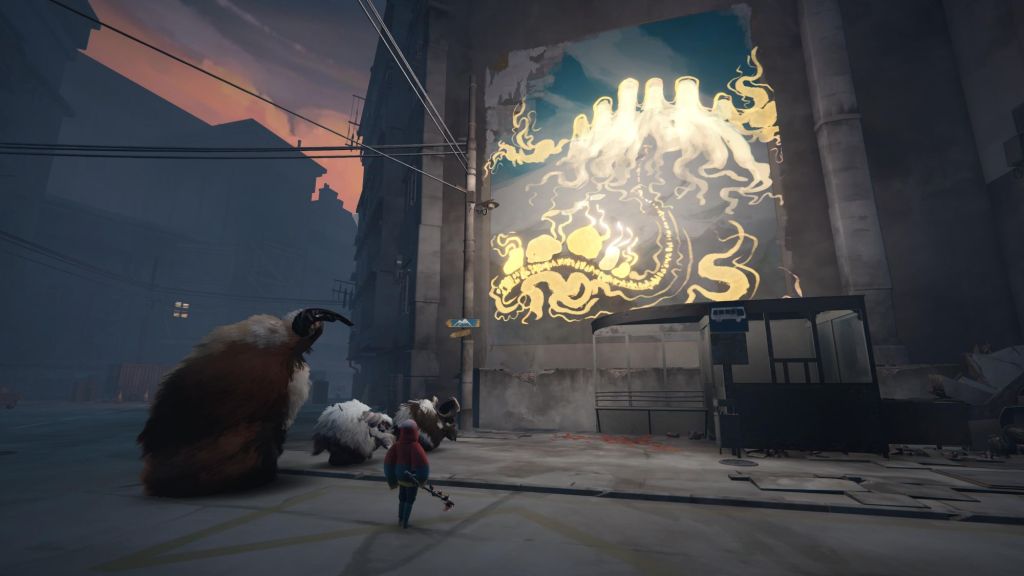
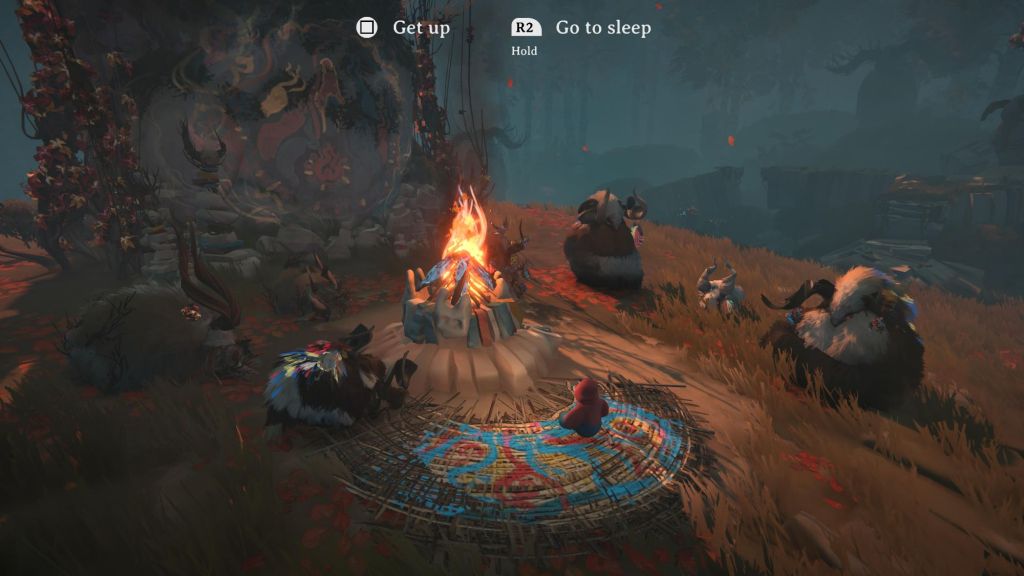

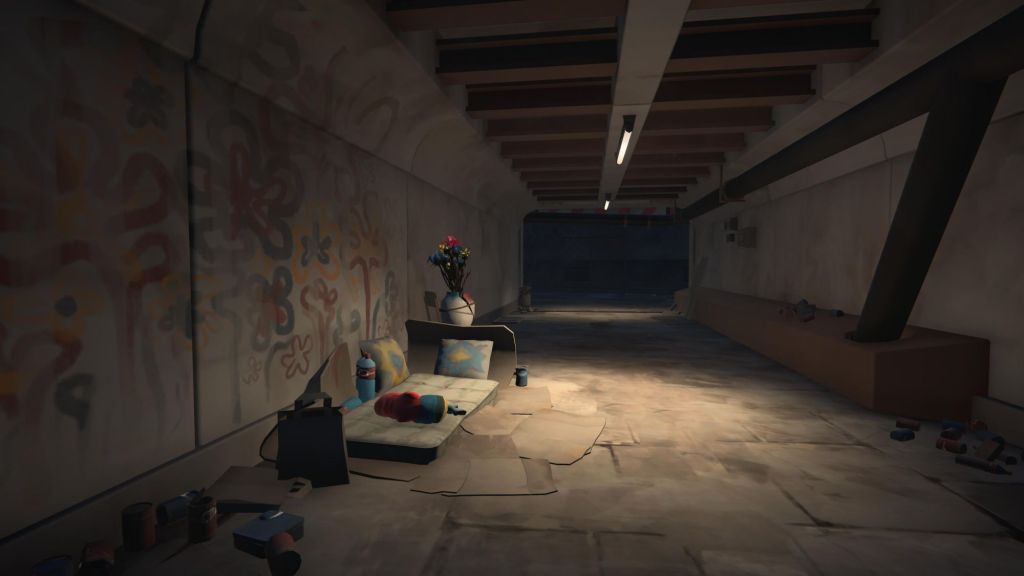
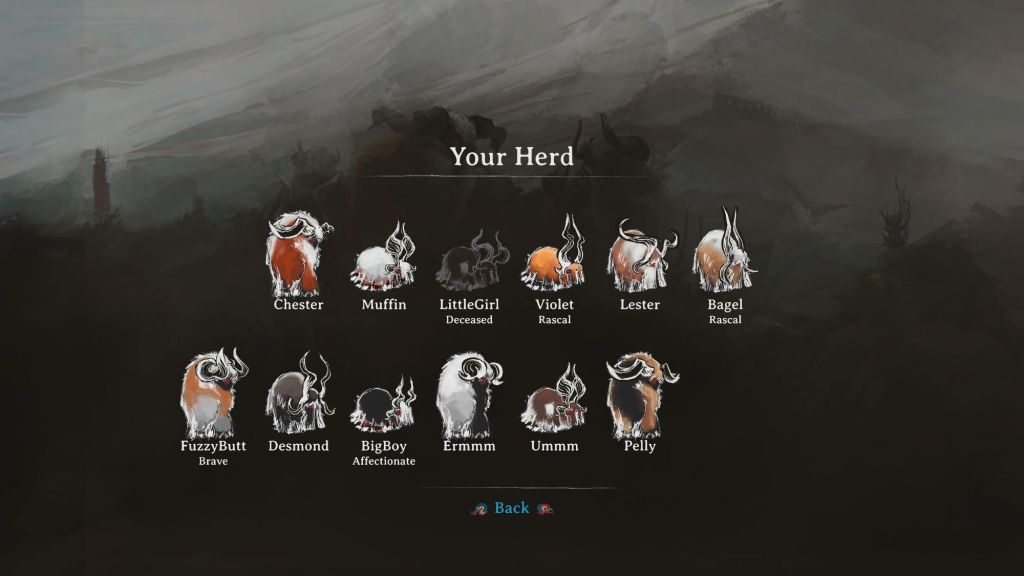
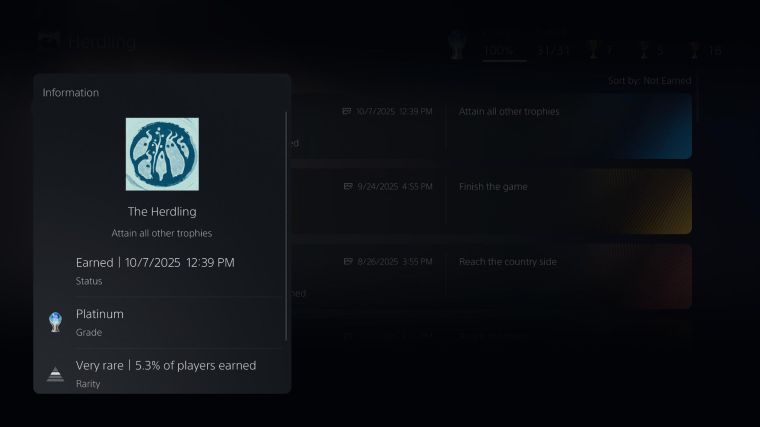
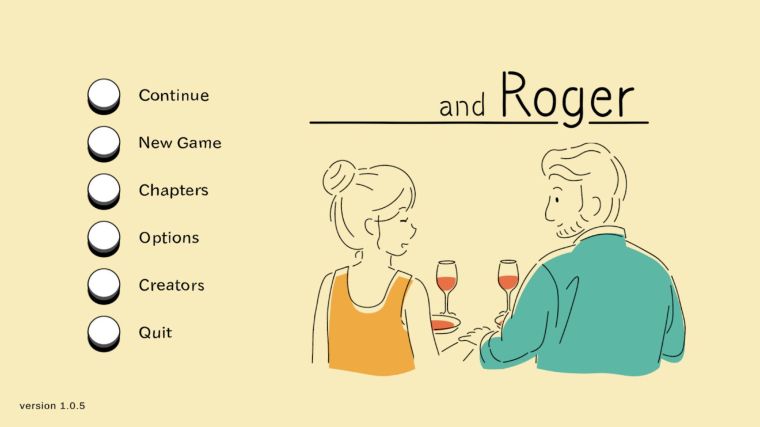
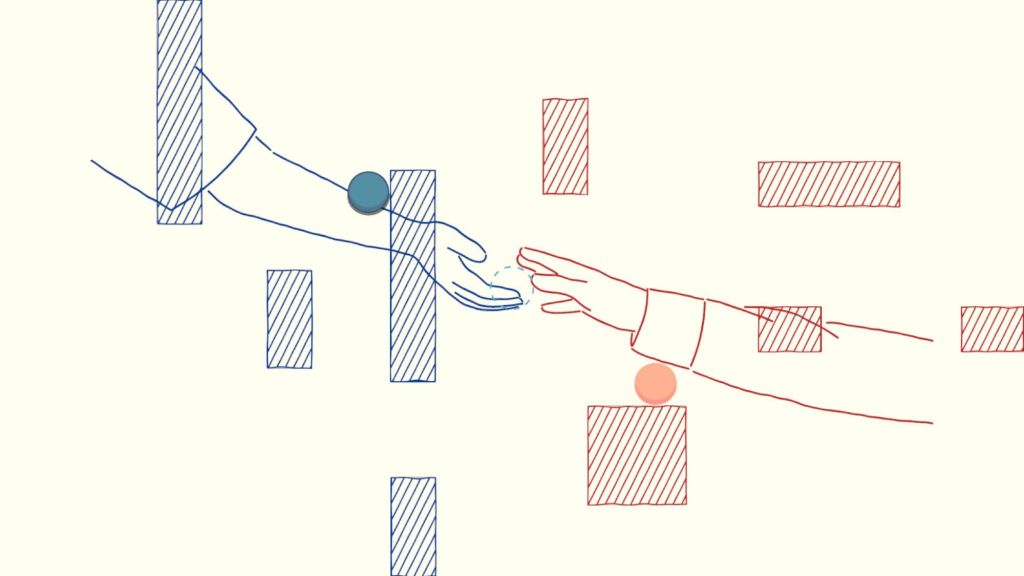
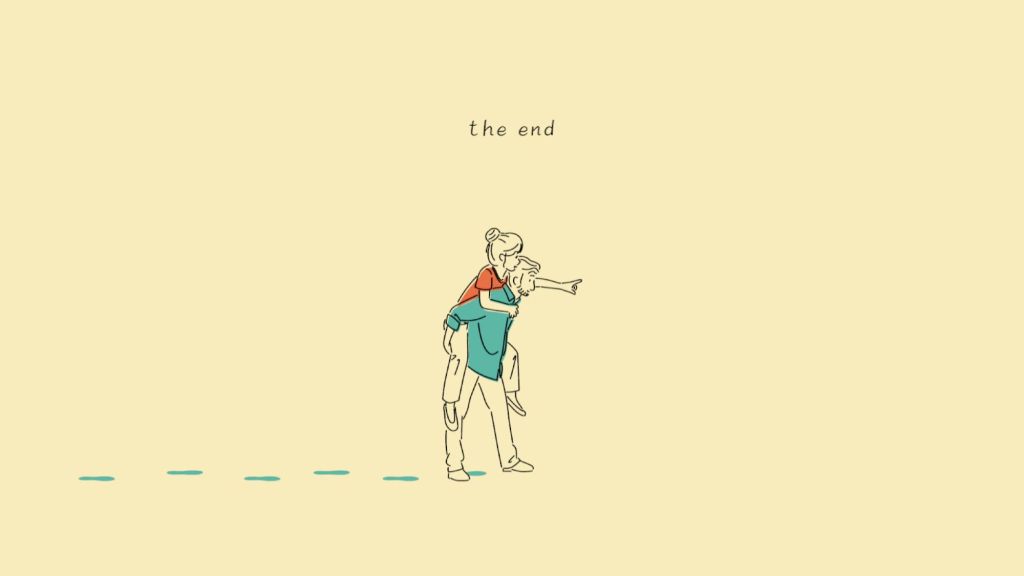
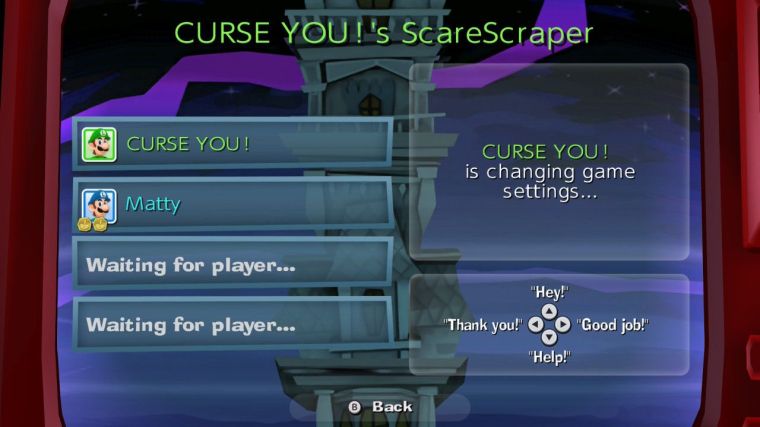
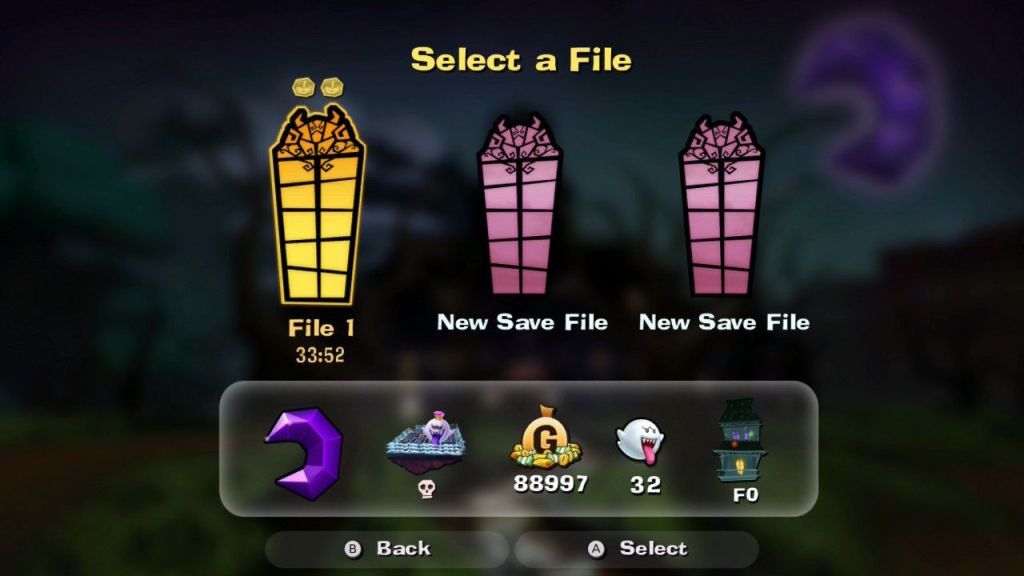
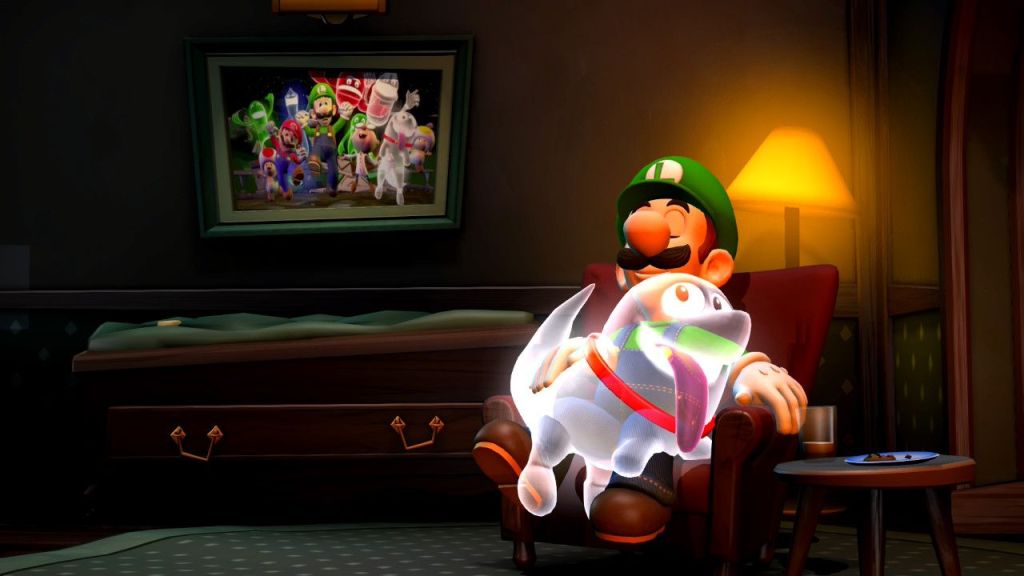

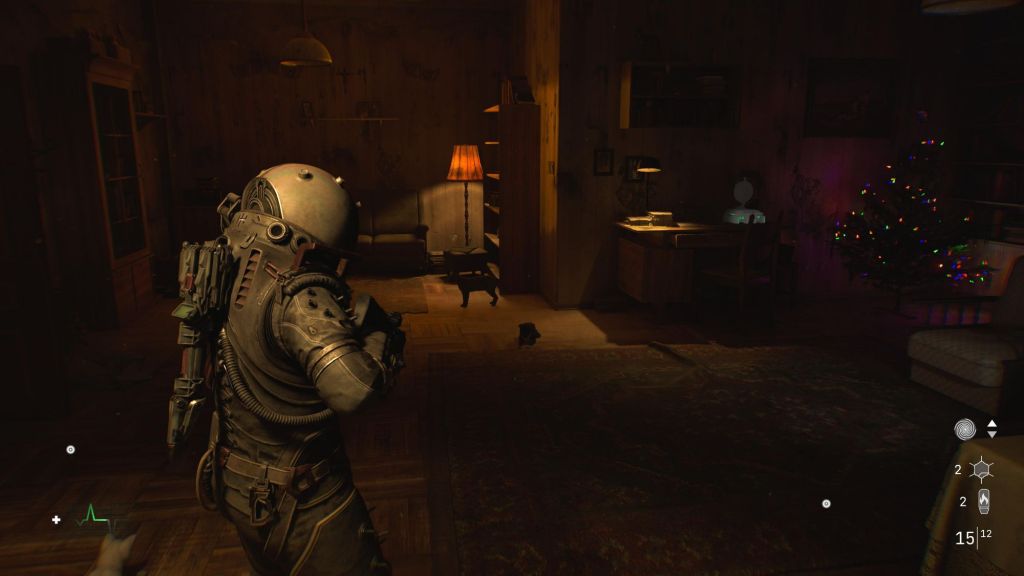
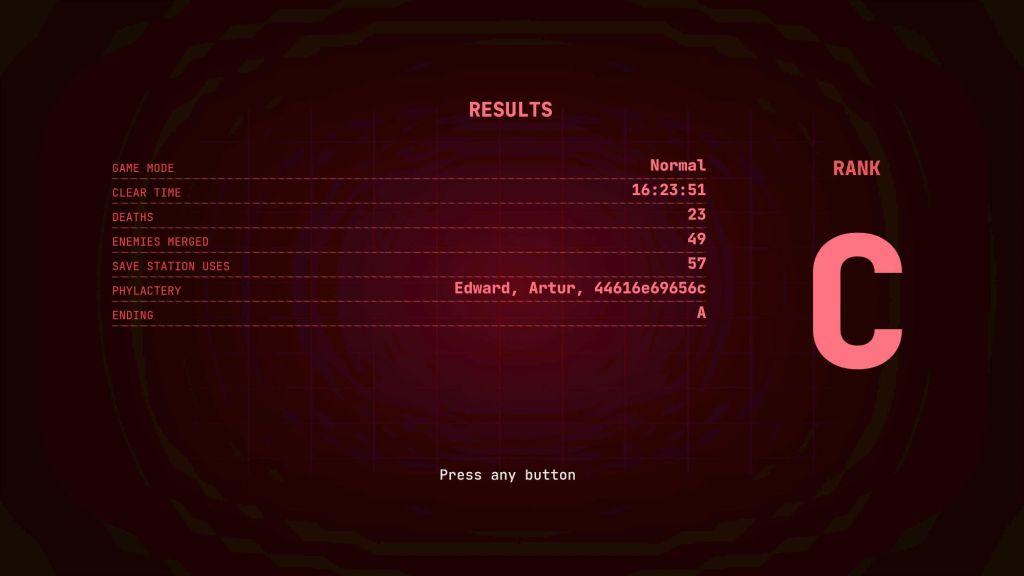
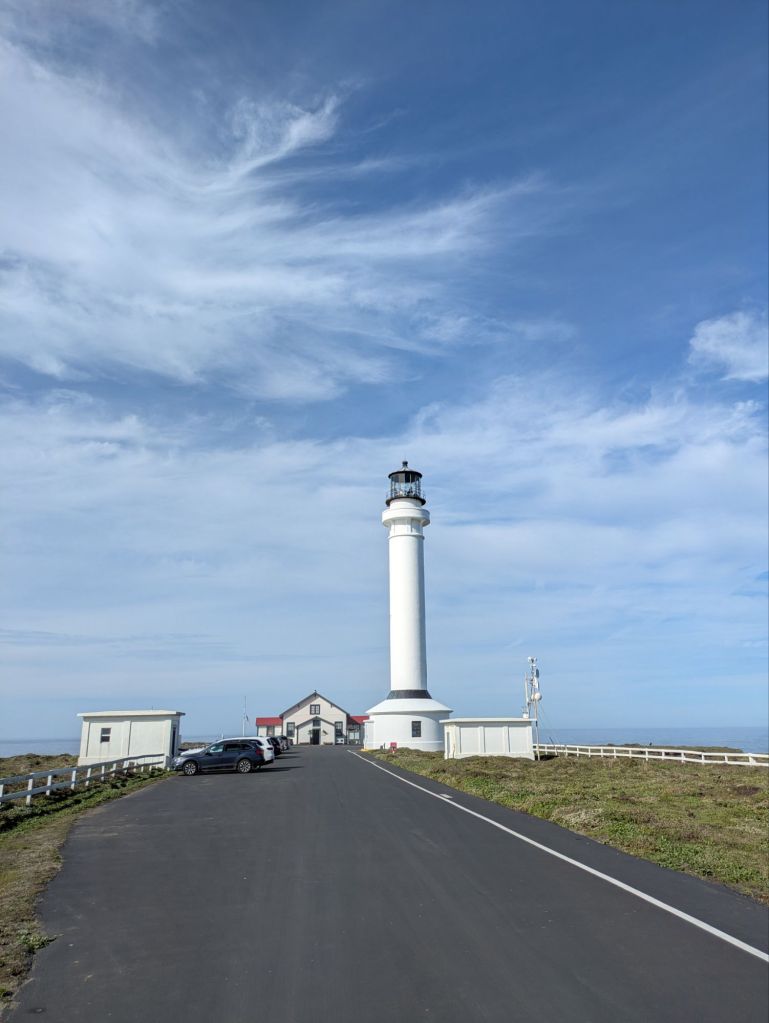
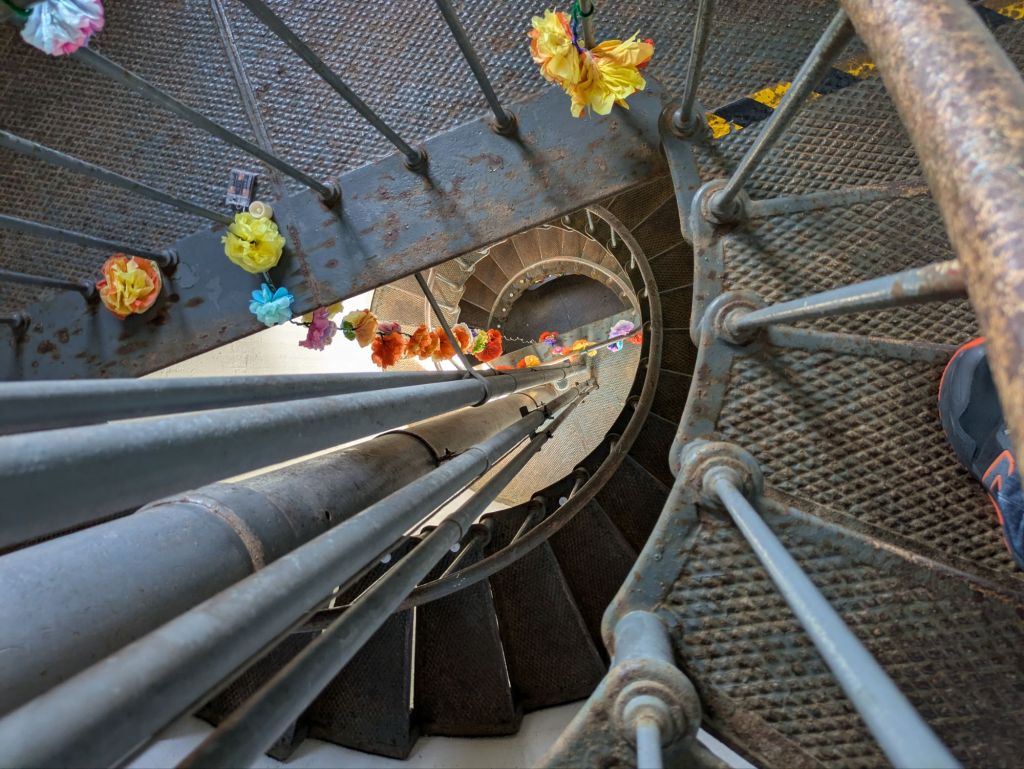
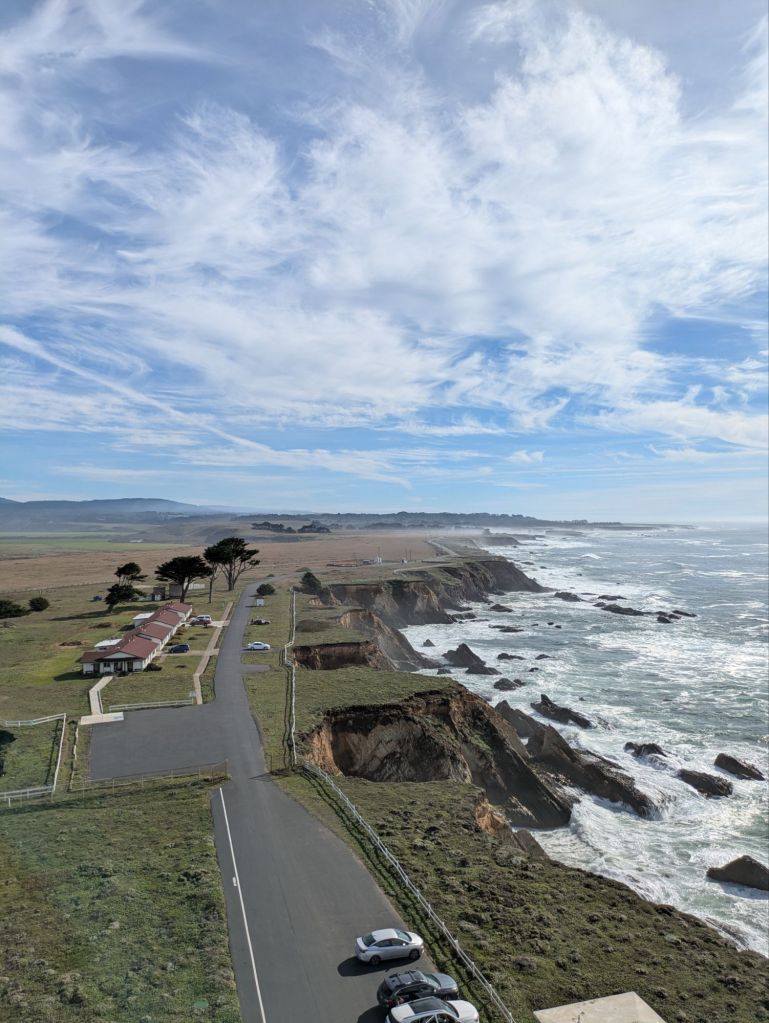
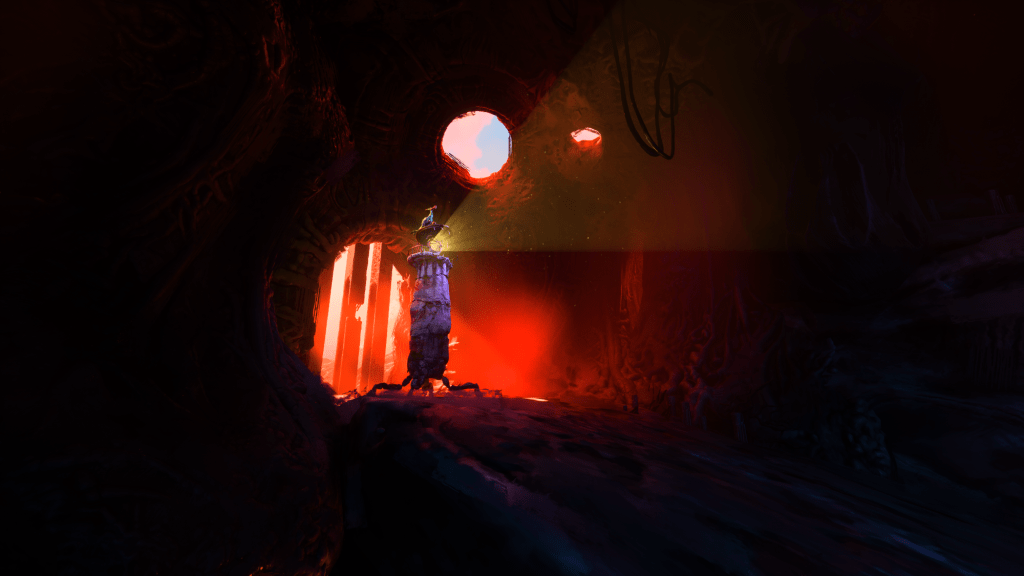
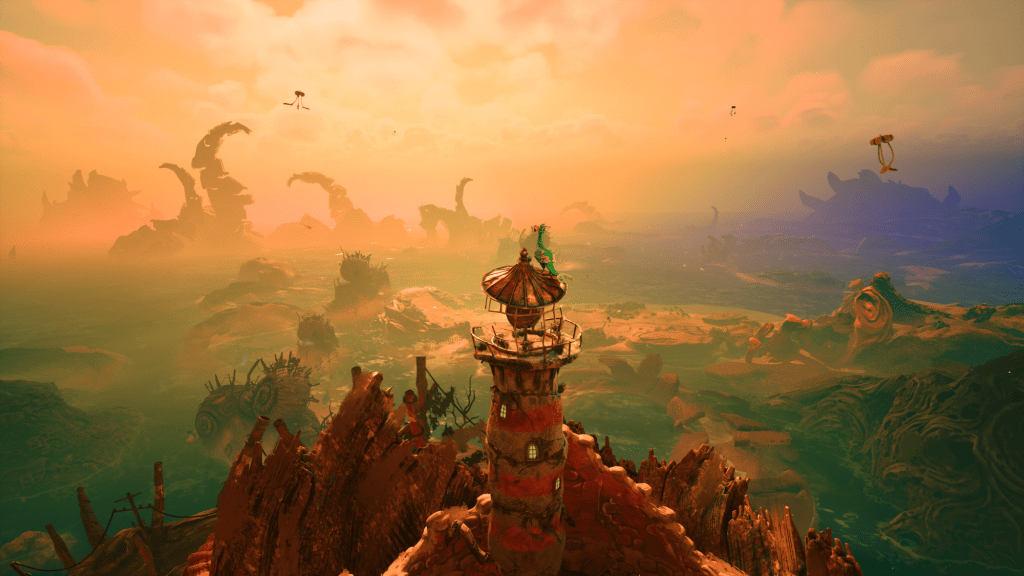
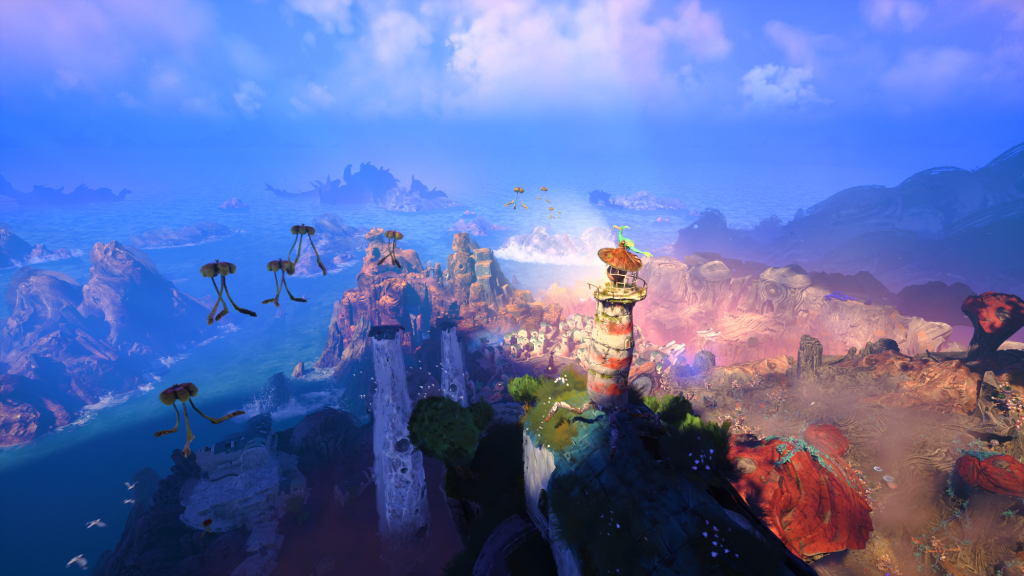
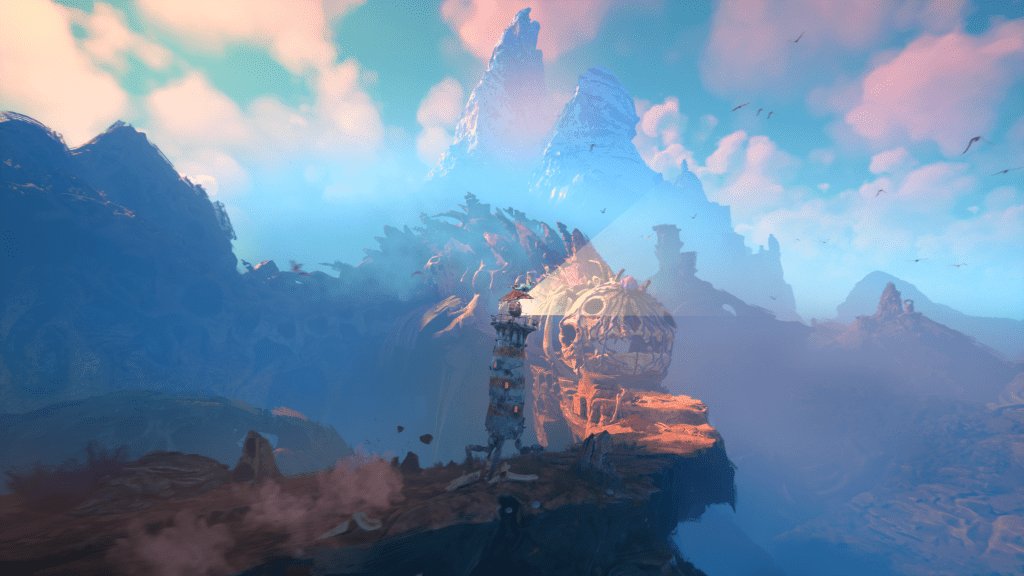
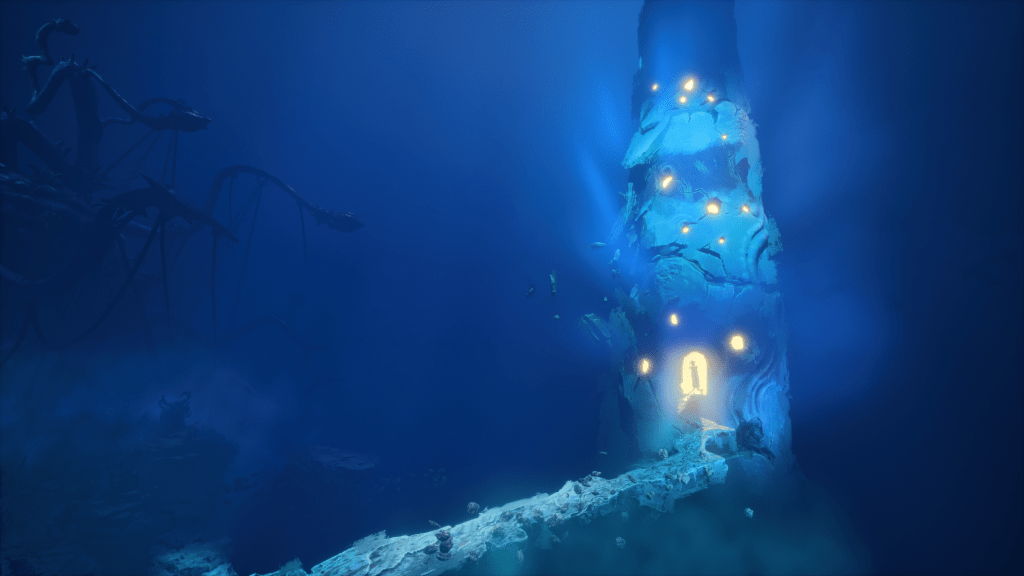
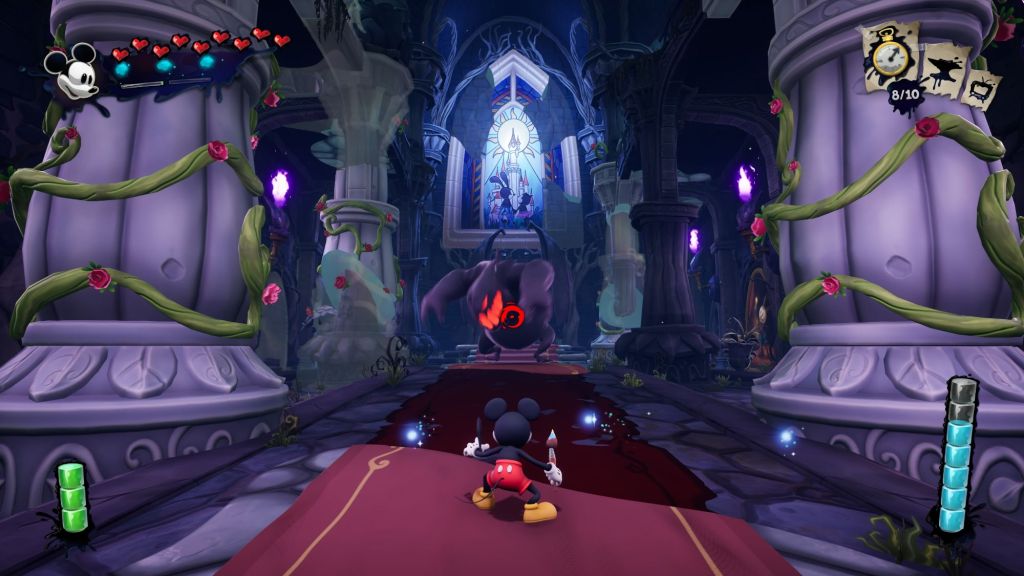
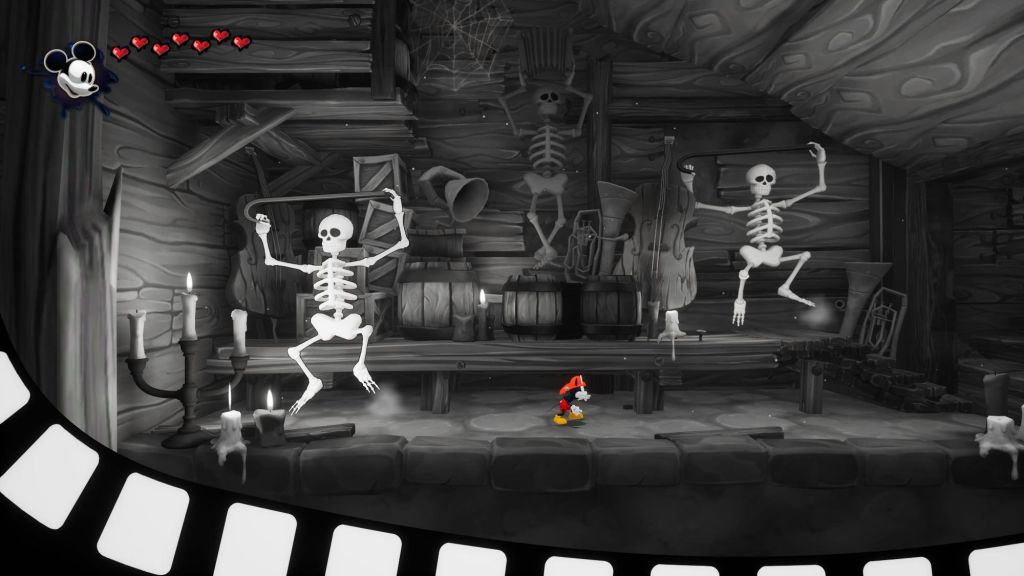
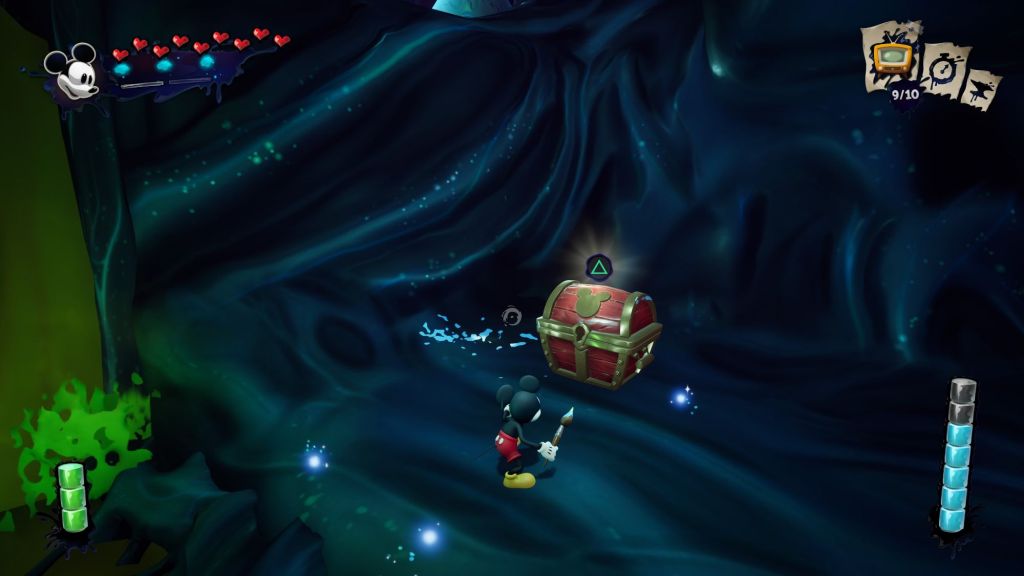

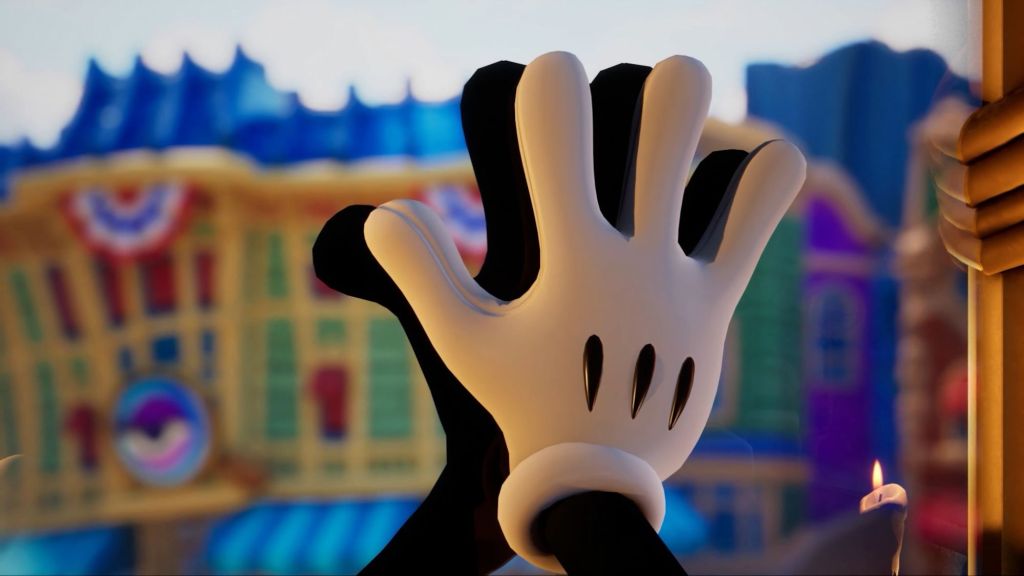


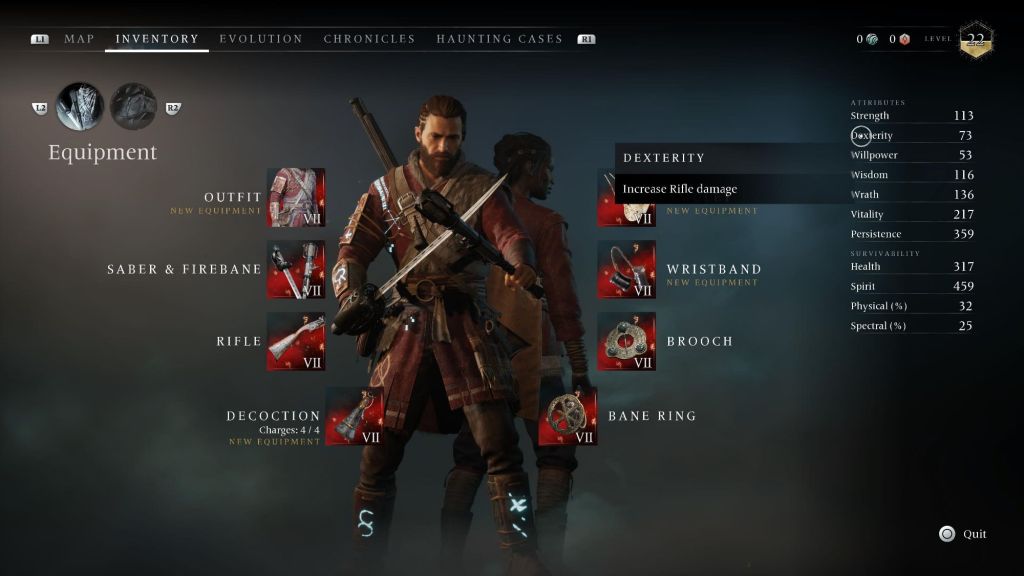
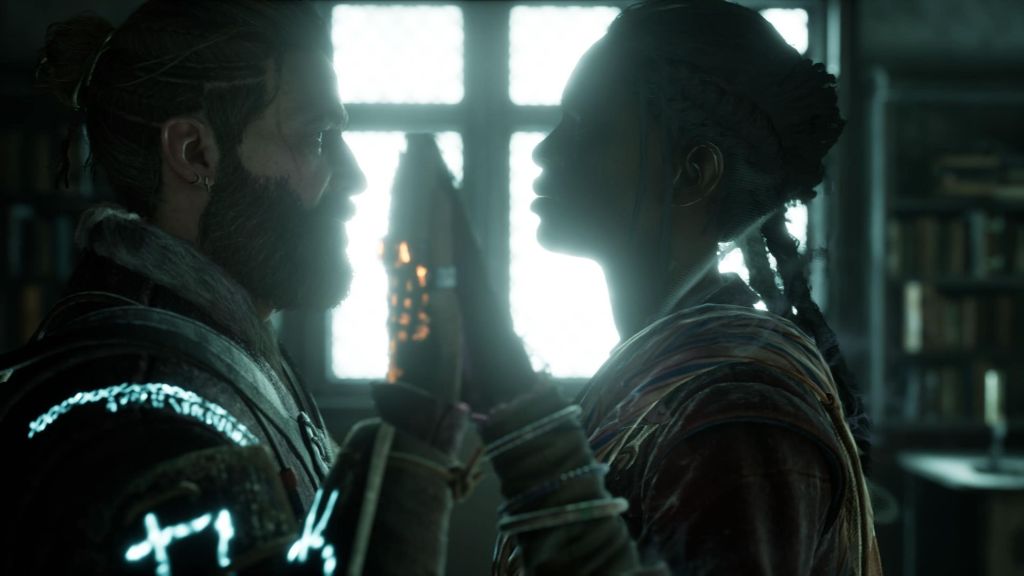
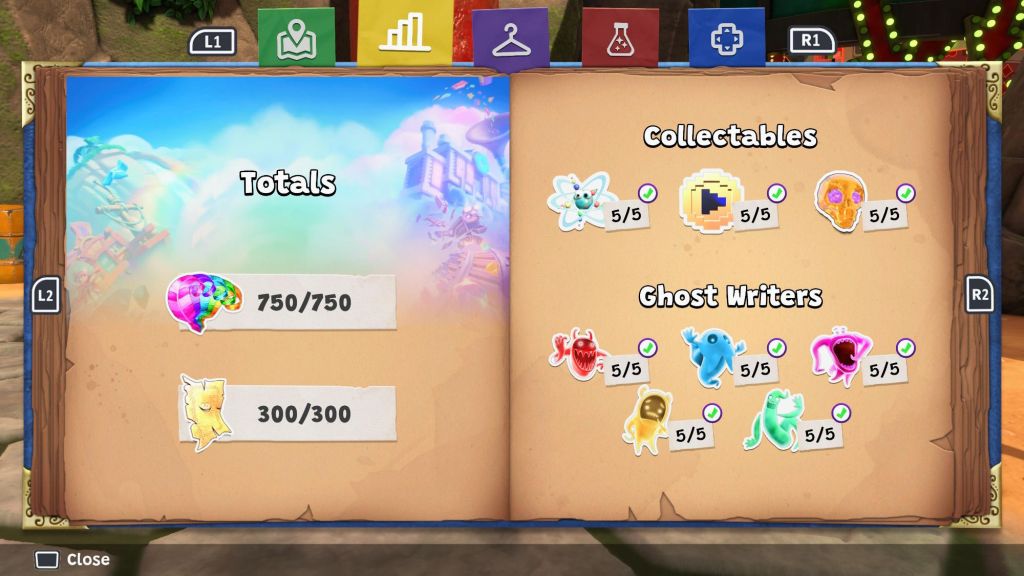
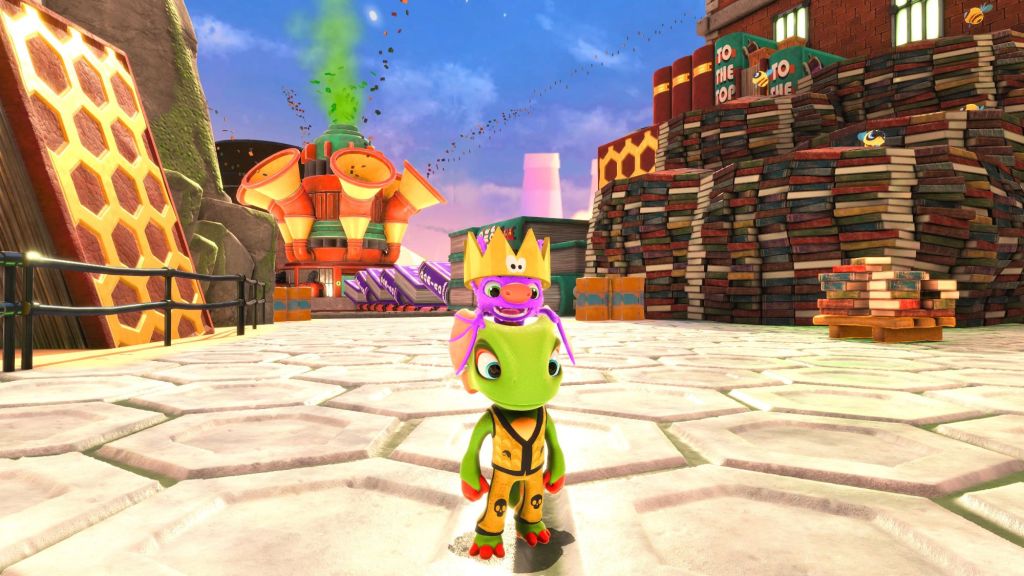

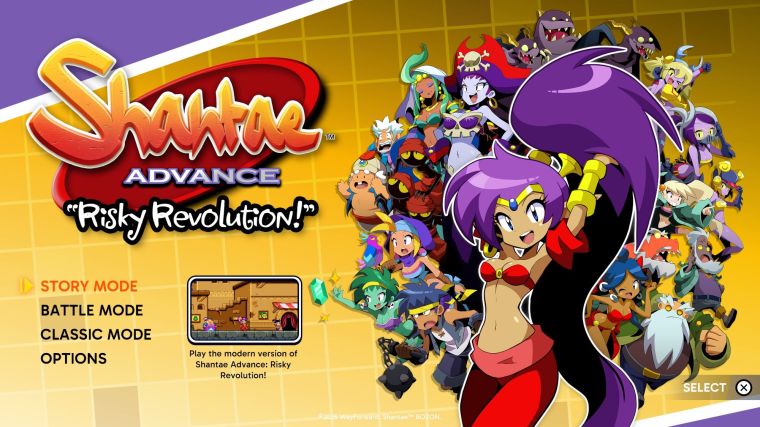

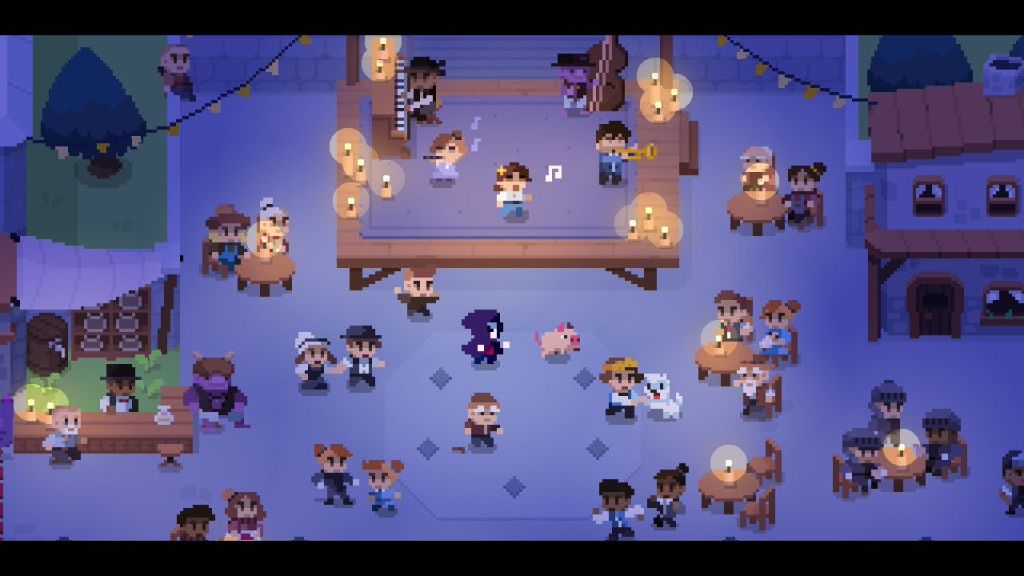
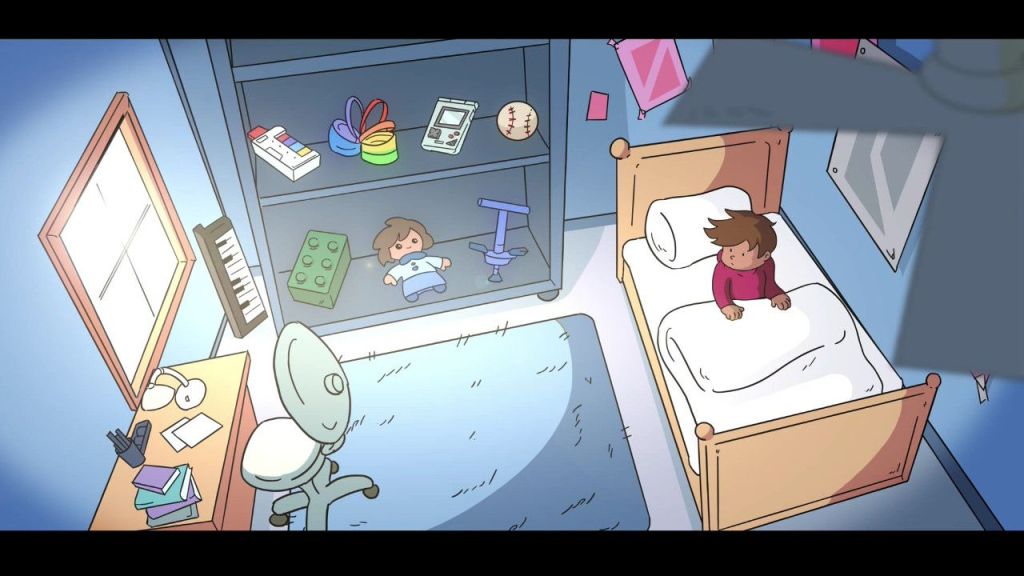
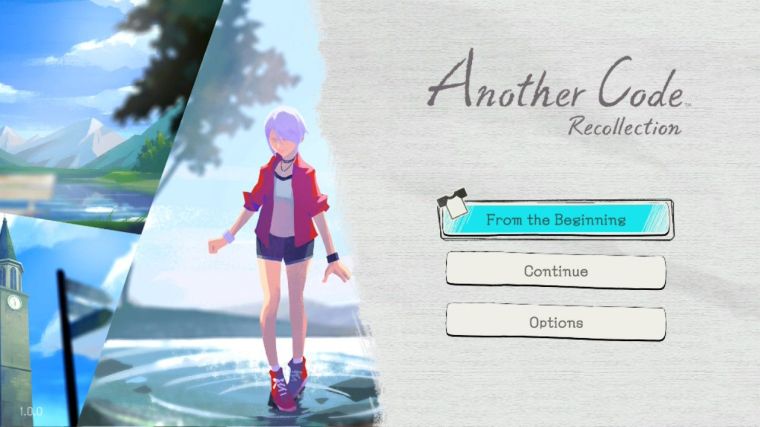
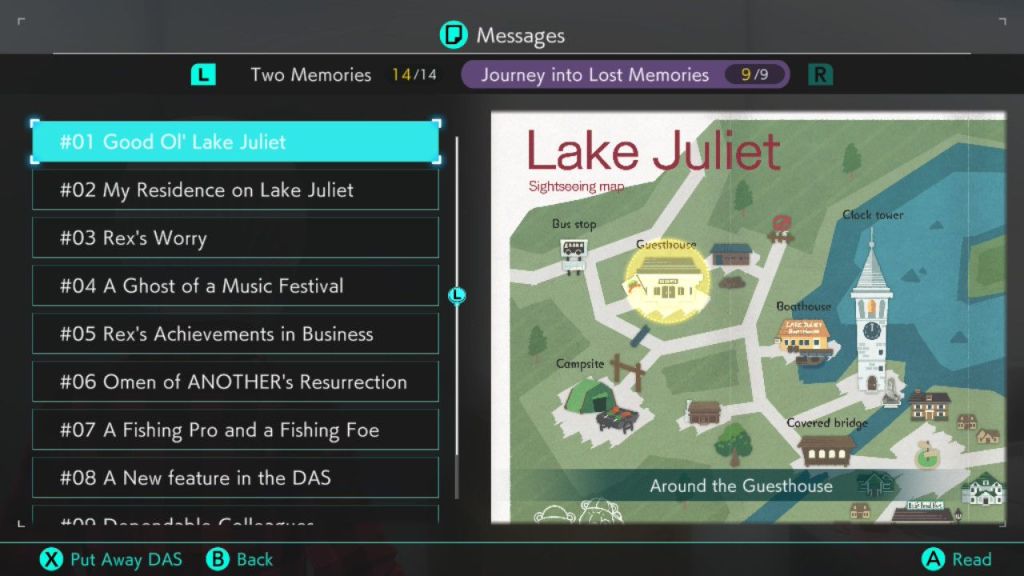

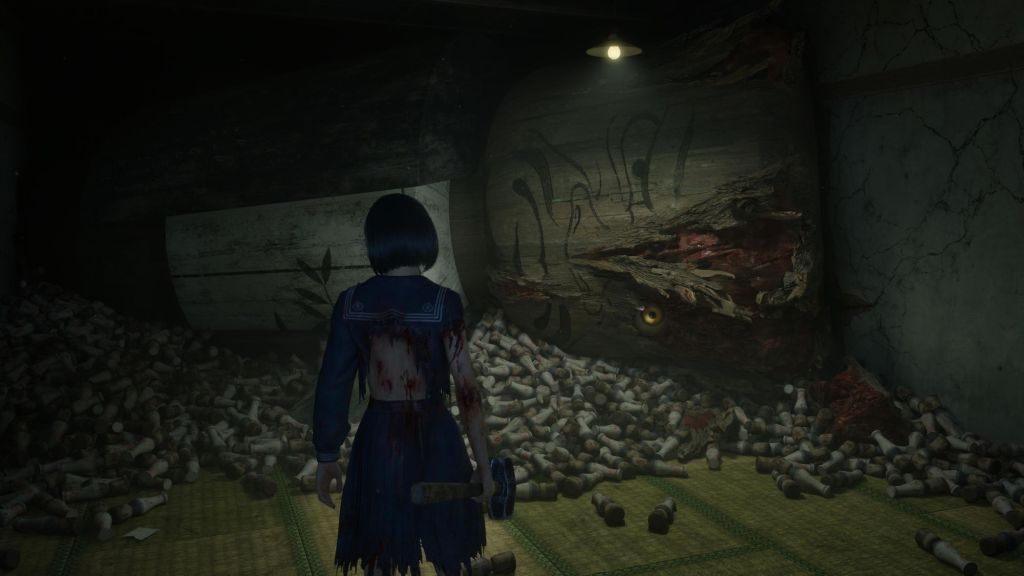
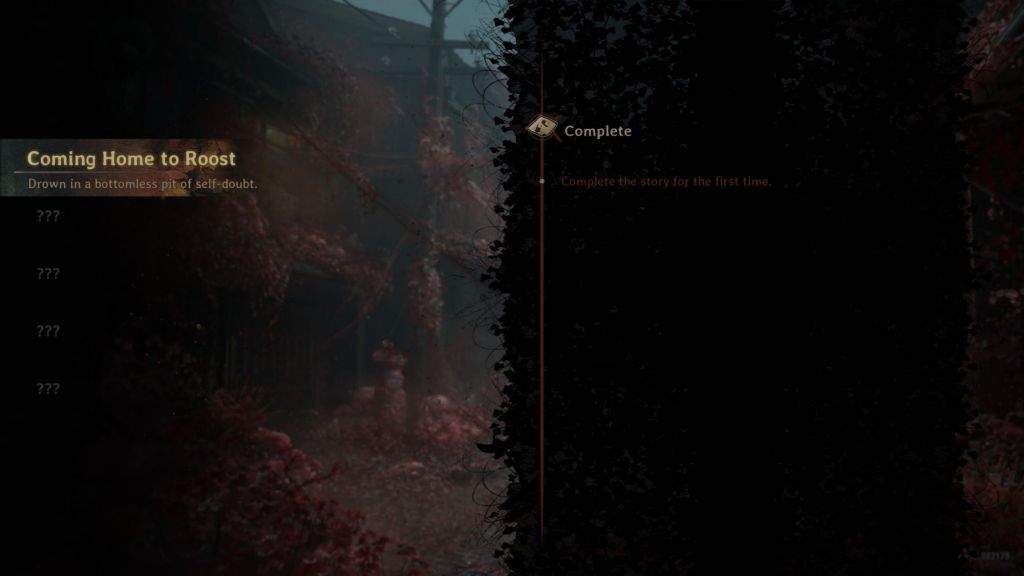
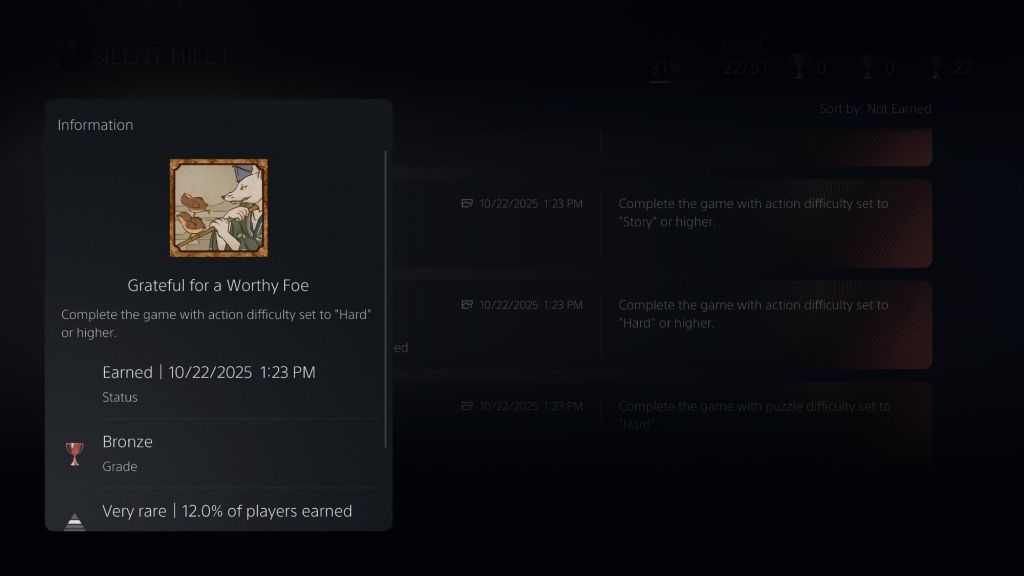
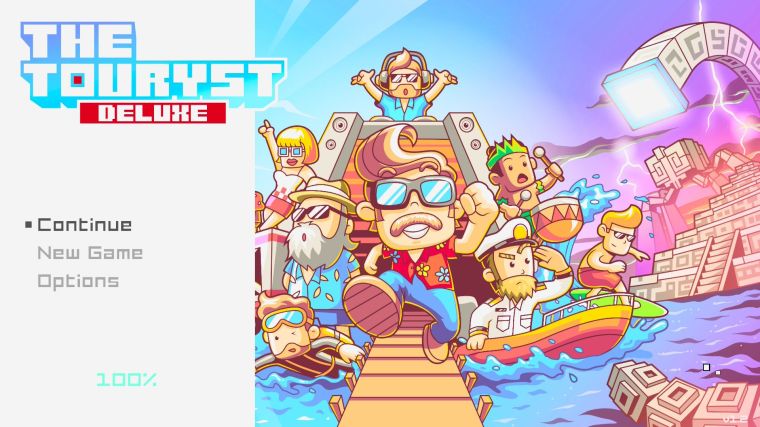
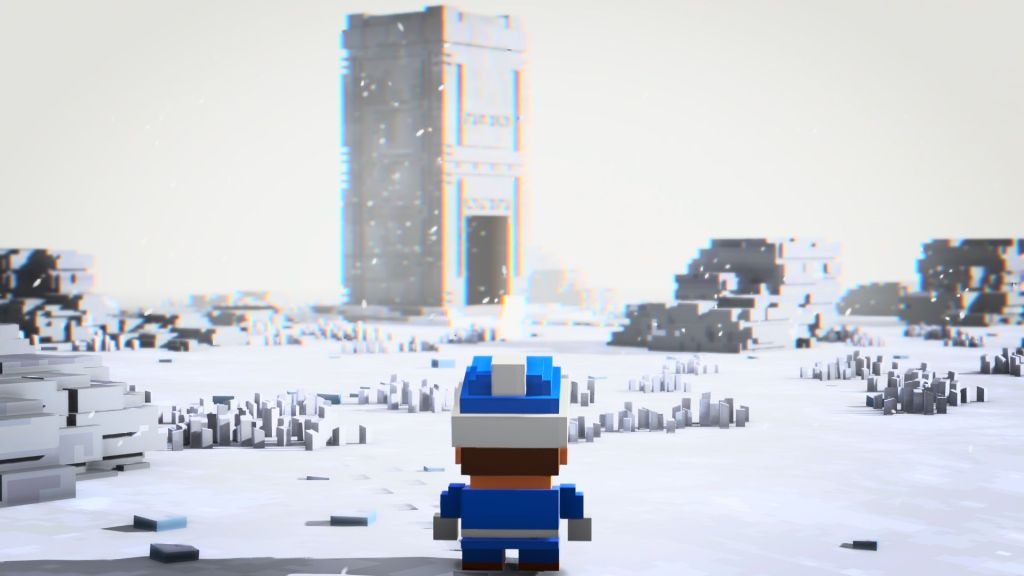
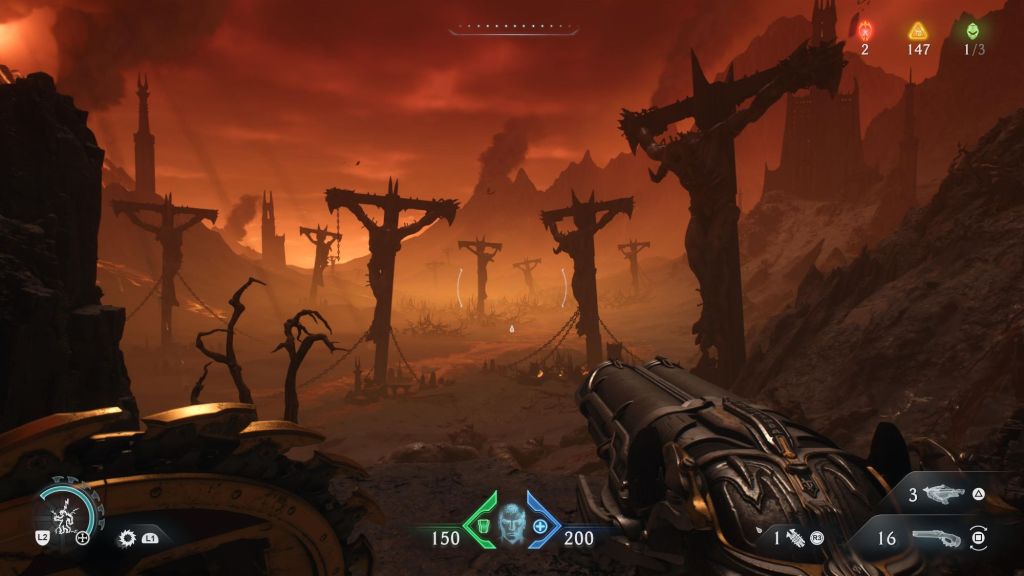
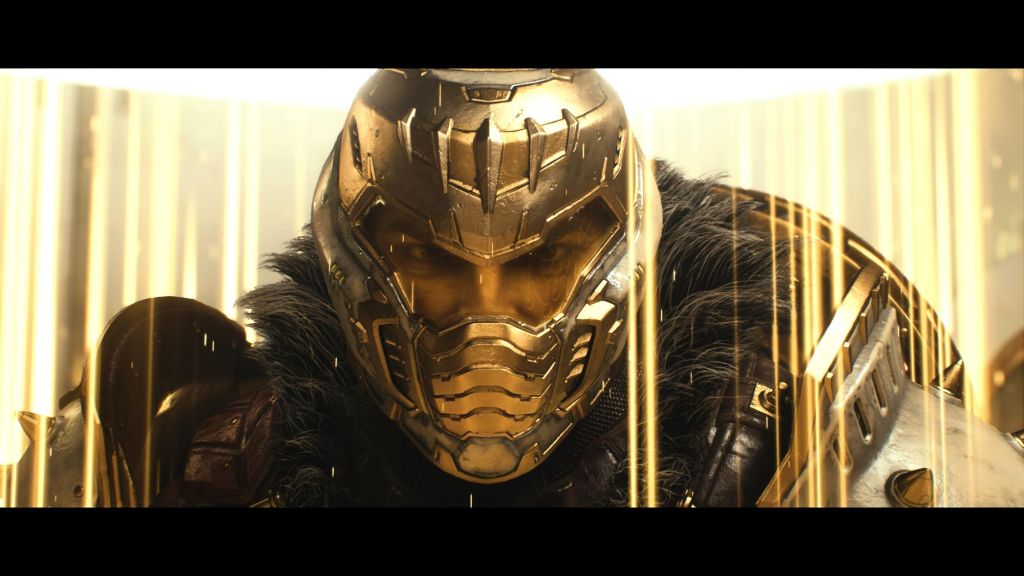
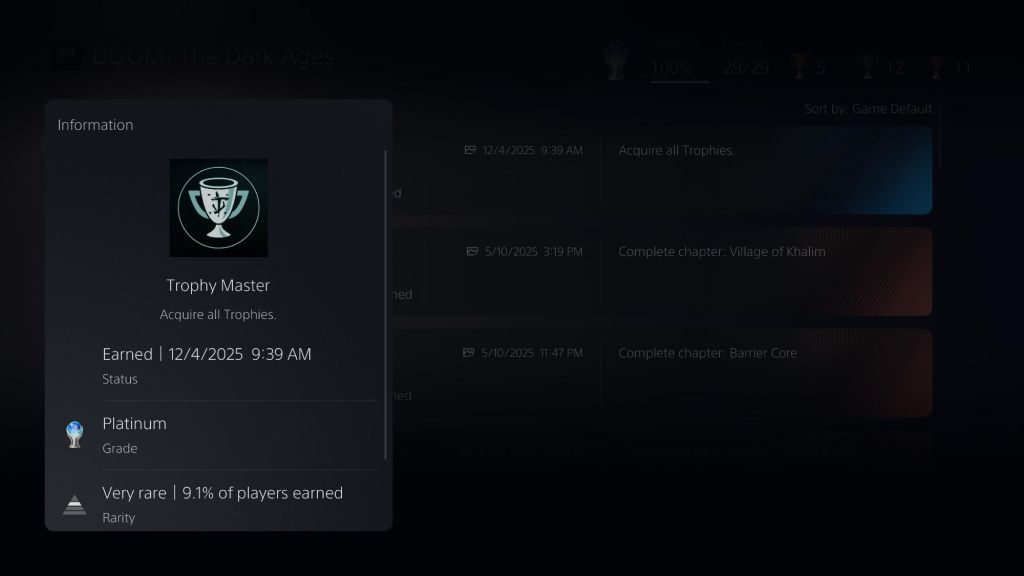
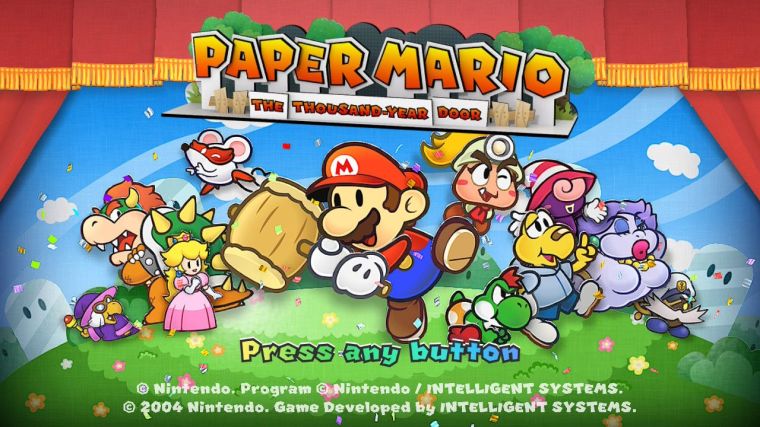
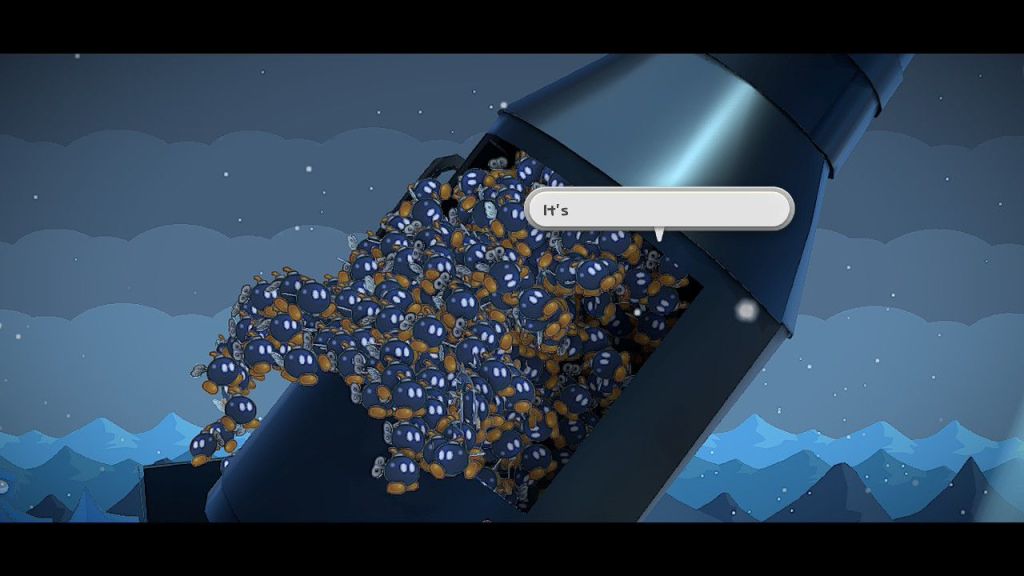
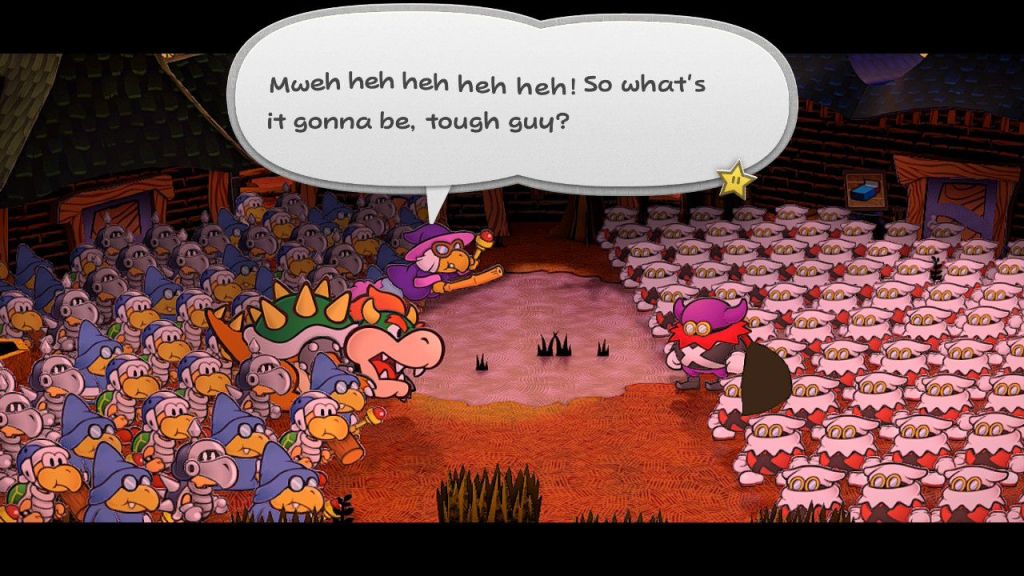
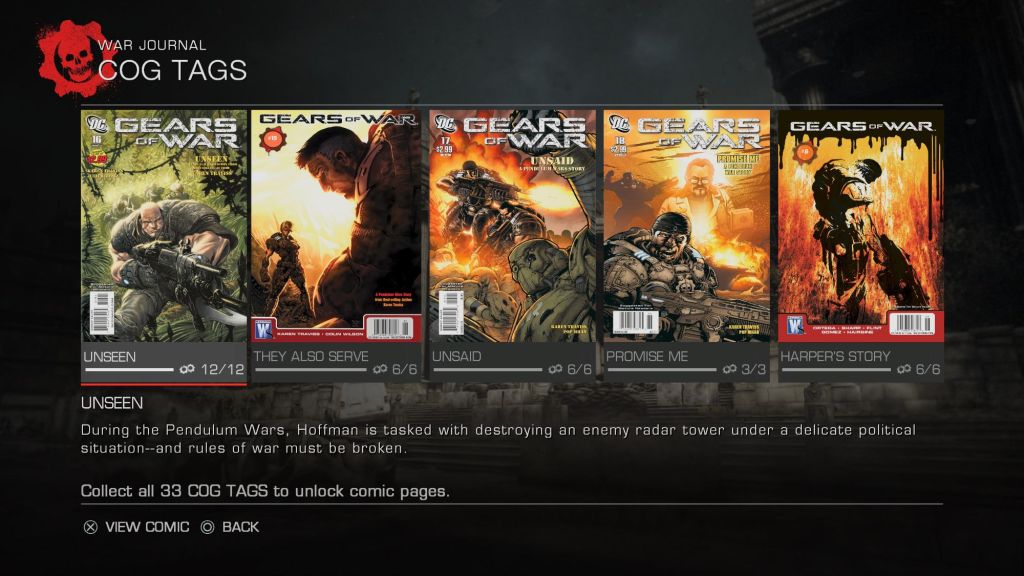
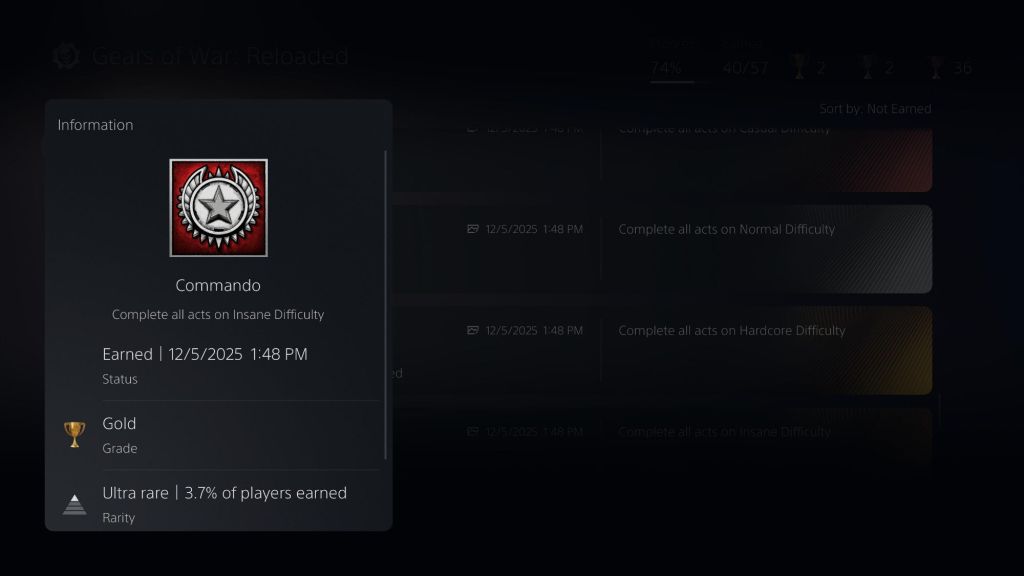
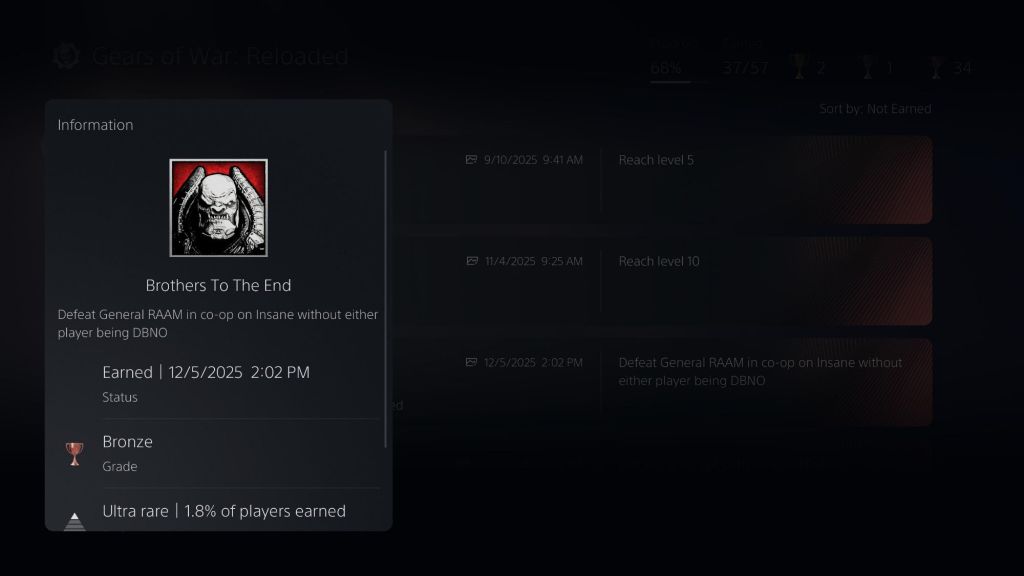
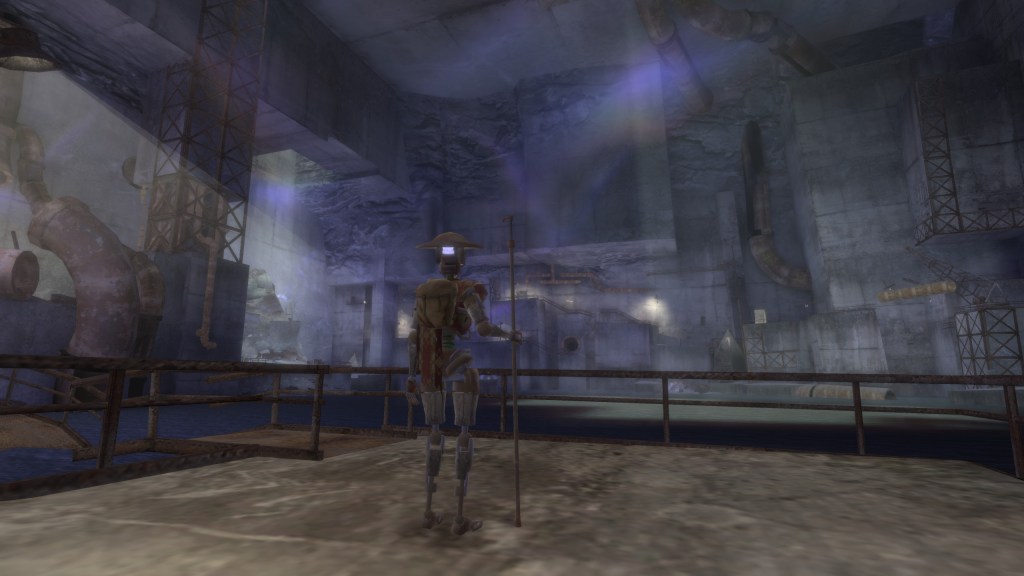
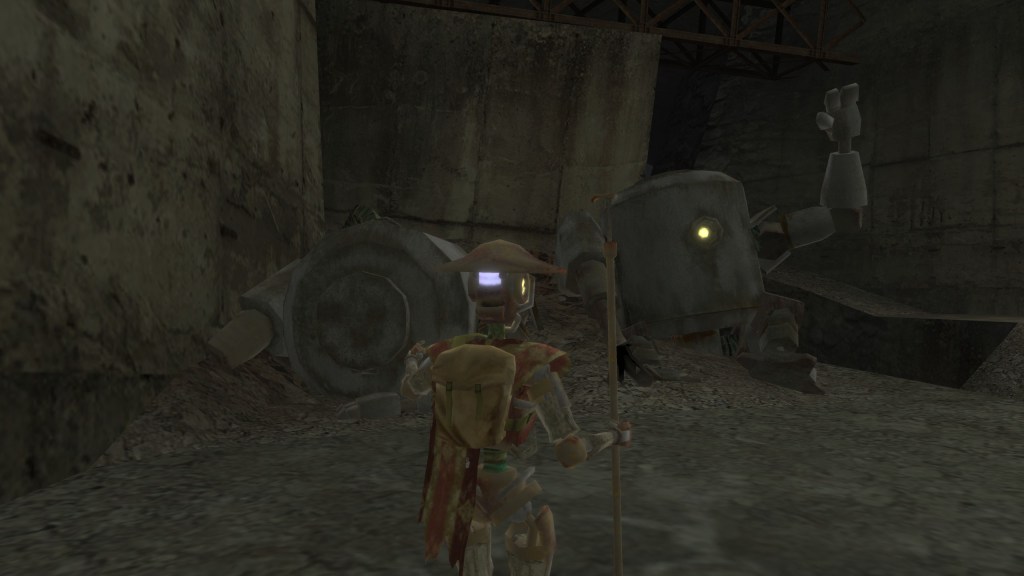
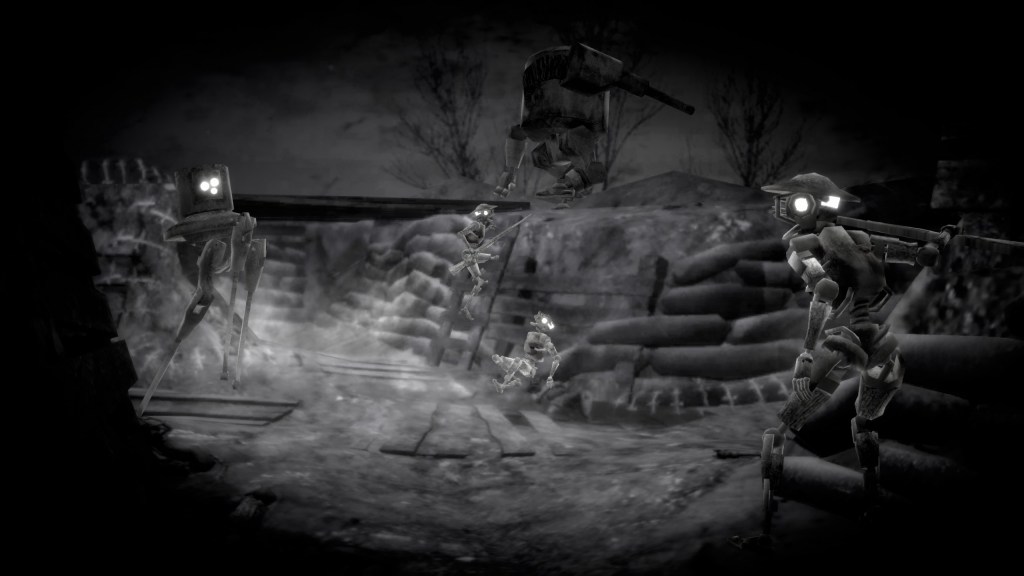
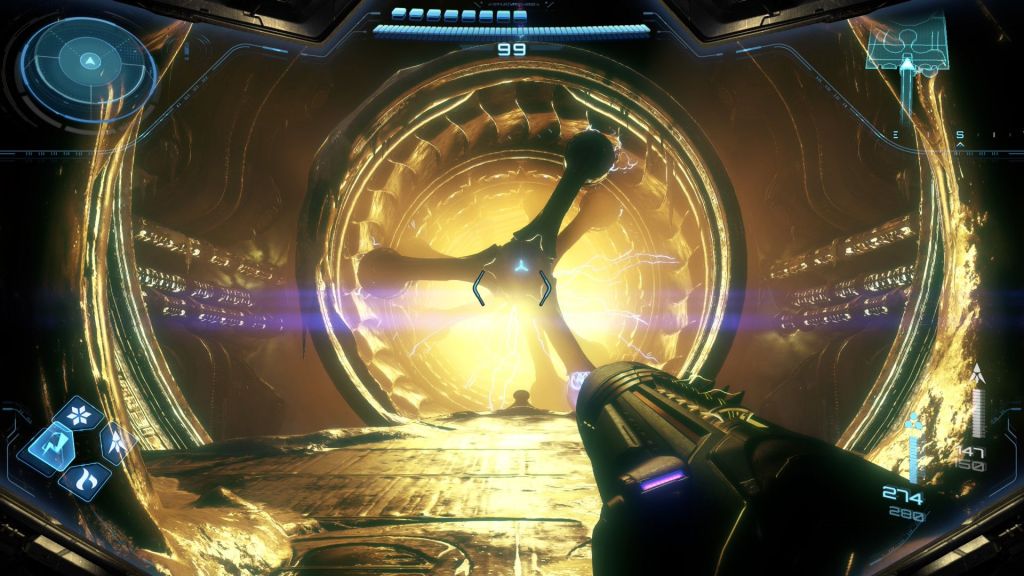
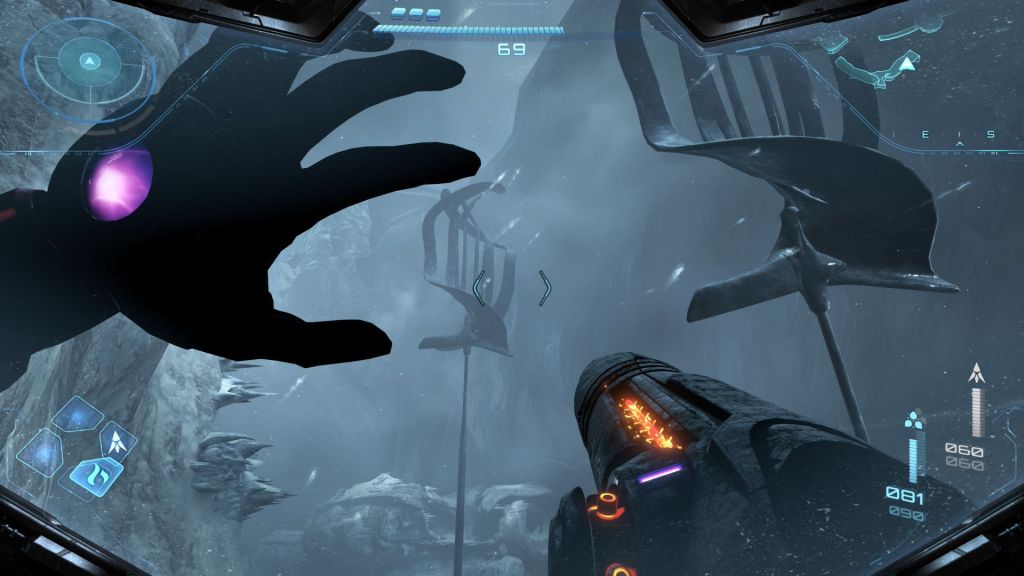
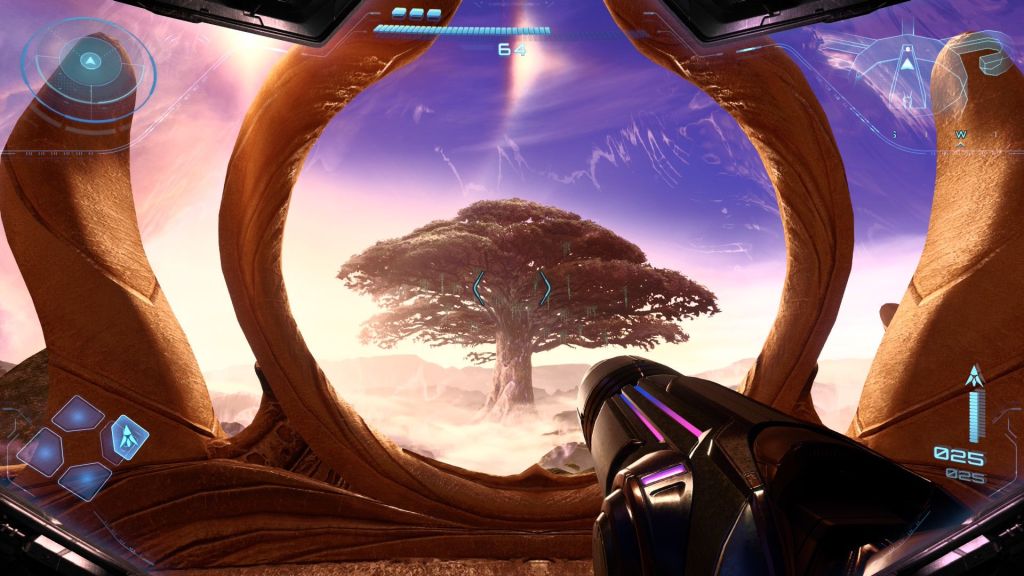
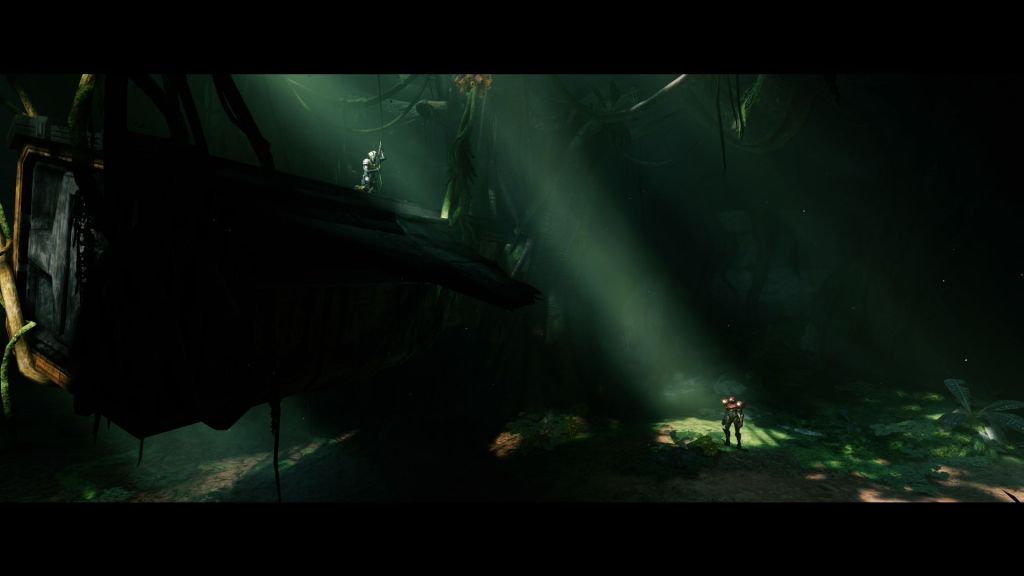
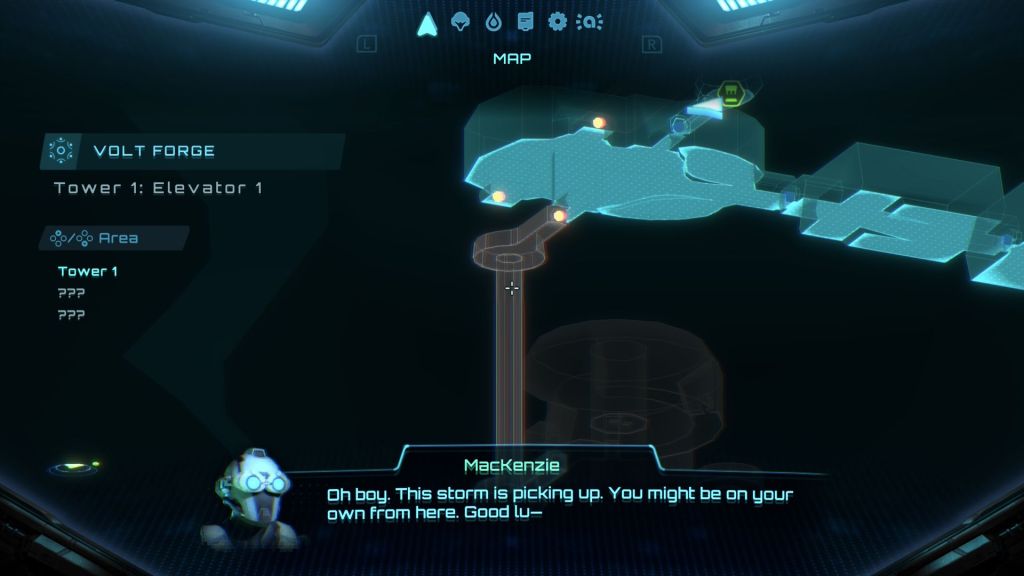
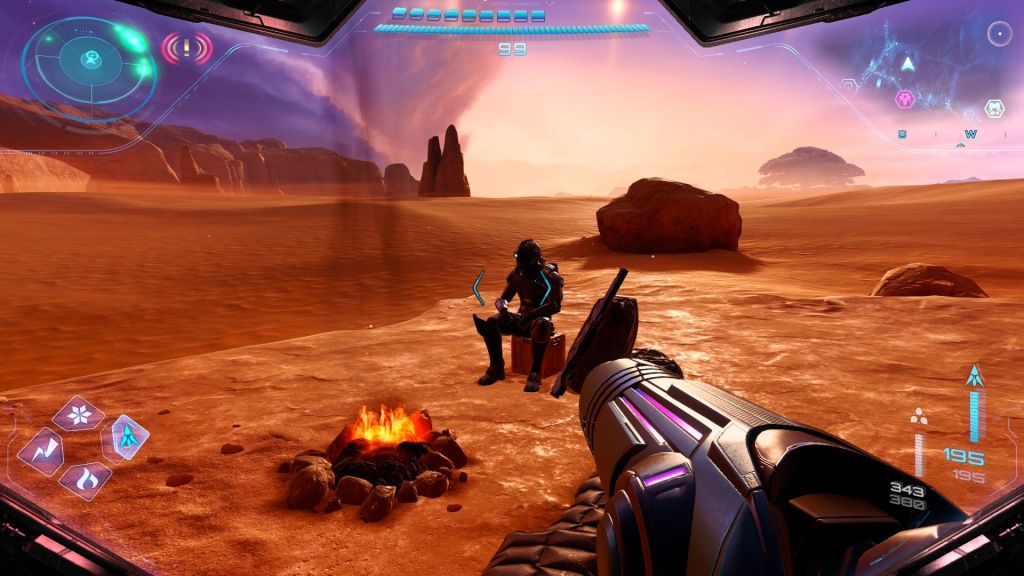
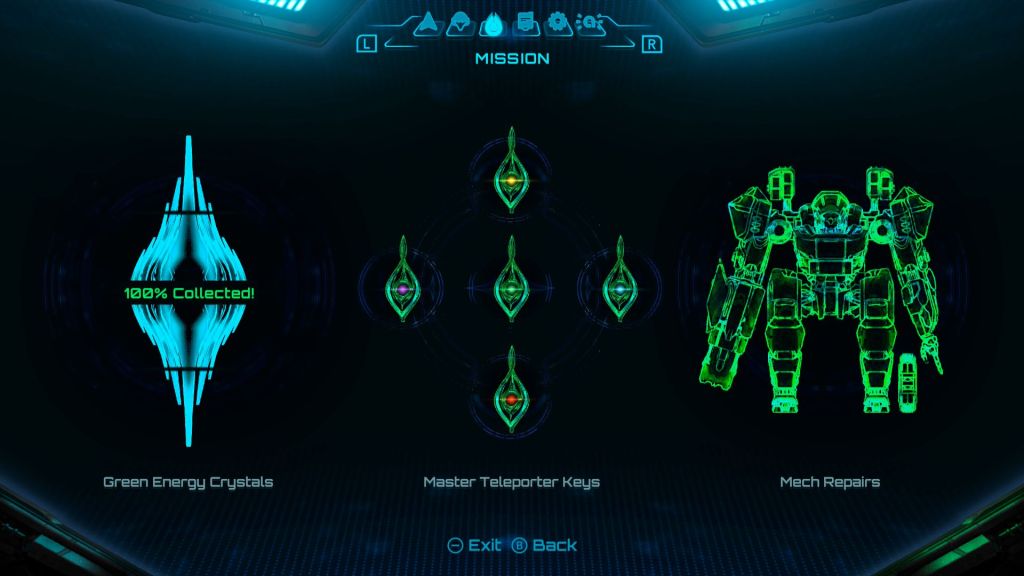
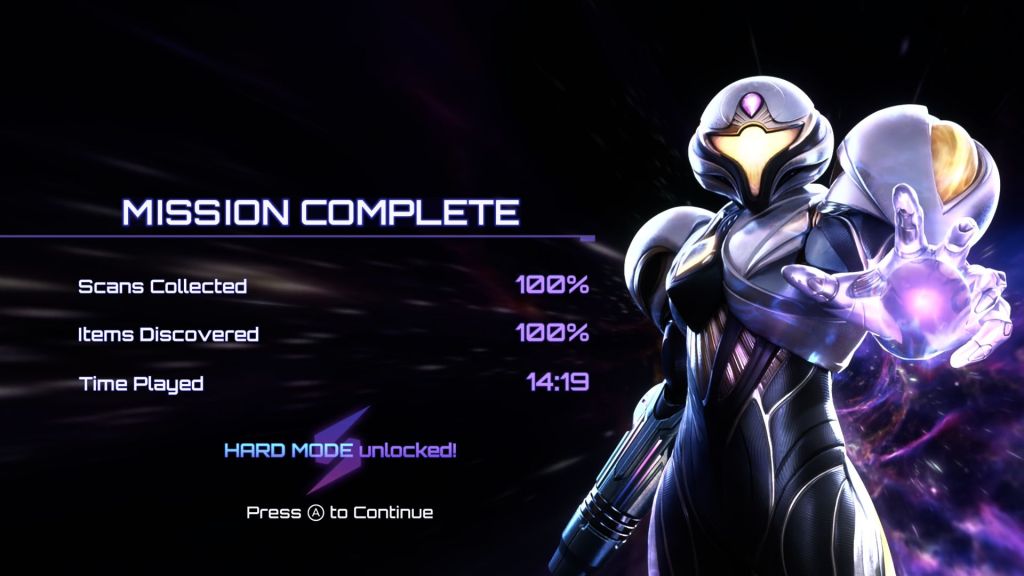
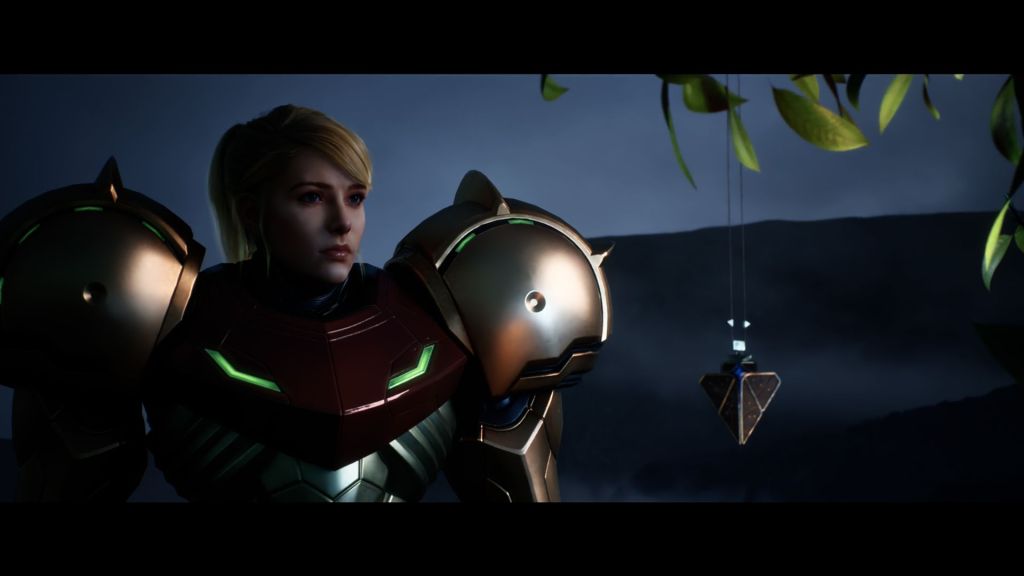
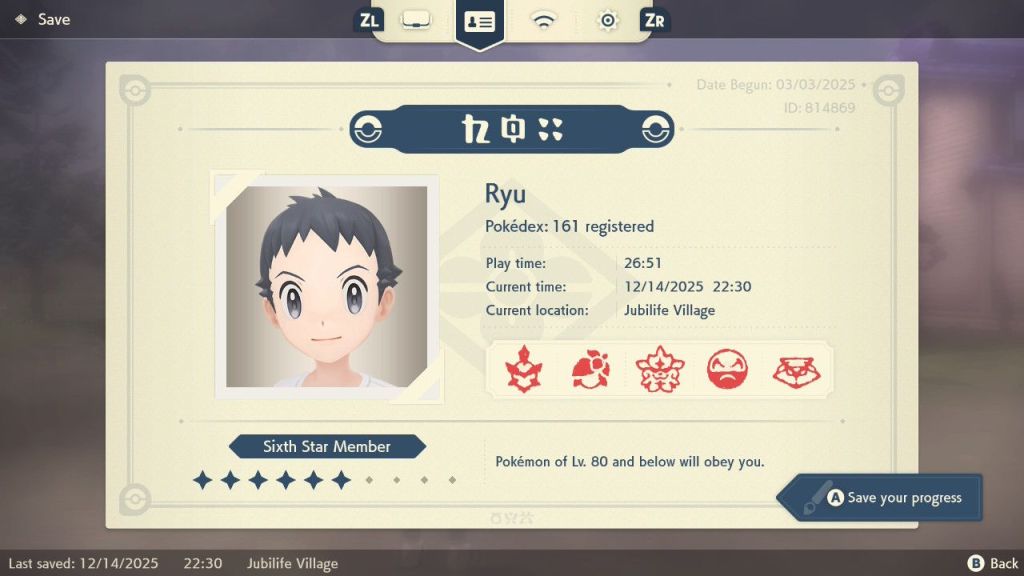
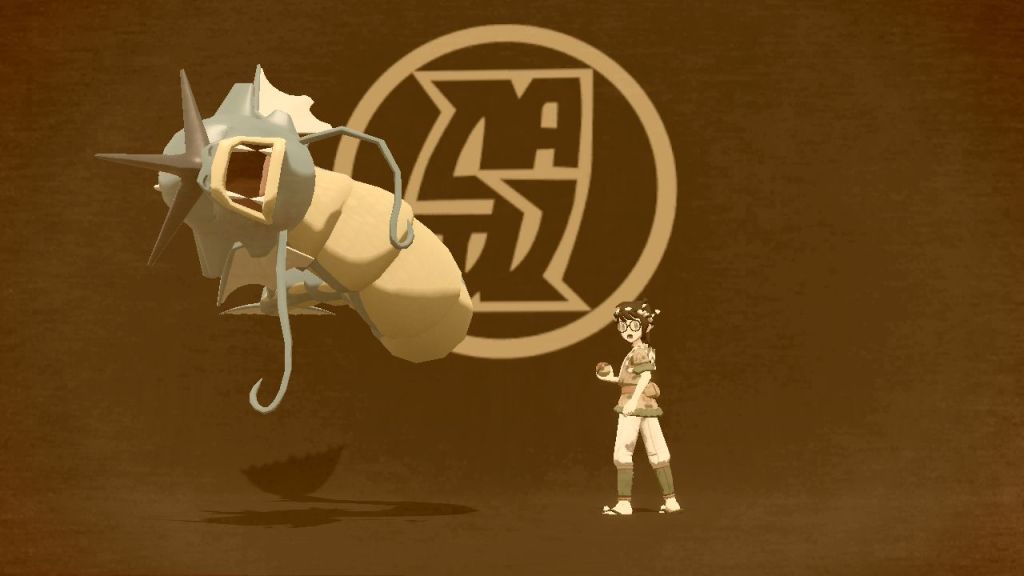

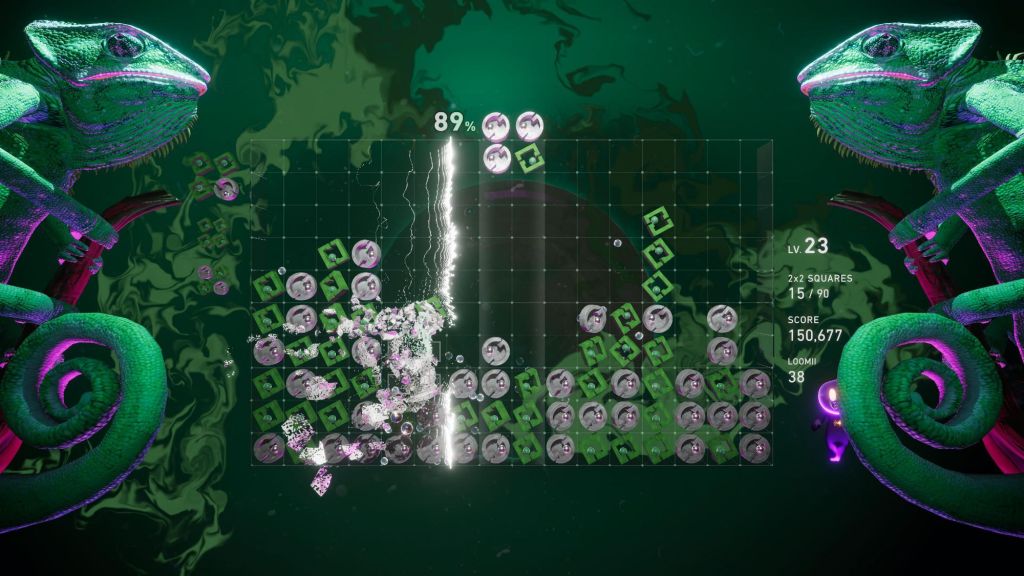
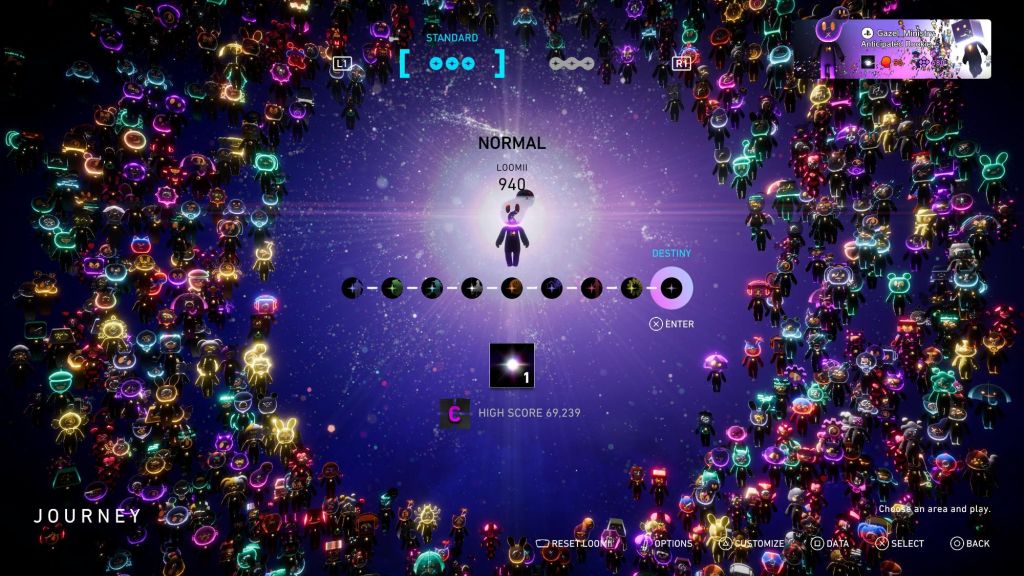
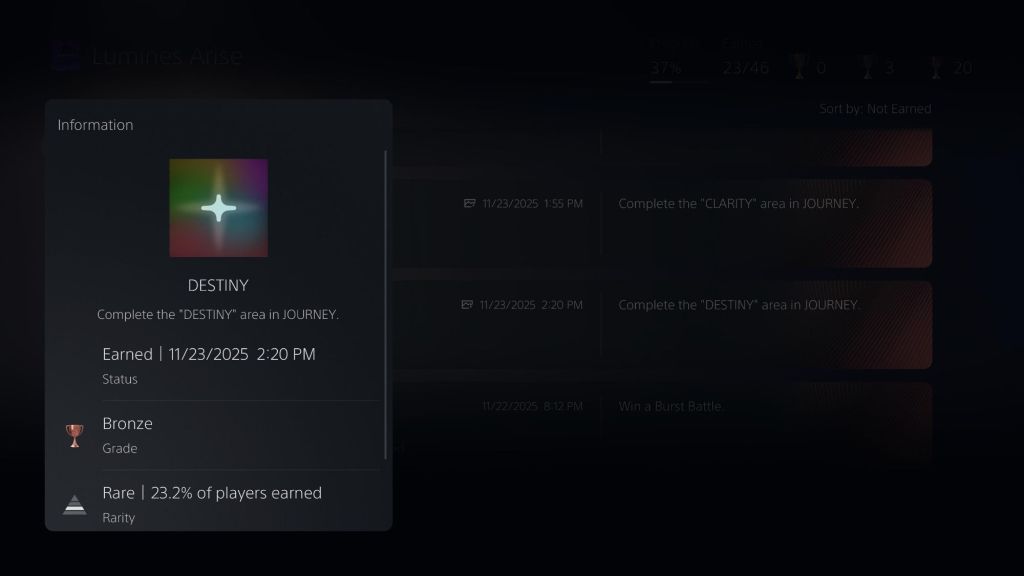

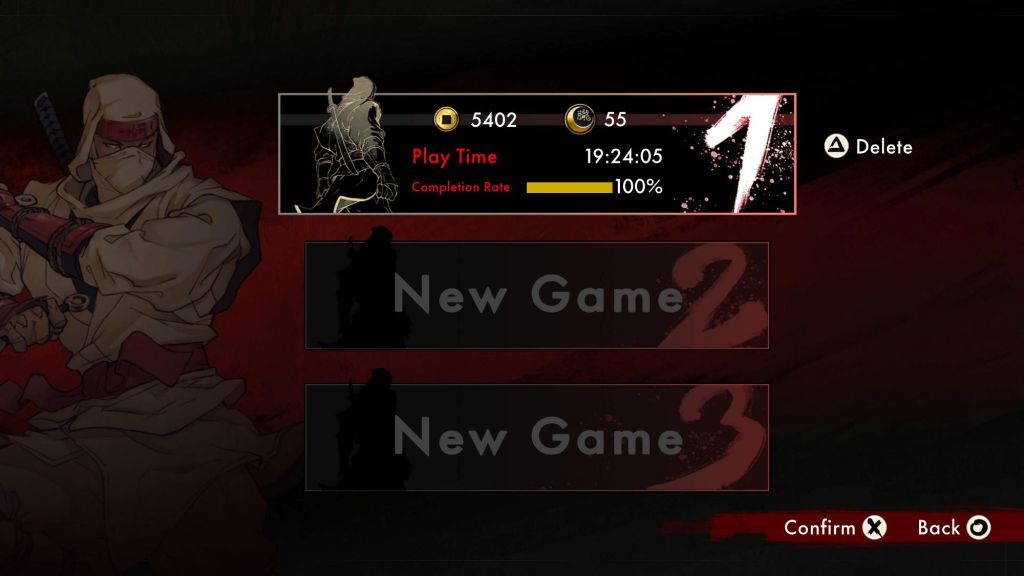

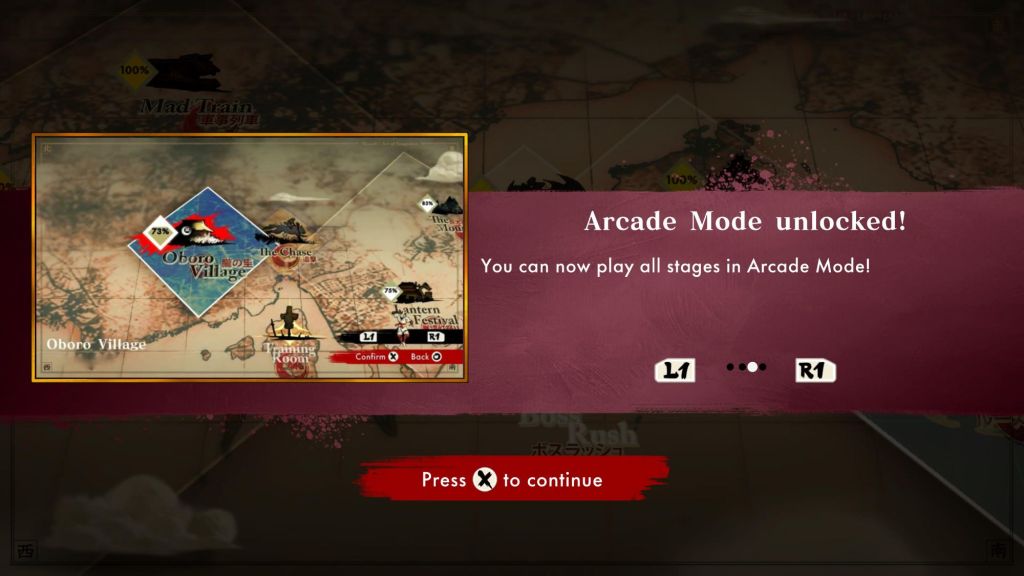
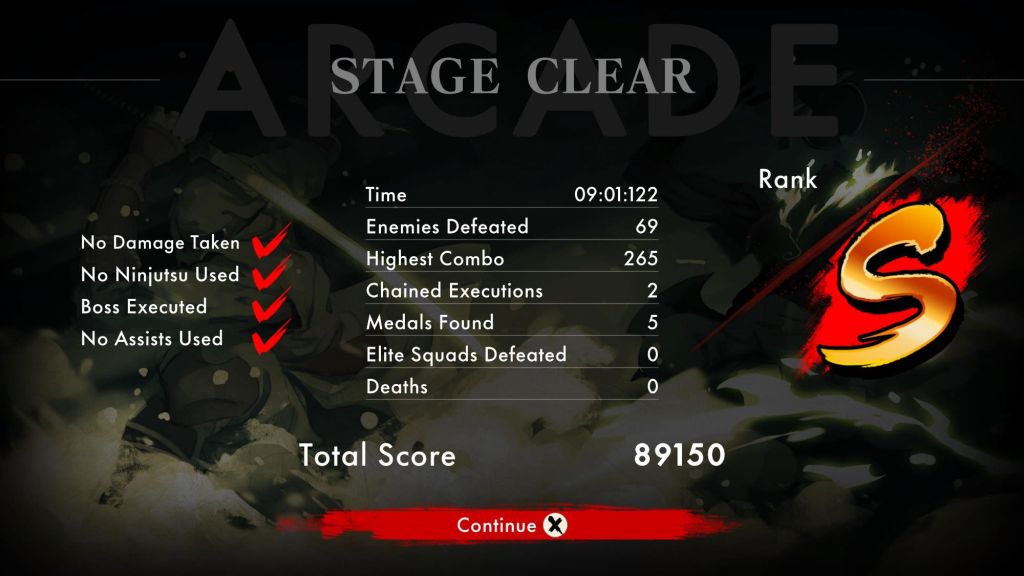
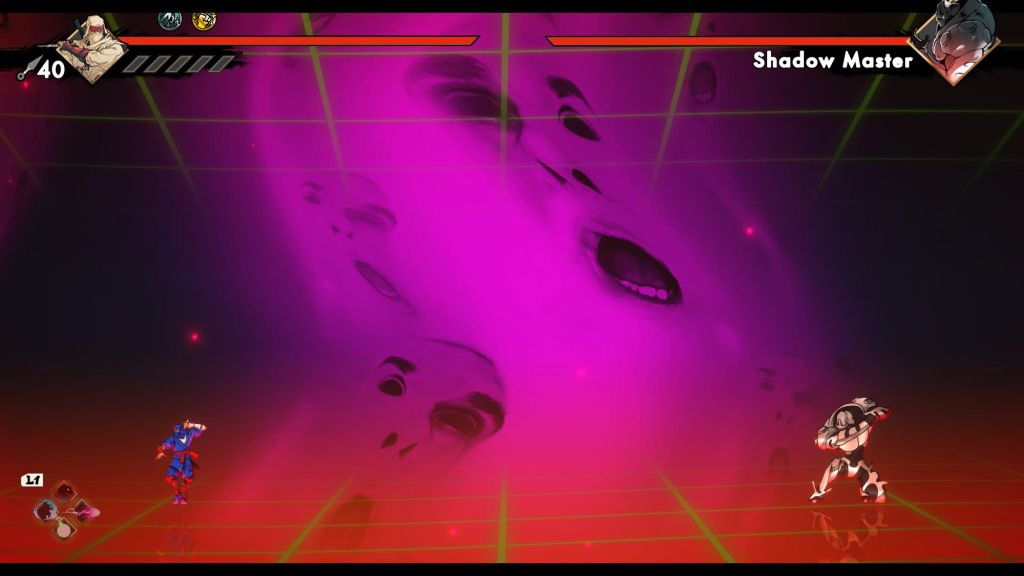
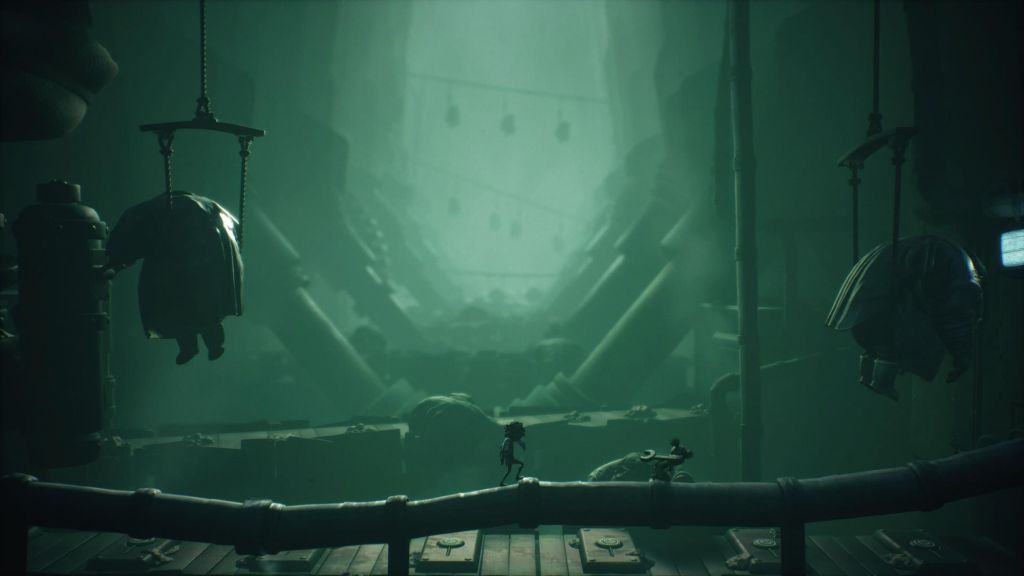
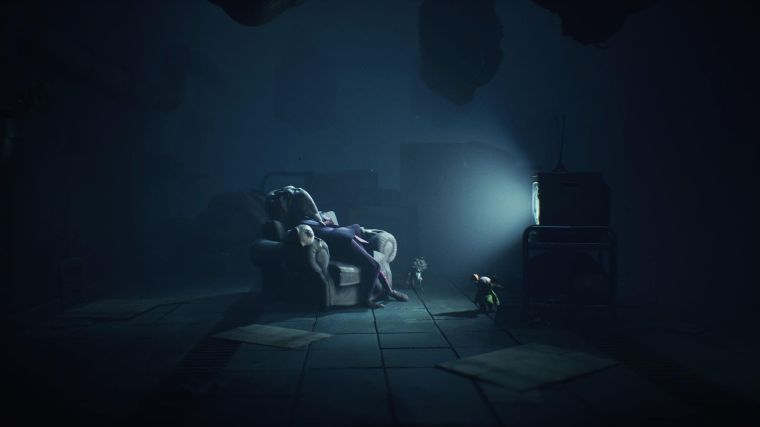

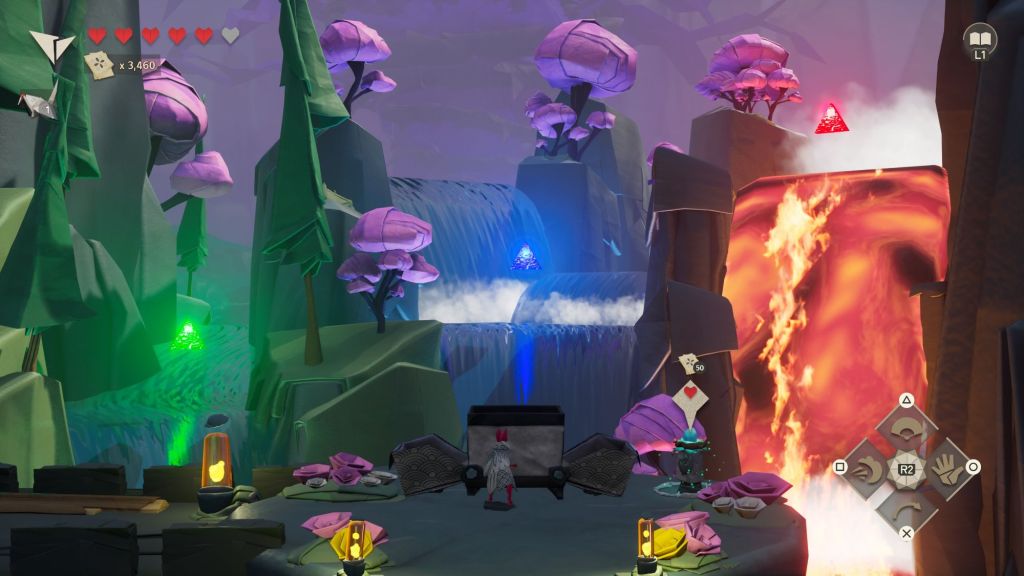
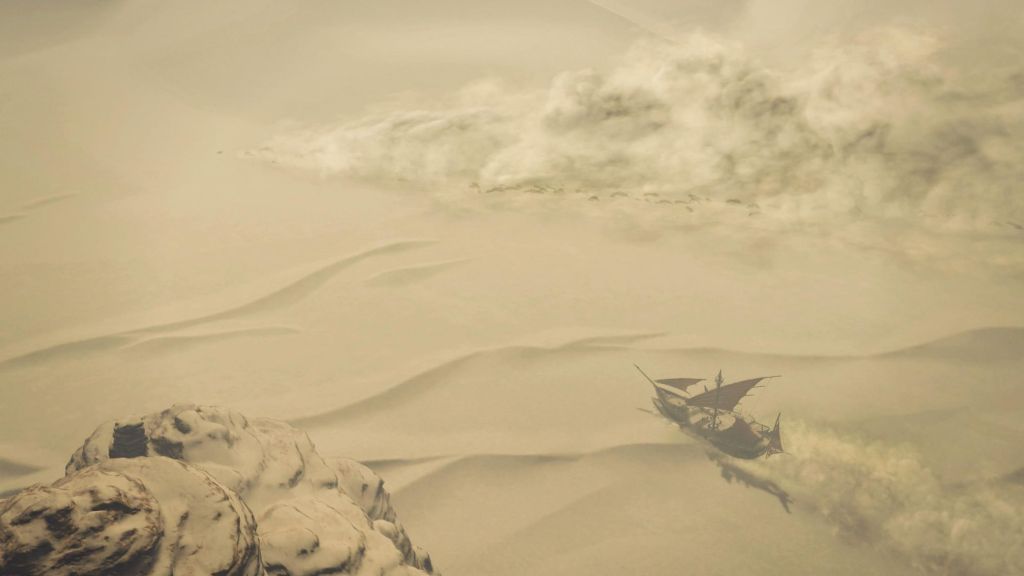


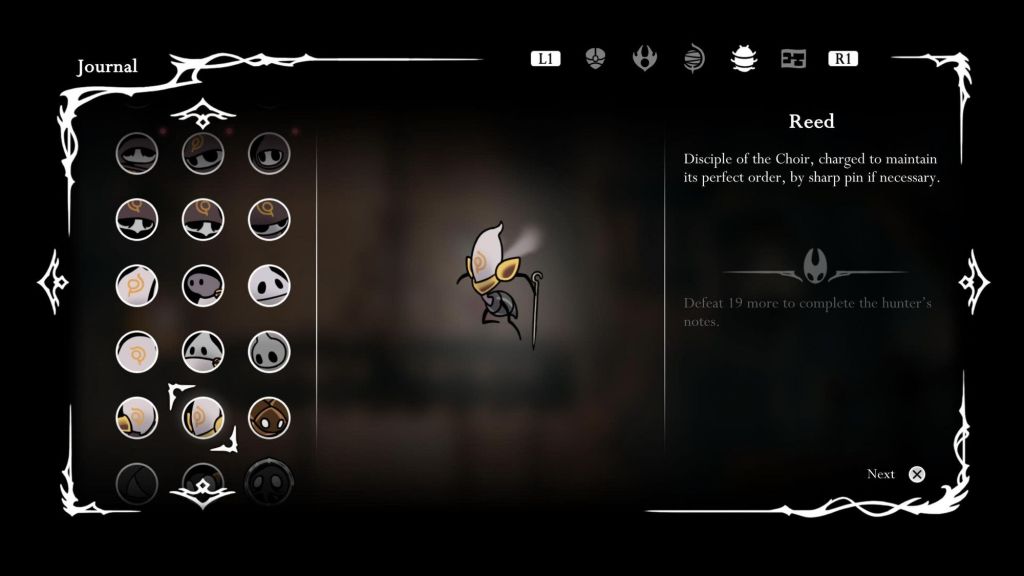
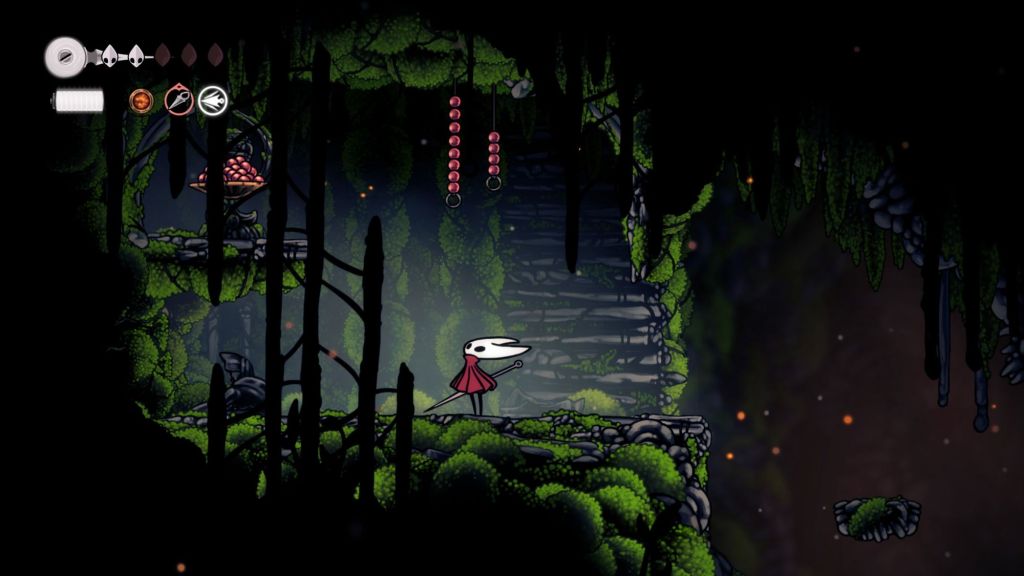
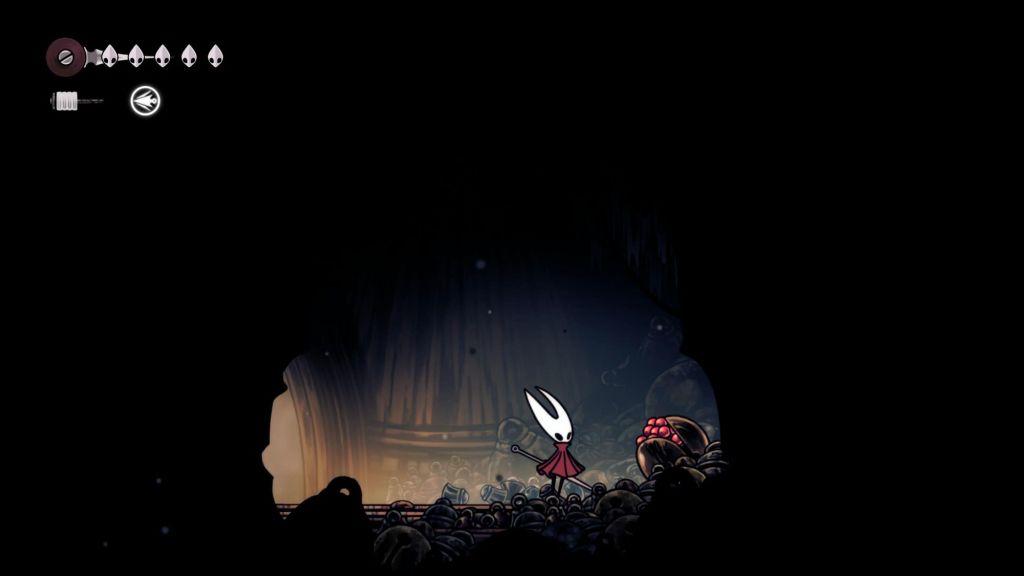
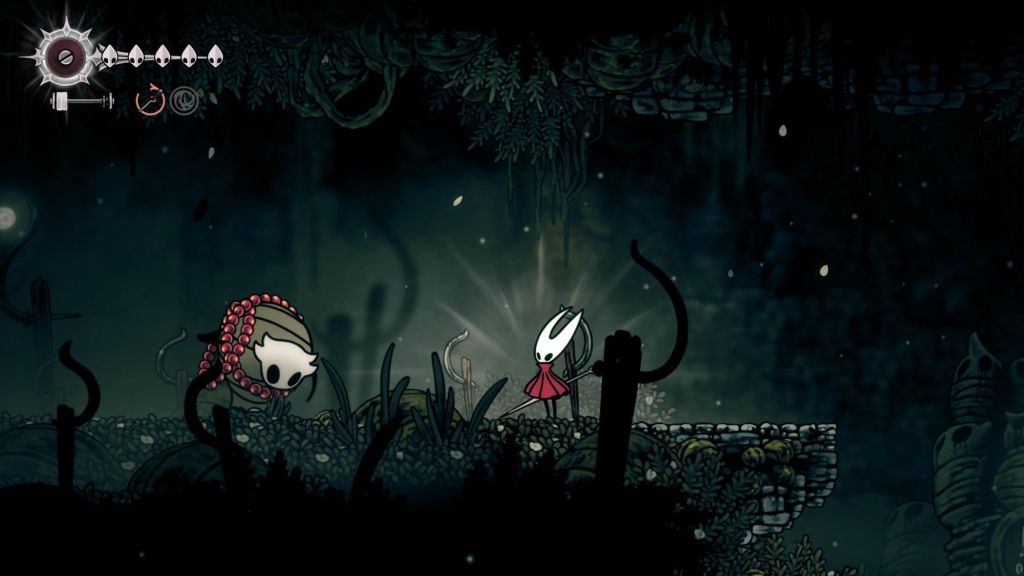
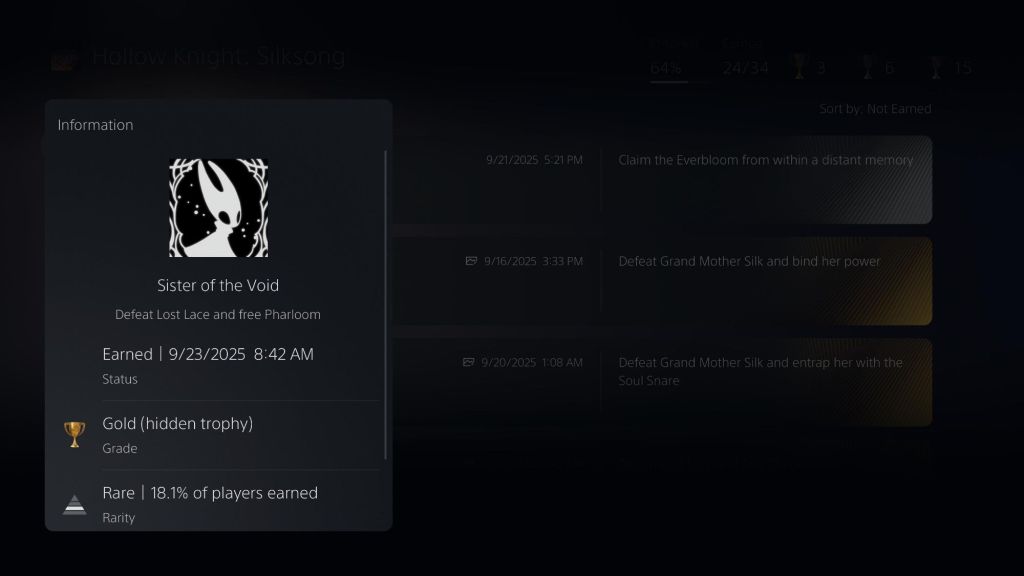


 UnexpectedGames
1 Comment »