Just a friendly bear who works in financial reporting that would rather be playing, writing or talking about video games. https://twitch.tv/unexpectedenemy
Thoughts and impressions on the games I played/finished during Q2 of 2025, including Donkey Kong Country Returns HD, South of Midnight, Clair Obscur: Expedition 33, ENDER MAGNOLIA: Bloom in the Mist, Kulebra and the Souls of Limbo, and more…
Are We Winning Yet?
As things continue to spiral here for the worse in the United States, I find myself retreating to my games for pure escapism even more so than ever. I am not blind/ignorant as to what is happening here, though. With that said, I have to take care of myself and my husband, and do what I can for both my family and my friends in our community. Our summer was ultimately busy with travel, so I was mentally preparing for multiple trips (as I hate flying) during the months of April through June. My busy season at work also concluded at this point, so I did have more free time than the first part of the year. The second quarter of 2025 continued to see an onslaught of new game releases, both big and small, however. I’m still in the middle of Doom: The Dark Ages, ELDEN RING NIGHTREIGN, Blades of Fire, Mandragora: Whispers of the Witch Tree, Bionic Bay, and to a T, just to name a few, so I can’t quite speak to those games just yet. In all of this continued madness, I somehow managed to finish more than 10 games during the second quarter of 2025. I did not write about all of them here, however, so please look forward to updates on certain games at a later date. So, here are some thoughts/impressions on a handful of the games I managed to play/finish during the months of April through June.
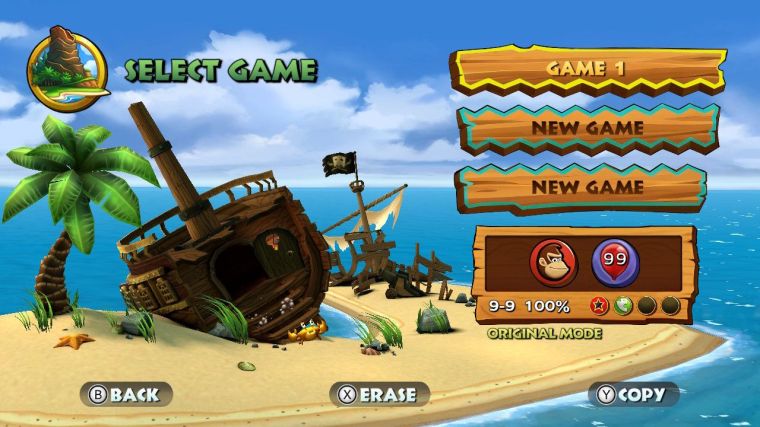
Game #12 of 2025: Donkey Kong Country Returns HD – Developed by Retro Studios – Released on November 21, 2010 – Played on Nintendo Switch – Hours Played: 20
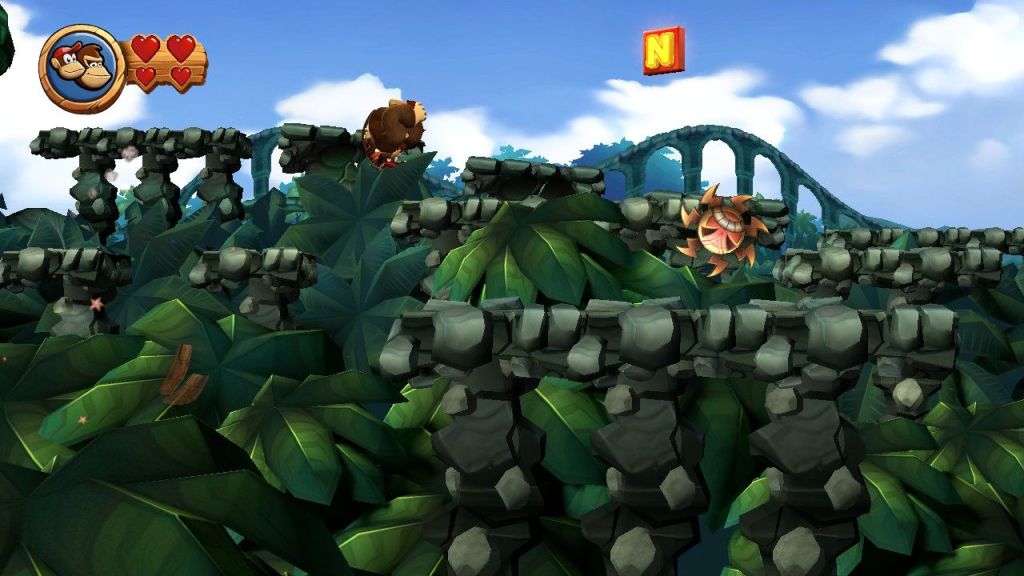
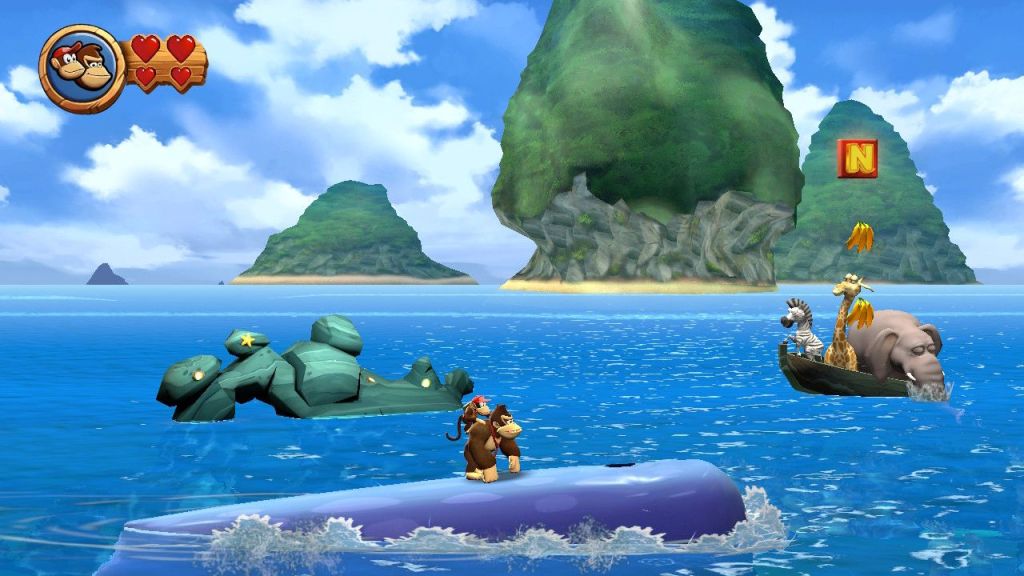
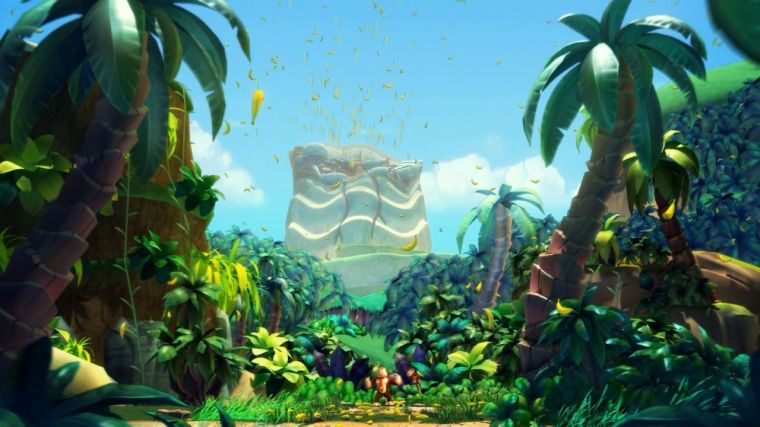
Donkey Kong Country Returns HD (DKCR) was originally developed by Retro Studios and released on November 21, 2010 for the Nintendo Wii. 2D/3D platformers have been my bread & butter for decades when it comes to comfort food gaming. Donkey Kong Country (DKC) might not be as important to me as an adult compared to when I was a kid, but I’m still rather fond of the series as a whole. I can recall the Christmas where I got the game as a kid and I played all the way up to Gorilla Glacier in a single sitting. I’ve gotten 101% numerous times over the years and while Donkey Kong Country 2: Diddy Kong’s Quest is arguably a better game/sequel, I’ll always have a soft spot for the first game. I more or less share a similar sentiment for Retro Studio’s DKC titles. Although Donkey Kong Country: Tropical Freeze is the “better” game, there’s just something about DKCR. Sure, it feels more or less like a reimagining of the SNES game, thematically, at least. David Wise, the legendary composer known mostly for his contributions to the DKC series, has been hit or miss over the years. Since his work on the DKC series, he’s sort of been on a contractual basis for indie developers attempting to capture his sound and (unfortunately), it almost always feels phoned-in. I don’t think the original DKCR OST is super interesting or compelling, considering he redid a lot of the original tracks, but there’s a few standout pieces. With that said, I do really love the new Aquatic Ambiance piece that plays during a level where you ride on a giant whale.
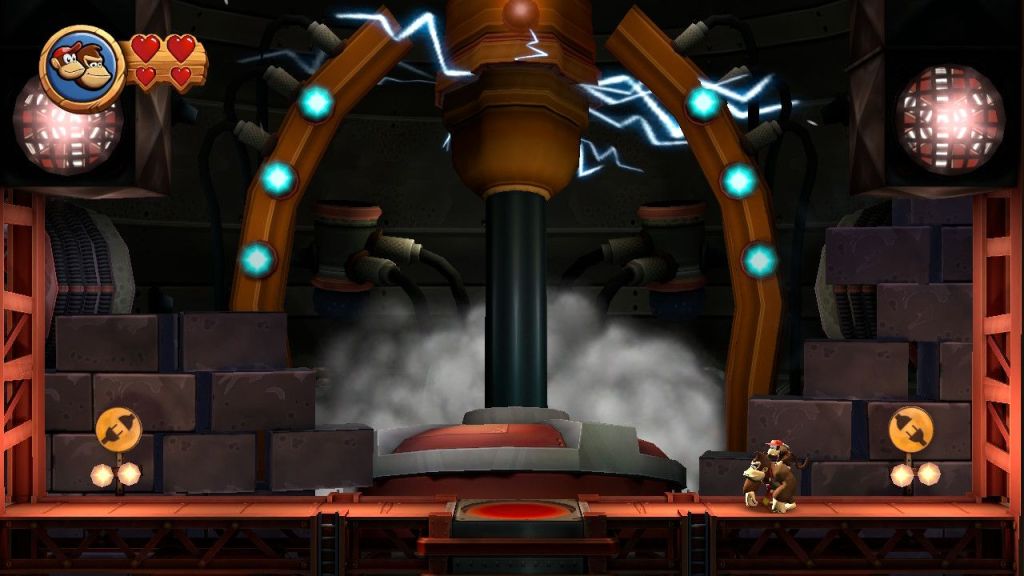
I believe this port of DKCR, developed primarily by Forever Entertainment, is the first time you can play the game officially on a console without the waggle controls of the Wii Remote. From my understanding, it’s still not the “best” version of the game, however. I think it looks mostly how I remembered the game, but perhaps a bit more crisp (although, according to Digital Foundry, some visual effects are apparently missing). It also contains the exclusive 3DS version levels, which are all quite good. I think DKCR, casually, is still mostly fun to play. The controls are still immaculate and the level design is as tight as it ever was. The levels, while appropriately themed, aren’t as interesting as the ones found in Tropical Freeze, but they’re still extremely well-designed. It does feel a bit safe and uninspired that the world themes are simply, Jungle, Beach, and Ruins, for example. I did find collecting the Puzzle Pieces to be more frustrating than I remembered, though. I was almost always missing one Puzzle Piece in a stage and while I normally wouldn’t look up the location of a hidden collectable, I did find myself using the in-game Squawk, the parrot item, who chirps when you’re near a collectable you haven’t found yet.
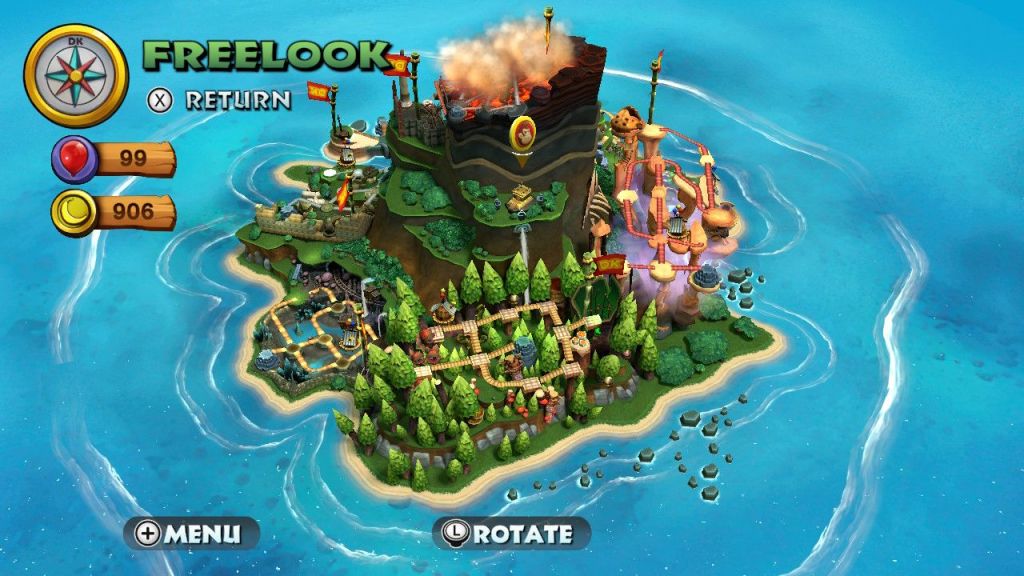
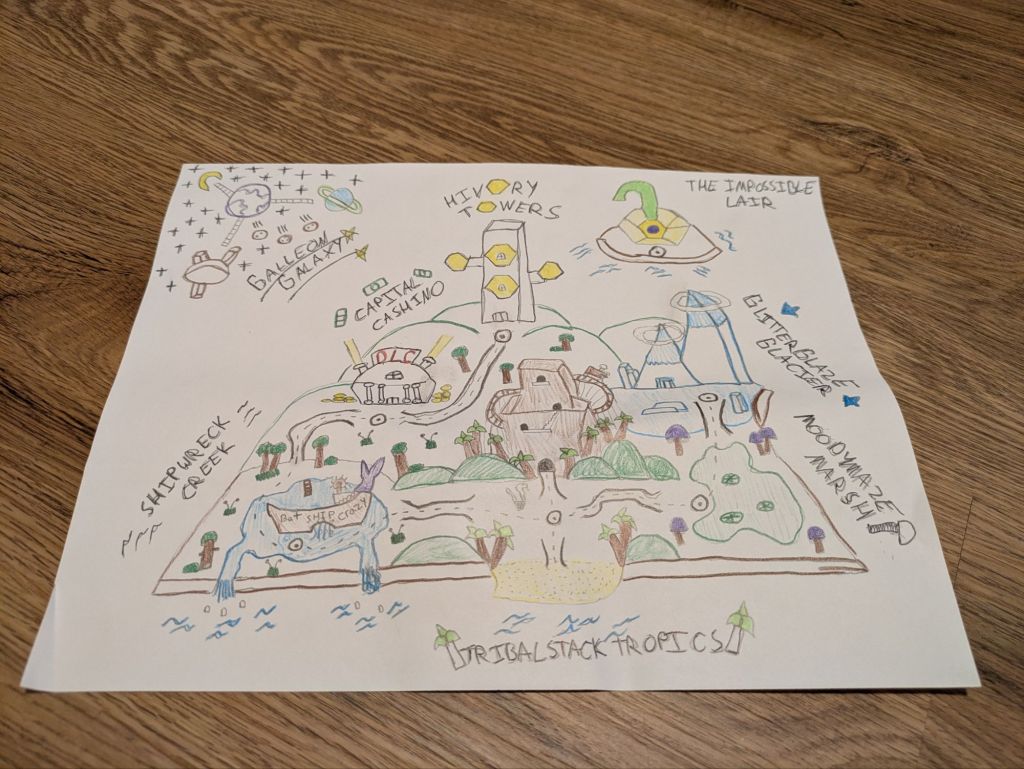
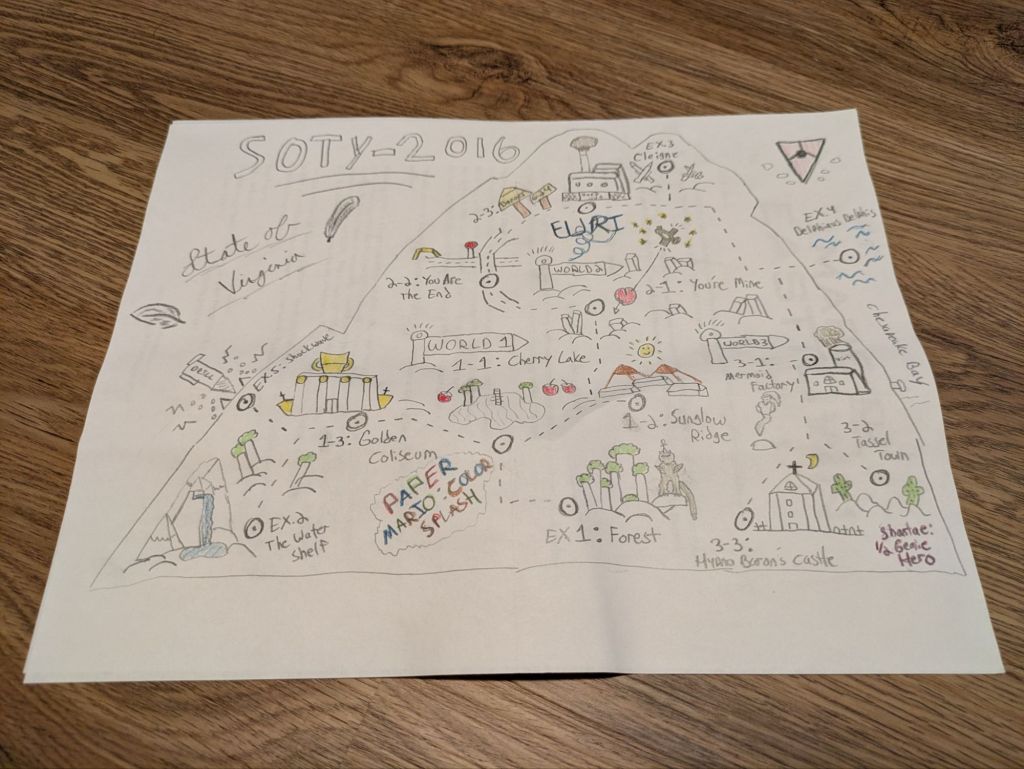
One aspect I appreciated about DKCR this time around is the sense of scale in some of the levels. You’ll often find yourself jumping into the background where the camera zooms out during particular set-piece-like stage sequences. There’s also a cool world map idea or two in the latter half of the game where you need to hit secret switches hidden in stages to unlock a rocket ship that will take you to the boss of that world. I don’t think the world map is quite as interesting as it was in DKC3, for example, but they at least played with some ideas. I’ll also never not love a good dot-to-dot world map. I simply love miniature representations of the levels you’re playing in. They’re like mini diorama sets with intricately placed objects by someone who’s extremely meticulous. I’ve been obsessed with dot-to-dot world maps ever since I was kid. I used to draw world maps based on my favorite games back then. When Yooka-Laylee and the Impossible Lair was about to release, I drew a dot-to-dot style world map based on the worlds from the original Yooka-Laylee game (I think at the time it was a Twitter contest, too). Back in 2016, a drew a similar-styled map based on my favorite game soundtracks of the year. Unfortunately, I don’t have anything from my childhood. We don’t often see dot-to-dot world maps today, but some developers, particularly in the indie space, are still fighting the good fight.
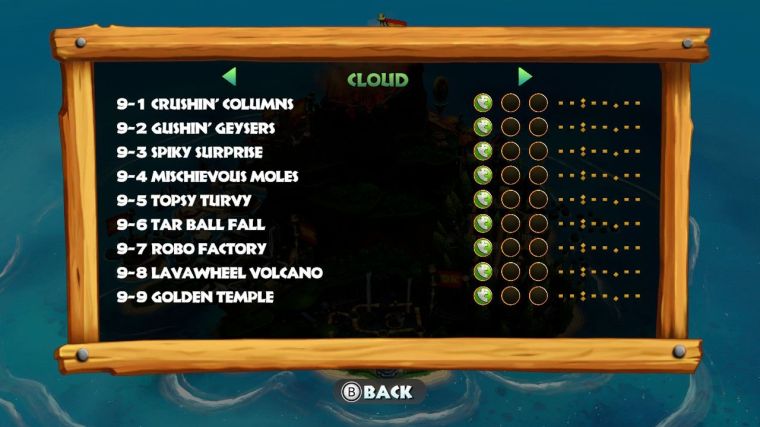
Back in 2010, I played DKCR casually, collected all of the things, and beat it. I soon discovered that the game had time trials and medals to earn based on how quickly you could finish the stage. Gold wasn’t the best, either. You could get Shiny Gold Medals. I tried the first few levels and became immediately hooked. I went on to have a very short-lived period of fame on YouTube as I would upload my runs, guerilla-cam style. Retro Studio’s stage design, in both the original game and Tropical Freeze, is impeccable. Platforms and enemies are placed in a way to carry you through the level fast and efficiently. Sure, some stage elements are on rotations, but if you know the stage well enough, you can link it all together with ease. Within a few weeks, I had somehow gotten all Shiny Gold Medals. I tried to see if I “still had it in me”, so to speak, but the desire and patience wasn’t there. I couldn’t even manage a Shiny Gold Medal on the very first stage. Perhaps I’ve gotten less skillful at games in my now older age or maybe I don’t want to sweat blood and tears over something incredibly challenging that I’ve already accomplished in the past. At the very least, I completed the game at 100% with all KONG letters and Puzzle Pieces collected. As I mentioned, I did not go for Shiny Gold Medals this time around nor did I bother with the Mirror Mode you unlock after finishing the secret Cloud world. I would love a third game in the series, but I’m also excited we’re finally getting a new 3D game with Donkey Kong Bananza in July for the Switch 2 (which at the time of writing this, I’ve now finished, but more thoughts on that game down the road…).
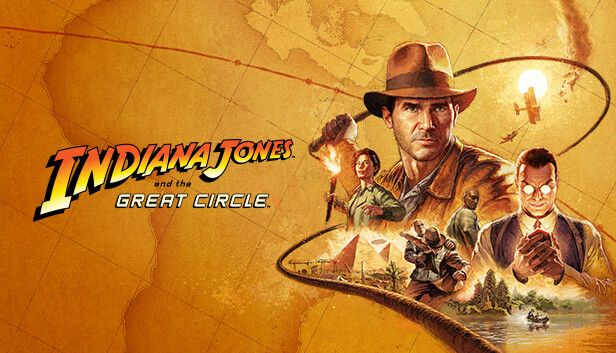
Game #13 of 2025: Indiana Jones and the Great Circle – Developed by MachineGames – Released on December 9, 2024 – Played on Xbox Series X – Hours Played: 40
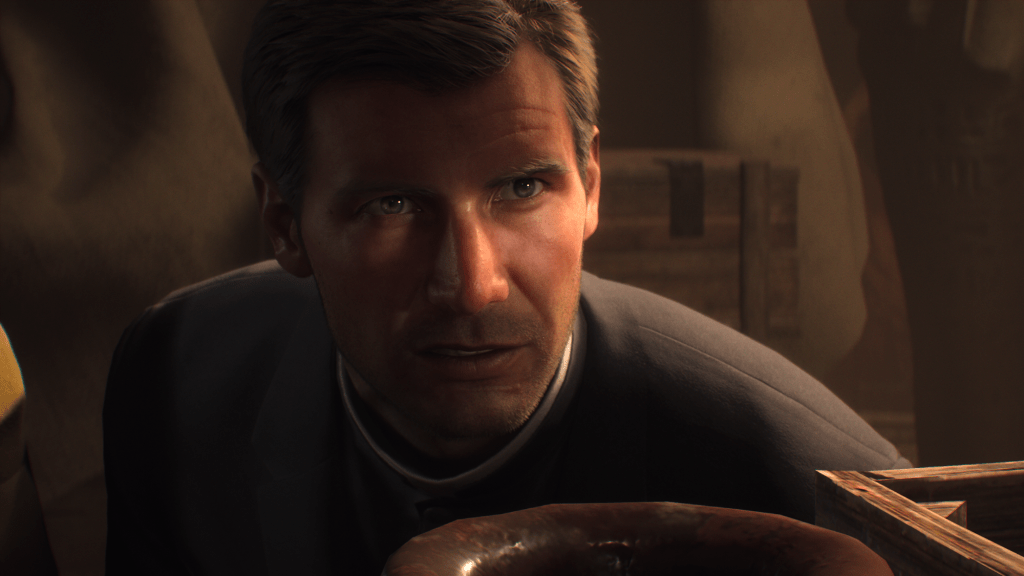
Indiana Jones and the Great Circle, developed by MachineGames, is a first-person, action-adventure game based on the legendary Indiana Jones franchise. I grew-up watching the movies, but I wasn’t obsessed with the films as a kid. I still find Indiana Jones enjoyable to watch and unlike most people, I don’t hate Kingdom and the Crystal Skull (I also thought the more recent film, Dial of Destiny, was mostly fine). With that said, while I’ve played a handful of MachineGames titles, I have yet to finish a single one of their games. For whatever reason, Indiana Jones and the Great Circle is the first one I’ve rolled credits on. After an introduction sequence that pays tribute to Raiders of the Lost Ark (almost shot-for-shot), the game begins in Marshall College where Indy confronts a very large man who’s broken into the school in search of an ancient artifact. After the late-night altercation with the giant, Indy sets out on a global adventure, which takes him to the Vatican, Gizeh and other places around the world as you map-out the titular “Great Circle”. While the game uses Harrison Ford’s likeness for Indy himself, the performance is done by Troy Baker (known for his roles in The Last of Us and Final Fantasy XIII, for example). I think Baker does a good “Harrison Ford”, but I’m not as hot on his performance as everyone else appears to be. At times, it sounds like he’s chewing on his words or mumbling under his breath. I liked Indy’s travelling companion, Gina Lombardi (played by Alessandra Mastronardi) as well. Emmerich Voss (played by Marios Gavrilis), the main Nazi villain, is a wonderfully evil antagonist and delivers the most memorable performance in the game, I feel. The cast, overall, was very strong.
The game is broken-up between linear, set-piece-driven chapters and more “open-zone” areas. I think the game struggles in both playstyles, however, as it never truly felt like the developers knew what they wanted the game to be. The linear, set-piece-driven chapters/scenarios felt like something out of the PS3/Xbox 360 era. There’s even an old-school turret section that lasts just long enough before you begin to question why it exists. You could also argue that Indiana Jones and the Great Circle is an “Immersive Sim”. The game lies somewhere between the modern Hitman titles by IO Interactive and a Deus Ex game; it’s largely approachable despite the more complicated games it clearly takes inspiration from. Both the linear, set-piece-driven areas and the open-zone levels can be approached in a variety of ways. There are multiple paths to reach your destination, some more stealthily than others, but you can also brute force your way through things if you so choose (although the combat isn’t exactly great when there’s more than one enemy chasing after you). If you take the stealth approach, you’ll find breakable weapons like frying pans, hammers or even a fly swatter to knock out enemies. I played the game on Very Hard difficulty and on this mode, according to the game’s description, “enemies attack in overwhelming numbers and deal devastating damage“. Very Hard wasn’t particularly fun at times. If you’re spotted, especially in a “restricted zone”, enemies start crawling out of the woodwork, like cockroaches. You become almost immediately overpowered and unless you happened to procure a gun beforehand, you’re sort of screwed. If you’re not a glutton for punishment, maybe just don’t play it on the highest difficulty?
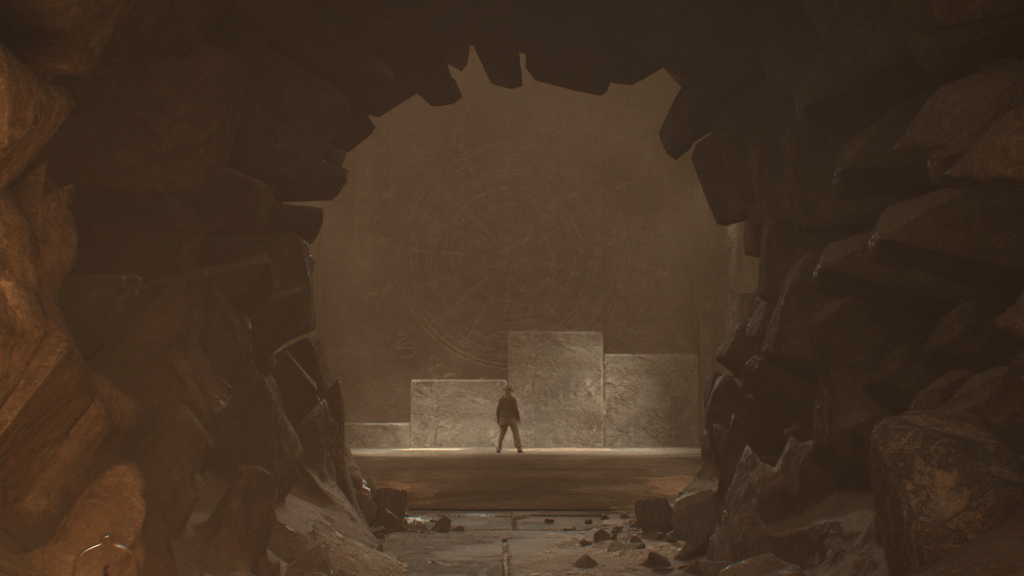
The main “dungeons”, which are usually some sort of tomb or ruins, are really well designed. They don’t feel too dissimilar in design to the tombs found in the modern-day Tomb Raider Trilogy games, however. The differentiating factor, again, is that the game is in first-person, so it’s arguably more immersive. Let’s also not forget that it’s an Indiana Jones game, so there’s almost always a one-liner or piece of history shared by Indy during one of these scenarios. These dungeon-like spaces offer some of the best puzzles in the game as they’re all relatively clever and satisfying to complete. There’s one late-game contraption I quite liked where you have to place stones on a pedestal to rotate these bird-like statues to face particular directions. There’s also a sunken shrine where a giant snake stalks you in the water that was fairly memorable. Like in most Indy films, there’s a lot of moving mechanisms in the environment as levers are pulled and pressure plates are stepped on. There’s always that feeling in the air where an arrow might shoot out of a wall and graze your ear or the floor might give in. To say MachineGames captured the essence of Indy raiding tombs would be an understatement. The puzzles felt like they were just the right level of difficulty, too. The hardest “puzzles” to solve in the game are some of the safe codes you need to figure out, which almost always results in one of the game’s many collectables or cash. Speaking of cash, when you fully purchase everything in an area, you can donate your leftover money to one of the local establishments, like a library or church. There’s no reward for doing this, but I thought it was a cute touch.
I do love me some collectables, fractions and percentages in my games. Ticking off checkboxes does things to my lizard brain that I haven’t been able to shake since I was a kid and it’s here in an abundance. There are Notes, Adventure Books, Medicine Bottles, Ancient Relics, and Lost Relics to collect. There are tons of pre-determined pictures to take, which also get neatly logged in your journal (and it’s actually the exact photo you took in-game!). The Notes provide clues and context to the surrounding areas, in addition to some world-building. Adventure Books contain upgrades for Indy, which require “Adventure Points” (AP) to unlock. AP’s are gained by just about doing anything in the game; collecting things, completing side quests, taking pictures and the sort. There’s one Adventure Book called “Lucky Hat”, which is basically an auto-resurrect when you die. This ability resets the enemy’s AI while Indy crawls along the floor looking for his hat. It feels sort of silly and breaks the game a bit, but I suppose it lends itself to the sort of humor you’d find in one of the films. The Medicine Bottles are hidden all over the open-zone areas and can be traded for Adventure Books that either enhance your health or stamina. I think the overall character progression is fine and welcomed, although maybe a bit unnecessary. The soundtrack, by Gordy Haab, sounds like something you’d hear from an Indy film, but I can’t say anything stayed with me after finishing the game. I suppose I do really like A New Adventure Awaits, though. It’s got that Indy theme leitmotif in there, which I never grow tire of hearing.
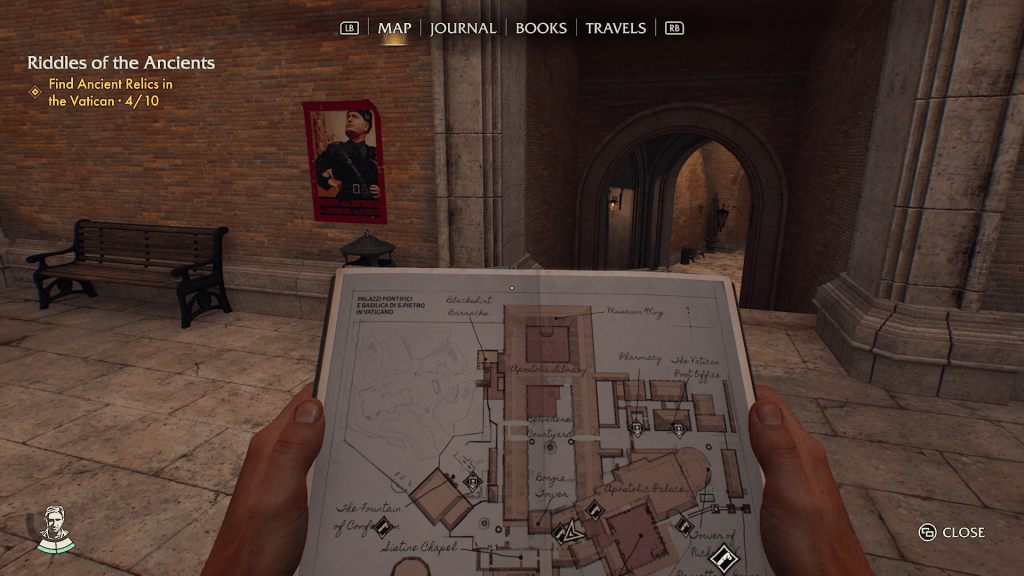
Trying to collect all of the Ancient Relics and Lost Relics isn’t particularly fun due to how the map works, though. For one, the map does not show layers of the environment, so when you’re holding the map and looking towards the direction of the icon that represents the collectable you’re missing, the item you seek could be above/below you. While you can cycle through the various maps, the map will not guide you directly to the collectable, which is arguably for the better since it does force you to explore your surroundings. I found it to be a lesson in frustration, however, especially when you’re down to just a handful of missing trinkets. When said item is also hidden in an enemy territory, sneaking around the restricted zones while trying not to cause a commotion is particularly frustrating and simply not fun. It’s paramount that you find the disguise in each open-zone before spending too much time in these restricted areas. There are captain enemy types (usually represented by a special hat/outfit) and they are more likely to see through your disguise than the common thugs patrolling the streets. After around 40 hours, I completed the game at 100% with all achievements unlocked. I would love a more refined, focused sequel, but I’m also looking forward to checking out the DLC, The Order of Giants, which is now available at the time of writing this. I may also just replay the PS5 version at some point when I’m ready to revisit the game.
Game #14 of 2025: South of Midnight – Developed by Compulsion Games – Released on April 8, 2025 – Played on Xbox Series X – Hours Played: 24
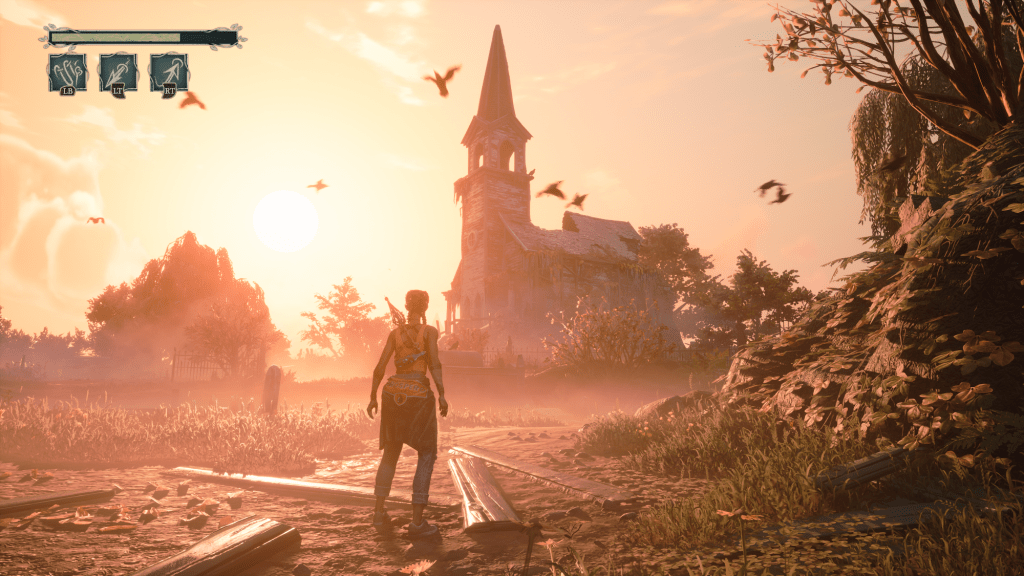
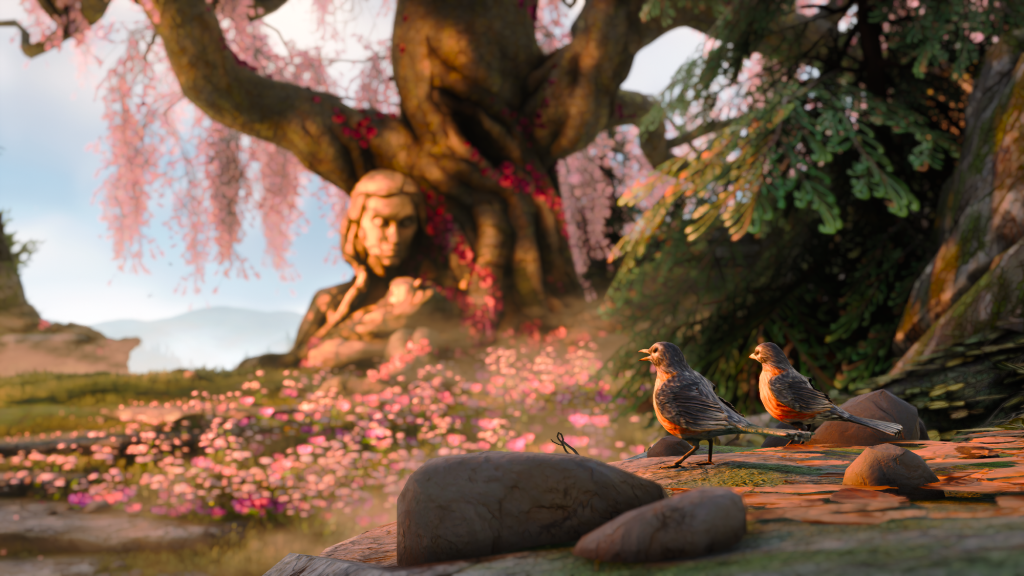
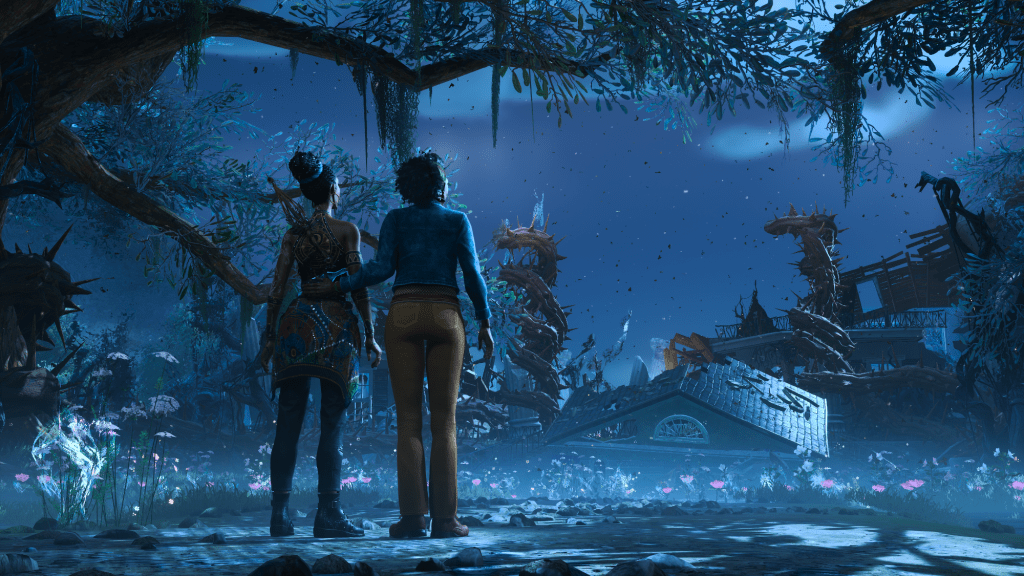
South of Midnight, developed by Compulsion Games (known previously for Contrast and We Happy Few), is a 3D action-platformer set in the American Deep South. You take on the role of Hazel Flood, a young girl (and former track star in her hometown of Prospero), who’s living with her mom and just trying to get by. The game begins with an argument between the two as a hurricane hits the area. After a short introduction sequence which acts as a tutorial of sorts, Hazel’s home is swept away by the raging water, along with her mother who’s still trapped inside. Over the course of the adventure, Hazel learns that she is destined to become a “Weaver”; a powerful individual capable of magical powers, mending bonds and calming spirits. “Stigma”, a sort of physical manifestation of pain and sorrow, has enveloped the Deep South and Hazel must untangle the webs of trauma as she journeys across the land to find her mother. The story, characters, setting and music are my favorite things about the game. The cast, although not very large, is great. Hazel’s grandmother plays a big role in the story and her performance, like all of the other characters, is excellent. Hazel is biracial and comes from a blended family and while the game doesn’t completely focus on this aspect, it’s nice to see it represented here to a degree. The Catfish steals the show, however.
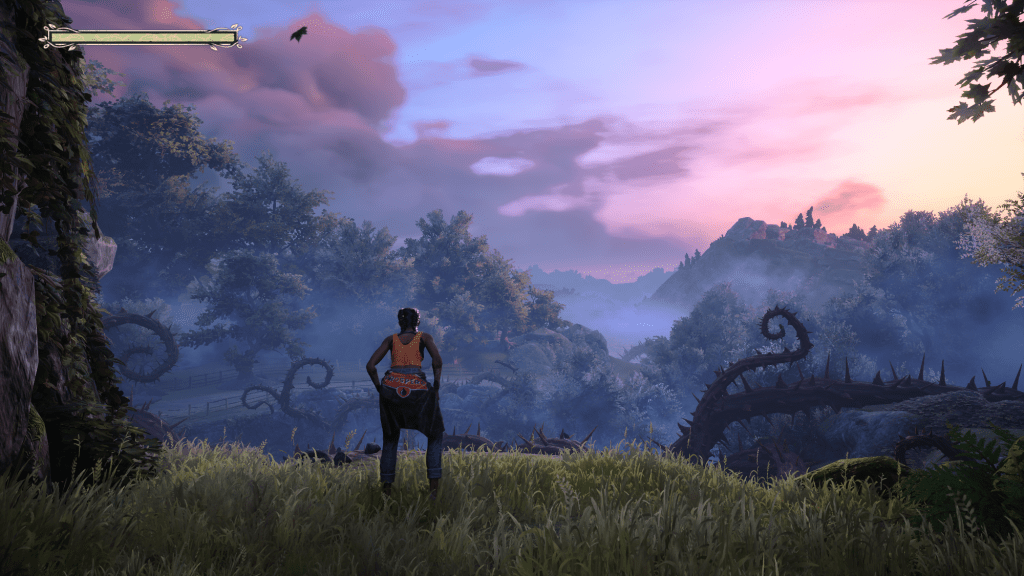
Visually, the game uses a stop-motion technique for its cinematics and for the gameplay, the developers emulate a reduced framerate-look in order to keep the combat snappy and responsive. I think the environment design and overall aesthetic is generally pleasant to look at, although I would have preferred a bit more fantastical set-dressing considering the game’s setting. At one point, there are giant peaches growing on trees and you’ll see a lot of twisted, almost Tim Burton-like thorns wrapped around the environment, but the majority of the game has you exploring rather generic-looking swamps, forests and valleys. The soundtrack, composed by Olivier Deriviere, however, carries the entire game. I’ll talk about it more further along, but at the culmination of each chapter, you’re treated to these beautifully layered vocal tracks that sort of evolve and take shape as you progress through a chapter. The track about The Tale of Two-Toed Tom is an exceptional piece. I love the use of organs in this track.
South of Midnight is a 3D action-platformer at its core. Hazel can run, dash and jump around the environment. You’ll eventually learn the ability to glide short distances, double jump and run along special walls, but it’s not the type of game where you’ll backtrack to access new areas with your traversal abilities. South of Midnight is a linear, chapter-based adventure and each scenario more or less follows a similar format throughout; complete a chapter or two to learn about a character who has been wronged in life, witness how their troubles have impacted the land, resolve their trauma, and then fight their twisted manifestation during a boss battle. The narrative, along with the music, carried me through the game, but I wish what you were actually doing in the game sort of matched the storytelling and context of the situation. The platforming sequences and set-pieces just aren’t very exciting to navigate. At the culmination of each chapter, you’ll travel to these Crash Bandicoot-style platforming sequences where a dark presence chases after you from behind. These segments go on for entirely too long and there’s just so little energy or threat behind what’s happening, despite the incredible music that’s playing in the background.
In one of the early chapters, you learn about a young man who has some sort of disability and was treated poorly by others because of his differences. His brother grew annoyed and impatient with his sibling as he thought his disability was holding him back from living his life. One day, he brought his brother to a tree and nailed him shut inside a hollow part of its base. It’s an incredibly sad and compelling moment in the game. In the culmination of this scenario, you’ll find yourself climbing the tree where this brother was laid to rest. As you make your ascent up the tree, you’re confronted with some fairly basic platforming sequences while an incredible vocal theme starts playing. One of the most interesting things about the audio design in South of Midnight is that most lyrical tracks develop and evolve as you’re playing through a chapter. As you learn more about the character you’re trying to save, new lyrics and verses are introduced at fixed-intervals. The music isn’t dynamic in a traditional sense where say an exploration track transitions seamlessly to a battle track (à la Final Fantasy VII Rebirth or Visions of Mana, for example). The lyrics in each chapter more or less reflect the story and characters you just learned about. I was always looking forward to hearing the next vocal track in the game, even when things started to become a bit too formulaic.
Then there’s the combat system, which is serviceable, but not great. Throughout Hazel’s adventure, she’ll battle physical manifestations of pain and sorrow called “Haints”. Battles take place in fixed, enclosed combat arenas, à la Devil May Cry/Bayonetta. There are no enemies wandering around the levels outside of these areas. Hazel can perform basic combo attacks with her pair of weaving hooks and use abilities like Strand Pull and Stand Push, which pull and push enemies, respectively. Her dodge can also acts as a proximity bomb of sorts, which feels pretty good to pull off. All abilities are also on a cooldown. I think the combat could have used a ranking/scoring system, again, something more akin to the Devil May Cry/Bayonetta games. There’s even hidden/optional combat encounters, but they only award the player with Floofs (the collectable currency required to upgrade your abilities). Finally, there’s Crouton, Hazel’s childhood stuffed animal, who Hazel discovers after being washed away from the hurricane floods. Crouton is mostly used to solve navigation-type puzzles, such as crawling through tight spaces Hazel can’t otherwise access. As cute as Crouton is, they sort of feel like an afterthought, as their segments are short-lived and not very engaging.
On a semi-related note, I visited New Orleans, Louisiana for the first time this year. Outside of visiting Alabama for a few days many years ago, this was my second time in the “Deep South”. For part of our trip, we took a boat tour through the swamplands to see alligators and other wildlife. One thing I learned from our tour guide is that many houses had to be lifted off of the ground, post-Hurricane Katrina. During the introduction sequence of South of Midnight, Hazel’s house has clearly been raised. Ironically, all the other houses in her neighborhood are not, yet it’s her house that gets swept away! With that said, Hazel’s house did sit fairly close to a nearby river. I also learned about the “Whiskey Tree”, which were secret meeting places for smugglers of alcohol only accessible by boat. While South of Midnight didn’t touch on this particular tree of legend, bottle trees were a key aspect of the story in the game (by placing painful memories into a bottle and putting them on a tree, a person’s soul could be at peace). In addition to the bottle trees, South of Midnight showcases other Southern American legends such as Two-Toed Tom, Altamaha-ha, and Huggin’ Molly, for example.
South of Midnight was a huge surprise for me considering the fact that I did not like the developer’s previous output. It’s also one of the rare occasions where I typically did not feel the need to play/finish their previous games before touching their latest game. Even though South of Midnight is a standalone title, I typically like to play a developer’s previous works to get an idea of their design sensibilities. I did download Contrast at the launch of the PS4, but never finished it. I have little-to-no interest in We Happy Few, considering the type of game that it is. I enjoyed my time with South of Midnight, but I think the overall gameplay and platforming set-pieces could have been a bit better. I also didn’t like the fact that if you replay a chapter, none of your upgrades/abilities you purchased further in the game carry backwards. I played the game on Grand Weaver difficulty, which became more frustrating than fun at times. The boss battles in particular are a bit of drag and if you’re trying to get the no damage achievements, just put it on the lowest difficulty to save yourself some time. I ultimately completed the game at 100% with all achievements unlocked on my Xbox Series X.
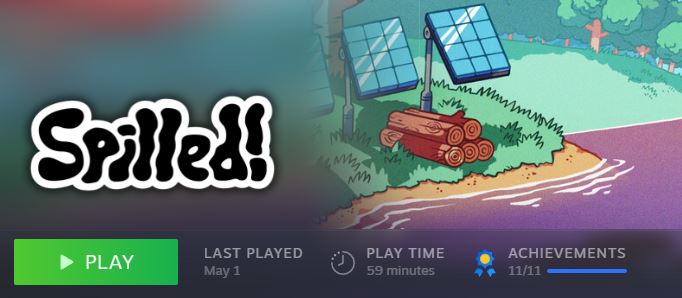
Game #15 of 2025: Spilled! – Developed by Lente – Released on March 26, 2025 – Played on PC/Steam – Hours Played: 1
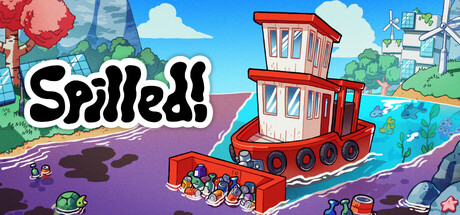
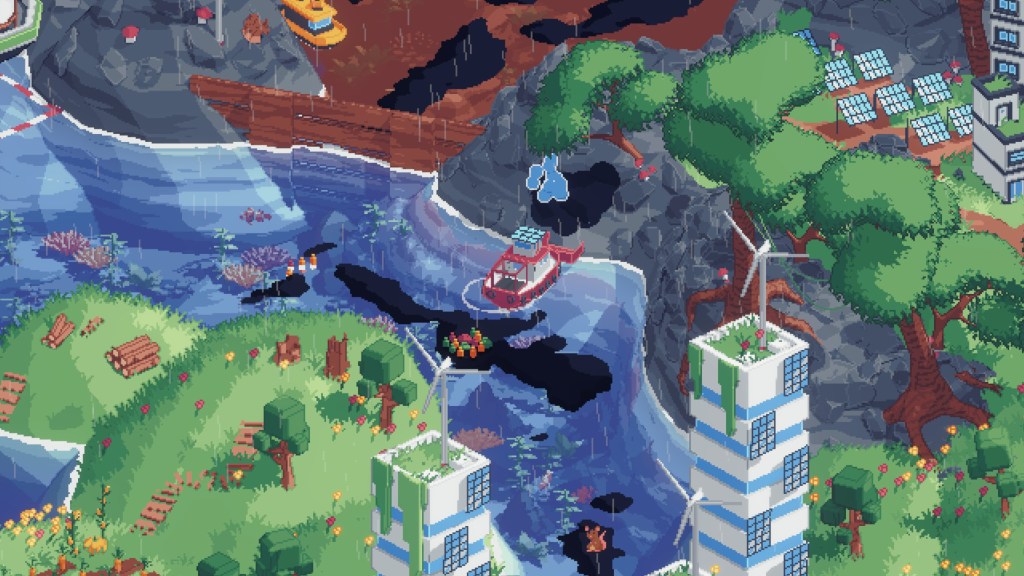
Spilled!, developed by Lente, is a super chill, top-down/isometric clean-up game where you control a tug-boat in surrounding waters filled with trash and oil spills. The game utilizes nice, colorful pixel graphics with relatively detailed backgrounds. The surrounding waters are brought to life by the coral and fish you can see below the surface of the water (once it’s cleaned-up). The trees and grass sway in the breeze, but the music is rather forgettable, though. There’s really not a whole lot to the game. It’s a one-to-two button experience that simply has the player moving their boat to pick up trash. If you’re strategic, you can try to position yourself in a way to gather as much trash as you can so you don’t have to make return trips. I did find the scooping device and some of the trash/oil spills to be a bit finnicky, however. There was always a bottle or two that would slip out of my grip, but the playable space is so small, it doesn’t take too long to double back. I think one of the most interesting aspects of the game is its creator. Apparently, the developer stopped going to school and bought a small boat to make the game!
“Hey! My name is Lente. I started working on Spilled! At the end of 2022. It is my first commercial release.I paused school and bought my own small boat to live on. Which lowered my cost of living and allowed me to fully focus on Spilled! for a while.Once my savings ran out, I ran a successful Kickstarter which has kept me afloat all the way up until release! I am so happy I have been able to follow my dreams. I hope you like Spilled!“
Spilled! takes about an hour to complete. It almost feels like it was made for mobile devices, particularly when it comes to its star-based upgrade system. Whenever I see “stars” representing upgrade tiers in a game, I can’t not think of games made for phones. By cleaning up oil, you’ll fill a tank, which can be upgraded to hold more garbage. When you return to a recycling plant, of which there is one per area, you’ll immediately exchange the oil for cash. With the cash earned, you can upgrade the speed of your ship, the aforementioned carrying capacity for oil, and the width of your oil/trash capturing contraption (which simply looks like the end of a broom stick). If you try to upgrade all three categories of the boat evenly, you can’t fully upgrade a single one of them, which I found strange. There’s no reason to pick one upgrade over the other, unless you’re trying to speed-run the game, perhaps there’s an optimal upgrade path here. There are a few hidden animals to save/collect, but they’re impossible to miss. There’s no reward for collecting all of the animals outside of collection purposes for an achievement. I think the game could have benefited from some dynamic events. Perhaps an oil spill happens on the opposite side of the ocean and you need to reach and clean the spill under a certain amount of time to earn more cash, for example.
Early in the game, you unlock a hose which allows you to spray oil stains on the sides of hills/mountains. In one area, there’s also structures on fire, which once put out, a helicopter will come in award you with more cash. It would have been cool if there was a day/night cycle where fires occur on a timer and, again, you’d have to rush to put it out. At one point, you’re in an area that’s snowing. There could have been icebergs to avoid or otherwise you’d damage your boat! Spilled! is a nice distraction during a work break, but it could have used a few more gameplay mechanics to keep things interesting. I’d imagine the developer had more ideas than what’s shown here, but perhaps that’s just the reality of a small game made on a budget. I completed the game at 100% with all Steam achievements unlocked. I would have kept playing if there was more to do here, but it’s sort of a one-and-done experience.
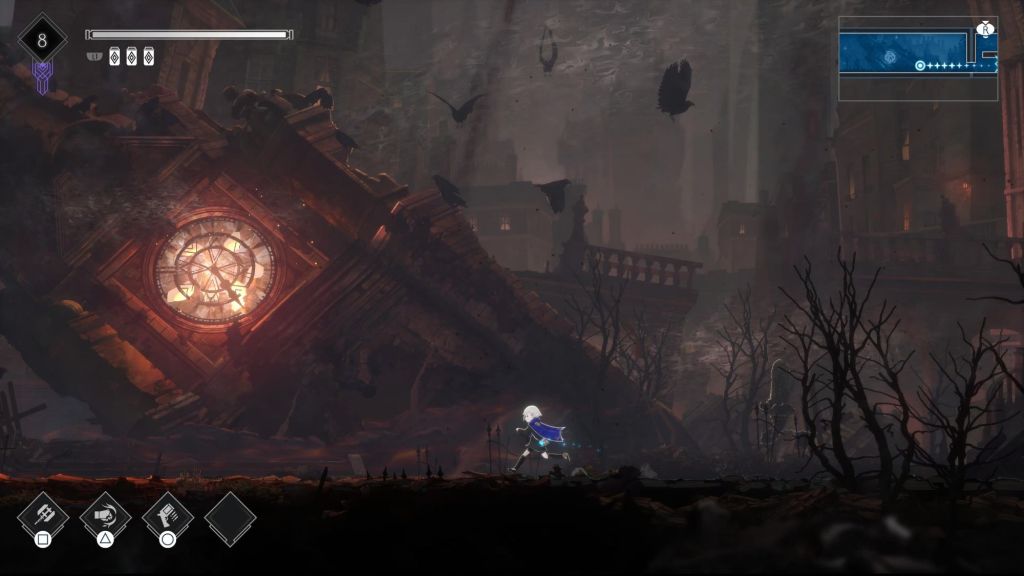
Game #16 of 2025: ENDER MAGNOLIA: Bloom in the Mist – Developed by Adglobe & Live Wire Inc. – Released on January 22, 2025 – Played on PS5 Pro – Hours Played: 20
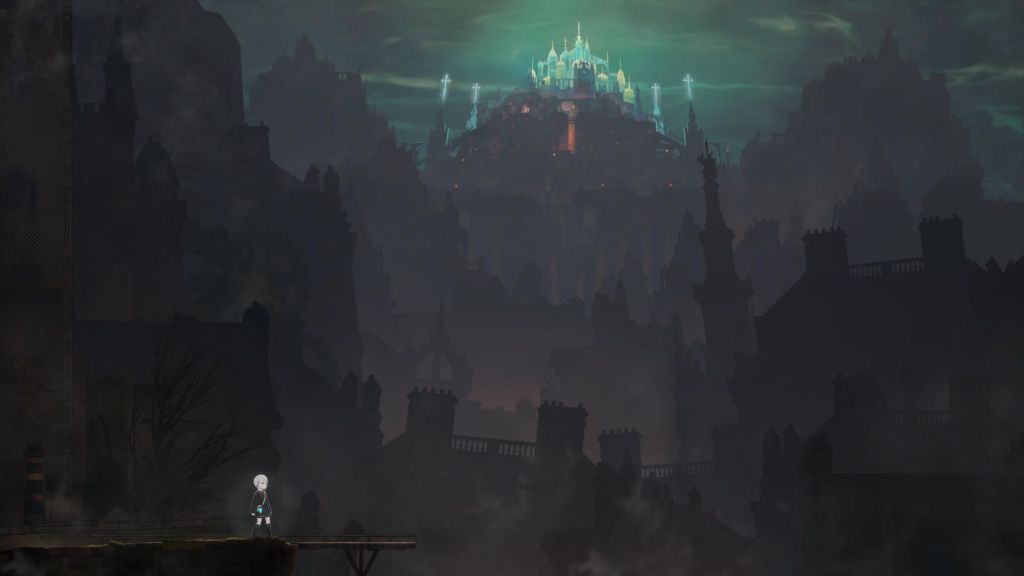
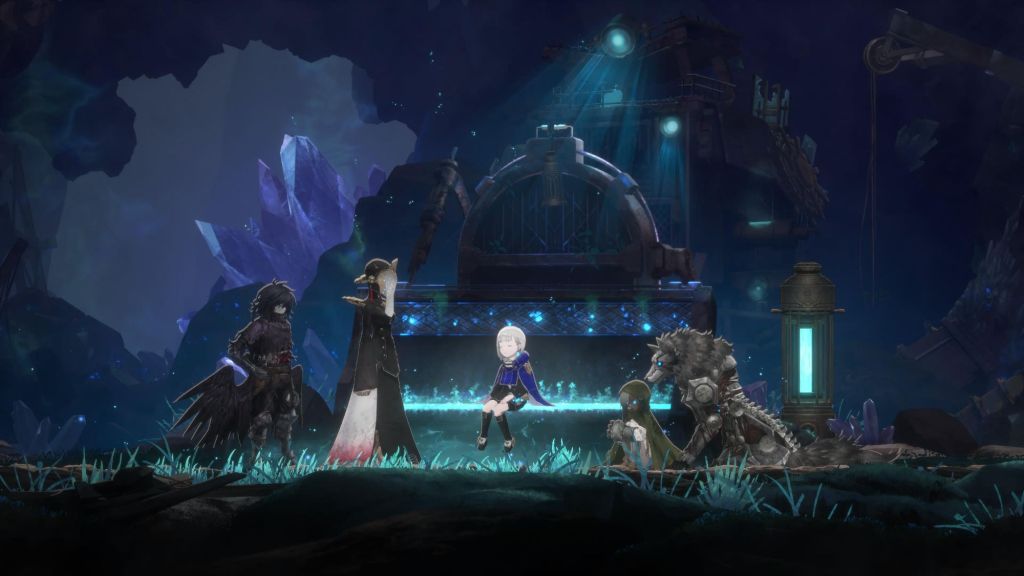
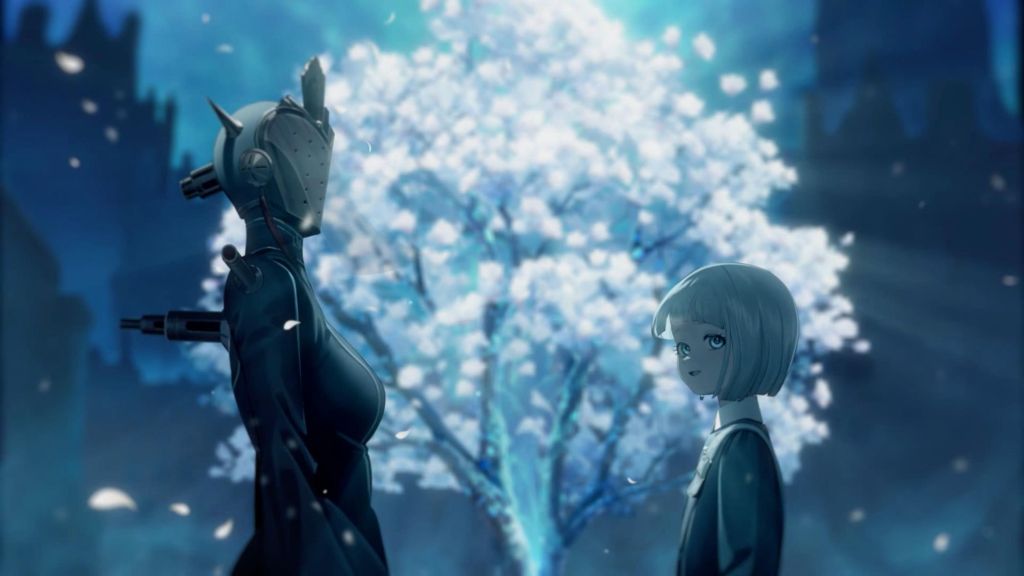
ENDER MAGNOLIA: Bloom in the Mist, developed by Adglobe & Live Wire Inc., is a 2D Metroidvania and a follow-up to ENDER LILIES. The game begins with your main character, Lilac, waking up in a test tube of sorts after a mysterious woman tells you to “Seek out the other Attuners and… save the Homunculi“. Eventually, you find a Homunculi named Nola, who’s discarded in the corner of a cavern close to where you’ve awoken. The Homunculi agrees to join you, but only if you decide to get the two of you out of this abandoned place and that’s where the game begins. “Fumes” have enveloped the land, which is not unlike the “Rain of Death” (or Blight) from the first game. Apparently, the Homunculi go mad when exposed to it for too long (which should sound familiar if you’ve played the first game). Over the course of the adventure, you’ll learn about two houses in conflict and how they’re tied into the overarching story. ENDER MAGNOLIA, just like the first game, isn’t too heavy on the story, however. Most of the background lore is found in note pick-ups or conversations you have with your Homunculi crew when you’re chilling out on benches (which are the game’s save/fast travel points).
I’ve always felt that the first area theme in a Metroid-like/Metroidvania is super important. Although it’s not as well-liked as the other entries in the series, Castlevania: Harmony of Dissonance has one of the best fist-level tracks of all time. So, in ENDER MAGNOLIA, after you meet Nola and they join your party, this track starts to play, and it’s honestly one of the best pieces in the game. The music throughout is very good and far more memorable than anything from the original game. In fact, the same can be said about ENDER MAGNOLIA as a whole. It’s the quintessential sequel; a follow-up that improves upon the game that came before it in almost every way. Traversal not only feels better to get around due to the snappier controls, you unlock Fast Travel relatively quickly too (although, perhaps not as fast as you do in BLADECHIMERA – are all of these developers competing on who can get to some sort of quick-travel the quickest?). Most notably, you no longer take damage by walking into enemies, which is huge (and welcome) change compared to the first game (and a topic of contention when it comes to the recent release of Hollow Knight: Silksong)!
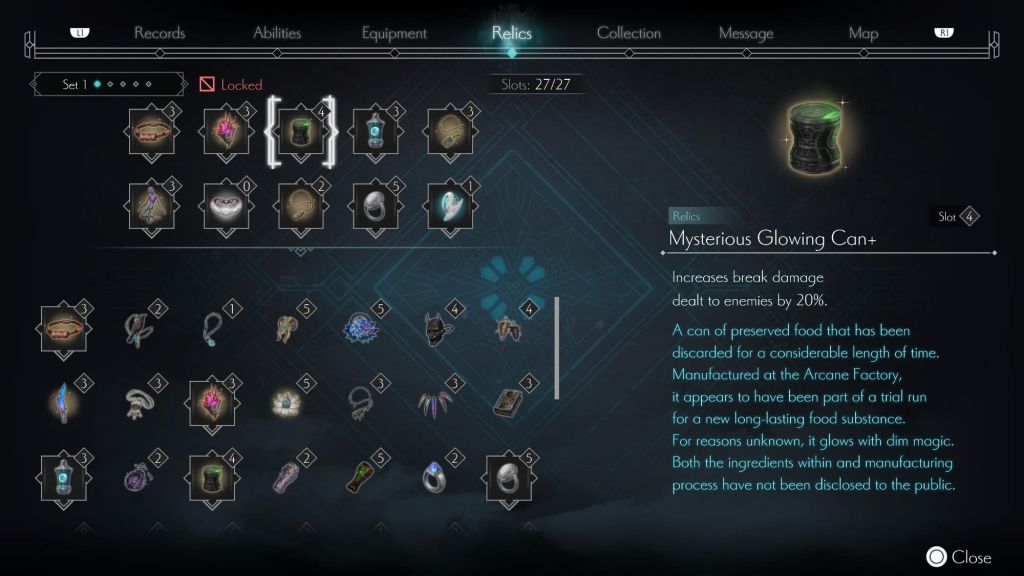
The combat in ENDER MAGNOLIA is very similar to the first game. The Humonculi you acquire are once again your familiars and can be assigned to the face-buttons. Some of their abilities are categorized by being on a Cooldown while others apply Pressure or are considered Auto types, for example. Pressure abilities deal damage over time (like a flamethrower). Auto abilities linger on the field while doing damage within a certain proximity. All of the Humonculi can be upgraded, too. Then you’ve got your Equipment and Artifacts, which more or less boost stat parameters like defense and the sort. Like any good Metroid-like/Metroidvania, there are maximum HP items to collect and other goodies to find, along with new traversal abilities that let you backtrack to new areas. The overall character progression is good and feels much more rewarding than the first game. ENDER MAGNOLIA’s visuals have also received an overhaul since the first game. There’s better use of color with its neon blues, greens, and reds.
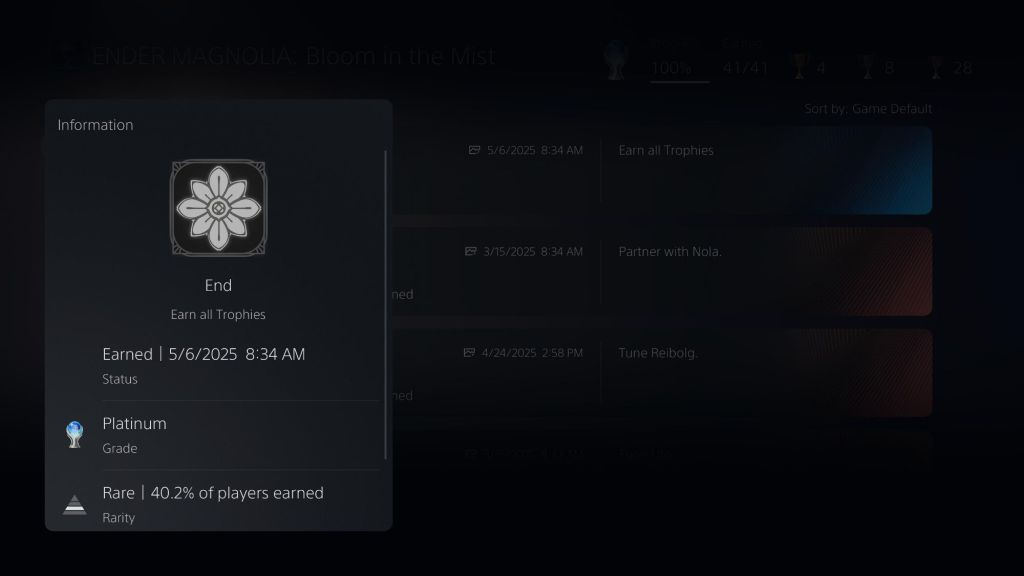
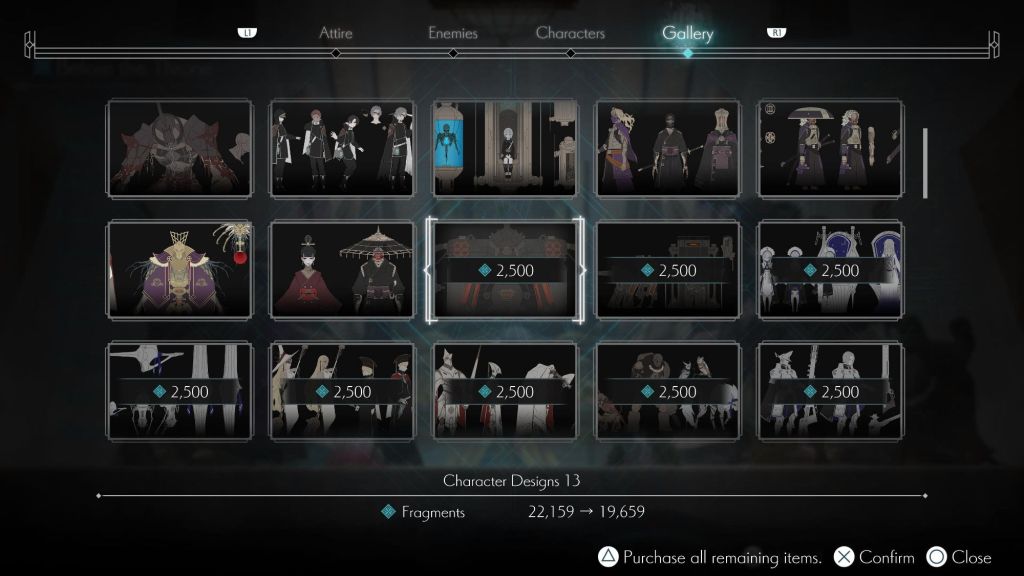
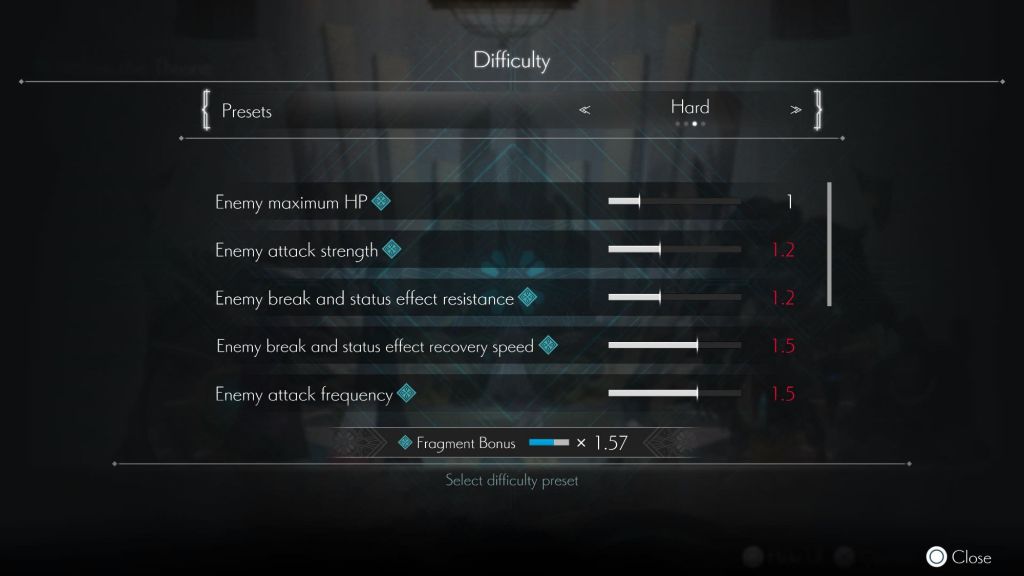
I completed the game on Hard difficulty at 100% with the Platinum trophy earned, but there’s still things to do and stuff to unlock. Similar to how I approached the first game, I did not complete the Boss Rush mode nor did I even consider the new game+ options. I’m not the biggest fan of difficulty sliders/scales. I’d rather have a set/designed difficulty by the developer, which this game does have. You can further tweak certain parameters like “Enemy maximum HP” or even the “Enemy attack frequency” and by doing so, you can earn more Fragments, which can be used to unlock images in the Gallery page. I’d have to grind regular enemies or engage with the Boss Rush to earn the required Fragments needed to unlock all of the Gallery images, however, it’s not required for the in-game 100% completion or Platinum trophy. I was really impressed by ENDER MAGNOLIA. The developers clearly learned from the first game and swung for the fences. I would gladly play a third entry in this series, so here’s hoping the game sold well enough to warrant a sequel.
Game #17 of 2025: Mute Crimson DX – Developed by Iced Lizard Games LLC – Released on August 16, 2024 – Played on PS5 Pro – Hours Played: 3
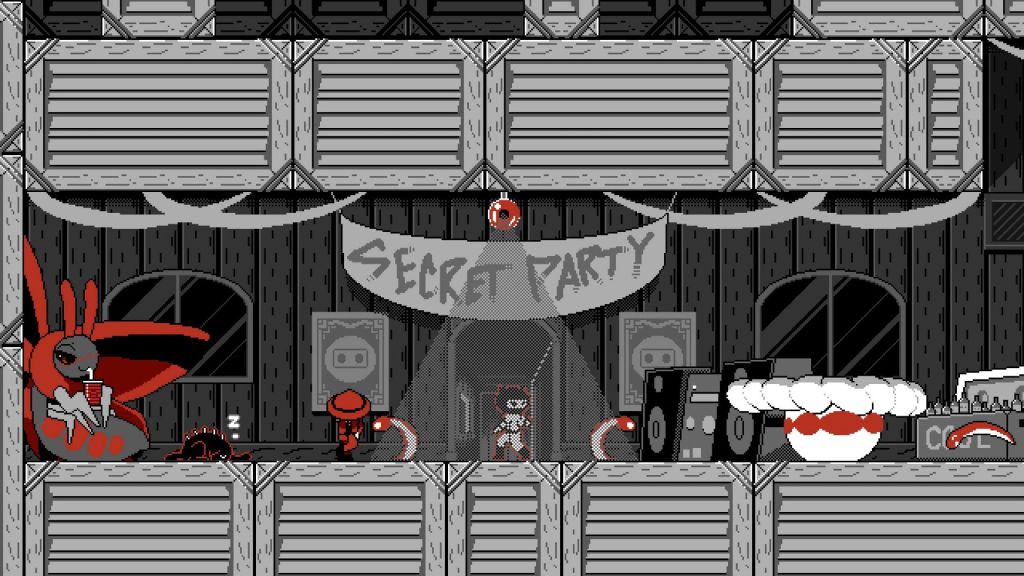
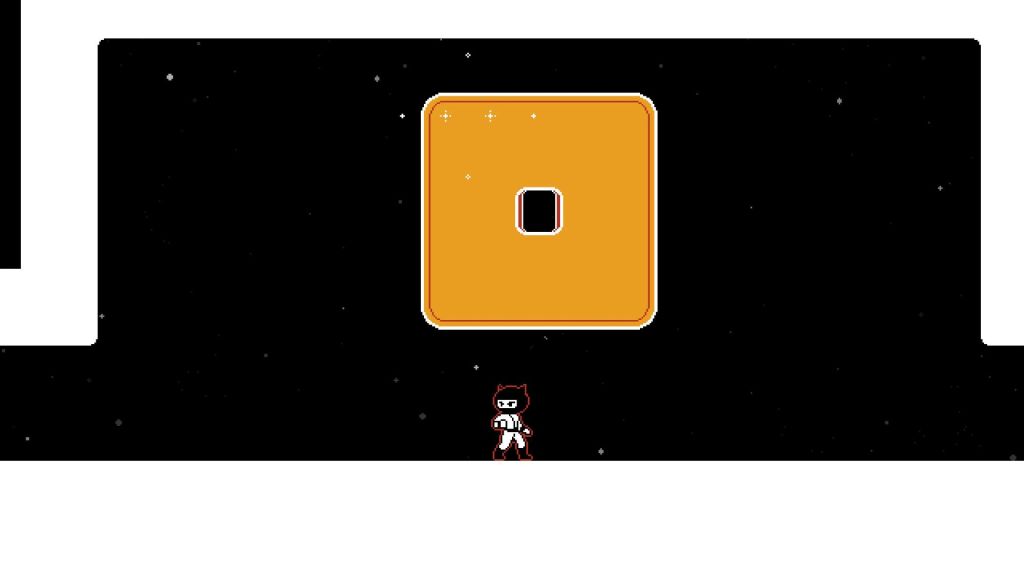
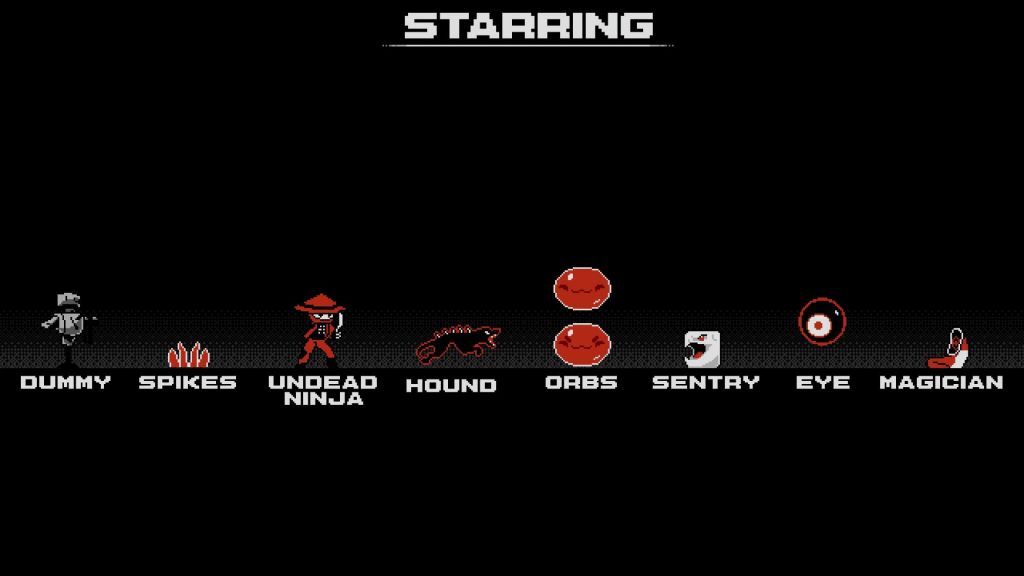
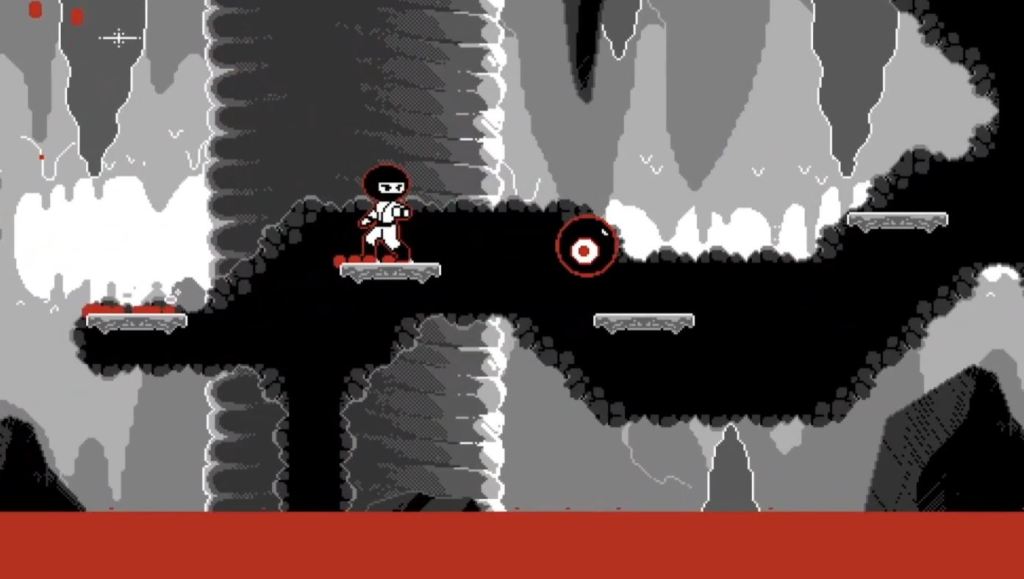
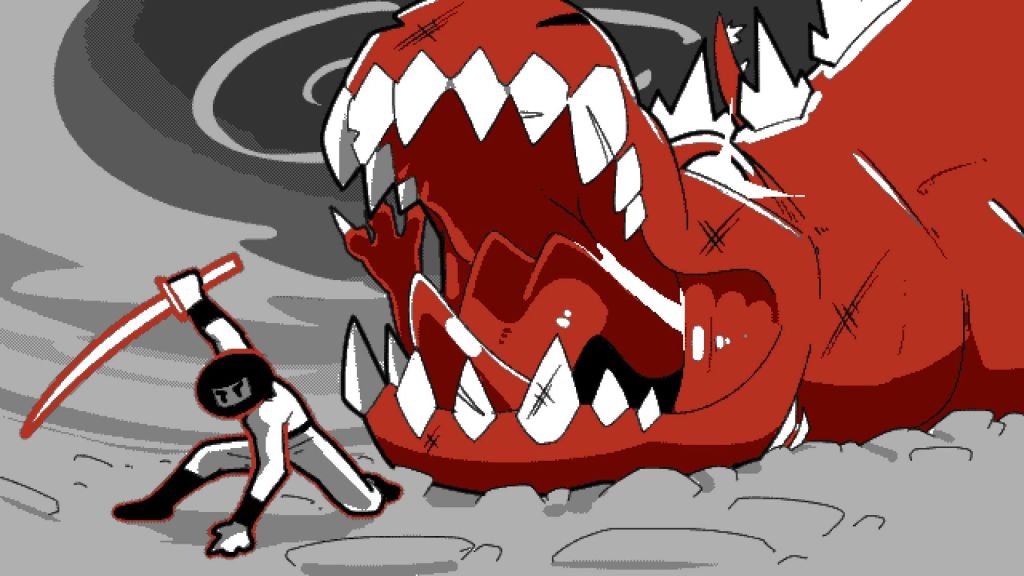
Mute Crimson DX, developed by Iced Lizard Games LLC, is a challenging 2D precision-platformer. The game looks and sort of feels like a slightly-elevated Newgrounds game, although it is technically an enhanced rerelease of Mute Crimson+. The entire game’s color palette is mostly comprised of black, gray, white and red. Its simplistic visual style carries over to the gameplay as well. Your character can run, slash their sword and perform a double jump. Enemies burst into droplets of blood that paint the floor when dispatched. Each level is comprised of a single screen, which vary in length, but the goal is to simply reach the end of each stage. Although the levels are typically a single screen, the camera will scroll along with the player, which makes each stage feel a bit bigger. Each world is properly themed and new hazards and obstacles are introduced over the course of the game. In one set of levels, gusty winds will push back the player, making platforming more difficult. In another world, your controls will invert when passing certain barriers and sometimes you’ll find yourself running along the ceiling upside-down. Most of the game has you avoiding spike pits, lasers and the sort, however, with the occasional enemy to take down along the way. One neat little detail regarding the fire hazard; when your character is near fire, whether on the floor/wall, the fire will animate more quickly, indicating that you’re within proximity to danger.
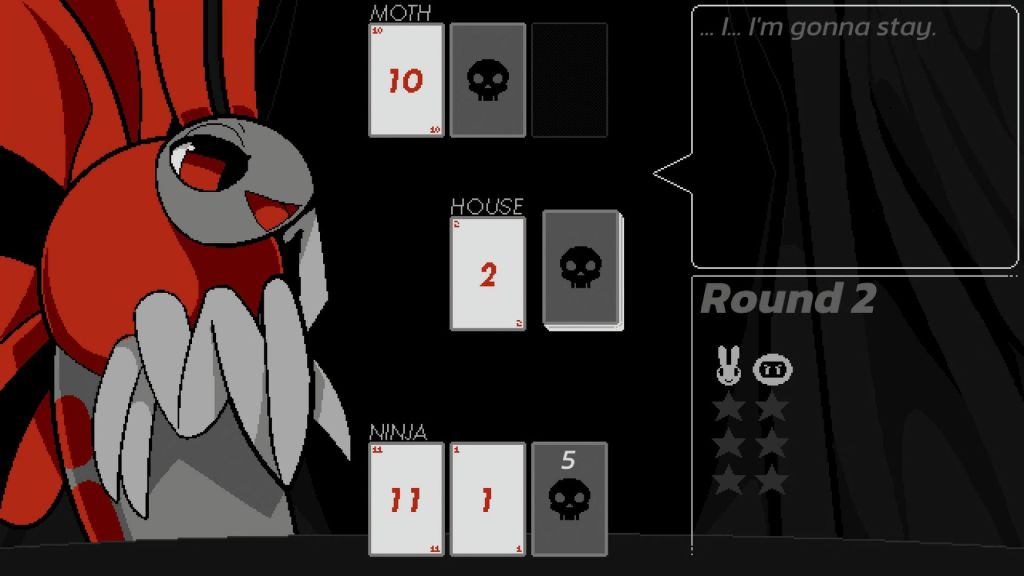
Each world culminates with boss battle that house classic patterns, which are the highlights of the game. Every level also has a hidden coin to find, some of which are relatively difficult to find. If you collect them all, there’s a final bonus level that’s fairly challenging. Similar to some of the more recent Mario games and their final challenge stages, the game will spell out “Thank You” when you’ve reached the end of the secret level. New to this version are hand drawn cinematics as well, which more or less pay tribute to the cutscenes from the old NES Ninja Gaiden games. There’s also a card game you unlock after beating the game, which ties into the story to a degree. The card game is actually quite addicting and easy to learn, although there isn’t much depth to it. Both the player and AI is dealt up to 3 cards. If your total is more than 21 at the end of the round, you lose. The person with the highest value, however, wins. You can choose to “Call” or “Stay” after each hand. Finally, there’s an in-game milestone (achievements) list that’s akin to the type of menu you’d find in Shovel Knight. One milestone requires the player to beat the game in Arcade Mode under a strict time limit. There’s even a relatively challenging Boss Rush Mode as well. In this mode, you have to face each boss in the game, but when you defeat one of the bosses, you gain extra life. There’s a surprising amount of content here despite the game’s relatively short run time.
OAP Approved!
I think Mute Crimson DX lies somewhere between a Super Meet Boy style 2D platformer and the types of punishing stages you’d find in one of those Kaizo Super Mario levels. There’s definitely some thoughtfulness on display here when it comes to the level design; it’s not just a collection of buzz saws and game over pits. One last aspect I wanted to touch on as it’s a topic/issue I’ve been developing/discussing amongst a few close friends and that’s a term we’ve recently coined as “Organically Anchored Platforms“ (OAP). Surprisingly, Mute Crimson DX meets the criteria more often than not when it comes to OAP. So, what exactly does OAP mean? Basically, if a platform is connected/anchored to either the floor, background or ceiling in a game, then it’s OAP approved. If a platform is floating in the air and there’s no logical reason for it (such as a propeller or some other magical property keeping it afloat), then it fails the OAP test. I will leave you, dear reader, to pontificate such a practice. More on this topic at a later date… Anyway, I completed the game at 87% complete with all coins collected and the Platinum trophy earned. This game also does that cool Mega Man thing where they name the enemies during the credits sequence. Pretty cool!
Game #18 of 2025: BLADECHIMERA – Developed by Team Ladybug – Released on January 15, 2025 – Played on Switch – Hours Played: 20
BLADECHIMERA, developed by Team Ladybug, is yet another 2D Metroidvania and the fourth (and arguably best) game from the studio. The game centers around a holy ministry whose sole purpose is to eliminate demons who have taken over a post-apocalyptic Osaka. You take on the role of Shin, a demon hunter who works for the “Holy Union”, an organization of faith and militaristic power. While demons have ravaged the city, some have taken the form of a human, which places your character in a moral quandary; Shin believes in his mission, but he won’t blindly murder innocent people, even if it’s an order by his benefactors. The main character also has amnesia (because of course he does), so you’ll unlock memories as you progress through the game, which are more or less dialogue box exchanges found within a menu. BLADECHIMERA is a fairly standard Metroidvania/Metroid-like, but it does try its best to differentiate itself to a degree.
BLADECHIMERA has a really cool gameplay gimmick/mechanic. Early in the game, you’ll acquire a blade familiar, a woman named “Lux”. This sword hovers around you like the sword familiar from Castlevania: Symphony of the Night (SotN). You can plant the sword into most surfaces and walls, including the floor. Once planted, the further you get away from your blade, the more damage it can do on its return. A green-dotted line will form from the position of the blade connecting to your character. I believe you can even change screens, if you’re not super far away from it. From there, you can sort of funnel enemies into a line and call back your blade to deal massive damage to groups of enemies. It looks cool and feels super satisfying to do. If you slam the sword on the floor, it will create a bubble shield around your character. This can be used to protect yourself from projectiles and the sort (it’s also cleverly used in a particular side quest I’ll discuss further below). In terms of the Metroidvania/Metroid-like sub-genre, it’s a fairy-by-the books entry in a space that’s becoming perhaps a bit too saturated. One thing I’ve noticed lately (between this game and ENDER MAGNOLIA, just to name a few), is how quickly designers are introducing or tweaking staple features found in these types of game. You can unlock the ability to fast-travel to any single screen on the map within the first hour of the game (that’s been uncovered, at least).
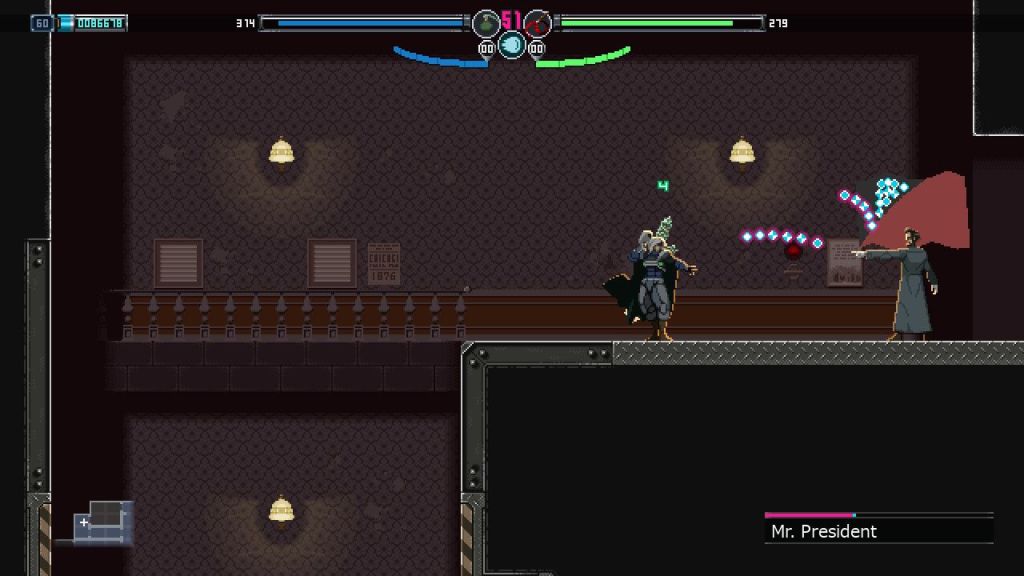
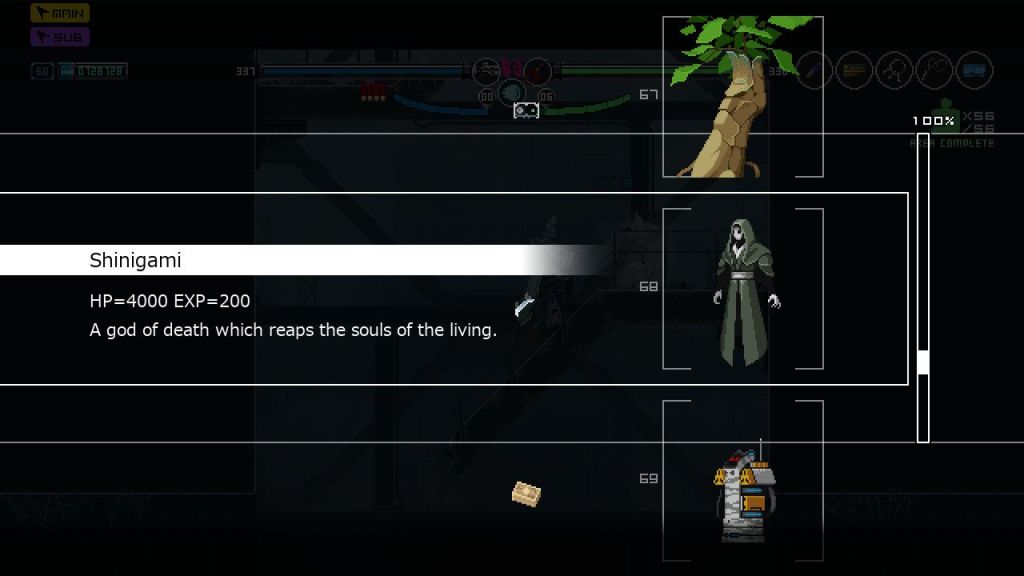
There are a ton of little details in BLADECHIMERA which sort of sets it apart from its contemporaries. When you fire your guns, for example, bullet casings will fly out of your guns and bounce around on the floor. Certain lights will cast real-time shadows of both your character and surrounding enemies, which is a neat little touch. The bestiary/enemy variety and the side quests need to be discussed, too. While most enemies go down in a few hits, there’s some really standout, unique enemies in the game. There’s a flying demon who will capture you in his own “monster book” and the animation for it is super detailed and quite funny. There’s an enemy called “Mr. President” who conjures a flag and shoots its stars at you. One of the most memorable side quests in the game has you inspecting an abandoned movie theater. When you sit down in a chair, the lights will go out and a ghostly woman will start approaching your seat. If you didn’t place your sword barrier down over your chair, she’ll instantly kill you causing a game over. It’s these little touches that sort of elevate the game from your standard Metroidvania/Metroid-like.
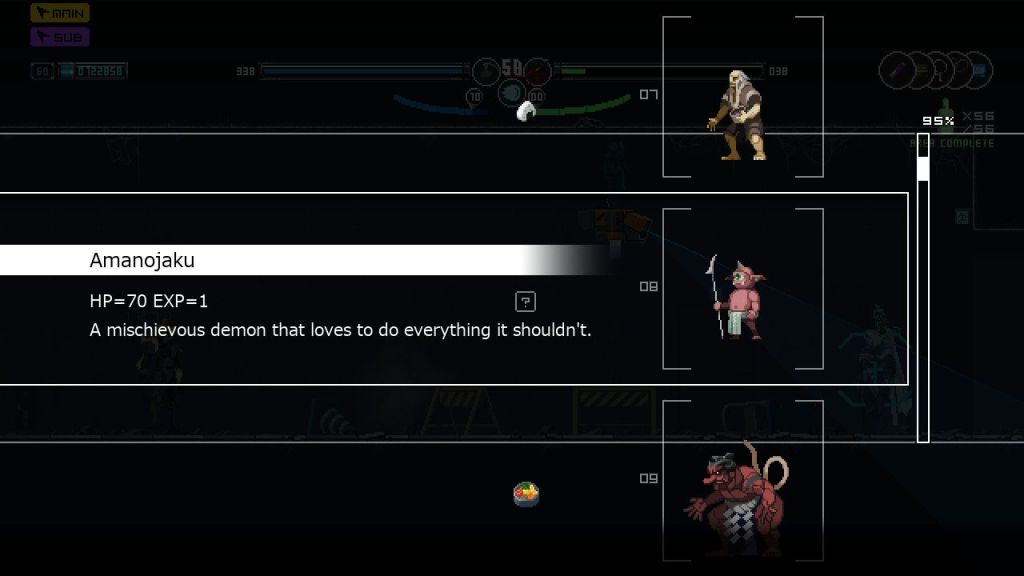
One last area I wanted to touch on is the game’s drop rate. Most enemies have a single item drop tied to their defeat. Some enemies have RIDICULOUS drop rates. While this isn’t required for the in-game 100% completion, if you truly wanted to do and collect everything the game has to offer, you’ve got to get all of the drops! In some instances, I spent hours on the couch while watching shows with my husband, walking in and out of rooms trying to farm a single item drop from particular enemies (I don’t want to talk about the Amonojaku). Part of this miserable experience felt sort of nostalgic (like going for the Goo King Sword in the Breath of Fire games, for example). Would I ever put myself through something like this again? Probably not, but it felt weirdly satisfying to engage with. I ultimately completed the game at 100% and beat the true final boss and saw the secret ending. Throughout the game, there are Puzzle Pieces to find, which are required for the true ending/final boss. I found all but 3 or 4 Puzzle Pieces on my own. I thought one was glitched, but that wasn’t (thankfully) the case. I think BLADECHIMERA is Team Ladybug’s finest game yet, but in a year where multiple great Metroidvania/Metroid-likes have released (one of which was Hollow Knight: Silksong), it’s probably the third or fourth best of the year? Regardless, I will be there day one for their next game.
Game #19 of 2025: Clair Obscur Expedition 33 – Developed by Sandfall Interactive – Released on April 24, 2025 – Played on PS5 Pro – Hours Played: 50
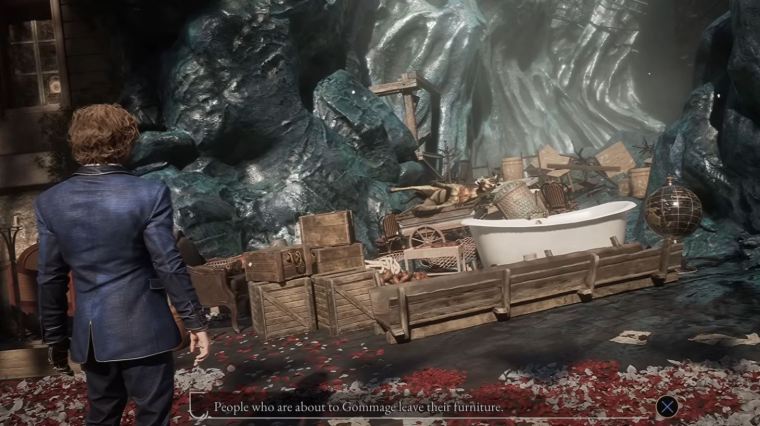
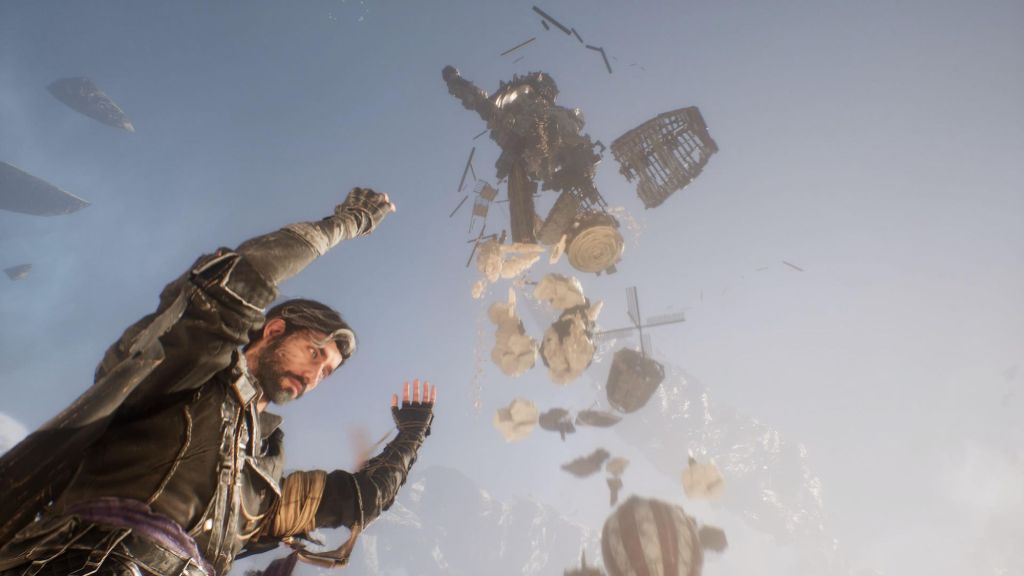
Clair Obscur: Expedition 33, developed by French studio Sandfall Interactive, is a turn-based RPG heavily inspired by games both new and old. Expedition 33 (E33) posits a world where a giant entity known as “The Paintress” paints a number on a monolith each year. Anyone above that number dies, which the game calls, “Gommage”. When the game begins, the world is comprised of 32 year-olds and younger. Those who have remained set out on expeditions each year in an effort to destroy the Paintress, but no one has been able to defeat her let alone return from their journey. The denizens of this world have turned this event into a ceremony of sorts as it’s become a part of their culture and way of life. You begin the game as Gustave and Maelle, who are getting ready to set out on their own expedition. Gustave is saying goodbye to his ex-lover (who’s about to be Gommaged) while Maelle, who’s technically not old enough to embark on an expedition yet, prepares for the journey ahead. Each character in the game has their own perspectives and worldview; some are scared of disappearing while others welcome their demise or are indifferent to the harsh reality of the world that they live in. Without spoiling anything major, that’s the gist of the story, but the game throws plenty of curve balls at you, particularly at the conclusion of each chapter. The story definitely goes places and I was mostly here for it.
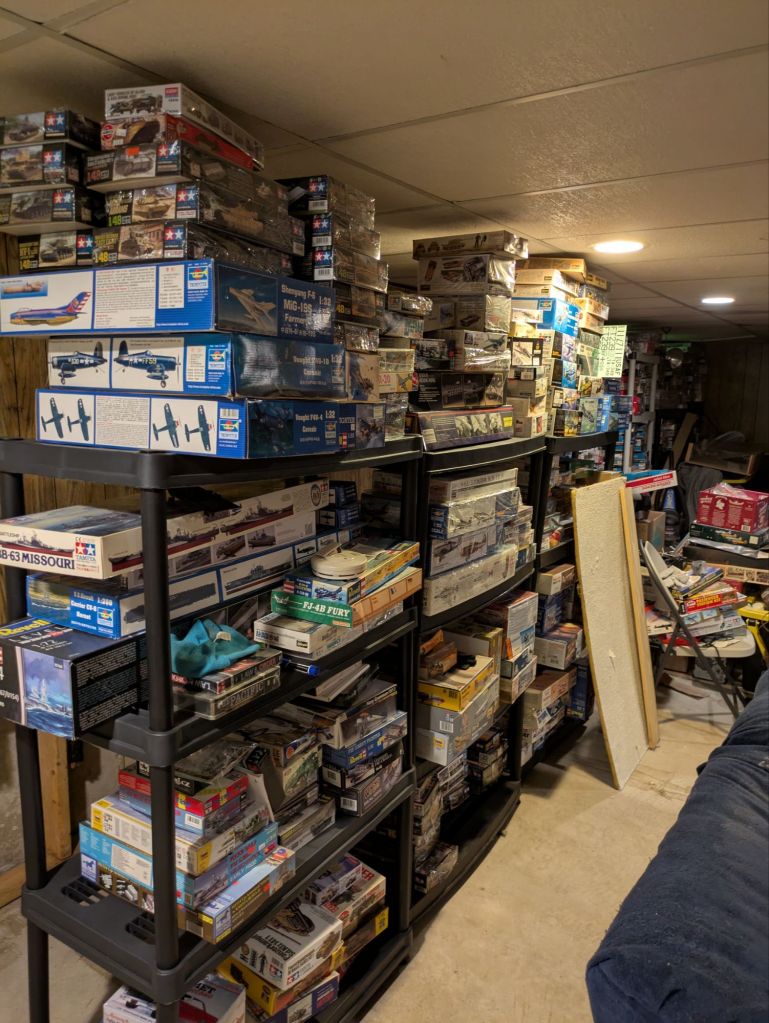
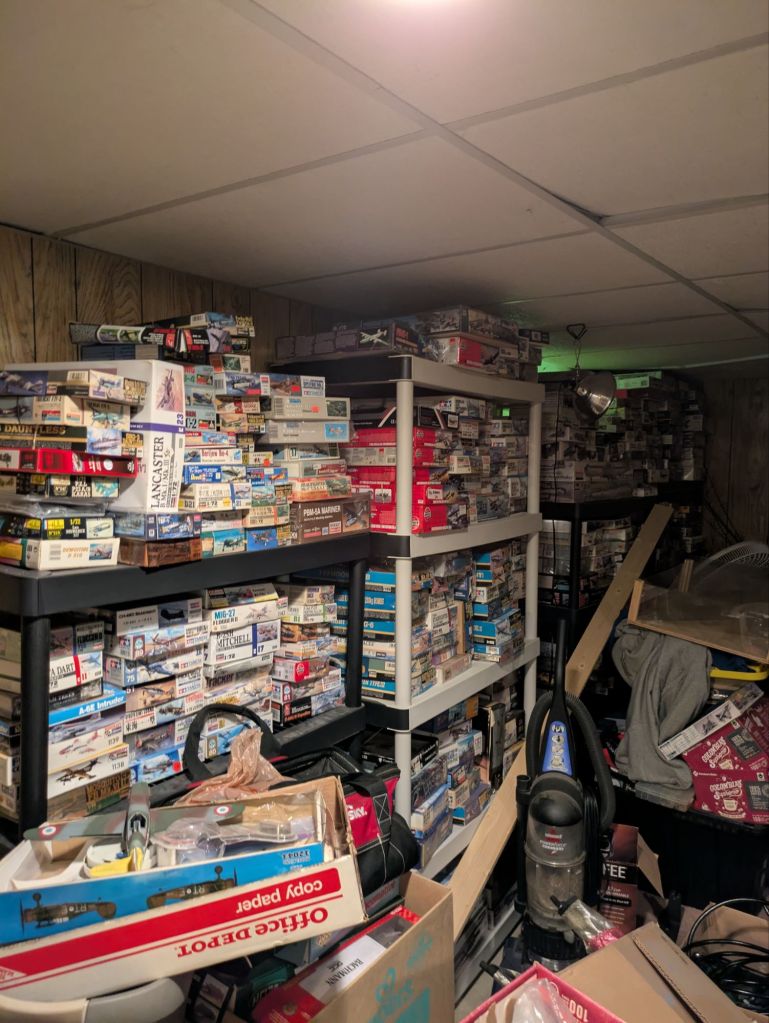
A lot of the themes and story beats in E33 aren’t entirely new to the genre, but for a lot of people, the presentation of it all seems to have been more relatable than a lot of the RPGs that came before it. With that said, I didn’t really connect with the game as much as I’d hoped to. There’s a moment during the introduction scene that made me think about my father, though. It’s been a little over a year now since my dad passed away. In the city streets at the beginning of E33, there are piles of furniture and belongings littering the pavement. Because so many people die each year, their “things” get left behind for “…those who come after” (a pivotal mantra that’s more or less the reason for being for every person in E33’s world). My siblings and I have been dealing with my father’s estate for well over a year now. He had A LOT of stuff, particularly hundreds of model plane, train and tank kits, many of which are still in their boxes. My dad loved building models. He had so many projects in-progress before he passed, but now it’s all there, just sitting unfinished in his basement. Despite going through our own house fire and losing nearly all of our material possessions (which is ironic given one of the game’s key story elements), I’ve been collecting physical copies of videogames for decades and have a fairly large collection. Who am I going to leave my mess for? Do I unburden myself now before it gets out of control like it did for my father? If anything, E33 made me reflect on my past year or so. Long story short, getting older sucks.
My dad……had a lot of……stuff!
One thing E33 does do well is that it’s a relatively well-paced adventure that doesn’t overstay its welcome. The game tries to get the player invested almost immediately, although a lot of the story is told through the campfire scenes and Expedition Journals scattered about the game. It’s also somewhere in the ballpark of 30-50 hours long, depending on how much of the side content you engage with. I do think E33 is just a bit too combat-heavy, which is something I thought I would never say about an RPG. There’s very little to do outside of fighting enemies. E33’s take on the active turn-based combat system is certainly engaging and layered with a lot of ideas. While a lot of the battle system elements have been done before in games like Shadow Hearts or the Mario & Luigi/Paper Mario series, the developers have made some tweaks to the tried & true formula. In E33, you can parry or dodge almost all enemy attacks. You can even jump over particular moves! Enemies (try their best) to telegraph their attacks both visually and audibly. If you want to learn an enemy’s attack pattern, you can simply dodge its attacks until you start to feel more comfortable. If you’re confident in your abilities, you can outright parry attacks and deal massive damage back to the enemy. Excluding basic attacks, all special actions require AP (Action Points), which can be increased by landing regular attacks, using items, or even parrying. There’s also a Free Aim mode where each character can use their ranged attacks to hit weak points on particular enemies, which is typically the best approach at the start of a battle.
Like with most RPGs, there’s a slew of buffs and debuffs that can be applied to your party and enemies alike such as “Berserk” (increased damage every turn up to 12 times) or “Freeze” (prevents the player/enemy from acting. You can even stack debuffs like “Burn”, which adds up quite a bit of extra damage over time. There’s even “Shields”, which blocks all damage until they’re destroyed (which also reminded me of the shielded enemies from Ys X, unfortunately). Over the course of the game, new mechanics and techniques are introduced to keep battles engaging and for the most part, it all sort of works. Each character also has a unique fighting style and their skill trees revolve around these battle stances, so to speak. One character utilizes a Devil May Cry-style ranking system where as you land basic attacks, your rank increases from “D” to “S”, which gives you access to new abilities and increased power. One of your character is more or less a Blue Mage from the Final Fantasy games, too. This character learns enemy transformations when a unique monster is defeated in combat, although he has to be an active party member when the enemy is vanquished. With that said, I found it incredibly difficult at times to read most enemy attacks. Generally speaking, I found the “readability” of the game to be somewhat questionable. Do I parry the particle effects that wash over my character or the weapon/limb itself hitting me instead? It’s not always super clear to the player, which leads to a lot of trial & error. The game didn’t have a “Retry” option for battles until a more recent patch too, which would have been helpful from the start. With that said, I think the boss battles are a highlight of the game. The developers took that post-FFX approach where a lot of the bosses have a unique mechanic or gimmick to exploit. The Lampmaster boss, which is in the first half of the game, had you targeting hanging lanterns from the bosses many appendages in a specific order, for example.
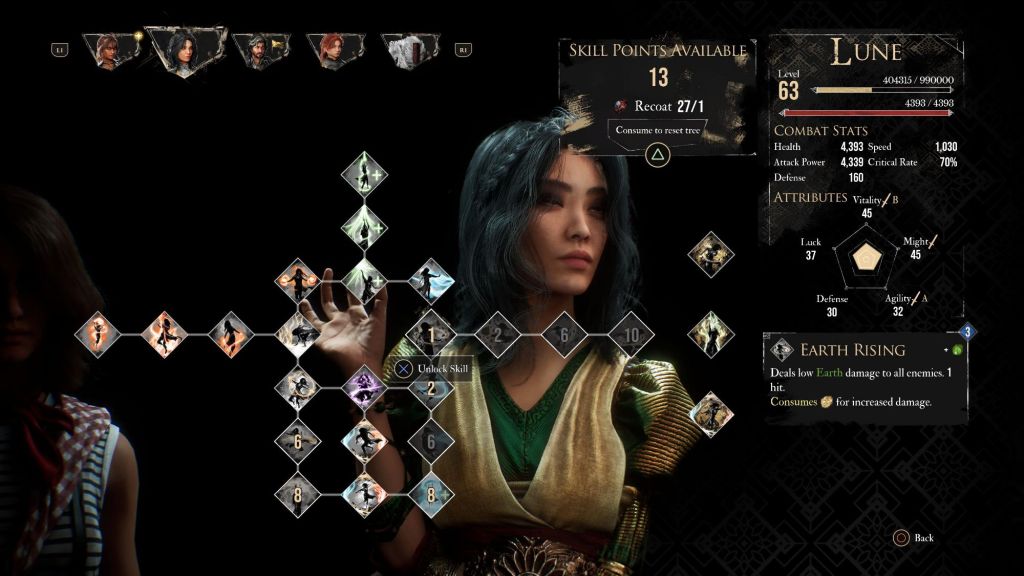
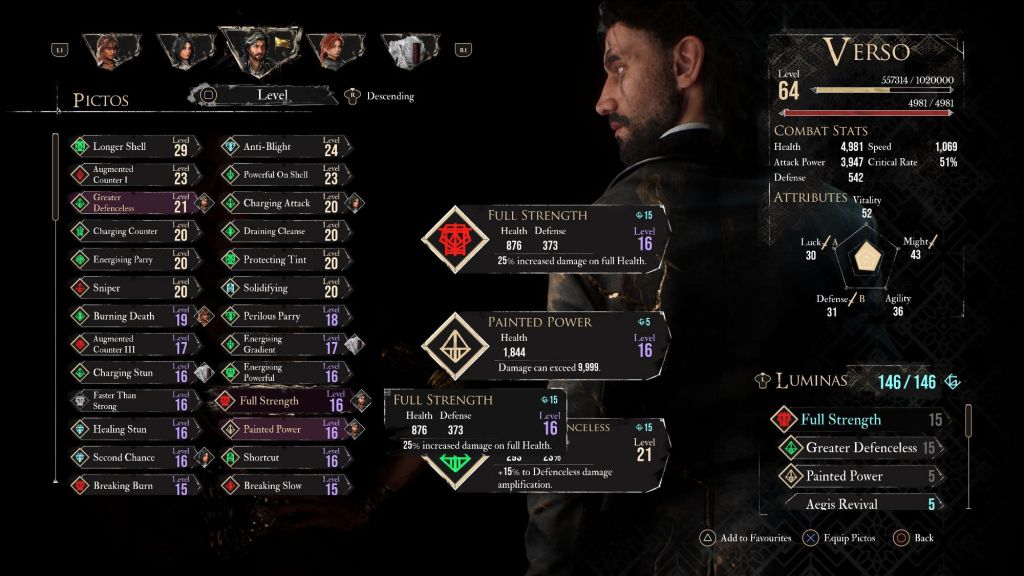
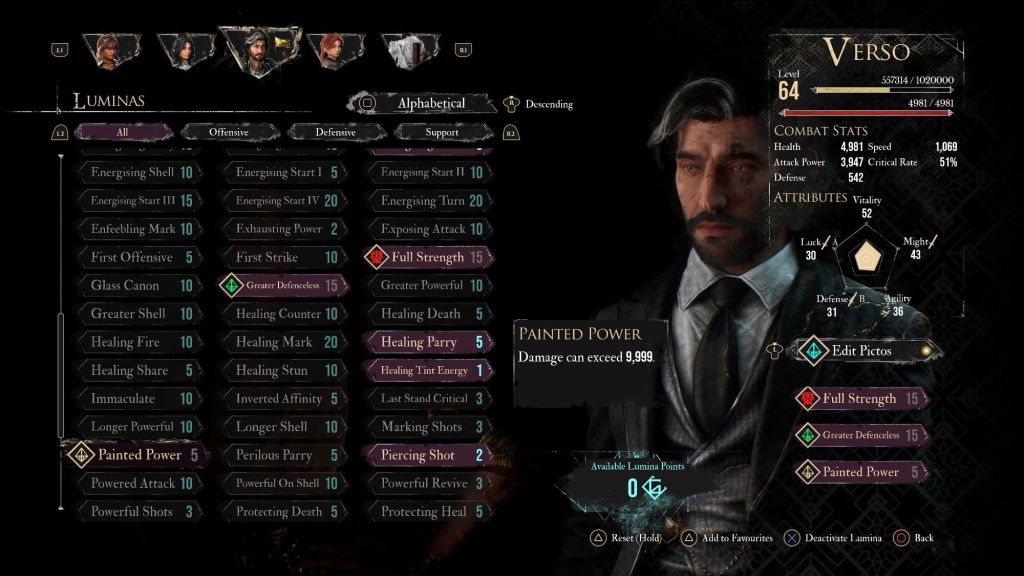
Then there are the Pictos, the game’s primary progression system. When equipped, these upgrades grant temporary passive/active bonuses to your character, many of which synergize with each character’s unique abilities. Take the “Full Strength” Picto, for example, which increases your damage output by 25% if you’re at full health. Towards the end of the game, you’ll gain “Painted Power”, which removes the 9,999 damage cap (and that’s when the game truly opens up). After a few battles with a Picto equipped, you’ll learn that ability permanently, which can then be equipped in a separate menu utilizing Lumina Points, which can be increased by finding special items or other means (think FF9’s ability system overall). The problem, however, is the menu navigation and presentation of it all. There’s also perhaps far too many options here. The menus aren’t great in E33, either. I can’t tell you how many times I’d open the menu never knowing where my cursor was. Similar to my issue with Final Fantasy VII Rebirth, when you want to “overhaul” your character, you’ll have to spend a ton of time in the menus moving Pictos around between characters. Forget about it when/if you decide to reset your character’s skill trees because you want a build that synergizes with your new Pictos/Luminas arrangement. While the customization is welcome and cool (you can seriously break the game, too) there had to be a better way to present and organize all of these systems and menus to the player. It’s an overwhelming mess that becomes even more unmanageable as the game continues, even with the various sorting options you have at your disposal.
This issue sort of extends to how I feel about other aspects of the game, particularly the world map and the areas/dungeons themselves. I love the fact that they went for a “traditional” overworld, something you would have seen out of the SNES/PS1 era, for example, but it’s not always fun to navigate. I do like how one of your party members more or less becomes your means of transportation. Your “imaginary friend” becomes a boat and then an airship of sorts in the latter half of the game. There are areas on the map you have to backtrack to once you get more traversal upgrades, which I did enjoy doing as it tickled that Metroid/Zelda-like itch I’m always look to scratch. With that said, there are a lot of areas on the world map, despite its relatively small size, many of which are strangely just a single screen. Because the game is loaded with optional bosses and things to come back for, you’re not always ready to “exhaust” an area until way later in the game. Good luck figuring out where you’ve been already, though. The areas/dungeons don’t have in-game maps and while the game isn’t that big and the areas/dungeons themselves aren’t super intricate, returning to old areas isn’t made any more enjoyable because of these tiny design and interface issues. You’re better off literally running through every area/dungeon from the beginning when you reach the end of the game because who knows what was in there the first time around. You know what could have solved this issue, an in-game journal? Perhaps an Expedition Journal!? And that leads me to my next gripe with the game…
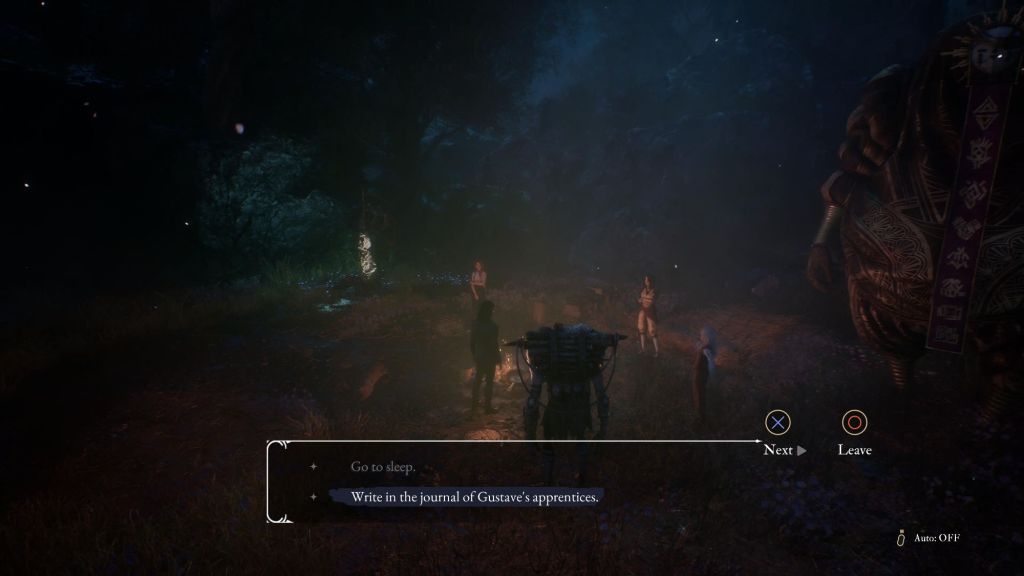
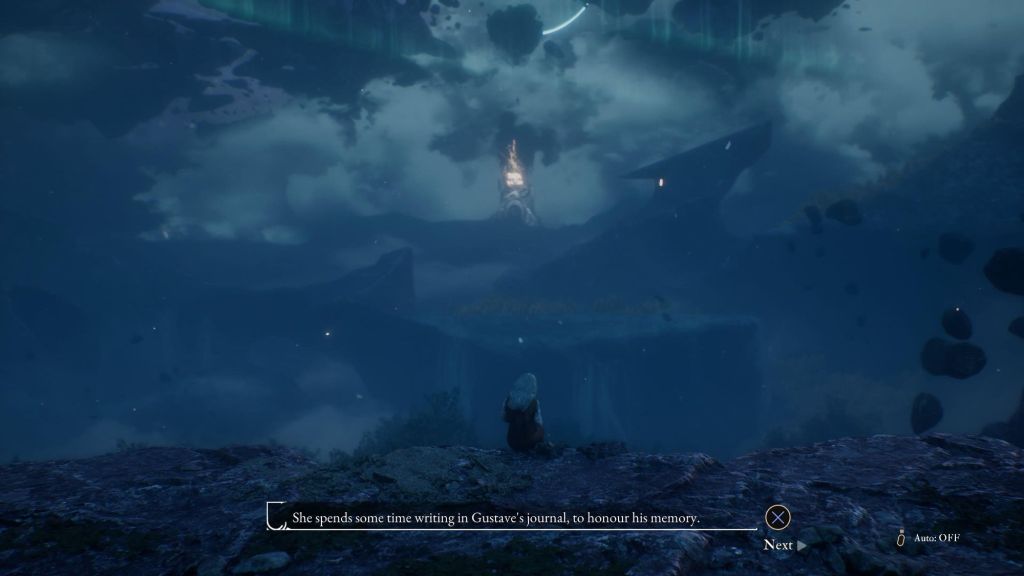
One of my biggest issues with E33 is the lack of quest journals or any sort of indication that “something has been completed”. Outside of finding hidden Gestrals (which actually does come with a fraction of how many there are in the world) the game doesn’t show you much of anything in terms of progress tracking. The world map utilizes a weird swirling effect on each area/dungeon in the game. If it’s red and says “Danger”, you’re most likely not ready for it level-wise. I wish these indicators changed colors if you completed an area, but they don’t. Maybe the swirl could have turned green when you collected and did everything in the area? Give me something! What’s even more frustrating is that your main character takes time to physically write notes in an Expedition Journal when taking breaks at the campfire. It’s cool that this action ties into the narrative, but from a gameplay perspective, I wanted more from it. Why doesn’t the main character draw sketches of the enemies you encounter along the way so it acts as a bestiary of sorts so the player can reference? There’s an argument to be had here that the sort of featureless nature of the game and its lack of bells and whistles, so to speak, has an old-school appeal to it (not every game “back then” had modern-day quest journals, bestiaries and checklists), but I still found the Expedition Journal to be a missed opportunity as a whole. If MercurySteam’s Blades of Fire can have a fully detailed journal with beautifully illustrated monster entries, then so can this game, especially for a game that’s about painting and being an artist!?
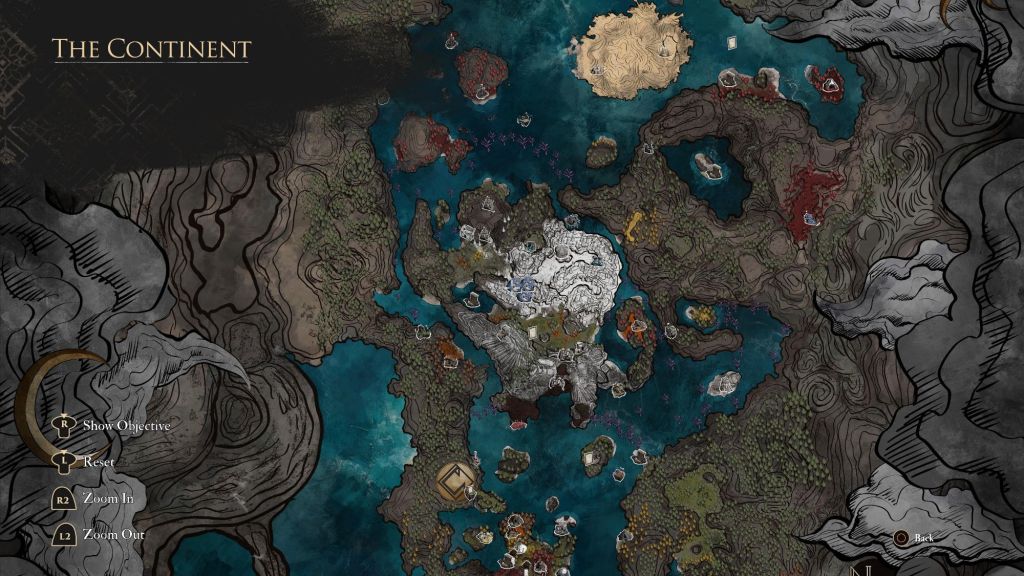
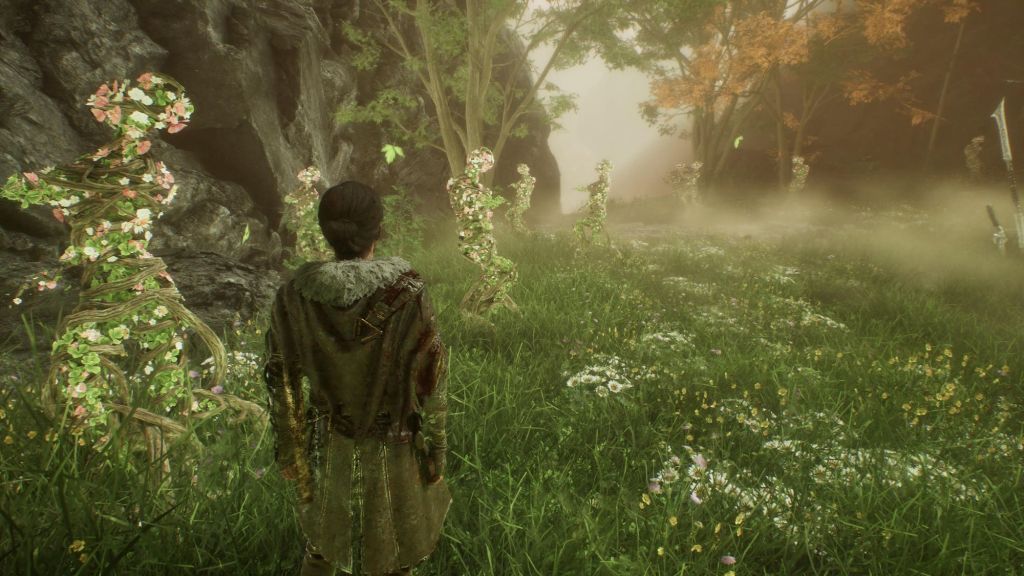
One thing the game does well is its world-building. Since the game revolves around previous expeditions setting out to stop the Paintress, you’ll discover journals, footholds and flags (which act as save points) scattered about the world showing what the previous groups experienced or left behind during their travels. One journal that stood out to me described Expedition 35’s exploits and an encounter they had with a particular group of Nevron (the game’s main baddies). As mentioned earlier, one line that persists in E33’s world is “…for those who come after”. This particular expedition couldn’t defeat these creatures, but they used their bodies to build a bridge of corpses for the next set of expeditioners, you know, for “…those who come after”. With that said, I just don’t particularly enjoy running around or simply being in any of the game’s spaces. I found the camera/POV to be a bit too close and the pathing in most areas/dungeons wasn’t great (which has nothing to do with the fact that there’s no mini-map). You’re constantly running up against uneven geometry and when you fall from a high height, your character falls stiff like a rock. It’s also not the type of RPG where you want to chill out in a town and listen to the game’s music while NPCs walk around. You could argue that’s what the Gestral Village is for, but I don’t really want to spend time there? Then there are the Gestral beaches where you can partake in the occasional mini-game or platforming challenge (most of which aren’t great, but in a janky, sort of endearing PS2 era way). One particular beach had you traversing a giant tower of floating furniture and platforms. It was sort of fun, I guess? It felt like it was inspired by that Moonfire Faire Tower from FFXIV. Some of the more playful spaces in E33 feel like they are from a social space from some MMO, almost Destiny-like in its controls and approach.
I would be remiss if I didn’t mention the game’s soundtrack, composed by Lorien Testard. As boring as it is to say, Alicia and Lumiere are some of my favorite tracks in the game. Spring Meadows – Nightfall has a sort of early RPG forest dungeon feel to it. Ancient Summer Sanctuary – Gestral Summer Party is a really unusual battle track that sounds more like a modern pop song? I also really like the campfire themes for each character. Sciel’s really stuck with me for whatever reason. A lot of people seemed to resonate with this game’s soundtrack, but it’s not something I find myself listening to outside of when I’m playing the game. I ultimately completed the game on Expert difficulty with max relationship levels, which meant I completed all of the campfire character quests. These were probably the highlight of the game as they not only explored each character’s backgrounds, but they often led to a unique area/dungeon with a challenging boss battle. With that said, there are just too many other games I want to play for the first time or get back to and the end-game content isn’t super compelling to me, outside of potentially learning a bit more of the game’s world and characters. I would also feel more inclined to “do everything”, so to speak, if there was some sort of in-game quest list or better indicators when I’ve completed an area. I liked E33, but I didn’t love it. I do have more to say about the game, but this is all I could muster up at the moment. I am very interested in seeing what these developers do next, whether that’s additional content/DLC, a sequel or a even new game. We continue…
Game #20 of 2025: Kulebra and the Souls of Limbo – Developed by Galla – Released on May 16, 2025 – Played on Xbox Series X/Switch – Hours Played: 15
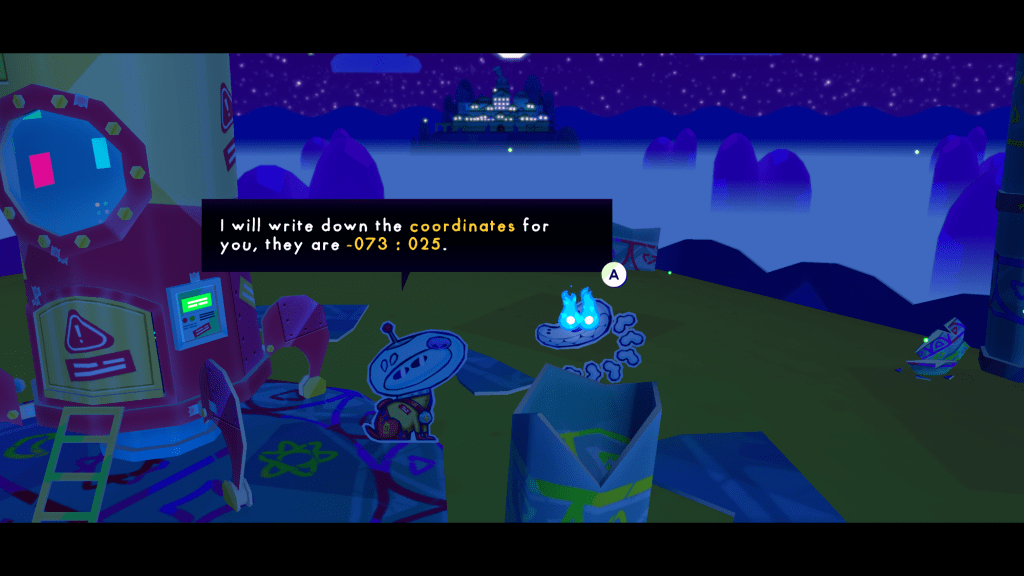
Kulebra and the Souls of Limbo, developed by Galla Entertainment, LLC (Galla), is an adventure game of sorts in the same vein as Paper Mario (but without the combat). The game primarily comes from two brothers from the Dominican Republic, but who are now based in Illinois. Kulebra is a colorful and hopeful yet somber journey through the underworld. The game begins with Kulebra, a boney snake, waking up in Limbo with no memory as to how he got there. A strange, bird-like lady guides you to the doorsteps of the valley of the dead and tells you that in order to find out what happened to you, you’ll need to help those in need. After a short introduction sequence, you’re introduced to a mother and daughter who can’t seem to sell the plants they have at their shop. Something is keeping them there and it’s your job to figure out why they can’t move on. Kulebra utilizes a Majora’s Mask-like time cycle split between day, evening and night; NPCs have routines and certain story beats can’t be progressed unless you meet particular conditions, although it’s not as strict as anything you’ll find in Majora’s Mask. If you run out of time, the day repeats itself, although you can leave permanent “Soul Marks” on people so you don’t have to repeat all the steps. I really liked the soundtrack in Kulebra as well. Composed by Zach Striefel and Clayton Tapp, each time of day has its own variation on the area theme, which is very cool. I especially liked The City of Plaza track.
It’s undeniable that the game looks and feels like a Paper Mario title, however. The characters and objects in the background are paper-thin but the buildings don’t fold and collapse as you enter areas and establishments. Kulebra is an adventure game at its core. There’s no combat in the game per se, but there are “boss” battles in a sense. Usually, at the culmination of a chapter, you’ll face off against the “darkness” version of the character you’re trying to help. A lot of the time, it’s more or less a menu-based “battle” that consists of multiple choice questions and the sort. The questions are mostly easy if you’re paying attention to the story, but if you need to recall any details, you have a Journal you can refer to which logs important information about each character in the game. Sometimes, a small puzzle or set-piece-like sequence is involved in order to “defeat” the boss. During these sequences, there’s a “Darkness” meter that slowly builds. If it hits 100%, it’s gameover. The penalty for “failing” is almost negligent, however, as you’re usually placed right before the section you failed (the checkpoints are very generous). These end-of-chapter scenarios are extremely well-crafted and packed with a lot of emotion. They’re some of the best moments in the game.
Although Kulebra is a mostly linear game, there are some optional quests and things to collect to extend its relatively short runtime. There are Bottled Messages to collect that contain messages (which is usually some sort of affirmation, a cute drawing or a note from the developer). In some of the late-game chapters, there are lost souls who need assistance before they can “pass over”, so to speak. A lot of these sidequests are more or less fetch-quests, but there’s not a lot of them, so they’re a welcome distraction between story bits. Finally, there are Pearls to collect which can be traded for various items throughout the game. These Pearls are the major collectable in Kulebra and can usually be found shining on the ground in tucked-away corners. Other times, you’ll have to roll into various objects like barrels, signs and trash cans to unearth them. The game does keep track of how many there are in each area, which is very much appreciated. There’s a surprising amount of items to purchase, some of which are required for sidequests, but they can also be used to temporarily boost your parameters. One item can increase Kulebra’s movement speed, which can be helpful during the game’s many stealth sequences, although it’s rarely required.
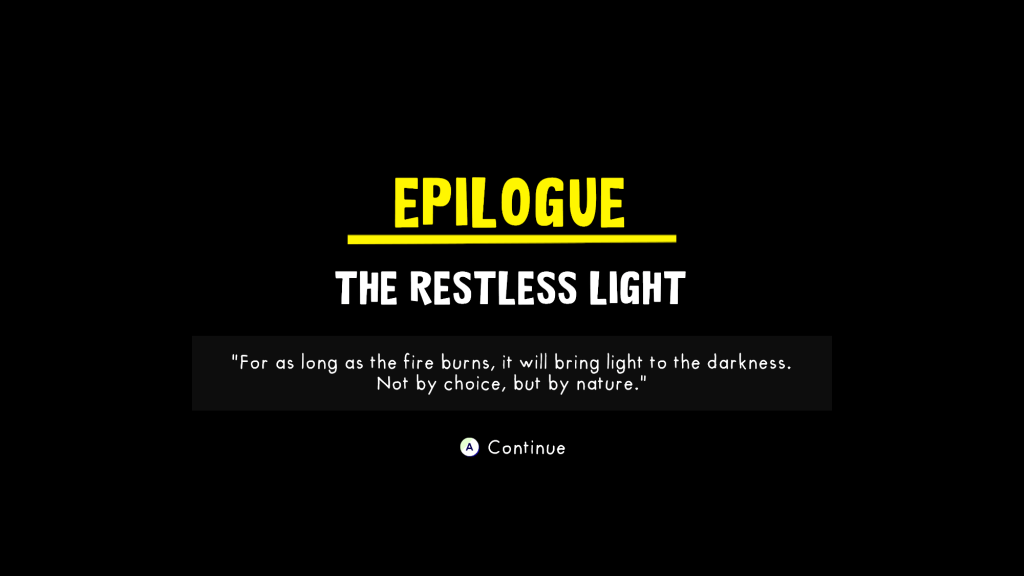
I completed the game at 100% with all achievements unlocked at 1000/1000. I actually bought the game first on Nintendo Switch, but later realized it was also on Game Pass, so I re-downloaded it there and finished the Xbox version. I did have to look up a hint for one of the hidden bottles, but nothing appears to be (thankfully) missable. I do think the game ends rather abruptly. When the credits roll, there’s an epilogue of sorts that feels like it sets the story up for additional content/DLC. You can freely explore the entire game at this point and finish/collect anything you may have missed. Ware there always plans to make an expansion or add content over time? Who knows, but I do hope the game did well enough to warrant some sort of expansion, a sequel or even a brand new game. This is one developer I will keep an eye on going forward. So many indie developers have tried their hands at making something akin to Paper Mario. There’s games like Bug Fables, Born of Bread, or even the troubled Outbound Ghost. I’ve played a bit of Bug Fables, but not the other two games, so I can’t speak to them. I just don’t think any other game in this particular style has captured the spirit and true essence of Paper Mario (and Yoshiro Kimura’s games to a degree) quite like Kulebra and the Souls of Limbo has. It’s easily one of my favorite games of the year.
Just a friendly bear who works in financial reporting that would rather be playing, writing or talking about video games. https://twitch.tv/unexpectedenemy








































 UnexpectedGames
3 Comments »