Just a friendly bear who works in financial reporting that would rather be playing, writing or talking about video games. https://twitch.tv/unexpectedenemy
My thoughts & impressions on the games I’ve played/finished during Q1 of 2025, including Mouthwashing, Symphonia, Electric Fairyland, ENDER LILIES: Quietus of the Knights, The Tale of Bistun and more…
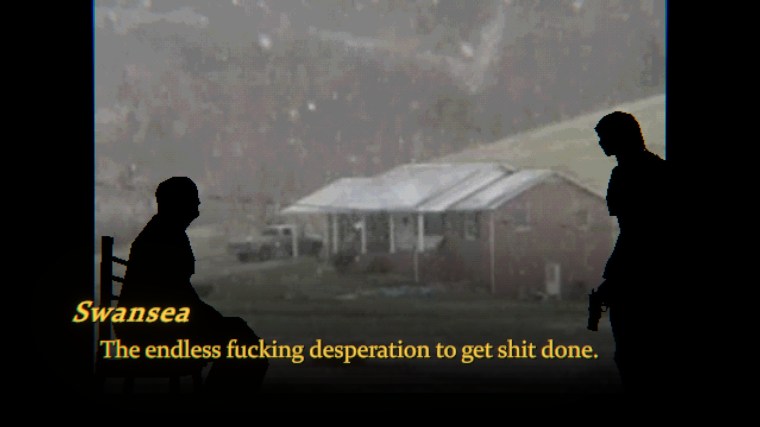
“The endless fucking desperation to get shit done.”
It’s been an interesting first three months of the year here in the United States. Finding the joy in things lately has been difficult, to say the least. At the time of writing this, I’ve completed my umpteenth busy season at work (I’ve lost count as to how long I’ve been doing this, but it’s been well over 10 years now). Staring at financial statements while a wannabe dictator takes over the country you live in hasn’t made it any easier to get out of bed in the morning, however. I refuse to let those in power take away the things I love and cherish most, though. It hasn’t be an easy start to 2025 (and I’m not sure it’s going to get much better), but I have my health, a secure job (for now), my loving husband, and my love of video games to help me through these strange, dark times.
The first quarter of 2025 saw a handful of big releases. I’m still in the middle of Monster Hunter Wilds, DYNASTY WARRIONS: ORIGINS, The Last Berserker: Khazan, Avowed, and ENDER MAGNOLIA: Bloom in the Mist, just to name a few, so I can’t quite speak to those games just yet. I’ve also since started Split Fiction and South of Midnight, but more on those games at a later date. The Nintendo Switch 2 reveal has come and gone, along with insane tariffs that have delayed the pre-ordering of the system here in the states. What hasn’t been revealed is the release date for my most anticipated release of 2025; The Big Catch. Fear not, I have created a video about the game for my YouTube channel to satiate your thirst for what’s likely to be my favorite debut indie game of 2025 (see embedded video/link above). In all of this madness, I somehow managed to finish 11 (12?) games during the first quarter of 2025. So, here are some thoughts/impressions on the games I managed to play/finish during the months of January through March.
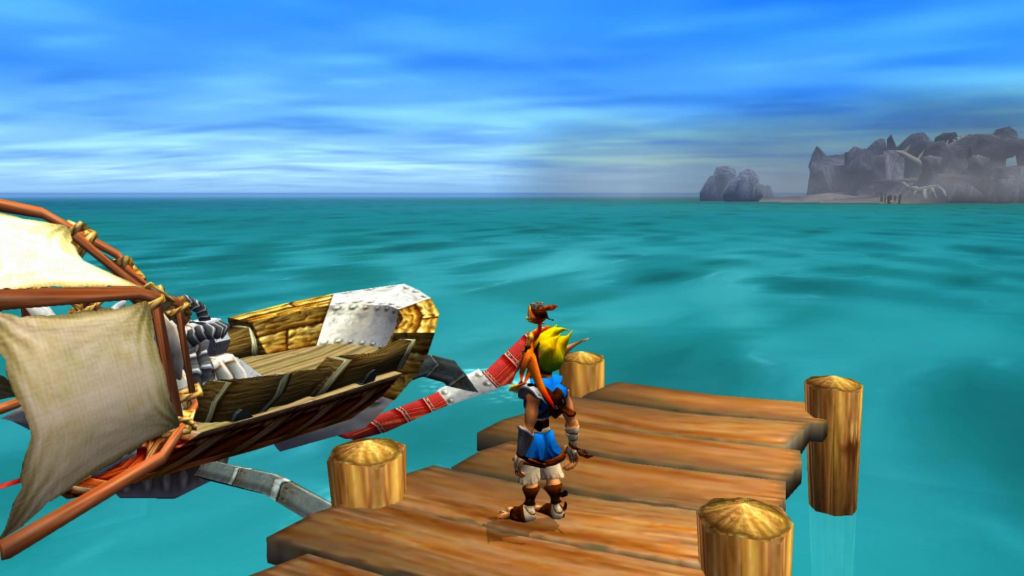
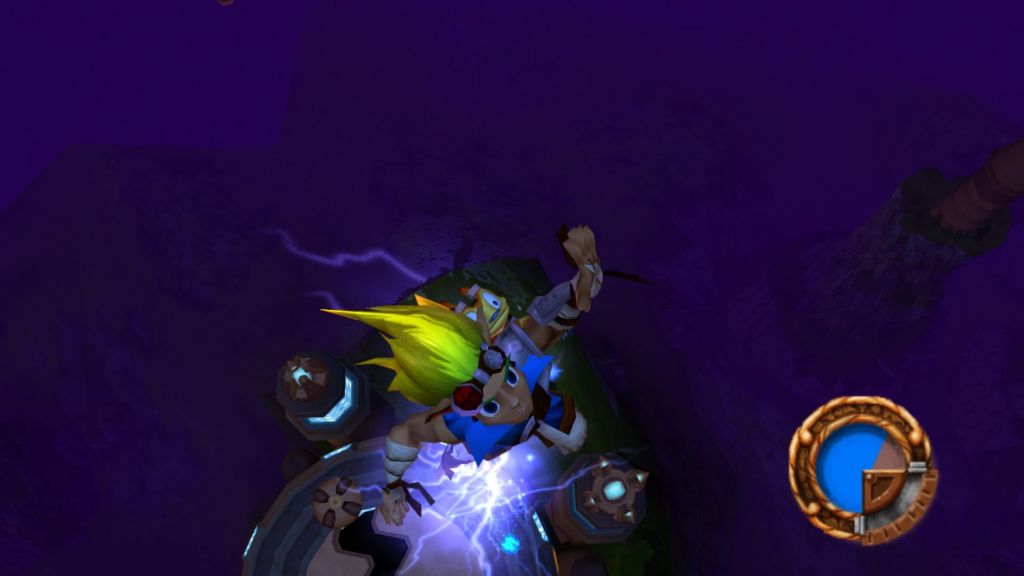
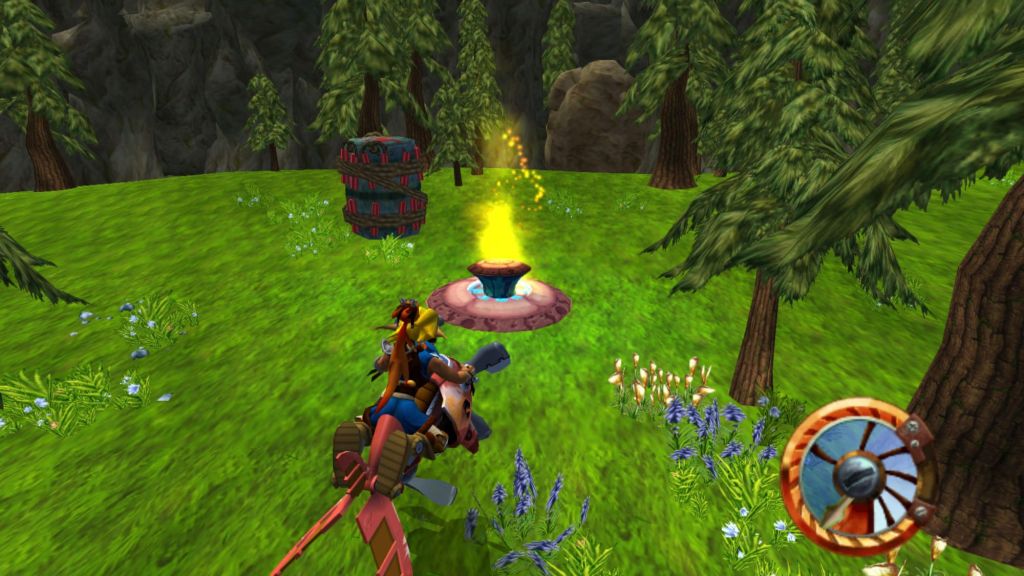
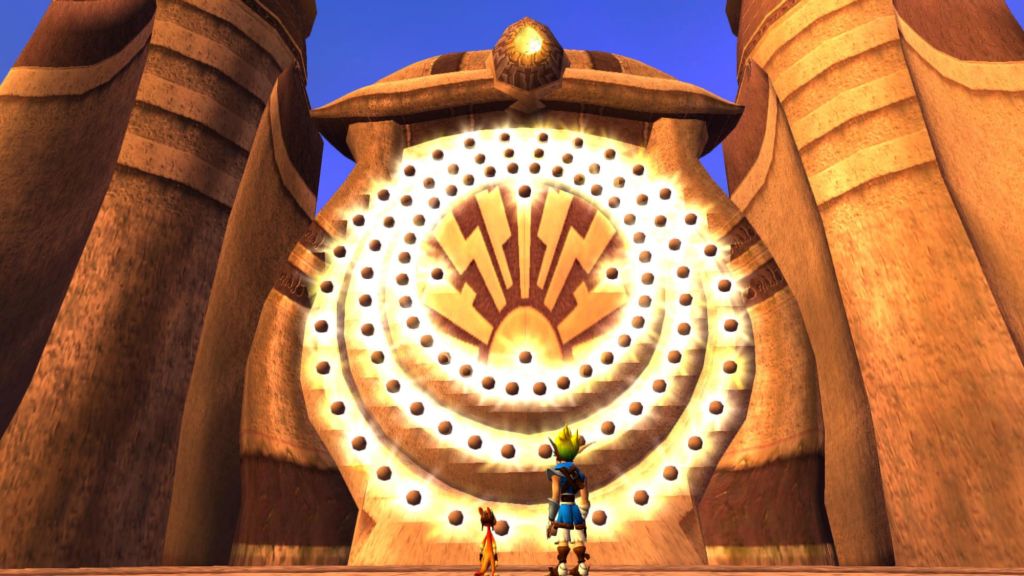
Game #1 of 2025: Jak and Daxter: The Precursor Legacy – Developed by Naughty Dog – Released on December 4, 2001 – Played on PS5 (revised PS2 emulator version) – Hours Played: 11
Jak and Daxter: The Precursor Legacy (J&D), developed by Naughty Dog, is a 3D platformer in the same vein as Super Mario 64 (SM64) or Banjo-Kazooie. The game follows Jak and his sidekick, Daxter, on a quest to turn Daxter back into his human(elf?)-self. The game begins with Jak and Daxter exploring ancient Precursor ruins when Daxter accidently falls into a pit of Dark Eco, a black, goopy substance that transforms Daxter into a rodent. Eco is an important resource in the world of J&D (think of it like oil or electricity) as it powers many objects, including Jak himself. Eco comes in a variety of flavors, such as Green Eco and Blue Eco, which restores Jak’s health and grants him increased movement speed, respectively. Across the land, there are Eco Vents for Jak to make use of, some of which must be activated first before using them. Unlocking some of the Eco Vents reminded me of hitting the colored switches from Super Mario World on the Super Nintendo Entertainment System (SNES) to gain access to new areas. Okay, maybe that’s not the best comparison.
The main collectable in J&D are Power Cells. They are essentially the Power Stars or Jiggies from SM64 or Banjo-Kazooie, respectively. The Power Cells, well, power objects and the sort in the world of J&D. Many of them are out in the open to collect, but a lot of them require a few additional steps. When you collect a Power Cell, J&D will do a unique animation to celebrate their newly acquired item. It’s something that SM64 first established and has been a feature in pretty much all 3D platformers since; when Mario obtains a Power Star, he’ll do a little twirl and give the peace sign. While this animation is happening, the controls are taken away from the character and the camera zooms-in on the player. It’s something I truly value/look for when playing a 3D platformer, both new and old. In J&D, there are many unique animations that play out when you collect a Power Cell. Jak will pump his fist usually while Daxter performs some sort of facsimile of a popular dance move. Fun times.
Each time I revisit J&D, I’ve always walked away with a new perspective. One of the game’s biggest selling-points at launch was the fact that the game had a seamless world with little-to-no loading times. Coming off of their previous series, Crash Bandicoot, J&D was quite the evolution for its time. It’s not quite SM64 levels of an “aha” moment, but it does do a few interesting things considering the sub-genre. J&D has a lot of adventure game elements that I really appreciate, especially comparing it to the 3D platformers that came before it. In Sandover Village, the first major area in the game, there’s a boat that will take you to a cursed area called Misty Island. To use the boat, you must first find the fisherman who owns it. The fisherman can be found in the Forbidden Jungle, which is a level you can access after you complete the tutorial area. When you first meet him, he’ll ask you to complete a fishing mini-game before he’ll allow you to use his boat. It’s this sort of quest-like structure that sets it apart from its contemporaries. These types of adventure game ideas are more present in the first half of the game, but it’s a design element that’s mostly carried throughout. I wish Naughty Dog developed these ideas more in the sequels, but I’ll talk about Jak II and 3 at a later date…
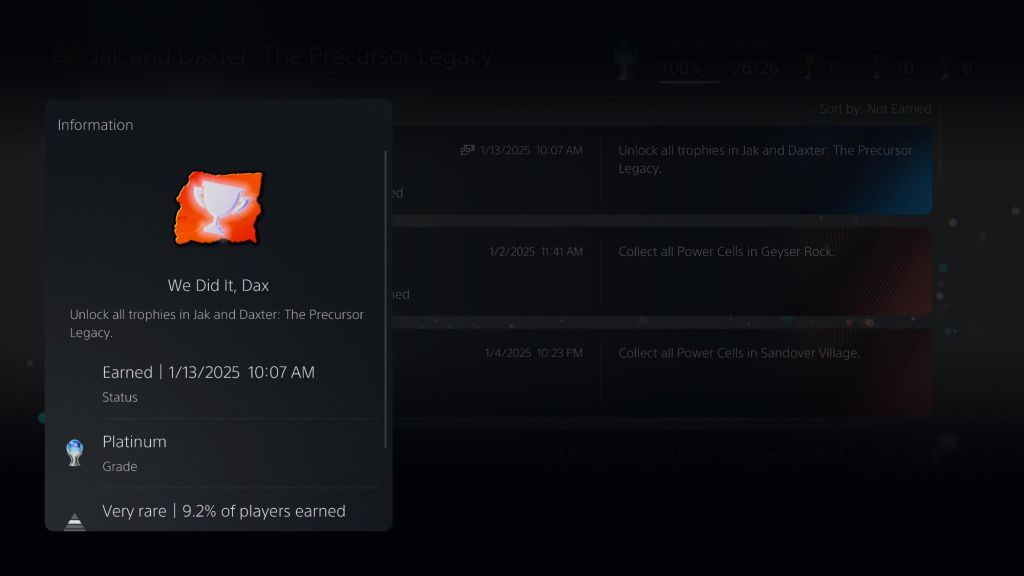
At this point, I must have replayed J&D at least a half-dozen times. The last version I played was the PS4 port from more than five years ago. With the release of the more recent PS2 emulation on the PS4/PS5, I figured it was time for yet again another revisit. I haven’t played J&D on original hardware in well over two decades, so I couldn’t tell you exactly what’s wrong with the new emulation. Although it’s been improved, industry experts have reported that it’s still not the definitive way to experience the PS2 classic. I completed J&D, once again, at 100% with the Platinum trophy earned. For trophy enthusiasts, the set for this version is slightly different from the previous versions, so if you’re looking for yet another excuse to revisit this game, have at it. Naughty Dog just announced their next game, Intergalactic: The Heretic Prophet. The naming methodology isn’t lost on me, either (Jak and Daxter: The Precursor legacy —> Intergalactic: The Heretic Prophet). I doubt this means anything in terms of the type of game Intergalactic will be, but a part of me hopes the game has some J&D DNA, at the very least. I just want a modern-day game from Naughty Dog that allows me to perform a double-jump, please.
Game #2 of 2025: Mouthwashing– Developed by Wrong Organ – Released on September 26, 2024 – Played on PC/Steam – Hours Played: 5
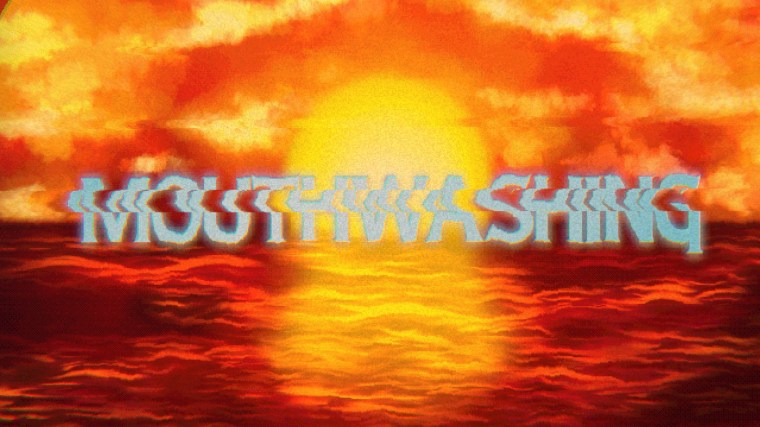
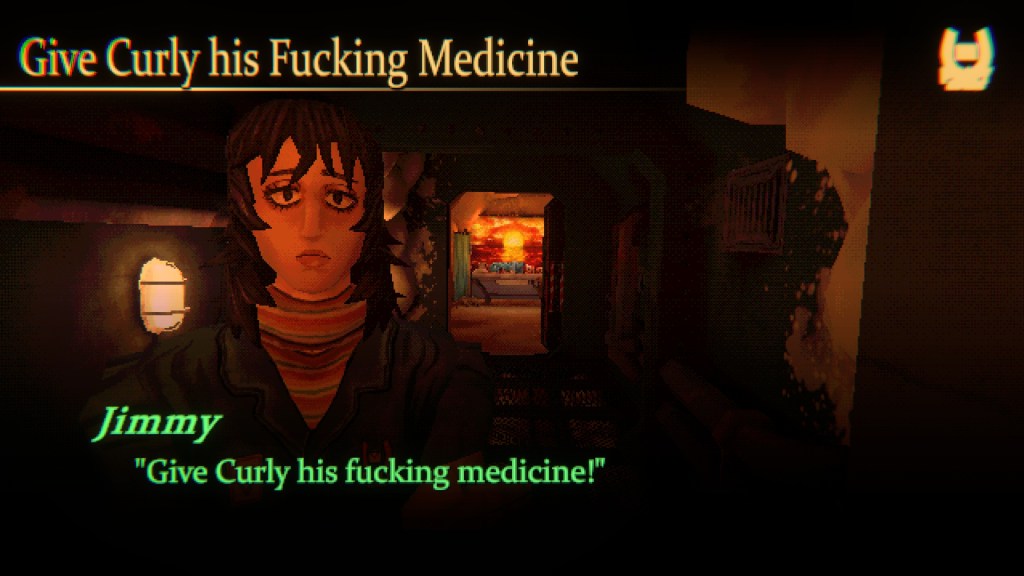
Mouthwashing, developed by Wrong Organ, is a first-person adventure game of sorts about a crew of spacefaring freight shippers who work for a company called, “The Pony Express”. The Tulpar crew’s job is to ship an unknown cargo to a destination far, far away. It’s not much of a spoiler as it happens within the first few minutes of the game, but it starts with the player redirecting the Tulpar ship into an asteroid. Fortunately, the crew survives (for now) thanks to the foam that deploys to keep the hull air-tight and in-tact. From there, the story unfolds over the course of a few days, jumping between the past and present. Mouthwashing’s strengths is in its characters and writing. The Tulpar crew is made up of a handful of interesting characters from all walks-of-life; there’s Curly, the “former” captain of the ship, who’s more or less a mummy on life support. Anya, the nurse/medic. Daisuke, the young and naïve intern. Swansea, the old, jaded and grizzled mechanic and Jimmy, the co-pilot of the ship. Oh, and don’t forget the company’s mascot, Polle!
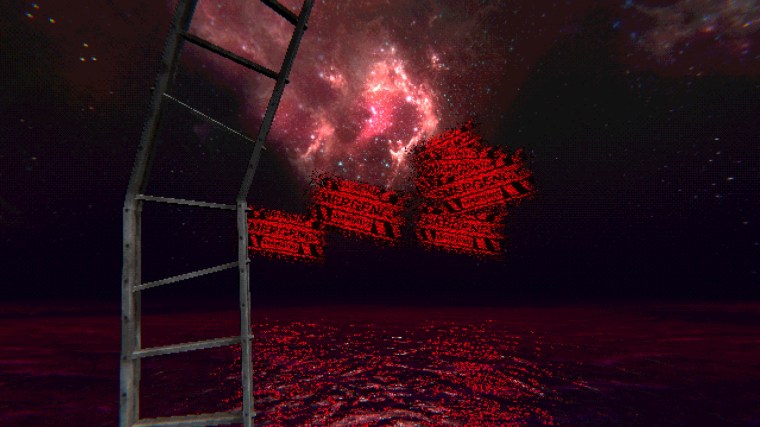
The gameplay bits in Mouthwashing isn’t much to write home about. Most of the game has you walking from point A-to-B, talking to members of the crew or retrieving an item or two to progress the story along. There’s a few sequences, however, that asks a bit more from the player. On your ship, there’s an automatic food processing machine and at some point, you’re given the task to bake a cake and concoct a drink. You must first collect the ingredients and then read a recipe book in order to create the items. The contraption has you simply selecting two different items from your inventory before combining them. It’s entirely menu-driven, so you really can’t mess anything up, but it certainly breaks the pace up a bit. Furthermore, there’s a light “stealth” section that’s pretty terrifying, but I won’t spoil the details here. I do like the transitions from scene to scene; the game sort of freezes and pixelates in a way where the screen sort of melts when transporting the player to a new chapter. It feels like something is wrong or that your game is crashing, which compliments the tone of the game (because there’s something very, very wrong here!).
Swansea, who’s the mechanic on board, delivers a line at one point that reads, “The endless fucking desperation to get shit done.“. This line really resonated with me, for a variety of reasons. For one, as someone who’s been working in financial reporting for over ten years, the first quarter of the year (from January through March and a bit of April) is our busy season, which means long days/hours and little-to-no social life. Like many companies during the 2020 global pandemic, we went completely remote during this period. As people became vaccinated and started to return to some sort of post-COVID life, we shifted to a hybrid in-office/remote work schedule. Whether I was in the office or at home, for about three months out of the year for the past decade or so, I found myself more or less completely isolated from the world. Perhaps the Tulpar crew felt the same way?
As someone who likes to play A LOT of video games, I never have as much free time during this time of the year. Need to schedule a doctor’s appointment or get sick? Forget about those overtime (OT) hours! It can be a lot and honestly, it sucks (hence the endless fucking desperation to get shit done). In the past, it seemed like the first few months of the year only saw a few new releases. Now, it seems like there’s no “slow” time of the year anymore, especially for someone like myself who has a broad range of tastes/interests. Between work and finding the time to “get it in”, so to speak, I’ve been doing this grind for well over a decade now. Has it been worth it? I couldn’t tell you… but the benefits are good, I suppose? More importantly, I am now married and have my husband duties, so to speak. I just hope I don’t end up like Swansea some day…
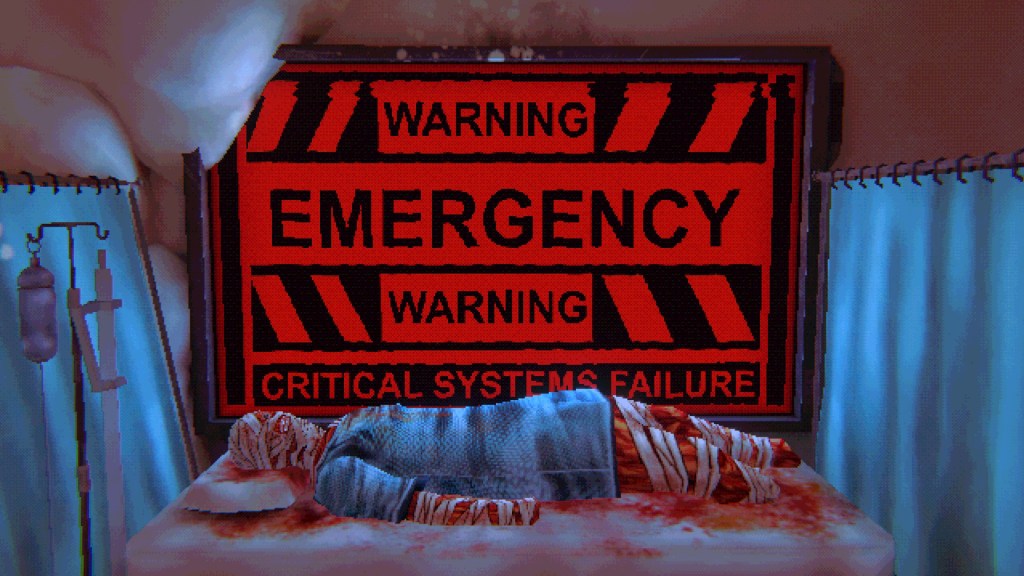
Pictured above is one of the main characters from the game, wrapped-up in bandages on a table, severely burned and on the verge of death. In the backdrop, a static screen in large, black font reads, “WARNING EMERGENCY WARNING CRITICAL SYSTEMS FAILURE”. Perhaps a sign for the things to come here in the United States of America (it’s already here) and our democracy as a whole. Even though the sight of this screen makes me really depressed, it’s one of my favorite “WARNING” screens of 2025 (the game technically released in 2024, but it’s getting console ports this year, so it counts!?). Some “chapters” or “segments” are a just few minutes long. The game jumps back and forth between current and past events, too. At times, it feels like you don’t always know who you’re playing as. Like any good phycological horror game, environments will start to bend and change as the story unfolds. While there are a few jump scares, the game doesn’t rely on them. You’ll become quite intimate with the Tulpar ship as well. It’s a small space; there’s a mess hall, a medic bay, the cockpit, the cargo room and a few corridors and stairways that serve as the connective tissue between areas. In various chapters, there are a few hidden ID cards to collect representing each member of the Tulpar crew. You’re kind of here for the characters and story, though.
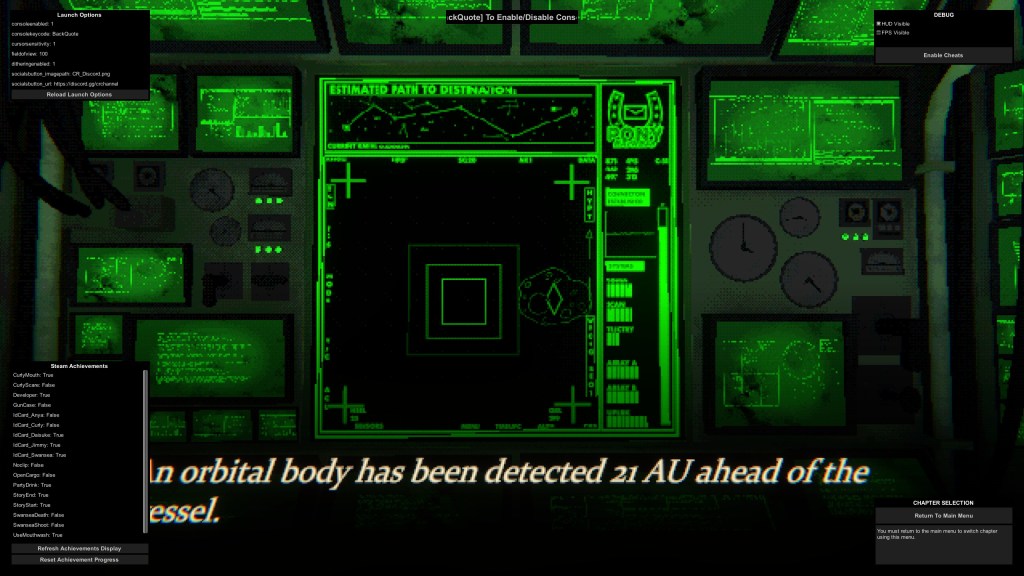
Mouthwashing is about a two and a half hours long. You can double the amount of time playing the game if you try to 100% it, however. There are a handful of achievements to earn on PC/Steam, some of which are fairly difficult to unlock. I had to look up a few of the secrets because some of them are very obscure. While there’s no traditional chapter select, there is a hidden “debug” mode where you can enable cheats, warp to a particular scenes and more. One of the achievements requires the player to clip through the environment and reach a certain area under a very strict time limit. It’s the kind of game you’d see someone speed-running at Awesome Games Done Quick (AGDQ) at 2:00am. I completed the game at 100% with all achievements unlocked. I can’t say if I enjoyed my time with the game, however. It’s kind of a depressing state of affairs. There’s some good lines, a few memorable character moments and sequences, but it all sort of left me feeling indifferent and kind of sad. Shit’s bleak. Who cares what I think, though. Polle says, “Play Mouthwashing!“.
Game #3 of 2025: Symphonia – Developed by Sunny Peak – Released on December 5, 2024 – Played on PS5 – Hours Played: 7
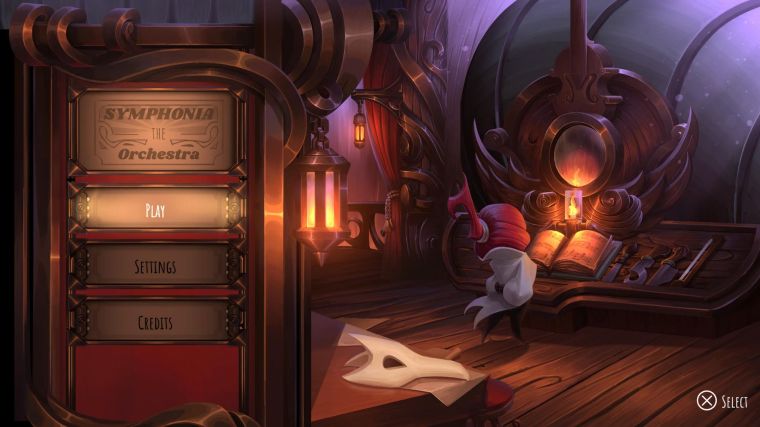
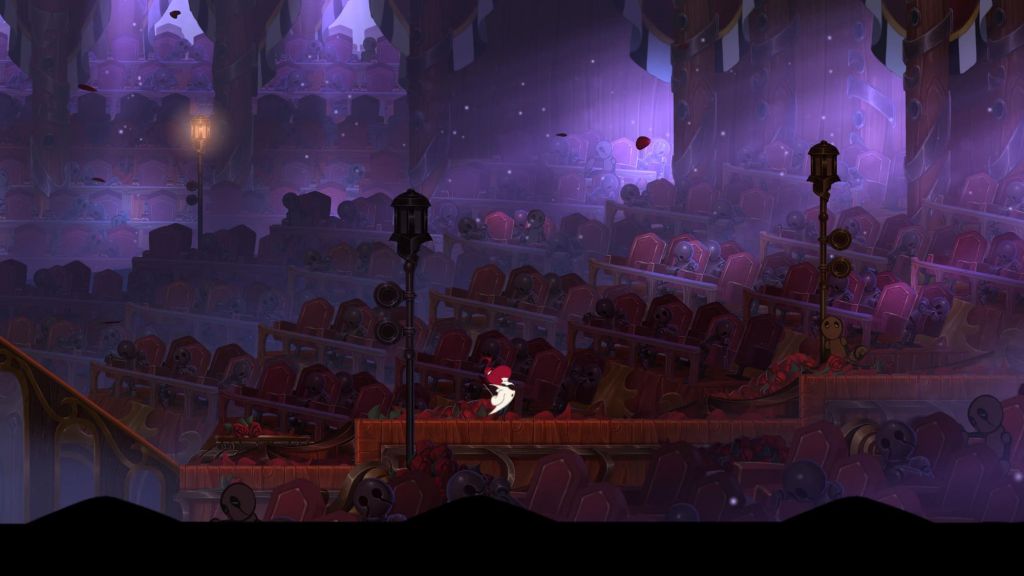
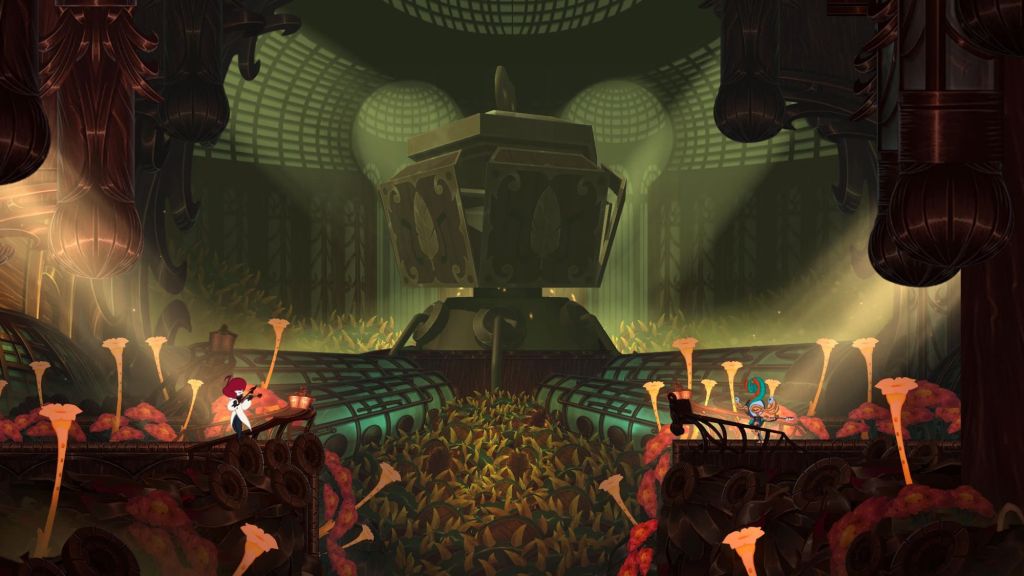
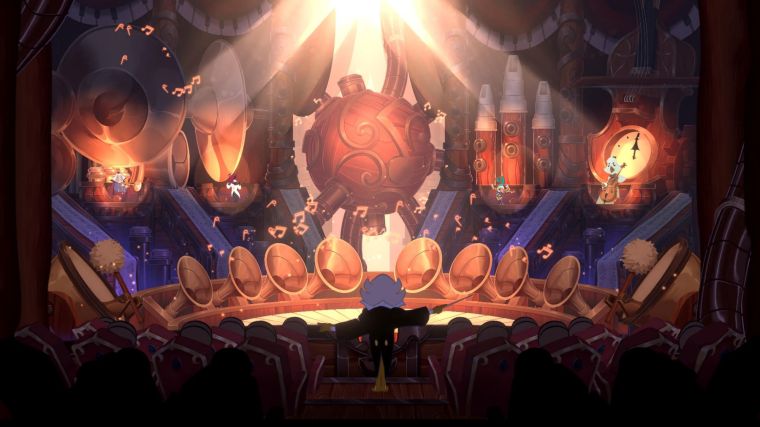
Symphonia, developed by Sunny Peak (and not to be confused with Tales of Symphonia), is a minimalistic, precision-based, 2D action-platformer with some light Metroid elements. The developers are based in Paris and consist of a staff of 13 individuals. The group are graduates of ISART Digital, a college in France, and they first released a version of this game on itch back in the Summer of 2024. The game begins with a fairy nice animation sequence. The visuals are a blend of 2D art with 3D objects in the background (not unlike 2024’s Nine Sols). The mix of visual styles is mostly notable during the musical duet sequences, but more on that later. The soundtrack, composed by Olivier Esman and Alexandre Bucas-Francais, is also very classy and quite fitting, considering the Scoring Orchestra Paris was involved with the creation of the music. Each area of the game is centered around a family of instruments: Strings, Brass and Woodwinds. GameTrailers did a really nice behind the scenes video on how the soundtrack was made, too.
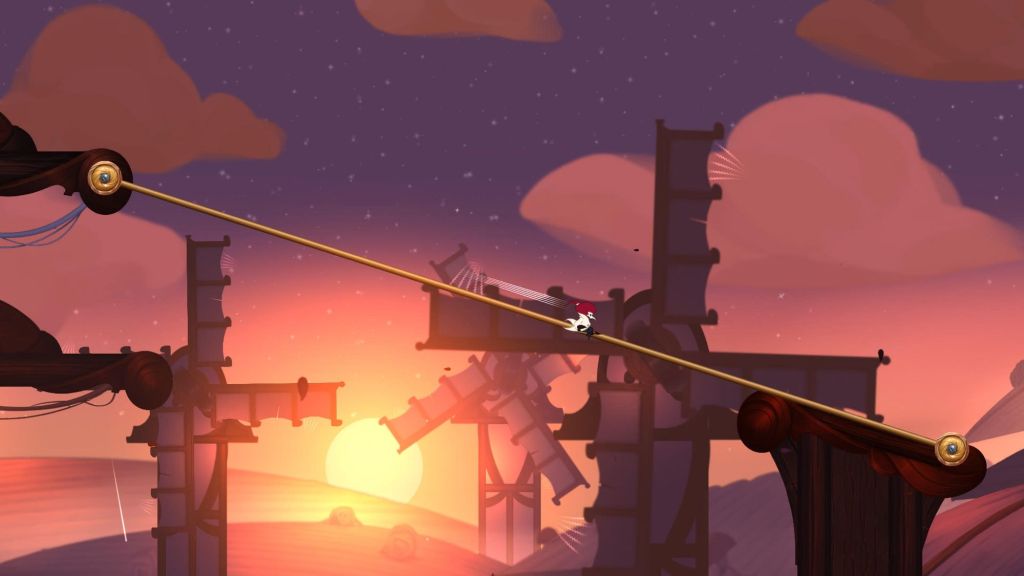
The Kingdom of Symphonia has fallen and the orchestra members who once brought life to the realm have been disbanded. A lone robot brings back a virtuoso violinist named Philemon to save the kingdom and restore balance to the world. Using your violin and bow, Philemon can bounce and launch themselves on particular surfaces in order to traverse the environment. At times, you need to use the momentum built from launching yourself across rooms to solve platforming sequences. The player can also play the violin by holding the triangle button, which activates switches and other contraptions in the background. Additionally, there are hidden notes in the background/foreground, many of which are very hard to find. If you play your violin in front of a hidden note, you’ll collect it, and after enough of them have been procured, your Aura will increase. Philemon’s Aura is simply the size of the musical field they generate when playing the violin. I’m not sure exactly what this is used for, however, as you pretty much have to be standing right on top of switches/contraptions in order to activate them with your music.
The world of Symphonia has many collectables to discover. In addition to the aforementioned hidden notes, there are coins and Memory Fragments to discover. Similar to how you collect the Strawberries in Celeste, you must first grab the coin and land in a safe spot for them to register. The coins are usually positioned above some sort of hazard or pit. After the introduction area, which essentially teaches you how to play the game, you’ll arrive at a hub area of sorts where the game branches off into three different zones. Each zone is occupied by a former member of the orchestra. There’s no dialogue in Symphonia, but there are secret letters to collect which provide some backstory for each musician. What’s most impressive about the game is the restraint it shows in a few areas. There’s no enemies or combat. You would think you’d have to fight each orchestra member or some sort of boss-type character at the end of each level, but that’s not the case. Instead, you simply perform a duet with the respective orchestra member to “restore” the area that’s been corrupted.
How the game approaches its Metroid-like abilities is very interesting, too. They’re essentially treated like accessibility options. The player can toggle each ability on/off from the menu once unlocked. To unlock new abilities, you need to collect hidden Memory Fragments, which are tucked away in secret challenge rooms that offer the game’s most challenging content. The game can apparently be beaten without using any of the unlocked abilities, but I chose to activate one particular ability for my first playthrough. One of the first abilities you unlock is the double jump. It just didn’t feel right to play the game without it. You can also slow/increase the game speed, make your violin bow bounce on any surface (including spikes), and more. I completed the game at 100% with everything collected. I only had to look up the location of one of the hidden notes. You can unlock a Hardcore mode and Shadows Chase mode after you finish the game, but for now, there are just far too many other games I need to play first before even thinking about buying another ticket to see the symphony again.
Game #4 of 2025: Electric Fairyland – Developed by Olivia Haines & Andy Brophy – Released on August 26, 2024 – Played on PC/Steam – Hours Played: 9
The year is 199X. You’re playing games on the Sega Genesis, sitting far too close to the big-box TV on the floor. Your mom yells down the steps saying it’s time to go to your cousin’s house. Your aunt and uncle are holding their annual summer afternoon pool party and barbecue. You quickly shutoff whatever game you were playing (probably Ristar), run up the steps, get changed, and grab your Game Boy for the road trip. You and your siblings hop into the 199X Ford Taurus, put your seatbelts on, and off you go. Your dad is blasting Peter Gabriel era Genesis in the car, but halfway through the drive, you remember that you brought your Game Boy! Trip redeemed. As you attempt to power the system on, nothing happens, however. The batteries are dead. Trip ruined. You suddenly realize that you’re going to have to succumb to whatever entertainment is at your disposal at your cousin’s house. After a few laps in the pool and a hotdog or two, you’ve had your fill of “touching grass”, so to speak. It’s time for video games. As you walk about your cousin’s house, still dripping with water from the pool, you happen upon their desktop computer. You sit down and squint at the tiny monitor and before you can even grab the mouse, your cousin sneaks up behind you and says, “We have this game called Electric Fairyland!Ever heard of it?“.
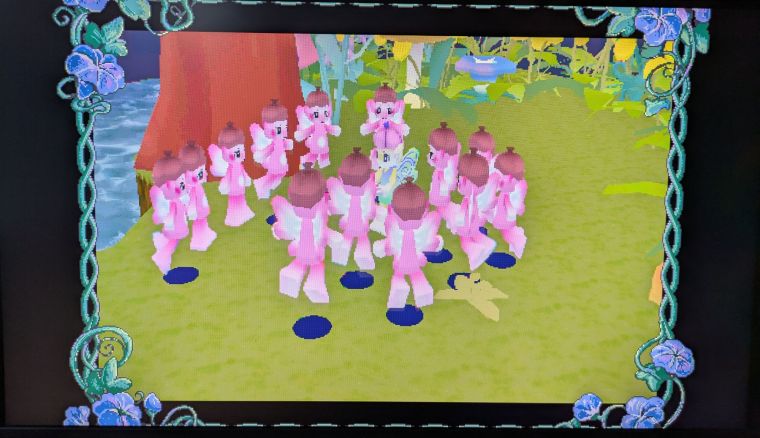
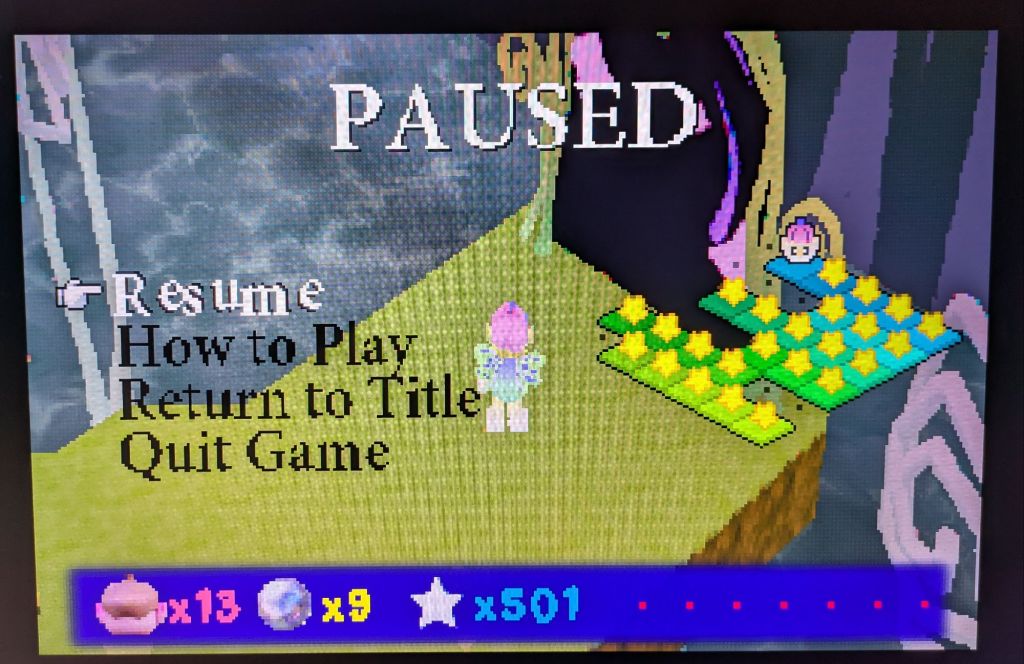
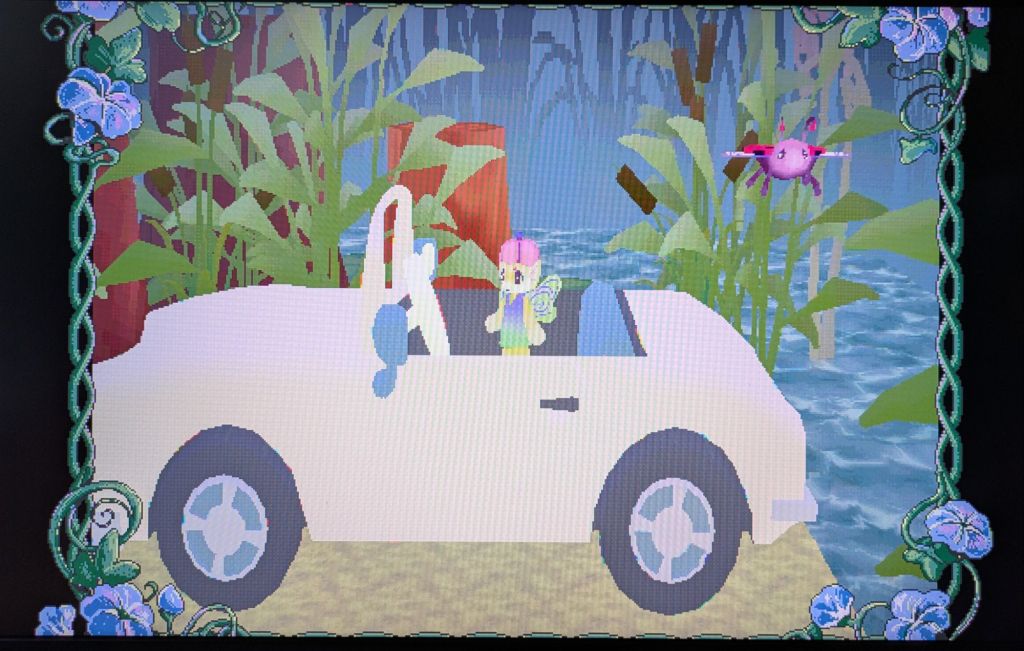
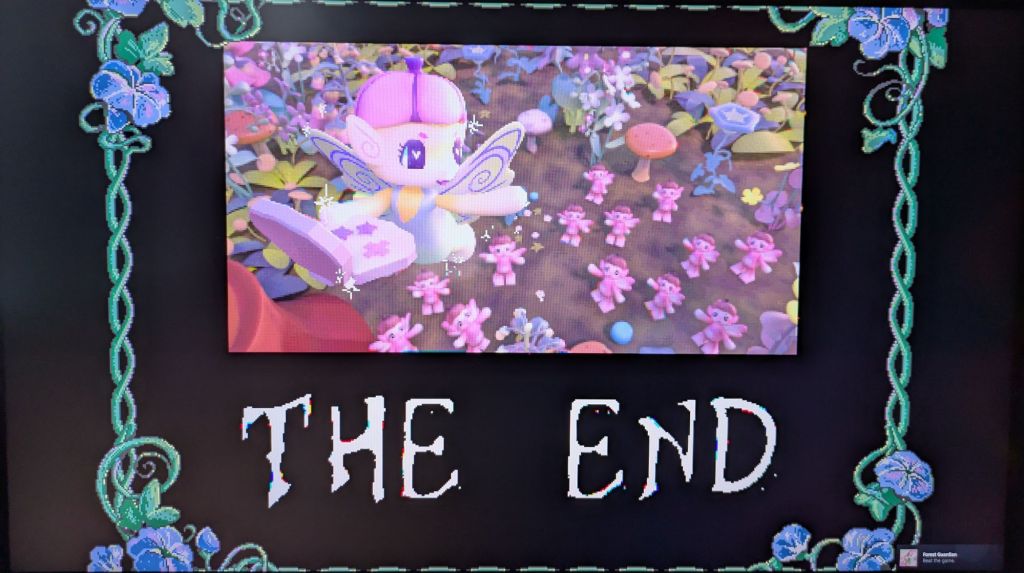
Of course you haven’t, but the pickings are slim, as they say. You boot-up the game and become completely enamored by it. Hours pass and before you know it, it’s time to go. You hop back in the car (now with some extra batteries in tow thanks to your uncle) and head home. 20 years pass and you can never recall the name of that game you played at your cousin’s house. That’s what Electric Fairyland feels like. It’s the type of long-forgotten gem you’d discover on your aunt and uncle’s home computer and it’s honestly the best endorsement I can give it. The game, developed by Olivia Haines & Andy Brophy and published by dinko, is a simple 3D platformer with a PS1/Sega Saturn era visual style. It feels like the type of game that would have sat alongside something like Astal on the Sega Saturn. Electric Fairyland has a sort of storybook presentation style and begins with your character discovering a portable gaming device in the woods. After opening the clam shell device, the girl is whisked away to a magical world filled with gnomes, fairies and other magical creatures. The entire game takes place in a miniature garden of sorts where you’ve been shrunk down.
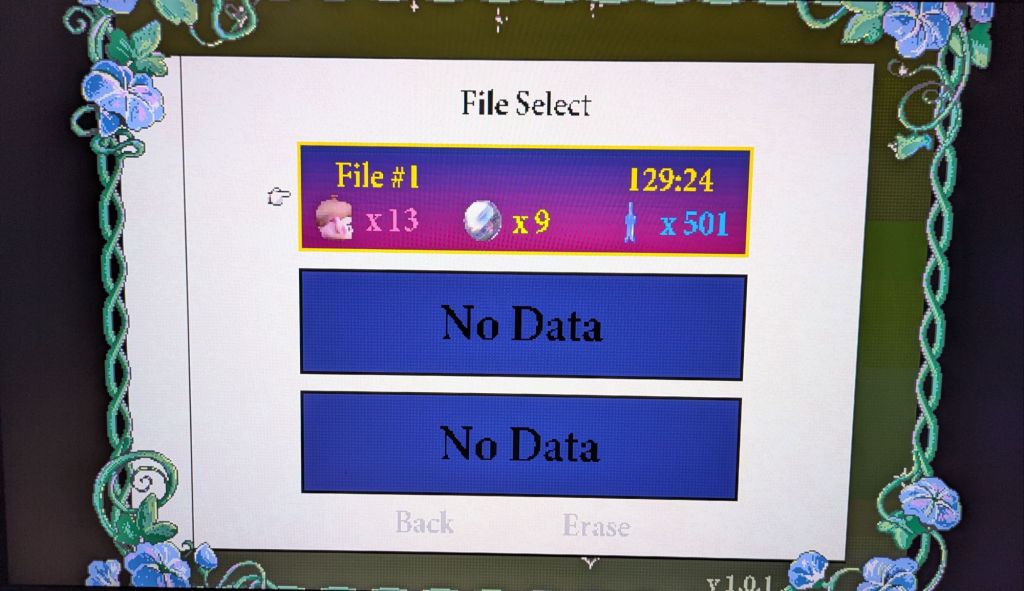
Electric Fairyland is a really simple game; you can walk, run, jump and float. The game is comprised of interconnected square rooms. There is no combat in the game, so the goal of each room is to collect a certain amount of stardust to unlock the portal to the next screen. In addition to the stardust, there are hidden red clovers to collect, which are required to access new areas. There are secret marbles to collect, too. The marbles are purely optional and many of them require some sort of interaction with the environment (like jumping up and down on a particular object to reveal it). Most of the required collectables are placed in clear sight, but many of them require you to jump on bouncy flowers and the sort to collect them. The game never teaches you this mechanic, but based on the height of your fall when landing on a bouncy object, the higher you’re launched. Electric Fairyland is a pure platformer, collect-a-thon and I was totally there for it.
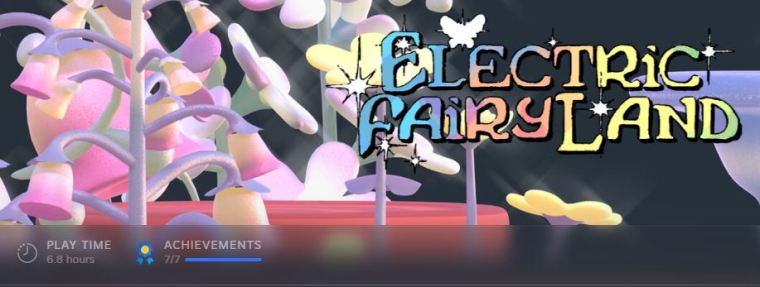
I would be remiss if I didn’t mention how awesome the soundtrack is. The music, of which there are only 4 tracks, composed by BARCHboi, is incredible and suits the game’s 80s ethereal vibes. The Pond Waters Reflection is my favorite piece from the game. I can’t really put it into words what this track does to me, but it certainly takes me places. I completed Electric Fairyland with everything collected and unlocked all of the achievements on Steam, including the speed-run achievement for beating the game under 20 minutes, which was rather difficult! I even made a video showing how I routed the game for my YouTube channel. I really enjoyed my time with Electric Fairyland and I can’t wait for the developer’s next game, Surf Club.
Game #5 of 2025: Valfaris: Mecha Therion – Developed by Steel Mantis – Released on November 21, 2023 – Played on PS5 – Hours Played: 9
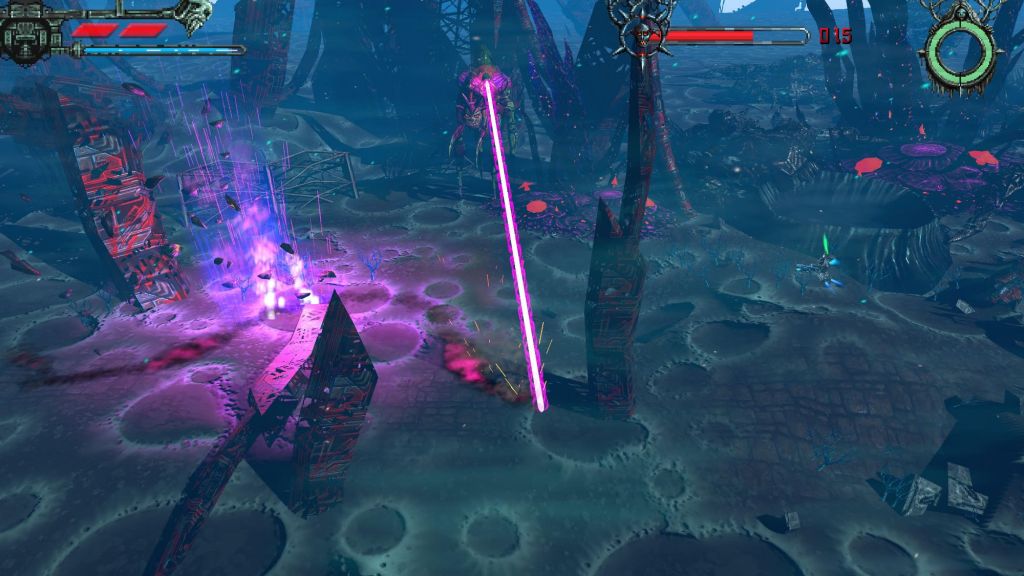
Valfaris: Mecha Therion, developed by Steel Mantis, is a 2.5D side-scrolling shoot ’em up and a direct sequel to Valfaris. Actually, Mecha Therion ties all three of the Steel Mantis games together, Slain included. You take control of Therion, who seeks revenge on his father, Vroll (for reasons I cannot recall). Therion wields a sword that contains the soul and essence of his brother, Bathoryn, who was apparently the main character from the developer’s first game, Slain. I did not remember any of these details and I’ve played through both Valfaris and Slain, years ago, mind you. The game doesn’t do a good job at “catching you up”, however, the story sort of takes a backseat here. Aesthetically, the game reminds me of the classic 2.5D arcade shooters on the PS1, games like G-Darius, R-Type Delta or even Einhander. The character models and backgrounds have that chunky, semi-low poly count; the game’s got that early PS1 grittiness that feels/looks relatively authentic to the era its inspired by. Mecha Therion also has that signature Steel Mantis heavy metal soundtrack too, but more on that later. The most interesting thing about the game is that it’s more of an adventure/shoot ’em up hybrid than an arcade shooter. The pace of the game is much slower by genre standards, which isn’t necessarily a bad thing.
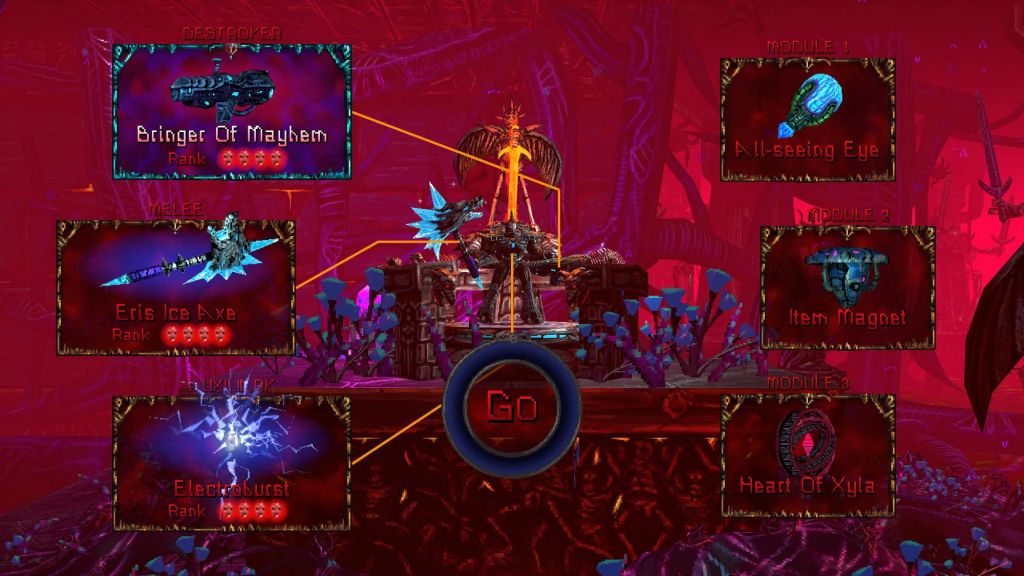
There are three weapon types in Mecha Therion; Destroyer, Melee, and Auxiliary. Destroyers are the primary ranged weapons. One Destroyer might be a flame thrower or my favorite, the Soul Eater, which literally eats everything in front of you (it’s also a secret unlockable weapon you can discover by finding secret parts scattered throughout the game). You also have a melee weapon which can be used to attack enemies at close range or even destroy particular bullets. The Destroyers require energy to use, but you can regain energy by attacking enemies with your melee weapon. The neat thing about the melee weapons is how you can utilize them during certain boss battles. A lot of the more humanoid bosses will charge at you with their weapon, but if you dash towards them with the R2 button, you can enter a clash-like state where you need to mash the square button in order to overpower them. There is a cooldown on this mechanic, however, so you can’t spam it. It’s also good for dashing through projectiles as you do gain invincibility frames. The camera zooms in during these duals for a cinematic flair and it just looks really cool. I am disappointed that there’s no “WARNING BOSS APPROACHING” screens before boss battles. Unlike a lot of shoot ’em ups, you can also change your direction and fire backwards. You’ll be asked to do this quite often, too. Finally, you have an auxiliary weapon that sort of acts as the traditional screen-clearing “bomb” found in most arcade shooters. In terms of the auxiliary weapons, I landed on the Electroburst, which acts sort of like chain lightning, but there’s plenty of options/builds to choose from to suit your playstyle.
The game’s presentation is also pretty slick. The developers utilize dynamic camera angles to create dramatic scenes as you fly in and out of the background. Sometimes, it can be a bit disorienting when the camera zooms out and will often cause unnecessary deaths, but it looks awesome. I think the levels are a bit too long for my liking, but because it’s more of a campaign-driven game, it sort of works in its favor. They also do a good job at creating a space where it feels like the enemies exist. Shark-like monsters and the sort will jump out of the background into the foreground, for example. The enemy variety is pretty good as well and there are a ton of mini-bosses, with unique boss encounters at the culmination of each stage. Unlike pretty much every other arcade shooter, there’s no points or high-score. Instead, you have an experience meter that gets filled when an enemy is destroyed and when it’s full, you obtain a Blood Metal, which are used to upgrade your weapons/gear when resting at checkpoints. There’s a risk/reward mechanic too where if you keep killing enemies without taking a hit (or landing at the checkpoint areas), you will encounter “Champions”, which reward Blood Metals when defeated (I think?). Then there are the Modules, which are accessories you can equip (up to three). There’s one which allows you to find the hidden areas more easily while another magnetizes/pulls item pick-ups towards you.
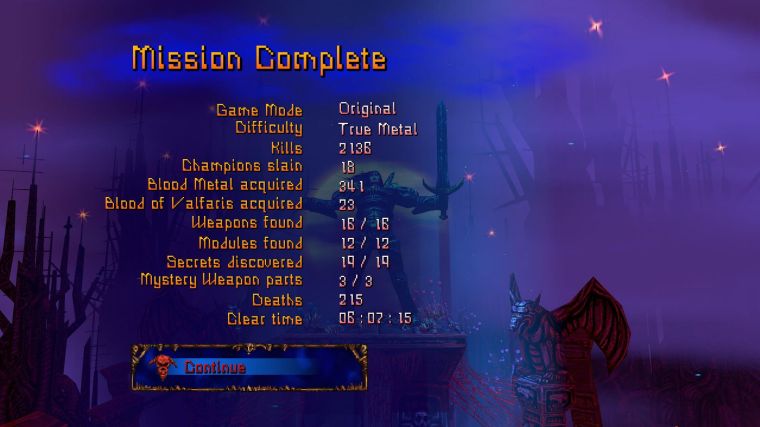
I’m honestly not the biggest fan of the soundtrack in any of the Steel Mantis games. While I’m a metal head at heart, I tend to prefer and align myself to the progressive metal//djent/metalcore side of things. Nothing against former Celtic Frost guitarist Curt Victor Bryant, although the music fits the tone and look of the game, I’m just not a big fan of black/death metal. It did make me think about how cool it would be if bands like Animals as Leaders, The Contortionist or Periphery composed a video game soundtrack, though. Could you image playing a shoot ’em up composed by Scale the Summit? Imagine your character/ship flying onto the screen with rolling green hills in the background while this track starts playing. Could you image a game composed by Polyphia!? I completed Mecha Therion twice; once on the Great Horned One difficulty and a second playthrough on True Metal mode, which is the difficulty you unlock after beating the game (where you also die in one hit). Fortunately, there’s a new game+ mode where all of your weapons/gear carry over, but the game automatically boosts you to the next highest difficulty (I don’t think there’s a way to lower the difficulty on the same save file). Finally, there’s an unlocking score-attack mode, but I haven’t tried it yet. I think it’s cool that they made a mode in a more traditional shoot ’em up sense, though. I really, really liked Valfaris: Mecha Therion. I think it’s the developer’s best game to date and I will be there day-one for their next game.
Game #6 of 2025: Mika and The Witch’s Mountain – Developed by Chibig and Nukefist – Released on January 22, 2025 – Played on PS5 – Hours Played: 5
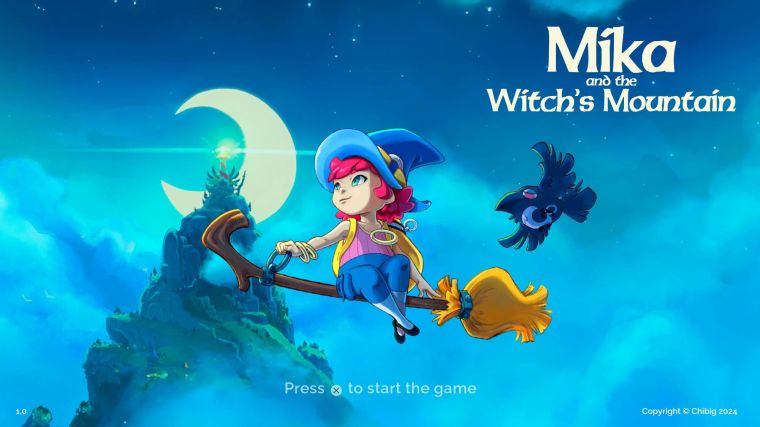
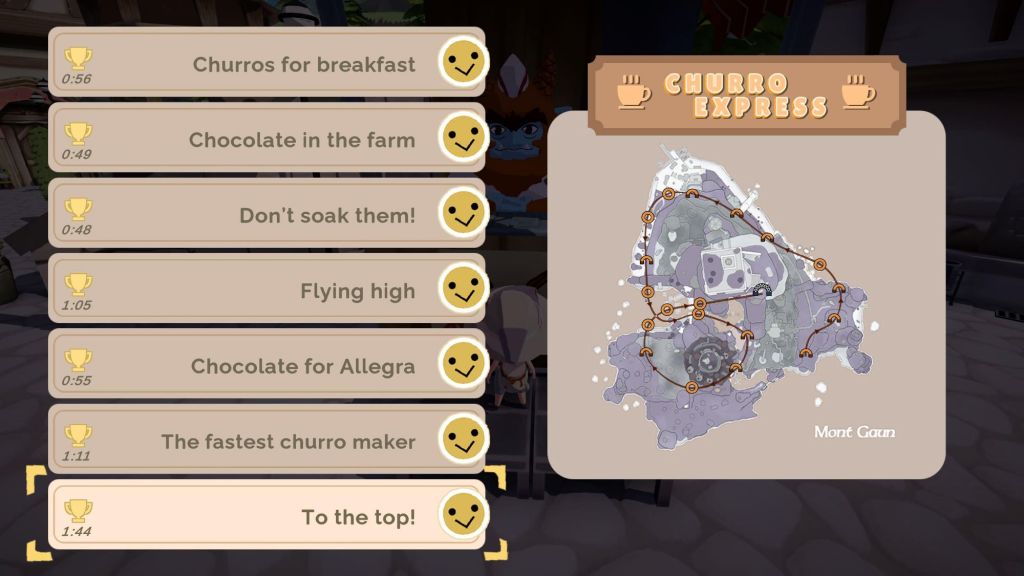
Mika and The Witch’s Mountain, developed by Chibig and Nukefist, is an adventure game of sorts with 3D platformer elements where you fly around on a magical broomstick delivering packages to residents of an island. After ascending the top of a mountain on the island to become a Witch, your mentor tosses you down below to learn a valuable lesson or two. The game takes place on a tropical island full of residents who have various problems, most of which involve you delivering some sort of parcel. Aesthetically, it’s easy to liken the game to The Legend of Zelda: Wind Waker, considering it’s cell-shaded visual style (and the fact that it takes place on an island). The main “hook” of Mika and The Witch’s Mountain is its delivery system, however. The game rates your deliveries based on three separate categories; how damaged the package is on delivery, how wet the package is, or how quickly the package is delivered. It’s very rare for the game to throw all three categories at you at once. More often than not, you simply have to either not let the package take damage or keep it dry. Why/how a package gets damaged is a little finnicky, though. Sometimes, it’s very clear why/how you damaged your package, but sometimes, it feels like the durability of some items is far too sensitive. Regarding the time limit deliveries; you almost always have more time than you need. It’s a fairly easy (and short) game.
When you’re not making deliveries, there are hidden “Napopo Figures” to collect around the island, which can then be exchanged for cosmetics and the sort. Some of these cosmetics include outfits for Mika, in addition to “Trails”, which are unique particle effects that your broomstick leaves behind as you fly around. There are also various charms to equip to your broomstick (which are simply there for aesthetic purposes). You can even discover tarot cards which contain detailed illustrations of each character from the game, but they’re purely for collection purposes. To find a card, you actually have to perform a dive bomb of sorts from your broomstick into these huge stone pots that are scattered about the island. Finally, like any good semi-open world game, there are optional ring races to engage with, which when completed, you’re awarded with some additional Napopo Figures. I had more fun completing all of the optional tasks than the main delivery objectives, honestly. The music, composed by Adrián Berenguer, is whimsical and suits the game’s cozy and colorful atmosphere well enough, but it’s not an OST I’d listen to outside of when I’m playing the game.
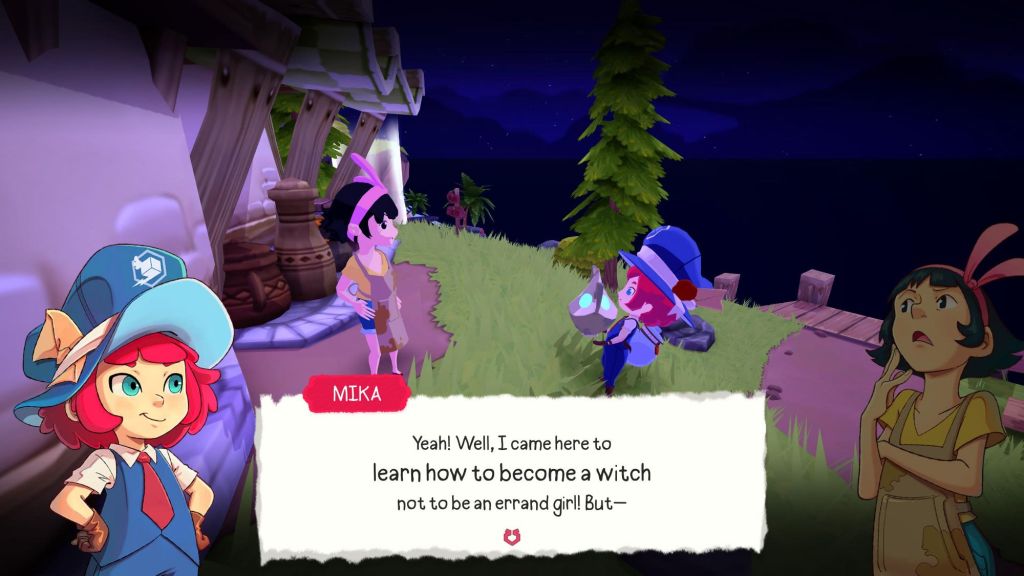
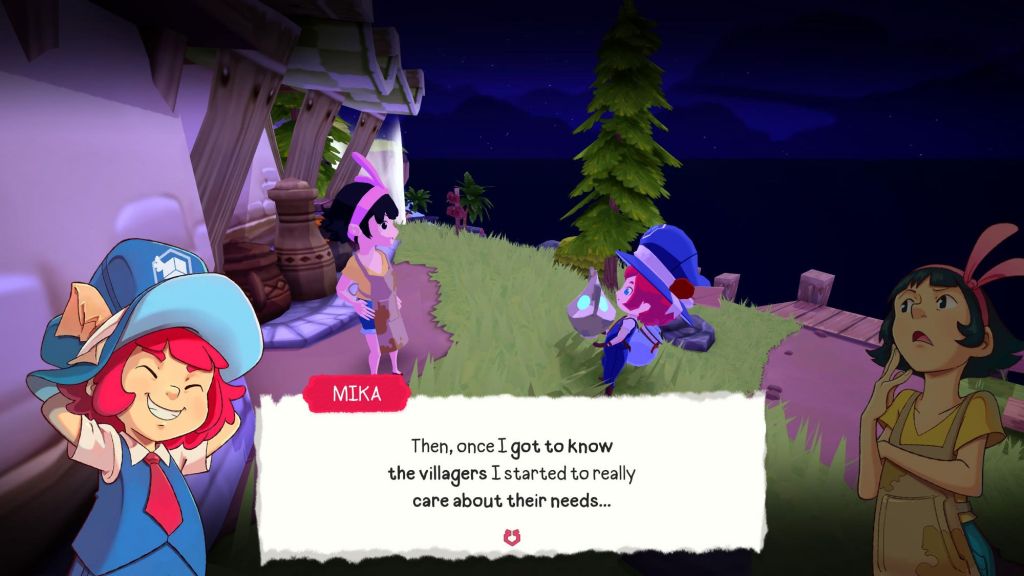
Your main character, Mika, comes to a realization that it’s more about the journey than the destination. She clearly wanted to become a witch, but by helping the townsfolk “beneath” her, so to speak, she gained a newfound appreciation for those she’ll be working for. At one point in the game, there’s this corporate-y ,mayor-type character on the island who runs a factory. A part breaks in the factory which causes black smoke to envelope the island. You’re then tasked to deliver an important item to the factory owner to fix the problem. Upon arrival, you’re sort of gaslighted into thinking you didn’t make the delivery for him on time when you clearly did. The writing is relatively thoughtful, but I really can’t say the story did a whole lot for me. The developer at least made an attempt to say something about manual labor, management and leadership, though.
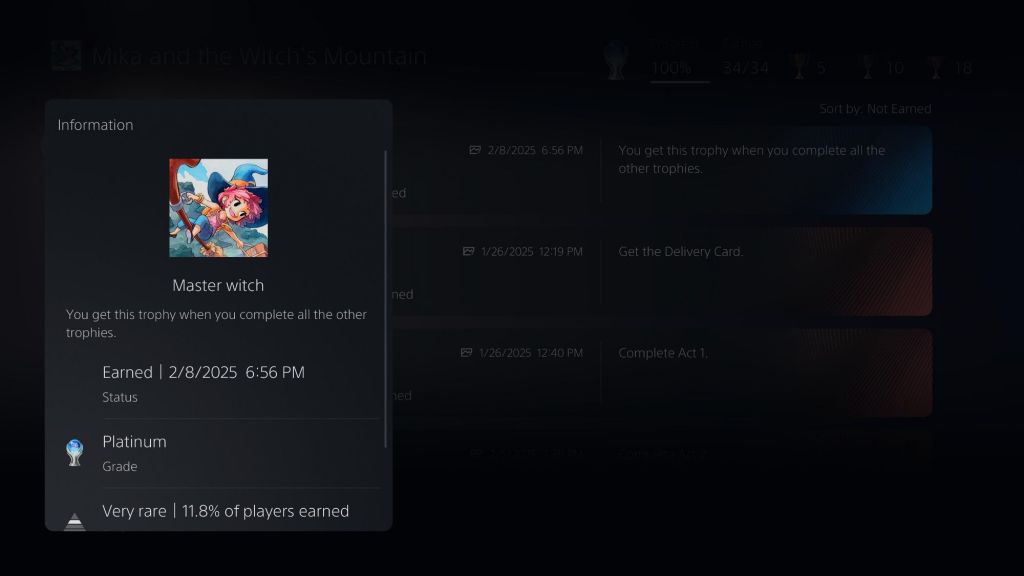
I completed the game at 100% with the Platinum trophy earned. At the time of writing this, many of the game’s trophies were extremely glitchy for me, however. A handful of times when I launched the game, random trophies would unlock before I even hit the title screen, which I found really frustrating (I still made sure to complete the requirements in-game for good measure). With that said, excluding the missable trophies, they’re all obtainable in a single playthrough. You just need to make sure to hand-over all of your “Witch” items and get green stamps on all deliveries (excluding the two you can’t get perfect scores on). I can’t say I really enjoyed my time with Mike and The Witch’s Mountain. I suppose there’s a decent framework here for a sequel, but I’m in no rush to jump on the magical broomstick again anytime soon.
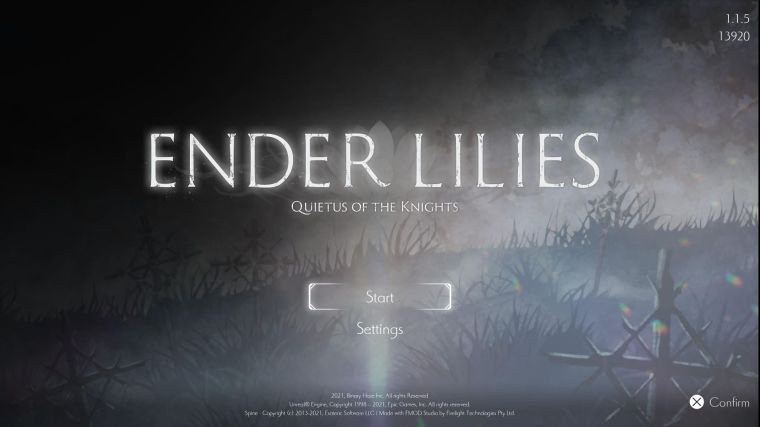
Game #7 of 2025: ENDER LILIES: Quietus of the Knights – Developed by Adglobe & Live Wire – Released on January 21, 2021 – Played on PS5- Hours Played: 20
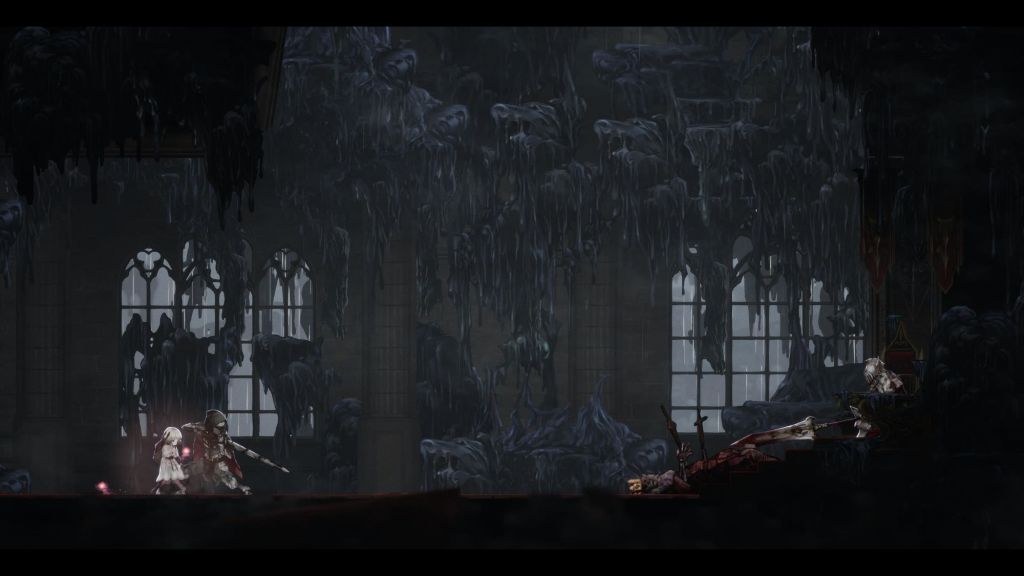
ENDER LILIES: Quietus of the Knights, developed by Adglobe & Live Wire and published by Binary Haze Interactive, is a 2D Metroid-like/Metroidvania. In ENDER LILIES, a blight has ravaged a kingdom and as a holy priestess, you’re tasked to purify those tainted by its curse. The game begins with you waking up in a ruined chamber with no memories. You’re greeted by a “Spirit”, known as the Umbral Knight, who immediately joins you on your quest. Unlike most 2D action-platformer games, your main character does not attack themselves. Instead, your spirits do all the dirty work and act as extensions of yourself. If this sounds familiar, the game borrows combat elements from Castlevania: Dawn/Aria of Sorrow; by defeating unique bosses/enemies, you’ll obtain their spirits after “purifying” them, which can then be used in combat or in some cases, traversal. Spirits can be assigned to the face-buttons (up to three) on the controller. The Umbral Knight acts as your basic sword attack while others might become your ranged weapon or even a shield. Each spirit has a number of uses before they “run out” and you have to rest at a bench in order to restore their function, but your primary spirit (the Umbral Knight) has infinite uses.
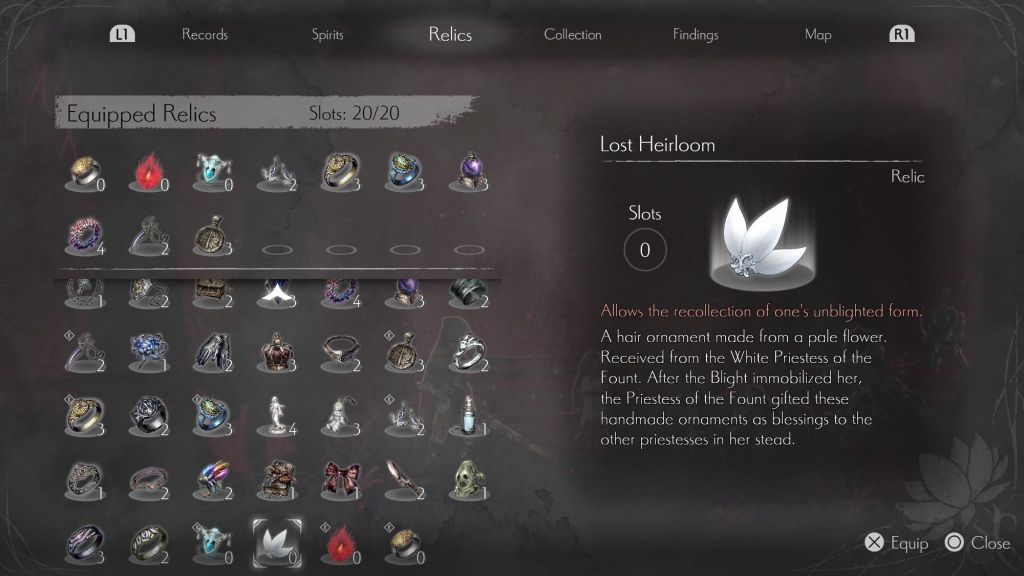
The spirits can also be upgraded with unique resources found throughout the game to decrease their cooldowns or make them stronger, but you do have to pick and choose which spirits to upgrade as you’re not meant to max them all out in a single playthrough. The flow of combat feels mostly good and while the enemy variety is decent, some of the room composition can be frustrating and packed with far too many enemies. The boss battles is where the game shines, though. A lot of the bosses have multiple phases and can be quite challenging, if you’re under-leveled/not geared properly. Fortunately, ENDER LILIES offers plenty of character customization to curb the difficulty. Relics are accessories you can equip which grant passive abilities/traits, such as reducing incoming damage from enemy attacks or reducing the cooldowns of your spirits. Each Relic takes a certain amount of slots, but you can increase the maximum amount of slots by discovering secret items. ENDER LILIES is also more Metroidvania than Metroid-like as it has traditional leveling and experience points. Reaching Level 100 can become a bit of a grind towards the end of the game, even if you’re a thorough explorer. There are collectable items that increase your maximum health, too.
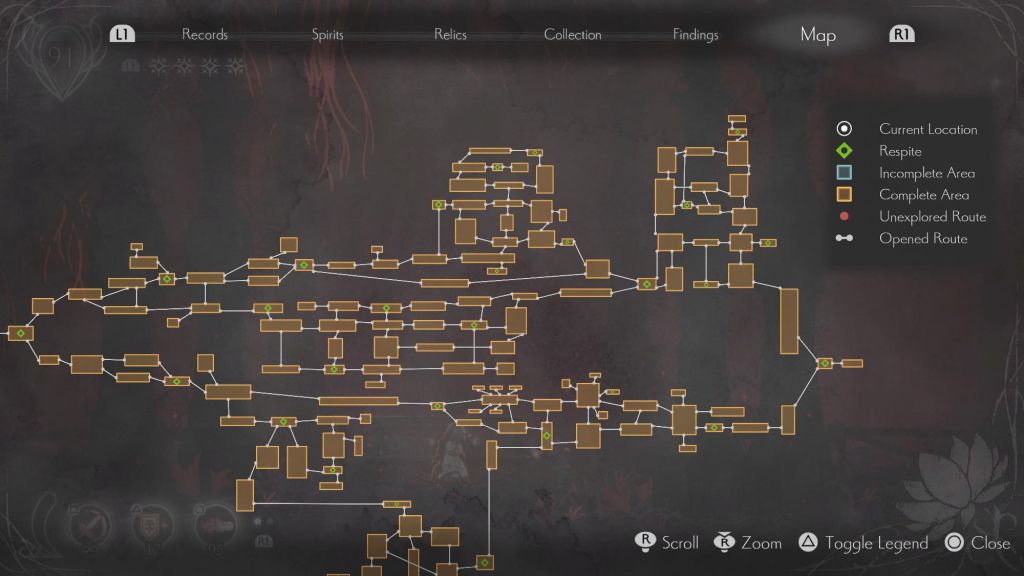
Worst. Map. Design. Ever
ENDER LILIES has some of the worst map design I’ve seen in not only a 2D action-platformer, but in any Metroid-like/Metroidvania. There’s very little room variety and although there is a degree of verticality in some screens, it’s all so flat and dull. There’s this ruined area with a lot of water in the middle portion of the game that’s simply not fun to explore and there’s a poisonous cavern of sorts in the late-game that’s just miserable to traverse. The map details are especially bad, too. Each piece of the map in your menu is either displayed as a square or rectangle. Many screens naturally have multiple exit-points, but good luck finding the one you’re looking for. Unlike pretty much every other Metroidvania/Metroid-like, the map doesn’t show the finer details. So, if there’s multiple exits in a room, say positioned in the top-right and lower-left portion of the screen, for example, finding those exits can be a lesson in frustration. I did find it enjoyable to try and find all of the secrets/pick-ups on each screen once you learn all of the traversal upgrades, however, as each room/screen on the map turns gold when it’s “finished”.
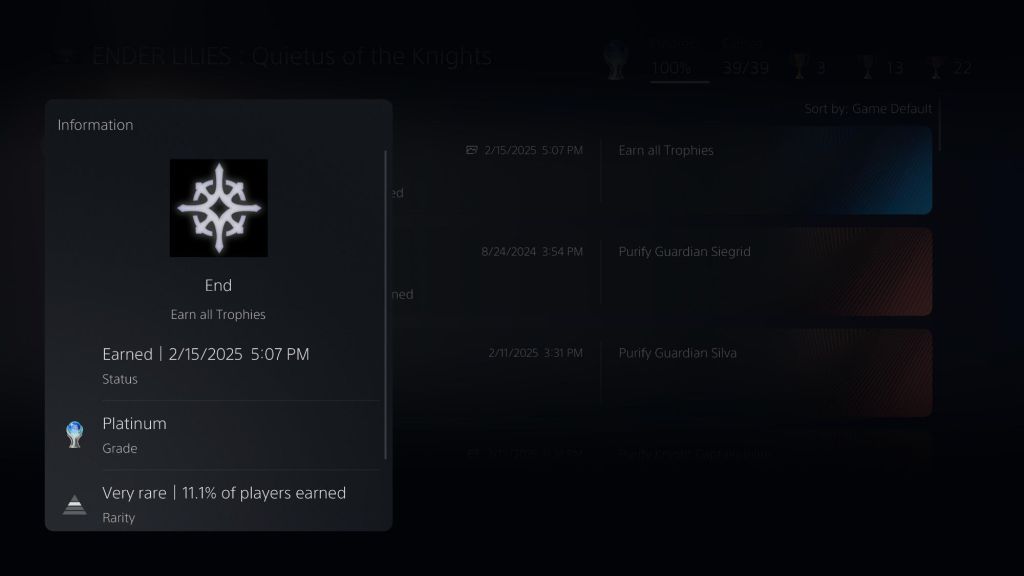
The music, composed by Yamato Kasai, is rather somber and sad, too. There’s a heavy emphasis on piano, but sometimes, tracks will incorporate light vocals and humming. I sort of pictured the main character, Lily, humming along to the music during this track. I completed the game at 100% with the Platinum trophy earned. There is a new game+ mode, which I believe makes the game more difficult. You also unlock the ability to fight all of the main bosses again from your menu. There’s a Boss Rush mode, too. I didn’t like the game enough to even consider engaging with the post-game content. You can see the true ending on the initial playthrough, however, so all the extra playthrough incentive is mostly reserved for hardcore players. I generally enjoyed my time with the game, but it’s the kind of game that sort of puts you to sleep. The game (and music) is so subdued and quiet (pun intended); it’s kind of the perfect rainy day podcast game to play while you have something on in the background. I hope to make time for the sequel this year, ENDER MAGNOLIA, as I hear it’s a much better game in nearly every aspect, but I need to put some time between the two games.
Game #8 of 2025: Tiny Terry’s Turbo Trip – Developed by snekflat – Released on May 30, 2024 – Played on PS5 – Hours Played: 9
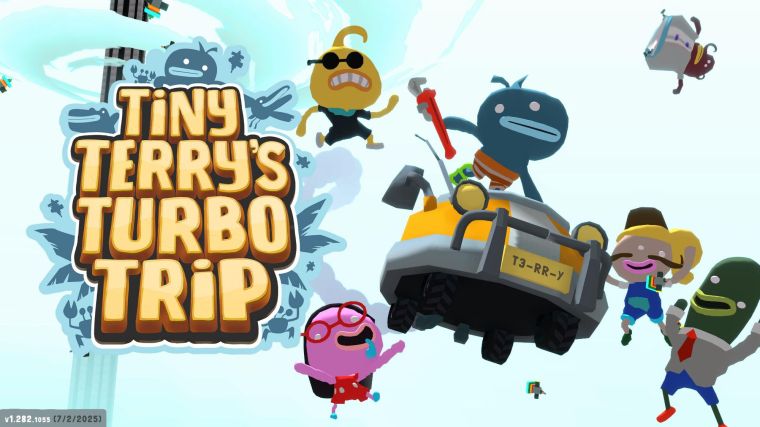
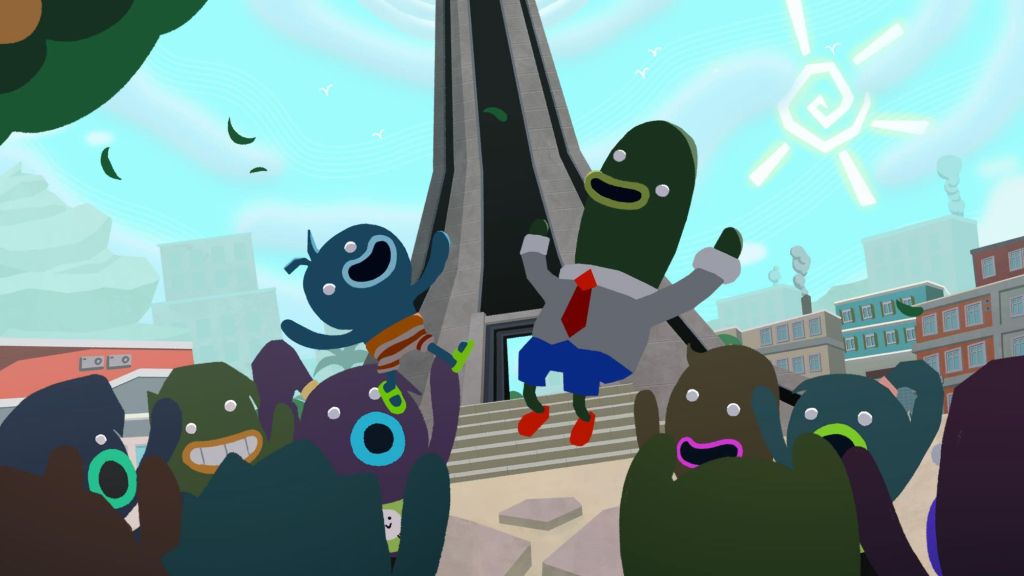
Tiny Terry’s Turbo Trip, developed by snekflat, is a 3D adventure game of sorts with some light platforming elements. The game originally released last year, but the PS5 release came out in 2025. Tiny Terry’s Turbo Trip begins with the titular Terry sitting in a lobby waiting for an interview with a job recruiter. All Terry wants is the car that comes with the job, not to do the job itself. You’re offered a job as a taxi driver and you accept it because, well, it’ll give you a car. Terry, for whatever reason, wants to launch himself into space using his newly acquired car. From there, you head out into the town of “Sprankelwater” to do odd jobs for the townsfolk in order to earn “Junk”, so that you can upgrade your car and outfit it for space travel. That’s the gist of the game. Some people have compared Tiny Terry’s Turbo Trip to The Simpsons: Hit & Run, but I don’t think that’s an accurate comparison. For one, while you do drive a car around in a semi-open world environment, there’s actually very few activities tied to actually driving your car, which is strange considering how important it’s made out to be in the story!
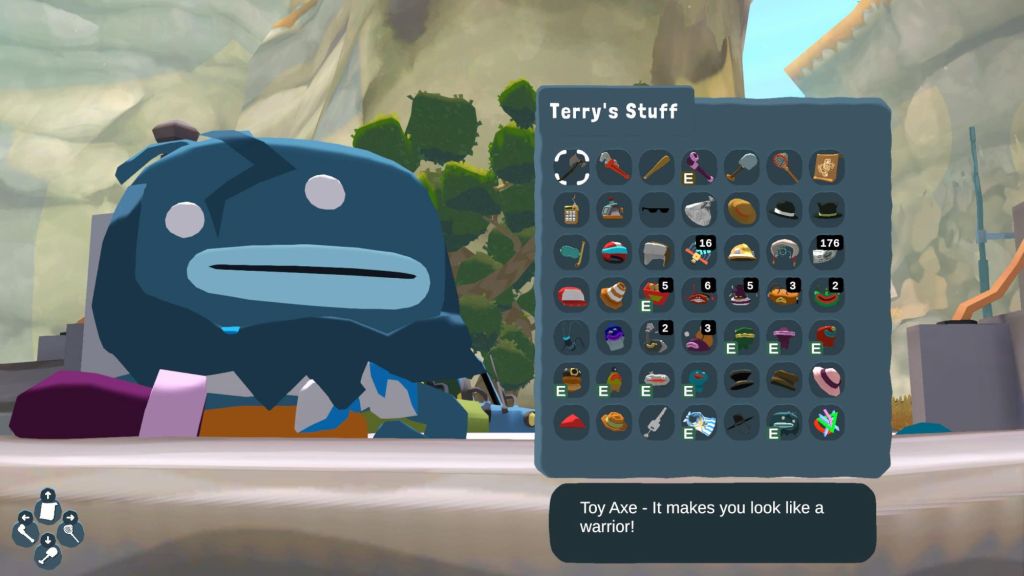
I was fully expecting there to be races and the sort — you know, driving through rings, challenging townspeople and the like, but it’s simply not here. You actually spend more time running and jumping around the environment, including a Breath of the Wild-like glider to get around. So why is the car such a focal point (let alone being prioritized on the title screen!?). Perhaps that’s part of the “joke”, but I don’t get it. With that said, there’s a bumper car mini-game where you do in fact face-off against a townsperson in order to earn some junk and you can even steal cars and sell them for cash. There’s also GTA-style ramps you can drive off of to collect hidden junk floating in the air, which do require the boost upgrades you obtain from enhancing your car, but that’s the extent of the car usage. Like most indie games today, there are a ton ofhats to purchase with the cash you earn to customize Terry’s look. When you acquire a net, you can go around catching insects, Animal Crossing style. Finally, there are these weird “pets” called Gummy Pups, which are just strange little guys who follow you around once you create them. There’s a ton of items in Tiny Terry’s Turbo Trip, but a lot of it is just fluff and not required (or really interesting) to engage with.
While there’s no combat per se in Tiny Terry’s Turbo Trip, you can acquire a variety of melee weapons like a pipe or even a toy axe. There’s hit-stop effects applied to people/objects when you hit them in the environment, which is both surprising and cool. It’s a combat-less game, although you can whack people around for fun (and there’s two trophies tied to doing so). I saw Kyle Bossman mention this on a recent stream while playing this game and I’d have to agree; I think Tiny Terry’s Turbo Trip is missing any sort of high stakes for your main character. Your parents go on summer vacation and decide to leave you at home to go to summer school. You decide not to, however, and spend your days instead doing odd jobs around town to earn junk so that you can take your car into space. I’m not exactly sure what message the developers were trying to deliver here, but the whole experience just feels so of aimless and kind of pointless? The humor is also very dry, but there’s somewhat of a charm to how the characters look (and sound). The game utilizes that Banjo-Kazooie style gibberish when characters speak, which I really like. There also appears to be some interesting lore regarding the city itself. It’s kind of a lawless town, I think? Regardless, I feel like they could have done a bit more with the story and characters.
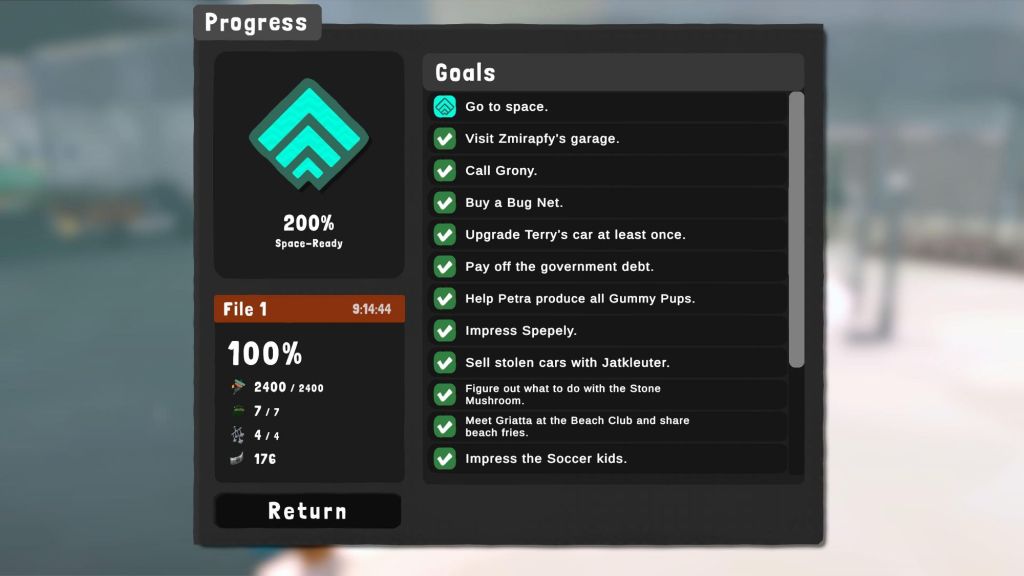
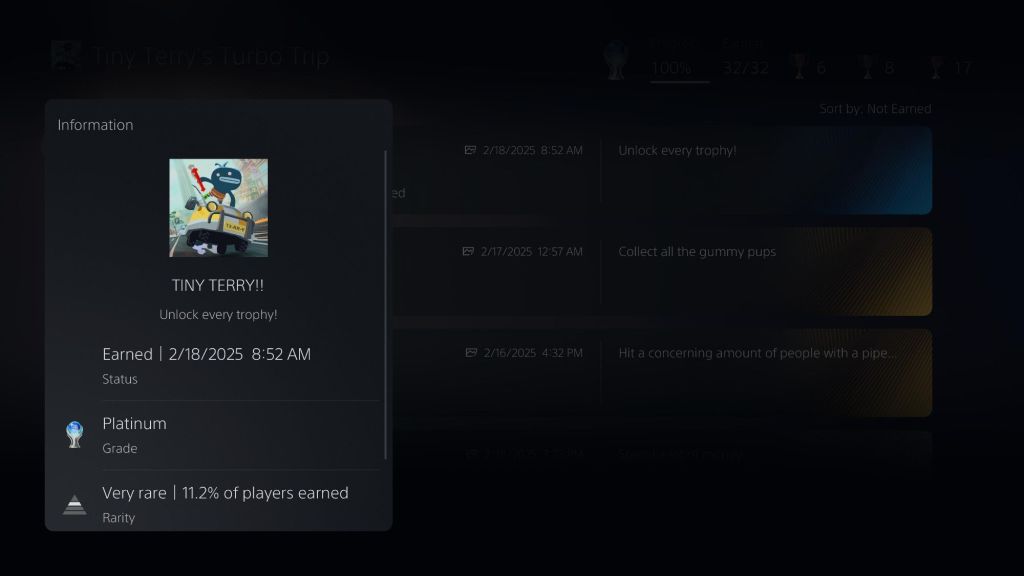
The music is fairly catch, too. I particularly like the Dakraderf Market piece, which only plays in a certain part of the town. I completed the game at 100% with the Platinum trophy earned. It took me around 9 hours to do and see everything the game had to offer. I sort of prefer the first half of the game because there’s stuff to collect EVERYWHERE. Once you’re down to the last few pieces of Junk, however, it becomes a bit of a chore to find all of the collectables. Some of the mini-games (playing soccer, doing yoga, etc.) have in-game leaderboards with top positions to claim. I don’t think there’s a reward for beating each high-score, though. Also, for the completionists out there, the game does warn you that you must complete all of the “quests” before finishing the game. I made sure to do and collect mostly everything the game had to offer prior to initiating the final credits sequence, so I don’t know what’s technically “missable”, if anything. The game does boot you back before the point-of-no-return after beating the game, so you can still collect things at the very least.
Game #9 of 2025: The Tale of Bistun – Developed by Black Cube Games – Released on July 13, 2022 – Played on PS5 – Hours Played: 4
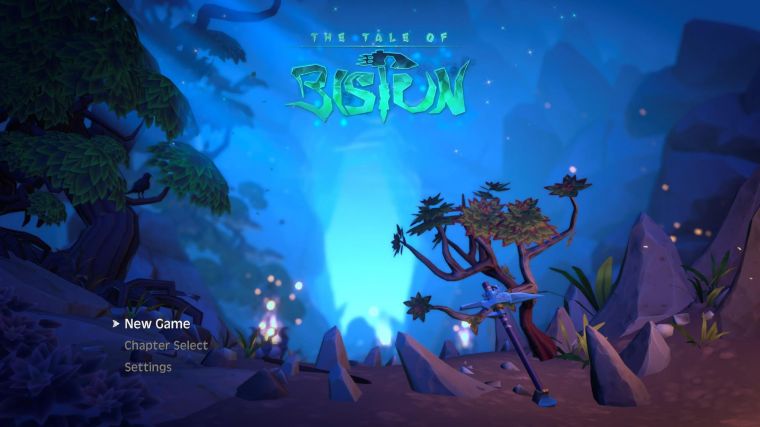
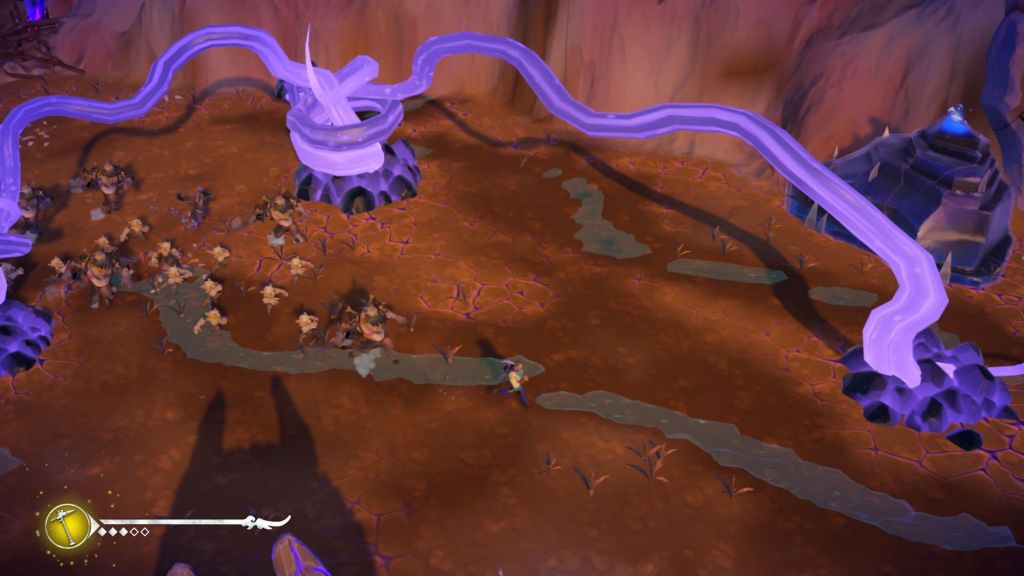
The Tale of Bistun, developed by Netherlands-based Black Cube Games, is a story-driven, action-adventure game inspired by the famous Persian tragic romance “Khosrow and Shirin”. The game originally released back in 2022, but the PS5 release came out this year. I was not familiar with this story/poem prior to playing the game, but similar to how I felt about Raji: An Ancient Epic, I love seeing games from other parts of the world about cultures and mythologies that rarely, if ever, get told, especially in the video game space. With that said, perhaps a video game wasn’t the best medium to tell this story, at least not how it’s implemented here. After a short introduction sequence where you learn about a war between deities, an ancient symbol of peace, a cursed blight, and unjust kings, you awake as a stonemason/carpenter of sorts with no memory of who you are. The story slowly unravels as you chisel away at the base of Mount Bistun, but a lot of the story is told by a narrator during walk & talk sequences and lore pick-ups found throughout the game. I’m not one to usually complain about walk & talk sequences, but they’re in an abundance here and you move incredibly slow during them.
The game itself isn’t particularly great or fun to play. The base of Mount Bistun acts as a hub area and it’s here where you can access the main levels. The best way I can describe the combat is that it looks sort of Diablo-like with its top-down perspective, but it’s more or less a mindless button-masher, almost Gauntlet-like. You can roll through enemies (which provides invincibility frames), attack enemies with simple combo strings and use a powerful move (that’s on a cooldown) for each of the three weapons. In some of the levels, there are altars where you can switch between your (two) weapons (as the final weapon is reserved for the last few sequences). One weapon has a big area-of-effect (AOE) attack while the other weapon has a powerful ranged attack where you toss your weapon forward. The combat portions of the game take place in these arena-like spaces where monsters burst out of purple crystals as you get near them. The enemy variety isn’t great and if you exclude the large ogre-like monsters or flying creatures who take some positioning to destroy, they can all be killed in a similar manner. When all enemies are dispatched, a giant rock in the area will start to glow. Smash the giant stone to gain a diamond, which are required to complete the level.
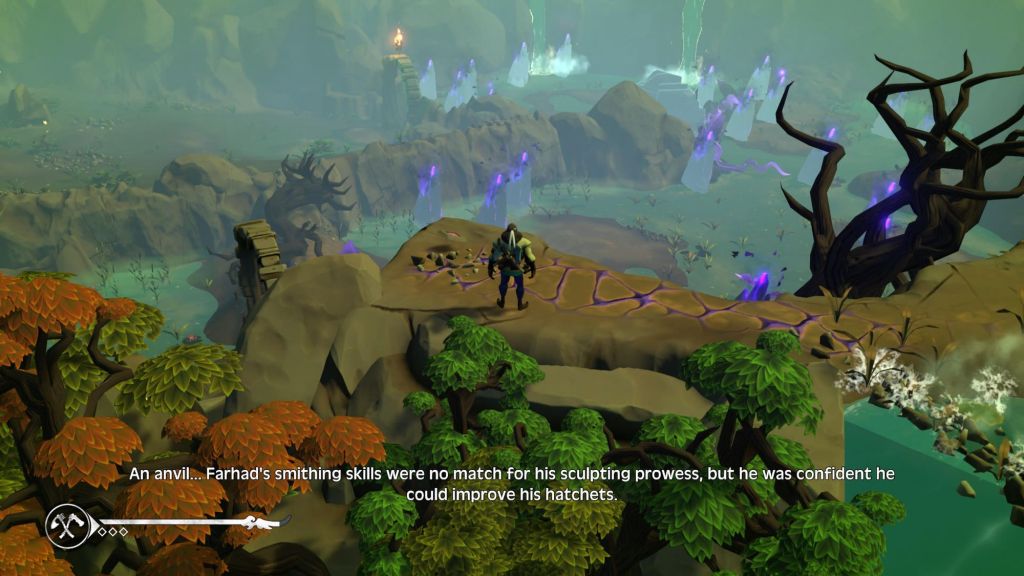
Each stage is relatively linear, too. Occasionally, you’ll be asked to roll under trees or shimmy across ledges (very slowly). Outside of the combat arenas, there’s pots you can break which usually contain a hidden lore tablet and statues to sculpt. When you “finish” a level, nighttime will arrive and you can “freely” explore the environment and look for “secrets”. In most levels, you can retrace your steps back to the start of the stage. Purple trees that were previously rooted during the day are now gone, but they rarely, if ever, block entrances to any of the secrets or collectables. Perhaps it would have been more interesting if there were optional, more challenging combat encounters you could discover by backtracking through the environments after nighttime rolls around, almost like the Secret Missions/Alfheim Portals from Devil May Cry and Bayonetta, respectively. I did like some of the music from the game, but I can’t find any of it on YouTube to share!
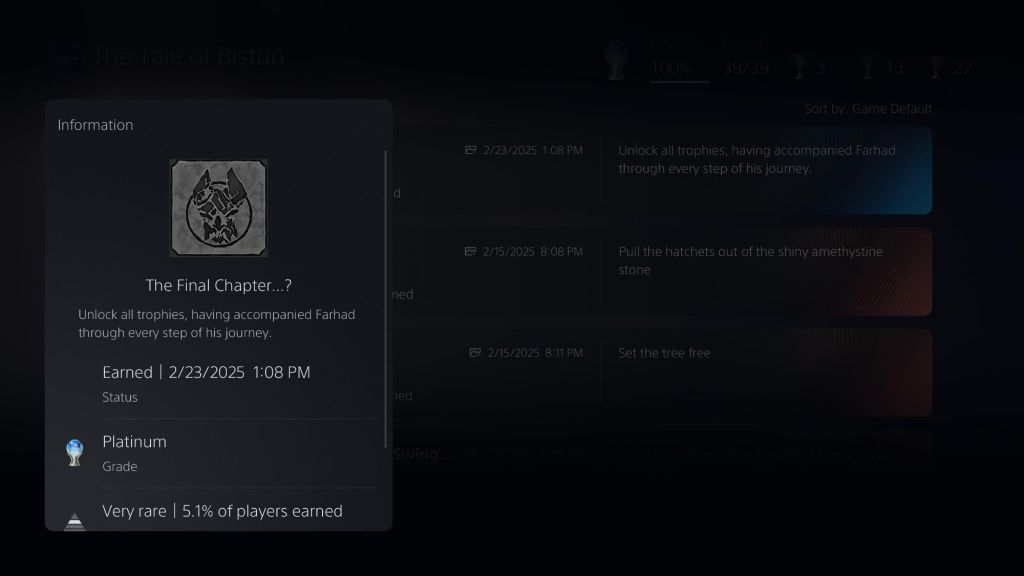
The Tale of Bistun is a relatively short game. I spent somewhere in the range of four to five hours completing the game and I almost gave up on going for the Platinum as there was a trophy or two tied to collecting certain things that I simply couldn’t find the first time around. I more or less replayed the entire game three times before I stumbled upon the last two items I needed. The game does have a chapter select and while your weapons and upgrades don’t carry between chapters, your stone tablets and carvings progression do. In the base/hub area where you access all of the levels, you can read all of the stone tablets you’ve uncovered throughout the game and these do save permanently to your save file. Although I didn’t really enjoy my time with the game, I completed it at 100% with the Platinum trophy earned. I’m good if this ends up being the one and only Tale of Bistun.
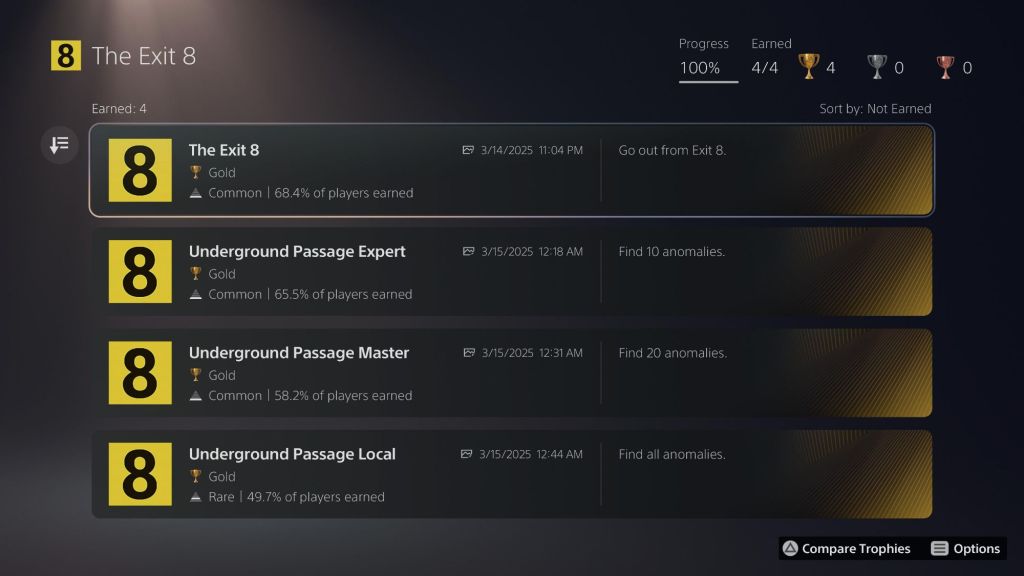
Game #10 of 2025: The Exit 8 – Developed by KOTAKE CREATE – Released on November 29, 2023 – Played on PS5 – Hours Played: 45 minutesGame #10 of 2025: Platform8 – Developed by KOTAKE CREATE – Released on May 31, 2024 – Played on PS5 – Hours Played: 45 minutes
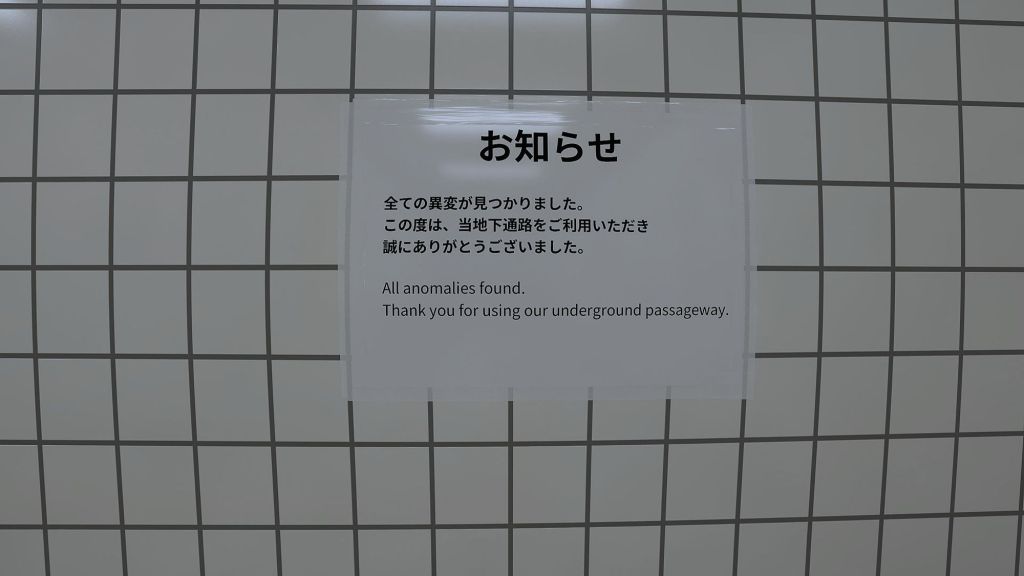
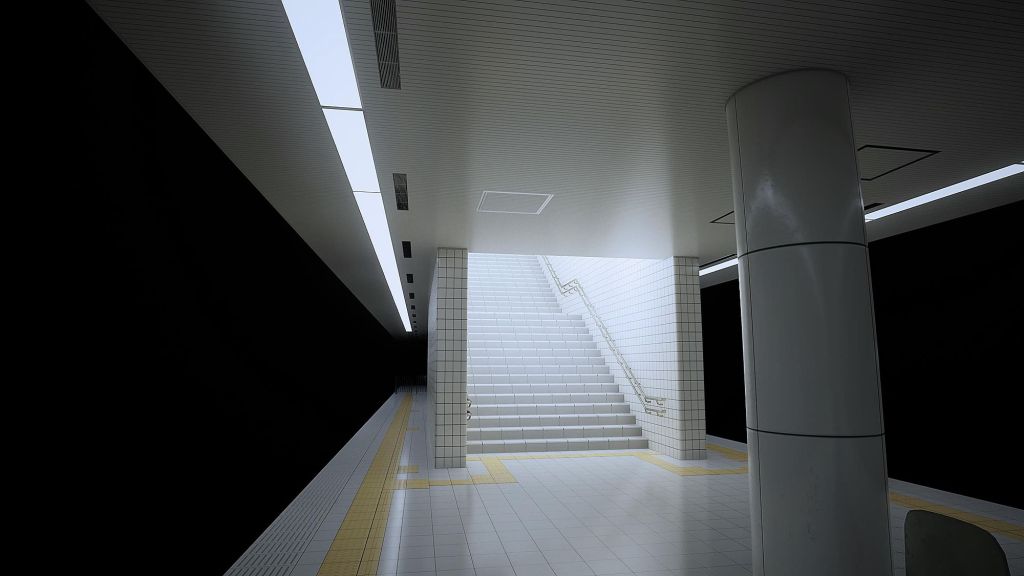
The Exit 8/Platform8, developed by KOTAKE CREATE, are first-person, “walking-simulators” of sorts where you traverse down a subway corridor (The Exit 8) or a train car (Platform8) endlessly until you spot all of the strange anomalies in your surroundings. There’s little-to-no context as to who you are, where this subway/platform is located and why you’re trapped in a horrifying, endless loop. To reach the titular “Exit 8/Platform8”, you need to complete loops of the subway corridor/train car consecutively. In The Exit 8, you need to complete a loop of the subway corridor eight times in a row to finish the game. To earn a successful loop, you need to turn around the way you came if you spot what the game considers “anomalies”. An anomaly is simply a strange occurrence or something out of the ordinary.
In The Exit 8, for example, there are innocuous posters lining the walls of the subway corridor. One poster has a pair of eyeballs on it. Sometimes, the eyes on the poster will track the player as you pass it, so if you happen to spot this, you need to turn around! There’s one aspect of the subway corridor that remains a constant, however; a business/salary man who walks towards you each time you loop the corridor. At times, his walking speed will be much faster than usual or maybe he looks at you as he passes, so you better turn around (or else!). There’s also a maintenance door on the side of the subway corridor and in one instance, the doorknob might be placed in an unusual spot (like in the middle of the door). You’ll need to have a keen eye and a good sense of memory to make it to the exit. I found myself reaching 6 or 7 loops, thinking there wasn’t an anomaly on my final pass, yet there was. The anomaly can be so insignificant and hard to determine unless you’re laser-focused on your surroundings. If you loop the corridor and don’t spot an anomaly, your counter will reset and you’ll have to start back at zero. To say you’ll become intimate with a single subway corridor is quite the understatement. It can all be quite unnerving, yet exhilarating at the same time.
In Platform8, the main looping mechanic from The Exit 8 returns, but with a more action/speed-oriented twist. This time around, the game asks a bit more from the player; instead of turning around when you spot an anomaly, you need to either “confront it” or simply ignore it until the anomaly “passes”. Many of the anomalies ask the player to simply rush through the train car to the next. You might encounter a subway car where bloody water will begin to rise and you need to run to the next car as fast as you can. You may encounter a pale white woman who demands your attention. If you don’t keep your eye (camera) fixated on her as you pass, it’s game over. In another instance, you might enter a new subway car and the door that takes you to the next train car will have someone knocking on it, yelling at you from the other side. If you wait a few seconds, the knocking and screaming will stop and you can safely proceed forward. A lot of the time, however, there’s just weird shit going on inside/outside of the subway car like a giant face staring at you from the void and all you have to do is simply ignore it and continue onward. There were a few anomalies (jump scares) that really got me. It didn’t help that I was playing the game alone in our house after midnight.
Without spoiling anything, Platform8 sort of implies that the two games might be connected. I spent around an hour and a half between both games completing them at 100%. I did look-up how to unlock one of the trophies in Platform8 as it was a bit too cryptic for my tastes (although I nearly had it figured out on my own!). SPOILERS — One of the anomalies in Platform8 has the train slowing down to a halt while a dense fog envelops the space. Once the train comes to a complete stop, the doors open and you can either exit the train or continue onwards if you wait for the anomaly to pass. If you step off of the train, you are transported to an abandoned train platform in the middle of the field. You can hardly see two steps in front of you as a dense fog lingers in the area. It feels like you’ve been transported to Silent Hill. You can’t even quit out to the title-screen! You have to simply close the entire application/game to get out of it. It’s incredibly creepy (but very cool!) — END SPOILERS.
I played through The Exit 8 for the first time on PC/Steam last year, but I double-dipped on the PS5 release this year and picked-up and played Platform8 for the first time as well. Although they are separate games, since they are so short, I am counting them as a single entry on my “games completed” list for 2025. While I would love to speak to the game’s music, there is none! The eerie silence and ambiance of the subway tunnel and train speak volumes, however. I like The Exit 8 and Platform8 almost equally, but I think I might prefer Platform8 now that I’ve had a chance to experience both games back-to-back. There’s also a live-action movie coming out based on the games! Here’s to more bite-sized horror experiences that don’t overstay their welcome.
Game #11 of 2025: A Juggler’s Tale – Developed by kaleidoscube – Released on September 29, 2021 – Played on PS5 – Hours Played: 3
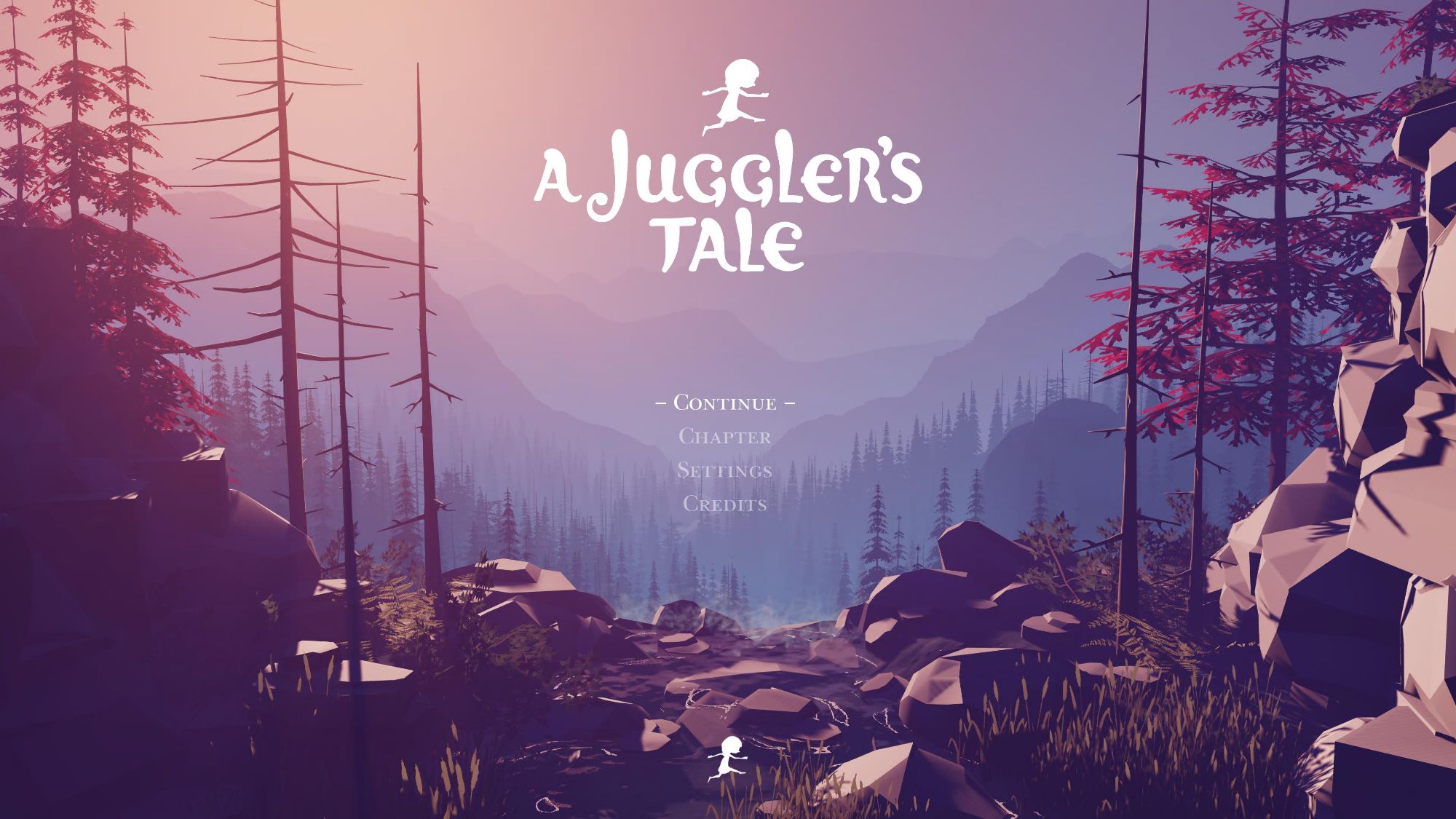
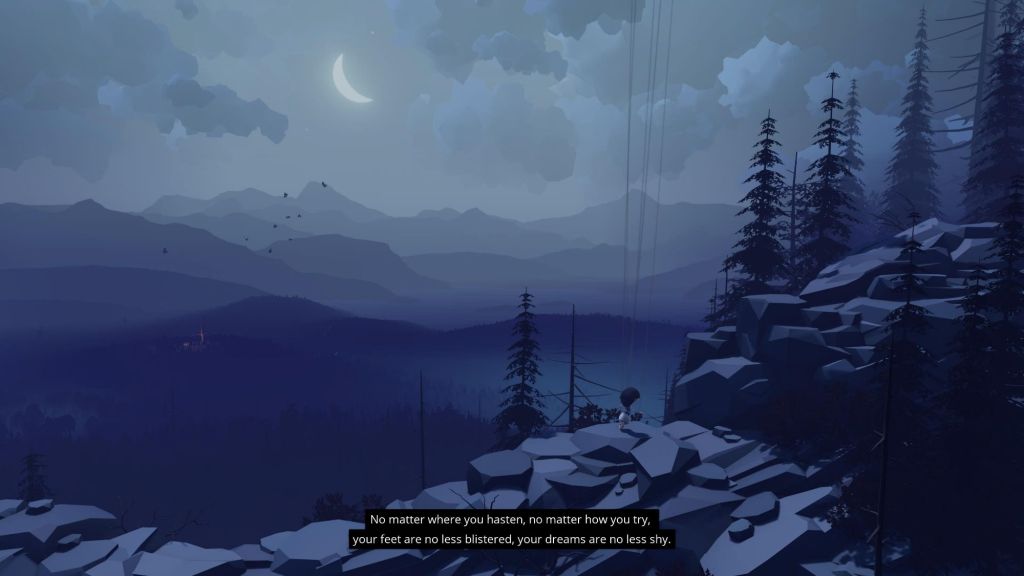
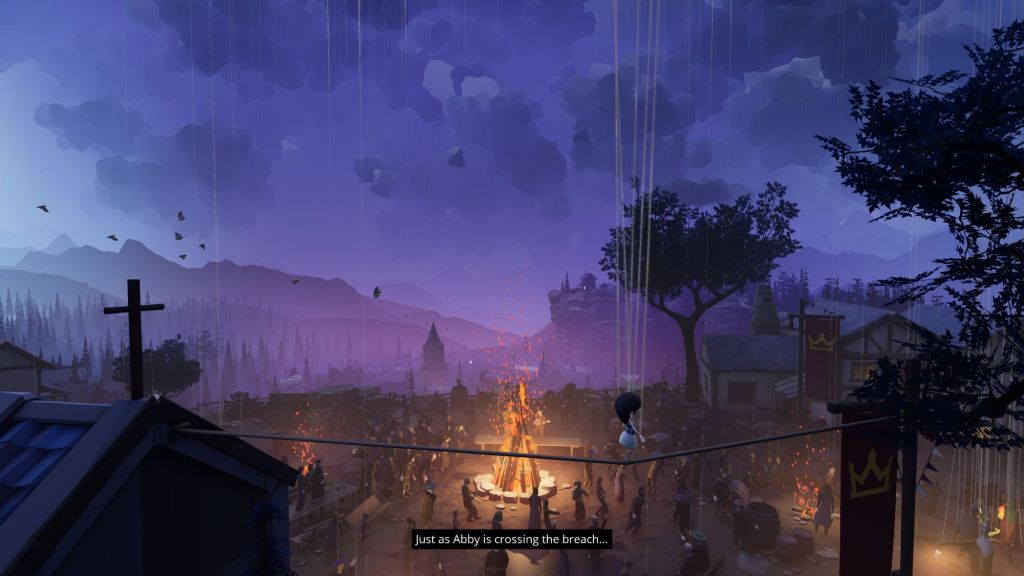
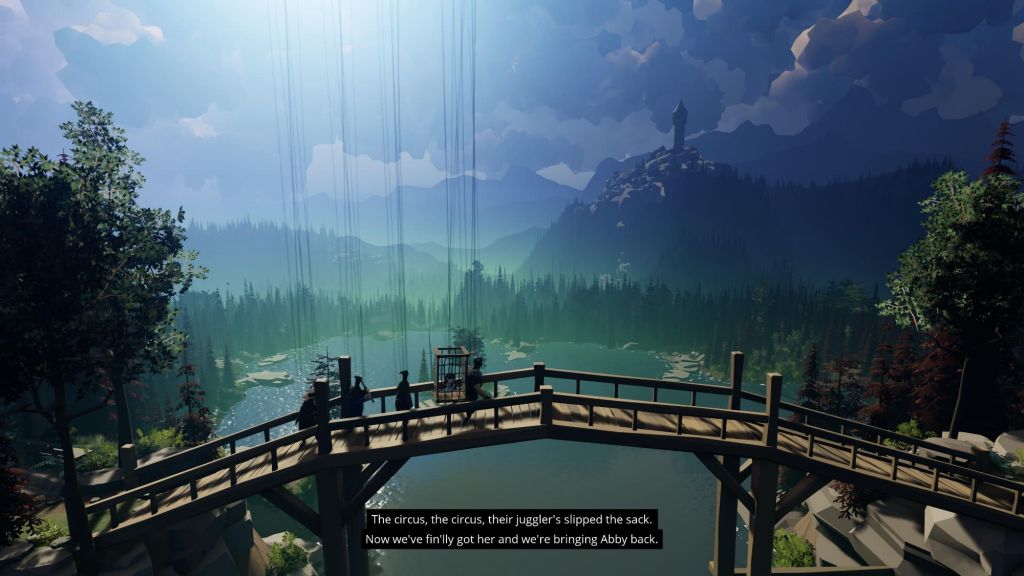
A Juggler’s Tale, developed by kaleidoscube, is a 2D cinematic-platformer in the same vein as Limbo, INSIDE, and Little Nightmares. In A Juggler’s Tale, you take on the role of a puppet girl who’s being held captive by a ringleader to perform tirelessly in his circus act. After a brief introduction sequence where you’re introduced to the world and learn how to play the game, you break free from your captors and escape into the countryside. The entire game is narrated and the writing and narration is quite good; nearly all of the dialogue is a rhyme. The game is also presented as a stage play, with the intro and outro of each chapter starting and ending on an actual stage filled with cardboard props and the like. Every character is held up by strings and the narrator sort of acts as the “god” of the world, pulling the strings of each inhabitant, so to speak, as you make your journey to freedom. SPOILERS — at one point, you break free from your strings and earn your freedom and the narrator struggles to narrate the game because your character has gained their free will. It’s a really cool moment — END SPOILERS.
The game itself is nearly perfectly-paced and does not overstay its welcome. A lot of the time, you’re just walking forward taking in the beautiful scenery while listening to the narrator eloquently describe what’s happening on screen. When you do arrive at a “puzzle”, they’re never too difficult and they often involve some sort of interaction in the environment, whether that’s picking-up a rock to throw it at something or pulling/pushing an object to reach new heights. Some of the puzzles are relatively physics-based, too (you’ll definitely be doing some rope swinging). There are also a handful of stealth sequences, which can be more frustrating than fun, but the checkpoints are frequent and fair. My favorite thing about 2D cinematic-platformers is when the camera zooms out to showcase the environment. Typically, the control is not taken away from the player so that you can continue running forward as beautiful landscapes and vistas unfold in the background. Games like INSIDE, Little Nightmares, and other titles from this sub-genre incorporate this stylistic camera technique and it’s present here, too! I simply love when this technique is employed and it’s always something I look forward to when playing these types of games. The backdrops and landscapes in A Juggler’s Tale are simply gorgeous too, so why not show them off!
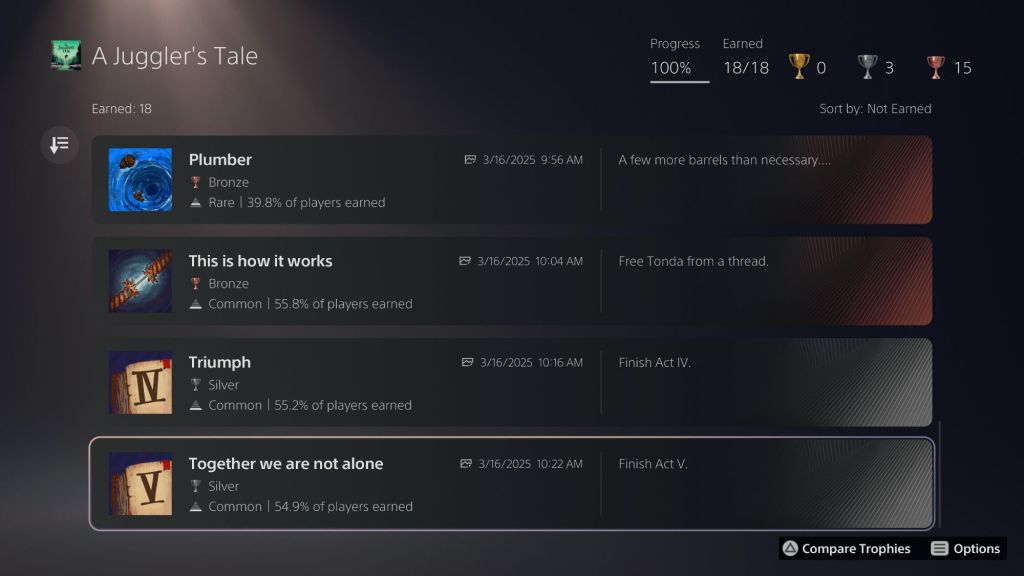
A Juggler’s Tale is extremely linear and while there are no collectables/pick-ups, there are a handful of optional trophies to earn, some of which can be a little tricky. In one of the early chapters, for example, you need to cross a river without falling into the water. The platforming can be a bit finicky due to the controls, so it’s a little challenging. In another instance, you’ll come across a dog where you can play catch with them. If you toss a stick around a bunch, you’ll eventually pop a secret trophy associated with the act. There’s a handful of these secret challenges scattered throughout the game and I only had to look up the location of one of the trophies as it was quite cryptic. The soundtrack, by Jordan Toms, is quite nice, too. The whole game has a sort of folksy, renaissance feel to it. It only took me a couple hours to finish the game, but I completed it at 100% with all of the trophies earned. I can’t wait for the developers next game, Recur.
Just a friendly bear who works in financial reporting that would rather be playing, writing or talking about video games. https://twitch.tv/unexpectedenemy




































 UnexpectedGames
2 Comments »