Gaming
Gaming in 2024: In-Review
Gaming in 2024: In-Review, including my “Lost Levels”, “Coulda, Woulda, Shouldas”, “Favorite Game Soundtrack” and more…
 UnexpectedGames
Just a friendly bear who works in financial reporting that would rather be playing, writing or talking about video games. https://twitch.tv/unexpectedenemy

Gaming in 2024: In-Review, including my “Lost Levels”, “Coulda, Woulda, Shouldas”, “Favorite Game Soundtrack” and more…

For the past few years, I’ve been making an effort to write about every game I start/finish. Even if I play a game for an hour, I try to write a sentence or two about it. In 2024, I started far too many games. I did manage to roll credits on 62 games, however, many games fell to the wayside. I know my gaming habits aren’t particularly “normal”, but it’s my favorite thing to do outside of my adult/now-husband responsibilities. I also have a wide breadth of interests, so it’s very difficult for me to not “check something out”, especially when I have numerous digital storefronts at my fingertips. It doesn’t help that some (indie) games cost less than the price of a movie ticket. Both my husband and a friend of mine questioned my sanity (in good humor) once they became aware of how many games I’ve played throughout the year. In 2025, I’m hoping to take a step back and not start so many games unless I intend to finish them during the year. The sort of surface-level takeaways for my “Lost Levels” writeups this year are a product of my inability to have self-restraint, for example. With that said, I’ve included some new categories for my 2024 “Year-in-Review”, so without further ado…

Light SPOILERS for Another Crab’s Treasure!
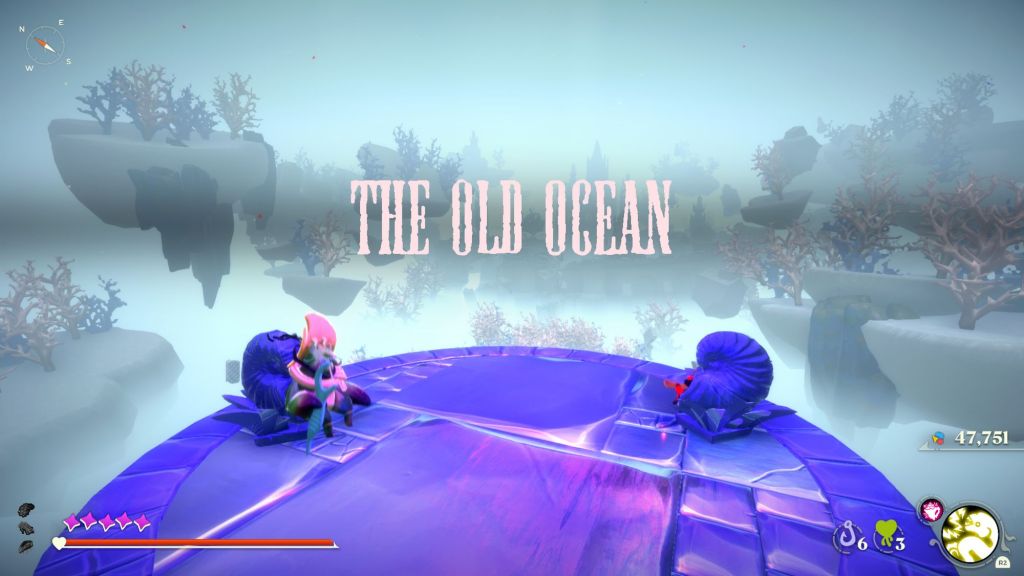
A title-card sequence, particularly when you enter a new area for the first time, is one of my favorite design elements when it comes to making a videogame. The context of a location, the music choice, and the way the game builds towards these moments all goes into the makings of a great title-card sequence. Out of everything I’ve played this year, entering The Old Ocean in Another Crab’s Treasure (ACT) is the sequence that resonated with me the most. Similar to discovering the Siofra River Well area in Elden Ring for the first time, in one of the final areas of ACT, you’ll descend a large elevator to the entrance of a pearl abyss. The Old Ocean has a sort of primordial feel to it, as if all sea creatures are meant to return here when their time has come. The fact that the title screen music plays during this sequence sealed the deal for me, too. ACT is a silly, relatively lighthearted game, but it also has a lot to say about the state of the world, particularly about pollution and how we treat the environment. The Old Ocean is my “Favorite Title-card Sequence” of 2024 and it’s one I’ll be thinking about for quite some time.
My favorite post-credits screen from a game this year.
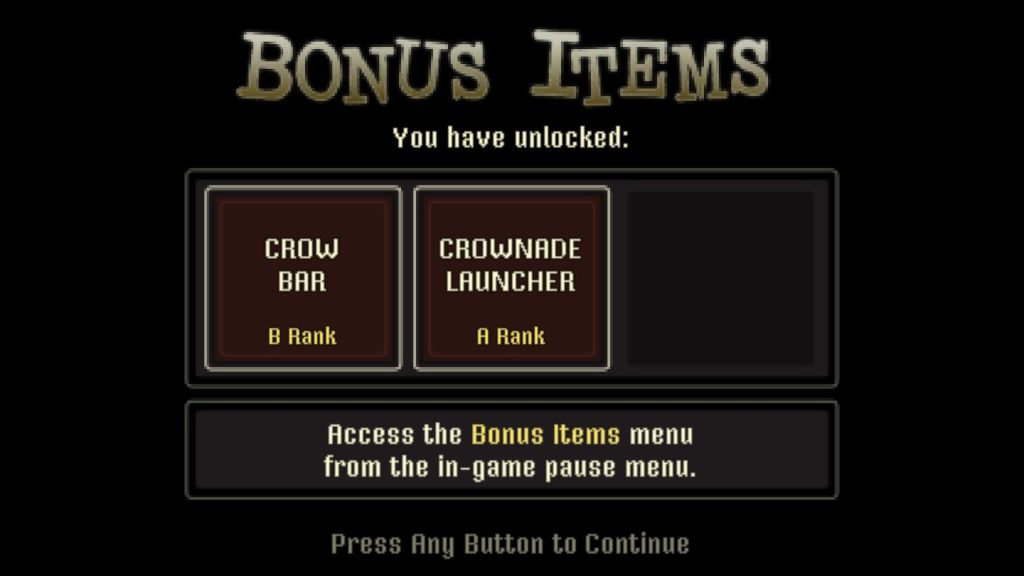
My “Favorite Unlock Screen” of 2024 would have to be the one from Crow Country. One of the greatest feelings in an old-school survival horror game is unlocking bonus items after you beat it. The Resident Evil (RE) and Silent Hill (SH) games were mostly known for doing this and it quickly became one of my favorite things about videogames with unlockables. In most RE/SH games, for example, using bonus weapons (like the infinite rocket launcher or katana), always tanked your overall ranking at the end of the game. I haven’t replayed Crow Country yet to see if using the “Crow Bar” or “Crownade Launcher” impacts your ability to earn the S-Rank, but considering the criteria the game ranks you on, I think it’s all fair game. These powerful weapon unlocks in survival horror games were mostly used for speed-running purposes or to simply “see the game” more quickly without having to deal with all of the frustrating bits, so to speak. While the unlock screen itself in Crow Country is fairly basic in terms of its visual design, it’s the thought that counts.
The game OSTs I’ve continued to listen to the most outside of actually playing the game.

There were many games with amazing soundtracks this year. If I had more time, I would have made a dedicated blog post for “Game Soundtrack of the Year”, but for the sake of time, I’m just going to pick my favorite game OST of the year along with some honorable mentions/shout-outs. So, with that said, my “Favorite Game Soundtrack” of 2024 would have to be Stellar Blade, composed jointly by Keita Inoue and the sound studio, Monaca, who’s led by composer Keiichi Okabe (of NieR fame). Not only are there so many seamless, dynamic tracks when transitioning from exploration to battle, so many of them are killer vocal themes. I still haven’t moved on from the music that plays at 3:08 in one of the initial reveal trailers, either. I can’t seem to find that specific piece on the official soundtrack, but it plays in a different spot in the game and it’s only for a brief moment during one of the game’s set-piece sequences. While I didn’t like the larger, open areas in the game, at least the music was always great, too (even if some of it sounds a bit derivative of Keiichi Okabe’s compositions from NieR).
Something that stood out to me and resonated with me more than anything was a sequence found near the end of the game. Over the course of the game, you learn about an abandoned orbital elevator/tower that’s pretty important to the overall plot. In some instances, you can even see the tower beckoning the player in the distance. Eventually, Eve and company find themselves infiltrating this location and it’s one of the most memorable moments of the year for me. The entire area feels like a final dungeon from an old-school JRPG. In one part of the orbital elevator section, there’s a track called “Cargo Lift 121” and it sounds like something out of Chrono Trigger, orchestra hits and all. Then there’s pieces that play in this area called “Maintenance Corridor” and “Raphael Space Center“. They sound like something Keiki Kobayashi would have composed for an Ace Combat soundtrack. The way the track builds and releases perfectly captures what’s at stake here. I wish the entire game was more like the orbital elevator sequence, but unfortunately, it’s not. And now, for some honorable mentions…
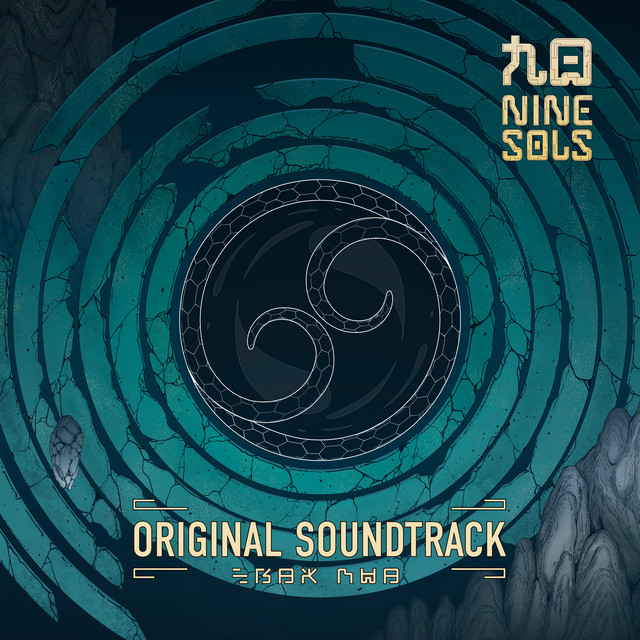
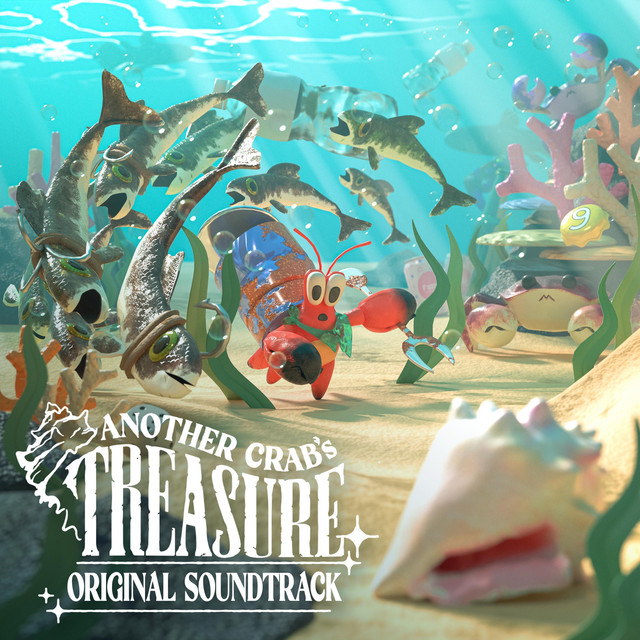
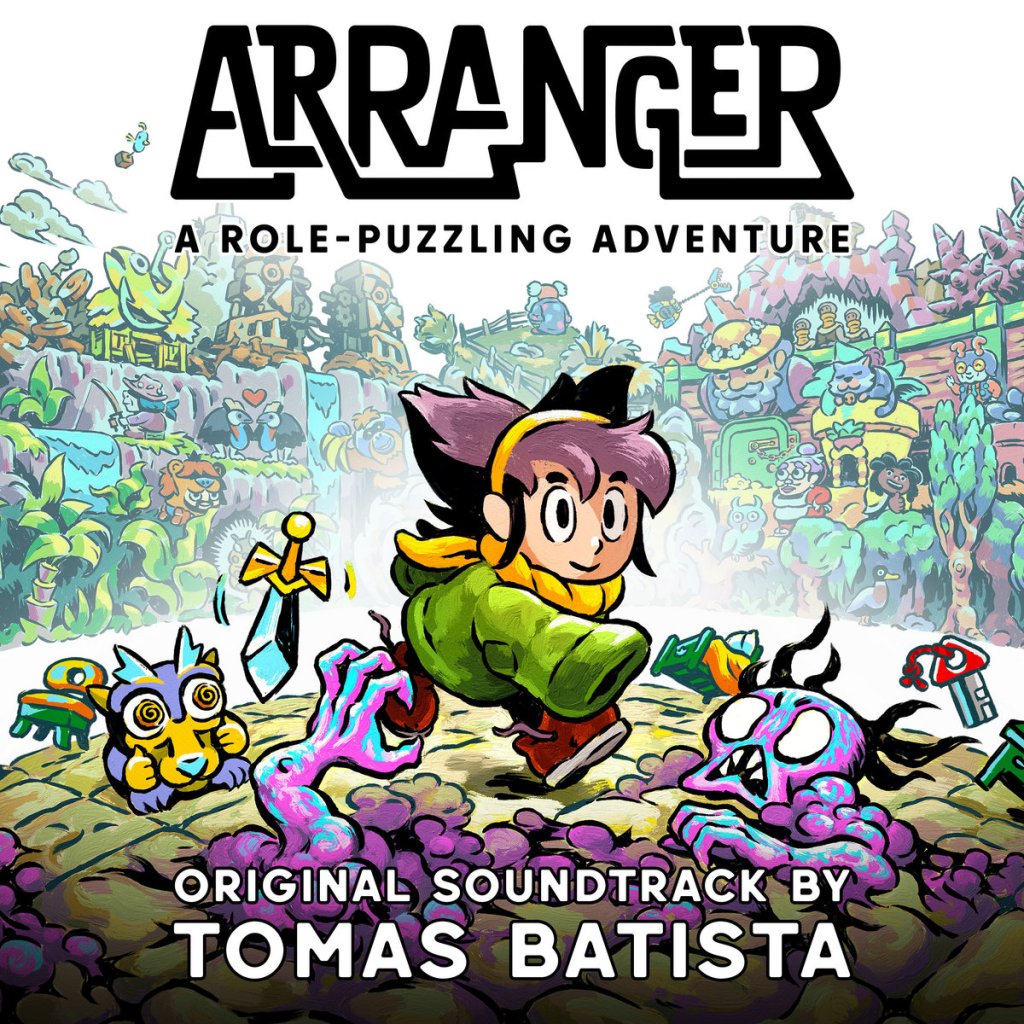
Nine Sols – Composed by FFXX, Im Baek Hun, and Troy Lin. It was between this game and Stellar Blade for my “Favorite Game Soundtrack” of 2024. Nine Sols is an emotionally powerful game and so is its music. There are a ton of vocal themes, particularly when you’re fighting one of the many bosses. A lot of the tracks that play during the cinematics are also very beautiful. The credits theme by Collage really messed me up, too. Another Crab’s Treasure – Composed by feasley. I’ve already written about how the title screen music plays during a pivotal moment in the story. But the rest of the soundtrack is really good, too. The first major area track is very memorable (the audible count-in really sets the tone). Expired Grove is simply one of my favorite pieces of the year. The sadness in the harp does it for me. Arranger: A Role-Puzzling Adventure – Composed by Tomás Batista. The OST from this game is probably my favorite thing about it next to the art. There’s a lot of acoustic guitar, sometimes accompanied by heavy bass and deep synth work. It sounds very Diablo-esque at times.
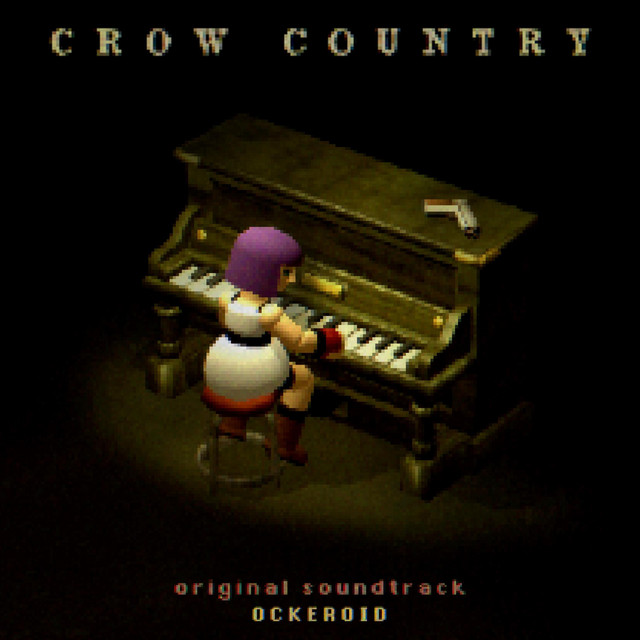
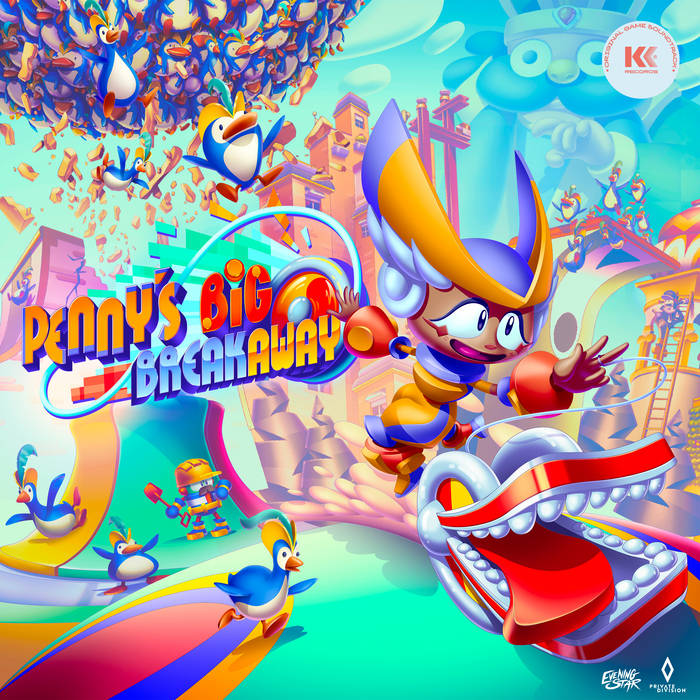
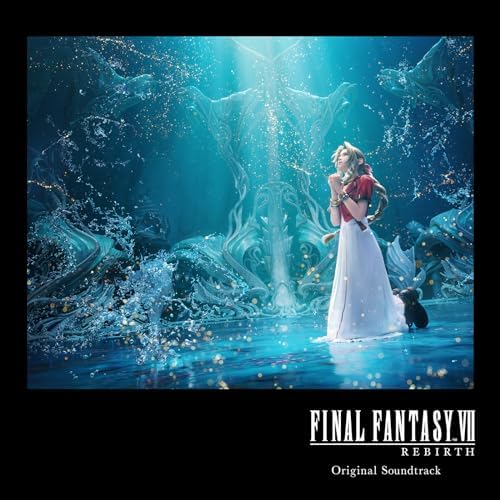
Crow Country – Composed by Ockeroid. “Save Room” music is super important in “traditional” survival horror games. It’s vital to have a space to escape to in order to reflect and regain composure. Capcom’s older Resident Evil games paved the way for these moments of respite. This is my favorite piece from the game, too. It could have easily been a substitute for the proper “Save Room” music. This track takes me back to my formative years of gaming. Penny’s Big Breakaway – Composed by Tee Lopes. It’s rare for me to find a platformer where I’m excited to get to the next level simply to hear the music. Ristar on the Sega Genesis was the first game to do this for me. DKC: Tropical Freeze was another. Now, it’s time for Penny to shine. FINAL FANTASY VII REBIRTH – Composed by Masashi Hamauzu, Mitsuto Suzuki, and more. If I was a dog owner, I would only listen to this track while taking them for walks. This ridiculous composition only plays during a side quest or two(?) and it’s perhaps the most memorable piece from the game. I also always looked forward to the Zack portions of the game because of the End of the World theme that plays during his segments.
Arzette: The Jewel of Faramore – Composed by Button Masher. Who doesn’t love a classic desert theme? That baseline and the turnaround at 26 seconds takes me places. Then there’s this wonderful town piece. You’ll often find yourself returning to this place, so you better make sure the music is super chill and pleasant. I could sit and idle with this piece for hours. When you make it to the “snow levels“, you know you’re “in it now”. Again, the change at 32 seconds sends me flying. The arpeggiation and all that jazz, I can’t get enough of it. Is that Secret of Mana in the backing, too? Arzette and its OST really left a lasting impression on me early in the year. The Big Catch: Tacklebox – Composed by Sean Bialo and Quade Zaban(?). Although the Tacklebox isn’t the official release, this field track is one of my favorite pieces of the year. It perfectly captures the essence of adventure. I would honestly put it up against the likes of stepping out out onto Hyrule Field for the first time in The Legend of Zelda: Ocarina of Time. The instrumentation in this track is so evocative of the PlayStation 1 (PS1) era, too. This piece plays during one of the mini-dungeons from the Tacklebox demo. There’s such an infectious level of confidence exuding from this OST. I cannot wait for the full release in 2025.
Astro Bot – Composed by Kenneth C. M. Young. The soundtrack (and sound design) is pretty spectacular in Astro Bot. I really like the Astro track in particular. It’s just a really good introduction piece to kick off a 3D platformer; it’s got a great sense of adventure behind it. It’s also hard not to enjoy the Bot of War track for the “BOY” drop alone. Finally, I can’t believe the final sequence plays a remix of Rising Blue Lightning from Thunder Force V. My mind pretty much melted at that point. Rugrats: Adventures in Gameland – Composed by Fat Bard and Toni Leys. The music in this game kind of rules. The boss track in Adventures in Gameland is wild. Hearing double bass drums while playing a Rugrats game in 2024 was not on my bingo card. I especially liked the Living in the Fridge track, but all of the music is pretty good and very catchy. You can play the game in “8-bit” or “HD” mode, which changes both the visuals and soundtrack. I prefer the “8-bit” graphics mode with the borders, but I like the “HD” audio tracks when it comes to the soundtrack. Turnip Boy Robs a Bank – Composed by James Currier. I like Berry Time and The Bandit, especially. You can even change the music for each run as you unlock new in-game tracks. I often put Air on repeat because I liked it so much.
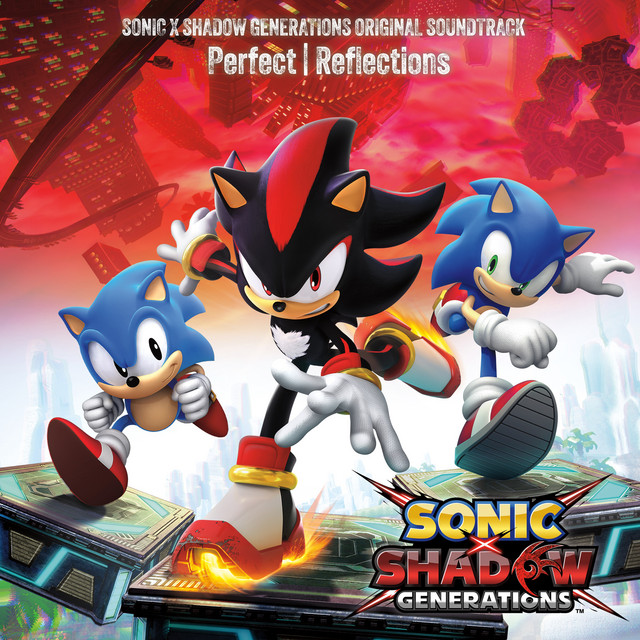
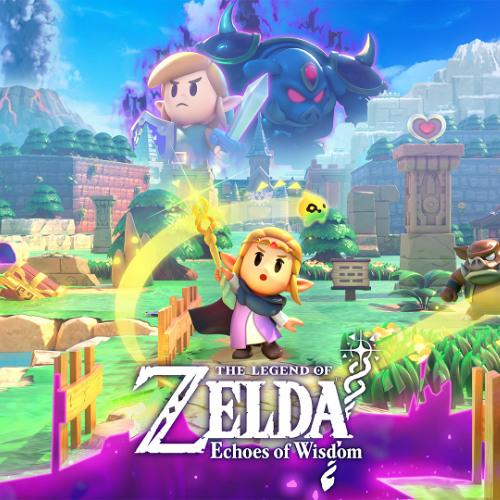
The Legend of Zelda: Echoes of Wisdom – Composed by Hajime Wakai, Masato Ohashi, Chisaki Hosaka, Yuri Goto, and more. I don’t dislike the music from Breath of the Wild/Tears of the Kingdom, but the soundtracks from those games are much more atmospheric and subdued. While I ultimately didn’t care for Echoes of Wisdom, the music was a nice return to form. The game actually had unique dungeon themes for every dungeon! It’s impossible not to enjoy the classic field rendition and I particularly liked the Jabul Waters piece. SONIC X SHADOW GENERATIONS – Composed by Jun Senoue, Richard Jacques, Hideki Naganuma, and Tomoya Ohtani. I’m only going to speak to the new music from Shadow Generations. Chaos Island: Act 1 is surprisingly my favorite track from the Shadow’s story. It’s sort of a basic drum and bass track, dub step and all, but it works for me. I wish the drop at 1:40 was a bit heavier, though. Also, did Motoi Sakuraba ghostwrite for a Sonic game? Dragon’s Dogma II – Composed by Satoshi Hori, Hana Kimura, Masahiro Oki, and Shusaku Uchiyama. A lot of the time, you’re probably not paying attention to any of the music while playing Dragon’s Dogma II, but when it hits hard, you’ll know.
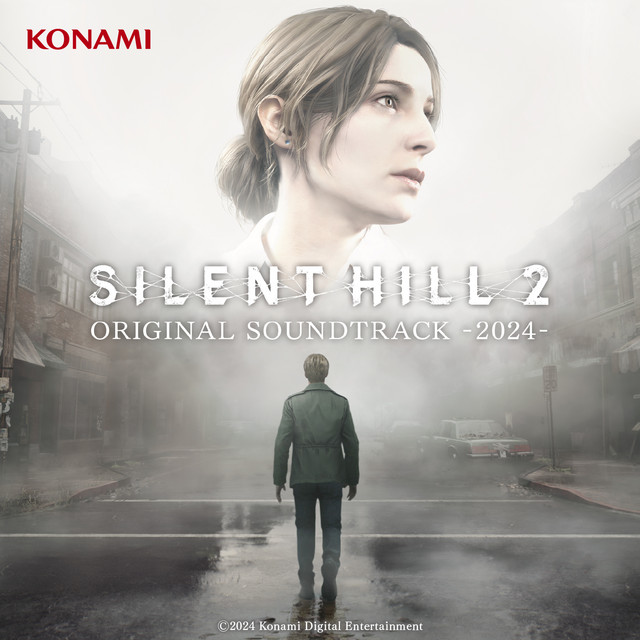
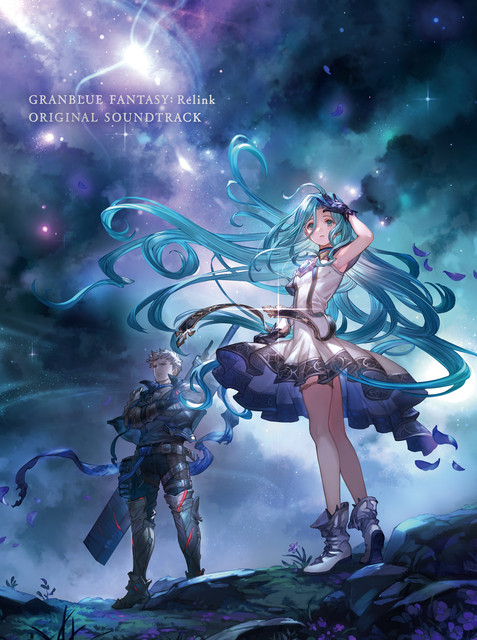
Silent Hill 2 – Composed by Akira Yamaoka. Usually I’d be extremely wary of a composer rerecording all of the music for a legendary entry in a beloved franchise, but somehow Akira Yamaoka brought the goods. A lot of the classic themes are here, like Mary’s Letter and Theme of Laura. I think Promise of the Forgotten is my all-time favorite Silent Hill 2 track, though. There’s also just a ton of unnerving ambient tracks. Granblue Fantasy: Relink – Composed by Tsutomu Narita. The music in Relink is super cozy and a big part of that is due in part to the town themes. The entire soundtrack (and game) just reminded me of the simpler, less chaotic days of my youth. Finally, shout-out to… Basiscape/Hitoshi Sakimoto’s work on Unicorn Overlord. I haven’t played enough of the game yet to write about it, but I love what I’ve listened to so far. I still can’t get over the fact that the game starts with this banger of a track. Some of it sounds like an extension to what Sakimoto did with 13 Sentinels: Aegis Rim, but I’m not complaining. The overworld themes are really pretty, too. I’m simply a sucker for Gregorian chants and the like, so on a similar note, Shoji Meguro’s compositions for Metaphor: ReFantazio seemed quite exceptional. The battle track alone is like nothing else you’ll hear this year. There were many other games/soundtracks I wanted to bring attention to this year, but that’s all I have for now…
“Lost Levels” are games I started during the year but dropped for one reason or the other. The games that make this list could be both new and old, just so long as I started them (and fell off) during the current year.
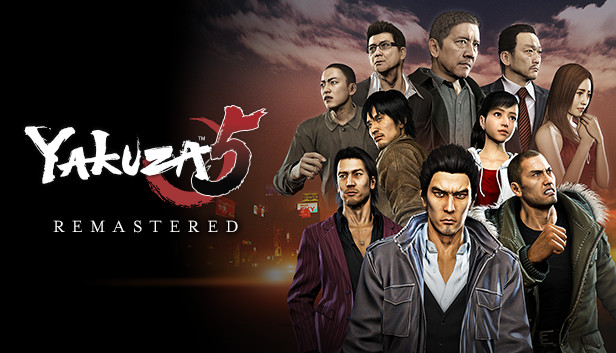
This is the second or third time I’ve restarted YAKUZA 5. I’m super behind on the series because I refuse to play them out of release order. I’ve heard Like a Dragon and Infinite Wealth are great starting/re-entry points, but I need to see Yakuza 5 and 6 to their conclusion before I play any of the latest release. This time around, however, I’ve made more progress than any previous attempt. At the time of writing this, I saved right at the beginning of Haruka’s chapter (which is apparently an idol-focused dance competition scenario). I really enjoyed Kazuma’s (poor) attempt at living a new life as a taxi driver, disguising himself as your average Joe, but there’s no mistaking the “Dragon of Dojima”. The taxi driving mini-game is surprisingly fun and I really enjoyed his side stories with the street racing gang, the “Devil Killers”. Saejima’s prison life felt like a familiar retread of events (if you’re familiar with some of the previous games), but his mountain man life hunting wildlife and the sort felt like a welcomed diversion to what you’d normally expect from of a Yakuza title. I’ll be happy if Yakuza 5 is my one-and-only Yakuza title for 2025, but I’d like to squeeze in Yakuza 6 as well if I’m feeling spicy/determined enough.
Similar to my time spent with Yakuza 5, DEATH STRANDING is another game I’ve attempted to play more than once, only to drop it after so many hours. I absolutely adore the first few hours of the game. The introduction sequence is still captivating and Hideo Kojima’s touch is both evident and palpable. I love that first walk down the mountain while Don’t be so serious by Low Roar plays. Carrying the president’s corpse to an incinerator to dispose of the body less a nuclear explosion occurs is one hell of a way to start a game, too. Each time I’ve started Death Standing, I’ve opted to play on Hard mode. Death Stranding has a ton of sub-systems and I’ll admit, I find a lot of it to be very confusing and overwhelming. I want to engage with the cargo management system and really make an attempt to learn it, but I usually find myself using the auto-sort function because I simply “can’t be bothered”. The text is also way too tiny in the menus. Like Yakuza 5, I’ve gotten further than I ever have with my latest playthrough (I’m just after the giant boat/barge that takes you across the ocean to the second major area). I really want to like Death Stranding and the sequel looks incredible, so hopefully I’ll be ready for the beach by the end of 2025.
Last year, I figured Lies of P would make my “My Favorite Games I Played/Finished in 2024 That Didn’t Release in 2024” list, but here were are again, relegated to the “Lost Levels” of 2024. Lies of P, developed by Neowiz, is a Souls-like action game loosely based on the story of Pinocchio by Carlo Collodi. The game is perhaps a bit too on the nose (pun intended), but observing it through a post-Souls lens, it’s actually quite exceptional! Unlike From Software’s latest open-world endeavor, Elden Ring, Lies of P follows more closely to Bloodborne or the Dark Souls trilogy, at least in terms of structure and pace. Lies of P is extremely linear, but it’s not without its optional paths/areas that lead to hidden goodies and other curiosities. Just like the Souls games, while a player’s skill level takes precedence over traditional leveling, Lies of P is still a stat-driven game. All of the weapons in the game scale to your character’s stats, so even though being good at character-action games can give you an advantage, building your character and arming yourself with weapons that scale to your stats is paramount. I got to the King of Puppets boss before putting it down for the year. I do love grinding my weapon on the grindstone to restore its durability. It feels and looks as cool as revving Nero’s blade from Devil May Cry 4. Perhaps I will finish the game once and for all in 2025 (…wait, why did my nose just grow longer?).

I believe I got to the end of the first major area in Rise of the Ronin before calling it quits. I have dabbled in most of Koei Tecmo’s/Team Ninja’s Souls-like games since the first Nioh, but for whatever reason, I haven’t finished a single one of them. Perhaps it’s simply the post-Souls exhaustion at play here, but Rise of the Ronin does do a few things to separate itself from the crowd. I generally enjoyed the open world setting; jumping on horseback, sneaking up on cats, and gliding from tall watchtowers is a lot fun. The combat seems to be Nioh-adjacent, but enemies don’t exactly burst into puddles of loot when you dispose of them. There are a ton of weapon types, however, and one of the core mechanics is based around wiping your weapon clean of blood called a “Blade Flash”, which is pretty damn cool. Much like my familiarity with Granblue (which was nothing prior to playing Relink this year), I’ve also never read/watched a single manga/episode of SAND LAND, respectively. I bought the game because I generally like Akira Toriyama’s (RIP) art style and it looked like a hybrid of Steambot Chronicles, Blue Dragon and Valkyria Chronicles. The main questline felt pretty standard in terms of open world game design, but it was fun to pilot tanks and robots in the open desert environment.
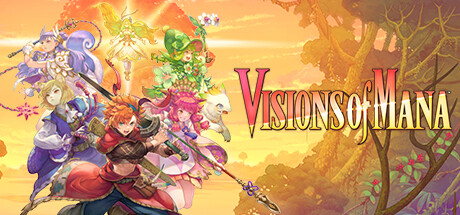
The time I’ve spent with Visions of Mana has been interesting. I played ten or so hours before putting it to rest. I wasn’t disliking my time with the game, but it’s just so incredibly slow-moving in terms of its pacing and progression systems. It felt like it was taking way too long to introduce new systems and classes. I was playing on Hard difficulty and outside of some optional encounters/areas that were clearly meant to be returned to at a higher level, it felt like I was mostly going through the motions. The characters, voice acting and motion capture also felt like it was one step away from having a “Dinner, Dinner, Dinner!” moment from Infinite Undiscovery. Is it really that hard to make likeable characters and why would someone direct such embarrassing cutscenes? The environments are beautifully detailed and the game is very colorful, but the foliage doesn’t react to the player’s movement, so the world just feels a bit static. I’ll get back to Visions of Mana at some point, but I can’t say I’m feeling very motivated to boot it back up.
I have no memory of playing Ratchet & Clank: Size Matters back on the PlayStation Portable (PSP), but I’m pretty sure I finished it. The rerelease on PS4/PS5 has been a great excuse to revisit it in all of its awkwardly downsized glory. There’s something sort of refreshing about its bite-sized nature, although Ratchet’s face gets stretched a lot and looks really goofy at times. The levels are extremely short and there appears to be only a dozen or so weapons and gadgets to collect. Finding the secret collectables in R&C games is one of my favorite things about the series, but in Size Matters, they’re placed in such a way to only slightly inconvenience the player. The game’s also got an armor system where wearing a full set grants passive bonuses to Ratchet (which, if my memory serves me right, it might be the first and only time the series attempted something like this). I believe I was near the end of the game before dropping it. On a similar note, I also have no recollection of ever finishing Jak and Daxter: The Lost Frontier. I think I played the game first on PSP, but rebought it on PS2 thinking I would stick with it (I never did, though). I already don’t think very highly of Jak II or Jak 3 and The Lost Frontier is sort of a less polished, worse version of those games. I played a little bit beyond the opening area or two, turned it off and kicked it to the curb.
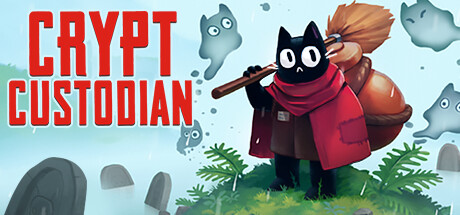
For whatever reason, I played a ton of Metroid-likes/Metroidvanias in 2024, so why not throw another one into the rotation? I’ve always wanted to play ENDER LILIES: Quietus of the Knights, but I kept holding off from playing it for whatever reason. I started the game a few months ago since it was a free download as a PlayStation Plus Premium subscriber, but I didn’t get very far before dropping it. It’s a perfectly adequate 2D action-platformer, if not a little too flat for my taste. The spirit system reminded me of Castlevania: Dawn/Aria of Sorrow, but beyond that, there was nothing about it that felt substantial or unique. In a year where there were so many great Metroid-likes/Metroidvanias, perhaps it just wasn’t the best time to revisit an older game in the sub-genre that didn’t have anything particularly interesting to say to begin with. Speaking of falling flat, I started Crypt Custodian, a top-down, Zelda-like where you play as a cat who’s gone to the afterlife and is sentenced to become the titular custodian. I actually liked the premise of the game and it appeared to be going places, but the game itself just wasn’t resonating with me. The level design just felt like a bunch of floating platforms strung together and most combat encounters took place in square arenas.
Now that Platinum Games is becoming a shell of their former self and Capcom’s Devil May Cry’s (DMC) future is in question, I suppose no one will be making traditional character-action games. Soulstice, however, is a mid-budget, somewhat janky DMC-style character-action game by a “AA” studio from Italy. The game borrows the encounter design from Bayonetta (where you’re ranked on individual encounters versus the entirety of the mission à la DMC) and has fixed camera angles. From the little I played, I do think the level design lacked focus and stages felt a bit too long, but it was scratching an itch I didn’t know I needed during the middle of the year. I’ll get back to it eventually. For whatever reason, I also loaded up my Monster Boy and the Cursed Kingdom save file (which I haven’t touched since 2018) in an attempt to 100% the game and get the Platinum trophy. I felt so overwhelmed and lost, I promptly turned it off. Perhaps some games aren’t meant to be revisited, especially if I didn’t feel compelled to 100% the game the first time around.
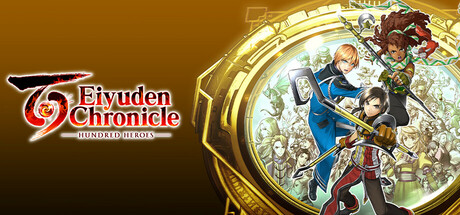
I finally finished Eiyuden Chronicle: Rising in 2024. It’s a game I’ve had in progress since 2022. It’s sort of a mindless action-RPG with some town-building elements, but I didn’t dislike my time with it. It’s sort of a podcast game, something to grind alongside background noise, which is comforting for me. Rising was also the prequel companion piece to Eiyuden Chronicle: Hundred Heroes, which finally released in 2024. I love Suikoden, so naturally, I was looking forward to the “proper” RPG game by Rabbit and Bear Studios. I played through the opening segments, explored the world map, entered the first dungeon and then turned it off. I really have nothing else to say about the game from the little that I’ve played so far, other than the fact that there’s no footstep audio when you’re walking/running around, which was driving me up the wall (I believe Suikoden was like this too, but it never bothered me back in the day). Also, it’s sad to say that the creator of both Suikoden and Eiyuden Chronicle, Yoshitaka Murayama, sadly passed away this year. What’s especially tragic is that he didn’t even get the opportunity to see the release of his new game. RIP.
Prior to the release of FINAL FANTASY VII REBIRTH, I decided to return to my completed save file of FINAL FANTASY VII REMAKE on the PS4. While I’ve yet to attempt Hard difficulty, I maxed out my character levels, upgraded all of my Materia, and generally worked on my Play Log progress (I’m still missing a set of dresses for Cloud, Tifa and Aerith). I’m in no rush to 100% FINAL FANTASY VII REBIRTH, so I might finally complete Remake to its fullest in 2025. Another game I booted-up to do some clean-up, so to speak, was Yooka-Laylee and the Impossible Lair. There were a handful of levels I never finished and I still had many Tonics and the sort to collect. I got the Platinum trophy, but the only thing I haven’t done was beat the titular Impossible Lair without using any of bees or checkpoints, which quite honestly sounds impossible. There’s a final reward and an alternate ending if you accomplish this difficult task, however. I’ve actually never taken the time to truly learn the final level, so maybe it’s not as bad as I’m imagining it to be. I’m honestly just ready for Yooka-Replaylee, which hopefully releases in 2025.
At some point over the summer, I also decided to play Shadow of the Tomb Raider for the first time. The more I think about it, I think I’m actually a big fan of the modern-day Tomb Raider trilogy. Shadow of the Tomb Raider feels pretty close to Rise of the Tomb Raider, at least in terms of its structure and scope. One of its biggest improvements (for me, at least) is that there’s less focus on combat with humans and more of an emphasis on actual tomb raiding. The story is still a bit silly and the characters are sometimes insufferable, but the game looks gorgeous and it’s fun to play. I got half-way through it before getting distracted by other (better) games. Tomb Raider is a PlayStation classic, but you know what else is? Buzz Lightyear of Star Command for the PS1. Okay, maybe not. I completed Toy Story 2: Buzz Lightyear to the Rescue at 100% two years ago for the first time. It’s a surprisingly competent licensed 3D platformer in the same vein as Super Mario 64 or Banjo-Kazooie. I decided to then give Buzz Lightyear of Star Command a shot, but it’s not what I was expecting it to be. Instead of a 3D platformer, it’s sort of like Crash Bandicoot, but disguised as a racing game of sorts? I finished a level or two and decided it was likely not meant to be.
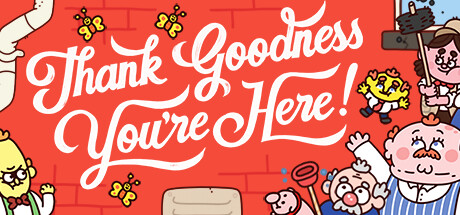
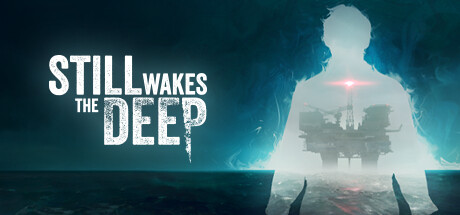
I don’t think I’m British enough to play Thank Goodness You’re Here. In all seriousness, Thank Goodness You’re Here is an adventure game where you play as a travelling salesman in Northern England. It’s sort of a slapstick comedy and the animation style feels reminiscent of The Ren & Stimpy Show. I didn’t really find myself laughing while playing it, but I don’t think I was in the right state of mind when I tried it. I’d like to give it another shot in 2025 since I hear it’s relatively short (which is always music to my ears). Similarly, I don’t think I’m Scottish enough to understand what anyone is saying in Still Wakes the Deep, the first-person, psychological horror game from The Chinese Room. The game takes place on an oil rig, which is a really cool setting. The game looks incredible, too. It’s mostly a narrative-driven experience, although it does have monsters who pursue you in certain areas. I was actually really enjoying my time with the game, but I dropped it because of the allure of the other games on this list. I downloaded it through Game Pass on my Xbox Series X, but I might just purchase it for my PS5 instead when I’m ready to play it again.
Going Under was the first game from Aggro Crab, the developers behind Another Crab’s Treasure, one of my favorite games of 2024. You play as an unpaid intern who gets roped into exploring the ruins of failed startups beneath the building where you works. I normally don’t like rogue-likes, but the progression loop and overall tone of the game had me wanting to play more. Speaking of going under, I started Under the Waves, that sad middle-aged man simulator published by Quantic Dream. It’s sort of like Everblue, but not as cool? It was a free download as a PlayStation Plus Premium subscriber, but I didn’t get very far before I had to resurface for some air. In terms of exploring the ocean of the sky, I attempted to make more progress in Sea of Stars, but I just can’t stomach that game for very long. I still think the dungeon design is great and the game looks gorgeous, but the characters, writing and story makes me want to hit the “Close Game” button on my PS5, and I did.
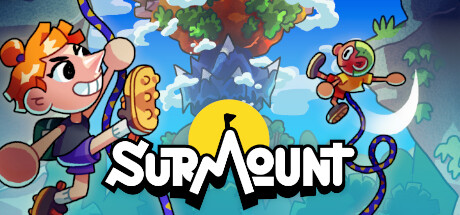
I played the original Darksiders II back on PS3/Xbox 360, but never finished it. With the release of the PS5 version of Darksiders II Deathinitive Edition, I figured it was time for a revisit. While the update improved the frame rate and image quality, it’s still technically not the “definitive” version of the game. There’s a lot of screen-tearing and performance issues, which mostly get resolved if you close the application and restart the game, at least from my experience. Similar to other games I’ve written about here, I’ve made the most progress with Darksiders II this time around than any previous attempt. I’m just past restoring the fire and water on the mountain at the start of the game, which is still relatively early in the game. Hades is yet another game I restarted for the second/third time this year. I made it to the second major area, Asphodel, which is the lava zone, so to speak. For whatever reason, I just can’t stick with the game. I always end up making a few runs before I’ve had my fill. Rogue-likes generally aren’t my cup of tea, but I do like Supergiant Games’ releases. Perhaps one day I’ll actually beat the game (maybe before Hades II leaves Early Access). Speaking of Rogue-likes, Surmount is a physics-based, mountain climbing game with a colorful aesthetic. I played the opening bits before shutting it off because it just wasn’t grabbing me (pun intended).
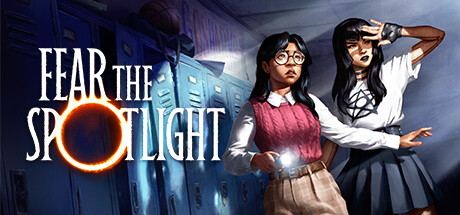
Fear the Spotlight is the first game published by Blumhouse Games, which is an offshoot of Blumhouse Productions, the production studio known for their horror films. Fear the Spotlight revolves around two students who sneak into their school afterhours to play with an Ouija board. Naturally, all hell breaks loose shortly afterwards. The visuals are evocative of low-poly, PS1 era survival horror games, but the game itself feels a bit more modern in terms of its design. For one, there’s no combat and the game auto-saves frequently. While Fear the Spotlight is puzzle-heavy (and the puzzles are pretty good), there’s an (unimposing) “pursuer” enemy who stalks you in particular rooms. The pursuer is certainly no Nemesis or Pyramid Head, but at least they tried. I got about halfway through the game before putting it down, but I definitely wanted to finish it. I also started Demons of Asteborg on PS5, a new original title made for the SEGA MegaDrive/Genesis in-mind. It’s a 16-bit action-platformer with big character sprites. I played a level or two before turning it off, so I really can’t speak to it at the moment. I didn’t really care for it, to be perfectly honest.
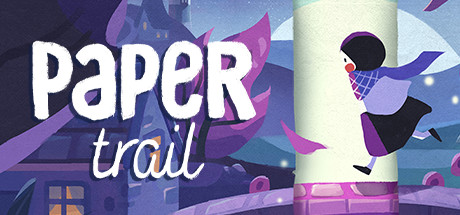
Paper Trail is a 2D, top-down, puzzle game where you fold corners of the screen in order to create new paths and solve puzzles. I played through a few screens before calling it quits, but it seemed like a neat and clever game. There was just something about it that made me feel sleepy, though. I replayed Bloodstained: Curse of the Moon and saw the last ending I needed to see. I also finished the boss rush mode, which netted me 100% of the trophies. I then started Bloodstained: Curse of the Moon 2, finished the first level, and promptly turned it off. It just felt like more of the same and I don’t think I was ready for it just yet. It’s apparently way longer than the first game and there’s more characters to play as this time around, too. I might revisit Curse of the Moon 2 in October since it’s a more appropriate time in the year to play a Castlevania-like game.
I started Prodeus against my better judgment. It’s one of those throwback FPS games in the same vein as the old DOOM/Quake titles. I finished the first level and realized I was simply not in the mood for it. Dead End City is a top-down, vertical shoot ’em up where you control cars equipped with guns. Aesthetically, it reminds me of the Mad Max game on NES. What’s interesting about Dead End City is that you have a fuel meter, which is an unusual resource for an arcade style shooter, but it makes sense considering you’re controlling a car. I made a few runs of the game before losing all of my credits. It’s a hard game, but one I didn’t feel too compelled to stick with. I streamed Air Twister on PS5 to two of my friends one night, you know, that weird rail-shooter from Yu Suzuki, of Shenmue fame? It originally released for the Apple Arcade and it shows. The menus and interface still carry that mobile game stank, but the game is kind of cool and the soundtrack is out of control. Air Twister certainly makes an attempt to capture the spirit of Space Harrier, and as Squirrelly Dan from Letterkenny would say, “That’s what I appreciates about you, Yu Suzuki”.
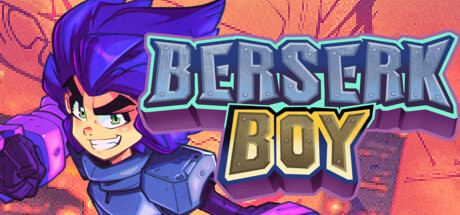
Berserk Boy clearly wears its love for Mega Man Zero on its sleeve. I had a lot of trouble getting into the game, however, despite my love for Mega Man and my desire for a new entry in the series. I’ve said this a lot lately, but from my experience (and I’m generalizing here) a lot of indie game developers appear to lack the focus or level design chops when it comes to stage layouts. The levels felt like they were designed to have the player chain actions together in order to efficiently navigate the space, but the design of it all reeked of someone’s first attempt with a level editor. I only finished a level or two before shutting it off. The Another Code series has had an interesting presence in the west. Another Code: Recollection is a collection of two enhanced games; Another Code: Two Memories, originally released for the Nintendo DS in 2005, and its sequel, Another Code: R – A Journey into Lost Memories, which launched on the Nintendo Wii in 2009. The Wii game never saw the light of day in North America, until now. I’m not familiar with either of the original releases, so I couldn’t tell you what’s changed, outside of the obvious visual overhaul. I didn’t get very far before getting distracted by other games, though.
Ufouria 2: The Saga was one of my favorite games of the year. I owned the original Ufouria on Wii’s Virtual Console, but never finished it. The sequel is far more forgiving than the first game, which is a relatively difficult 2D platformer with Metroid-like elements. HEBEREKE Enjoy Edition is more or less a port of the first game with some added features. I played it for a bit before retiring the game to the digital archives. I started Paranormasight: The Seven Mysteries of Honjo for the second time, but I didn’t get very far. I think I need to admit to myself that most visual novels aren’t for me. I started The Legend of Zelda: A Link to the Past on the Nintendo Switch Online (NSO) during a plane ride. My session consisted of finishing the opening area in Hyrule Castle, saving in Kakariko Village and then promptly shutting it off. Having played through The Legend of Zelda: Tears of the Kingdom last year, a part of me wanted to revisit one of the older games. I haven’t played A Link to the Past in ages, but perhaps enough time hasn’t passed. I started Super Mario RPG in 2023, but never finished it. I played a bit more of it in 2024 and got to the Land’s End Cliff, which is relatively close to the end.

Corn Kidz 64 is a throwback 3D platformer that feels like something that would have accompanied Tonic Trouble on the N64. I thought I was going to be obsessed with it, but the level design is far more puzzle-like than I was expecting it to be. It does have a somewhat interesting move-set, but the goals and objects seem a bit too cryptic. I didn’t make much progress before giving up on it. stich. is a game about embroidery where you fill in spaces on a numbered grid to create images of common day items and such. It seemed super chill and relaxing, but I didn’t play it for very long. Dadish 3D is a simple 3D platformer where you play as a radish… who’s a father? I finished a bunch of levels, but it was just so unremarkable. There’s a bunch of 2D Dadish games before this, so maybe I should just play them in order (or not). Lorelei and the Laser Eyes is a hardcore puzzle game that feels and looks like a PS1 era survival horror. The game is super stylish and uses fixed camera angles, which I’m way into. I was super overwhelmed by all of the notes and information the game throws at you near the start, however, so I haven’t gone back to it since. I downloaded Lorelei and the Laser Eyes at launch for Switch, but I might just pick it up on PS5 when I’m ready to play it again.
I finished the first world of Super Monkey Ball Banana Rumble and it seemed like a really good iteration of the series, a return to form, if you will. Nintendo World Championship: NES Edition is more or less a version of the NES Remix games that came before it. I jumped around a lot and tried many of the challenges before having my fill. I kind of got obsessed with getting S Ranks for each challenge, so there was no way I was going to “finish” the game by the end of the year (if there’s even a proper “end” to the game). Even though I grew-up with the NES, I would have preferred an SNES Edition. At some point, I Kickstarted the sequel to Chicken Wiggle on 3DS. Hatch Tales: A Heroic Hookshot Adventure, developed by Atooi, is the follow-up to the 3DS game. The developer is known for Mutant Mudds, Xeodrifter, Dementium, and more. While Chicken Wiggle had nice pixel art, Hatch Tales looks like Angry Birds. I really don’t understand the art direction change and the game itself features bite-sized levels that more or less feel like stages from Mutant Mudds. I finished the first world and sort of questioned why I Kickstarted the game to begin with.
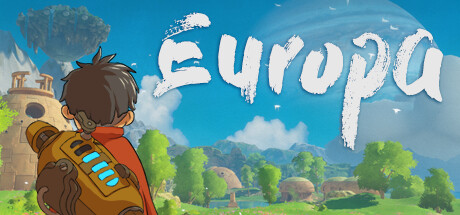
I impulse purchased Europa for the Switch. It’s sort of a Journey-like game with an emphasis on 3D platforming. It’s got that Breath of the Wild/Tears of the Kingdom glider as well. The game has a nice, Ghibli-inspired art style, but it runs like ass on the Switch. I wish the game released on PS5, but perhaps I should have just bought it on PC/Steam. I played a chapter or two before dropping it because I read you could miss most, if not all of the collectables. A chapter select was eventually added to the game with a recent patch, but I haven’t had any motivation to return to it. I haven’t played a Mario Party game since the N64 days. My brother and I used to have sleepovers with our cousins growing-up and Mario Party was always in the rotation. As an adult and a newly married man, my husband and I have been trying to invite friends over more often for card games and the like, so we bought Super Mario Party Jamboree for such occasions. We’ve had a few sessions with friends since and it’s been a lot of fun.
I don’t know what I was thinking starting Tokyo Xanadu eX+. I never even opened my PS4 copy (I have a problem, clearly). I think I just feel compelled to support and buy any Falcom game that gets localized. I didn’t realize how story and dialogue heavy the game was, though. It’s both a dungeon crawler and in some sense, a visual novel. I played the prologue chapter shortly before my copy of Ys X arrived, so off to the bookshelf it went. I love Paper Mario, but I’m not one of those Paper Mario: The One-Thousand Year Door snobs who can’t find value in anything other than the GameCube title. I think Paper Mario 64 might be my favorite one in the series still, but I also don’t hate Sticker Star or Color Splash as much as everyone else does. Paper Mario: TTYD is definitely a great game and a competently-made RPG, but I don’t think I was ready to revisit it right now. I also don’t think the world design has aged well, either. The game just feels so simple in design and scope next to The Origami King, for example. Similarly, Luigi’s Mansion 2 HD is probably my least favorite entry of the bunch. Having interconnected, mission-based mansions doesn’t exactly suit the series, even if it was appropriate for the 3DS at the time. I 100%’ed the original release years ago, so I don’t think I was quite ready to revisit Luigi’s bite-sized shenanigans.
I really like Good-Feel as a developer. Yoshi’s Wooly World and Kirby’s Epic Yarn are some of my favorite 2D platformers. They’re quite honestly some of my favorite entries from their respective series. I’ve owned, but haven’t played their 3DS port counterparts, both of which added a bunch of new content. I started Poochy & Yoshi’s Woolly World, the 3DS port of the original Wii U release, early in the year. Having just played Super Mario Bros. Wonder (SMBW) in 2023, I was surprised to see that there were Badges in the game, some of which you could argue were an attempt to introduce accessibility options. I thought that was something SMBW introduced, but the idea was sort of sitting around in the 3DS port all along. Similarly, I started Kirby’s Extra Epic Yarn, another 3DS port of the original Wii release. I only managed to finish a handful of levels in both games, but I really want to make time for them at some point. I just adore the soundtracks in both games, too. I sorely miss Tomoya Tomita’s work.
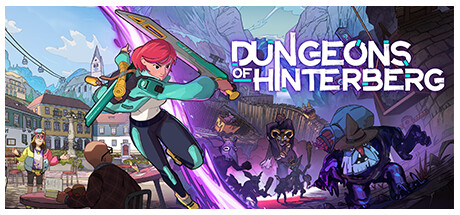
I downloaded Dungeons of Hinterberg on my Xbox Series X through Game Pass and played through the introduction sequence and first dungeon. The game takes place in the fictional town of Hinterberg in the Austrian Alps. It’s sort of a dungeon crawler with Zelda-like sensibilities, including modern-day sim aspects, like social links, relationship building and the sort. I didn’t dislike my time with it, so I might give it another go in 2025. Speaking of relationship building (or dismantling), I tried Thirsty Suitors, which was another Game Pass curiosity of mine. It’s a (very slow-moving) turn-based RPG at its core, but there’s apparently a portion of the game where you ride around on a skateboard? I didn’t get that far, unfortunately. There was just something about the game that wasn’t clicking with me. I also wanted to replay Hellblade: Senua’s Sacrifice on my Xbox Series X before Hellblade II came out, but I only got to the Valravyn’s Keep (the illusionary area near the start of the game) before getting distracted by other things. I finished the PS4 version back when it first released, but I never discovered all of the Lorestones, which was something I was hoping to rectify this time around.
Pseudoregalia sure got them PS1 graphics. Pseudoregalia is a technical 3D platformer that feels reminiscent of early PS1 era games. It has a Super Mario 64 style move-set and generally feels good to play. The game is relatively minimalistic and non-linear, but it does have sort of a Metroid-like structure with shortcuts and wraparounds abound. I’m not sure how far I got before putting it down, but I did obtain a new traversal ability or two along the way. I really liked the game from what I played, but it might be a bit too directionless, even for me. Then there’s Kid Bubblegum, which has mad Kid Chameleon energy. It’s a simple 2D platformer where you play as the titular Kid Bubblegum, who’s just rad enough to take on an alien invasion with his chewing gum. Just like the developer’s previous game, Go!Go! Pogogirl, Kid Bubblegum consists of a handful of themed worlds, each consisting of 15 levels filled with enemies, platforming challenges and collectables. There’s not a whole lot to say about the game, although you can pull off some pretty sick moves once you wrap your head around the controls. I got to the second world (Sewers), stopped and never looked back. Exciting times, right?
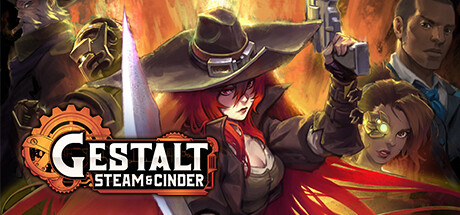
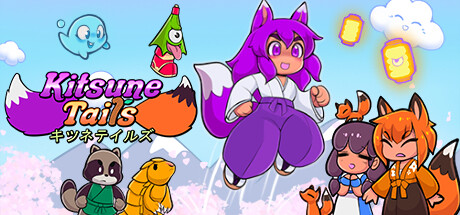
Gestalt: Steam & Cinder is yet another Metroidvania/Metroid-like that’s just so incredibly unremarkable and inoffensive, I’m having trouble finding the words for it. Gestalt is a perfectly fine game and leans more into the Metroidvania side of the sub-genre (there’s experience points, leveling and equipment), but it’s just so wordy and story-heavy, almost to a detriment. There’s a somewhat interesting damage system where you can break an enemy’s shield and stun them by shooting your gun, but the rest of the game is pretty familiar territory. The main character does have an Alucard-like swagger; she’s got those cool trails behind her when she’s running and rolling around. With that said, I actually got very close to finishing it, but I just couldn’t find the motivation to wrap it up before the end of the year. Kitsune Tails wears its Super Mario Bros. 3 (SMB3) inspiration very closely on its sleeve. It’s also very queer. I only played through the first world or so before putting it down, but I wish I liked it more than I did. The stages just felt a bit too unfocused for my liking, but at least they appeared to be short and sweet. I did like the way the world map looked, though. That’s all I have to say about it for now.
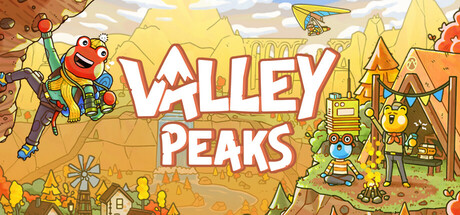
Finally, there’s Valley Peaks, a first-person climbing game in the same vein as A Short Hike or Lil Gator Game. You play as a frog and work for your father’s company who’s task is to build radio towers in a remote, mountainous region. The climbing is actually really satisfying and rewarding. The left and right triggers act as your left and right arm, respectively. You need to sort of alternate your hands as you ascend each mountain in the game, but along the way, you’ll encounter tricky platforming sequences, cliffside hazards, and crumbling rocks. There are a ton of goodies to collect along the way, most of which funnel back into a simple upgrade system where you can increase your resistance to the cold, among other attributes. I finished the first half of the game, which I thought was the entire story, but there’s actually a second half that more or less doubles the amount of content the game has to offer. I really wanted to finish this game, so hopefully I’ll make time for it in 2025.
My “Late to the Party” picks for the year; my favorite games I played/finished during the year that didn’t technically release during the year.
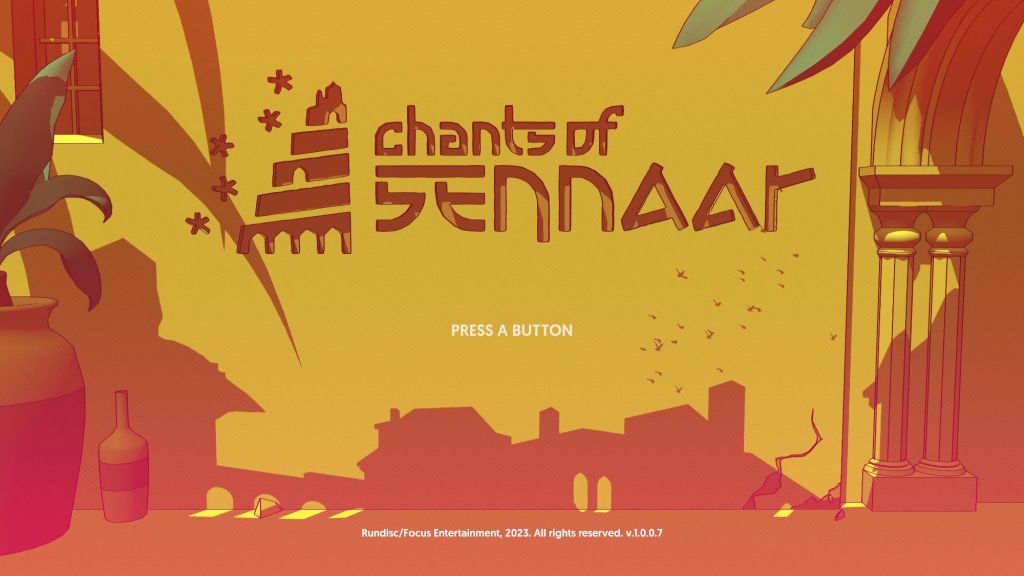
Chants of Sennaar, developed by Rundisc, is a minimalistic adventure game about translating fictional languages. The game takes place in a tower that’s not unlike the biblical Tower of Babel. You start at the bottom and work your way upwards with each section of the tower belonging to a particular group of people with their own language, culture and customs. Although it’s a game about assigning words to foreign symbols in order to read a sentence, the game utilizes its audio/visual language in unique ways in order to provide additional context when translating. You’d think this game would require a pen and notebook at your side, but it doesn’t. As you progress through each area of the tower and interact with more people, your character will sketch images of the conversations they have, which get neatly recorded into a book for the player to reference. My only minor critique of the whole system is that you can sometimes arrive at a solution by using the process of elimination. Chants of Sennaar has a colorful, yet minimalistic art style. The game utilizes lots of yellows and oranges, but each part of the tower carries a distinct look and feel.
The game also uses fixed camera angles with a sort of isometric point of view and each area is just large enough with shortcuts and wraparounds, so you’ll rarely find yourself getting lost. The soundtrack is excellent, too. It’s not exactly an OST I would listen to outside of the game, but there’s nice instrumentation and pleasant chimes when you solve a puzzle/riddle. Chants of Sennaar is one of those puzzle games where you’re constantly questioning everything until it hits you with one of those “aha” moments. There’s also a beautiful sense of visual progression tied to getting the various people of the tower to speak to each other, which is a rather late-game objective. Although it’s technically not a multiplayer game, my husband and I played Chants of Sennaar together, from start to finish, without tearing each other’s heads off! It was one of the best, most memorable and rewarding gaming experiences I’ve ever had. We somehow completed the game at 100% with the Platinum trophy earned without any additional help. It was the first game we finished in the new year and it immediately became my first (and only) “Favorite Game I Played/Finished in 2024 That Didn’t Release in 2024“, until I played the next game…
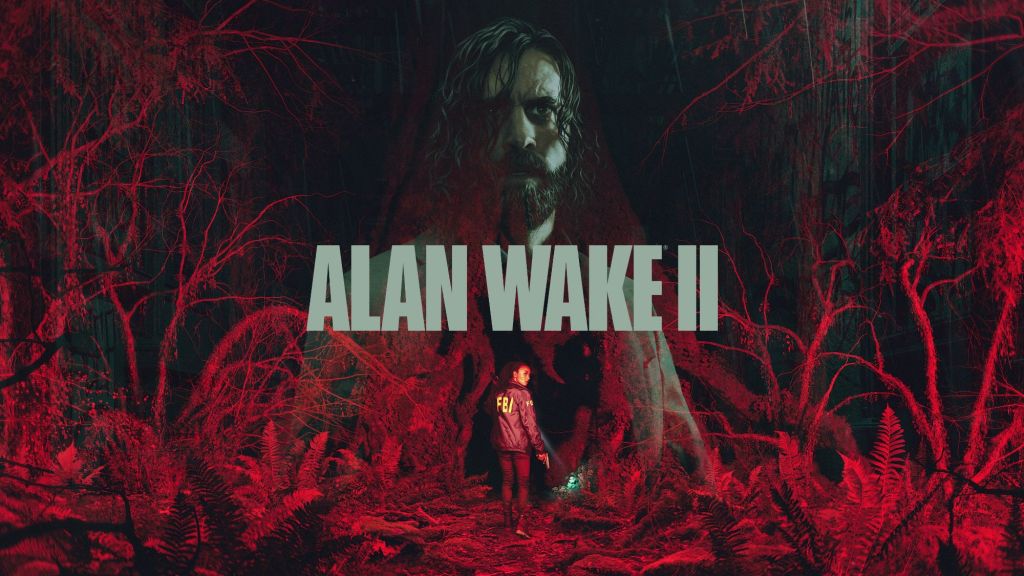
Alan Wake 2, developed by Remedy, is the direct sequel to the original release back in 2010. The conceit of Alan Wake is that he’s a frustrated author who’s writings have come to life. The first game was very “meta” and self-referential, but the sequel takes things even further into the ridiculousness. Every little thing down to the items you collect, the monsters you fight, the people you meet and the notes you read has a justification for existing within the game’s universe. It can take a lot to wrap your head around it all, but if you’re down for the ride, it’s quite possibly the coolest and most interesting narrative in gaming right now. Unlike their previous efforts, Remedy has made a “traditional” survivor horror game and it mostly succeeds. In Alan Wake 2, you can play from two different perspectives; Alan Wake or Saga Anderson. Saga is supposed to be the primary vehicle for new players unfamiliar with the first game. If you’ve played Alan Wake, however, Alan’s portion of Alan Wake 2 has you attempting to escape the “darkness” in order to find your wife (who’s somehow “escaped” from Cauldron Lake). There’s a lot of overlap between the two characters and you ultimately have to complete both “campaigns” in order to finish the game. Since the release of Control, Remedy has created a connected “Remedy-verse”, which now includes the original Alan Wake, Control and arguably Quantum Break (although not officially), so if you’re a fan of those games, there’s plenty of nods and references for fans to pour over and theorize.
Alan’s portions are quite unique in terms of the overall structure of the game. In certain, “dungeon-like” spaces, Alan can alter the environment by rewriting what has transpired in his “Writer’s Room”. These stage-altering areas can only be activated in specific spots, however. The change in the environment is accompanied by a slick, transparent overlay of Alan Wake typing away at his typewriter and the scene is altered instantly in real-time, which might reveal new paths or clues to progress. The transition is quite impressive visually and it looks very stylish. Saga’s adventure is a more “traditional” survival horror experience, at least viewed through a post-Resident Evil 4 lens. She’ll obtain bolt cutters and other tools to create wrap-arounds/shortcuts in order to gain access to new areas. Her gameplay “gimmick” is having the ability to retreat to her “Mind Place”, which is somewhat similar to Alan’s Writer’s Room. With the tap of a button, Saga can instantly transport herself to an isolated dimension of sorts where she can profile people and put clues together to solve the case. By learning more about the story and obtaining evidence, Saga will have to match/arrange pieces of evidence together on a board in order to progress pivotal plot-points. While it’s a novel idea, the act of placing pieces of evidence together on the board can feel a bit like trial & error. I often found myself not reading the clues and just plugging pieces where I thought they would naturally fit based on their photograph. It’s also here where you can upgrade your weapons, watch or listen to TV commercials and radio broadcasts you’ve discovered, and generally take a breather and enjoy a cup of coffee away from the madness.
One of my favorite things about Alan Wake 2 is discovering something that hints at Control or the Remedy-verse at large. In the Cauldron Lake area when mostly playing as Saga, you come upon a mysterious communications building in the middle of the woods. In and around this small metallic cabin of sorts, you’re constantly hearing a beeping noise indicating some sort of transmission/signal being sent out/received. It’s incredibly unnerving, but it made my mind run wild with ideas and theories. I think this is one of the best aspects of Alan Wake 2. The game is absolutely dripping with style and personality. Bright Falls looks absolutely gorgeous, too. I always looked forward to the next cutscene because the story and atmosphere is where the game shines. Whenever a character was speaking, the game had my full attention, which is something you can’t say about a lot of games. The soundtrack is also amazing. Not only are there a ton of vocal tracks, a lot of it plays in-between chapters and the lyrics pretty much always have to do with what’s going on in the game. Some of the cutscene tracks are great, too. I completed Alan Wake 2 with the Platinum trophy earned, but I have not attempted the “Final Draft” yet, which is essentially new game+ with additional story bits. At the time of writing this, I also haven’t played through the final DLC content, “The Lake House”. I’m saving my revisit to Bright Falls for 2025, but it’s my second “Favorite Game I Played/Finished in 2024 That Didn’t Release in 2024“. There was one more game to add to this list, however…
Hollow Knight: Voidheart Edition, developed by team cherry, is a 2D Metroid-like about a bunch of bugs trying to survive in a cursed kingdom. I’ve started and stopped playing this game many times over the years, but finally, nearly seven years later, the 2017 indie darling clicked. My brother and I always wanted to make a game about a forgotten land/kingdom beneath a well. To my surprise, Hollow Knight quite literally has you jumping into a well after the introduction sequence and from there, you’re greeted with a sprawling underground network of caves and ruins infested with bugs and insects that want to kill you. Despite its high praise, Hollow Knight has a few rough edges that doesn’t exactly make it the most welcoming game in the “Metroidvania” sub-genre. For one, the map system is a bit obtuse. You not only need to purchase a map for each area by locating a map-maker in each biome, but you also need an item to update the map itself when resting at benches. Speaking of benches, chilling out with bugs as they ponder their existence is one of my favorite things about the game. A lot of Hollow Knight is just hanging out with insects in cool-looking areas, sitting with your thoughts. I found myself hanging out in the City of Tears listening to its track on loop because I liked it so much. The game also incorporates a lot of those post-Souls ideas like losing your currency at death and having the ability to retrieve your “souls”, so to speak. I also can’t not think about Castlevania: Symphony of the Night (SotN) when playing any newer Metroidvania game and one thing that’s dawned on me recently is the “Souls-ification” of the sub-genre.
I’ve found Hollow Knight, Blasphemous and other recent games in this space to have leaned more into environmental storytelling and lore found in item and bestiary descriptions to tell their story (and that’s on top of the aforementioned “retrieve your souls after death” nonsense that’s infected all of these games). I had no clue what was happening in the game until my brother showed me part of a lore video on YouTube. Is it my fault for playing too many games at once and not giving Hollow Knight the time it deserves? Perhaps. But I think I was simply never wired for this type of exposition, particularly when it came to playing Metroid-likes. SotN and Koji Igarashi’s Castlevania games since have sort of trained my brain in a way that’s not indicative of how a lot of these games are made today. For one, in SotN, Alucard could perform a back-dash. Every kid I knew who played the game growing-up got around the castle much quicker by back-dashing down corridors. This maneuver sort of lent itself to a “steamrolling” playstyle I’ve since inherited and I fear it’s something my brain cannot undo. 2D games in general aren’t the types of experiences where I will stop, sit and ponder whether or not the statue in the background has some sort of vital meaning to the plot. I sort of wish games in this sub-genre would be a bit more deliberate in their storytelling. It’s why I hold Nine Sols in such high regard, the recently released Metroidvania from Red Candle Games (the developers behind Detention and Devotion). The story setup is made abundantly clear very early on and while there’s still world-building found in terminals and such, you’re not scrambling through monster descriptions in a menu to go “Ahh, so that’s what’s going on!”.
Having finally played Hollow Knight after all these years, it was difficult to analyze the game for its “vanilla” experience. The game has been updated a lot since its initial release and all of the new content is seamlessly integrated into the base game. I feel like I might have had a different impression of the game had I played it at launch versus experiencing it today. Regardless, there is a lot of game in Hollow Knight. I spent nearly 50 hours going for the coveted 112% completion and I still couldn’t manage to see and do everything the game had to offer. I got all trophies except for the ones related to the final boss rush rooms, which are a part of the “Godhome” DLC. I managed to complete the game and beat the “true final boss” at 110%, but I just didn’t have it in me to obtain those last 2 percentage points. The boss rush content is hard and while the combat is fine in Hollow Knight and there are many different “build” combinations with the Charms you have at your disposal, I am just too old and tired to bang my head against this wall. Congrats to those who have accomplished the monumental task of earning 112% in Hollow Knight, but for now, I am happy to be in the camp with the rest of the ants sitting under a magnifying glass waiting for Silksong to release as the sun scorches this godforsaken earth into oblivion.
If Paul, Jason, and June played videogames extensively instead of watching movies, this would be the game they’d choose to rip apart.
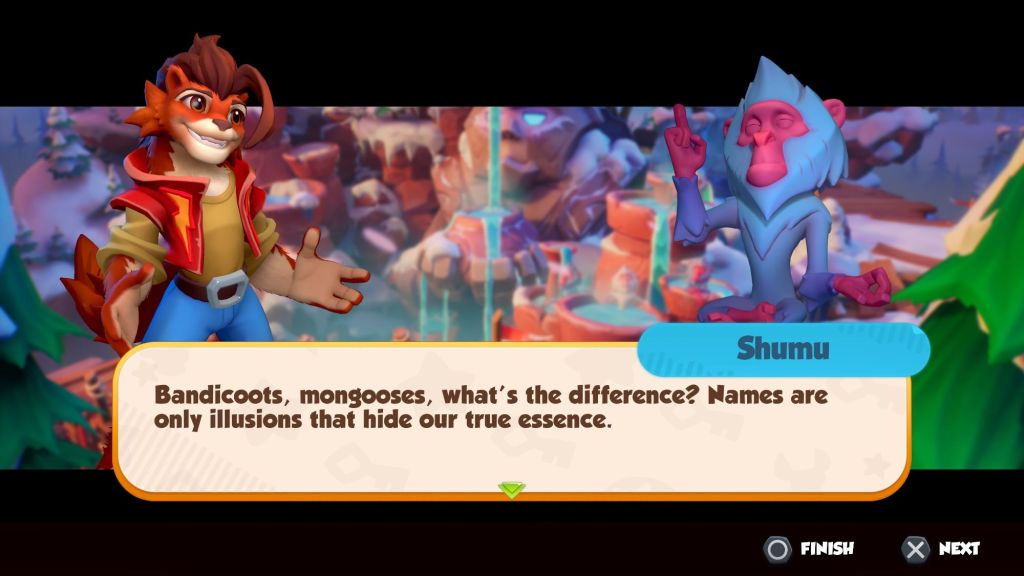
Nikoderiko: The Magical World is a 2.5/3D platformer in the same vein as the classic Donkey Kong Country (DKC) games, but it made me question my own existence and purpose on this godforsaken earth and ask, “How Did This Get Made“? GEM Capital, who’s an international investment company that operates in private equity and venture capital markets, invested $2 million in Moscow game studio VEA Games. Their result? Well, nothing other than Nikoderiko: The Magical World. Nikoderiko is perhaps the perfect example of wearing your inspirations a bit too closely on your sleeve. While Rare’s DKC games were clearly an inspiration here, Nikoderiko takes a lot of cues from Retro Studio’s releases, almost to a tee. So, what is Nikoderiko exactly? Niko and his girlfriend(?)/sister, Luna, are mongooses. Mascot platformers based on anthropomorphic animals have been a staple of the genre for decades. Mongooses hunt snakes, so naturally, the villain, Baron Grimbald, is a cobra and his underlings are a bunch of slithering miscreants. While an attempt was made here, it all feels like a poor imitation of the Kremlings from the DKC titles. Niko and Luna are simply treasure hunters in search of gold and trinkets. They arrive in the titular “Magical World” to obtain its riches but are stopped in their tracks by the Baron and his gang. Time for adventure, I guess?
Nikoderiko’s main hook is the fact that it’s both a 2.5D and 3D platformer. The game is mostly on-rails, but will occasionally transition to a 3D perspective. I want to stress the word “occasionally”. The 3D segments, although somewhat reminiscent of the Crash Bandicoot games, are extremely short-lived and the gameplay doesn’t really evolve or do anything interesting with the perspective change. The controls are mostly fine, but the characters never quite feel like they are standing on any given surface. The characters simply lack physicality with their surroundings, so it all just feels relatively floaty and disjointed. The level design is mostly fine and while the stages don’t overstay their welcome (thankfully), most levels lack polish and focus. The second level, for example, introduces sleeping rock platforms that can be woken-up by using a ground pound. The level plays with this idea in a handful of ways at the start, but then you suddenly find yourself in a dark cave where the perspective changes to 3D. In this cave, there are mushrooms that will light the way and illuminate your surroundings once you’re within proximity of them. It actually looks really nice.

The designers could have made an entire level out of this idea instead of cramming it into the second stage along with the sleeping rock platforms. This critique isn’t exclusive to this game, either. I’ve found that a lot of indie developers struggle with either making levels that are far too long for their own good or have too many ideas crammed into one. Nintendo are masters of this craft (see any recent 2D/3D Mario game) and even the Retro Studios DKC games understood the assignment. As an arm-chair game designer, I simply don’t understand why it’s so hard to introduce an idea in a level, play with it, ask the player to master the concepts within the stage, and then move on! There’s one level in Nikoderiko that’s basically Stop & Go Station from the original DKC. In another stage, lights will flicker on and off, which is reminiscent of \lackout Basement. There’s even a dedicated minecart level! Nikoderiko simply feels like the “Greatest Hits of DKC”, but it lacks the polish, creativity and craftsmanship the games it’s inspired by are known for.
One of the biggest cardinal sins the game commits is how they handled the collectables. Each stage is littered with goodies to collect and bonus areas to discover, most of which are hidden in various nooks & crannies. There are fireflies, the game’s main currency, keys, gems and letters that spell out “NIKO” to collect. What’s completely wild and unacceptable is that the keys, gems and NIKO letters aren’t used for anything other than for completion purposes. Unlike Crash Bandicoot, you don’t use gems to access secret levels. The fireflies, artifacts and special coins found in the stages can be spent at an in-game shop to unlock artwork, 3D character models and more extras. Obtaining 100% in-game completion is exhausting and an absolute chore as well.
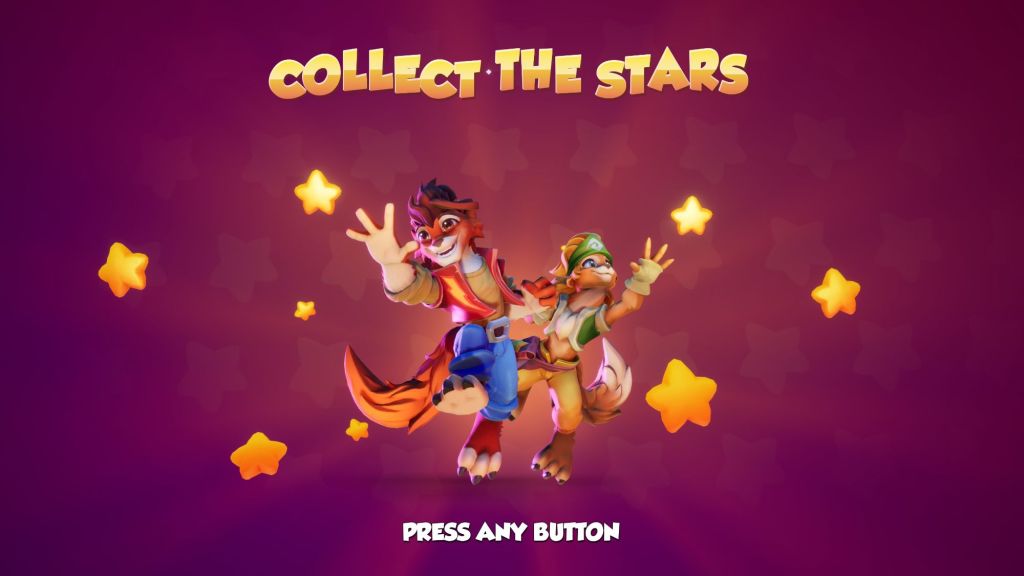
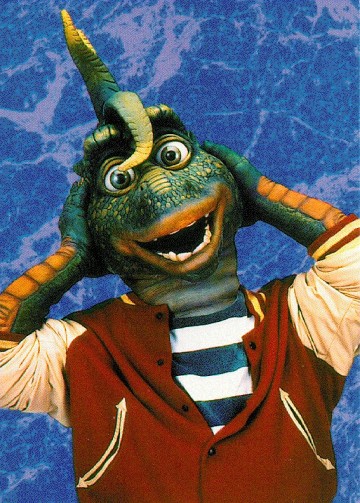
There’s just nothing cool about Niko’s character design, too. He reminds me of Robbie Sinclair from the 1990’s TV show, Dinosaurs, yet somehow infinitely less stylish. It doesn’t help that at the end of a level, both characters do a little victory dance as your collectables are tallied. It’s an extremely awkward animation where Luna’s tail clips into Niko when she does her spin. It’s so embarrassing. Finally, the music, composed by legendary game composer, David Wise, feels totally phoned-in and uninspired (I do kind of like the Sacred Forest track, even if it feels super derivative of his work on the DKC games). 2D/3D platformers are arguably my favorite types of games, so I feel obligated to “check ’em all out”. I truly don’t understand why/how this game was made and I can only recommend it to genre aficionados looking to scrape the absolute bottom of the mongoose… barrel. But Nikoderiko isn’t the only “How Did This Get Made” from this year…
I genuinely thought Pumpkin Jack was a decent 3D platformer, so when I saw that Akimbot was from the same developer, Evil Raptor, I thought, “what could possibly go wrong?”. Boy, did things appear to go wrong. Akimbot is one of the worst games I’ve played all year. It’s supposed to be “Ratchet & Clank at home”, but it’s the furthest thing from Insomniac’s spacefaring adventures. Exe and his robot pal, Shipset, are at the top of my list for the two most insufferable characters of 2024 (next to Niko and Luna, of course). Shipset is like Claptrap, but ten times worse somehow. I don’t mean to disparage the voice actors, but it feels like the developer gained access to a recording studio for the first time and hired their friends to do the voiceovers. The game also has this puke-green and yellow aesthetic which is compounded by its grainy piss-filter. I don’t get it.
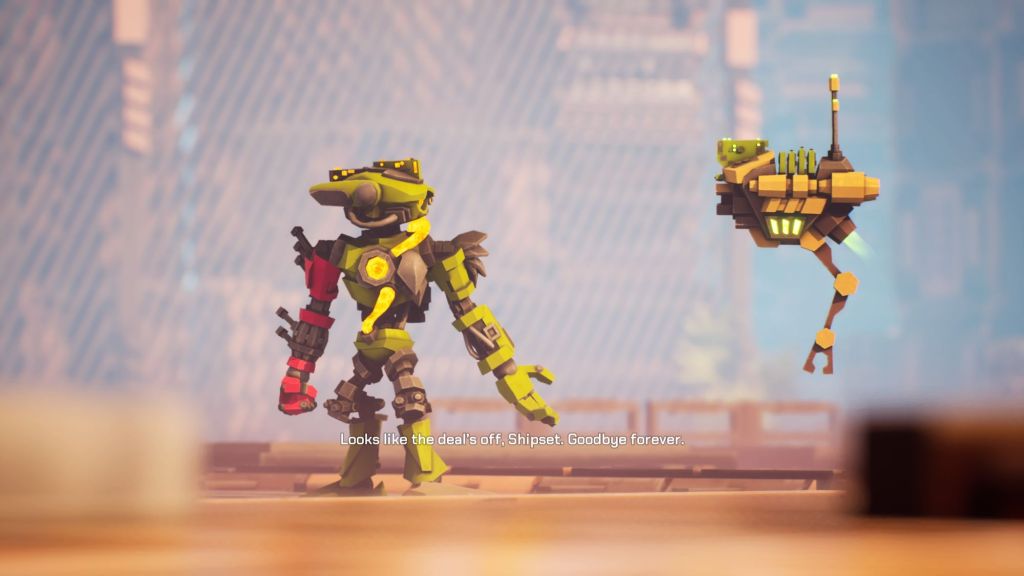
The game itself, from the little I could stomach, is a linear, 3rd-person shooter with some light platforming elements. The level design leaves a lot to be desired, to say the least. The first few stages overstayed their welcome and felt like a hodgepodge of laser beams and cylindrical platforms placed at random intervals. The game, at launch (which may have been patched since), had terrible screen-tearing to the likes of which I haven’t seen since the Xbox 360 days. I truly don’t understand the comparisons to Ratchet & Clank. When I read comments about the game on the internet, I feel like I’m observing an alternate universe through a telescope where the game is highly revered as some sort of “return to form”. Perhaps Akimbot “gets there” at some point, but I have no desire to see it through.
A new release during the year I thought I was going to love, but ultimately didn’t care for.

I wasn’t exactly jumping at the bit to play The Plucky Squire, but there was just something about that initial announcement trailer. The developer, All Possible Futures, was formed by two industry veterans who have worked on mainline Pokémon titles and indie games, including The Swords of Ditto, Fluidity, and Stealth Inc. Before I had a chance to play it, I began to hear rumblings about how glitchy and buggy the whole experience was. On top of that, the game was apparently more chatty/hand-holding than Nintendo at its worst. The Plucky Squire’s main gimmick is that you’re playing through a child’s storybook. The game starts as a 2D, top-down, old-school Zelda-like experience. At some point during the second chapter of the game, you’ll eventually be introduced to the world outside of the book where the game suddenly becomes a 3D action-platformer. While the sequence looks cool when you’re transitioning from 2D to 3D, from what I’ve played, the 3D world isn’t that much more interesting to engage with. What I was not expecting was how the 3D spaces were limited to a desk in some kid’s (Sam’s) bedroom. I sort of expected the game to be a traditional 3D platformer with a ton of fun things to collect, something more akin to 2022’s Tinykin, but it’s not.
The Plucky Squire clearly borrows elements from Paper Mario and The Legend of Zelda: A Link Between Worlds, so you’d think I’d be in love with it. Perhaps it’s not the game’s fault, but I sort of built up The Plucky Squire in my head to be something that it’s clearly not. I played through a handful of the chapters before ultimately dropping it. The game is super colorful, the characters are charming, and the animations are great, but I just did not like how the game was structured. A small nitpick I had; the first chapter ends with this Punch-Out inspired boss that’s so offensively simple, I just refused to believe it. You’re given the ability to dodge attacks and make right/left hooks, but none of it feels like it matters. You can simply pummel the boss with little to no consequences. Sorry, but I’m also a little tired of the NES era pandering. Apparently, you can also miss a ton of the collectables and at the time of writing this, it’s not clear to me if the chapter select is still working properly. The developers did add a new Streamlined Mode in the latest update for PC, which offers quicker dialogue and less hand-holding, so perhaps I’ll give it a go in 2025 when/if the PS5 version gets patched. I really wanted to like The Plucky Squire, but as it stands, it’s my “Most Disappointing Game” of 2024.
A new release during the year I wish I gravitated more towards, but ultimately wasn’t wired for.
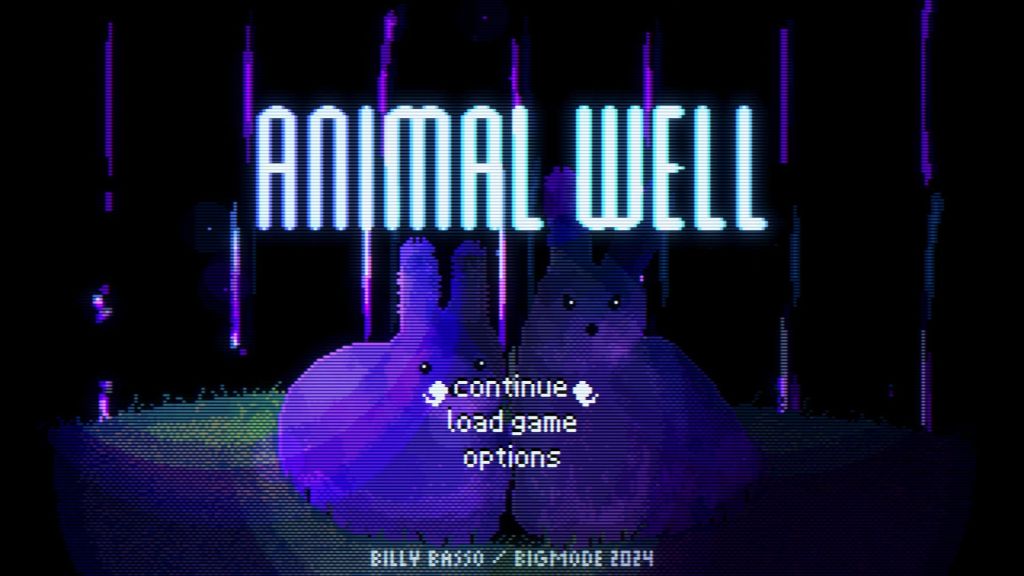
Animal Well, developed by Bill Basso and Shared Memory, released to almost universal praise in 2024. It was also published by Bigmode, you know, that controversial YouTuber who’s become an indie game publisher. Animal Well is a minimalistic, 2D puzzle-platformer at its core. At the start of the game, you essentially bloom from a prehistoric flower and take control of a tiny blob. Ahead of you is a labyrinth filled with puzzles, tricks and, well, animals. There’s something so primordial about the game, which I love. There’s no dialogue and the guide-posting is kept at a minimum, so you really need to pay attention to your surroundings. The pixel art aesthetic is captivating and the atmosphere is heavy. There’s really no music in the game, either. When you’re exploring the cavern, you really only hear the echoes of strange creatures in the distance or water dripping from above. On the surface, Animal Well is 100% my kind of shit, which makes the realization that I might not be wired for this type of game even more frustrating.
I have a lot of respect for games like Animal Well; Fez, The Witness, Tunic and Cocoon, for example, all follow this hands-off, minimalistic approach to game design and it’s something I truly admire. Just like with those games, however, Animal Well is yet another example of having far too many additional layers that I’m clearly not cut out for. I really enjoyed my time with Animal Well, up to a certain point. You see, the first part of the game doesn’t ask too much from the player. Rolling the initial credits isn’t easy by any strength of the imagination, but if you’ve played a 2D puzzle-platformer before, you’ll be in good company here. It’s still not an easy game to wrap your head around, though. While it’s certainly a Metroid-like, the items/tools you obtain are extremely unconventional. One of your tools is a rod that blows bubbles and another item is a yoyo. It’s not clear what these items are used for until you experiment with them. The tools often have multipurpose functions too, which opens yet another can of worms on top of an already cryptic game.
After you roll the initial credits, you’re presented with even more mysteries. The Animal Well community has defined the post-game as “Layers”. I retraced the map numerous times and while I discovered a few new areas and a half-dozen or so of the hidden Eggs (the game’s main collectable), I just couldn’t figure out the larger puzzle that’s presented to the player. A big part of Animal Well, like the games I mentioned above, relies on the community to come together to share their discoveries. I’m not one to hang around discords, breaking down augmented reality game (ARG)-adjacent riddles and the like. If I can’t reasonably figure the game out and all of its secrets on my own, then I feel like there’s something wrong with me. The reality, however, is that I’m simply not wired for what the game is asking of me. Perhaps if I had a close friend group playing alongside me, I would have had a different experience. The time I spent with Animal Well was quite like nothing else I played during the year and while it’s no fault of the game or its creator, it frustrates me that I couldn’t figure out the additional layers on my own. For that reason alone, Animal Well is my “Most Disappointed in Myself” game of 2024.
The MMO/live-service game I played the most during the year.

I’ve been playing Destiny 2 non-stop since its launch back in 2017. I don’t think a week went by where the game wasn’t in my rotation. This year, however, is probably the least amount of Destiny 2 I’ve played since the game first released. Up until the month or two before the release of the game’s “final” expansion, Destiny 2: The Final Shape, I was mostly “caught-up”. Back in April/May, my dad’s health started to deteriorate quickly. In June, I flew back home to spend time with him in hospice before he passed. While I played a game or two during this time to maintain some sort of normalcy in my life, something like Destiny 2 just wasn’t on my mind. It doesn’t help that Bungie continues to apply the fear of missing out (FOMO). During my two month hiatus, two modes with corresponding Seals (which are in-game titles based on objectives that you complete) were introduced and vaulted within that very same time period. I think I was kind of done with the game after that. Destiny 2 never really respected a player’s time, but 2024 may have been the final nail in the coffin. I still haven’t finished The Final Shape campaign yet and I just have no motivation to boot the game up, despite the great things I keep hearing about the finale.
My first experience with Helldivers II wasn’t great. I had a friend reach out to me who primarily plays the game on PC, but I own Helldivers II on the PS5. Although the game apparently has cross-play, no matter how hard we tried, we just couldn’t connect and play with each other. At the time, we were reading that a recent patch botched the cross-play functionality. I only managed to play the tutorial mission and walked around the ship for a bit before spending most of my time in the menus trying to matchmake with my friend. While this debacle was purely circumstantial, it didn’t leave a very good first impression and I haven’t returned to it since. If the game worked properly when I first tried it, perhaps it would have become my favorite ongoing game of 2024 because mechanically, it’s my type of 3rd-person shooter. So, what’s my “Favorite Ongoing Game” of 2024? I suppose I don’t have one this year! Perhaps I will finish The Final Shape expansion in Destiny 2 and give Helldivers II another go in 2025, or maybe I’ll just shelve both games and get really hardcore into Infinity Nikki…
The DLC/Expansion/Update I Played/Enjoyed the Most in 2024.
Live service games aren’t the only forever games lately. While downloadable content (DLC) and traditional expansions to existing games is nothing new, it feels like more single-player games than ever have been receiving updates in some fashion or form. If I had made time for it, Destiny 2’s The Final Shape would have likely been my favorite expansion of the year (if you read the section above, you’ll know how that went). What’s interesting about the modern-day landscape is how developers are approaching DLC integration. The general theme (or goal) of DLC in 2024 appeared to be just how seamless DLC could be integrated into the main game. I played through the Prince of Persia: The Lost Crown – Mask of Darkness and really enjoyed it. It’s probably the hardest challenge in the game, outside of the rewards you get for beating the game under specific time limits on perma-death mode and the boss rush. The Mask of Darkness can be accessed from within a save file that’s already in-progress and it focuses on Radjen, a character from the main story that doesn’t get as much attention. Unlike some of the other games on this list, the Mask of Darkness does strip you of a lot of your abilities, so in a sense, it does feel relatively segregated.
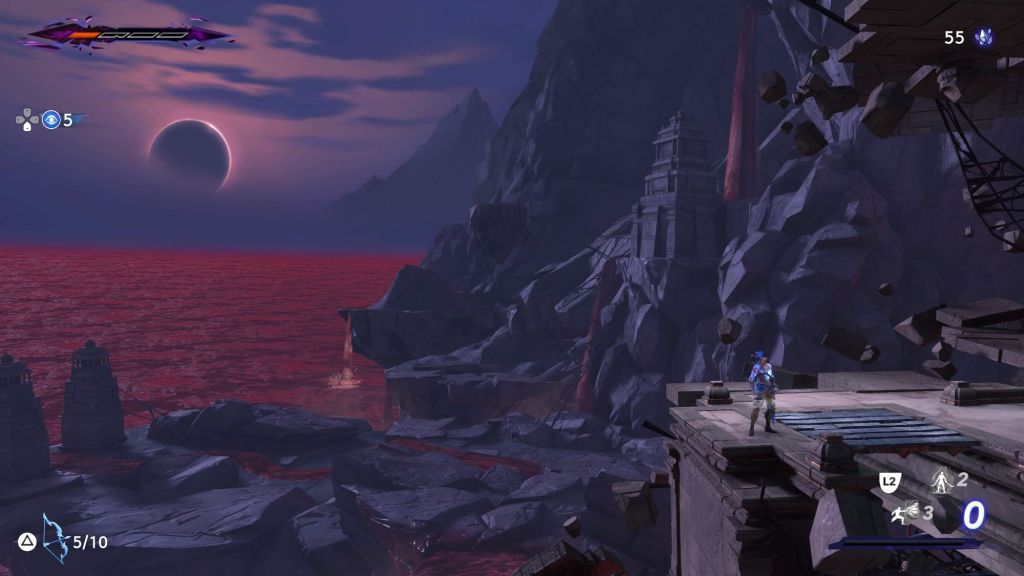
The Blasphemous II: Mea Culpa update, on the other hand, takes a different approach. The new areas, spells, quests, enemies and bosses are fully integrated into the world, which is similar to how Hollow Knight evolved over time. I had a completed save file with a map completion of 100% and it knocked my percentage back down to around 75%. If you weren’t playing Blasphemous II from the start, you probably wouldn’t even know where the new content begins and ends because it’s so well-integrated. With that said, I didn’t think much of the Mea Culpa update. There’s an interesting questline involving an NPC in a guillotine and the handful of new bosses are challenging and fun to fight, but the new areas sort of blur together with the rest of the game. I also got locked out of an Altarpiece (pieces of equipment that provide passive boosts to your character’s stats) because of a decision I made during one of the new quests, which hasn’t really sat well with me. A new game+ mode was also added with the update called “True Torment Mode”, which is accessed by “ascending” your save file after beating the game. You can essentially replay the game with “Penitence” modifiers making subsequent playthroughs even more challenging.
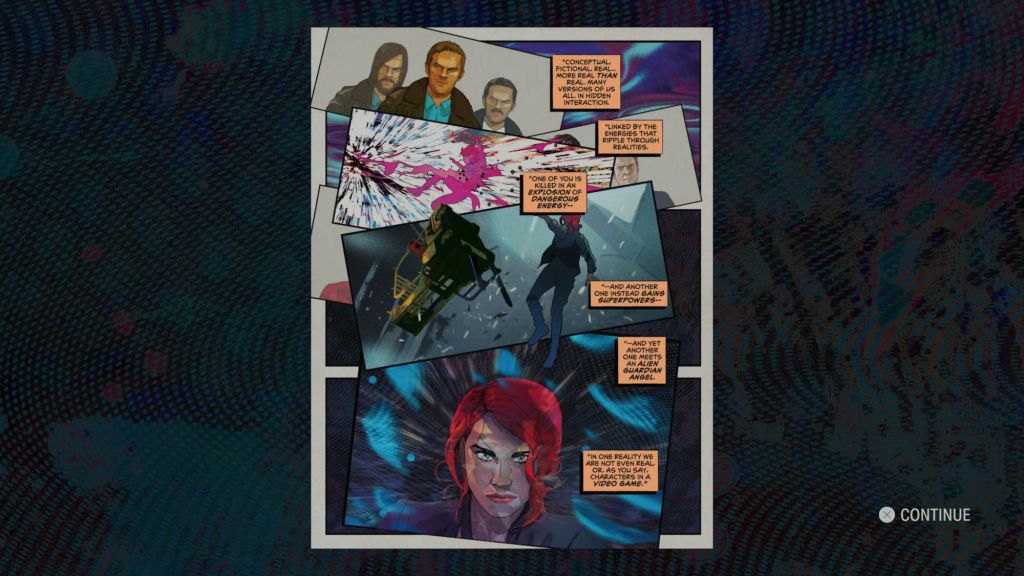
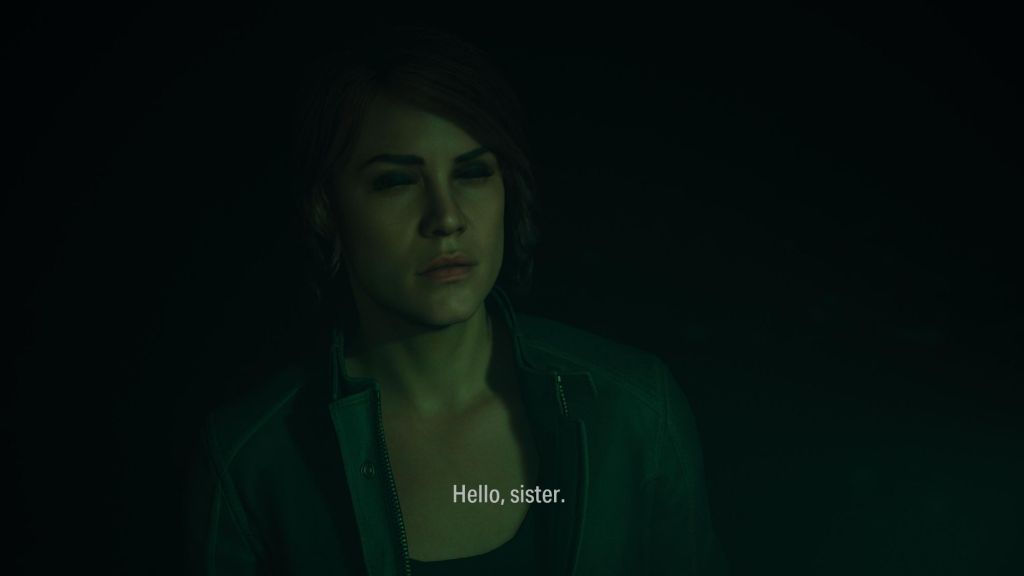
The Alan Wake II: Night Springs & The Lake House DLC takes a similar approach as the aforementioned games, but both pieces of content can be accessed from the main menu as well. I haven’t had a chance to play The Lake House content, but I did fully complete Night Springs, which consists of short, episodic-like scenarios where you play as either Jesse Faden from Control, #1 Alan Wake super fan, Rose, and Tim Breaker (not to be confused with Jack Joyce from Quantum Break). If you’re not super familiar with Night Springs, it’s basically Alan Wake’s take on “The Twilight Zone”. Although these additional campaigns are extremely short in nature and are not considered “part of the real story”, it’s hard to believe that they won’t have some sort of relevance to the ongoing Remedy-verse. There’s not a whole lot to say about these episodes, though. They move at a brisk pace and each character basically receives unlimited ammo for their weapon of choice. You’re simply here for the characters and stories. I suppose it’s interesting that the developers realized that no one wants to struggle with the combat portions of the DLC, so they basically turn on “god mode” for the players by default. Moving forward, I hope Remedy takes what they learned here with the combat/gunplay and either refine the gameplay systems or simply focus on what they do best.
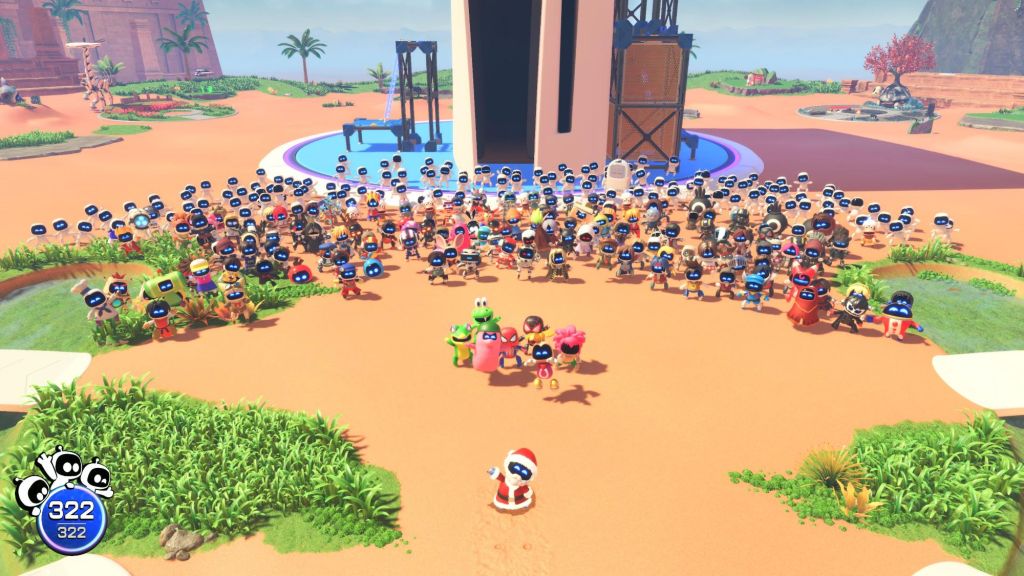
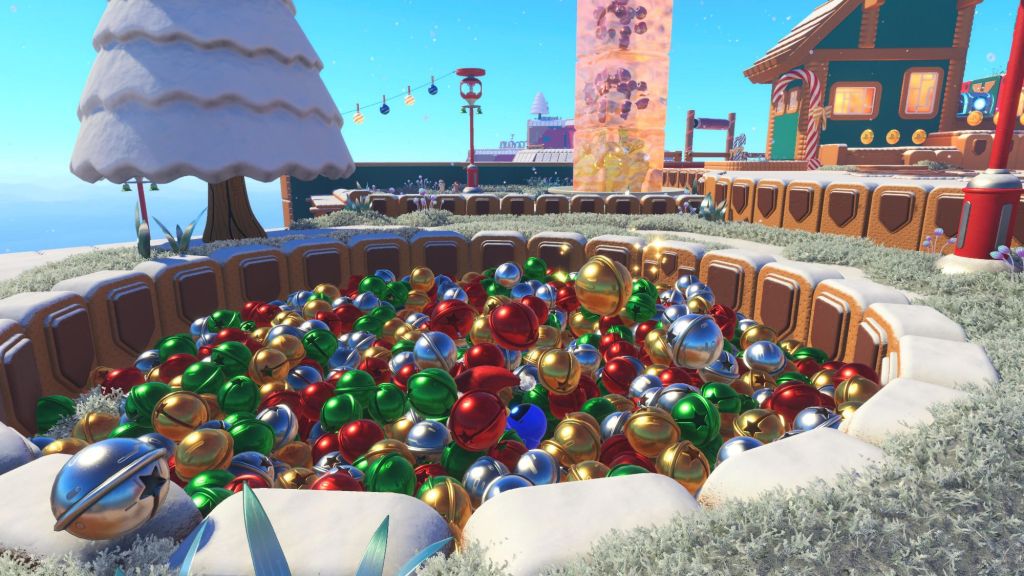

What’s better than a free update? Astro Bot was one of my favorite games of the year and the developers over at Team ASOBI have continued to update the game for free since its launch. First, there was the Stellar Speedway, which consisted of 5 levels of varying difficulty. Each stage was more or less an obstacle course and if you completed them under a certain time limit, you unlocked additional VIP bots, some of which were from Helldivers II, Stellar Blade and more. I have no interest in climbing the leaderboards, though. Astro Bot isn’t the type of game I want to “get good” at, even if the gameplay is mechanically sound. Finally, just before the holidays, the team released the Winter Wonder update, which was a holiday-themed level that made use of most, if not all of Astro’s suit powerups. The goal of this level is to collect golden presents scattered about the stage, but I mostly found myself running around the pits filled with Christmas tree ornaments. There was also the Final Fantasy XVI: The Rising Tide expansion and the Stellar Blade x Nier: Automata collaboration, both of which I’ve yet to play. They’re, yet again, integrated into the main game. The Rising Tide revolves around the Leviathan Eikon, which was conveniently absent from the main game. The Nier Automata collaboration with Stellar Blade looked to be mostly focused on cosmetics and the like, but I’m in no rush to revisit either game right now.

Smushi Come Home: Heart of the Forest didn’t make my Top 10 list or honorable mentions last year, but I really did enjoy my time with it. So, it was a nice surprise to see that the Heart of the Forest update released for free in 2024. It’s yet another piece of content that has been fully integrated into the main game. You can access it from the Lake of Bloom area while riding the beaver. You need to collect some flowers before entering the DLC, but from the little I’ve played, it’s simply more Smushi Come Home, if you’re into that sort of thing. Speaking of forests and trees, The Game Award’s Game of the Year nominee, Elden Ring: Shadow of the Erdtree, also came out this year. Shadow of the Erdtree is integrated into the main game, but also somewhat of a standalone experience. You have to beat an optional boss in a secret area in order to access it and while your character’s level, stats and equipment carries over, there’s a brand new progression system that carries a bit more weight. I didn’t get very far with the expansion before the year wrapped-up. I ran around the opening areas on Torrent, finished an optional(?) dungeon called Belurat Gaol (which was centered around those living jar enemies), and beat the first major boss, Divine Beast Dancing Lion. I’ll have more thoughts on Shadow of the Erdtree when I finish it, so with that said, what is my favorite DLC/Expansion/Update of 2024 then?
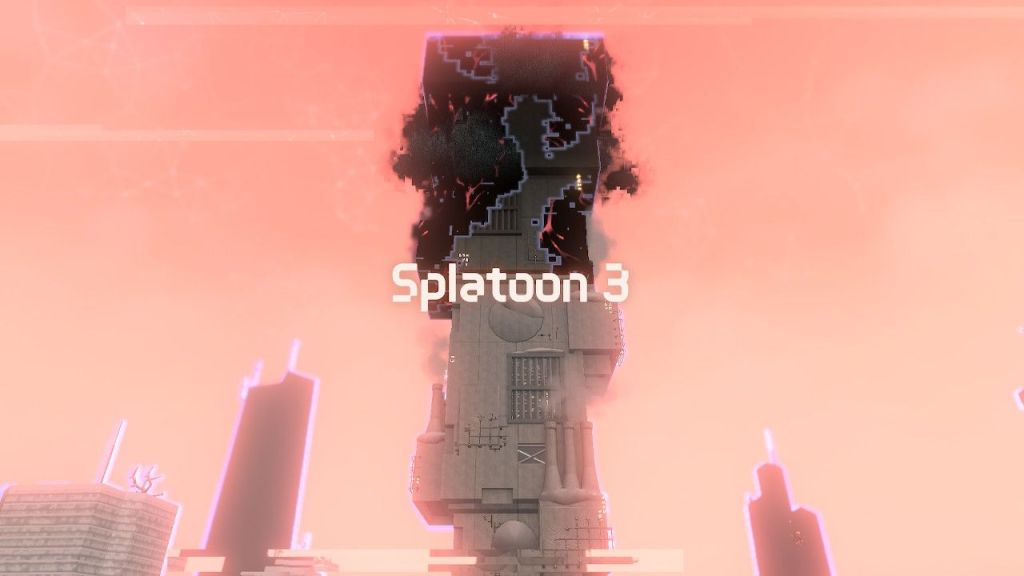
Even though I haven’t finished it yet, I think Splatoon 3: Side Order is my “Favorite DLC/Expansion/Update” of 2024. I’ve gone on record saying that rogue-likes aren’t typically my cup of tea. I’m also one of the few weirdos who prefers the single-player portions of Splatoon. I’ve written about it before, but I still think there’s a path forward to having a single-player Splatoon campaign in the same vein as a modern-day 3D Mario title. The development team over at Nintendo clearly had other plans for the series, though. Side Order is a rogue-like, single-player expansion for Splatoon 3. Like many games in this category, it’s integrated into the main game and can be accessed from the hub area. It is treated as a separate entity, however, with its own progression system and story. The world-building in Splatoon 3 is pretty wild and Side Order doesn’t disappoint in that respect. All you need to known is that the world is being threatened by a monochromatic, digital nightmare, so it’s up to you and the gang to put an end to it.
As I’ve already said, rogue-like, run-based games aren’t usually my jam, but I understand that a good, addicting progression system needs to be in place. The goal of the game is to ascend a 30-floor tower. At each floor, you can select from three different stage layouts/objectives of varying difficulties. Your reward for completing a floor? Passive upgrades that get slotted into a “palette” of sorts that resets on each run. These temporary upgrades could increase your gun’s range or slow enemy movement when they’re trudging through your inked floors, for example. Along the way, you’ll earn currency and keys to unlock permanent upgrades and new weapons for your consecutive runs, respectively. Side Order is an incredibly rewarding experience and even though you’ll fail many times ascending the tower, it’s the type of content that demands “just one more run…”. Side Order wasn’t exactly what I had in-mind for the future of Splatoon, but I’m not mad about it. I can’t wait to play more of it in 2025.
The old-ass game I’ve enjoyed revisiting the most during the year.

It still doesn’t feel right to say that PS2 era games are “Retro”, yet here we are. Sly Cooper and the Thievius Raccoonus, developed by Sucker Punch, is a 3D platformer where you play as an anthropomorphic raccoon named Sly. As someone who played the developer’s first game back in the day on N64, Rocket Robot on Wheels, Sly is certainly a departure in more ways than one. Unlike its Super Mario 64-like predecessor, Sly Cooper is a linear, stage-based 3D platformer with tight level design, beautiful art direction and solid controls. It sort of feels like the natural evolution to what Naughty Dog established with Crash Bandicoot back on the PS1. You’re always moving forward, but this time around, you can rotate the camera and even walk backwards through a stage! While the levels are a bit more open and collectables can be found off the beaten path, each level follows Crash’s forward-moving design philosophy. You’re sort of funneled into stationary enemies that repeat basic attack patterns until you swat them away. It’s here where the Crash Bandicoot influences sort of end, however, and the game becomes its own thing.
The goal of each level is to collect a key at the end of the stage. Hidden “Clue Bottles” can be collected along the way and if you break them all, Bentley, the brains of the crew, will provide you with a code that can be used to unlock a safe which houses a new ability for Sly. The abilities are written on torn pages of the titular Thievius Raccoonus and along with gaining a new move, you’ll learn about one of your thieving ancestors. This is at least the third time I played this game to 100% completion; once back on the original PS2 release, a replay on the PS3 Sly Collection, and now the native PS5 version thanks to the PlayStation Plus Classics catalog. It’s just so much fun to swing your cane around, breaking bottles and other pieces in the environment, hooking onto swings and hearing that little clink sound; it just feels good to play. The Master Thief Sprints (the game’s time trials) were way more challenging than I remembered, too. Similar to how I feel about the first Jak & Daxter game, I could probably replay new versions of this game every 5-10 years and never get tired of it. Both this game and J&D, unlike their GTA-ified sequels, have aged gracefully. Ratchet & Clank, although part of Sony’s fearsome threesome of mascot platformers on the PS2, has always stayed relatively consistent and rarely strayed too far from its roots, but that’s a conversation for another day. I really hope the franchise returns one day in some fashion or form, but I’m not holding my breath.
My 2024 “Year in Review” for all the major platform holders; PlayStation, Nintendo, Xbox, and PC/Steam.
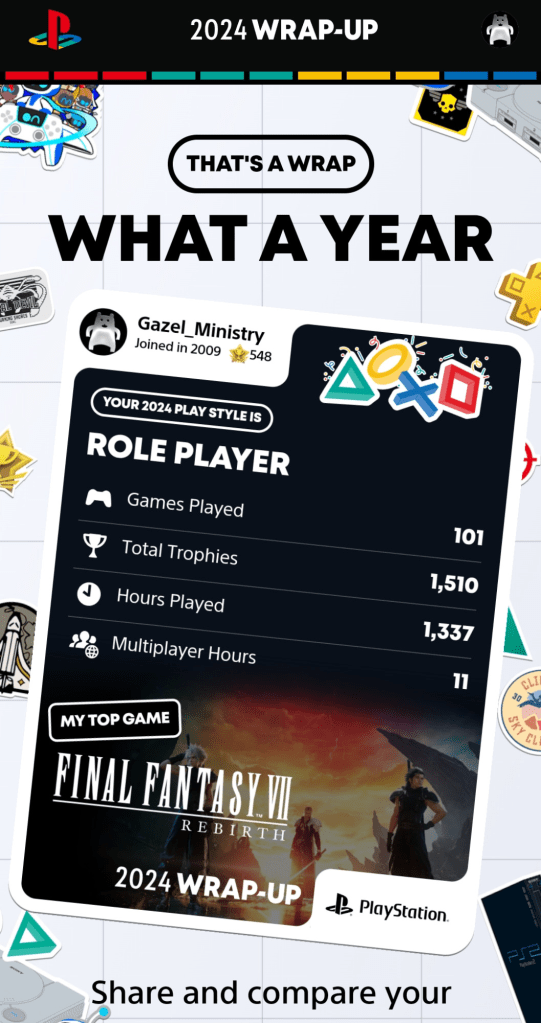
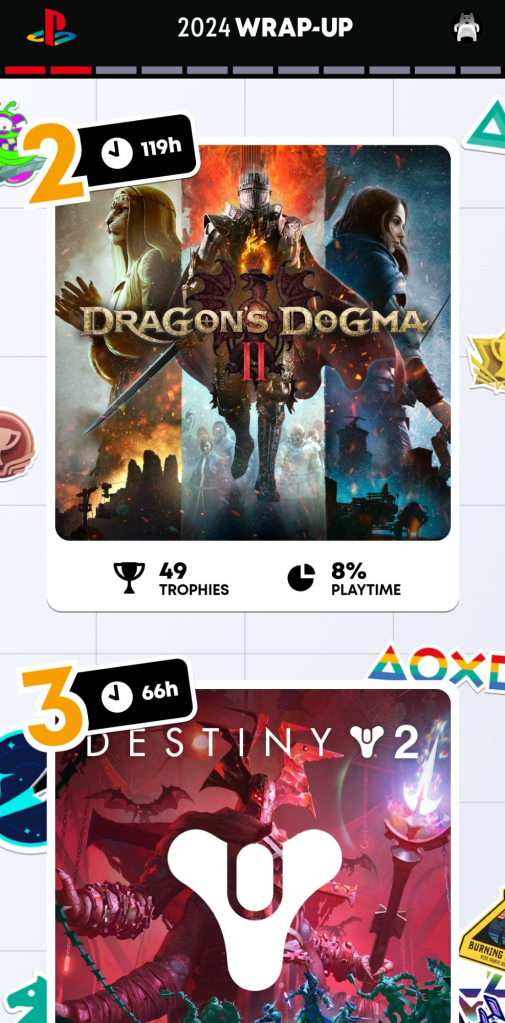

My PlayStation Wrap-up for 2024 – This was the first year in a minute where Destiny 2 wasn’t my top game in terms of hours spent. I just completely fell out of it despite the “final” expansion launching this year. 2024 was also the year of “Too Many Big-Ass Games”. Can developers please chill on the 50-100 hour experiences in 2025? It doesn’t help that I’m usually interested in a lot of them. I apparently played 101 games in 2024, according to the stats above, which doesn’t feel completely accurate. With that said, I wouldn’t be surprised considering the amount of “Lost Levels” I wrote about this year. Although I spent the most time playing FINAL FANTASY VII REBIRTH on my PS5, it’s not reflective of how I felt about the game. Dragon’s Dogma II on the other hand…
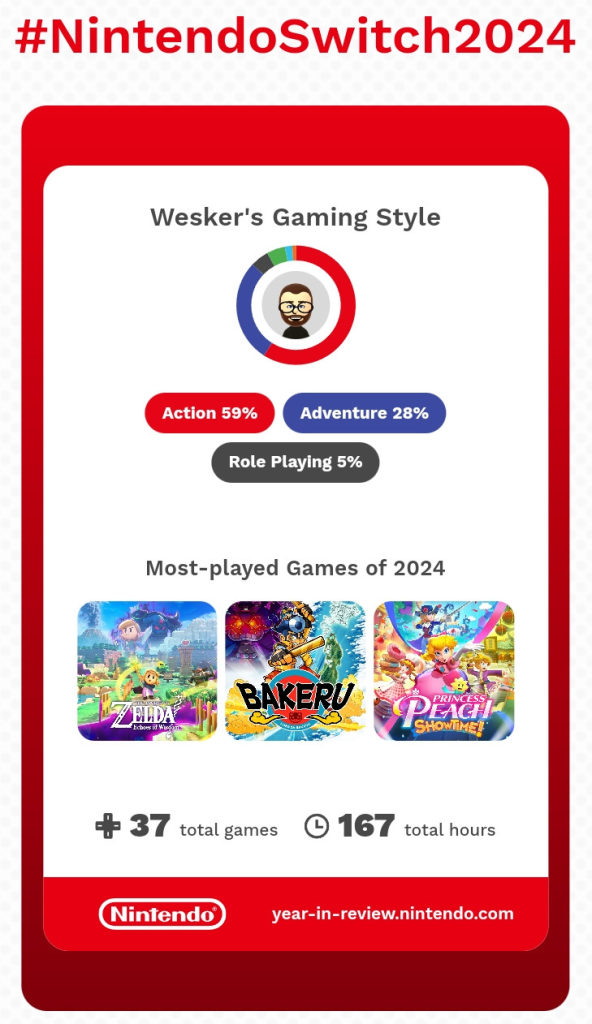
My Nintendo Switch 2024 – I didn’t spend a lot of time with my Switch this year, so I’m not surprised with the results. There were lots of remasters/remakes of older games I didn’t really get around to. I do like how there’s two Good-Feel games represented here as my “Most-played Games of 2024”, though. Also, let’s be clear, The Legend of Zelda: Echoes of Wisdom was not my “Favorite Game of 2024”. One habit I hope to break in 2025 is to not impulse purchase any 3rd-party release that looks to be temporarily exclusive to the Switch. A lot of games get released on PC/Steam and Switch first, yet I always double-dip on the PS5 port six months later. Here’s hoping for a more exciting 2025 with the launch of Switch’s successor.
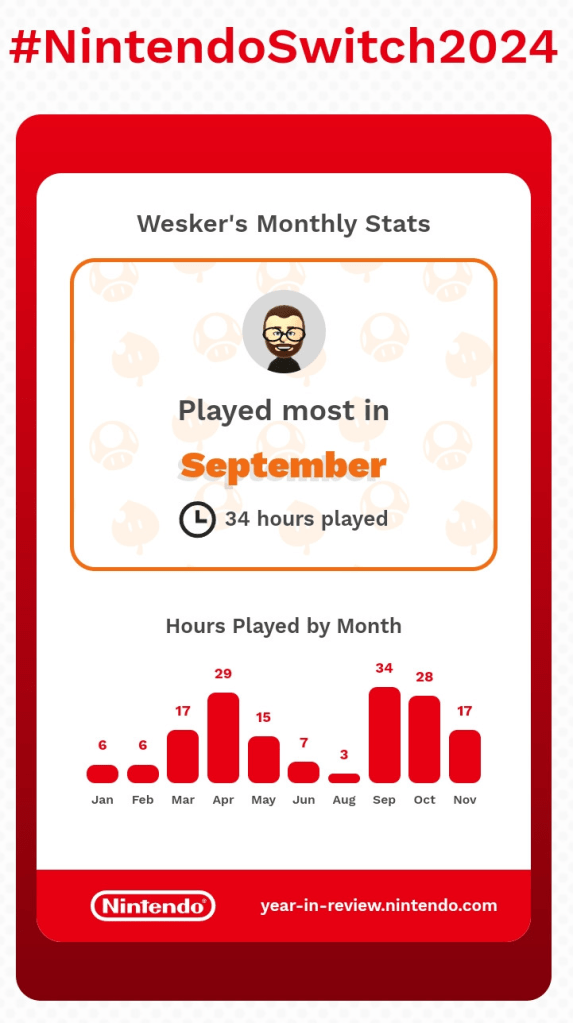
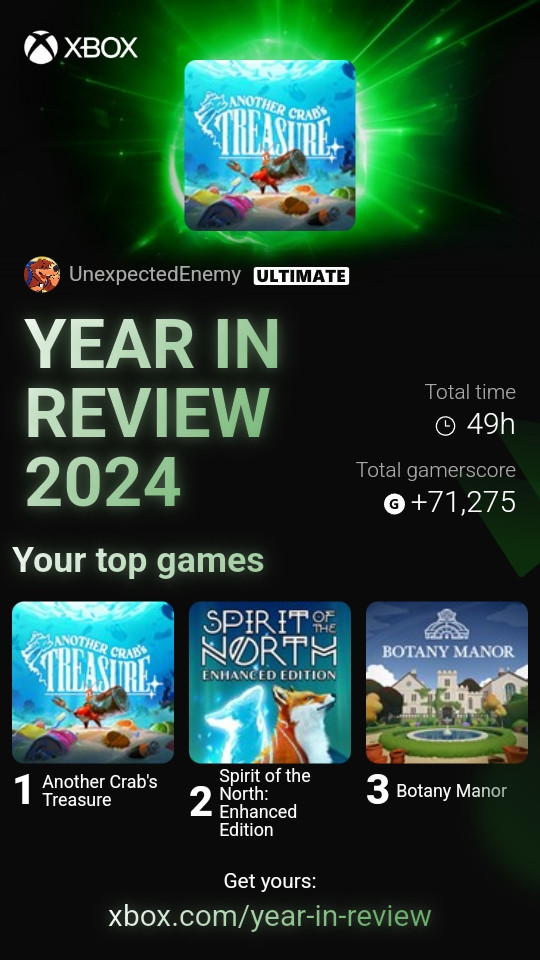
My Xbox Year in Review 2024 – My Xbox is typically my second/third choice when I play/buy games on consoles. It’s always my least-played system each year. It’s become a Game Pass machine where I “get curiosities out of my system” and then buy them elsewhere, which is usually on a PS platform as my first choice, if I like them enough! Case in point; Another Crab’s Treasure. I downloaded it on Game Pass first, played a good chunk of it and liked it so much that I bought it on PS5 shortly afterwards. Shoutout to Botany Manor, by the way. It didn’t make my Top 10 or honorable mentions list this year, but I really enjoyed my time with it. Spirit of the North, “Enhanced Edition” or not, wasn’t that great. Even though most of their “1st-party” games will no longer be exclusive, I hope Microsoft Studios actually makes good on their promise of releasing exciting new releases in 2025.
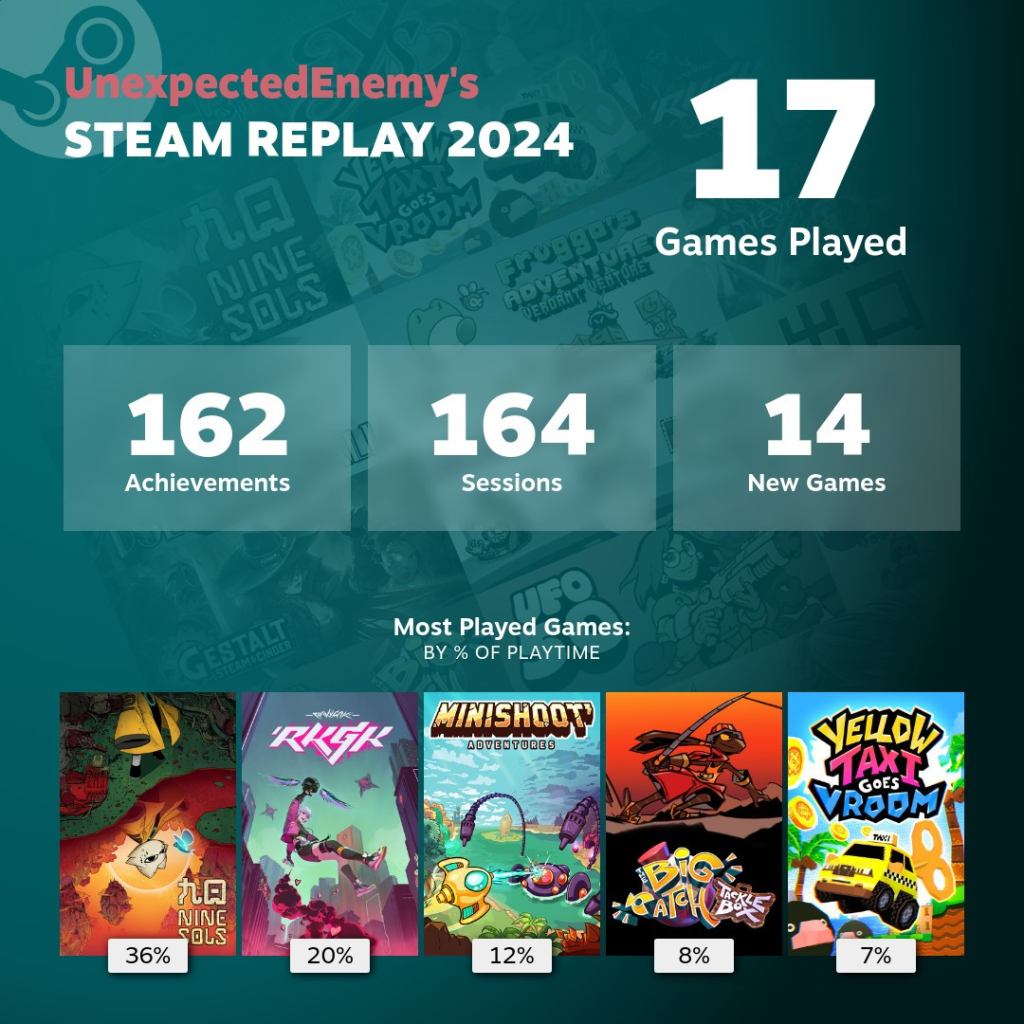
My Steam Replay 2024 – I’m still a console kid at heart, so I rarely play games on PC/Steam. For whatever reason, this year I actually bought/played a bunch of games on Steam. I treat PC gaming similar to how I approach my Switch and Xbox; only exclusives or double-dips on games I really love. There were a ton of great PC/Steam games that haven’t been ported elsewhere yet; Minishoot’ Adventures and Yellow Taxi Goes Vroom were especially great. They will find renewed life once they’re eventually on Switch, I’m sure. I figured Nine Sols was going to get ported to consoles, but I couldn’t wait to play it. I already wrote about RKGK, Minishoot’ Adventures, and Yellow Taxi Goes Vroom this year. I liked the latter two games, but the former game, not so much. I will also likely not shut the fuck up about The Big Catch in 2025, so prepare thyself…
My physical game pick-ups throughout the year, duh (excluding digital purchases).
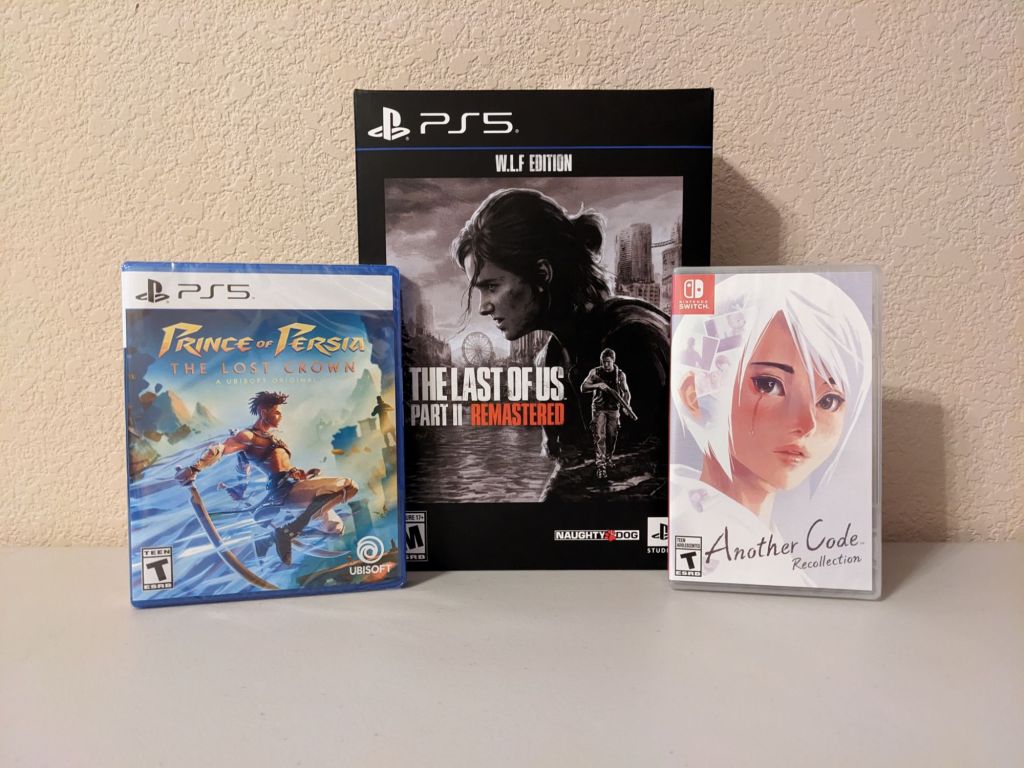


The first quarter of the year was filled with big-ass games, many of which I simply never made the time for. I work in financial reporting and our busy (tax) season starts from mid-January and “ends” in April. I have to work six days a week during that time period, so while I have more disposable income, I simply don’t have the time to play everything that I want to. I feel very fortunate with how I’ve been able to support my hobby/passion over the years, but I think I need to pump the breaks a bit in 2025 and perhaps be a bit more selective with my pick-ups. I do still enjoy buying my collector’s editions, but we don’t technically have the space for all of it either in our current home.
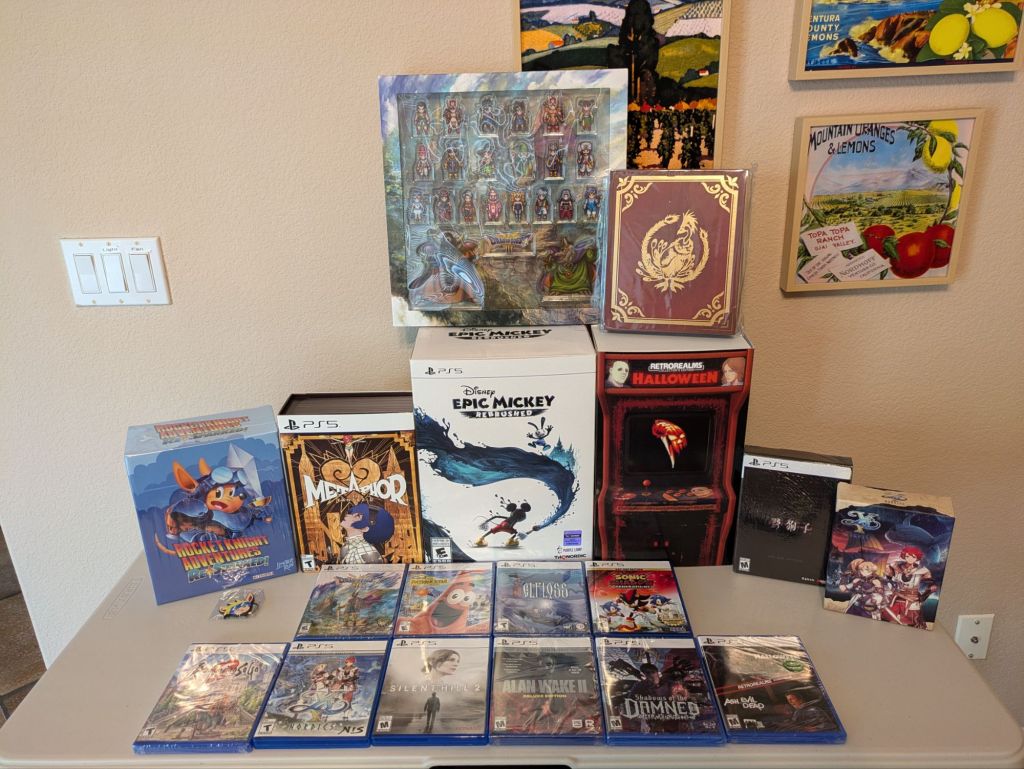
I think I like Epic Mickey more than most people and I’m not even a big Disney fan. I still own the collector’s edition of the game on Nintendo Wii. Purchasing the Ys X: Nordics Limited Edition is bittersweet considering a few months later, Falcom announced an enhanced version of the game, but only for Japan at the moment. Will I buy the game again if they rerelease it in the west? Probably, because I’m a Falcom/Ys sicko who doesn’t know any better. For select collector’s editions purchased from Limited Run Games, it appears that they’ve finally started shipping the game separate from the collector’s edition content (which will ship at a later date), which is why I received regular-ass copies of Alan Wake II, Shadows of the Damned: Hella Remastered and SONIC X SHADOW GENERATIONS. Please don’t question why I bought SpongeBob SquarePants The Patrick Star game, either. It’s for research purposes!

I imported Otogi Katsugeki Mameda no Bakeru: Oracle Saitarou no Sainan!! earlier in the year, but then Spike Chunsoft announces shortly afterwards that they were localizing and releasing the game in the west for both PC/Steam and Switch! So, I double-dipped. I told myself I wasn’t going to purchase a PS5 Pro right away, but as someone who’s primary console is PS platforms, I figured it was worth the investment. Playing Dragon’s Dogma II and seeing FINAL FANTASY VII REBIRTH on my PS5 Pro more than justified the purchase for me. FANTASIAN was my 2021 GOTY so I’m looking forward to playing the console port soon. I’ve heard mixed things about the PS5 port though, which is disappointing.
I told myself I was going to be a bit more selective with LRG, but that didn’t pan out too well. With that said, since their shipping methods are horrendous, most of the games I received in 2024 were orders I placed from the previous year or before. I think out of everything pictured here, I’m most excited about playing Lunark, Shin chan: Me and the Professor on Summer Vacation, and Enclave. I haven’t played Enclave since the original Xbox days. I played Gimmick! for the first time this year… and it was miserable (at least in terms of trying to see the true ending and unlock all of the trophies). At least I have a cute plushy for all of the misery I’ve endured, right?
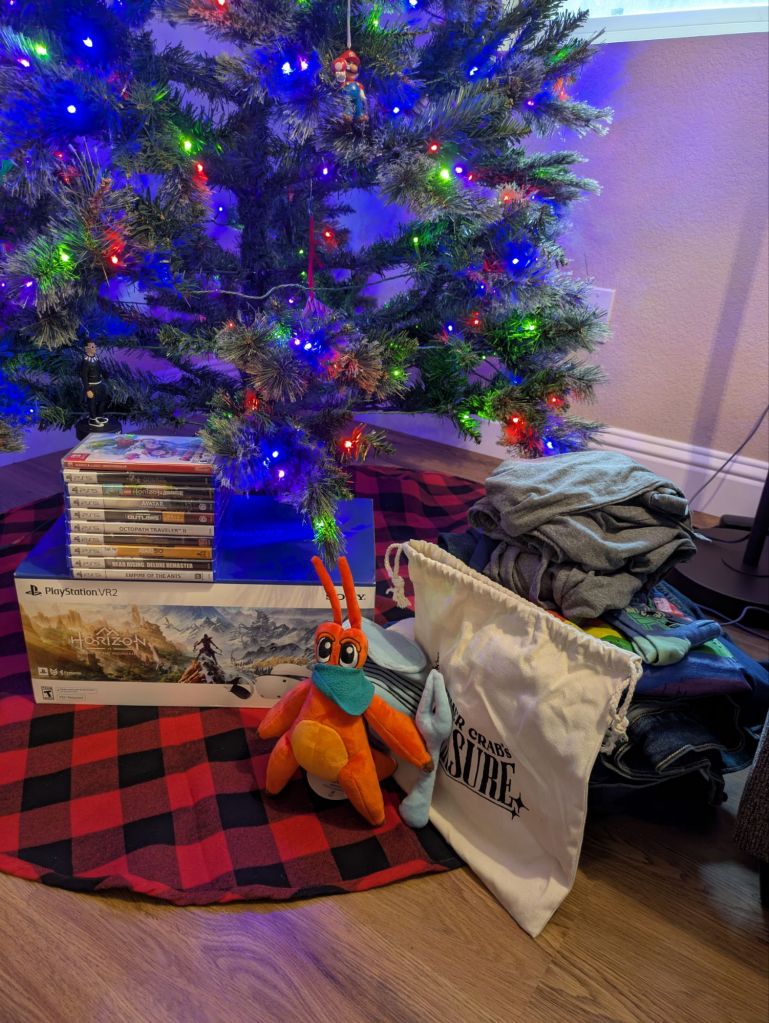

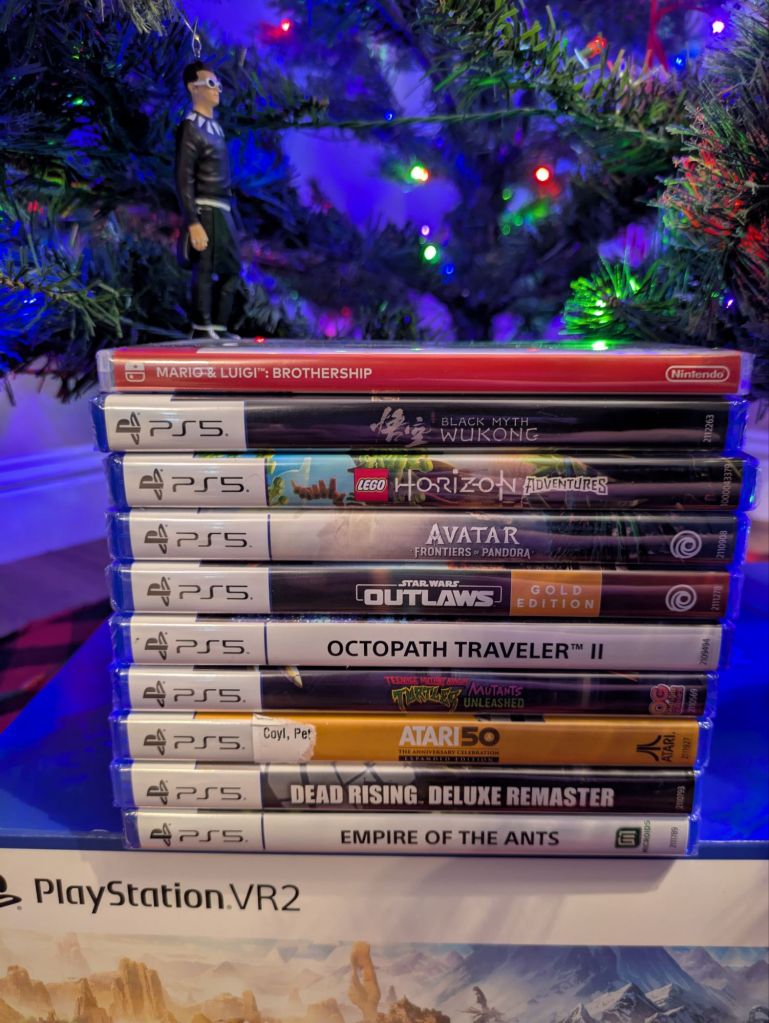
Finally, my loving (favorite) husband gifted me many goodies for Christmas this year. I’m most excited about finally owning a PlayStation VR2. Even though many of the games I’ve been wanting to play exist on the original PSVR, I’m looking forward to playing the enhanced versions of both Moss games and Paper Beast, for example. I’ve been meaning to play Before Your Eyes as well, which is exclusive to PSVR2 on consoles. I’ve heard mixed things about Horizon Call of the Mountain, which is packaged with the bundle, so I’m curious what I’ll make of it. Finally, I’ve been dying to check out Black Myth: Wukong and we plan to play Lego Horizon Adventures together in the new year as well. Fun times.
“Coulda, Woulda, Shoulda” are games I either had a passing interest in but never picked-up or they’re games I may have purchased, but did not play whatsoever during the year. Many of these games could have made my Top 10/Honorable Mentions list for the year, but alas, I can’t speak to them at the time of writing this.


See you next year…
-Matty

Just a friendly bear who works in financial reporting that would rather be playing, writing or talking about video games. https://twitch.tv/unexpectedenemy
 UnexpectedGames
1 Comment »