Just a friendly bear who works in financial reporting that would rather be playing, writing or talking about video games. https://twitch.tv/unexpectedenemy
Thoughts & impressions on the games I played/finished during Q3 of 2024, including Stellar Blade, Nine Sols, Arranger: A Role-Puzzling Adventure, FFVII Rebirth, Flock, Astro Bot, Alan Wake II and more…
Keep it Cruisin’
Not much has changed since my last quarterly update. Now that we’re approaching the end of the year, 2024 has officially been inundated with long, big ass games and there was simply not enough time for it all. I said it in my last post, but it still rings true, my teenager/early twenties-something self would have had a field day with all of these amazing new releases. My late 30s-something self today continues to be exhausted and paralyzed by choice. I started, but haven’t finished Ys X: Nordics, Metaphor: ReFantazio, Slitterhead, Banishers: Ghosts of New Eden, Visions of Mana, Shadow of the Ninja – Reborn, Rise of the Ronin, Unicorn Overlord, Sand Land, Destiny 2: The Final Shape expansion, Elden Ring: Shadow of the Erdtree DLC and more. Many of these games would have likely made my Top 10 list for 2024. I likely won’t have thoughts on a lot of these games until the end of the year (or even next year), considering their size and commitment. On an unrelated note, back in August my husband and I celebrated our honeymoon on an Alaskan cruise, which was an amazing adventure for us both. I also already arrived at my #1 pick for GOTY (if you follow me on socials, it’s not hard to guess). With that said, playing and finishing games continues to be one of the few things that’s kept me afloat over these past few months, so here are the games I somehow managed to play/finish during the third quarter of 2024:
Game #33 of 2024: Super Mario Land
Super Mario Land, developed by Nintendo, originally released back on the Game Boy (GB) in 1989. It’s Mario’s short, but weird-feeling portable debut that has aged reasonably well (especially the soundtrack). Despite having owned/played this game as a kid back on my original GB, I still find myself wanting to revisit it from time to time. Part of the reason could be that it’s the perfect “filler game” for my “52 Games” challenge each year (which allows replays of games you’ve finished before to count towards your total). I’ve played this game many times over the years, but I’m always discovering something new to talk about each time.
Super Mario Land is a mostly chill experience, but some of the later levels can test your patience. There’s a stage or two where boulders spawn off-screen and you have to jump across them while avoiding spike pits taunting you from below. The controls in Super Mario Land are relatively slippery and not super precise, so I found it more frustrating than fun at times. There’s also these auto-scroller levels where Mario operates a submarine and it sort of turns into a 2D, side-scrolling shooter. In one level, the game spells out “MARIO” with coins. I found this super funny in retrospect. When I first played Super Mario Maker on Wii, some of my early level creations contained words spelled out in coins. I am by no means a level designer and even though I found myself doing the same thing as the developers did back in 1989, spelling out words with coins feels like a relatively amateurish thing-to-do. Considering how old Super Mario Land is, perhaps you could say that the developers could only be so creative given the limitations of the platform. The soundtrack is relatively memorable, too. I still think the first stage track is my favorite tune from the game.
I completed Super Mario Land in one sitting on a recent plane ride with a score of 232,410. I did not use any save states/rewind features, however. I’ve said this before, but I’ll say it again; while I have nothing against modern-day save state/rewind features in retro games, I still like to play older games as they were originally intended by the developer. I always need to keep a retro/old-school game from my childhood in my rotation to keep me grounded. Next time I’m in the mood for an older Mario game, it’ll likely be Super Mario Land 2: 6 Golden Coins.
Game #34 of 2024: The Exit 8
The Exit 8, developed by KOTAKE CREATE, is a first-person, “walking-simulator” of sorts where you traverse down a subway corridor endlessly until you spot all of the strange anomalies in your surroundings. There’s little-to-no context as to who you are, where this subway is and why you’re trapped in a horrifying, endless loop. To reach the titular “Exit 8”, you need to complete loops of the subway corridor consecutively, eight times in a row. To earn a successful loop, you need to turn around the way you came if you spot an anomaly. An anomaly could be a variety of strange occurrences. There are these innocuous posters on the walls of the subway corridor, for example. One poster has a pair of eyeballs on it. Sometimes, the eyes on the poster will track the player as you pass it, so if you happen to spot this, you need to turn around. There’s one aspect of the subway corridor that seems to be a constant; a business/salary man who walks towards you as you pass them in the hall. At times, his walking speed will be much faster than usual, so you better turn around (or else!). There’s also a maintenance door on the side of the subway corridor and you’ll sometimes see the doorknob placed in unusual spots (like in the middle of the door). It can all be quite unnerving. I would speak to the soundtrack if I could, but there’s no music!
You’ll need to have a keen eye and a good memory to make it to Exit 8. I found myself reaching 6 or 7 loops, thinking there wasn’t an anomaly, yet there was. The anomaly can be so insignificant and hard to determine unless you’re laser-focused on your surroundings. If you loop the corridor and don’t spot an anomaly, your counter will reset and you’ll have to start back at zero. To say you’ll become quite intimate with a single subway corridor is quite the understatement. I completed the game at 100% with all anomalies seen and Steam achievements unlocked. There’s a sequel called Platform 8, which I’ve yet to pick-up, but both the games are less than $5 on PC/Steam. The Exit 8 is extremely short; you can see everything the game has to offer within an hour, but it feels relatively novel despite it more or less being a seek-and-find game at its core. It’s recently been ported to PlayStation platforms and I nearly double-dipped because I liked it so much.
Game #35 of 2024: Stellar Blade
Stellar Blade, developed by SHIFT UP, is a character-action game set in a post-apocalyptic sci-fi world. Aesthetically and story-wise, the game feels directly inspired by Yoko Taro’s NieR, but Stellar Blade is ultimately a much different game. For one, I love the fact that it’s from a Korean studio that was previously known only for its mobile titles. It’s really cool that we’re starting to see “real console games” from studios in parts of the world that normally don’t get much representation, particularly out of Asia that aren’t Japanese, for example. While Stellar Blade certainly falls into the same camp as other modern character-action games like Devil May Cry, Ninja Gaiden and Bayonetta, it’s sort of an amalgamation of old ideas and modern-day game trappings. It’s got semi-open, interconnected spaces with shortcuts to unlock, puzzle-platforming sequences to solve, bosses to conquer and various skill trees to upgrade. There’s also fishing, collectable soda cans to discover, fast-travel points to unlock and side quests from NPCs in a hub town to complete (most of which have you fetching items from corpses or killing monsters). Stellar Blade has it all, for better or worse.
Before I talk more about the game itself, I feel compelled to touch on how a part of the community responded to the game at launch (and no, I’m not talking about Eve’s doll-like proportions or her revealing outfits). This is purely anecdotal, but from what I could gather online, it feels like we are slowly mourning the loss of traditional character-action games. People can’t seem to help themselves but to call a game a “Souls-like” if they see a 3rd-person action game where you square-off against an enemy, whether it’s humanoid or beastly in nature. It doesn’t help if the game has some sort of currency-retrieving mechanic when you die or enemies that respawn when resting at a campfire (the latter of which Stellar Blade is guilty of). I can’t blame developers for incorporating Souls-like elements into their action games today, either. From Software’s games print cash and have clearly been a success, so these post-Souls elements in “traditional” character-action games are likely here to stay. I’m more disappointed in the community at large for automatically making surface-level comparisons and being incapable of distinguishing elements of post-Souls action games from regular ol’ action titles, but I digress.
Stellar Blade is a pretty competent action game and generally feels good to play. Her sword is stored in a hair clip, which is pretty cool. You can perform light and heavy combo attack strings, dodge and guard enemy attacks. By defeating enemies or searching corpses, you’ll earn skill points (SP). After a successful perfect dodge, “Blink”, or “Repulse” technique is used (more on the latter two techniques below), you’ll gain “Burst Energy”. Burst Energy is used for “Beta” skills, which are special attacks that you can learn from one of the skill trees, of which there are five; Attack, Beta, Burst, Tachy, and Survival. There are active/passive skills to learn in each skill tree, but not all of the trees are available at the start. Eve’s got a decent sprint, once she picks-up speed, and can even perform double jumps and air-dashes to get around the environment with ease. There’s a good amount of traditional 3D platforming at play here, but you’ll often find yourself climbing-up yellow-painted footholds and ledges, just like any other modern-day action-adventure title (which is another controversial piece of gaming discourse I won’t be discussing here today). Eve can also swim and the segments where you’re underwater are surprisingly not awful and don’t overstay their welcome. For all the sickos out there, unfortunately, Eve does not get soaked or drip when resurfacing and jumping to dry land. As a gay man, I couldn’t care less, although if we’re talking “attention to details”, it is a little disappointing and an odd omission considering *gestures at everything else*.
As mentioned above, attacks can be parried or dodged, which creates openings for counterattacks. Enemies can flash blue or purple before unleashing devastating attacks, both of which can be countered if the aforementioned Blink and Repulse techniques are used, respectively. Sometimes, a weakness (enemy core) will be exposed (which immobilizes the enemy for a brief period of time). When this occurs, it’s best to use your guns (which you unlock relatively early in the game) and aim directly at the weak-point. Eve and most enemies have a shield, which once broken, both the player and enemy will sustain increased damage. Basic attacks and Beta skills will reduce an enemy’s shield, which allows you to deal more direct damage. Stellar Blade’s got a pretty good rhythm to its combat, although the Devil Trigger-like “Tachy Mode” could use a revision. You can sort of stun-lock enemies/bosses with particular moves when in Tachy Mode, which cheapens some of the encounters. Eve can also equip up to two customizable “Exospines”, which more or less act as pieces of armor. These exospines can offer passive bonuses like reduced damage, increased attack power, or more effective recovery when healing. There’s a lot of customization here, but some of it feels a bit too bloated and unnecessary. Similar to how I feel about the open-world areas, I would have much preferred a less busy gear/combat system and something more akin to Devil May Cry.
Stellar Blade is at its best when you’re following the main questline and at its worst when you’re out in the open-world. The main story quests are relatively linear. You’ll often find yourself in enclosed spaces with some light narrative, a degree of puzzle-platforming and decently-paced combat encounters which culminate in excellent boss battles. In-between these scenarios, you’ll be exploring mostly-empty landscapes with strange enemy placements and environments that take way too long to traverse on foot. It’s here where you’ll find the majority of the games collectables; soda cans and memory sticks, the latter of which provide some additional world-building/lore. There aren’t many of these open-world areas, but a lot of it certainly feels like an afterthought. I would have preferred a much less-bloated, more compact experience overall. If there’s a Stellar Blade 2, I hope the developers focus on the more linear, set-piece-driven main questline scenarios because that’s where the game shines.
Something that stood out to me and resonated with me more than anything was a sequence found near the end of the game. Over the course of the game, you learn about an abandoned orbital elevator/tower that’s pretty important to the overall plot. In some instances, you can even see the tower beckoning the player in the distance. Eventually, Eve and company find themselves infiltrating this location and it’s one of the most memorable moments of the year for me. The entire area feels like a final dungeon from an old-school JRPG. There are unique platforming sequences, mini-bosses and new environments with a variety of aesthetics, including an indoor garden with what appears to be cherry blossom/Sakura trees. The soundtrack is stellar overall, but for now, I will speak to one of the tracks that plays in one of the final areas called the “Maintenance Corridor“. It sounds like something Keiki Kobayashi would have composed for an Ace Combat soundtrack. The way the track builds and releases perfectly captures what’s at stake here. I wish the entire game was like the orbital elevator, but unfortunately, it’s not.
I completed Stellar Blade with nearly everything completed and collected, including all soda cans, fish, and nearly all of the memory sticks. I did miss a side quest or two, which I’ll have to mop-up on new game+, but my first playthrough was quite lengthy, so I’m in no rush to revisit the game anytime soon. The developers have updated the game quite a bit since, including a boss rush mode and additional costumes. There’s a NieR crossover/collaboration that’s now available at the time of writing this, but I’ve yet to check it out. As much as I like NieR, I sort of wish we got original content instead. I do hope Stellar Blade did well enough for SHIFT UP to produce a sequel, because there’s definitely something here that’s worth revisiting.
Game #36 of 2024: Nine Sols
Nine Sols, developed by Red Candle Games, is a 2D Metroid-like with an emphasis on counter-based combat. According to the developers, it was heavily inspired by Sekiro: Shadows Die Twice, Hollow Knight and Katana ZERO. Considering the developers previous horror-focused releases, Nine Sols is quite the departure in terms of tone, setting and genre. The game blends sci-fi with Taosim and Far Eastern mythology described as “Taopunk”. In Nine Sols, a race of cat-like people left their home world due to a virus in hopes of survival amongst the stars. Although there are many twists and turns along the way, the game primarily takes place on an advanced space station of sorts called “New Kunlun”. It’s here where members of the titular “Nine Sols” have been assigned roles and locations on the station based on their expertise and earthbound titles. These “Sols” are essentially the main antagonists, a group of sophisticated individuals who the main character, Yi, must take down in order to exact his revenge and achieve his goals. Although the interior of the ship can feel a bit claustrophobic and clinical in terms of its overall design and aesthetic, each area is thematically centered around one of these “leaders”.
In one instance, you’ll find a warehouse sector full of artifacts pillaged from the character’s home world ruled by an elderly archivist of sorts. In another instance, you’ll find yourself in an entertainment district where all of the rich and privileged citizens dance and party their final days away, lead by royal siblings who just couldn’t care less. One of the Sols, named Kuafu, is an engineer you befriend after beating the first major boss. This big, fluffy cat is in charge of supplying power to the space station, but because the two characters share some sort of history together, he ultimately assists Yi on his quest by providing the main character with weapon upgrades. Establishing the “presence” of an antagonist seems like a difficult prospect in videogames, even today. Generally speaking, villains are often sequestered in a far-away “castle” only ever appearing during pivotal story moments or cut-away cinematics where evil plans are being discussed after “meanwhile…” is written in white text on a black background. In Nine Sols, when you enter a new area of the space station, you’re almost always greeted by the Sol inhabiting that section via a Metal Gear Solid-like codec screen where Yi and the antagonist exchange not-so-nice pleasantries. As you encounter more Sols and defeat them in battle, you’re presented with these beautifully illustrated vignettes showcasing their past where you learn more about how they rose to power. It’s super compelling stuff.
Visually, the game uses a beautiful mix of 2D, hand-drawn sprite-work and 3D polygonal backgrounds. The lighting is also very impressive. You’ll often pass computer screens and other contraptions in the background that flash and illuminate the surroundings adding a nice layer of depth to the environments. Characters are expressive and animated, particularly in their dialogue portraits, too. As if the game wasn’t stylish enough already, there are manga-style panels to illustrate important scenes, particularly before/after boss battles. Additionally, there are these beautiful flashback sequences that are seamlessly integrated into the game. As Yi explores certain areas, he’s reminded of his time spent with his sister, Heng, and they are some of the more touching moments in an otherwise dark and depressing story. Considering the developer’s legacy, having been known for horror games previously, Nine Sols is a fairly violent and horrifying experience. There’s one scenario in the game involving a particular Sol that’s more or less a horror sequence with jump scares and twisted imagery. Nine Sols clearly had a vision as it all somehow feels super cohesive despite the hybrid of art and presentation styles at play here.
The cast in Nine Sols is extremely memorable. There’s Shuansuan, an “Apeman” (human), who you save during the introduction sequence. Shuansuan is crucial to Yi’s personal development and some of the most heart-warming and interesting conversations in the game take place between the two. Shennong, another Apeman, begrudgingly joins you and shares stories and drinks with you when you feed him poisonous foods (which increase your maximum health bar). There’s even a home base where you often return to in order to advance the story, but it’s here where you’ll get to know everyone more based on the amount of optional content you engage with. By completing side quests and finding particular items, you’ll befriend each character and learn more about their pasts, perspectives, philosophies and more. Finally, while the game isn’t fully voice-acted, the characters will speak a word or two at the start of particular sentences, which is a common technique used in a lot of games that might not have the budget for every line to be spoken (I’d like to think it was more of a stylistic choice in this case). The soundtrack is also incredible. I can’t do the OST justice here, but I’ll leave you all with the credits theme by Collage. The writing/localization is quite excellent, too. It’s one of the few games I played this year where I was always looking forward to the next piece of dialogue.
Nine Sols doesn’t do anything particularly new in terms of being a Metroidvania/Metroid-like. It’s fairly by-the-books in terms of its overall structure and design. The map is divided into segments, but the entire game is interconnected with shortcuts and wrap-arounds. You have a familiar called the “Mystic Nymph”, which is a digital bird-like companion who can access out-of-reach switches to lift gates or move platforms. While you do unlock the ability to fast-travel mid-game, it can become a bit difficult to navigate the environment in the early portions of the adventure. The main objective is typically made clear to the player, but I did find myself getting lost and retreading parts of the map until I exhausted all available paths. With that said, you do have to earn the ability to see what you’re missing for each segment of the map by discovering helper robots in each region. You can either pay for their map details or destroy them and steal their chip. After you obtain their data, each map will show you how many available treasure chest you discovered and how many unique enemies you’ve destroyed, for example.
Although you increase your maximum health through the aforementioned method with an NPC, you do gain traditional experience points by defeating enemies. When you “level-up”, you’re granted a skill point which can be used to unlock new abilities (there are also special items you can discover which grant you skill points immediately). You’ll learn core skills at certain points in the game such as gaining the ability to perform charged strikes, which can break enemy barriers and other environmental gates. In addition to this, you’ll also learn an air dash and the coveted double jump (which is also unlocked towards the end of the game and has become somewhat of a trend in Metroid-likes as of late). A lot of these core skills have upgrades on the skill tree that further enhance their properties. Then there are the “Jades”, which are basically the “Charms” from Hollow Knight that grant you passive/active bonuses (think of them like accessories in an RPG). Each Jade has a cost to equip, but by collecting/purchasing additional “Computing Power”, you can customize Yi with a variety of Jades, making a customized “build”, if you will. One of the Jades impacts your healing animation, for example, shortening the amount of time it takes to heal yourself so you can get back to the fight uninterrupted. Another Jade increases the gold earned when defeating enemies. Many of the Jades are specifically engineered to enhance your countering/parrying capabilities, however, which is a system the developers clearly wanted players to engage with and master.
What differentiates Nine Sols from other games in the sub-genre is its focus on counters/parries. The developers weren’t kidding when they said Sekiro was an inspiration to them, at least in terms of the combat system. While there’s an easier “Story” mode, I played through the game on Standard difficulty, which honestly felt like the game’s “Hard” mode. It’s a brutal, unyielding game on this difficulty, particularly when you’re up against one of the game’s many bosses. You absolutely have to engage with and master the ability to block and parry enemy attacks. If you guard a regular attack, you gain a “Qi charge”. At some point, the game introduces you to un-blockable attacks where an enemy becomes engulfed in a green flame before they attack. To counter these hard-hitting attacks, you’ll learn an aerial kick or what’s called an “Unbounded Counter”, both of which grant you Qi charges when successfully performed. A Qi charge lets you use a “Talisman” attack; a glyph that you can apply to enemies when you dash through them to cause major damage. There are a handful of Talisman attacks including one that will automatically explode after a certain amount of time and another that you can manually detonate (which is what I ultimately used near the end). If you don’t “spend” your built-up Talisman attacks, you’re sort of wasting opportunities to deal massive damage to an enemy. It creates these sort of risk/reward combat scenarios where you have to simultaneously play defensively and be the aggressor.
Once you meet the game on its own terms, countering/parrying becomes this natural flow state that feels supremely rewarding. The game gives you a lot of options to overcome its many challenges, but you have to be ready to commit in order to make any sort of headway against your enemies. I completed Nine Sols on Standard difficulty at around 35 hours. I beat the true final boss with all side quests completed and with everything collected, upgraded and maxed out. At the time of writing this, Nine Sols is my current game of the year (GOTY) for 2024 and quite possibly my favorite Metroid-like/Metroidvania I’ve played from the past decade or so. I loved it so much, I wrote a dedicated post about the game here.
Game #37 of 2024: Flock
Flock, developed by Hollow Ponds and Richard Hogg/Richard Hogg Limited, is a super chill, monster-gathering game. After you customize your character (and bird) with a somewhat limited character creator, you set out to help your Aunt Jane who’s a “Zoology Professor”. In the world of Flock, a “Cloudsurge” has caused problems with your Aunt’s research. In order to assist her in creating an “Uplands Creature Guide”, the land where the game takes place, you’re tasked with capturing creatures as a “Bird Rider”. By charming particular animals who breech the surface of the Cloudsurge, you can clear the clouds and reveal more of the surrounding area (think of it like activating a tower to reveal more of the map in any modern-day open-world game). There are multiple families of creatures and each requires a unique “Whistle” in order to collect them. Once you obtain a Whistle, you can start charming creatures by playing them a song. The song itself is a mini-game of sorts where you align two bars and hit a button to fill a meter.
After the meter is maxed-out, the creature will join your flock, but you can only have so many creatures following you at one time. The game does offer sorting options such as “first in, first out” (FIFO), which means that the first creature you collect is the first one to leave the flock if you charm an additional beast and you’re at maximum stock. Whistles can be found in grass bowls, along with upgrades to your creature-carrying capacity. In addition to the creatures you collect, you’ll find sheep scattered in the environment, which can also be add to your flock. There are a finite amount of grass bowls hidden on the map and once you locate one, you can send your sheep to chow down on the grass. After a certain amount of time passes, your sheep will finish their grazing and you can then claim the hidden item buried deep within the bowl along with your sheep, who have now grown wool! Once their wool is fully grown, you can sheer them and trade their wool for cosmetic items. Sound is relatively important in Flock, too. You can make your bird call out to any surrounding creatures to give you an idea of what’s generally in the area, but it’s honestly not super helpful all things considered. Finally, NPCs will hint at any missing creatures you’ve yet to identify/charm, so there’s no need to resort to a guide online, which is very much appreciated.
Flock is sort of a one-note experience, at least mechanically. It would have been more interesting if you had to do different things in order to charm specific creatures, but they’re all mostly captured in a similar fashion. The game sort of toys with unique ideas/requirements for particular creatures, however. In one instance, you need to charm a dozen or so male variants of a particular creature. If you bring them all to a specific spot, they will summon a female variant, which you can then charm and add to your flock. Each region of the map has an idea or two like this, but it feels like something they could have built upon as the game progressed (or perhaps if there’s ever a sequel). The most fun thing about the game is discovering some of the more elusive creatures out in the world. A handful of the creatures use camouflage to stay hidden, so you have to look closely at the environment to capture them. The game also has a day/night cycle and there’s creatures that only come out at a night or early in the morning, for example. The OST by Eli Rainsberry is quite chill, too.
Flock has a lot of small sub-systems that synergize and feed into each other (quite literally). Near the end of the game, particularly in the post-game, you learn the ability to fill feeders with food that draws creatures in the surrounding areas towards you. Once they are done chowing down on grub, you have an opportunity to charm the animals. Only 3 creatures at a time are drawn to the feeders when you activate them, but after a cooldown (which is about a minute or so), you can fill the feeder to your hearts content. Meanwhile, the aforementioned grass bowls will grow their grass back, which your sheep can continue to graze in order to grow more wool. It’s a somewhat addicting loop and I found myself sort of zoning out to it all until I hit 100% with each family of creatures. I completed the game with all monster charmed at 100%, including all of the purchasable costumes, which aren’t necessary for the Platinum trophy. It’s a bit of a grind to complete and collect everything it has to offer, but it was such a relaxing game to zone out to.
Game #38 of 2024: RKGK / Rakugaki
RKGK / Rakugaki, developed by Wabisabi Games, is a 3D platformer by an independent studio from Mexico. Rakugaki means to doodle or sketch. At first glance, you might think this game plays like Jet Set Radio, but RKGK is more or less a traditional 3D platformer at its core. Instead of running and jumping, as Valah (Val), you’ll skate around levels on roller-skates, collecting coins, destroying robots and overriding propaganda spots with your sick graffiti. You also have quite possibly one of the most uninteresting robot companions ever, a defective droid called “AYO” who is now on your side. In RKGK, a wannabe Dr. Robotnik-looking villain named “Mr. Buff” rules the world with an iron fist. All color and personality has been stripped from Cap City, but a rebellious crew of teenagers has taken to the streets to reclaim their turf. Unfortunately, the cast from RKGK is one of my least favorite group of characters from any game I played this year (next to Akimbot and Nikoderiko). The tone of the game feels like the equivalent of that Steve Buscemi “How do you do, fellow kids” meme where he’s dressed-up like a teenager holding a skateboard over his shoulder, trying to act cool in front of his peers. The stages are littered with these oppressive, authoritative messages that say things like “BEHAVE” or BECOME ONE”, but it all just feels weirdly forced. I’m all for anti-establishment, but it comes off as a bit corporatey here and it’s all generally kind of lame.
RKGK feels good to play for the most part, but the game feels at odds with itself at times. By successfully stringing actions together without taking damage, you’ll enter what’s called “Defacer” mode. Once activated, you’ll begin surfing along the surface at greater speeds, painting the ground with color along the way. You also gain the ability to destroy enemies by simply rushing into them. You can maintain this by generally staying on the move, killing enemies, collecting coins and tagging graffiti spots, but once you get hit, you lose it. With AYO, your robot familiar, you can use them as a glider or a hook-shot to traverse large gaps. The game ultimately feels designed around speed-running and completing stages efficiently, however. The ranking system asks the player to not only collect everything in a level, but to do it really fast, which kind of works against itself. Most of the platforms, grind rails, pick-ups and graffiti tag spots are placed in a way to funnel the player organically from one part of the stage to the next, but you’ll often find yourself coming to a halt and breaking momentum to peek around corners to find crates. The S-Rank requirements are relatively strict, too. While there is margin for error, it’s not as lenient as you would hope it to be. A casual playthrough of each stage, tagging all of the graffiti spots and collecting all of the goodies is relatively fun, but mastering each level is definitely no bueno under these strict conditions.
One issue I have with RKGK, and it’s not exclusive to this game either, is that the levels are far too long and they’re not interesting enough to justify their length. It’s a problem I’ve noticed in a lot of 2D/3D indie games as of late. I don’t know if it’s a sign of a more amateurish designer or what the deal is, but it seems like some developers just don’t known when to “end” their levels. The level design in RKGK is mostly comprised of either rotating platforms of some type, grind rails, and other basic environmental hazards. Even though each level carries a unique name, I couldn’t really tell you what the difference was between each stage. With that said, the developer will occasionally throw a level at you with some new ideas. In one stage, for example, you slowly drain water to access new parts of the level, but this is simply done by skating over or punching a switch. Another level might focus on grind rails as your means of traversal, but you’ll still find them in other stages, too. If the stages were shorter, more compact and carried unique ideas that were not always repeated elsewhere, there could have been something decent here. With that said, there are secret, bite-sized levels which are much more satisfying to complete, but they still retain that unfocused level design where it just feels like a big obstacle course in the sky with little rhyme or reason behind its craft.
There are a few things I liked about RKGK. I think the graffiti art is well animated and beautifully illustrated. Considering the amount of art there is to unlock and tag, it’s kind of a bummer that you can only equip 3 pieces at once, though. Like many 3D platformers, RKGK does the “fly-by” routine at the start of the stage, showing the player a few sections of the level before giving them control, which I love. I also appreciate that there’s an NPC who more or less justifies why you hear the music in the game (I believe it’s been programmed into the main character’s headphones), so there’s that, I guess. The industrial/electronic music style fits the tone of the game, but there’s nothing here that stood out to me and I certainly didn’t feel compelled to list to any of the tracks outside of the game. I completed RKGK at 73% at around 27 hours with all of the secret “EXE” levels completed, all hidden Ghost collected and all graffiti designs purchased, but I couldn’t be bothered with 100%’ing the rest of the game. I still had a ton of gear and paint jobs to buy for Val and Ayo, respectively, but it’s quite the grind to unlock them all. There’s a lot to do in RKGK and it’s surprisingly on the lengthier side of game I’ve played year. There’s just far too many (better) games this year to spend any more time with it than I did, though.
Game #39 of 2024: Bō: Path of the Teal Lotus
Bō: Path of the Teal Lotus, developed by Squid Shock Studios, is a 2D Metroid-like inspired by Japanese folklore. The publisher, Humble Games, first revealed the title during a showcase back in 2023. Almost immediately after the game released back in July, Humble Games laid off their entire staff. The developers claimed it wouldn’t impact the final release, but they did mention that their development pipeline would be hindered to a degree. The game primarily comes from two developers based out of Chiang Mai, Thailand. Interestingly enough, developers from the unofficial remake of Metroid II: Return of Samus called “AM2R” apparently worked on the game, too. Bō is a fairly by-the-books Metroid-like. The game has a beautiful hand-drawn art style with an almost painterly aesthetic. You play as Bō, a spirit guardian of sorts, otherwise known as a “Tentaihana” within the game’s lore. You’ve been sent to the “Strange Garden”, the area where the game takes place, to fulfill some sort of prophecy. Along the way you’ll meet other Tentaihana and characters from Japanese folklore to assist you on your journey.
The Strange Garden is comprised of a variety of locations with “Sakura City” acting as your primary hub. Like any good Metroid-like, the entire game is interconnected with areas that are inaccessible until you obtain the appropriate ability to proceed. There are fast-travel points, side quests to complete, and treasures to discover across the region. Some of the most fun I had was finding all of the hidden Kodama. You can add/upgrade facilities to the main town based on how many you collect. The Tentaihana also love tea, so your “health flask” is represented as a Tea Kettle (naturally). By striking enemies, you’ll build up energy in the kettle, which can be consumed to heal yourself. You are vulnerable when healing, however, so there’s definitely some risk/reward at play here, especially during the boss battles. There is an accessory that allows you to slowly walk while healing, so there’s ways to make the game more approachable. You also have a resource/meter for “Daruma” attacks, special abilities that you earn over the course of the game. You can equip one Daruma at a time, but they can be upgraded once. Each Daruma can also temporarily unlock a third tier by activating the Daruma while the Tea Kettle is at a boiling-point. Bō isn’t particularly a challenging game, unless you’re going for the no death/healing trophies, so I never really found myself experimenting with different builds.
What differentiates Bō from other Metroid-likes is its aerial-based combat and flow. The game sort of wants you to stay suspended in the air. There must have been something in the air within the collective subconscious, because Bō is yet another game where the main character stores their weapon somewhere on their head. Bō dons a special pair of earrings, which transforms into a staff, your primary weapon for both combat and traversal. You can keep yourself afloat indefinitely if you continuously strike enemies or particular objects in the air and perform a jump right afterwards. The developers call this their “move-and-reset” system. Bō can also deflect enemy projectiles to damage enemies or break particular walls in the environment. You do unlock some Metroid-like traversal abilities, like an air dash, a hook-shot of sorts and the ability to float, but they’re mostly used for backtracking and the like. With that said, there isn’t much weight to the game and even if that was an intentional design decision, the game feels a bit too floaty for my liking. The enemy feedback doesn’t feel super impactful or crunchy, either. The soundtrack, by Moisés (“Moi”) Camargo, is good, but I didn’t resonate with it for whatever reason. A lot of the music sounds like it could have come from Okami, for example.
One of the most interesting things about Bō is their interpretation of a beasts/demons from Japanese mythology/folklore. At the start of the game, you witness a giant skeleton named “Gashadokuro” wrecking havoc on the land in the background. In Japanese folklore, Gashadokuro is a giant, skeletal spirit that attacks and eats humans. With each step the skeleton makes, the entire world trembles, causing the screen to shake and the controller to vibrate. You’ll see this skeleton again trampling the countryside as you progress and eventually you’ll face off against it. In the early hours of the game, you’ll also encounter a giant demon called “Hashihime”, which means “the maiden of the bridge”. This boss causes tidal waves behind you as you attempt to cross a huge bridge, which ultimately culminates in a boss battle. It’s probably one of the coolest set-pieces in the game. I think Bō needed more moments like this to differentiate it from other titles in the space. Some DualSense features could have elevated these sequences, too. With that said, I do understand that this is the developer’s first game and they’re a small team, so my expectations were mostly kept in-check.
Bōwouldn’t be complete without its “Charms” equivalent from Hollow Knight. I wrote about this in my Nine Sols/Metroidvania piece mentioned earlier, but most modern-day Metroid-likes have some sort of accessory system where you slot gear and create a “build”, so to speak. You’ll unlock “Omamori”, accessory-like talismans that grant Bō passive/active abilities, which can be purchased in shops, found hidden throughout the world, and sometimes rewarded for completing side quests. One Omamori might heal you based on how many enemies you’ve slain while another increases your strength based on how much Fox Fire you’re holding (the game’s currency). I would be remiss if I didn’t mention how buggy/glitchy the game was at launch. While most of the game’s issues have been patched since, I ran into a game-breaking glitch right at the end of my playthrough, which prevented me from finishing it for about a month or so. Fortunately, the developers have been very active/aware of the game’s problems in their Discord and they eventually released an update that resolved my issue and I was able to finish the game. Despite my indifference with Bō, I still felt compelled to complete the game with 100% in-game completion, so that should say something, right?
Game #40 of 2024: Castaway
Castaway, developed by Canari Games, is a top-down, bite-sized, 2D Zelda-like. The overall aesthetic is perhaps a bit too on the nose; the game almost looks like a Link’s Awakening/A Link to the Past clone, but it’s got a few things going for it that sets it apart from its contemporaries and the games that came before it. For one, Castaway is a super short game, for better or worse. The entire game consists of a dozen or so screens. The game starts with you and your dog in a spaceship orbiting a planet. Suddenly, a giant laser is fired from the earth’s surface, destroying your vessel. Fortunately, you and your dog jump into escape pods and crash land on the nearby planet below. Washed ashore, you awake to find your escape pod wrecked and your gear strewn along the beach. As you attempt to reclaim your goods, all of your equipment is stolen by pterodactyls, including your dog! Needless to say, it’s time for adventure.
Castaway consists of a traditional Zelda-style overworld and three mini-dungeons, which contain simple puzzles to solve, enemies to kill, and items to collect. Like any good Zelda-like, your sword allows you to cut bushes/grass and you’ll earn a hook-shot to traverse the environment. There’s even a pickaxe that allows you to break certain rocks, some of which contain heart containers that increase your maximum health. Most of the puzzles revolve around using these tools to progress, but the majority of the game has you pushing/breaking blocks and crossing gaps with your hook-shot. Because the scope of the game is so small, you never really get the opportunity to use your tools in interesting ways. The pickaxe, for example, more or less acts as lock & key progression; there’s an unbreakable block in the way? Use the pickaxe to smash it and proceed. I could be wrong, but some enemies might be weaker to the pickaxe, so there’s that. The bosses are fairly basic and are honestly nothing to write home about. The soundtrack’s got a pretty standard 8-bit, chiptune sound to it. Unfortunately, the music was sort of in one ear, out the other for me.
After you beat the game, you unlock a 50-floor, rogue-like tower. I completed the post-game tower and unlocked all of its corresponding trophies, some of which were really difficult to obtain. Your ability to complete the tower and earn some of the more elusive trophies comes down to RNG (random number generation), unfortunately. By defeating enemies and destroying pots, you’ll earn coins, which essentially acts as experience points. Once your bar is filled, you’ll gain a “level-up”, and you’ll be given the choice of 3 random upgrades, 1 of which you can select. The upgrades can increase your sword, pickaxe and hook-shot power, including the magnetization of coins. These upgrades more or less make or break your “run” of the tower, so it can become a bit frustrating if the RNG gods don’t give you what you’re looking for, but I suppose that’s the appeal of it all. I completed the “Speedrun” mode once, but I was unable to stomach the “Unfair” mode, which is the only trophy preventing me from earning the Platinum. The hitboxes aren’t great or consistent at times, which makes a “1-hit kill” mode more infuriating than fun. I believe the developers released a patch to improve the hitboxes on PC (among other updates), but I don’t think the console versions received the update yet at the time of writing this.
Game #41 of 2024: Final Fantasy VII: Rebirth
Final Fantasy VII: Rebirth, developed by Square Enix, is part two of the Final Fantasy VII: Remake project. Picking up right where Remake ends, Rebirth takes place from the time you leave Midgar to the aftermath of The Temple of the Ancients. A brief history on “where I’m at with Final Fantasy” before I talk about the game itself: Although the Nintendo Entertainment System (NES) was my first home console, I started playing Final Fantasy (FF) on the Super Nintendo Entertainment System (SNES). FF IV, VI (II and III in North American) and Mystic Quest were my first FF experiences as a kid. I ultimately gravitated towards Chrono Trigger and Secret of Mana/Evermore at the time, but my brother took a liking to the FF games, so I watched him play them more than I did myself. I ultimately circled back to the older games, but I still have a few blind spots, at least in terms of the “mainline” FF titles (FFII, III and V, specifically, although I’ve dipped my toes into each of them). Like many others, the PS1 FF games is where I arguably became a fan of the series. Dear reader, may I suggest opening the following track in a separate tab before reading any further? Bow Wow Wow is quite the essential listening material while you digest my ramblings on FFVII Rebirth. But first, my history with the franchise, if you will…
I was fortunate enough to get a PS1 along with FFVII and Resident Evil 2 back in the late 90s on the same day. FFVII somehow felt more mature, grittier and cooler than the SNES games. Part of that reason was probably because I was an angsty teen when I first played the game and Cloud’s sort of can’t-do attitude resonated with me (and was further cemented by Squall’s “Whatever-ness” in FFVIII). While FFVII was arguably as impactful as Super Mario 64 was for the Nintendo 64 (N64), I still think I prefer FFVIII out of the original PS1 “trilogy”. Although I take issue with the level scaling and Junction system, I just love the setting, soundtrack and overall tone of the game. I liked FFIX, but I don’t cherish it as much as others do. I’m sort of traumatized by the (Brady Game’s PlayOnline guide…) thought of completing the game at 100%. There’s just so much missable content in FFIX and while I shouldn’t let that cloud my judgment (see what I did there?) on the game as a whole, it’s what comes to mind when I think about revisiting Zidane and the gang. As far as the FF games on PS2 and beyond; I’ve been hot and cold on FFX over the years, but I think I look back on it rather fondly as time has passed. It’s interesting to see how much influence FFX has had on JRPGs in particular, almost similar to the impact FFVII had at the time. Mistwalker’s games, Lost Odyssey and FANTASIAN, for example, feel like spiritual successors to FFX in many ways. I don’t think we would have had games like Xenosaga or Shin Megami Tensei: Digital Devil Saga on the PS2 without the success of FFX, either.
Although the “Ivalice Alliance” titles are not quite considered “mainline”, I do still love FFXII. Even though Matsuno had to ultimately “leave” the project, I am still a sucker for most games composed by Hitoshi Sakimoto. FFXII’s soundtrack is enough for me to hold it in high regard, which is ironically how I feel about FFXIII, too. Sure, the loss of “HD Towns” and the linear structure/design of FFXIII was certainly a conversation-piece back when it first released, but it was sort of ahead of its time in many respects and has aged well in other areas. FFVII Remake is a rather linear, forward-moving game with very little room to breathe, which was ironically the overall sentiment for FFXIII at the time. I think FFXV is a multi-media mess, but I really appreciate certain aspects of its design. For one, I think FFXV did a decent job at placing classic monsters from the FF universe in an open-world setting. A Behemoth, for example, was a unique, set-piece-like encounter that felt organic. You simply did not encounter them randomly or in packs like you did on the world maps from the older games and I thought that was an interesting step forward. I also thought the Summons were handled better than how they’re used in the FFVII Remake project (but more on that later). Finally, I’ve never played a minute of FFXI and I’ve played maybe two hours of FFXIV, but enough about the older games, what do I think about Rebirth?
The combat system in Rebirth continues to be one of the best aspects of the FFVII Remake project. It’s more or less the same version of the Active Time Battle (ATB) system first introduced in FFVII Remake, but certain enhancements and tweaks have been made. You still build the ATB meter by landing regular attacks. When a charge has been reached, you can perform an ability, cast a spell or use an item. The game still freezes the combat in slow-motion when selecting a command and it looks and sounds just as cool as it did in the first game, with the impressive amounts of particle effects on display and distorted voices, respectively. By exploiting an enemy’s weakness, you can apply Pressure to the monster, which ultimately puts the enemy into a Staggered state. When an enemy is Staggered, they become immobile for a brief period of time so you can inflict massive damage. These systems apply to the bosses as well, but instead of using an elemental/status ailment to apply Pressure, there are sometimes unique variables in the environment that you can interact with to exploit their weakness. During one boss fight, you might have to switch to Barret so that they can target the monster while it’s on the ceiling and in a late-game boss encounter, giant pillars can be brought down to damage the enemy.
Speaking of variety, the bestiary is quite robust in Rebirth. While the regular fodder enemies might not leave a lasting impression, there are optional “Fiend Intel” battles to engage with, which are usually variations of existing monsters but with special “Combat Assignments” thrown in to make things more interesting (like beating said monster under a time limit). In addition to the weapons, accessories and Materia you can equip for each character, new to Rebirth are Folios; a skill tree for each character with various passive upgrades/active abilities that you can learn. One such ability and new to Rebirth are the Synergy Skills and Abilities; flashy cooperative attacks between two characters. Synergy Skills don’t consume ATB charges and instead, they increase the meter more quickly than regular attacks. Additionally, Synergy Abilities can enhance Cloud’s relationship with each of the characters, which impacts various scenes during particular parts of the game and other hidden aspects that aren’t revealed until after you finish the game. While switching between characters during battle is still incentivized in order to maximize combat efficiency, whenever I was given full control, my party typically consisted of Cloud, Aerith and Tifa. There are a handful of new party members in Rebirth (Yuffie, Red XIII, and Cait Sith) which makes the combat system more engaging, but Cid and Vincent unfortunately take a backseat for now.
Once I learned Aerith’s Radiant Ward ability (which turns her basic attacks into lasers that charge the ATB meter more quickly and makes her immune when casting spells) and I gave her the Prayer Materia, it was smooth sailing. I would typically give Cloud and Tifa Crescent Moon Charms (which reduces damage taken while not actively controlled in battle) and then take control of Aerith most of the time. It was kind of over for me after that and I’d rarely find myself changing my approach to win most battles for a good portion of the game. In Rebirth, the further you progress and the larger your party becomes, you’ll be asked to split the party into separate groups in order to traverse particular dungeon-like spaces. Each dungeon typically has a “gimmick” that is tied to a character. Red XIII can run-up special walls while Yuffie has a grappling-hook that can be used to access out-of-reach areas, for example. More often than not, your party will eventually meet-up after a switch is pulled and a shortcut is made, but it’s during these moments where you’ll encounter one of the most frustrating aspects of Rebirth; inventory management; you spend a lot of time in the menus while playing Rebirth. I generally welcomed the dungeon design here, especially coming off of FFXVI last year with its complete lack of anything that could have resembled a “dungeon” in a traditional sense. There’s also an “Item Transmuter” that allows you to make all sorts of gear with the Monster Hunter-style resources you collect from the open-world.
FFVII was one of the first games to arguably introduce “mini-games” into the RPG lexicon. Anecdotally, while many games obviously had mini-game-like distractions and the sort before FFVII, I don’t feel like I heard people talk about them the same way they did post-FFVII. I was sort of an avid “hater” of mini-games from the PS1 era RPGs. I felt like it was something emphasized in the original FFVII release and developers from that point forward just couldn’t help themselves but to include mini-games in some fashion or form. I didn’t feel like engaging with the Gold Saucer and I thought Cloud and the gang snowboarding was perhaps one of the dumbest things I’ve ever seen. I’ve cooled off on my “hatred” for mini-games as I’ve gotten older, however. Today, I’m mostly indifferent when I encounter them. In Rebirth, Square Enix somehow managed to make most of the mini-games and side distractions not completely miserable. Rebirth is very combat-heavy and the open-world exploration can become a bit repetitive if you’re exhausting each region as you progress. I quickly got to the point in Rebirth where I welcomed any sort of mini-game or “Alternative Gameplay Style” (AGS), which is a term I coined for myself.
What do I mean by this exactly? AGS is any sort of unique gameplay sequence that strays from the core mechanics. Bayonetta, for example, is a 3rd-person, character-action game by Platinum Games. During one of the late-game chapters, the game suddenly switches to a Space Harrier-like shooter sequence. In my book, that would be an AGS. Rebirth does this a lot, even outside of the segregated mini-games that can be accessed in Costa Del Sol or the Gold Saucer. In certain chapters, Rebirth will introduce new gameplay mechanics accompanied by tutorial windows/instructions. You’ll control giant vacuum cleaners to clean-up Mako spills in one instance and then you’ll be tasked at carrying huge plugs around to connect generators in another. It’s these brief, almost brainless diversions that attempt to “mix-up” the pacing. You’ll even get the opportunity to pilot the Tiny Bronco in both plane and boat form. I consider all of these examples of AGS. They’re not quite “mini-games” as some people would suggest and I don’t always consider them “puzzles” in a traditional sense, either. Regardless, Rebirth is constantly introducing something new to the players, for better or worse.
Regarding the ever-popular Queen’s Blood; I’m not as much of a fan as seemingly every other person online. I simply don’t like card games. I’ll probably never play Balatro, the deck-building, rogue-like card game that’s become one of the indie darlings of 2024, no matter how often you try to put it in front of my face. I typically only like card-based systems in already-established genres, like how they’re handled in Baten Kaitos or Lost Kingdoms, for example. In those games, the cards act like battle commands from a traditional JRPG battle system or face-button attacks in an action-RPG, respectively. Triple Triad from FFVIII is probably the better card game, even if I don’t remember the particulars (I have no memory of the one from FFIX, either). With that said, I did engage with Queen’s Blood whenever the opportunity presented itself just because the game itself is so combat-heavy and the repetitiveness of the open-world sort of lends itself to taking more than one distraction at a time. I prefer the early-to-mid game of Queen’s Blood, however. Some of the mechanics they introduce in the latter half of the game make it a bit too complicated for my liking. Managing your regular inventory is already a game in of itself. I wasn’t particularly in the mood to manage yet another inventory of cards with their own values and properties. If there’s one thing I could say about Rebirth as a whole; there’s perhaps a bit too much game here.
It was an exciting prospect to see how the Rebirth team was going to approach their modern-day take on the pre-rendered backgrounds from the original game and I think they mostly nailed it. Walking out of the Mythril Cave and seeing Junon in the distance for the first time fully represented in glorious HD visuals was truly breathtaking. The same can be said for many other locations in Rebirth; the Gold Saucer, Kalm, and Cosmo Canyon, just to name a few. Prior to actually playing the game, I think another exciting aspect of Rebirth was how they were going to recreate/interpret the “overworld” from the original game. In most “traditional” FF titles and older JRPGs in general, towns, dungeons and other important locations were typically represented by miniature representations on an overworld/world map. In Rebirth, the entire game is interconnected, divided up into several regions. While you can fast-travel to particular locations you’ve unlocked, you’ll often have to engage with region-specific forms of transportation to travel between areas by taking Chocobo Carriages or a Ferry. In each region there are also unique Chocobos you can tame providing new ways to traverse the environment. In one region, the native Chocobo can walk-up special walls while in another area, the Chocobo can use jet streams to hover above water. It’s one of the few “Ubisoft-style” open-world elements that I always looked forward to, aside from the optional Fiend hunts.
Speaking of Ubisoft-style open-world elements, each region has numerous Assassin’s Creed-style “Towers” to discover. Usually, you need to kill all of the monsters surrounding the Tower before you activate it. After doing so, more “intel” is marked on the map in the surrounding areas. What’s weird (and frustrating for my OCD-like tendencies) is that the cloud/fog coverage doesn’t fully get removed from the map screen when the Towers are activated. Similarly, there are “Lifesprings” scattered about each map, and once again, you’re presented with another ring-like QTE where you time a button-press when an outer ring overlaps with an inner ring. Exciting stuff. There are “Dig Sites”, which are basically hidden treasure caches for your Chocobos to spelunk. It’s sort of reminiscent of the Hot & Cold mini-game from FFIX, but somehow less fun/interesting? Then there’s the Moogstools, yet another mini-game like contraption where you get spirited-away to tiny magical islands where Moogles try to attack you while you attempt to round them up like sheep in a herd. It’s kind of fun, I guess? Another interesting aspect of the open-world is that there are no stray treasure chests hidden throughout the map. Instead, they are grouped together in special cache locations, some of which are tricky to find. Finally, there are these “Protorelic” quests in each region, which are much more involved side quests that are ultimately tied to an optional end-game boss.
You can’t talk about Final Fantasy without discussing Summons. FF has always been known for its visual flairs, Summons in FF games were always one of the highlights. In the older games, Summons were typically represented by large sprites that didn’t particularly animate. The huge sprites would appear over the screen accompanied by dazzling spell effects, but it wasn’t until FFVII where Summons kind of became a “spectacle”. Experiencing the jump from 2D to 3D and witnessing the Summons from FFVII in all of their polygonal glory was a sight to behold. It was arguably as monumental-feeling as it was playing Super Mario 64 for the first time. As the years passed, although I always looked forward to seeing which Summons were going to represented in the sequels, the big-deal factor started to dwindle. When Summons began acting like party members that fought alongside you, à la FFXII or even FFX, you could tell a fundamental design shift was occurring. In Rebirth, there are Summon Crystals, which are basically quick-time-events (QTE) where you time button presses around a circular ring. These mini-games are tied to obtaining the Summon Materia for each region. These Summon shrines are relatively well-hidden, but the game does a decent job of placing special-looking blocks in the environment to sort of funnel the player towards their locations. By completing these QTE sequences, you can lower the difficulty of the Summon when battling them in Chadley’s stupid virtual reality (VR) simulator.
I simply don’t like Chadley. It’s one of my least favorite things about the FFVII Remake project as a whole. I couldn’t care less about the lore implications, either. The VR battlegrounds where you fight the Summons in order to obtain them isn’t what I was looking for with the remakes. Additionally, the mini-game in Rebirth where you gain “intel” from their respective shrines is incredibly repetitive and unexciting, particularly because it’s mostly the same QTE process (only slightly more challenging) in each region. Similar to the more recent FF entries, Summons in Rebirth will fight alongside you for a period of time. Once their meter depletes, they will unleash their powerful, cinematic move where everything freezes and it feels like an old FF game again. I’m fine with how they’re implemented into the battle system (I like how they provide stat boosts to your characters), but I don’t like how much of a backseat they seem to take in regards to the story. I don’t quite remember how the original game handled Summons when it came to the lore, however, it’s disappointing coming off of how well-integrated they were in FFXVI and FFXV, for example.
The non-playable characters (NPCs) also feel like they are from a different universe. The main cast look like superheroes standing next to the common folk populating the various towns. It’s an issue I feel FFXV established and has since carried to the FF7 Remake project. Some of the townspeople in FFXV also felt like they walked out of a dressing room from some wholesale department store in North America. Why are a lot of the NPCs dressed like they just shopped at Kohl’s or American Eagle? Sure, people look appropriately dressed in the slums of Midgar, the citizens of Costa Del Sol look like they’re ready for the beach, and the people of Cosmo Canyon don the appropriate robes and garbs, but everyone still feels like they’re from another planet when standing next to Cloud or Barret. In the older games, the main character sprites had either a distinct article of clothing (like Locke’s headband from FFVI) or unique colors that differentiated them to a degree from the “unimportant folk”. In the original FFVII release, all characters appeared to have a similar amount of polygons on display, but perhaps Cloud’s shoulder-pad and Barret’s gun-arm stood out a bit more next to the regular Joes inhabiting Gaia. I’m not sure what the answer is here, but it’s impossible not to bring attention to it as it certainly stops me in my tracks when I start to think about it for too long.
I haven’t played the original FFVII for many years, so a lot of the plot-points that happen during the “middle” part of the game is relatively muddy for me. I want to say that the game hits most of the main beats from the PS1 release, with some caveats and liberties taken, of course. I will echo the sentiment and say that there isn’t much of a driving force for the overall plot. You’re kind of just chasing “shadows” of Sephiroth around the world. Visiting Barret’s home mining town and seeing how they handled his past in “HD” was cool to see and the arrival at the Gold Saucer felt reminiscent of a scene or two from FFXIII. One of the biggest highlights of the game for me was the Junon parade sequence. The cinematography during that whole sequence was so incredibly well done. The big question on everyone’s mind was how they were going to handle the events that take place in the Temple of the Ancients, however, which is where Rebirth ends. Something happens with a particular character at this location in the PS1 release and given the fact that they’ve already changed a lot of the story here, most fans truly did not know what to expect. I’d like to think they handled the “reveal” fairly well, even if it leaves me somewhat confused still. I will say, I always looked forward to the Zack portions of the game because the End of the World theme that plays during his segments is the best. Speaking of the soundtrack, the collection of composers who contributed music to the game certainly did it justice. There are so many dynamic battle tracks and one-off pieces that play during side quests, for example. I am always down for more Masashi Hamauzu tracks in FF titles, especially.
Square Enix more or less “did the thing” with Rebirth, for better or worse. After 110+ hours, I finished Rebirth on Dynamic difficulty with all but one side quest completed. There’s still a ton of optional content left to complete, however, a lot of what I have left to do are the arena-based challenges. Another end-game task is completing Johnny’s Treasure Trove, which are basically in-game trophies tied to nearly all aspects of completing the game. I think I had nearly half of them acquired before I called it quits, but as I mentioned earlier, there’s a lot of game here. There’s also the Hard mode difficulty, which is something I never even attempted in FF7 Remake, so I’m in no rush to revisit this game anytime soon. I’m looking forward to seeing the conclusion to the “trilogy”, but I’m hoping for less bloat/filler content in the third game. As much as I liked Rebirth, I’m not as attached to the story and characters as I used to be and a good portion of the second entry is exhausting, particularly if you engage with everything that the game has to offer. Rebirth has many high highs, but a lot of low lows. It’s one of the few games I spent more than 100 hours playing this year, so it had to do something right (or maybe I just had some sort of twisted more obligation to see it through). Until next time, Sephiroth!
Game #42 of 2024: Alan Wake 2
Alan Wake 2, developed by Remedy, is the direct sequel to the original release back in 2010. The conceit of Alan Wake is that he’s a frustrated author who’s writings have come to life. The first game was very “meta” and self-referential, but the sequel takes things even further into the ridiculousness. Every little thing down to the items you collect, the monsters you fight, the people you meet and the notes you read has a justification for existing within the game’s universe. It can take a lot to wrap your head around it all, but if you’re down for the ride, it’s quite possibly the coolest and most interesting narrative in gaming right now. Unlike their previous efforts, Remedy has made a “traditional” survivor horror game and it mostly succeeds. In Alan Wake 2, you can play from two different perspectives; Alan Wake or Saga Anderson. Saga is supposed to be the primary vehicle for new players unfamiliar with the first game. If you’ve played Alan Wake, however, Alan’s portion of Alan Wake 2 has you attempting to escape the “darkness” in order to find your wife (who’s somehow “gotten out” of Cauldron Lake). By interacting with mop buckets in “save rooms”, you can usually switch to the other character at any time. There’s a lot of overlap between the two characters and you ultimately have to complete both “campaigns” in order to finish the game, though. Since the release of Control, Remedy has created a connected “Remedy-verse”, which now includes the original Alan Wake, Control and arguably Quantum Break (although not officially), so if you’re a fan of those games, there’s plenty of nods and references for fans to pour over and theorize.
Alan’s portions are quite unique in terms of the overall structure of the game. In certain, “dungeon-like” spaces, Alan can alter the environment by rewriting what has transpired in his “Writer’s Room”. These stage-altering areas can only be activated in specific spots, however. The change in the environment is accompanied by a slick, transparent overlay of Alan Wake typing away at his typewriter and the scene is altered instantly in real-time, which might reveal new paths or clues to progress. The transition is quite impressive visually and it looks very stylish. Saga’s adventure is a more “traditional” survival horror experience, at least viewed through a post-Resident Evil 4 lens. She’ll obtain bolt cutters and the sort to create wrap-arounds/shortcuts in order to gain access to new areas. Her gameplay “gimmick” is having the ability to retreat to her “Mind Place”, which is somewhat similar to Alan’s Writer’s Room. With the tap of a button, Saga can instantly transport herself to an isolated dimension of sorts where she can profile people and put clues together to solve the case. By learning more about the story and obtaining evidence, Saga will have to match/arrange pieces of evidence together on a board in order to progress pivotal plot-points. While it’s a novel idea, the act of placing pieces of evidence together on the board can feel a bit like trial & error. I often found myself not reading the clues and just plugging pieces where I thought they would naturally fit based on their photograph. It’s also here where you can upgrade your weapons, watch or listen to TV commercials and radio broadcasts you’ve discovered, and generally take a breather and enjoy a cup of coffee away from the madness.
Alan can discover secret patterns known as Words of Power, split between seven upgradable categories, including Words of Stuff, Words of War, and Words of Action, just to name a few. Some of the upgrades with these categories include additional inventory slots, points of interest/resources being revealed on your map, or the final bullet in your revolver causing more damage. Saga obtains Manuscript Fragments by finding and opening Lunchboxes, which also have an in-game justification, of course. Saga will obtain various weapons over the course of her campaign, including a crossbow, shotgun and a hunting rifle and they can all be upgraded with these scraps. The aforementioned fragments are used to upgrade your weapons with various abilities, such as increased reload speed, health restoration when an enemy is killed, and more. Between both characters, I found myself avoiding combat towards the end of the game, however. It never quite becomes the endless arena-like rooms full of enemies from the first game, but it slowly became unfun to engage with the combat system in the latter portions of the story. The enemies just aren’t very interesting to fight, either. There are big, brutish enemy variants that take longer to kill and will hit hard with their overhead swings and you’ll even encounter fast-moving freaks who dart around the environment, leaving ghostly apparitions behind to fool you while they toss axes from afar. It’s certainly “good enough”, but the gunplay just doesn’t have the sort of refinement and feedback you’d find in a modern-day Resident Evil remake, for example.
One of my favorite things about Alan Wake 2 is discovering something that hints at Control or the Remedy-verse at large. In the Cauldron Lake area when mostly playing as Saga, you come upon a mysterious communications building in the middle of the woods. In and around this small metallic cabin of sorts, you’re constantly hearing a beeping noise indicating some sort of transmission/signal being sent out/received. It’s incredibly unnerving, but it made my mind run wild with ideas and theories. I think this is one of the best aspects of Alan Wake 2. The game is absolutely dripping with style and personality. Bright Falls looks absolutely gorgeous, too. I always looked forward to the next cutscene because the story and atmosphere is where the game excels. Whenever a character was speaking, the game had my full attention, which is something you can’t say about a lot of games. The soundtrack is also amazing. Not only are there a ton of vocal tracks, a lot of it plays in-between chapters and the lyrics pretty much always have to do with what’s going on in the game. Some of the cutscene tracks are great, too. I completed Alan Wake 2 with the Platinum trophy earned, but I have not attempted the “Final Draft” yet, which is essentially new game+ with additional story bits. At the time of writing this, I also haven’t played through the final DLC content, “The Lake House”. I’m saving my revisit to Bright Falls for next year.
I did, however, complete the Night Springs DLC, which consist of short, episodic-like scenarios where you play as either Jesse Faden from Control, #1 Alan Wake super fan, Rose, and Tim Breaker (not to be confused with Jack Joyce from Quantum Break). If you’re not super familiar with Night Springs, it’s basically Alan Wake’s take on “The Twilight Zone”. Although these additional campaigns are extremely short in nature and are not considered “part of the real story”, it’s hard to believe that they don’t have some sort of relevance to the ongoing Remedy-verse. There’s not a whole lot to say about these episodes, though. They move at a brisk pace and each character basically receives unlimited ammo for their weapon of choice. Again, you’re here more for the characters and story. I suppose it’s interesting that the developers sort of realized that no one wants to struggle with the combat portions of the DLC, so they basically turn on “god mode” for the players by default. I hope moving forward, Remedy takes what they learned here with the combat/gunplay and either refine the gameplay systems or simply focus on what they do best; writing, setting, story, and characterization.
Game #43 of 2024: Rugrats: Adventures in Gameland
Rugrats: Adventures in Gameland, developed by The Media Indie Exchange and Wallride, is a 2D retro-inspired platformer based on the Nickelodeon cartoon. In Adventures of Gameland, it’s just another day in the Pickle’s household. While the parents get dinner ready and grandpa falls asleep, Angelica, the older “bossier” kid has ordered the Rugrats to do her bidding. Suddenly, on the TV, a commercial starts playing for a new “Reptar” video game. If you’re unfamiliar with what a “Reptar” is, think of it like a cooler Barney for kids in the Rugrats universe. From there, the babies set off to collect the “money” they need hidden in the house, thinking they will be able to purchase the video game behind the TV. The game does a decent job at depicting what it’s probably like being a baby; everything is big, loud and scary. For a baby, the space underneath the refrigerator is probably like taking a trip to outer space and that’s exactly the types of ideas Adventures in Gameland plays with. Each level starts with an intro sequence where you have to figure out how to enter the stage in the “real world”. There’s no enemies and it’s usually comprised of a screen or two where you need to do a little platforming to find the entrance to the level proper. It’s here where you’re usually greeted by a pixelated rendition of each parent from the cartoon and it’s all rather charming. I really like the conceit of the game.
Adventures in Gameland is a really short, mildly difficult NES-style 2D platformer. After the introduction level, which is basically paying homage to the cartoon’s title-card sequence, you can select from a handful of stages based on specific rooms from the house. The map screen is very Mega Man-like in its presentation; you can enter the attic, kitchen, backyard, and more. Each level culminates with a classic boss character from the cartoon, too. After selecting your stage, you can choose to play as either Tommy, Chuckie, Phil or Lil. Each character has different stats; Jump and Lift. The higher the “Jump” stat, the bigger the jump. Tommy is rather balanced, naturally, and think of Chuckie as the Luigi of the Rugrats universe. I believe the “Lift” stat effects how quickly you pick-up objects. Once you select your character, the game will show an introduction screen to the stage in a similar fashion to how the cartoon displayed the episode name before the show started. Very cool. The game is pretty simple; you can walk, jump and pick-up objects in the environment to throw at enemies. The goal of each stage is to collect all 4 “Reptar” coins hidden throughout the level and find the screwdriver so you can lift the “baby playpen” door guarding the boss of the stage.
The stages are surprisingly semi-non linear, too. Each screen is connected and you can even go back to previous screens if you missed something (which wasn’t always the case in a lot of NES era platformers). The boss portraits may look intimidating to a kid, but they’re mostly pushovers, even on the highest difficulty. It’s fun to see particular characters from the show represented as boss-like characters, though. I was always scared of “Big Boy” Pickles from the “Angelica’s Worst Nightmare” episode. He’s terrifying! The boss track in Adventures in Gameland is wild as well. Hearing double bass drums while playing a Rugrats game in 2024 was not on my bingo card. Speaking of the soundtrack, the music kind of rules. I especially liked the Living in the Fridge track, but all of the music is pretty good and very catchy. You can play the game in “8-bit” or “HD” mode, which changes both the visuals and soundtrack. I prefer the “8-bit” graphics mode with the borders, but I like the “HD” audio tracks when it comes to the soundtrack. The game is also 2-player, but I played it by myself, so I can’t speak to how the multiplayer is.
The “hardest” thing about Adventures in Gameland is probably unlocking the character-specific trophies for holding 4 cookies at once. Your health is represented by a baby bottle (of course) and once it’s depleted, unless you have a cookie, it’s game over. The cookies essentially act as consumable “energy tanks” from Super Metroid. Considering the type of game Adventures in Gameland is, it can be quite frustrating finishing a level without getting hit in order to retain all of your cookies. Enemies will respawn constantly off-screen and some levels are a bit more challenging than others. Fortunately, the game saves your cookie stock after you beat a level, so if you can manage one of the levels with few hits, you can easily replay the stage a few times until you collect your four cookies. If you’d like my GameFAQS PRO Tip of the Day; Somewhere in Dream Land is probably the easiest level to grind cookies. After you beat a stage once, you don’t have to fight the boss again, either. I completed the game on Big Kid difficulty with all coins collected and the Platinum trophy earned. I would absolutely play a sequel to this game.
Game #44 of 2024: Astro Bot
Disclaimer: I wrote about Astro, Team ASOBI and Japan Studio in previous blog posts. I’ve copied and pasted a lot of what I wrote previously and tweaked it slightly since my feelings haven’t really changed and a lot if still applies to Astro Bot.
Astro Bot, developed by Team ASOBI, is the follow-up to 2020’s Astro’s Playroom; a full-fledged 3D platformer and to the surprise of many, not a PlayStation VR (PSVR) title. PlayStation has made attempts at mascot-like characters for many years. From Crash Bandicoot and Spyro the Dragon to Ratchet & Clank and Jak & Daxter, PlayStation consoles have seen their fair share of marsupials, dragons, robots and raccoons over the years. In 2013, however, Astro arguably made its first appearance in Japan Studio’s The Playroom for the PS4, a free downloadable mini-game collection for the system’s launch that made use of augmented reality (AR). In 2016, Astro would make its true debut, however, in The Playroom VR. While The Playroom VR was yet another collection of mini-games to showcase the capabilities of PSVR, the popularity of a single level featuring everyone’s favorite robot would soon elevate the little guy to spectacular heights. In 2018, Astro Bot: Rescue Mission released, which cemented its place as one of the greatest 3D platformers of all time and a crowning achievement of what the PSVR could offer. In the godforsaken year that was 2020, Astro’s Playroom graced the launch of the PS5 as a freely installed tech demo of sorts that was far beyond anything we could have ask for at the time.
So, how did we get here? Japan Studio was a Japanese 1st-party development studio known for some of PlayStation’s most creative and iconic franchises to date. Games like Ape Escape, Patapon, LocoRoco, Gravity Rush and even Knack have provided unique experiences not found on any other platform. When the original Ape Escape launched for the PlayStation back in 1999, it required Sony’s DualShock controller in order to play. For those who may not remember a time before analog controls, the Dual Analog Controller (and by extension, the DualShock) allowed developers more freedom in both character control, controller feedback and camera movement applications. Ape Escape was one of the few games that took full advantage of the controller’s capabilities. Players could make over/underhanded swings with their net to capture monkeys, twirl a hula-hoop by rotating the right analog stick to stun enemies and even control an R.C. Car to solve puzzles by utilizing both analog sticks. It was kind of a big deal. This wasn’t the last time Sony and Japan Studio would experiment with their hardware of choice. The PlayStation Eye and Move were utilized in The Eye of Judgment and Kung Fu Rider for the PlayStation 3 (PS3), respectively. Although the Eye was replaced by a more traditional camera on the PlayStation 4 (PS4), the Move controllers were used for PS4 games that made use of the peripherals. Despite the success of the PlayStation Portable (PSP) and Vita’s missteps, Japan Studio was always at the forefront representing each platform to the best of their abilities. With games like Patapon, LocoRoco, Gravity Rush and Soul Sacrifice (the later two of which made use of Vita’s Touchpad), some could argue that even Sony’s portables got the same love and attention as their console counterparts.
I would be remiss not to mention Puppeteer, another gem of a game released back on the PS3 by Japan Studio, which also happened to make use of 3D T.V.s. At the time, Puppeteer was considered a showcase/centerpiece for the (now dated) technology. To say that Japan Studio wasn’t always on the cutting-room floor is an understatement. Their games were mostly well-received critically despite not always being commercially successful. As I previously mentioned, in 2016, the developers behind The Playroom VR created a compilation of experimental multi-player games to showcase the many applications of Sony’s new virtual reality machine. The game received much praise, but one mini-game in particular caught the attention of many fans (including myself). “Robot Rescue” was a simple yet elegant platformer that consisted of a single stage. It wasn’t the most revolutionary platformer by any stretch of the imagination, but the VR implementations made it captivating and the experience was charming nonetheless. The Playroom VR was ultimately a demo-reel, a promise of what could be done with the technology and oh, what little did we know! In 2018, Team ASOBI brought us Astro Bot: Rescue Mission for the PSVR and in 2020, we saw the launch of Astro’s Playroom with the PS5. Fast forward to 2024 and it’s been quite the journey for our little robot friend.
Astro Bot is sensory overload, to say the least. It’s an audio/visual tour de force that made me put the controller down many times in awe. As I mentioned earlier, Astro Bot is a competent and clever 3D platformer that’s enriched by PlayStation’s history/legacy. In Astro Bot, a green alien named Space Bully Nebulax dismantles Astro’s mothership (the PS5) and steals the CPU causing a massive explosion. The parts of the PS5, now scattered, have been claimed by huge bosses, both familiar and new. Using your DualSense controller, Astro and friends embark on a journey to reclaim their home. You’ll fly around a Super Mario Galaxy-like hub world consisting of Nebulas where themed stages await. The stages in Astro Bot are the perfect length and ideas are rarely, if ever, reused. In one stage, you’ll gain the ability to shrink down to the size of a mouse with a single press of a button, which allows you to access new areas in real-time. In another stage, themed after a casino, you’ll gain a power-up that allows you to slow-down time so that you can time your jumps across dolphins breaching the water’s surface. It’s all extremely clever stuff, as if it were something out of a mainline 3D Mario game by the EAD Tokyo team. In each stage, there are also hidden VIP Bots to collect, some of which are references to many first and third-party characters who have graced a PlayStation console at some point over the years.
One discourse surrounding this game’s almost universal praise is the fact that it’s somewhat of an IP graveyard. It’s true, with the closure of Japan Studio and many of the characters featured here not having a new title, in some cases, for decades, one could argue that there’s a “monkey’s paw” type situation at play here. “You all miss Ape Escape, Wild ARMs and the Legend of Dragoon? Well, here’s a stage themed around one of the games, but we can’t do this for all of them, so here’s a bunch of robots dressed like the characters you still love!”. While I certainly don’t agree with this sentiment, I can understand why people might feel this way. I do feel that the cameo appearances are handled with the utmost care and PlayStation Studios/Team ASOBI could have taken a much more disingenuous approach. It’s not like there are links to the PSN store page to purchase the referenced games within Astro Bot. The figurines you collect don’t even reference the respective game in a direct manner. ASOBI instead opted for a more creative approach, like naming one of the Bots the “Sword of Dreams”, which is supposed to be Alundra, the main character from the cult-classic PS1 Zelda-like. In the hub world, the VIP Bots each have items that you can purchase from the “Gatcha Lab” with the coins that you collect. These items unlock demonstrations/unique animations for each VIP Bot located in the Crash Site. It’s super fun to run around the hub while interacting with all of the Bots, too. There are a lot of deep cuts for super fans hidden in these demonstrations and they’re beautifully animated to boot.
Utilizing PS5’s new controller capabilities (haptic feedback and adaptive triggers), just like Astro’s Playroom before it, Astro Bot continues to illustrate the potential of the new hardware while simultaneously letting you explore PlayStation’s history/legacy. Similar to how I felt about Astro Bot: Rescue Mission and Astro’s Playroom, Astro Bot might appear to be a relatively simple, yet traditional 3D platformer, but because of the hardware (in this case, the DualSense controller), Astro Bot is like nothing else you’ll play in 2024. Vibration, gyro controls, IR pointers and the like have graced controllers for decades, but the DualSense continues to provide an unmatched level of feedback that has yet to be challenged. It’s honestly what the HD Rumble for Nintendo Switch’s Joy-Cons should have been. To put it simply; every action you take in Astro Bot, whether it’s walking, running or jumping, has a particular texture/feel to it. You’ll run across sand, grass or even metal plating and each tile-set, so to speak, has a particular feel on the controller. This level of detail extends to every element the game throws at you including the wind and rain. There’s no greater feeling than watching Astro Bot run through 100s of apples or dice as you watch the physics system take over in all of its glory. Simply moving your character and interacting with the environment is intoxicating.
I completed Astro Bot at 100% with the Platinum trophy earned. I also completed the Stellar Speedway DLC that was recently added for free. The Stellar Speedway nebula consists of five challenge stages that test your speed-running capabilities. The levels are extremely well designed and most of them make use of the backpack abilities from the main game, like the Octo-Balloon and Elephant. I used to love time trials in games like Crash Bandicoot 2: Cortex Strikes Back and Donkey Kong Country Returns, for example. Despite how well-designed these levels are for cutting corners, I have no intentions to master them and I couldn’t care less about being at the top of the leaderboards. I still made an attempt to beat the best times from the people on my friend’s list, but I have no interest in keeping up with the best. I think I would have preferred this mode if there was some sort of medal system that rewarded Bronze, Silver and Gold Medals based on how quickly you completed the stages. With that said, there are two birds that sort of race alongside you when you start the stage. Beating these birds to the goal are tied to earning the special VIP Bots situated at the end of the stage, so in a sense, they’re kind of like “developer times”, but not quite what I’m looking for.
The soundtrack (and sound design) is pretty spectacular in Astro Bot. I really like the Astro track in particular. It’s just a really good piece to kick off a 3D platformer; it’s got a great sense of adventure behind it. It’s also hard not to enjoy the Bot of War track for the “BOY” drop alone. Finally, I can’t believe the final sequence plays a remix of Rising Blue Lightning from Thunder Force V. My mind pretty much melted at that point. Going forward, I would love to see Team ASOBI make new games in the same vein as Astro Bot, but perhaps using long-forgotten PlayStation IP instead. Considering the fact that there are former Ape Escape developers on the staff and that they created a full-fledged world in tribute of the franchise kind of speaks for itself. They also created an incredible-looking 3D model for the Jumping Flash character. I still think that series would be best suited for PSVR2, but a new Jumping Flash game using the character model from Astro Bot could be an amazing prospect. At the end of the day, Astro Bot and the DualSense is what Ape Escape was to the DualShock. Team ASOBI’s latest 3D platformer starring Astro and company is a masterclass in craftsmanship, particularly when it comes to showcasing a platform’s peripheral while paying tribute to the games that came before it. As a kid, I never could have imagined that a game would feature some of my most beloved characters like Klonoa, Alundra and Ape Escape, yet here we are.
Game #45 of 2024: Caravan SandWitch
Caravan SandWitch, developed by Studio Plane Toast, is a narrative-driven adventure game. In SandWitch, you play as Sauge, who is living their life out in space until they receive a distress signal from a nearby planet. The signal is coming from your sister’s ship, who has been missing or presumed dead for quite some time. She was last seen on a planet called “Cigalo”, which has been devastated by an evil corporation called the “Consortium” and is now home to a handful of remaining settlers and creatures native to the world called “Reinetos”. SandWitch is a fairly diverse game and stresses the importance of community. It’s also very queer. Your main character has two fathers and while there’s a gay relationship or two, it’s not the focus of the game’s story. Many of Cigalo’s inhabitants have become self-sufficient, growing their own food and generally surviving off the land. Some denizens wish for the Consortium to come back, as it could bring jobs and other standards of living back to the earth, but obviously, not everyone is down for that. The game does have two endings, both of which can be seen on a single playthrough. I liked the story and most of the characters, but I didn’t particularly resonate with anything here.
The most interesting thing about Caravan SandWitch, at least mechanically, is the titular Caravan. Over the course of the game, you’ll upgrade your caravan in order to access new areas and the look of it changes based on certain side quests you complete. You can dress you caravan with a frying pan, a guitar, and even some dashboard tchotchkes. I love visual progression in games, whether it’s an important landmark updating in the environment as you progress (like inserting crests into a statue over time) or general changes to a hub area/base à la Suikoden. By collecting computer boards scattered around the environment, you’ll develop and unlock a radar to locate particular generators and objects that you can interact with. There’s even a hook-shot/claw to open heavy doors, but it can also be used to create ziplines, which more or less act as shortcuts. There are numerous ruins and structures to spelunk and you’ll often have to use your caravan’s tools to explore them. Most of the “puzzles” have you simply flipping switches or connecting your caravan to generators to open garage doors. In some instance, you might have to park your caravan on large platforms in order to access certain buildings on-foot.
SandWitch is a combat-less game; it’s all about the exploration. The map is relatively big and there are Ubisoft-style “towers”, which once activated, reveals more of the map, including points of interest and other landmarks. The platforming is fairly basic in SandWitch, but the game doesn’t ask much from the player. If, for whatever reason, you miss one of your jumps while traversing a tall structure, there’s no fall-damage and the only penalty is having to retrace your steps. More often than not, you’ll have kicked some ladder down or opened a locked door to create a shortcut back to where you were, so it’s at least thoughtfully designed. Finally, driving the caravan feel pretty good and you can even boost to pick-up speed. Despite being a semi open-world game, there’s surpassingly no races to complete (although, there are these GTA-style ramps that you can jump off of and there’s a trophy tied to boosting off of all of them). At times, I did find myself getting hung-up on trees and rocks in the environment, but if you stick to the main road, it’s a pretty smooth drive.
One of my favorite things about SandWitch are the visuals. I generally love the look of the game. It uses a sort of cell-shaded style with soft colors and relatively low polygons. With that said, there is a degree of pop-in, mostly noticeable when you’re driving around. In certain spots in the environment, there are cushions you can sit at and the game will slowly pan the camera outwards to give you a greater view of the landscape. There’s sort of a desolate beauty to the planet, and in the distance there’s a raging storm always in sight, which creates a nice juxtaposition. The OST, by Antynomy, is pretty relaxing and chill, too. Caravan SandWitch takes about 10 or so hours to fully complete. Outside of unveiling the map and collecting all of the goodies, there are side quests that can only be completed during each chapter, so if you want to 100% the game, you have to make sure you complete them before proceeding to the next. Fortunately, the game warns the player that there are unresolved side quests before moving to the next chapter. I completed the game at 100% with the Platinum trophy earned.
Game #46 of 2024: Arranger: A Role-Puzzling Adventure
Arranger: A Role-Puzzling Adventure, developed by Furniture & Mattress, is a 2D, top-down puzzle-adventure game where every step you take impacts your surroundings. As Jemma, you’ve grown tired of your surroundings and feel it’s time to “leave the nest”, so to speak. Something known as the “Static” has caused people to become unmotivated, depressed and complacent, but it’s also impacted certain objects and things in the environment. The game’s overarching message is to simply travel more, meet new people, and broaden your horizons. Until I met my now-husband a few years ago, I wasn’t much of a traveler and considered myself a homebody. I’ve since enjoyed seeing more of the United States and even visited my first international country this year, which I’d like to think has made me a more well-rounded person. Not many people get the opportunity to leave the town/city they grew-up in, however, so if you have the means, I can’t recommend it enough.
The main hook or “gimmick” to Arranger is the fact that everything on the “grid” moves based on Jemma’s movements (which is her special power that no one else seemingly has).If a line on the grid has an object on it and you move one space to the left, everything else on that line will move one space to the left as well. You can only move up, down, left and right, but the game plays with this idea in fairly clever ways. The edges of the grid also play an important part in solving many of the game’s puzzles. Let’s say you’re positioned below an impassible static object in the middle of a line, but there’s an empty space/tile above it. If the tile on the edge below you is free, you can essentially move down off of the grid and loop back to the other side above you. In this example, you will have bypassed the static object in the middle of the grid. It’s better just to play and see it for yourself as it’s relatively hard to describe the game’s mechanics in text.
After you complete the introduction tutorials and leave the starting area, the game sort of “opens up” and starts to feel like a proper adventure. There are small towns to visit, secret temples to discover, and various side quests to complete. There’s a central “hub” of sorts that shows the surrounding areas you’ll explore. To the west, there’s a jungle-like biome with a seaside town where robot birds carry messages between people (as a sort of knock on Twitter). To the east lies a deserted wasteland where strange inhabitants have retreated below the surface to live their lives. Considering artist David Hellman, from Braid fame, worked on the game, the background art is beautifully detailed and although each screen is sort of abstractly structured, you can sort of paint a picture of the world in your head to fill in the gaps. What’s surprisingly (and ultimately disappointing) about Arranger is that it seems like it wanted to be more Zelda-like in scope, but it never fully commits. There’s no menus, inventory or even a map screen, but the game can feel a bit non-linear at times despite its short runtime.
I completed the game with all of the optional temples completed, but I begrudgingly had to look-up one of the puzzle solutions because I couldn’t figure it out on my own (and it was at the very end of the game!). I really don’t enjoy looking-up solutions to puzzle games, but there’s a single screen in Arranger that took me to my breaking point. Unfortunately, Arranger also contains a handful of easy-to-miss, time-sensitive trophies. I would have to start a new save file and replay most of the game to earn the Platinum trophy and I just don’t like the game enough nor do I have the patience to do that right now. I would be remiss if I didn’t also mention how great the soundtrack is. The music is composed by Tomás Batista and a lot of the tracks feature the acoustic guitar, sometimes accompanied by a deep bass and a heavy synth. There’s also a track or two that felt reminiscent of the first Diablo game. I generally liked the game, but wanted more from it, at least in terms of its structure. I’d love to see a sequel that’s a bit more ambitious.
Just a friendly bear who works in financial reporting that would rather be playing, writing or talking about video games. https://twitch.tv/unexpectedenemy





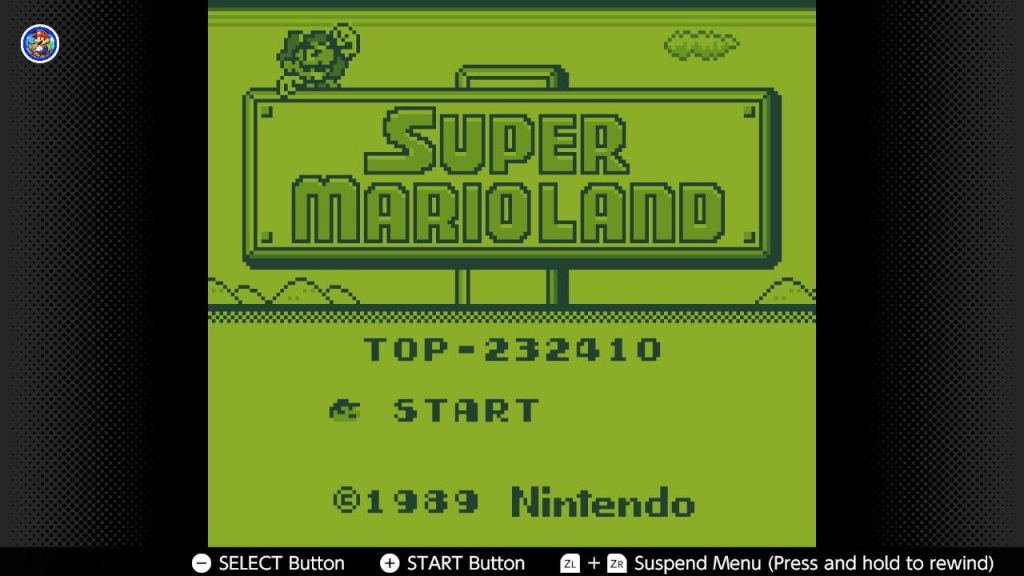

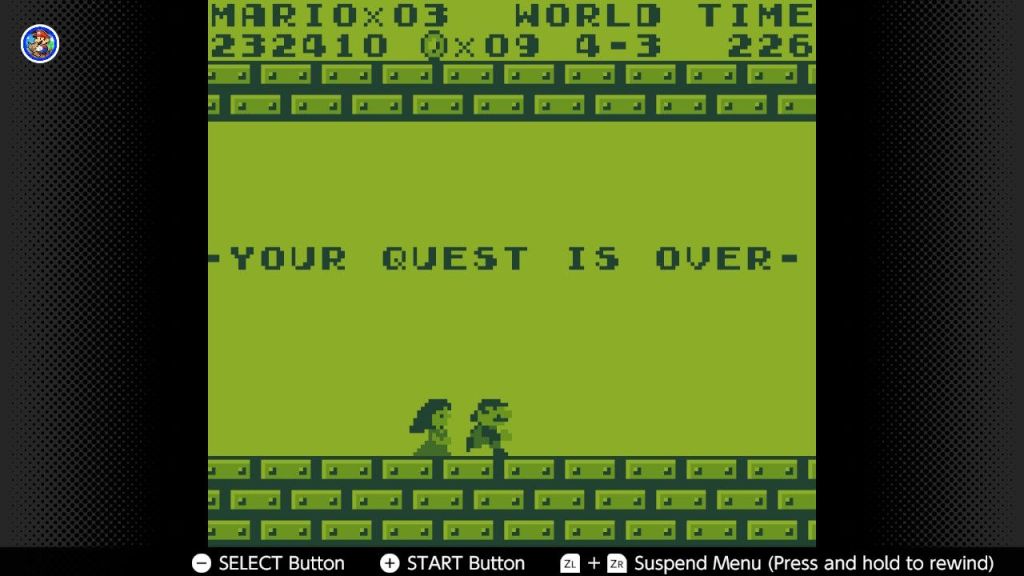
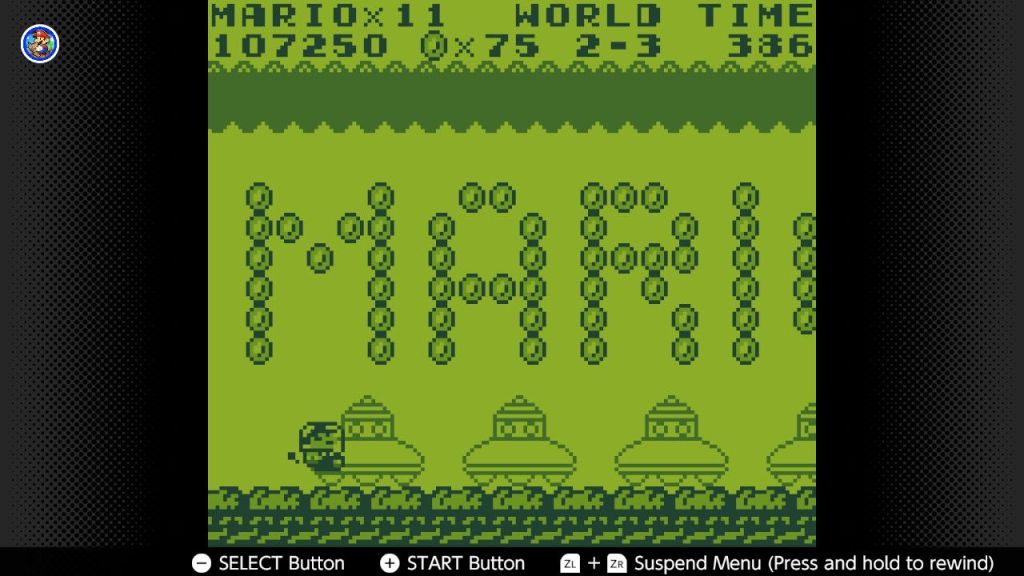

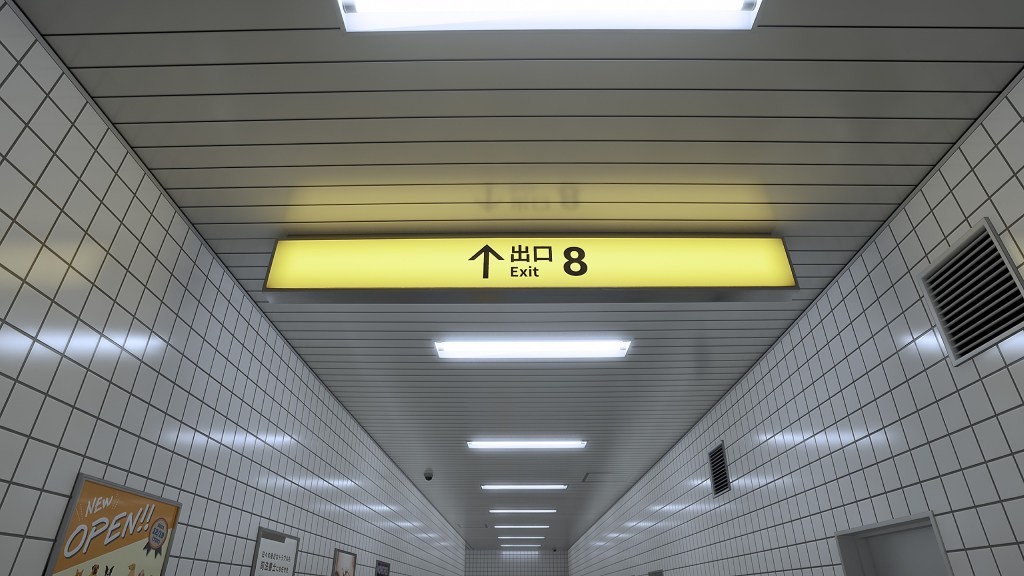
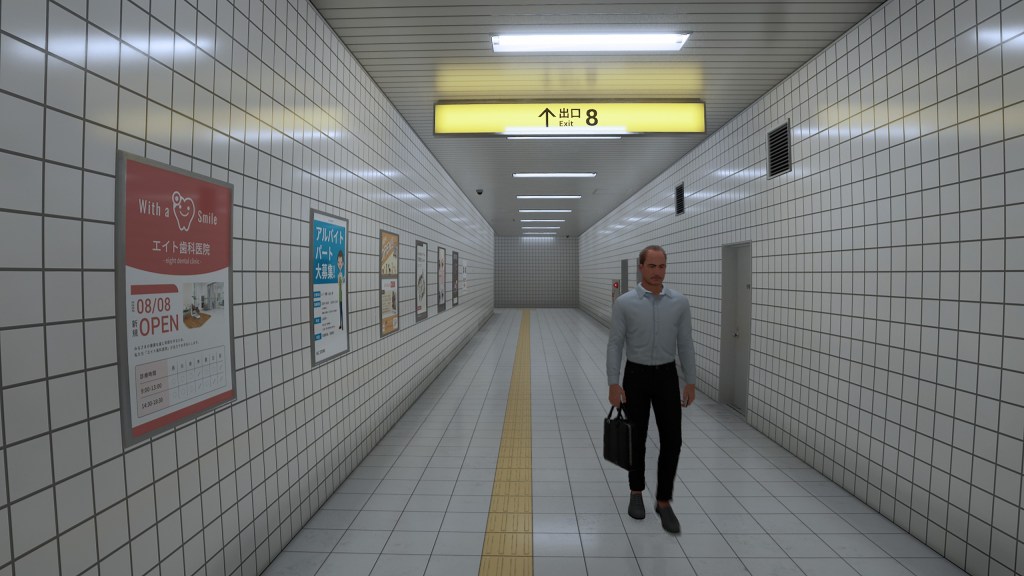

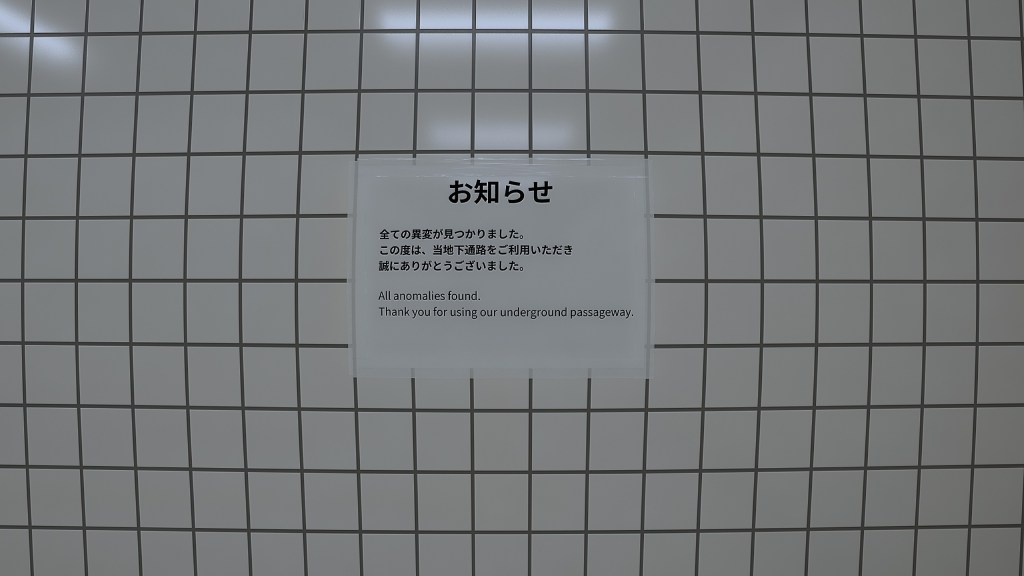

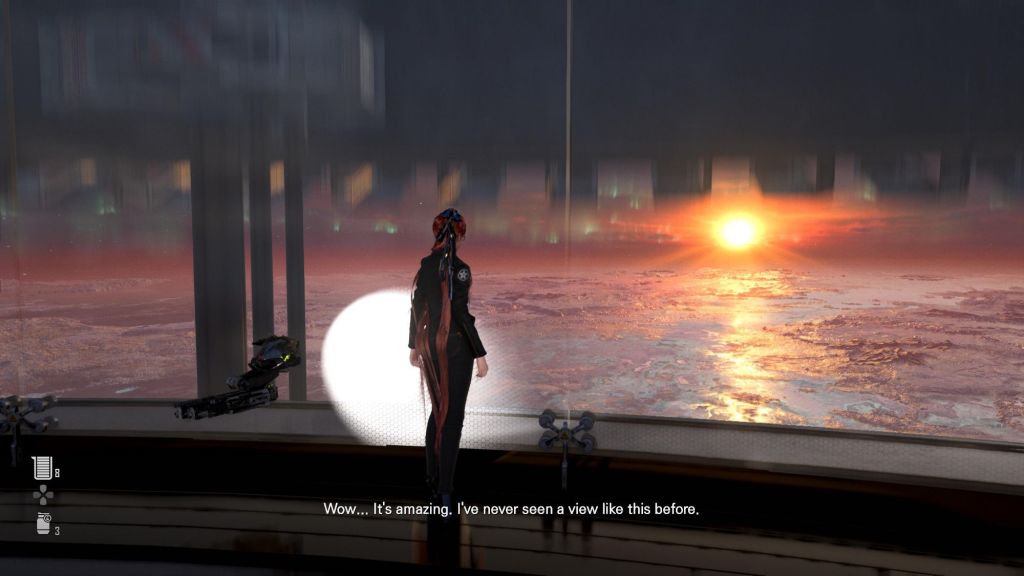
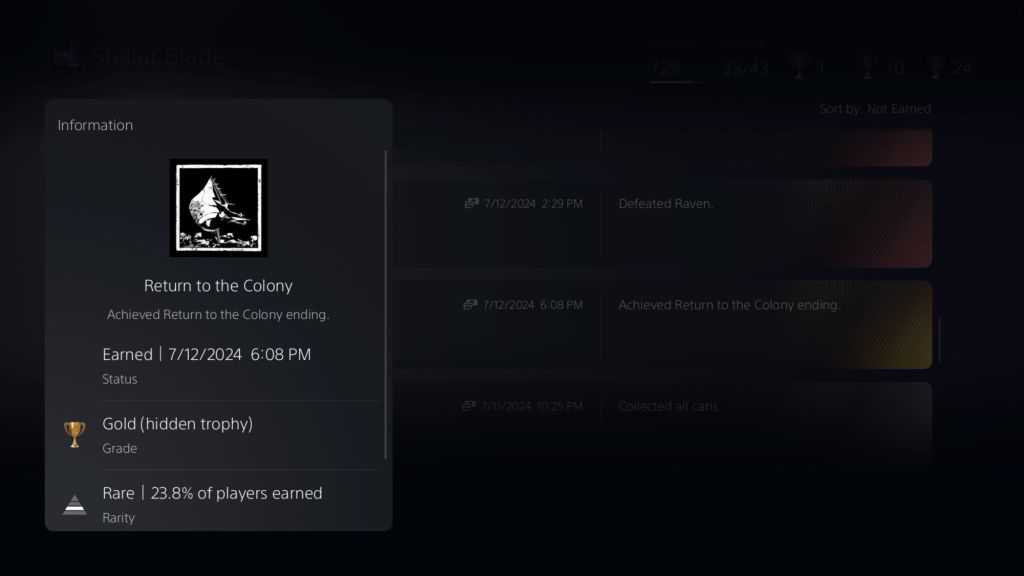
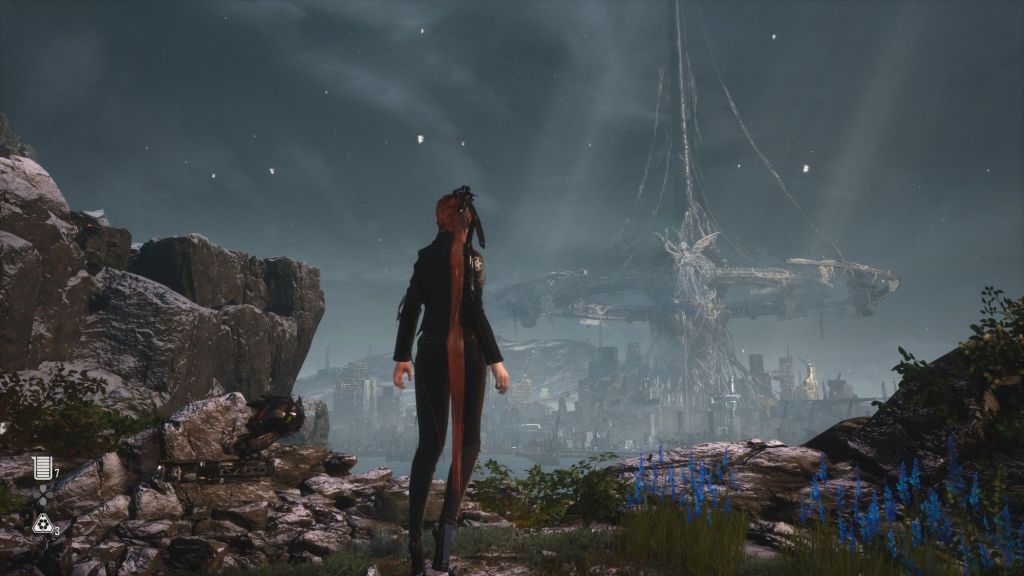

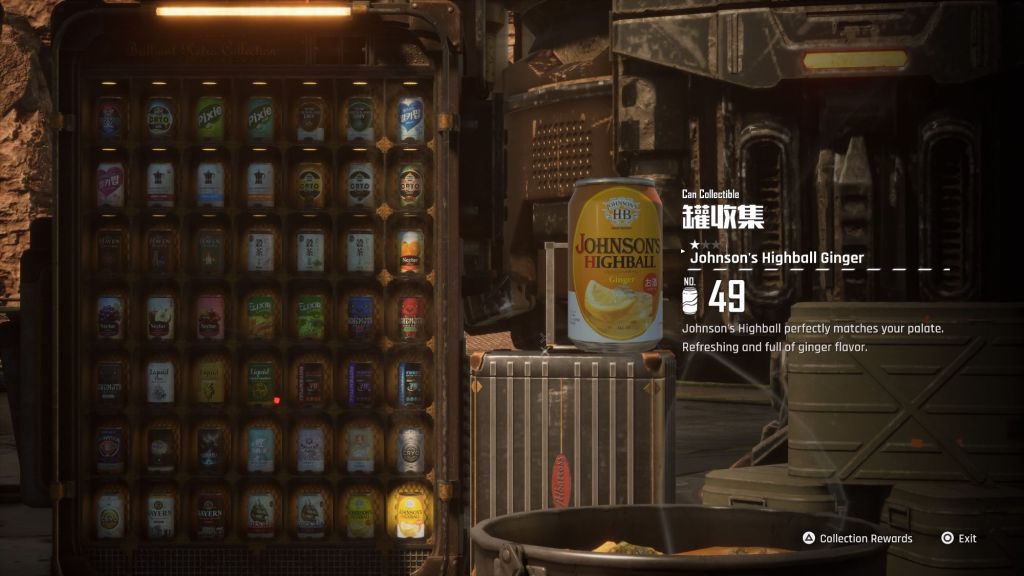
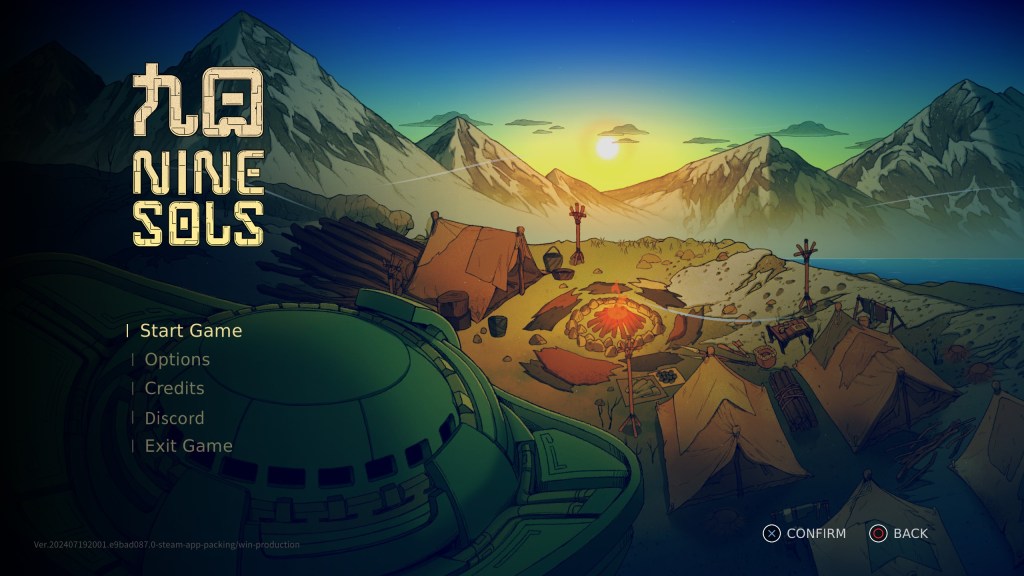
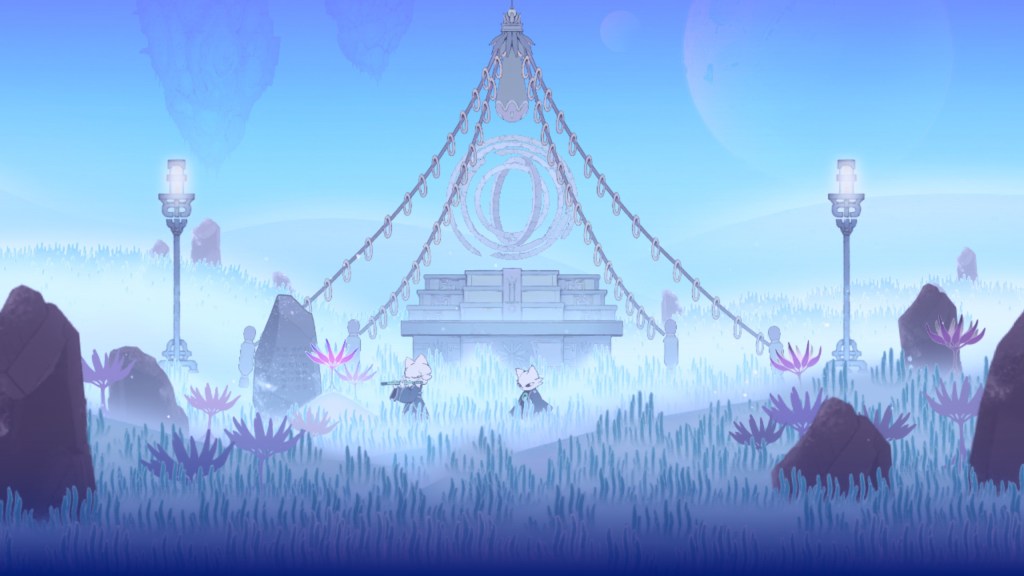
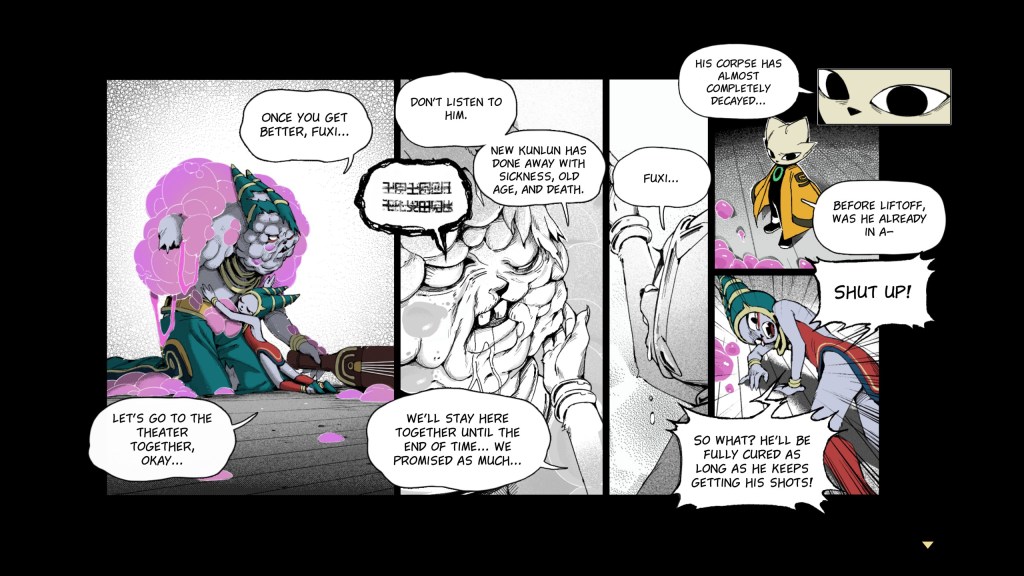
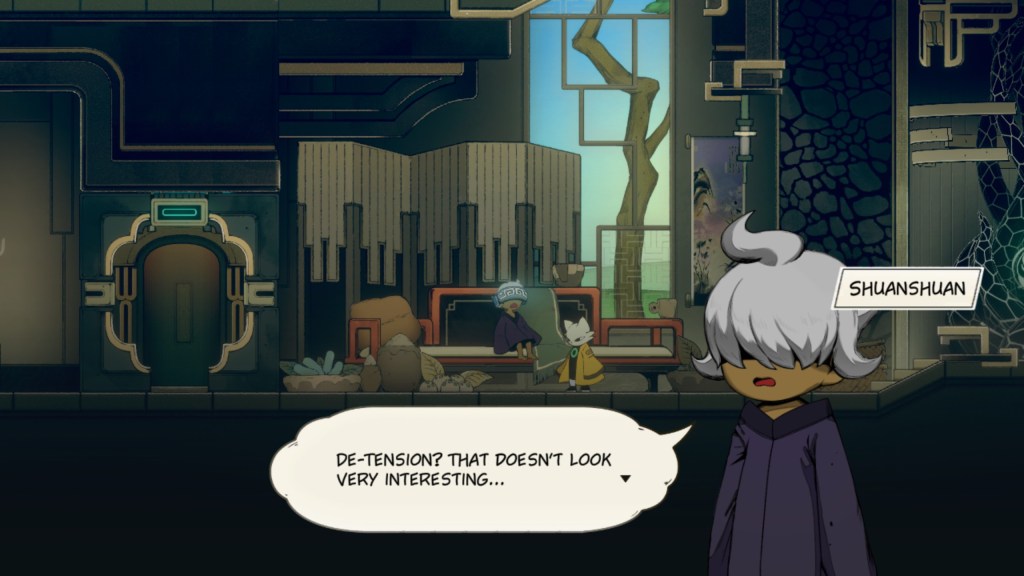
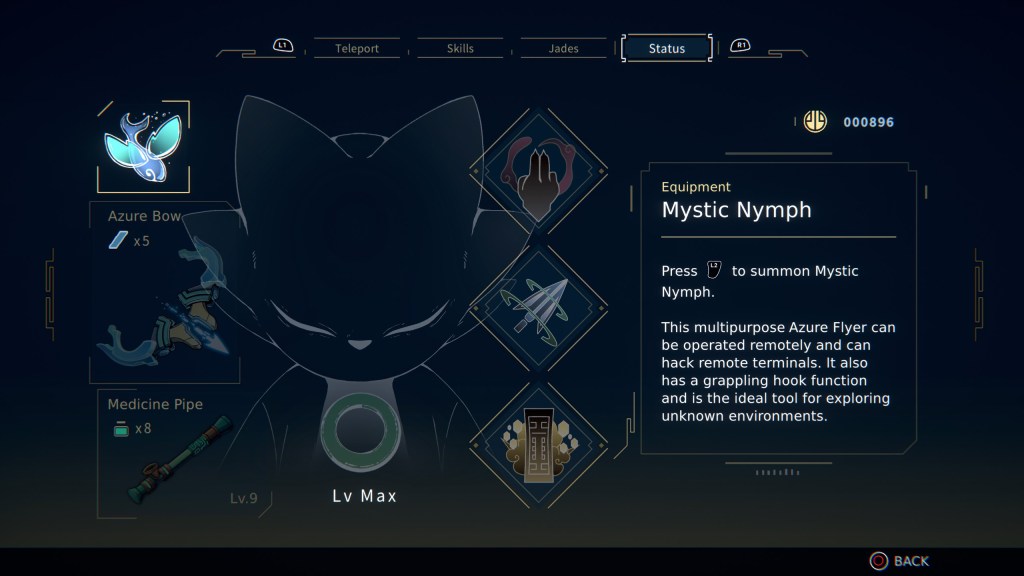
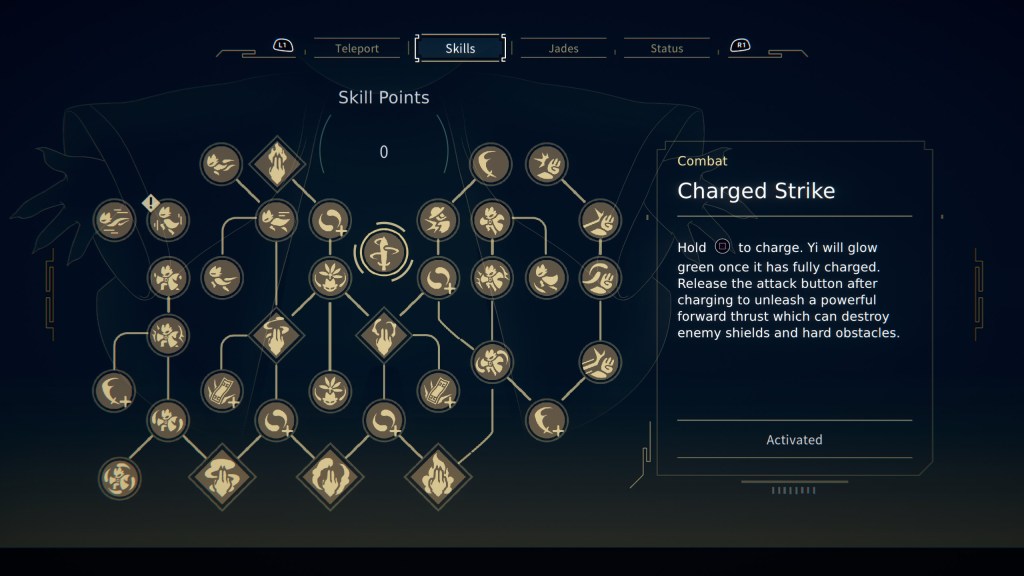
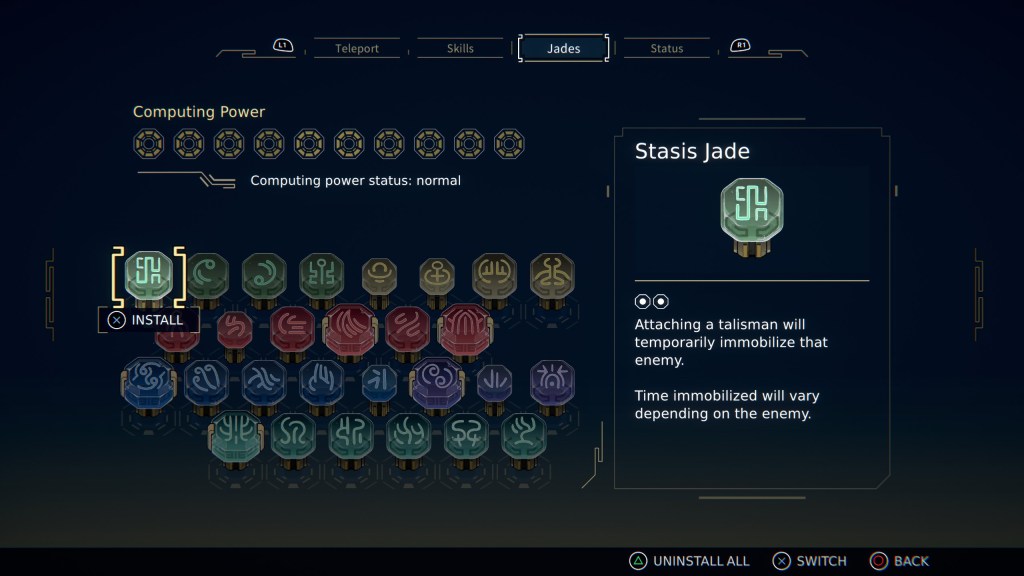

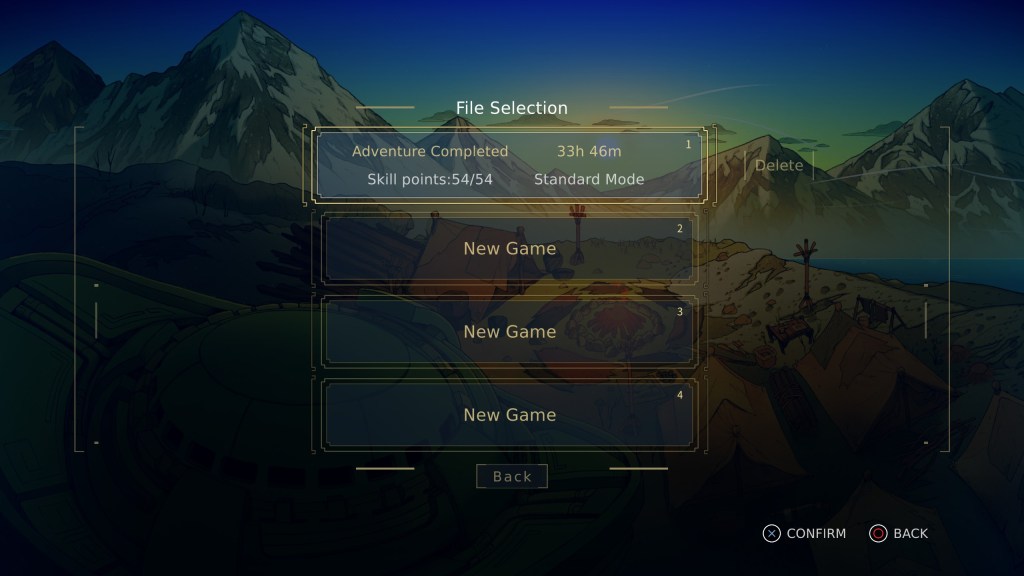

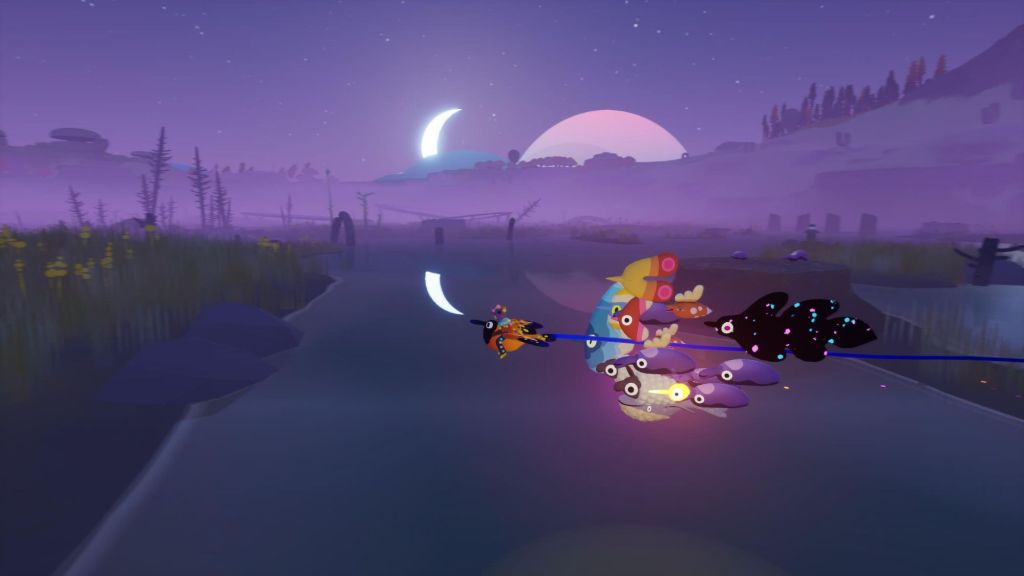
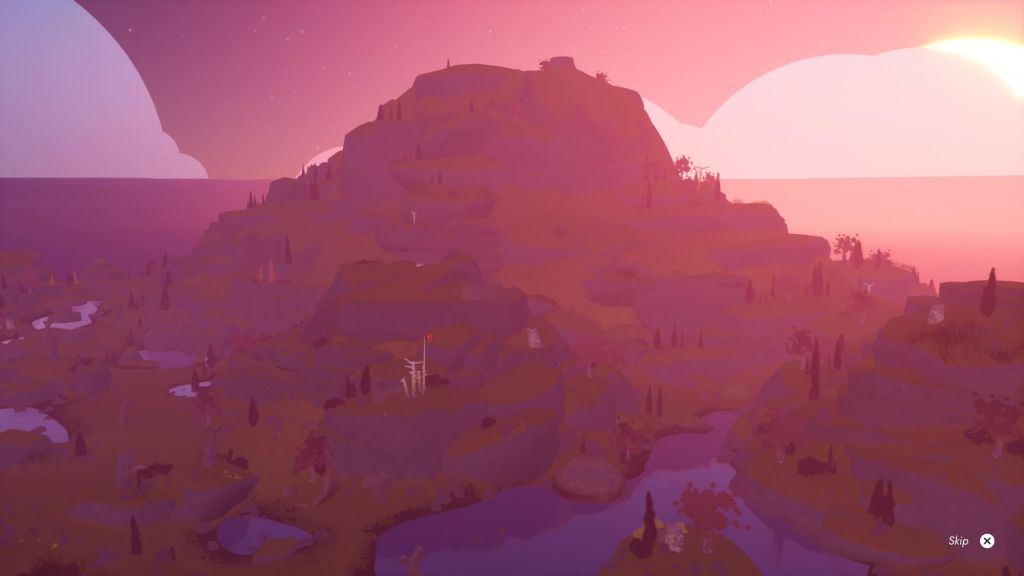

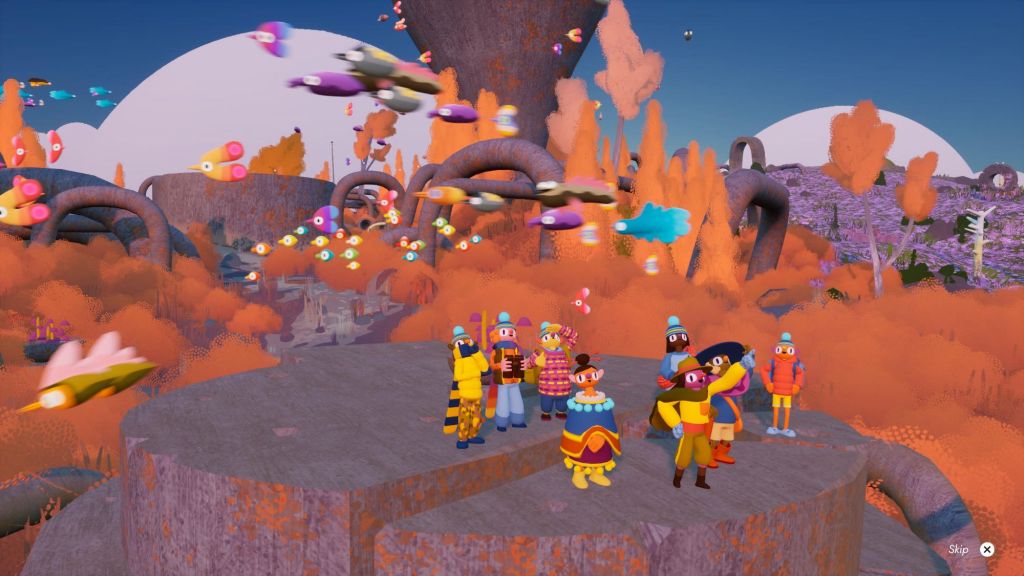
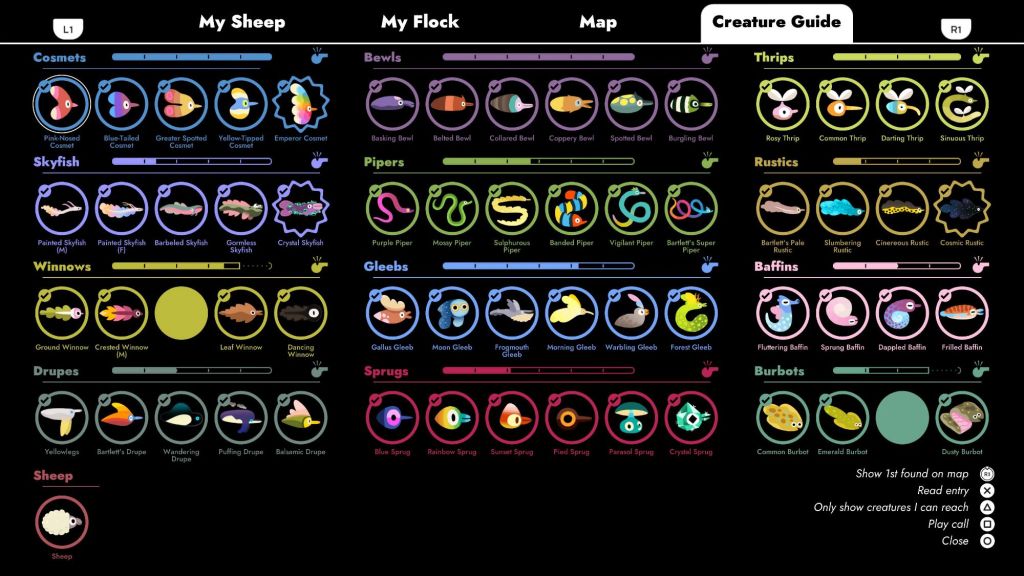
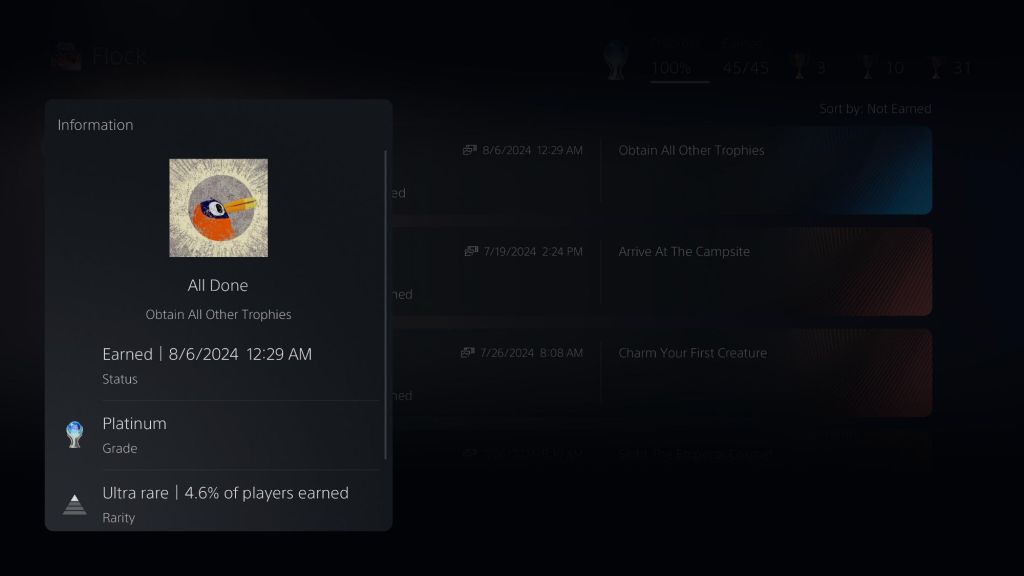
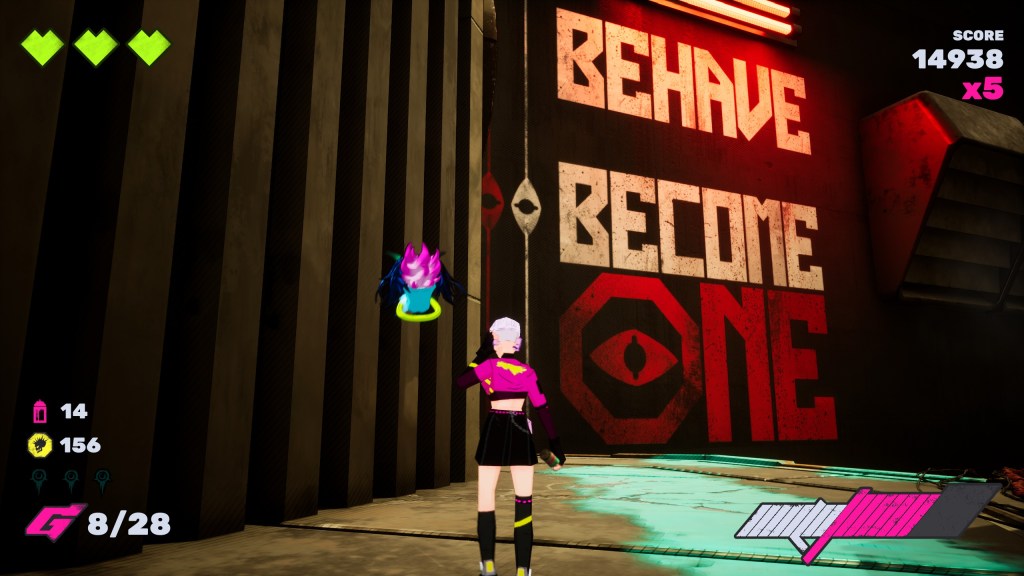
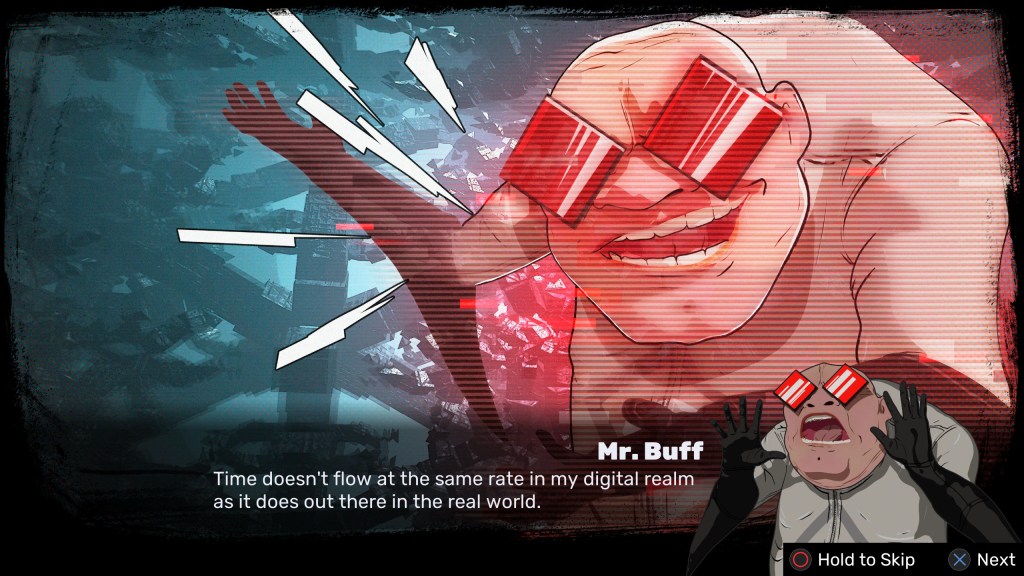
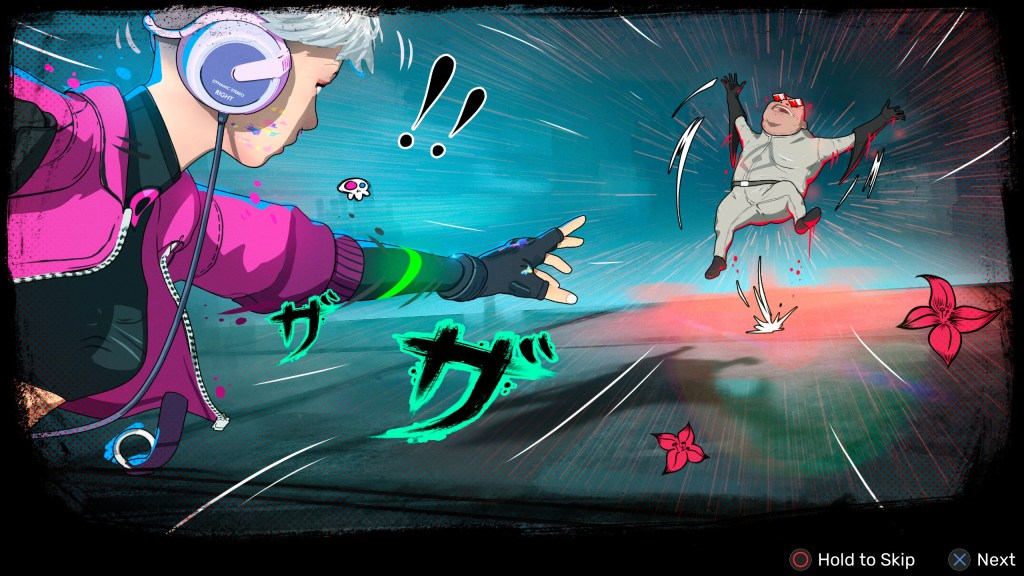

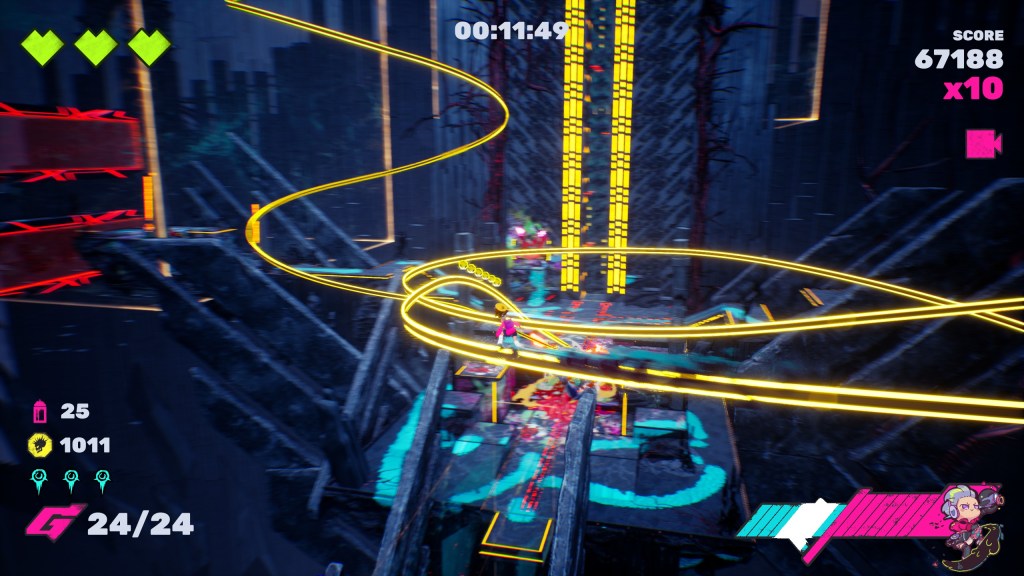
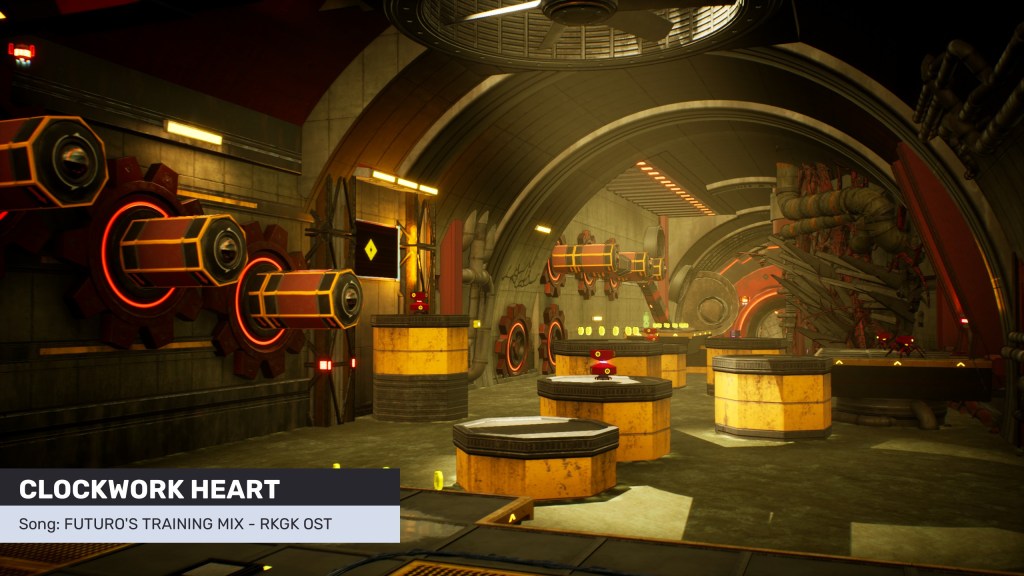
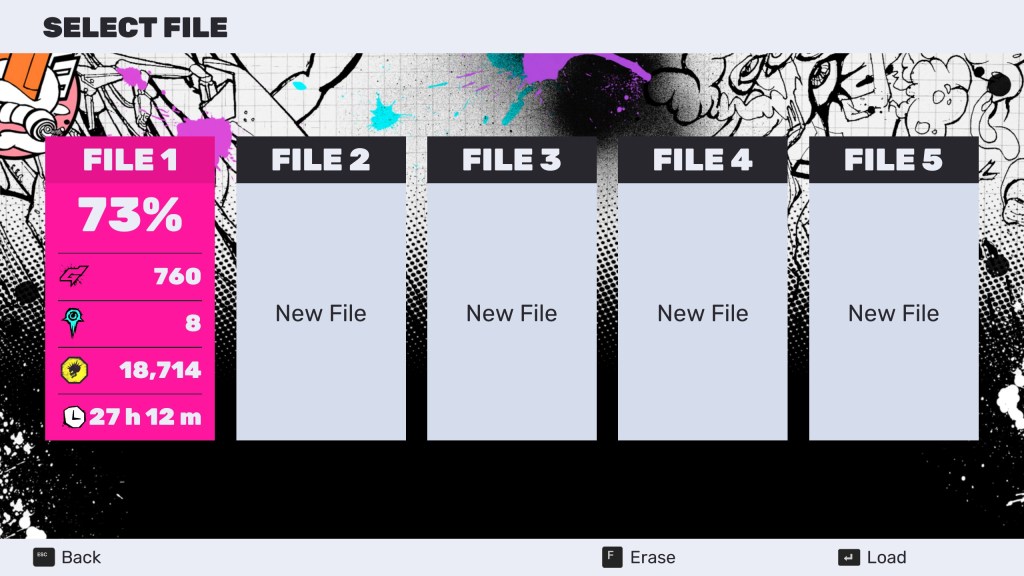

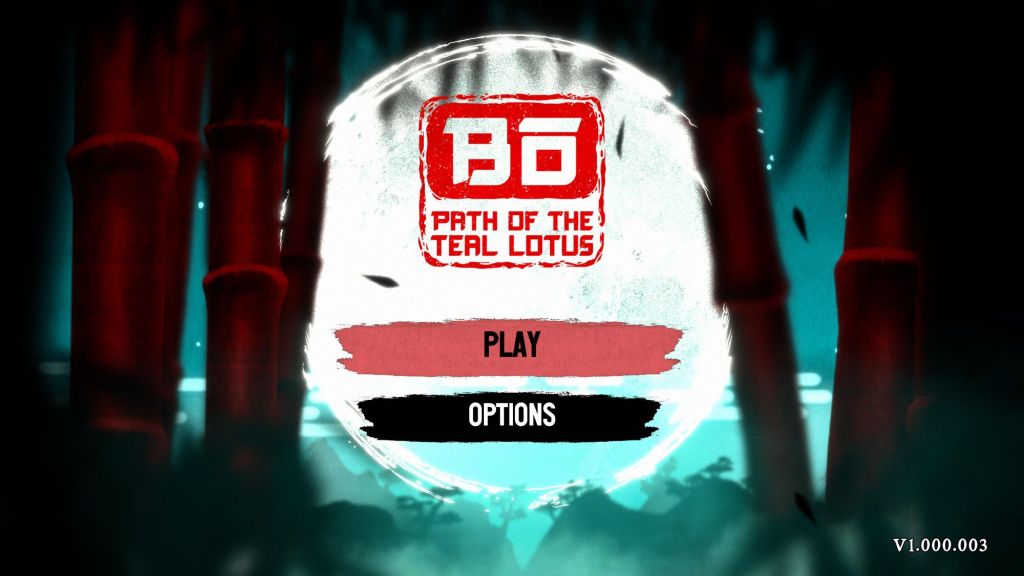
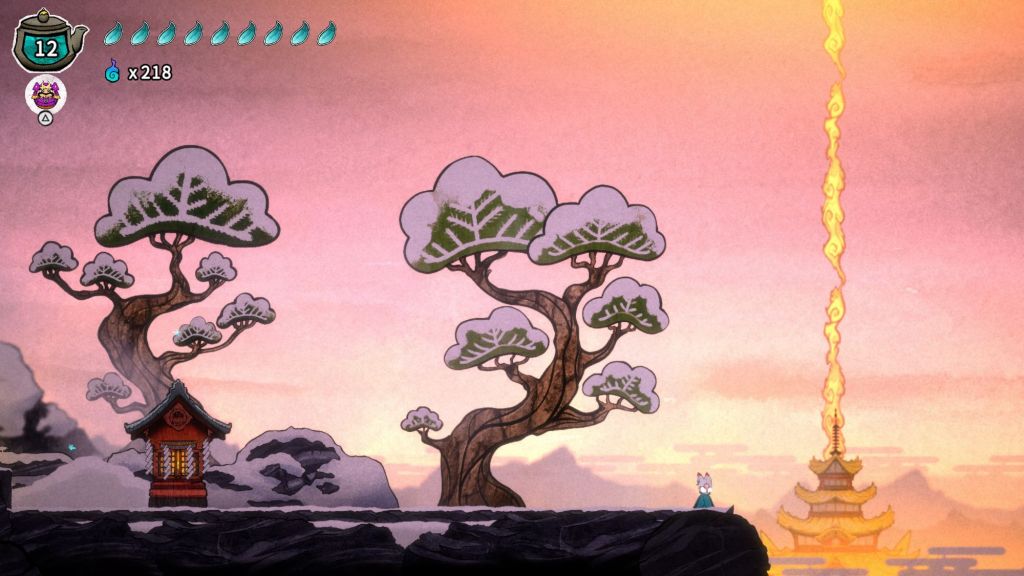
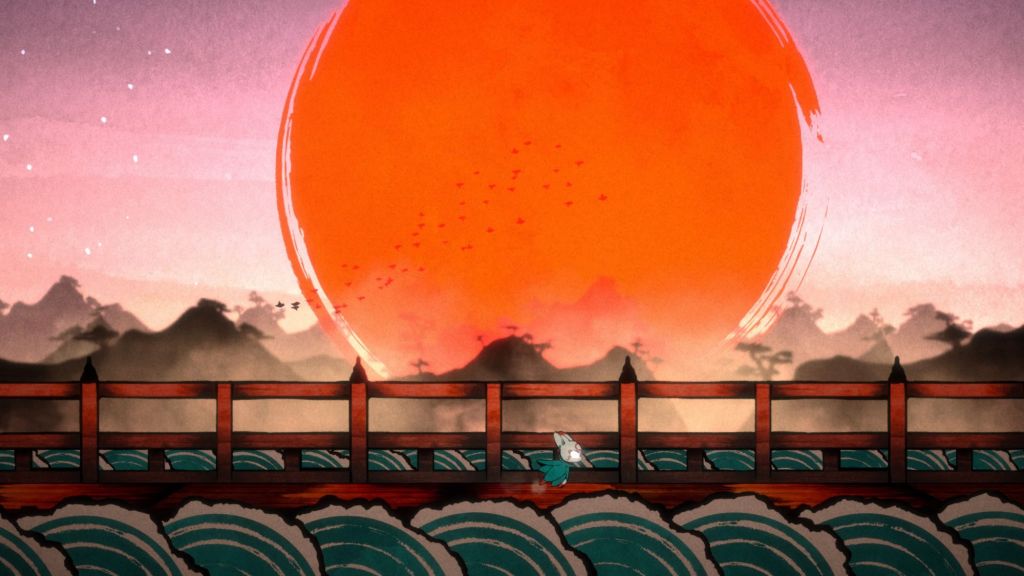
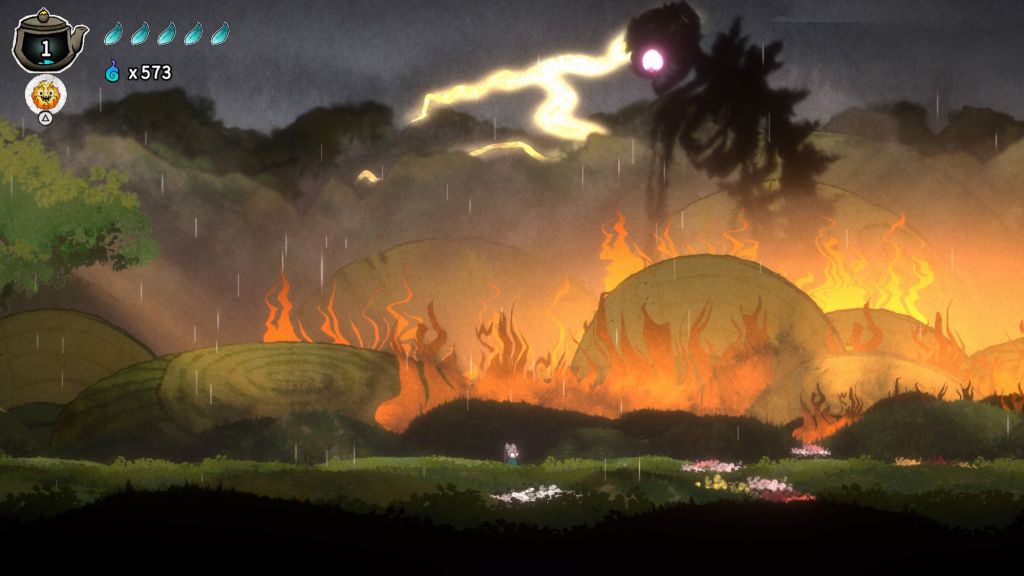
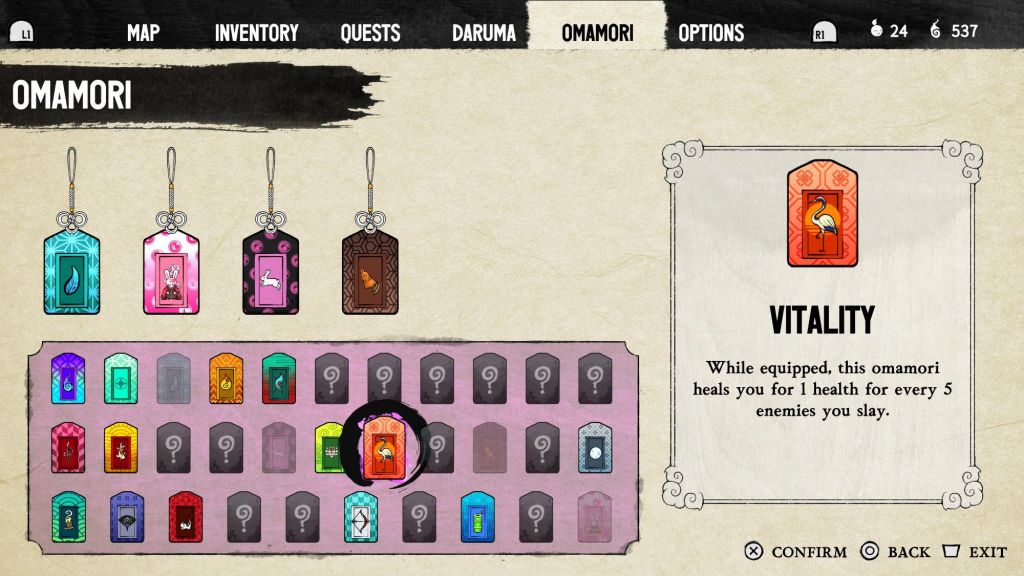
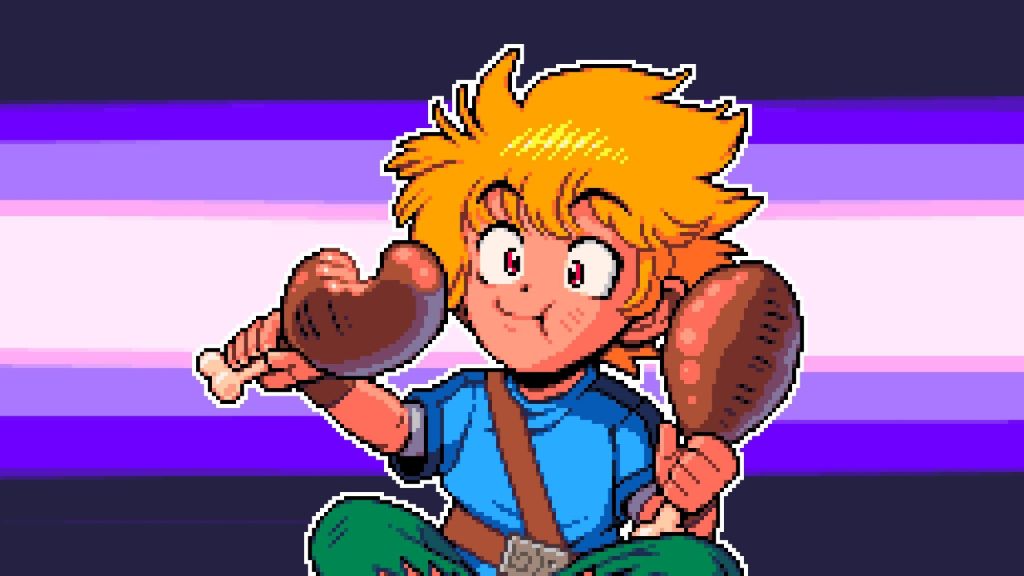
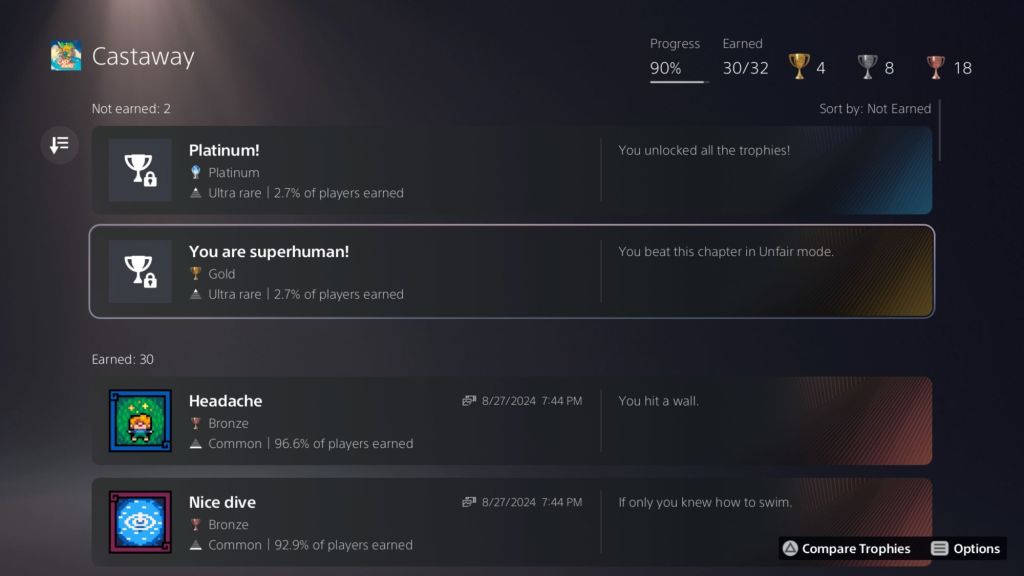
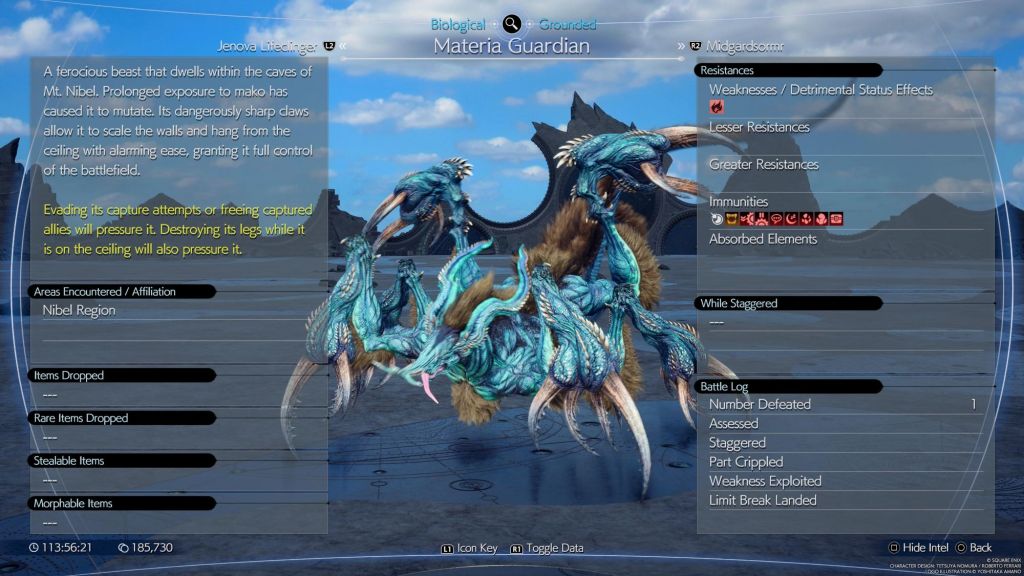
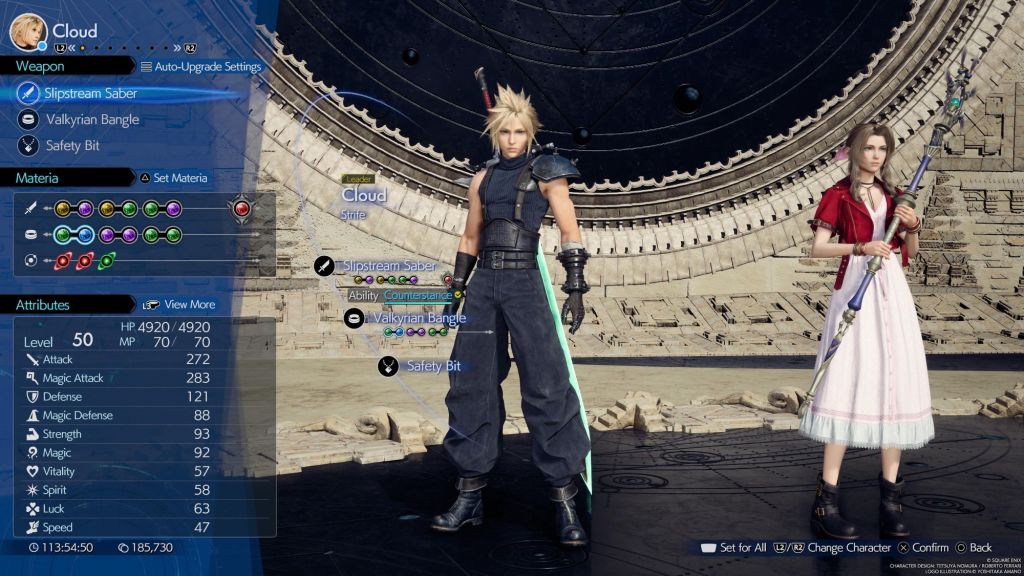
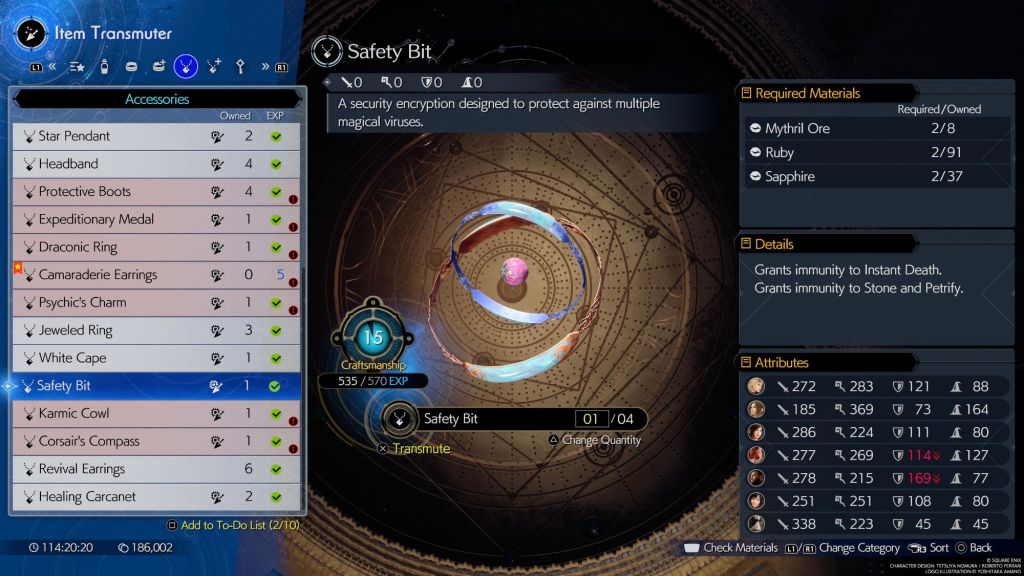
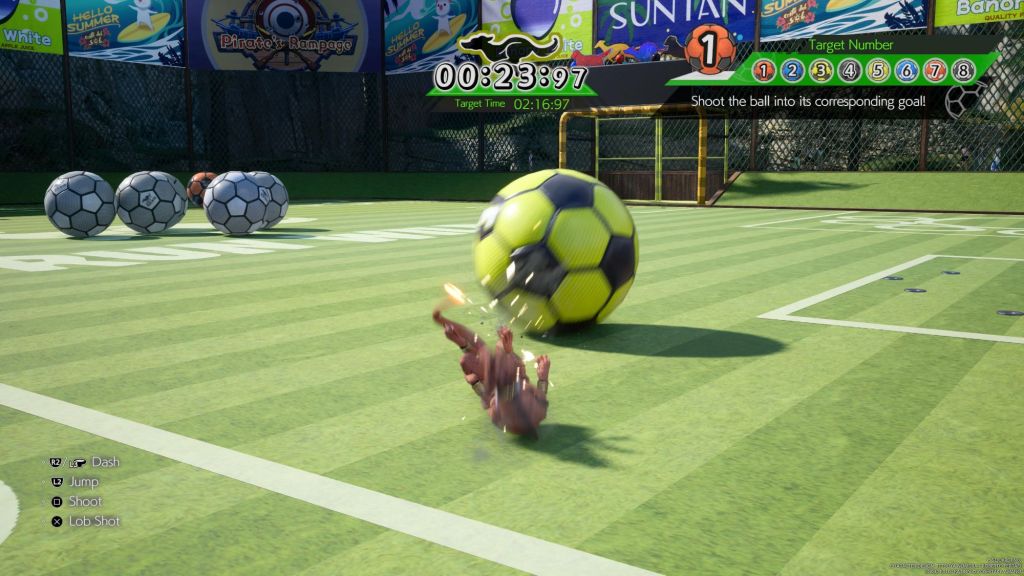
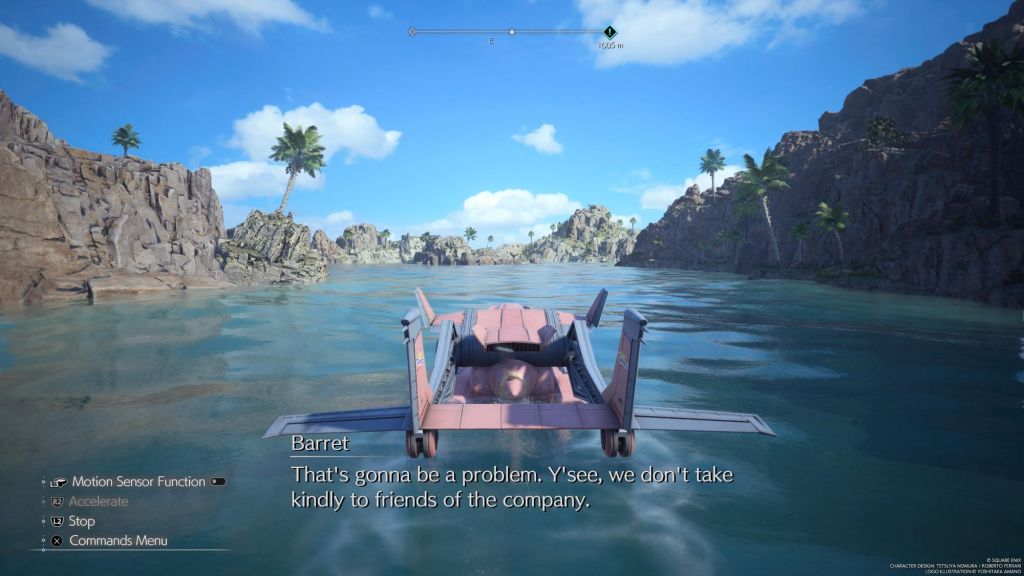
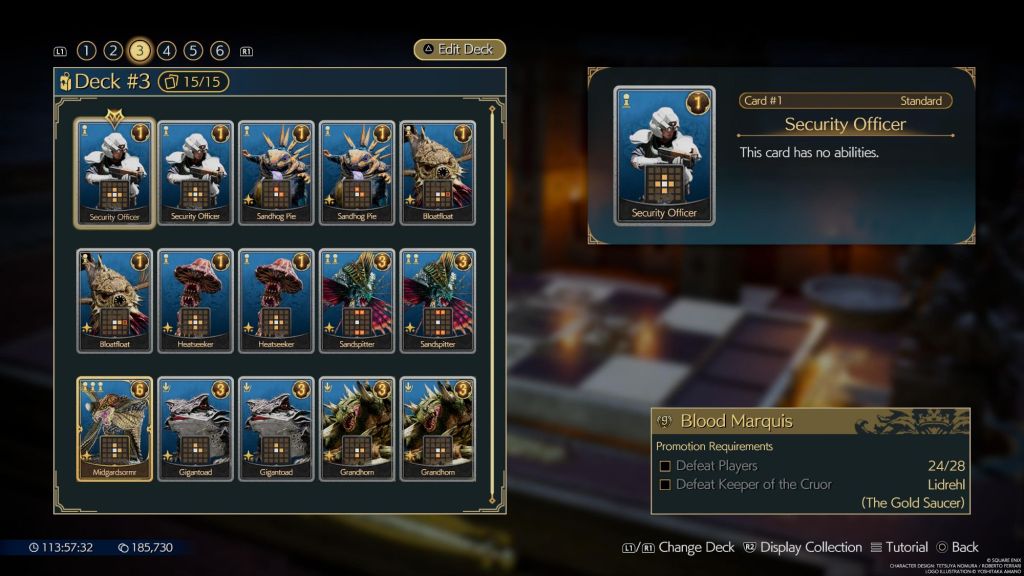

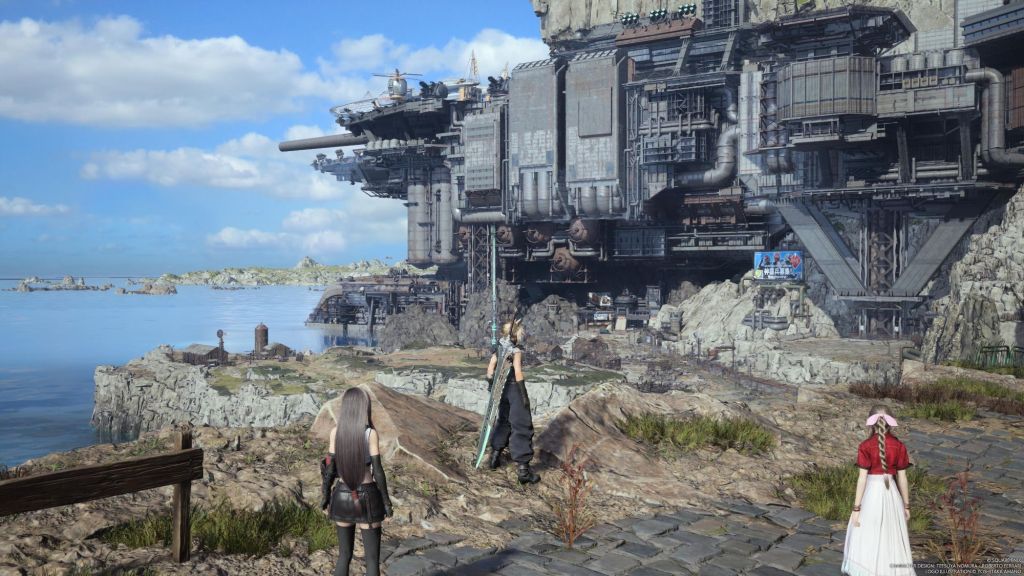
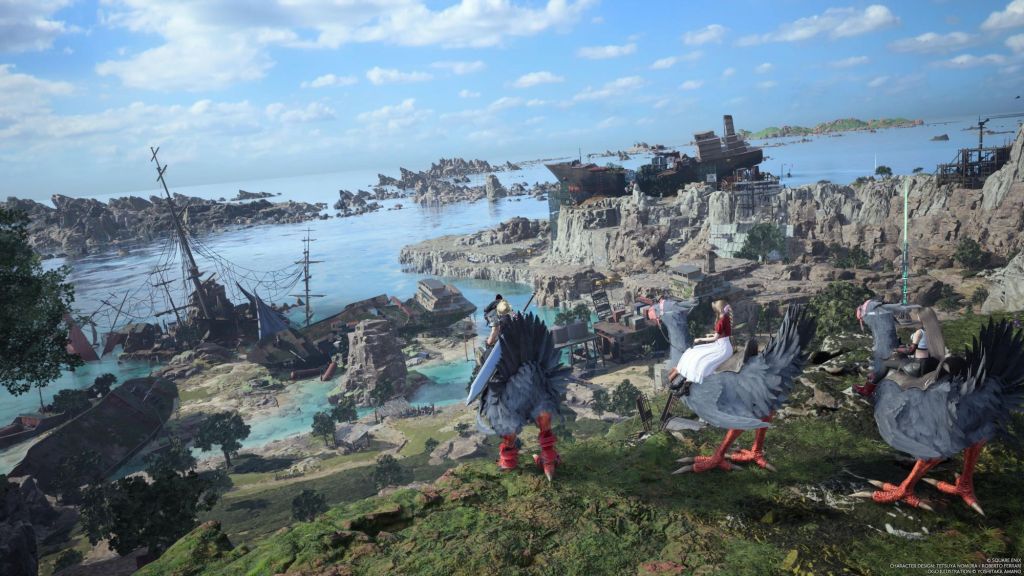
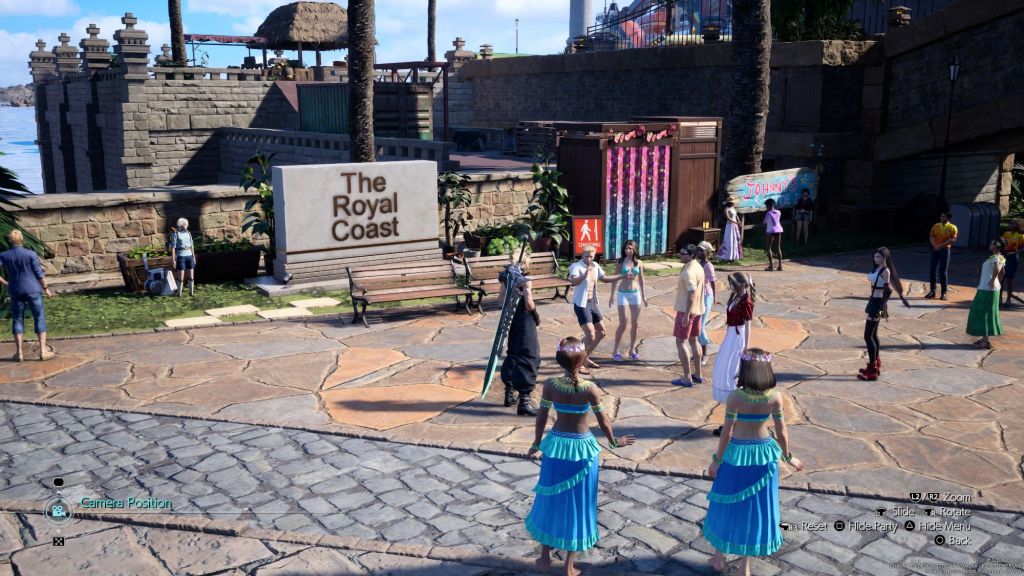
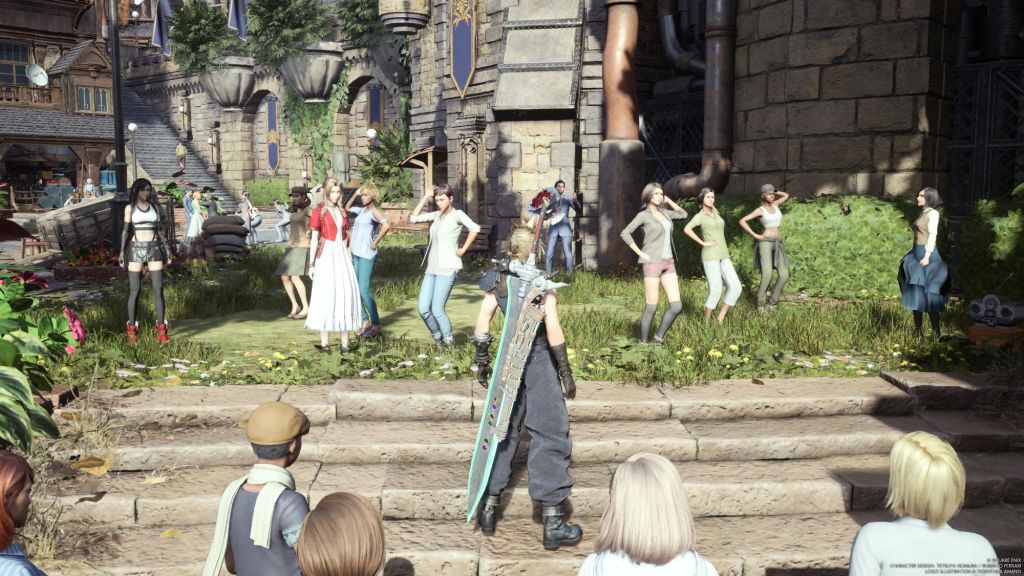
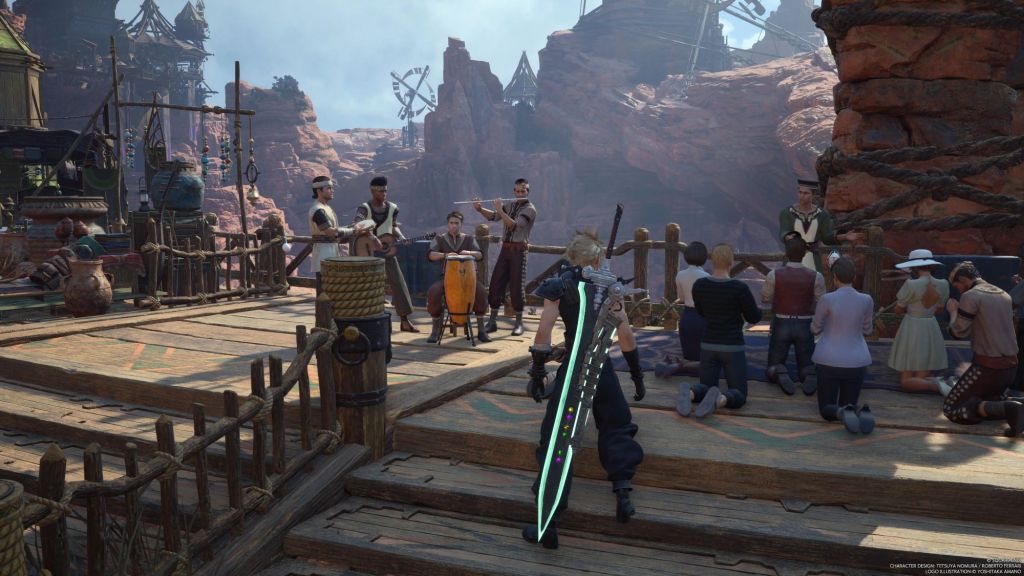
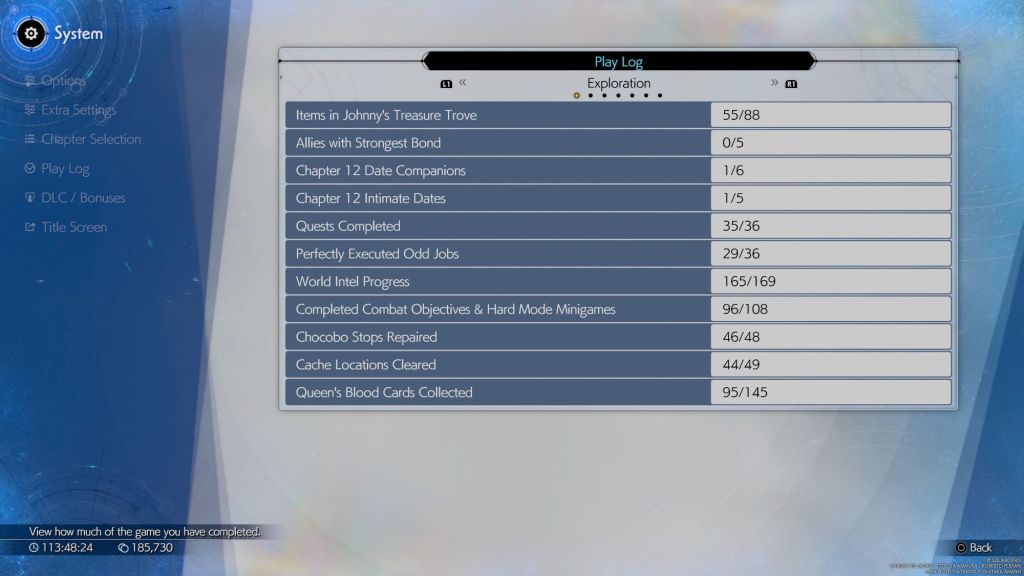
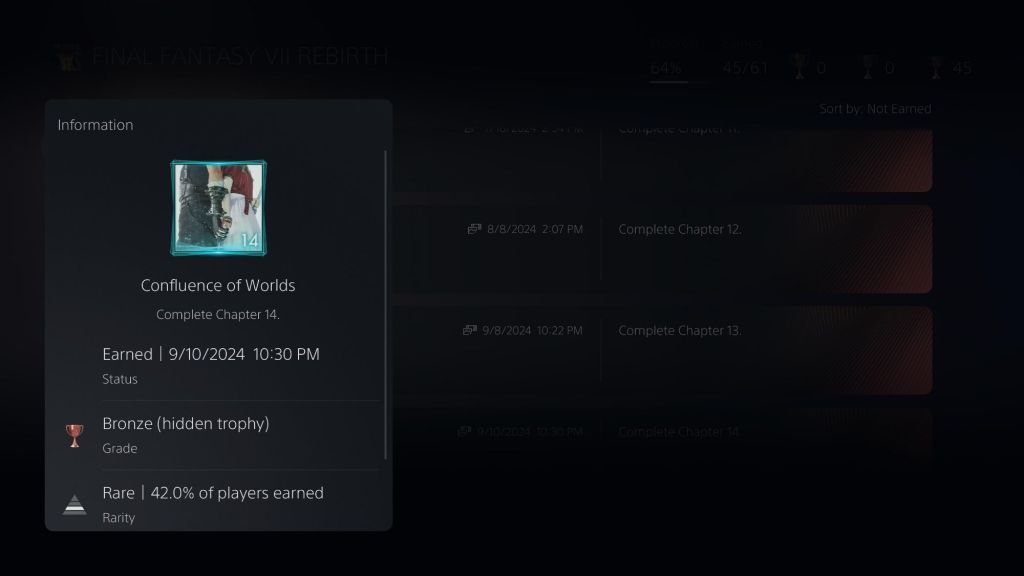
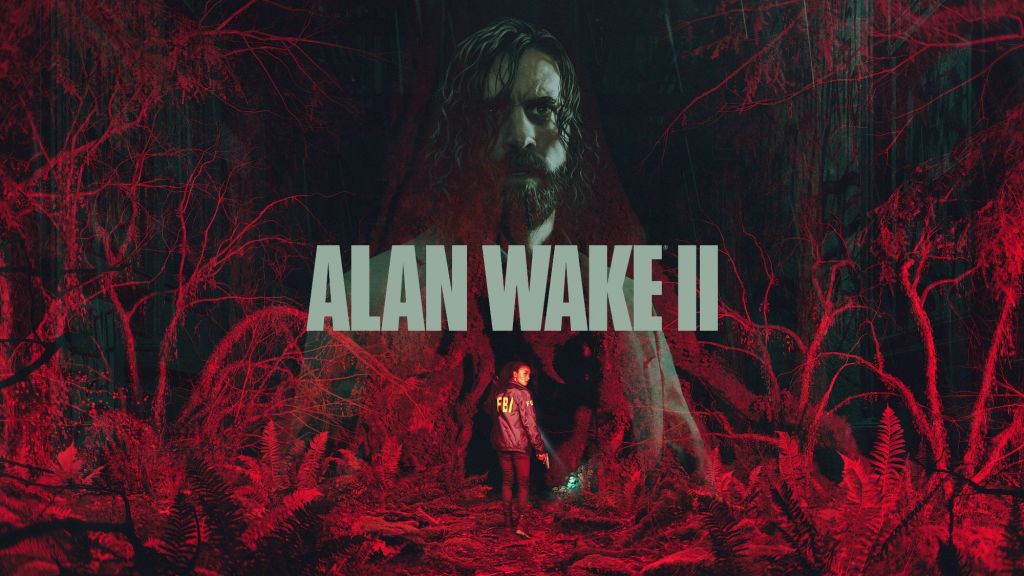
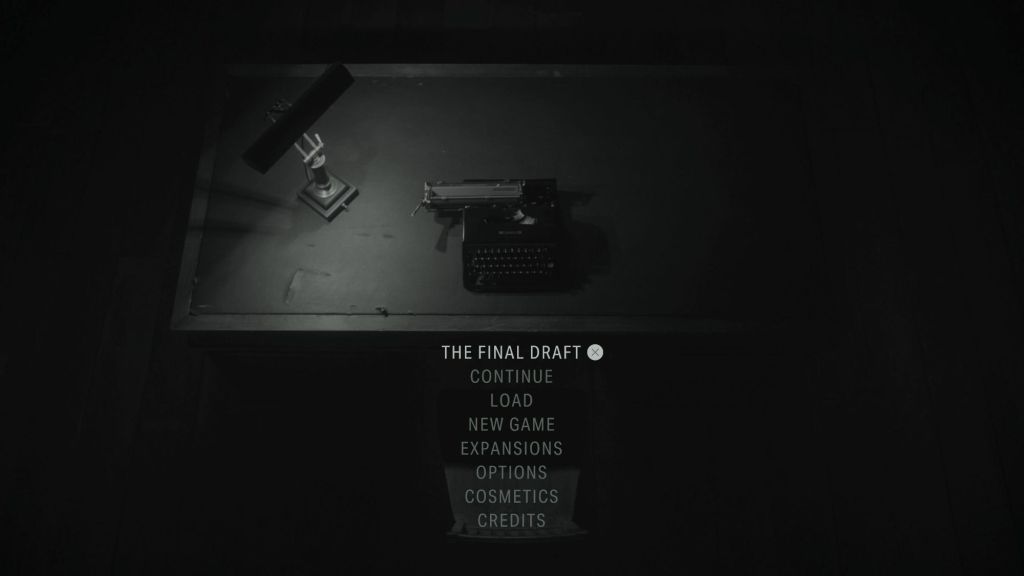
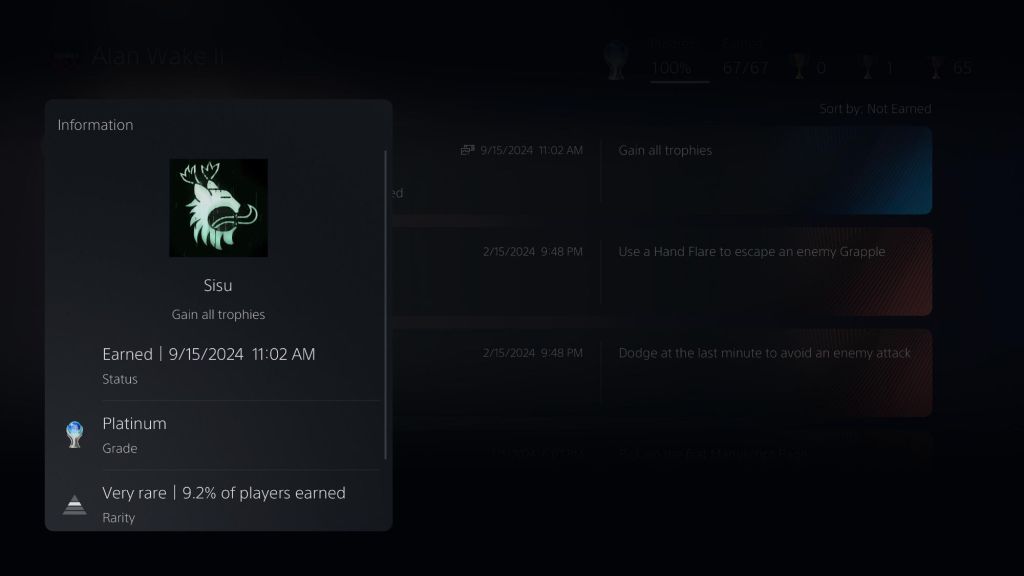
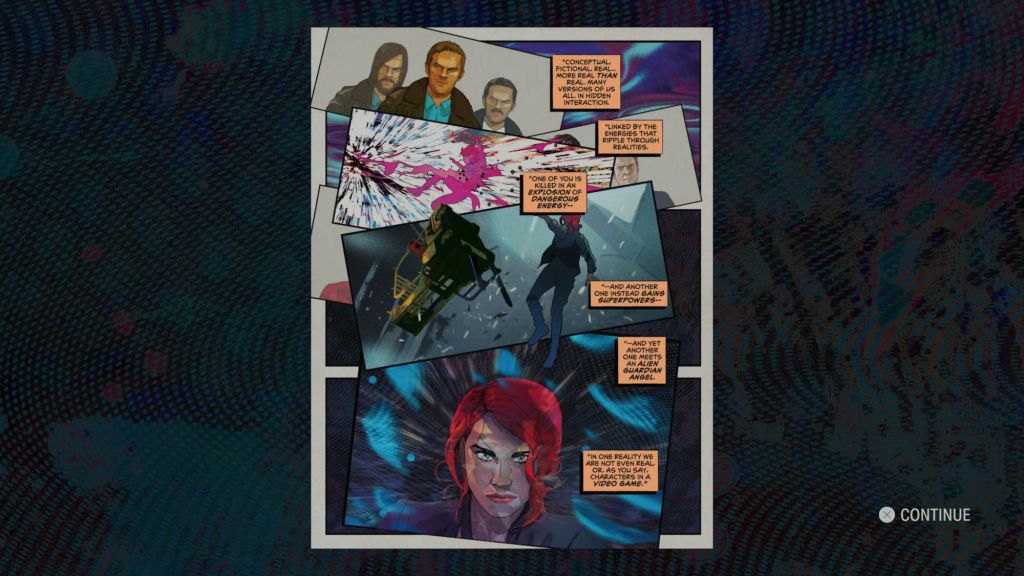
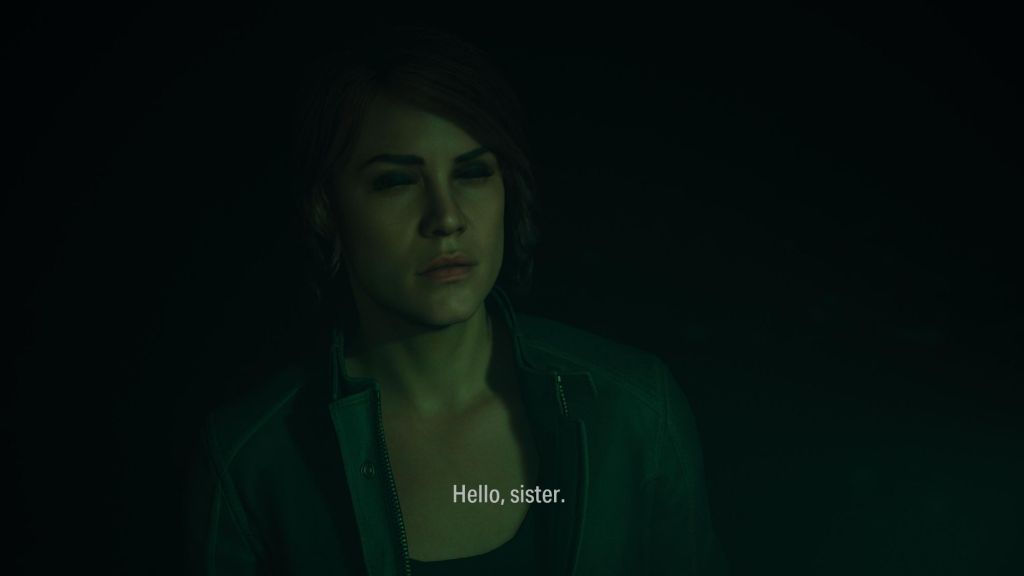
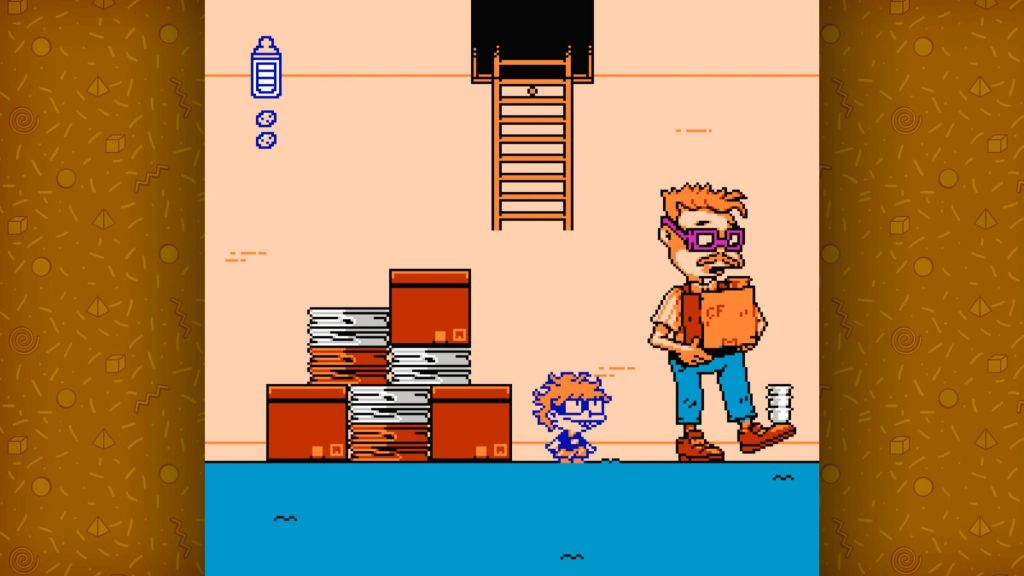
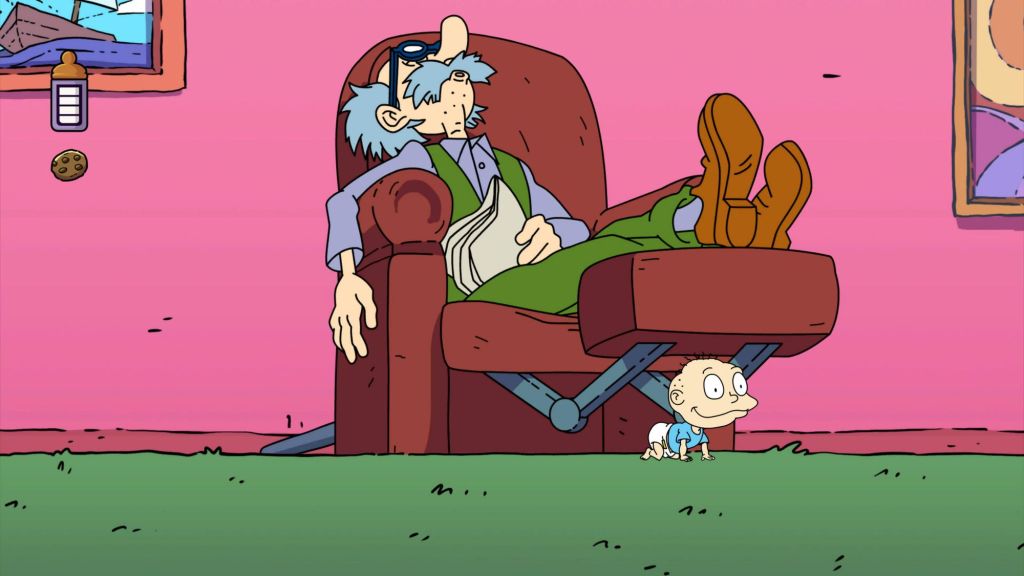
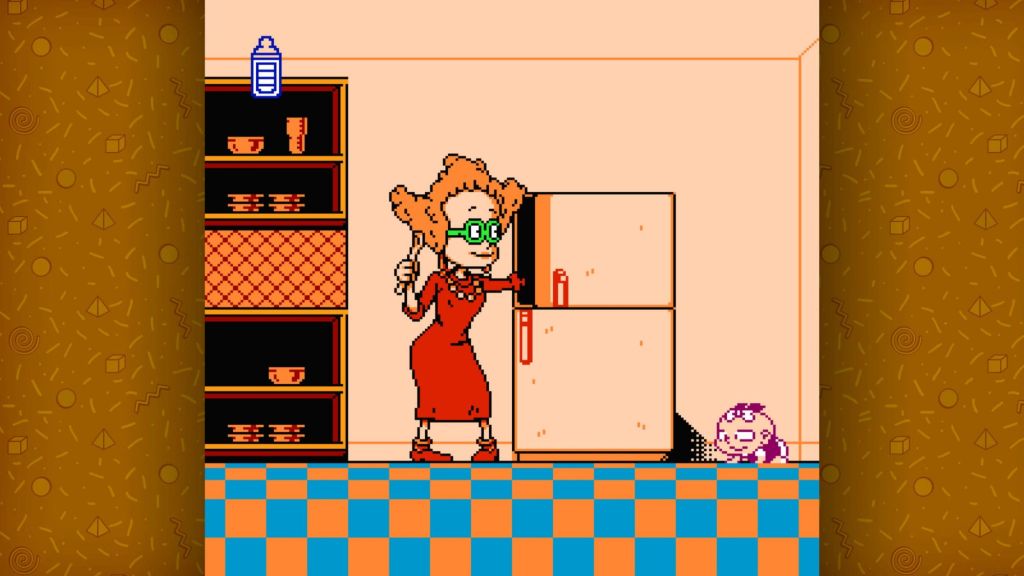
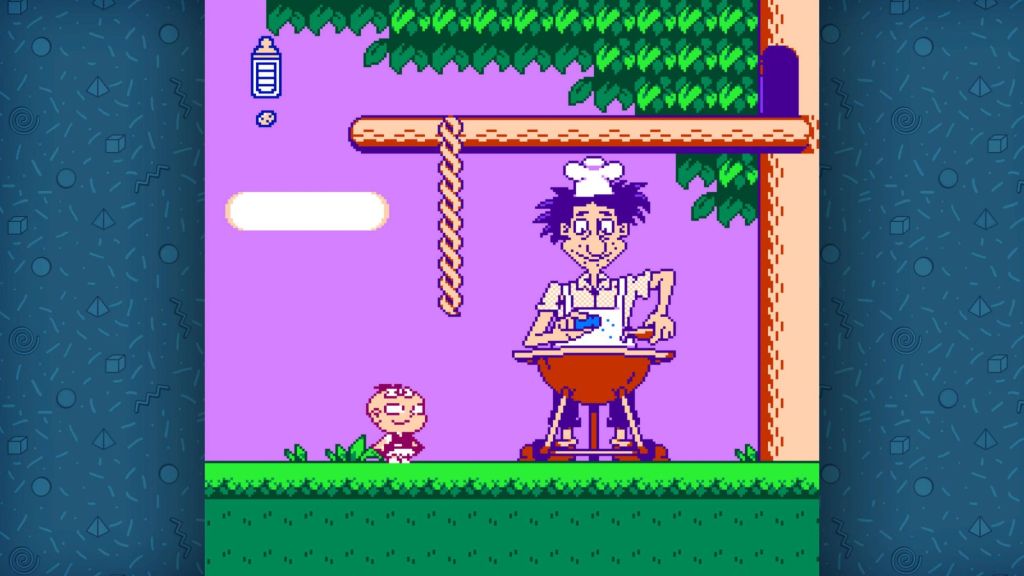
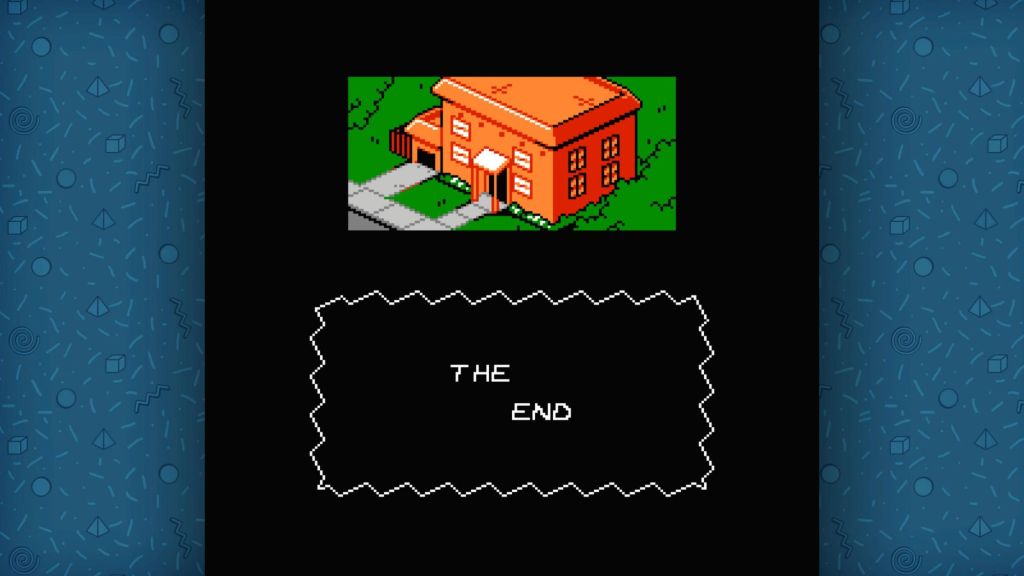
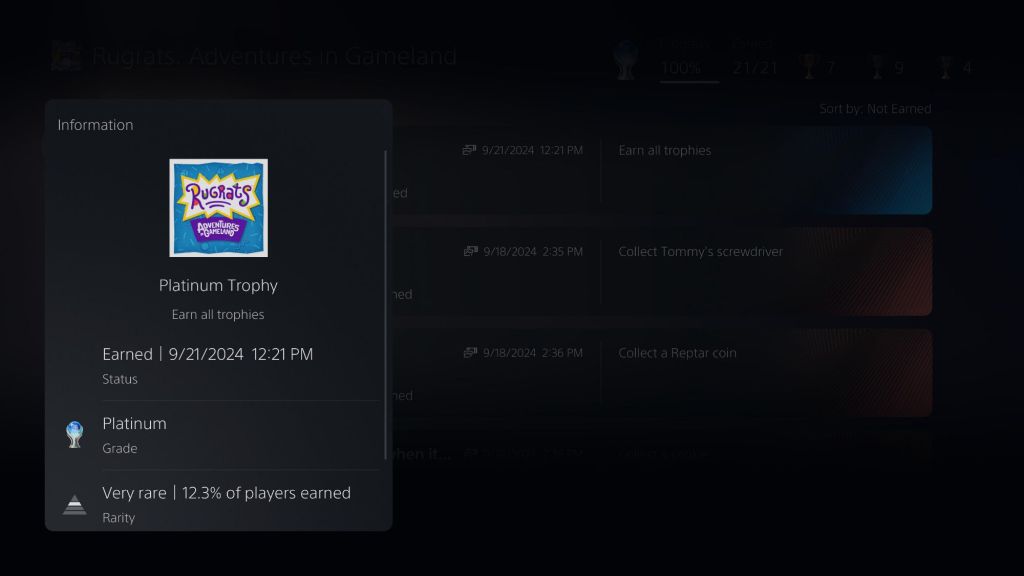
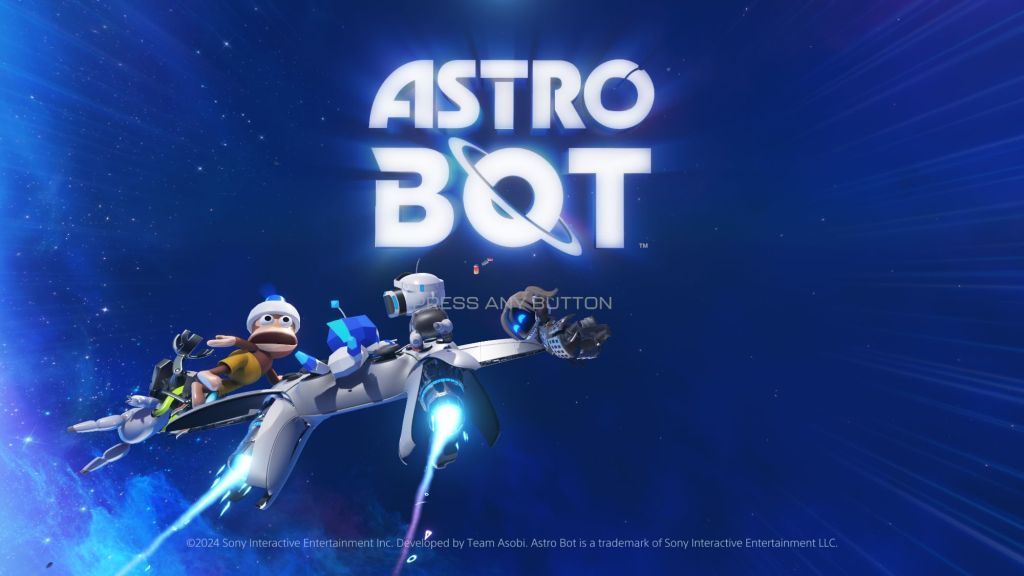

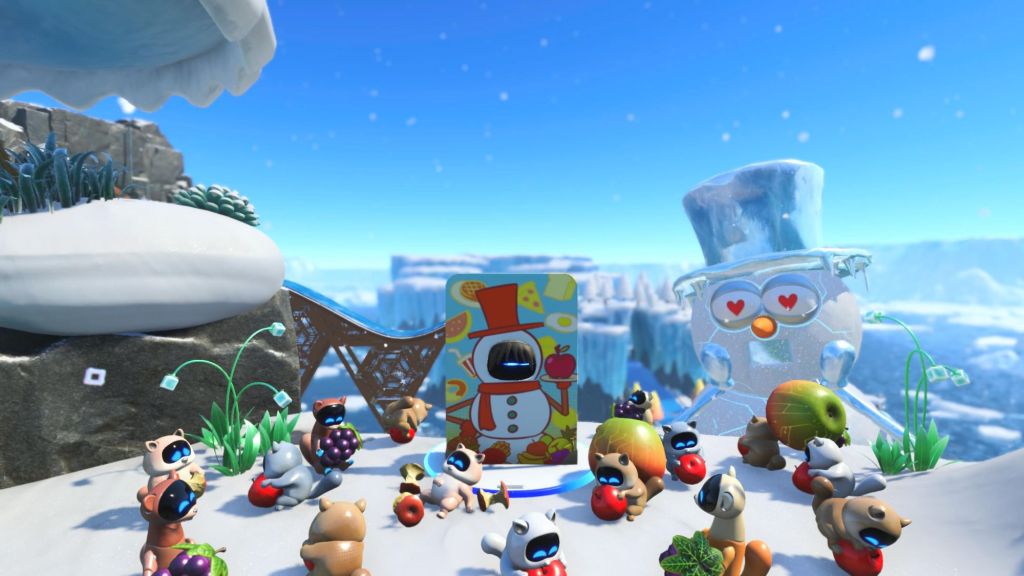
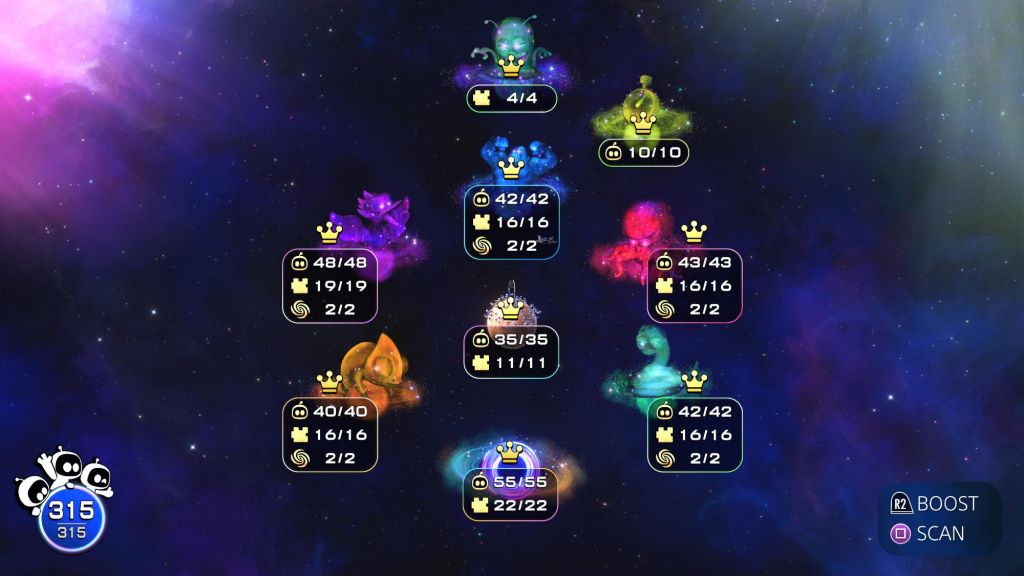
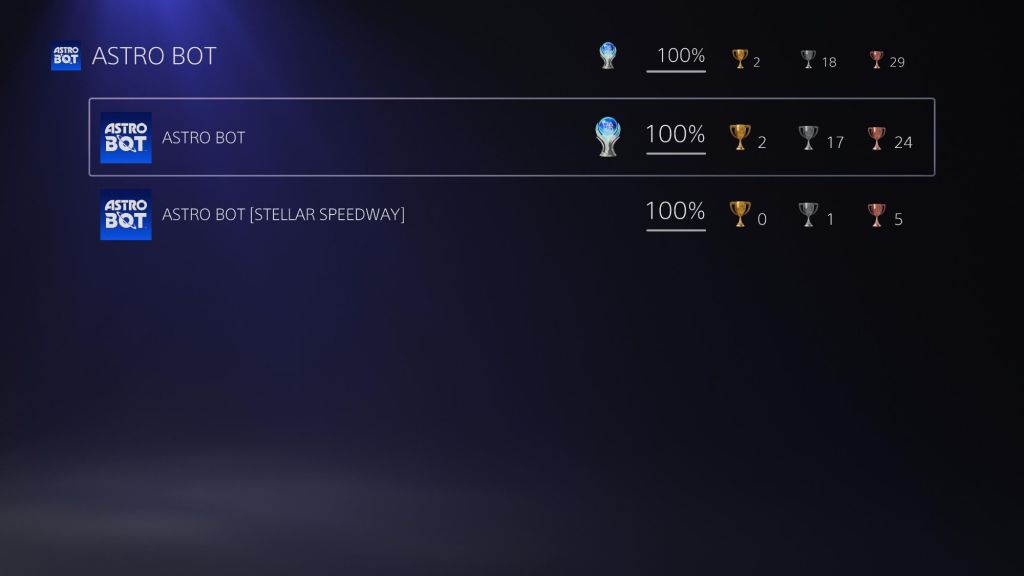

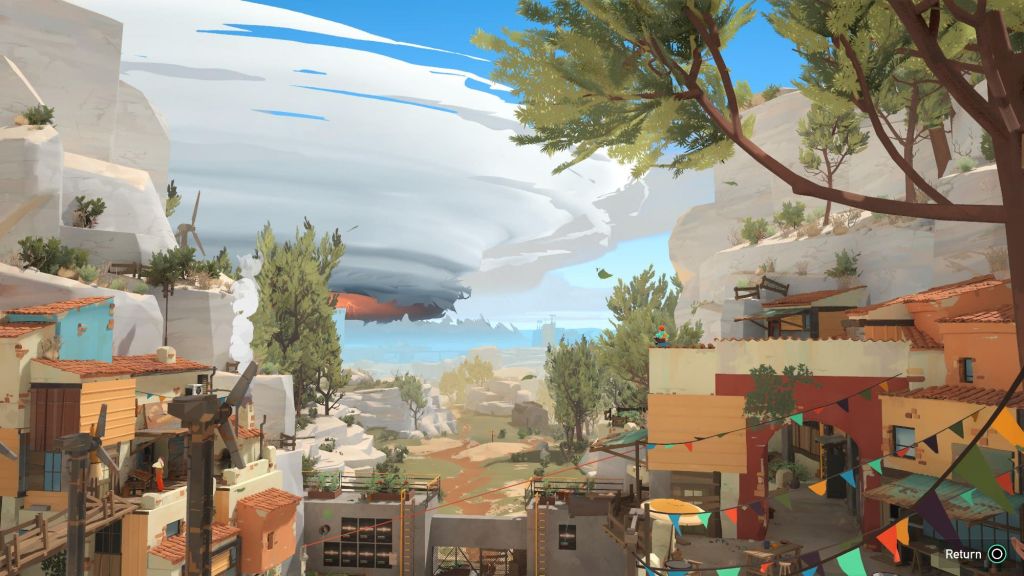
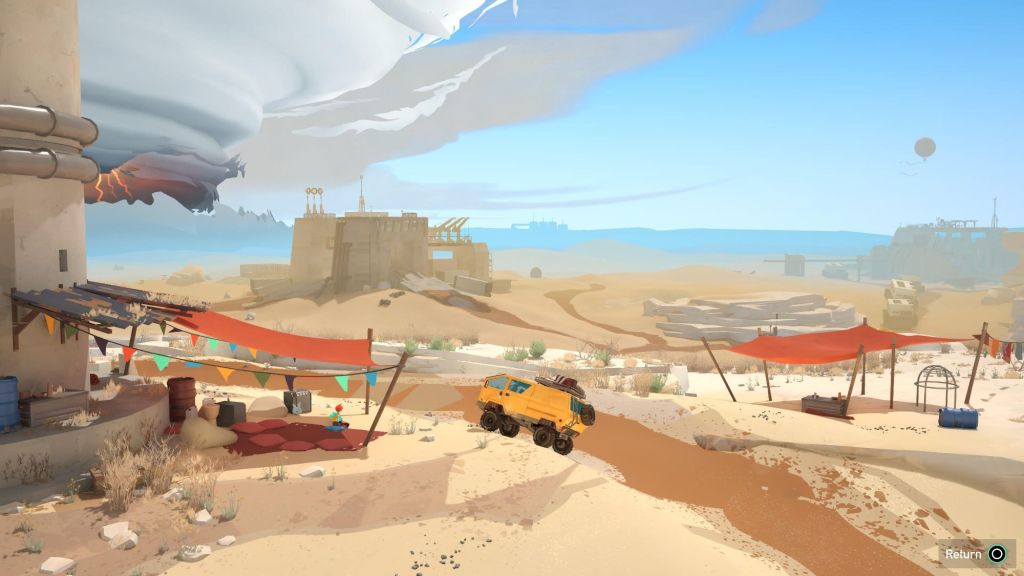
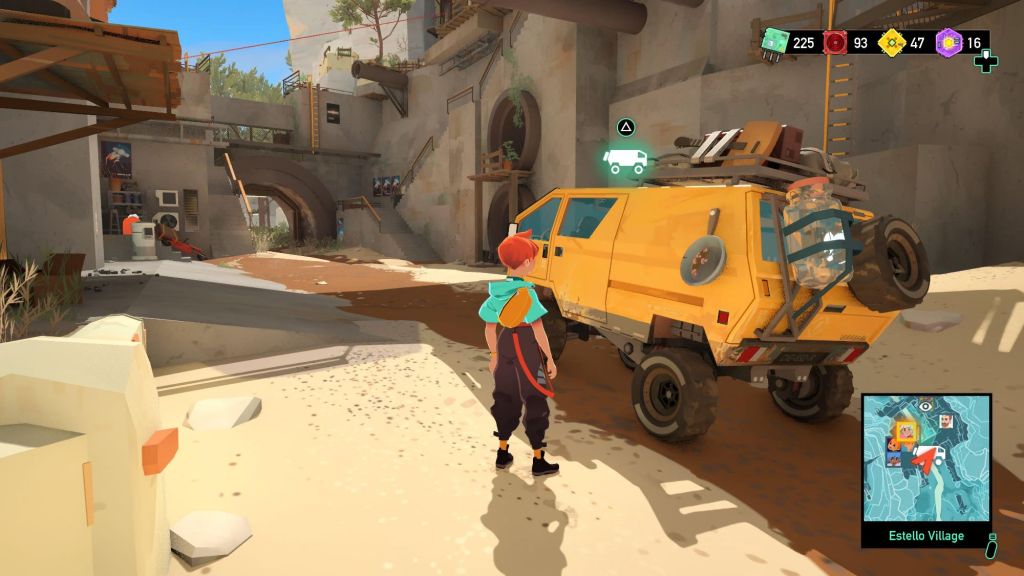
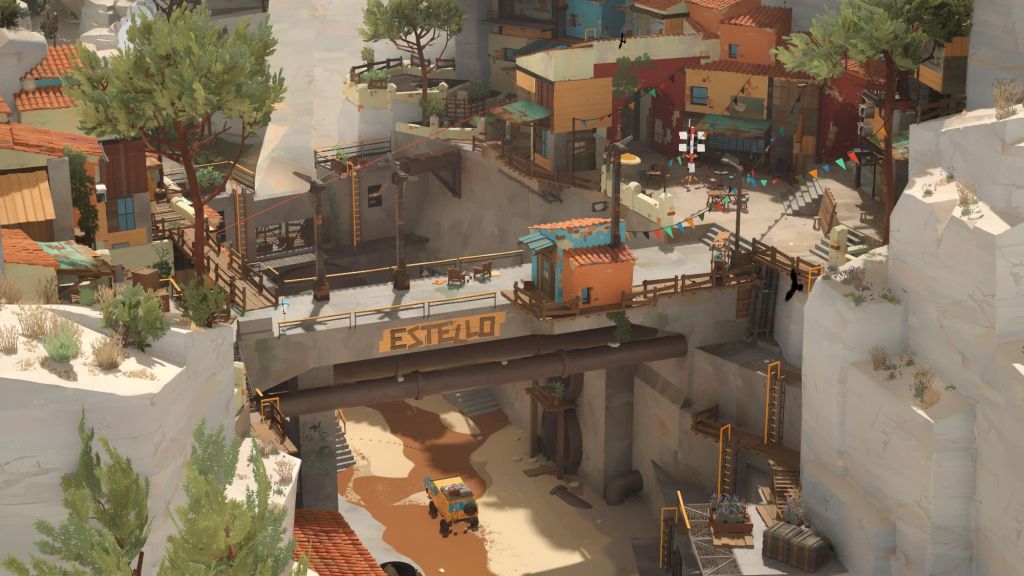
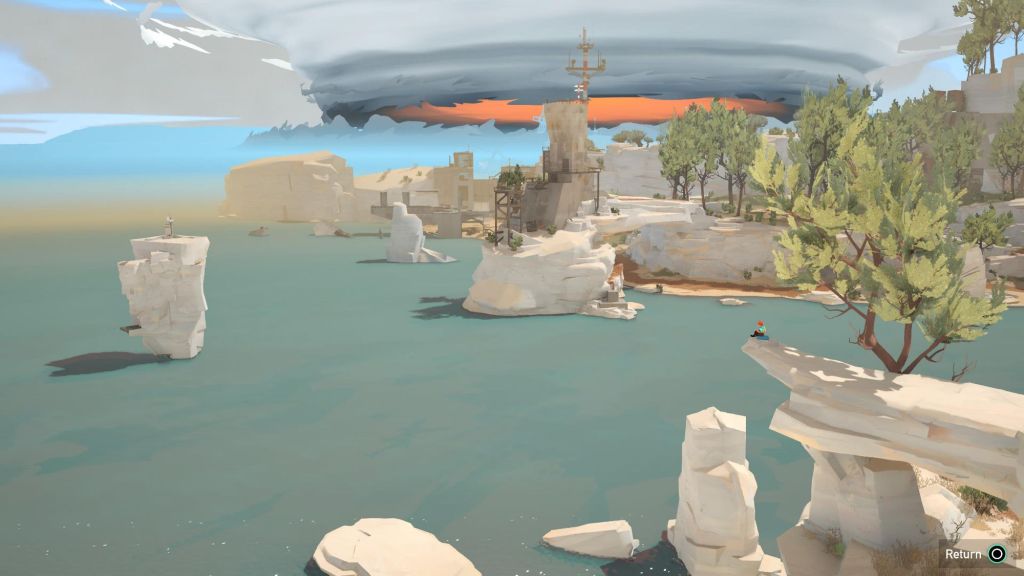
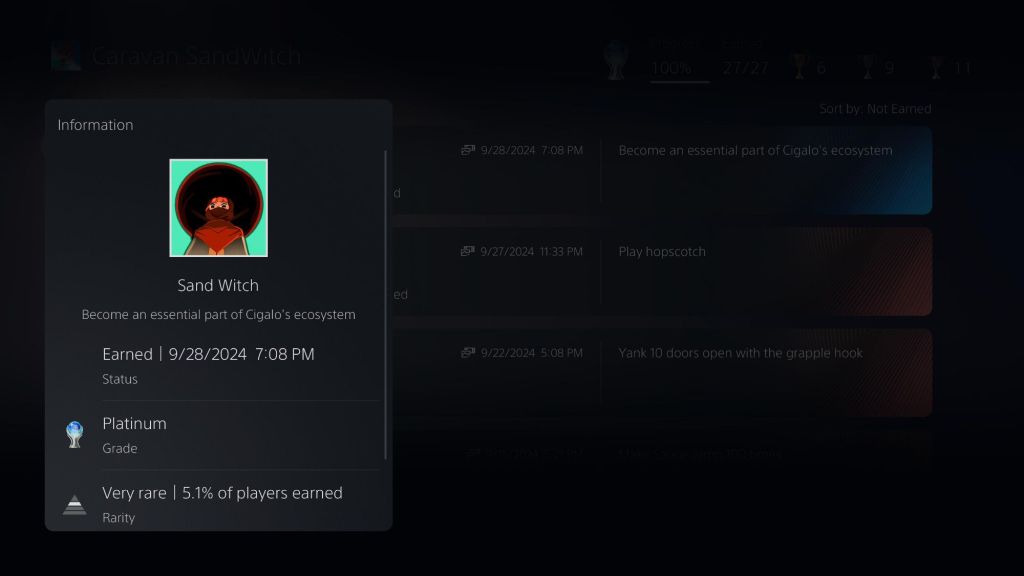
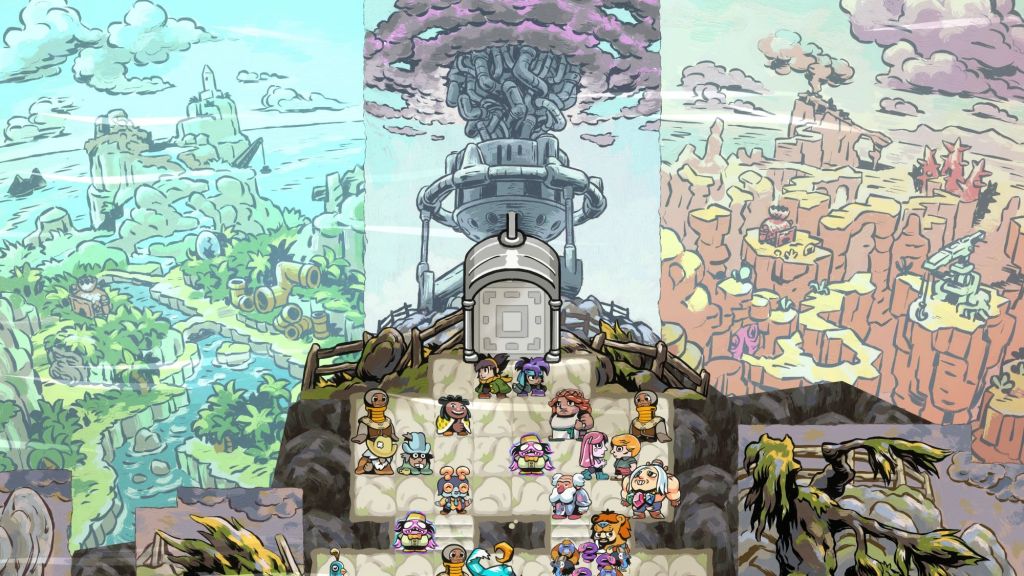
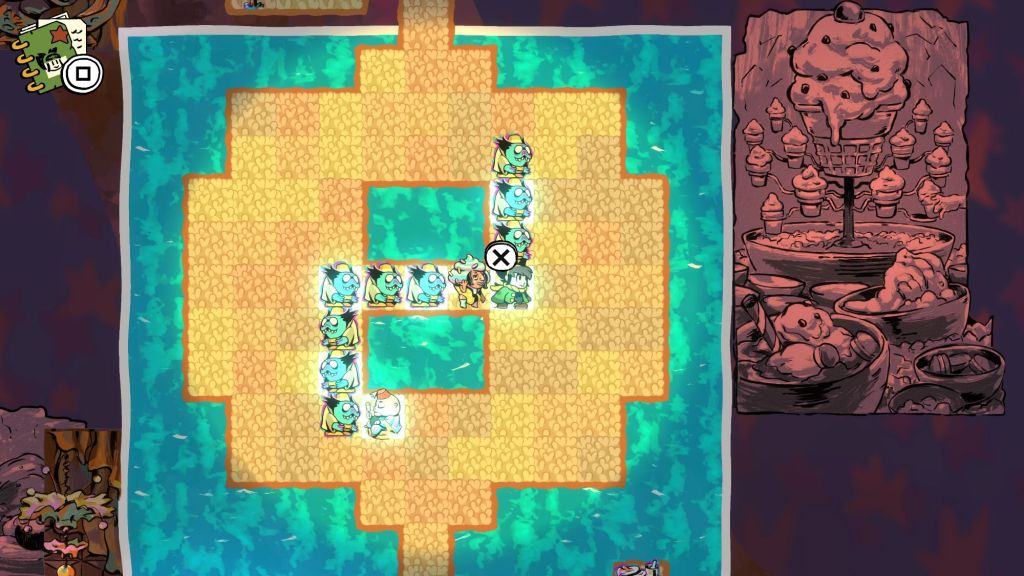

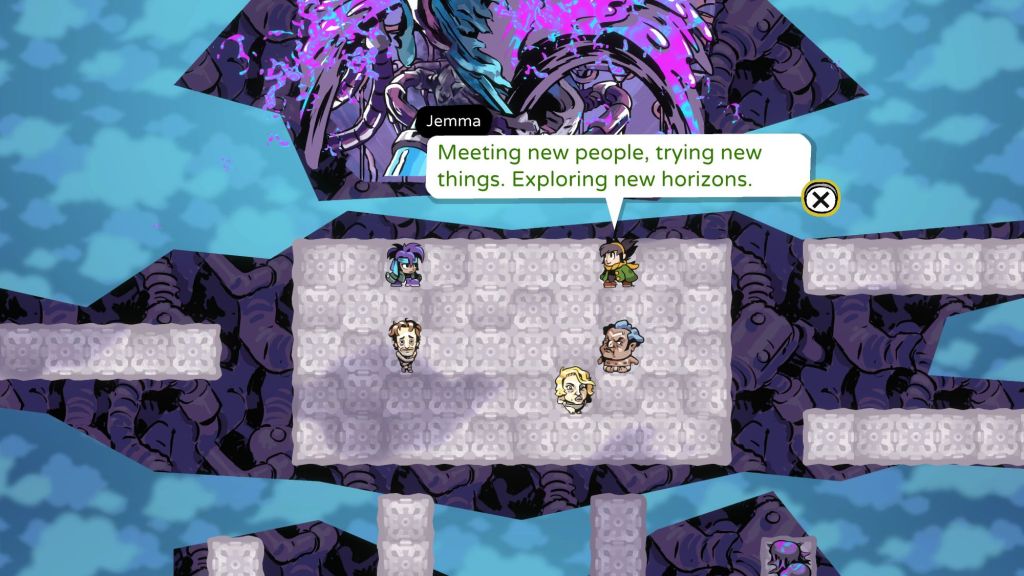
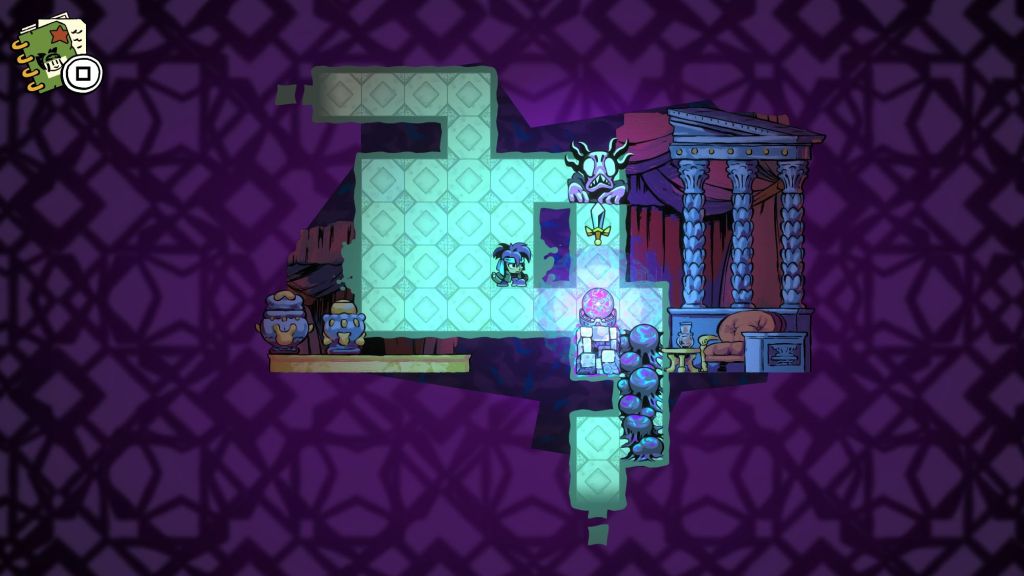

 UnexpectedGames
2 Comments »