Gaming
What I’ve Been Playing (Q1) 2024
Thoughts and impressions on the games I played/finished during Q1 of 2024.
 UnexpectedGames
Just a friendly bear who works in financial reporting that would rather be playing, writing or talking about video games. https://twitch.tv/unexpectedenemy

Thoughts and impressions on the games I played/finished during Q1 of 2024.


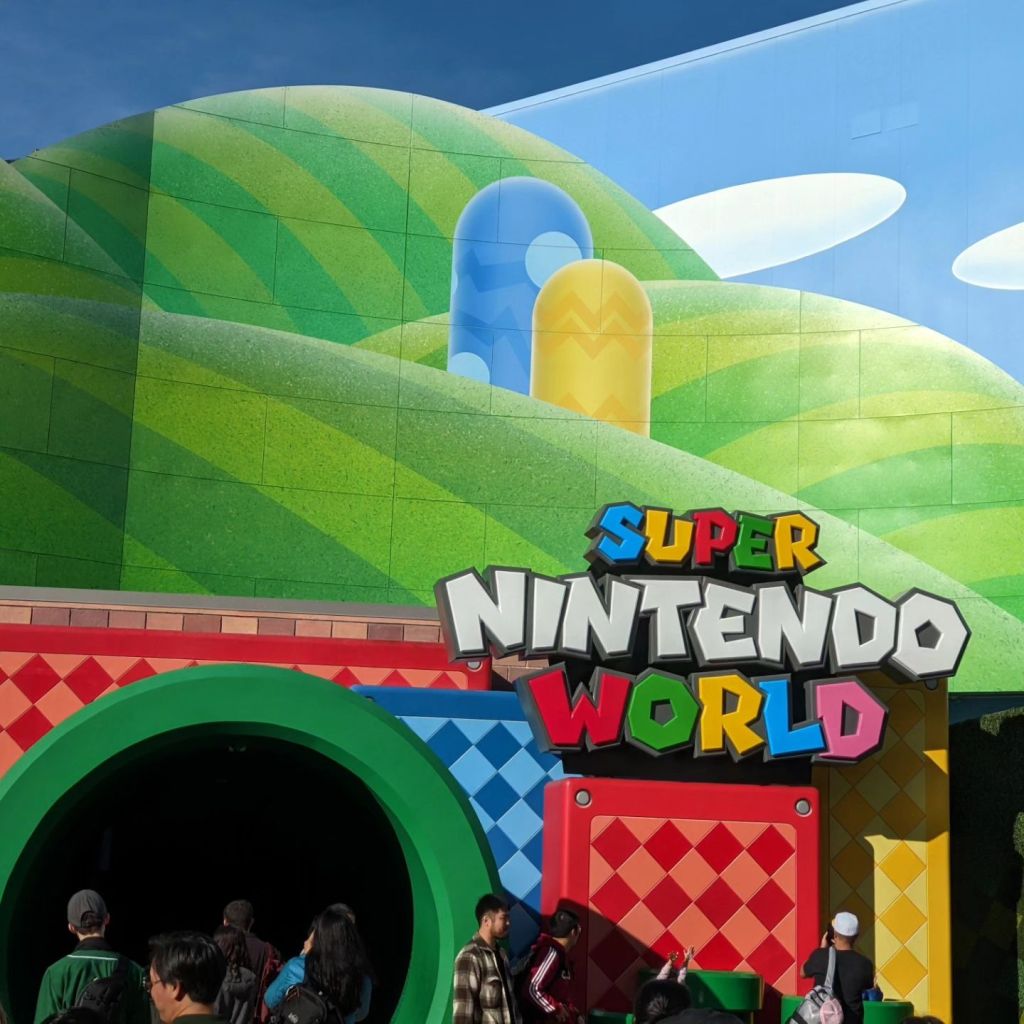
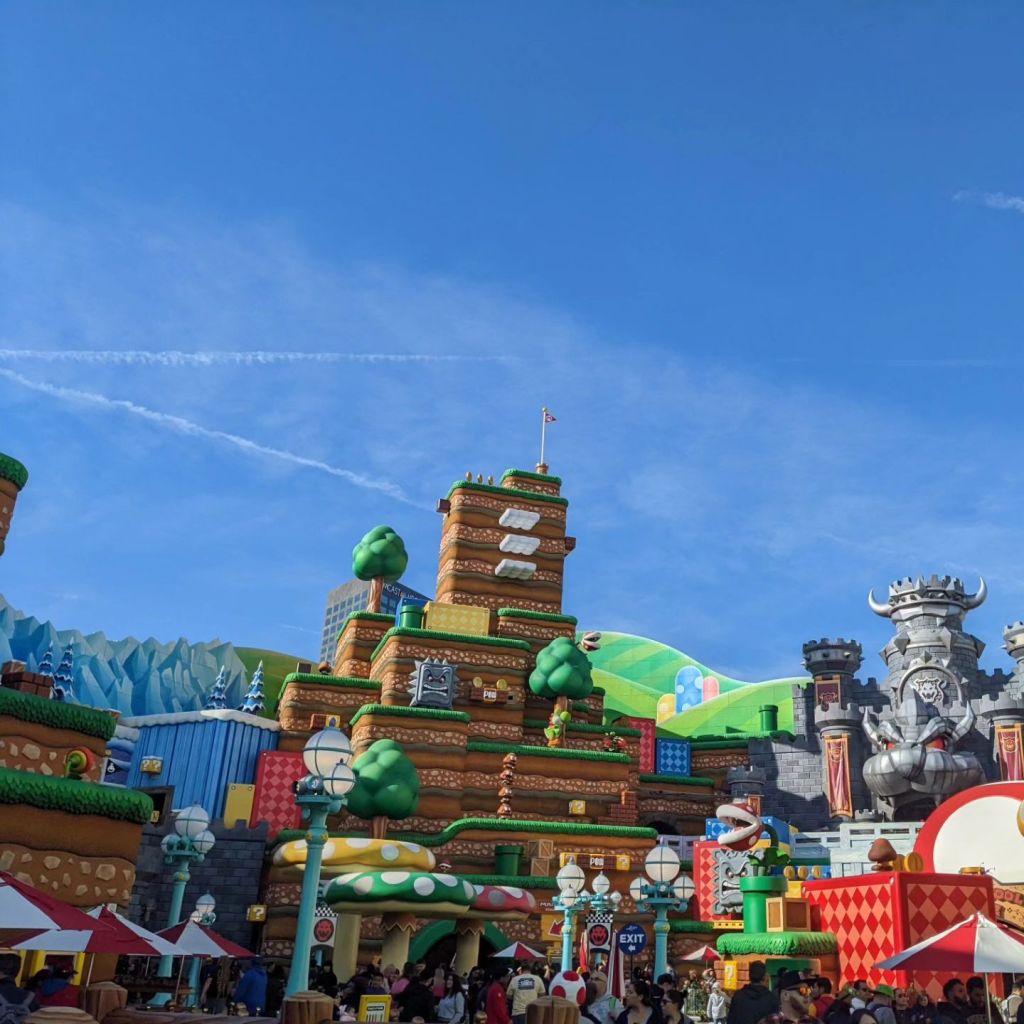
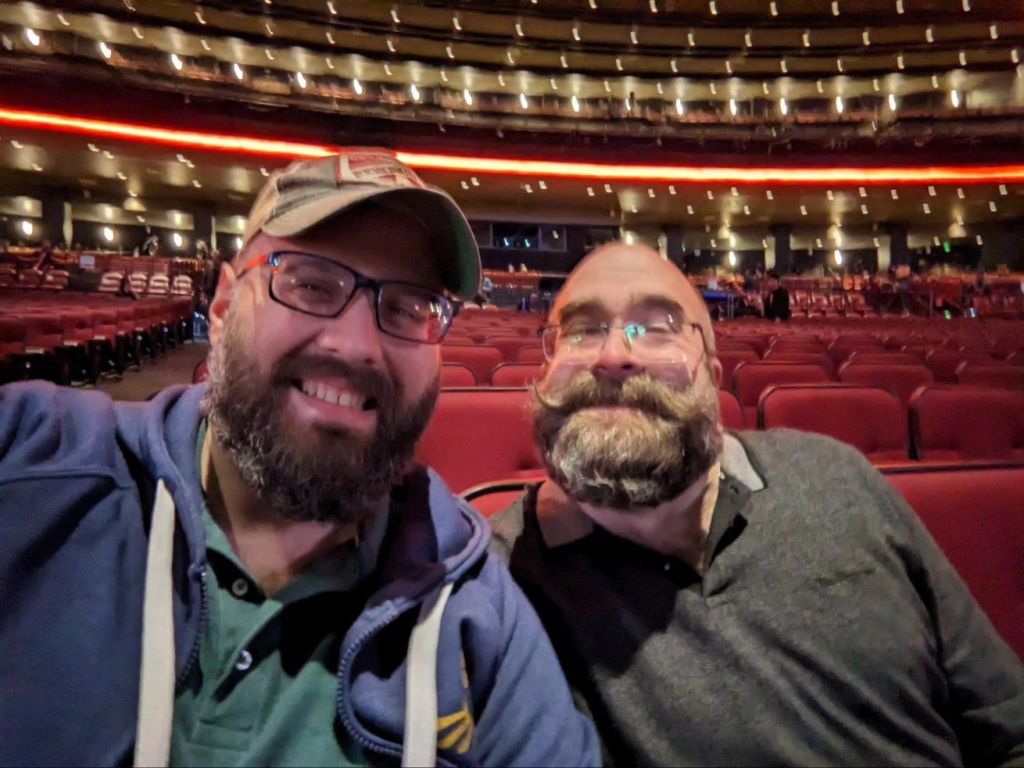
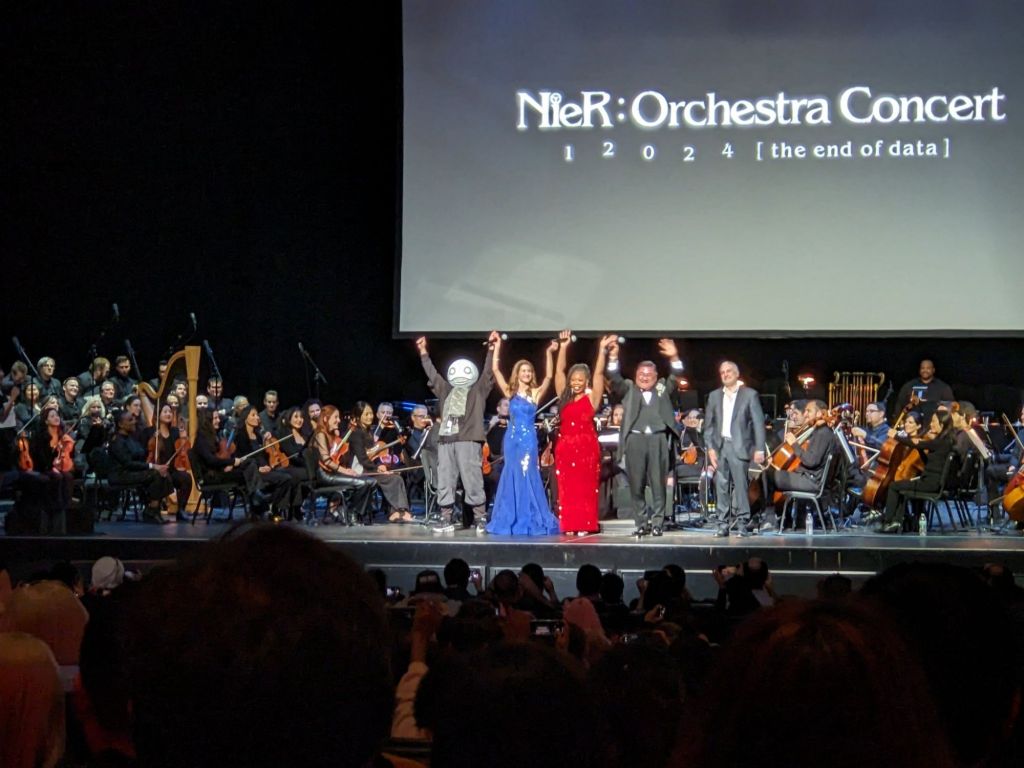
I packed a lot in during the first quarter of 2024. Not only did I enter and survive another wild busy season at work, my husband and I made a trip to Los Angeles to visit Universal Studios Hollywood for the first time back in January (specifically for Super Nintendo World). We also went to see the NieR: Orchestra Concert 2024 [the end of data] tour at the Peacock Theatre that same trip, which was amazing. I might do a separate blog post for both the park and the concert, so keep an eye out for a dedicated piece sometime in the near future. Both of these items were on my bucket list of sorts, so it’s certainly an improvement over last year’s depressing events (getting COVID for the first time and having left elbow surgery). In all of this madness, I somehow managed to finish 16 games during the first quarter of 2024, too. So, here are some thoughts/impressions on the games I managed to play/finish during the months of January through March.


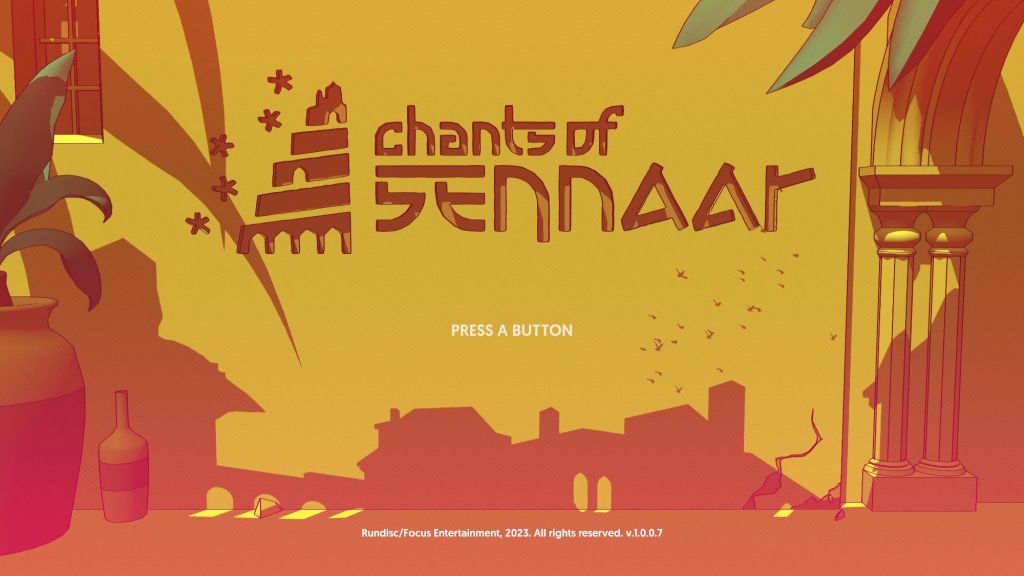
Chants of Sennaar, developed by Rundisc, is a minimalistic adventure game about translating fictional languages. The game takes place on a tower that’s not unlike the biblical Tower of Babel. You start at the bottom of the tower and work your way upwards with each section of the tower belonging to a particular tribe with their own language, culture and customs. Although it’s a game about assigning words to foreign symbols in order to read a sentence, the game utilizes its audio/visual language to provide additional context when translating. When trying to figure out which symbols/words relate to the act of playing music, for example, a symbol/word might be etched on a sculpture of a woman playing an instrument or someone might speak of a musician when you’re within proximity of a person playing music. For each word/symbol the game throws at you, the player can manually type the word (with the use of the internal PlayStation keyboard) which temporarily becomes a placeholder until you identify the symbol’s meaning. As you progress through each area of the tower and interact with more people, your character will (thankfully) sketch images of the conversations they have, which get neatly recorded in a menu. In terms of pacing and enjoyability, these images are a lifesaver. My only minor critique of the whole system is that you can sometimes arrive at a solution by using the process of elimination.
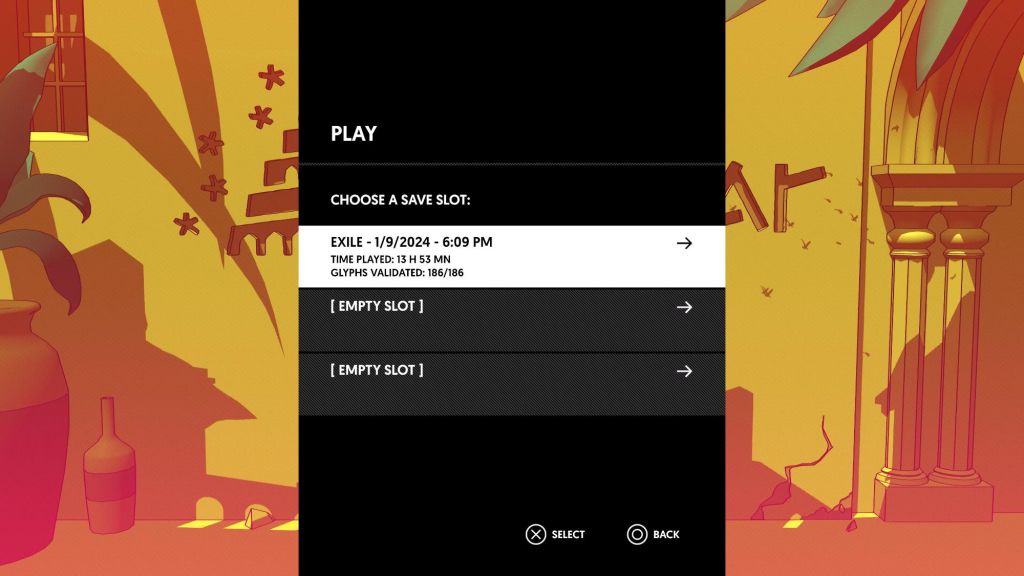
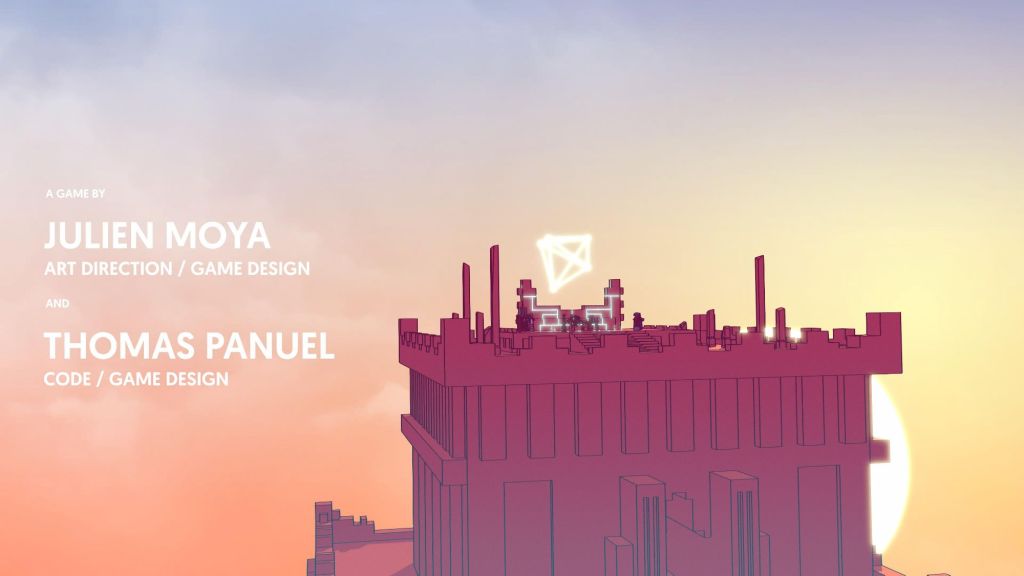

Chants of Sennaar has a colorful yet minimalistic art style. The game utilizes a lot of yellows and oranges, but each part of the tower carries a distinct look and feel. The game uses fixed camera angles with a sort of isometric/bird’s eye view and each area is just large enough with shortcuts and wraparounds, so you’ll rarely find yourself getting lost. The soundtrack is excellent, too. It’s not exactly an OST I would listen to outside of the game, but there’s nice instrumentation and pleasant chimes when you solve a puzzle/riddle. Chants of Sennaar is one of those puzzle games where you’re constantly questioning everything until it hits you with one of those “aha” moments. There’s also a beautiful sense of visual progression tied to getting the various people of the tower to speak to each other, which is a rather late-game objective. Although it’s technically not a multiplayer game, my husband and I played Chants of Sennaar together, from start to finish, without tearing each other’s heads off! It was one of the best, most memorable and rewarding gaming experiences I’ve ever had. We somehow completed the game at 100% with the Platinum trophy earned without any additional help. If I managed to play Chants of Sennaar in 2023, it would have easily made my top 10 for the year. For now, it will likely claim my award for “Favorite Game I Played/Finished in 2024 That Didn’t Release in 2024”.
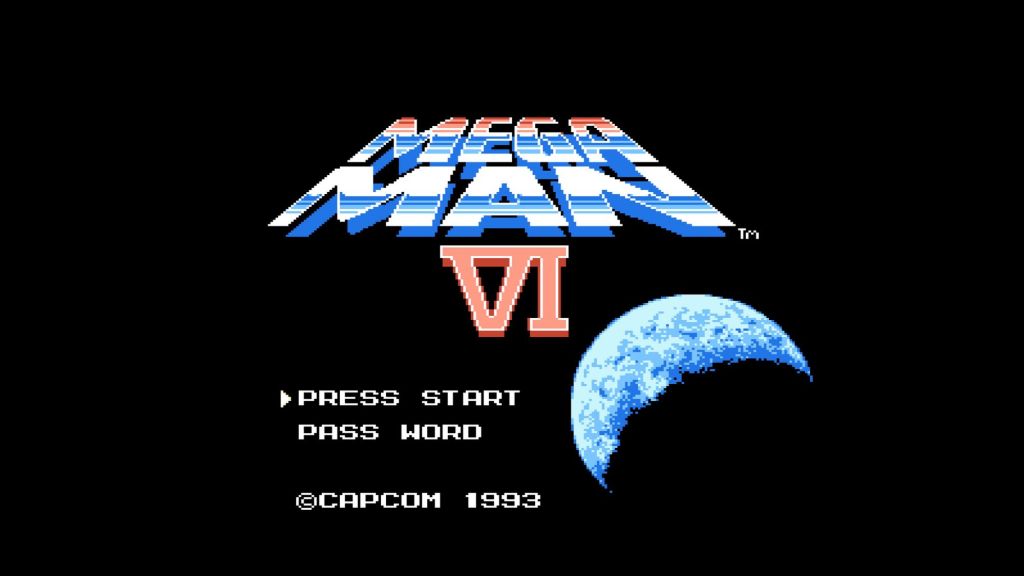
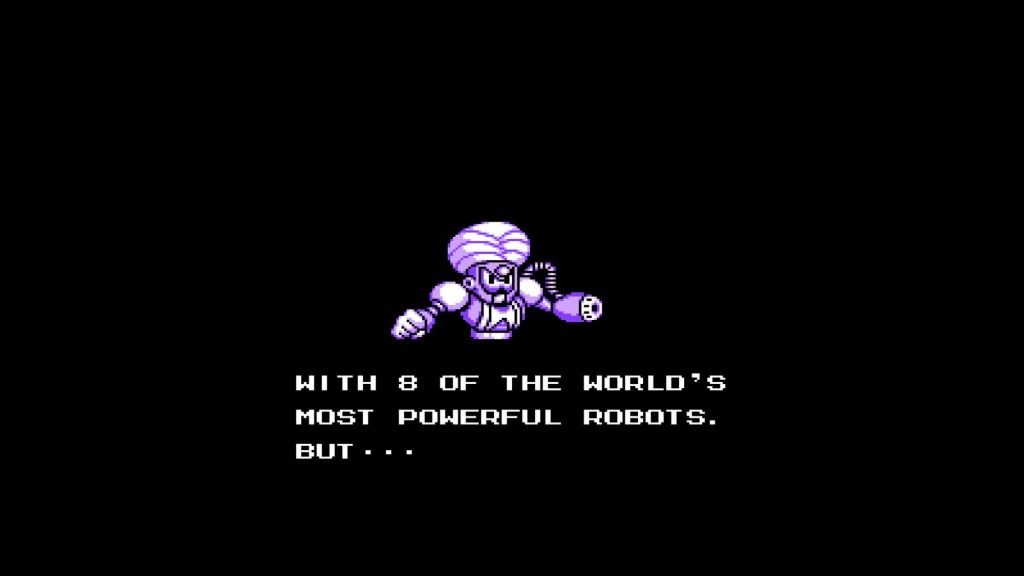
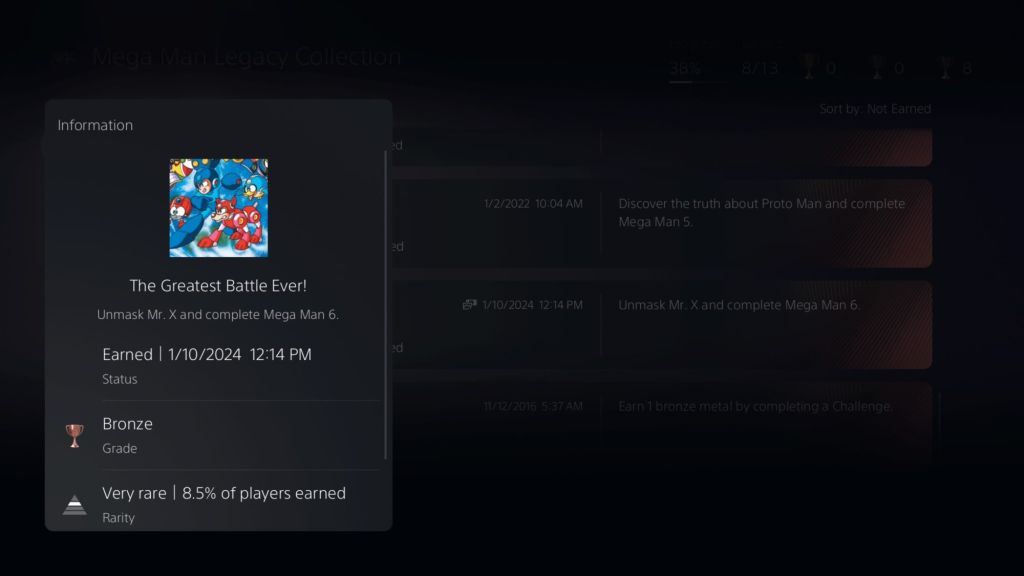
Mega Man VI, developed by Capcom, is the final Mega Man (MM) release for the Nintendo Entertainment System (NES). The game has that late-hardware feel where it’s clear bridges were beginning to form between the NES and SNES. This time around, the story suggests that the 8 strongest robot masters in the world were gathered for a tournament. The bosses in this game are perhaps the easiest bunch in the entire series up to this point, however, so the whole conceit of the game feels a bit ridiculous. I also can’t believe it took six entries to arrive at a Wind Man? By the sixth entry, I’m not exactly here for why Capcom needs to justify a reason for Mega Man to bust a bunch of robot baddies. As someone who grew-up with the series, replaying Mega Man games is merely comfort food for me. These rereleased collections, including the Mega Man Legacy Collection (which is where I played MMVI this time around), simply keeps me grounded. Excluding last year, I’ve been replaying a Mega Man game from this collection for the past 6 years and I typically start my new year with the blue bomber.
The sixth entry plays similarly to the others, but Mega Man himself comes equipped with the JET and POW suits right out of the gate, which really makes a difference. The JET suit is on a cooldown this time around, which I found interesting, considering how it worked in the older games. This suit allows you to fly around the levels, albeit briefly, to find hidden ladders that take you to secret areas or out of reach platforms which contain items. It’s even useful during certain boss battles to avoid projectiles. In fact, some bosses in the final castle stages almost seem to require the JET powerup to do damage, which makes the game feel like a horizontal shop ’em up at times. The POW suit can break cracked blocks which usually conceal hidden items or paths to secret areas/alternative routes. It’s all very forward-thinking for an NES title.

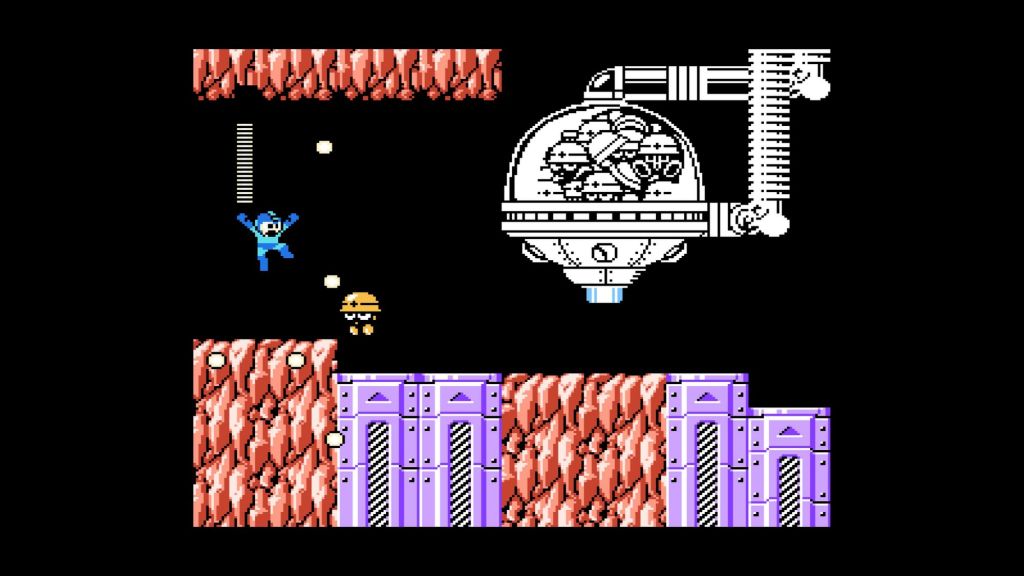
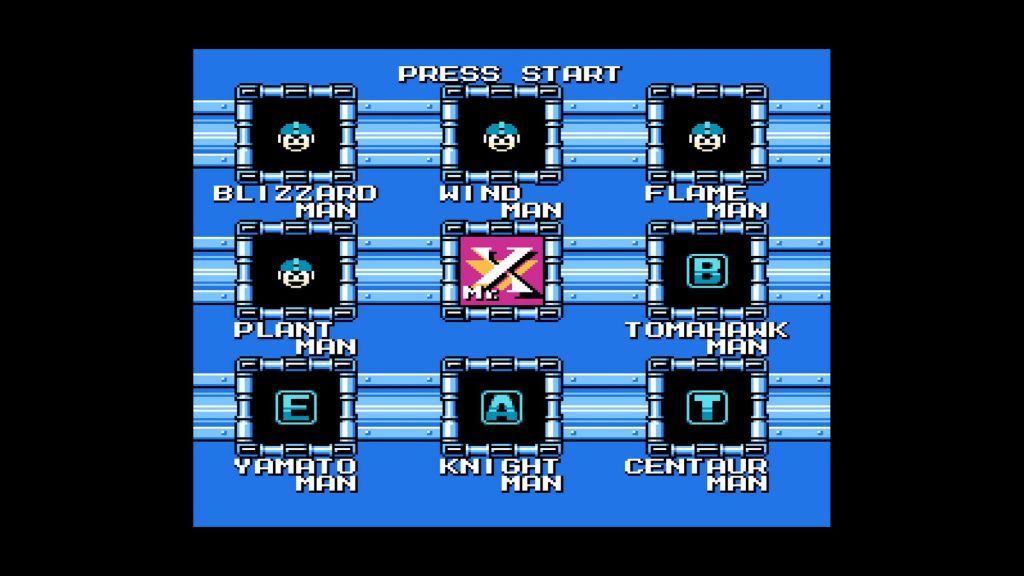
In some of the levels, there are alternate routes that lead to the same boss encounter yet they reward the player with a letter (in addition to their traditional ability for Mega Man). There are 4 letters in the game to collect which spell out the word “BEAT”, and once all of them are collected, the helpful robot bird can be summoned to assist Mega Man, almost like a familiar from Castlevania: Symphony of the Night. There are a lot of cool, late-hardware ideas in MMVI where you can sort of see Capcom bridging their design philosophies to the SNES. There are still two end-game castle areas (which I’m not a fan of), although the stages are relatively easy, including the bosses. MMVI also has huge, highly detailed mini-boss sprites in addition to the 8 robot masters. Considering how big the sprites are in MMVII, I wonder if this decision was a sign of things to come.
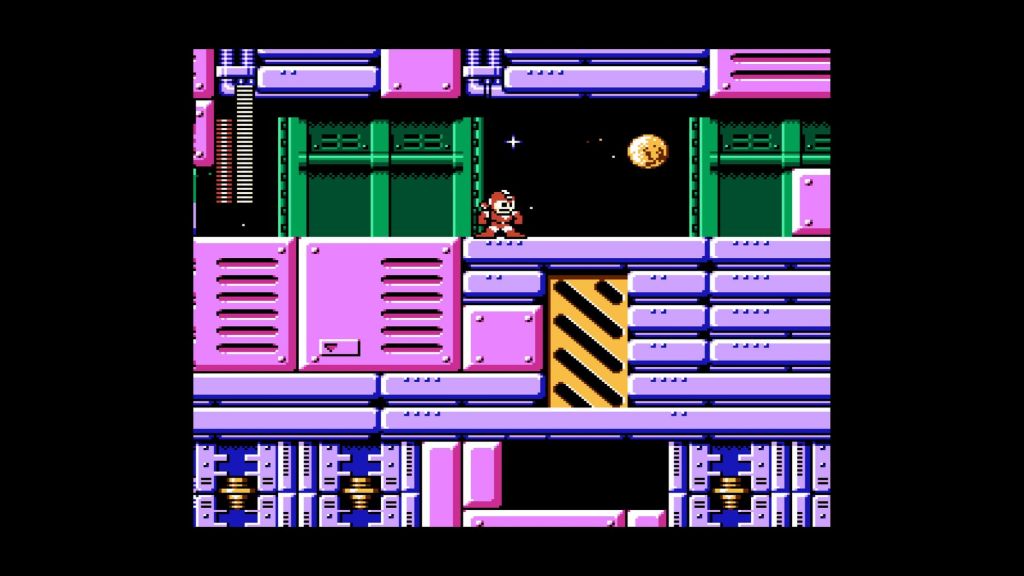
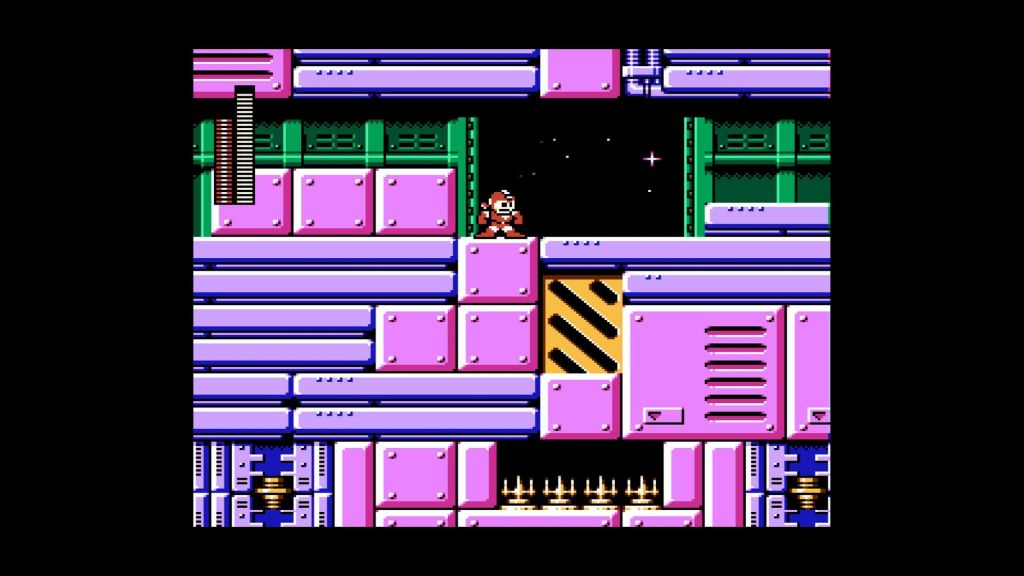
MMVI, maybe more so than some of the previous entries, shows its thoughtfulness when it comes to its level design, particularly the placements of pits, traps and hazards. In one level, there’s platforms where players can fall through the floor if they happen to misjudge their jump. The first time you see this trap, not only is the area where you can fall highlighted by what appears to be yellow caution tape, there’s just an empty pit below. The next time you approach one of these areas, you can see that there is a pit of spikes below instead. It’s game design 101; introduce the player to an idea that isn’t exactly hazardous and then build on the idea by making it dangerous. It was certainly nothing new to the genre at the time (the original Super Mario Bros. arguably introduced this design philosophy years prior), but it really stood out to me in MMVI more than the other games.
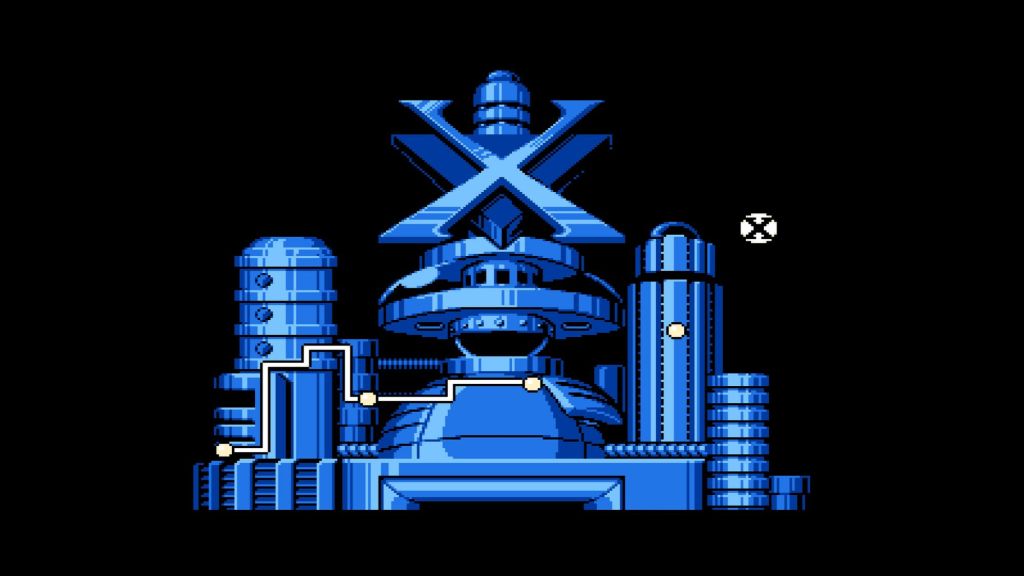
I still prefer to play retro games as if I was on the original hardware, so unless the game is completely unforgiving, I always prefer to ignore save states and rewind features. Whenever I replay one of these Mega Man games from the NES, I wonder how/when we found the time to legitimately beat these games back in the day. If you’re not using save states, some of these latter Mega Man titles ask a lot from the player to finish two consecutive “Wily” castles in one sitting (since passwords put you right back at the first castle). I completed Mega Man VI with all letters collected and although it’s probably the MM game I’ve replayed the least, I appreciated how breezy and chill the experience was considering it released late in the hardware cycle.

Raccoo Venture, developed by Diego Ras, is a 3D platformer that feels specifically inspired by Super Mario 3D World, among other 3D platformers of yesterday. The game is mostly developed by a single developer from Brazil, which is quite impressive considering the size and scope of the game. You play as the titular Raccoo Venture (yes, that’s his name) and your goal is to collect stolen chess pieces that keep the world in balance. Like most 3D platformers, you’re not really here for the story. Raccoo Venture consists of a dozen or so levels spread across a handful of themed worlds complete with puzzles to solve, platforming sequences to conquer, items to collect and enemies to defeat. There’s a world map that acts as a hub of sorts for the main levels and there’s a shop where you can purchase costumes. There’s even a mini-game at the shop where you throw balls at targets, but the controls are incredibly frustrating. You also have a house which displays all of your collectables and it’s reminiscent of Banjo-Kazooie with its picture frames of areas that may or may not be from the game. The music also seems heavily influenced by David Wise’s Donkey Kong Country soundtracks, but there’s nothing in particular that stood out for me.
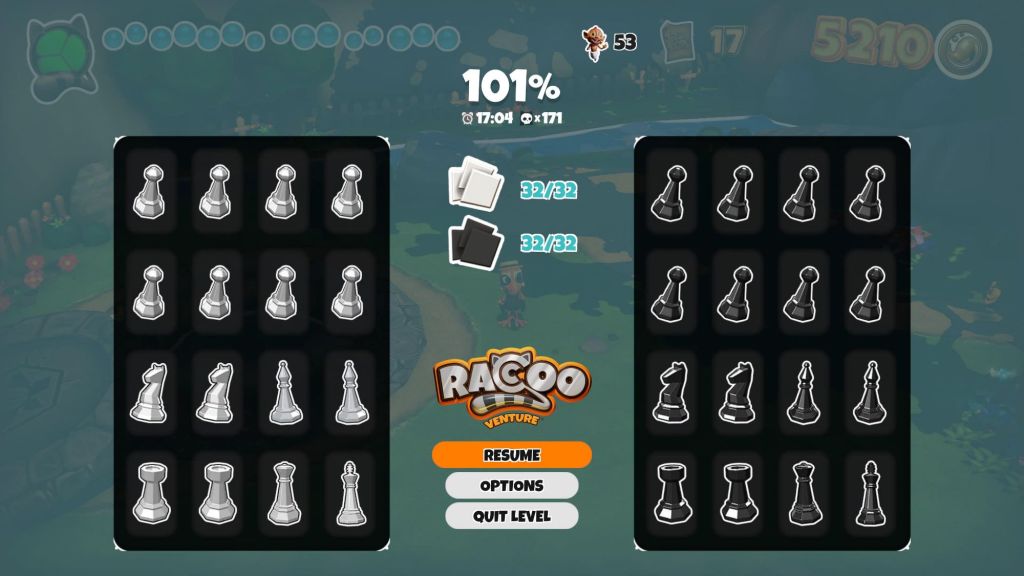
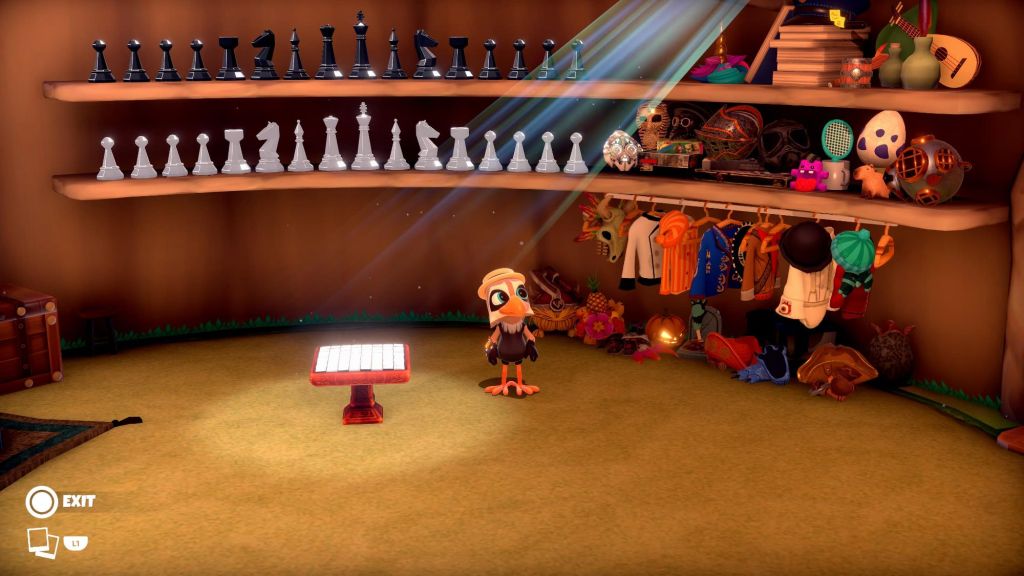
Raccoo can run, jump, ground pound and pick-up and throw objects. The character movement is a bit stiff and the game could have benefited from a roll maneuver or some other technique to cover ground more quickly, as it’s a rather slow-moving game. Similar to the original DKC trilogy, where the kong family could roll off of an edge and perform a mid-air jump, Raccoo Venture can do the same here. Because you cannot roll, however, you simply run off of a cliff to perform the mid-air jump at any height before you hit the ground. It takes some time to wrap your head around this technique, but it’s required to find some of the game’s more elusive secrets. Speaking of secrets, Racoo Venture is loaded with them. The game uses a fixed-camera perspective that follows the character and while the camera cooperates most of the time, it’s perhaps a bit too far away from the player. This decision makes platforming tricky, especially when you’re trying to jump to tiny platforms suspended above pits. Your character doesn’t exactly cast the best shadow either, so I often found myself missing my jumps.
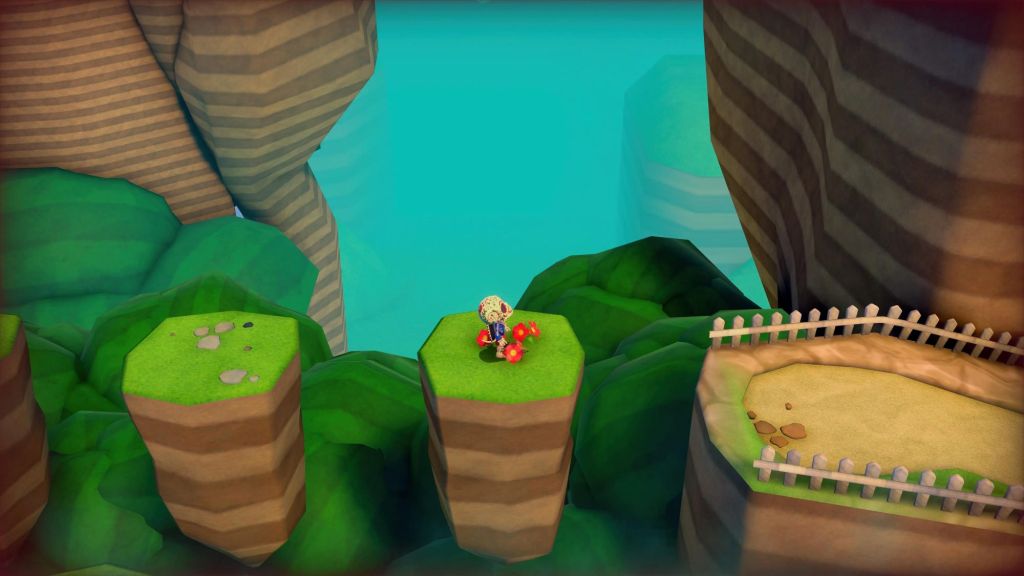
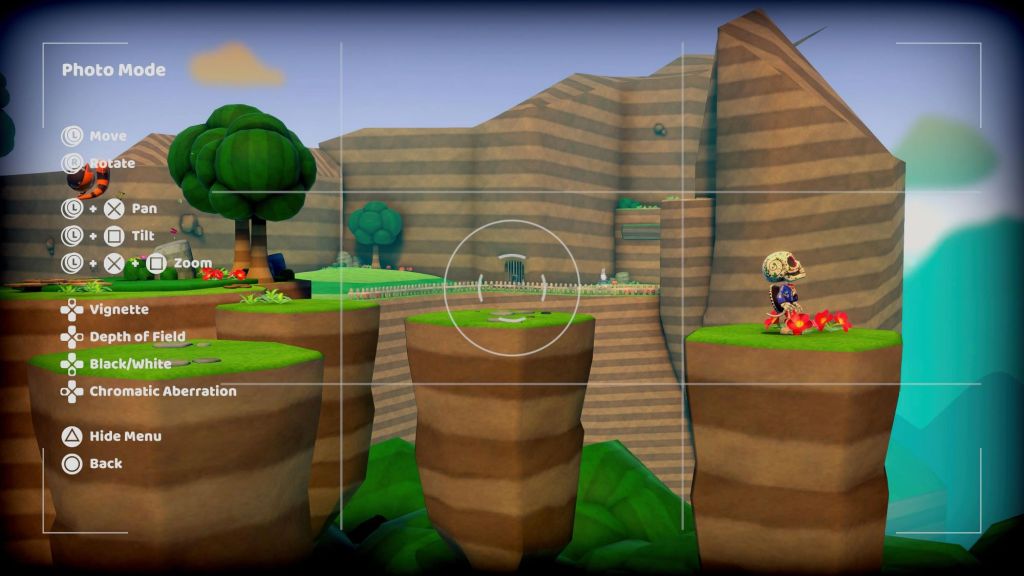
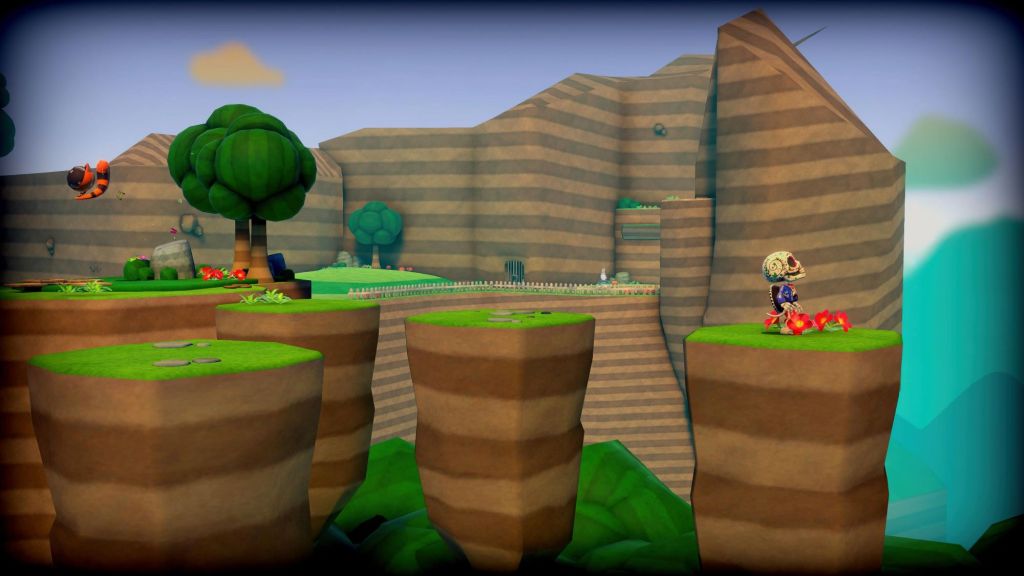
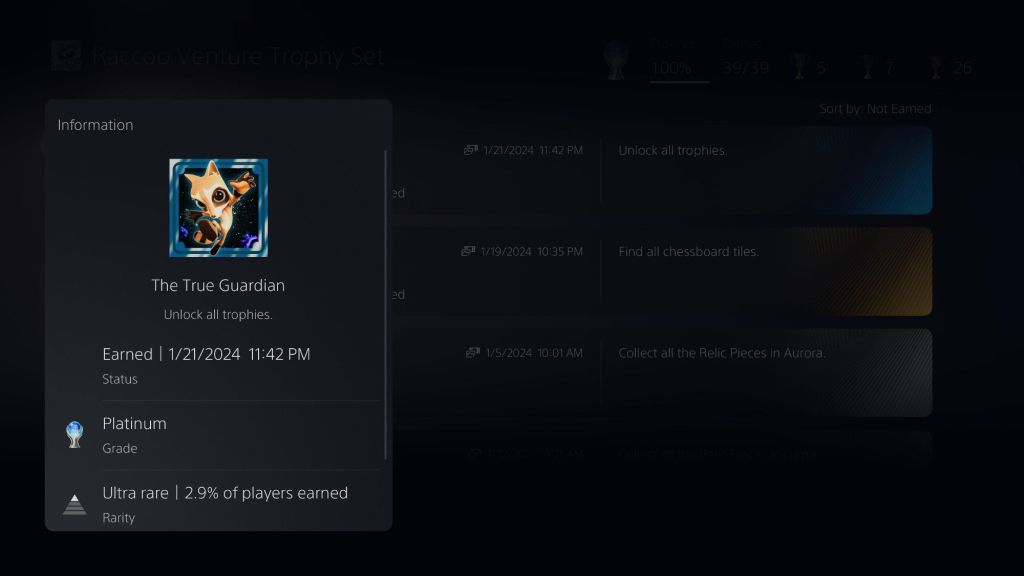
One aspect of the game that I wanted to bring attention to was the fact that there’s many secret platforms/areas obscured by the camera. I completed the game at 101% with the Platinum trophy earned, but I had to look up a handful of the secrets because a lot of the collectables are surprisingly well-hidden (I also can’t believe someone on YouTube has an entire walkthrough for all of the collectables). In fact, I ended up using the in-game Photo Mode to give me a better perspective, and I’m convinced this was an intended feature of the Photo Mode because I can’t imagine finding some of these hidden items otherwise. There’s an end-game scavenger hunt of sorts where you must locate hidden gnome figures based on a single picture of an area, which could be from any level in the game. It’s here where even the most seasoned explorers will be tested as some of these figures are really hard to discover on your own. Raccoo Venture is a deceptively challenging 3D platformer that might surprise some veterans of the genre, especially if you enjoy solving cryptic puzzles. I ultimately enjoyed my time with it and would love to see a more refined sequel.
Mail Time, developed by Kela van der Deijl and Appelmoes Games B.V, is a cute 3D platformer of sorts where you deliver letters as a gnome(?) to forest folk who just so happen to be anthropomorphic animals with everyday problems. At the start of the game, you create a character based on a handful of limited options including your pronouns, which was nice to see. There’s also a decent amount of accessibility settings you can choose from, but I didn’t dig too deep to see what they were offering. Mail Time follows the footsteps of games like A Short Hike, Smushi Come Home or Lil Gator Game, but unfortunately, it’s rather unremarkable and mostly forgettable. The entirety of the game has you essentially performing fetch quests, collecting items and talking to NPCs. An attempt is made to create some sort of community where all of the villagers know each other and have these ongoing relationships, but the small area where the game takes place doesn’t exactly feel lived-in and I didn’t feel particularly invested in any of the characters after I heard about their problems. Similar to other games in this sub-genre of sorts (like Frog Detective or Lil Gator Game), the cast of characters get together at the end to throw a party, and I just wasn’t feeling it.
The goal of the game is to become an official mail carrier, so you’ll earn badges (in-game achievements) for delivering a certain amount of letters or collecting all of the items in the game, for example. It’s a mostly chill experience with little-to-no difficulty, excluding a trophy for delivering a letter quickly, which might cause some trouble for those seeking 100% completion. I generally like the look of the game; it’s bright and colorful and while I do appreciate the size of the text boxes, they are perhaps a bit too large for the amount of dialogue each box ultimately presents. I actually became somewhat nauseated reading the dialogue because there would be instances where a single word would be displayed in a gigantic text box, in succession, to make things worse. As I mentioned earlier, I didn’t explore the accessibility features to see if the text boxes were customizable, however, so I didn’t do my due diligence here.


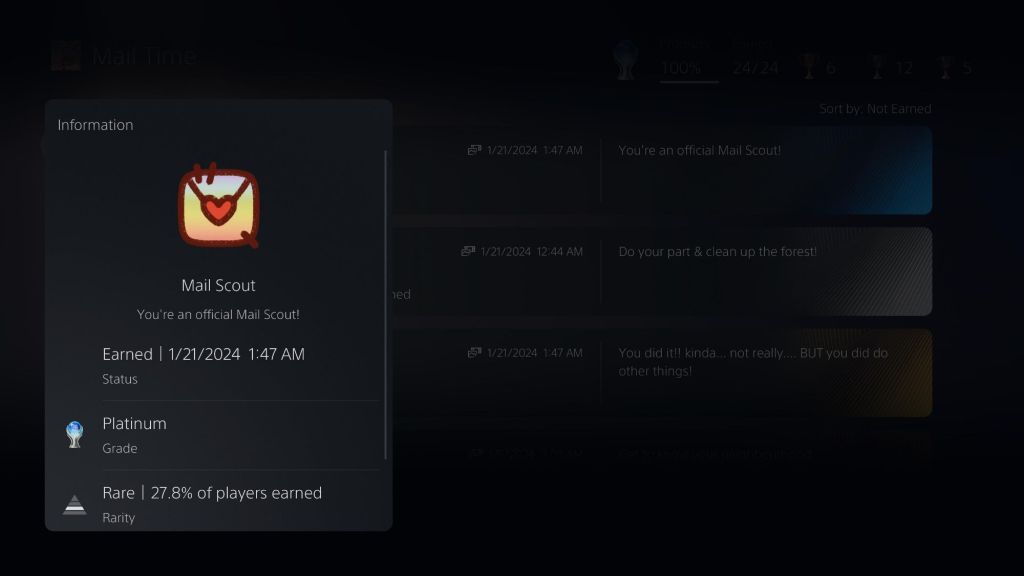
I wanted to like Mail Time more than I did. It has everything I like about chill, “cozy” indie games, but it’s a bit too simple for its own good. The soundtrack is fine, but I don’t feel compelled to share any of the tracks here. I also encountered strange audio issues, particularly near one of the large waterfalls in the game where the sound of the rushing water overpowered everything else until I quit and relaunched the application. One thing to note during the credits sequence is that there are photos that appear which look like they are based on what you accomplished during the game. Having earned every badge and completing the game at 100% with the Platinum trophy earned, some photos were blank with a big question mark, indicating that I perhaps didn’t do everything the game had to offer. Since I can’t find any info on the game and the discord is mostly dead, perhaps it’ll remain a mystery unless the developers mail a letter to PSN containing a patch. I would play the aforementioned A Short Hike, Smushi Come Home or Lil Gator Game before playing this one, unless you’re really desperate for a middling game about mail delivery.

Prison City, developed by Programancer, looks like a lost Sunsoft from the NES but feels like a modern-day Bionic Commando, in a sense. Levels are presented to the player in a MM-like fashion. There are 8 stages to choose from after you get through the introduction sequence. Each stage is uniquely themed after a section of the titular “Prison City”, which culminate in challenging boss battles. Each level is semi-non linear where the goal is to reach a point-of-contact somewhere hidden in the stage to acquire a key card in order to access the boss. The levels are small, but densely packed with power-ups, secrets and branching paths. Each screen is connected to each other so that you can travel back and forth between them too, creating an almost Metroid-like sense of progression. There’s even a min-map that updates as you explore the stage. If you want to play the game seriously and gain an upper-hand, you HAVE to collect the power-ups in the level while retaining them for the boss fight. These items look like those roman numeral items from the old Castlevania titles and they enhance your chakram, which is your one-and-only weapon of choice, excluding the screen-clearing grenades. A fully-powered chakram absolutely devastates bosses and I believe you can carry it between stages, just so long as you don’t get hit (don’t quote me on that!).
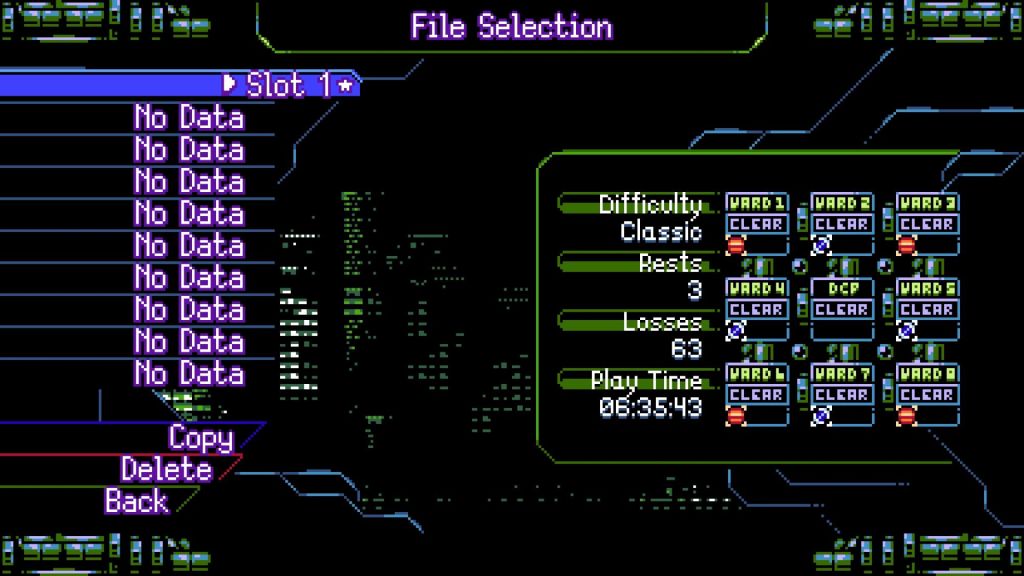
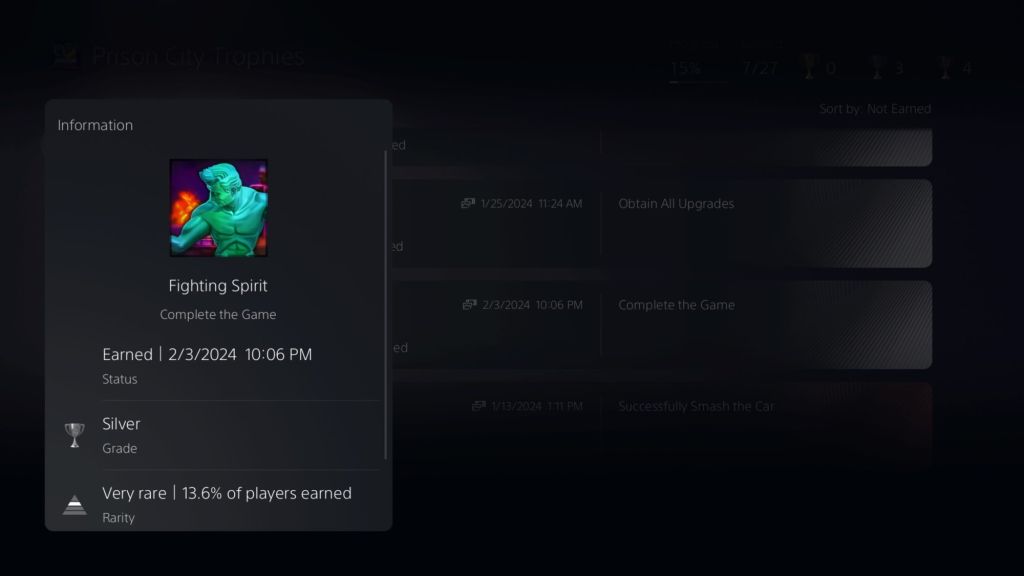
I completed the game on Classic difficulty with all items/upgrades collected, but I died 63 times and logged around six and a half hours (according to my file select screen). There’s additional modes, including various Boss Rush difficulties, but I was exhausted after my initial playthrough. Prison City, at least on Classic, difficulty is Hard with a capital “H”. You start each stage with a few lives, but if you lose them all, you have to replay the entire level from the beginning. You do at least retain the upgrades you collected (and if I recall correctly, the map data too), but you have to find the card key again, so you can’t just run straight to the boss. The trophy list is pretty unforgiving for Prison City; most of the trophies require the player to beat each level without taking damage. Yes, you read that correctly. No damage runs. They couldn’t have just been “beat the stage without dying”. You have to perform the proverbial “S” Rank run. While you can set the game to a lower difficulty, which might alleviate some of the frustration, it’s still a tall order. If I was 15-20 years younger, I would absolutely go for the no damage trophies. As a 38 year-old tired man, I’m just thrilled I could still manage the game on “Classic” difficulty.
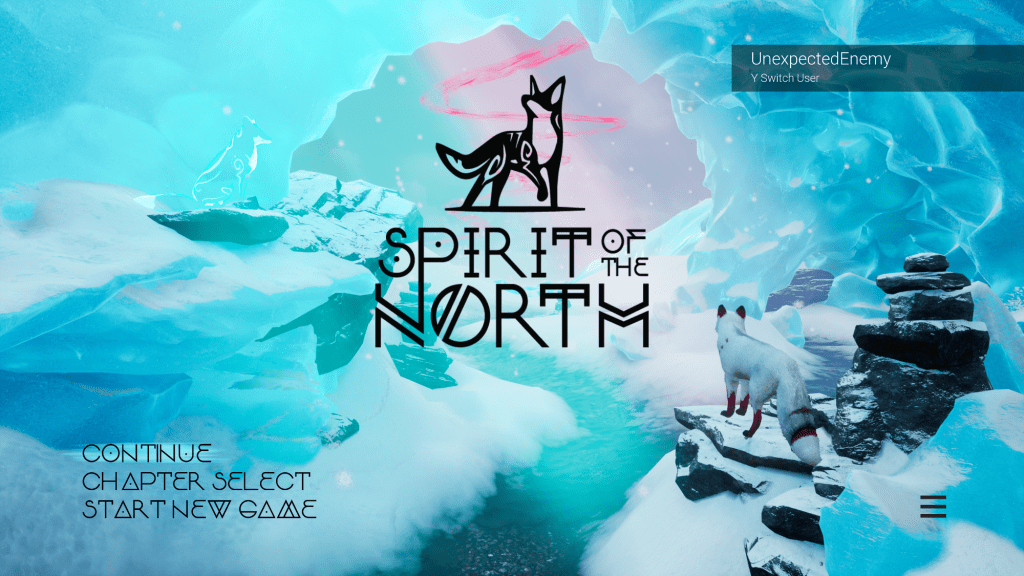
Spirit of the North: Enhanced Edition, developed by Infuse Studio, is a 3D adventure game of sorts with light platforming and puzzle sequences. You play as a fox who can interact with the spirit realm, but it’s not clear what the purpose of your journey is. The only guidance you have is a spirit fox who accompanies you and the Northern Lights in the sky. The Spirit of the North is inspired by the landscapes and folklore of Iceland, but it takes a minimalistic approach; there’s no dialogue and you’re sort of strung along by murals and other environmental storytelling techniques. The game looks nice, but it has that “made in Unreal Engine” feel that’s hard to describe. It’s almost photorealistic, but the game lacks a distinct art style, I feel. The majority of the game has you running across huge fields performing simple platforming sequences and solving (sometimes) confusing puzzles. Spirit of the North is a chapter-based game and its campaign last 5-7 hours or so. While the levels are relatively large and you can return to them via chapter select, there’s not a whole lot to do in them. You’ll often find yourself running across these huge, barren fields until you reach a simple puzzle or platforming sequence, but there are hidden collectables off the beaten path, at least.
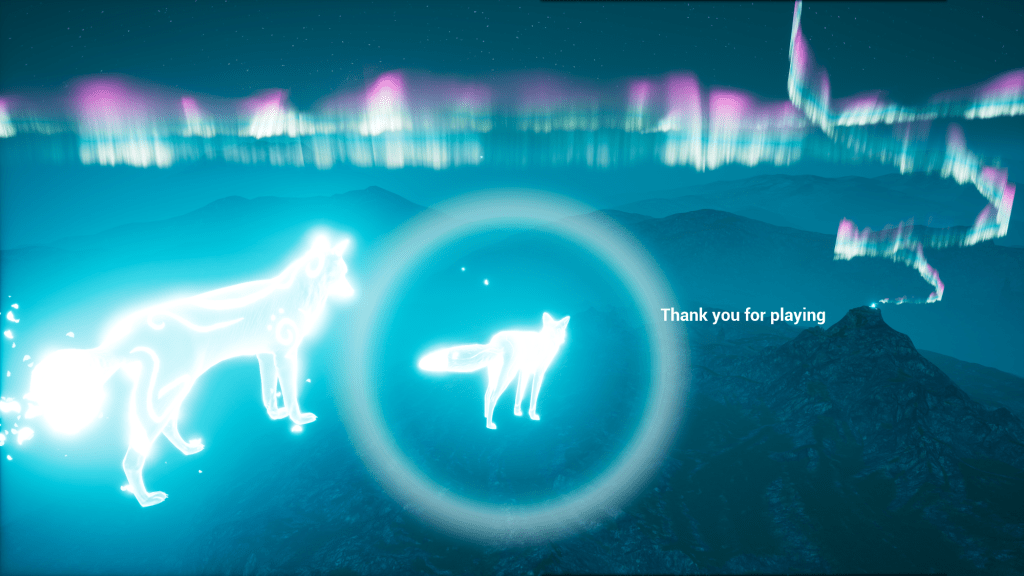
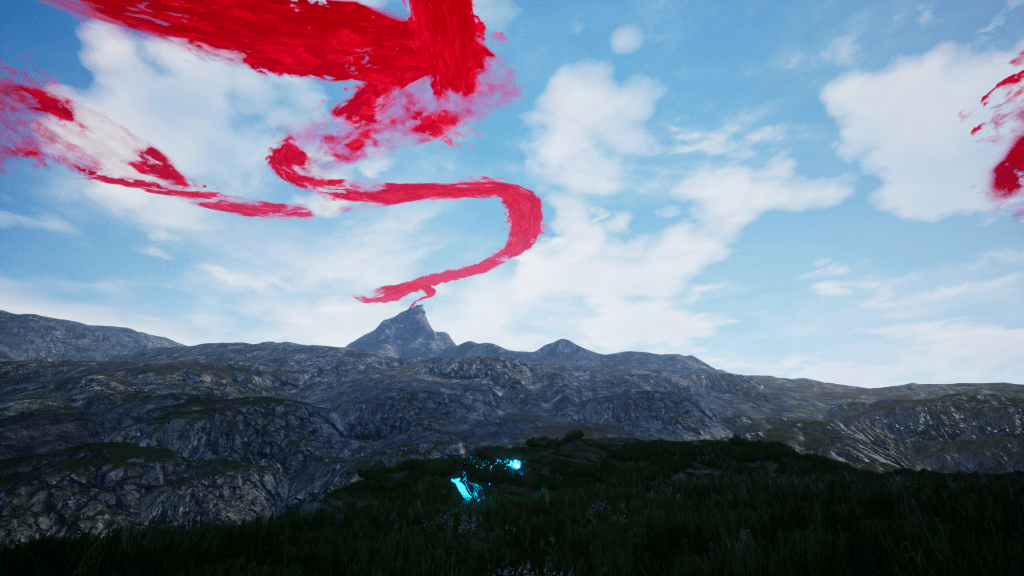
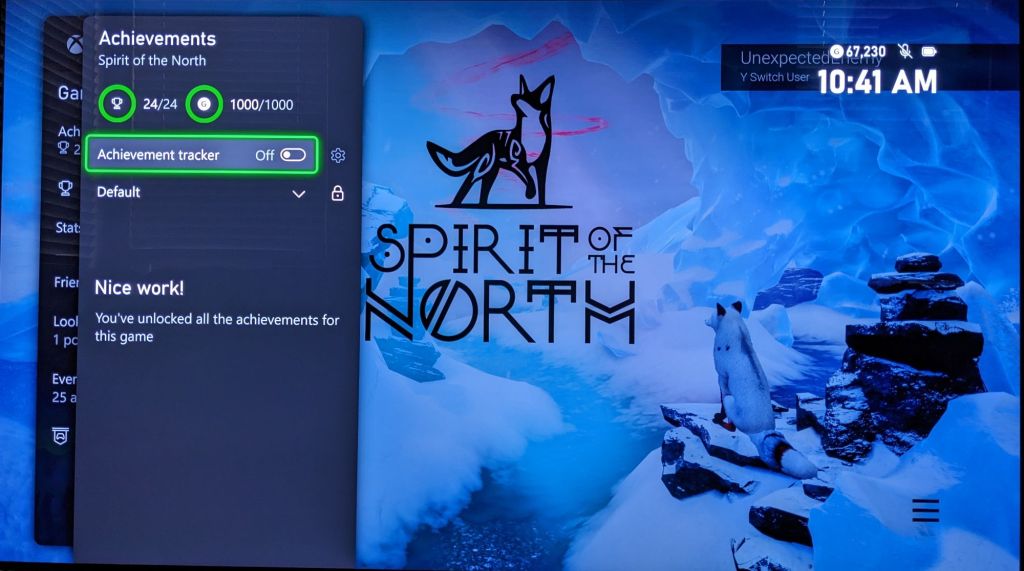
There’s areas where you have to lower water levels, propel yourself across geysers or cross crumbling platforms. You’ll eventually be asked to project yourself to the spirit realm to cross impassible barriers to open a path. The puzzles are mostly comprised of these rotating stone murals where you have to play a matching game of sorts. There’s even an Okami-like mechanic where you dispel cancerous growths polluting the lands, which revitalize and bring life back to the environment. To do this, you have to collect energy from flowers and they’re often hidden/tucked away in certain parts of the maps. Along the way, you’ll find the aforementioned collectables (staves) in certain spots that must be picked-up and returned to their owner, which is simple a hidden corpse somewhere hidden in the environment. The staff will glow when you’re close to a corpse, so most of them are relatively easy to find. By doing so, you’ll set the spirit free, which I believe unlock new skins for your fox. I love 3D platformers where you run around and collect things, so there was enough of that DNA here to keep me relatively engaged. I completed the game through Game Pass on my Xbox Series X with everything collected and all Achievements unlocked. I liked the game, but I would have preferred a more dense, tightly-woven experience. Perhaps the recently announced sequel will be more of what I am looking for.

Donut Dodo, developed by pixel games SARL-S, is a modern-day 2D arcade game in the same vein as the original Donkey Kong titles and Burger Time. The game consists of 5 screens and then it loops again on a higher difficulty after you clear it. You must complete a run of the game twice on a single credit in order to properly “beat” the game, which subsequently unlocks the next difficulty/mode. To beat a screen, you must collect each donut before grabbing the big one. Each screen contains unique hazards, fruit to collect (which I never figured out how they spawn) and various platforming challenges. The first level introduces ladders to the player while another stage contains a Ferris wheel-like contraption with moving platforms. In each stage, as long as there’s no wall, you can move left/right off-screen and end up on the other side. You have to be careful though because enemies can follow you off screen, too. While you can collect any donut at any time, after you collect the first donut, a random one will begin to glow. If you collect each consecutive glowing donut, it’s worth more points. The more points you earn, the sooner you’ll earn an extra life.
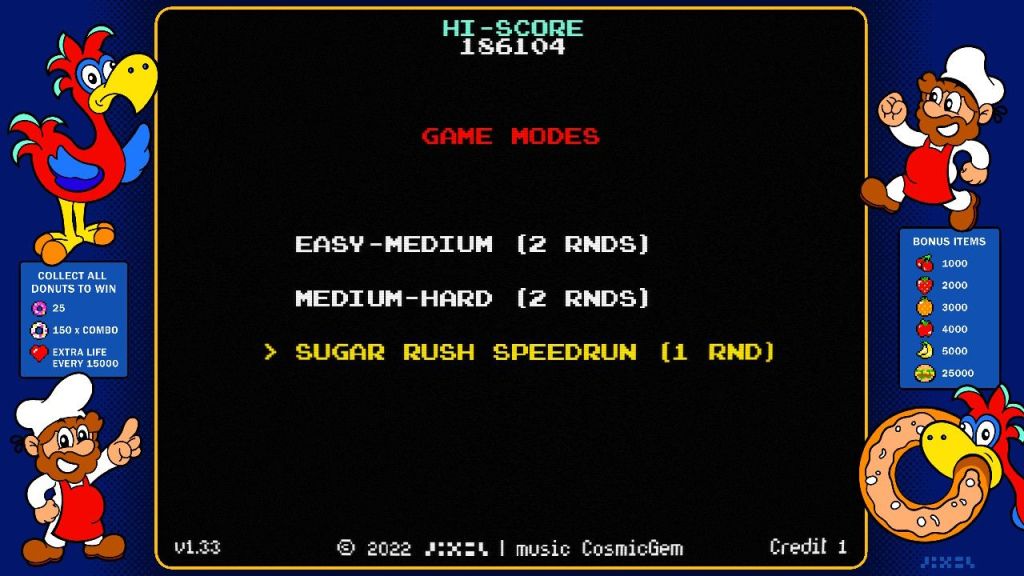
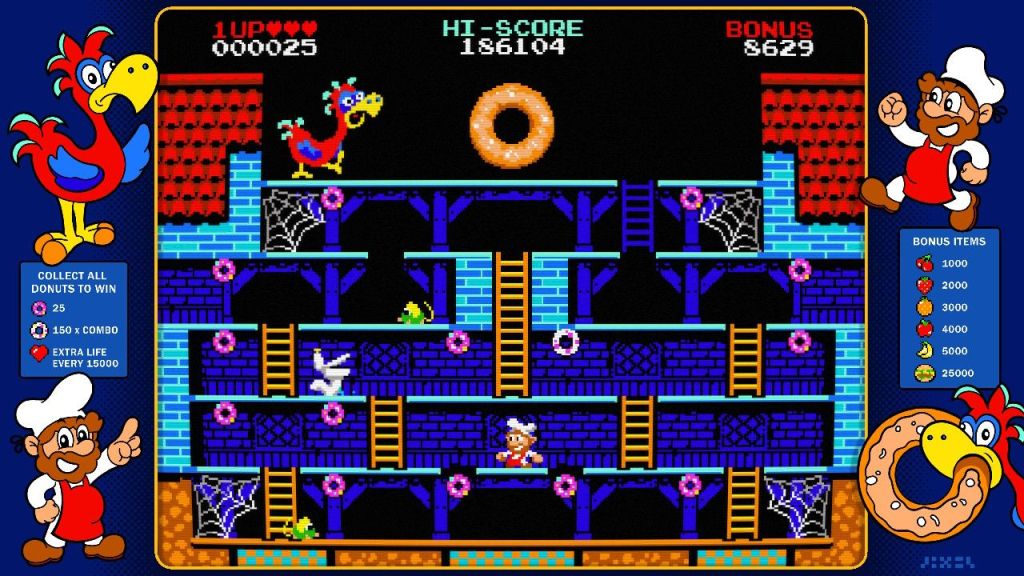

Sometimes, it might be best to just collect whatever donut is closest to you. There are enemies that will chase you (like a giant toilet – which is funny, considering you’re presumably chowing down on a dozen-plus donuts during a single session) and other monsters that stay on a fixed path. The titular dodo can also toss fireballs at you, so you have to constantly be on your toes to succeed. I found the idea of deciding whether or not to string the glowing donuts together for more points or to outright ignore them to be a rather classic game of risk/reward, which is always a sign of a well-made arcade game. I completed each mode at least once, but since there’s no online leaderboards, I didn’t feel compelled to chase high-scores (I also have far too many other games to play at the moment). Donut Dodo’s got decent scoring mechanics, nice pixel graphics and a great soundtrack by CosmicGem. I hope the developer makes another arcade-like experience soon.
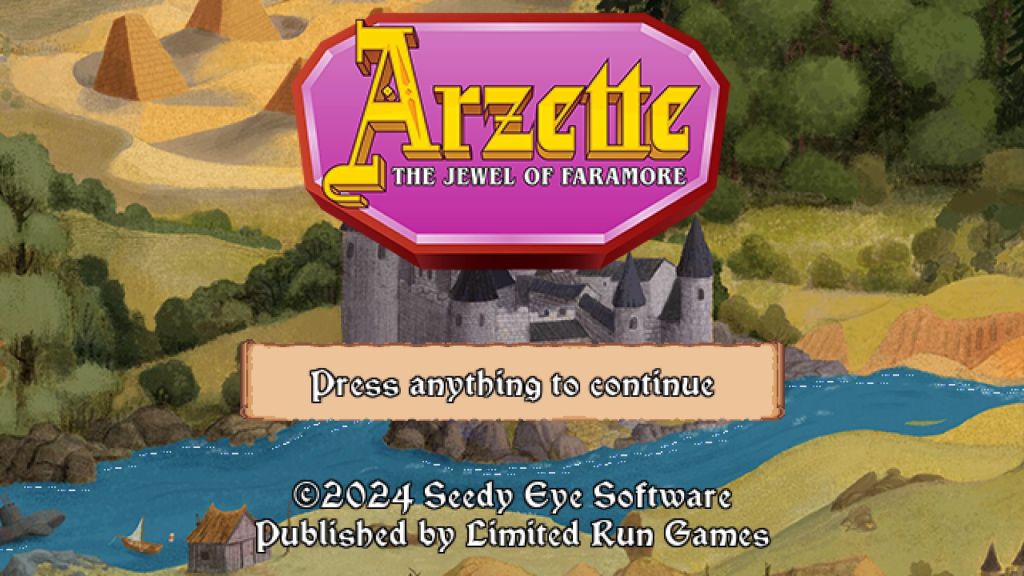
Arzette: The Jewel of Faramore, developed by Seedy Eye Software, is a tribute to those terrible Zelda CD-I games no one played. I impulse purchased this game digitally since I didn’t want to wait 6-12 months for the physical copy (I will likely double dip on the physical collector’s edition, but has Limited Run Games (LRG) provided digital codes in advance lately – I recall they did it once or twice for pre-orders in the past?). Anyway, this game rules and I completely devoured it in about a week or so. Like most people, I haven’t played the Zelda CD-I games, but I’ve seen people stream the games before and I’ve watched YouTube videos about them, too. Despite being a spiritual successor to those games, Arzette feels more akin to games like Wonder/Monster Boy and Zelda II: The Adventures of Link.
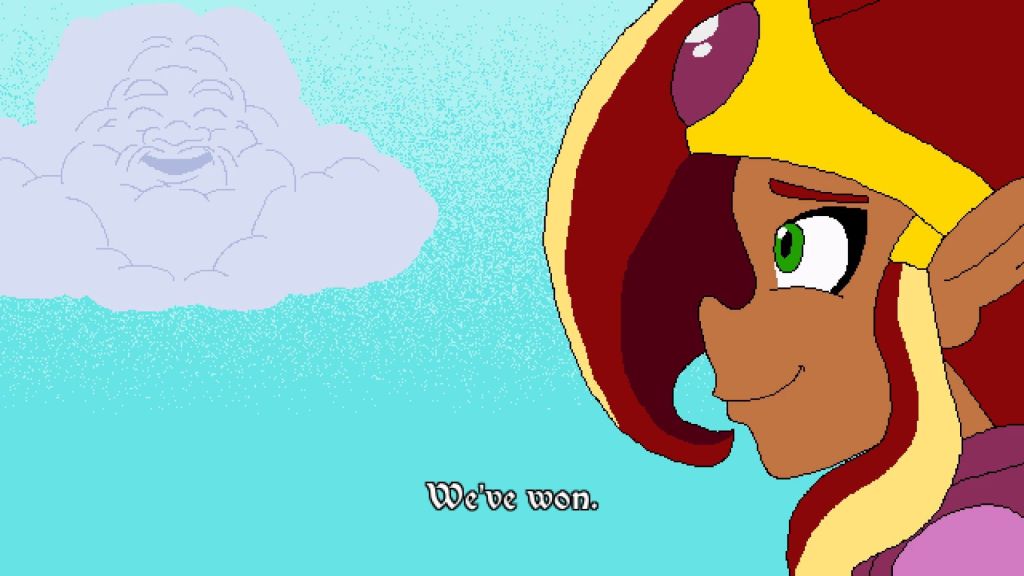

Arzette is a simple game, but it’s fun and doesn’t overstay its welcome. It also nearly captures the immediacy of the old Ys titles; you’re constantly barreling forward, killing enemies in just a few hits and NPC and stage interactions are kept to a minimum. There’s a lot of character upgrades and pieces of equipment that you don’t really need to finish the game, but it’s fun to collect everything and complete all of the side quests since the levels are short and you can quickly blast through the stages once you gain some of the traversal abilities. You’re also typically rewarded with a new animation or additional dialogue, at the very least. I will say, I’m not exactly in the camp that finds the animation to be “so bad, it’s funny”. I understand it was purposely made to capture how offensive and embarrassing the original CD-I games were, but the animation and performances are quite an improvement over the games Arzette is supposed to be “mocking”.
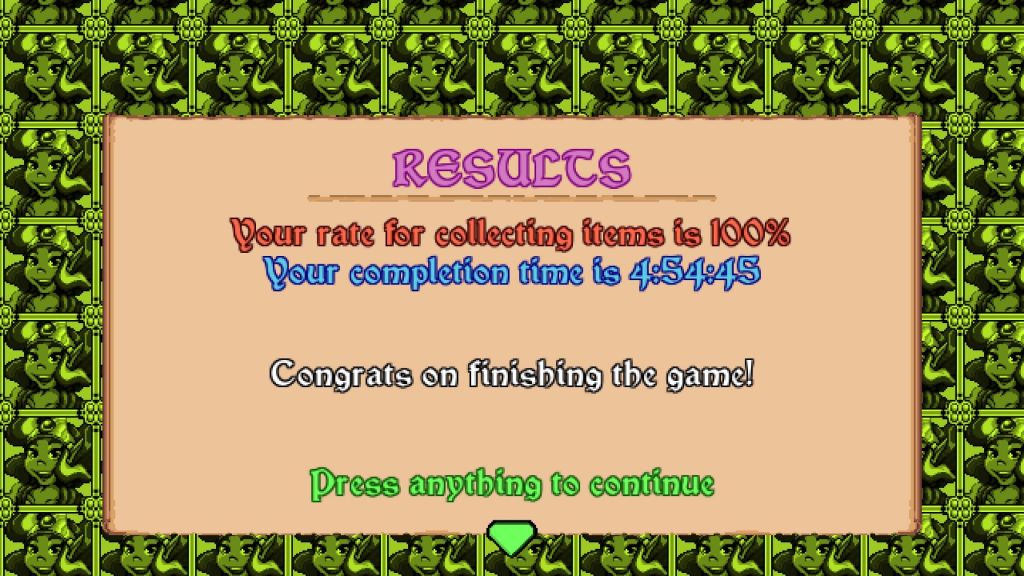
I ultimately liked the game way more than I was expecting to, but the OST by Jake Silverman honestly carried me through it more than anything. I often found myself eager to unlock new stages since you’re almost always greeted by an original track. It’s also a game where I would sit idle for twenty minutes or so just to listen to the music loop in each stage. A game’s soundtrack is typically a primary qualifier to be considered for my GOTY, so it’s definitely going on my short list for my top 10 in 2024. I would absolutely play a sequel that’s a bit more ambitious (or maybe that defeats the point of it, I don’t know). I finished the game at 100% on Normal difficulty at around 5 hours without having to resort to a guide, which felt good. The hardest thing about the game is the boss rush mode and finding some of the hidden coins, but I haven’t tried the other modes you unlock after you beat the game yet. I’m assuming Hero/Classic difficulties will be challenging, so there’s good replay value here. Arzette is no joke; play it.

Prince of Persia: The Lost Crown, developed by Ubisoft Montpellier, is the latest entry in the long-running Prince of Persia franchise. It’s a competently-made, 2D action-platformer/Metroid-like that’s perhaps a bit too long for its own good. I honestly couldn’t tell you what happened in The Lost Crown. It didn’t help that the game was very long, considering the subgenre it’s derived from. I also played it off and on for about a month, so perhaps it’s my fault for not following the story too well. There’s kings, queens, warring nations, and a prince who’s been kidnapped. The game also sets up a motley crew of sorts at the beginning, where everyone is on the same side with a single agenda, but you ultimately end up fighting a lot of your allies by the end. Just like some of the other entries in the franchise, time travel is involved here and a lot of the game’s lore and backstory is dumped into collectable items accompanied by huge walls of text, which isn’t always my favorite storytelling device in games. With that said, the performances are good. Your main character, Sargon, is likeable, and the cutscenes and animations are great, too.
The best things about The Lost Crown is how it feels to control the Prince and the immaculately designed boss battles, which are arguably two very important factors when it comes to a Metroid-like. The exploration is great and the character-progression and traversal upgrades are doled out at a decent pace, even if the classic double jump maneuver is given to you rather late in the game. It just feels good to jump around, swing on poles and slide under enemies. You can also upgrade your main character with “Amulets”, which essentially act as passive/active abilities; one amulet might increase your attack power when at full health while another might indicate on the screen when a treasure chest is nearby. These amulets are game-changers on the highest difficulty and I found myself enjoying the process of tinkering with my build to kill bosses in an efficient manner. There are also side quests to complete, costumes to find and hidden coins to collect (similar to the strawberries from Celeste), including some rather challenging platforming sequences to overcome. Prince of Persia: The Lost Crown truly feels like the complete package, so it’s even more tragic that the team has been disbanded by Ubisoft.
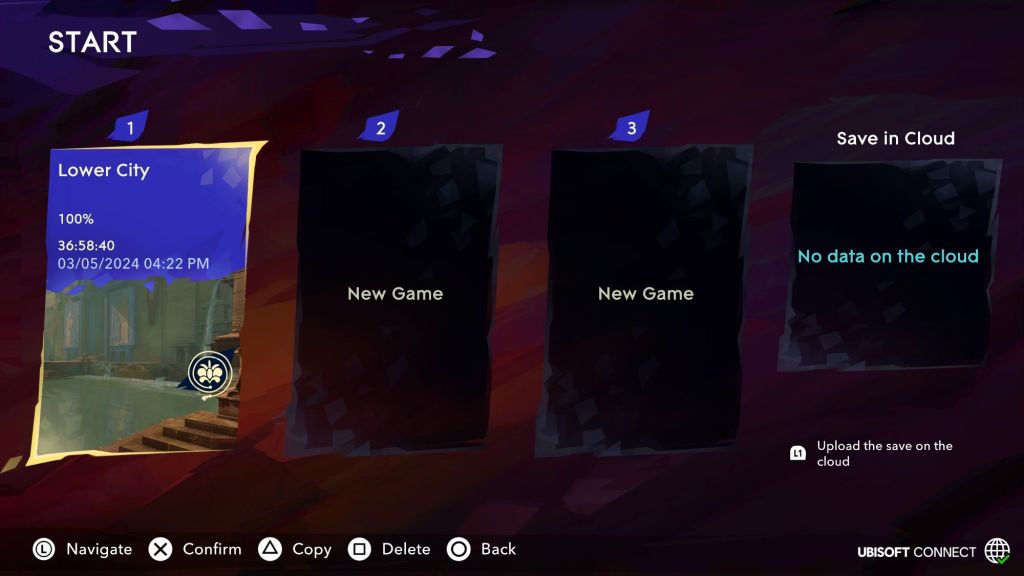
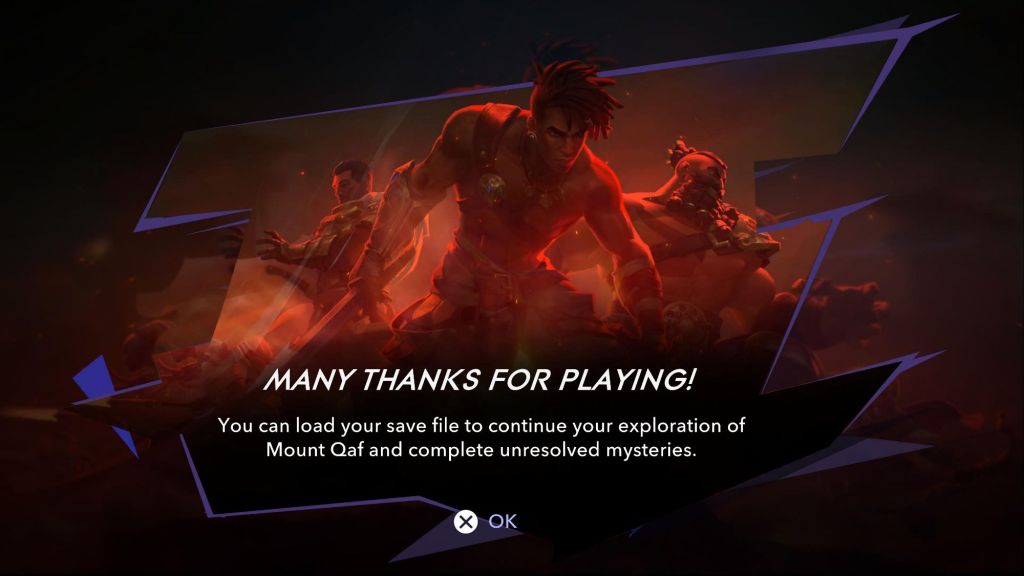
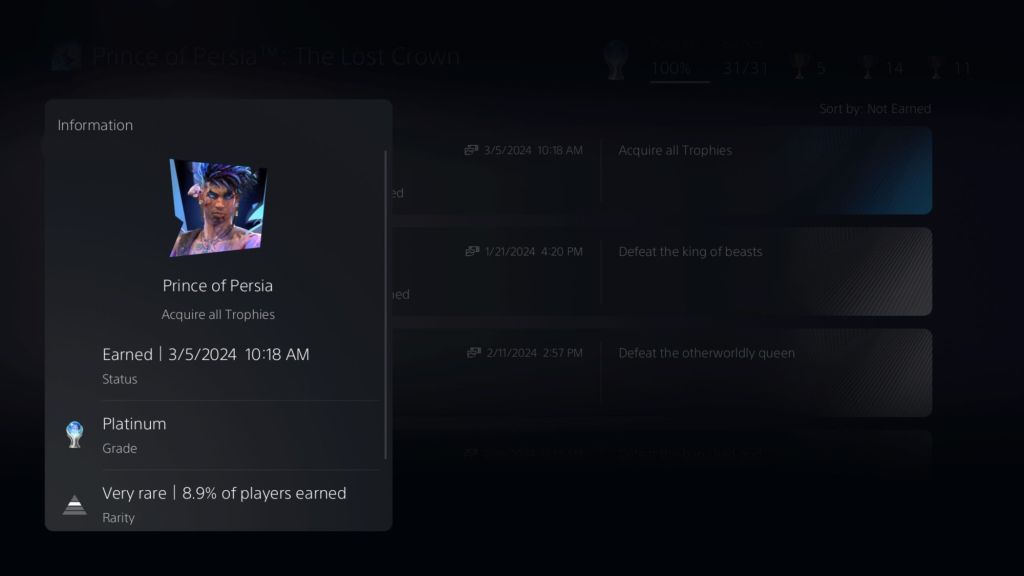
I completed the game at 100% on Immortal difficulty and as much as I enjoyed my time with it, I don’t think this is a game I will want to replay anytime soon due to its length. It took me somewhere between 35 and 40 hours to see and do everything the game had to offer. Unlike Super Metroid or other games in this subgenre, it doesn’t have unique end-screens based on how quickly you finished the game or how many items you collected. I’m sure speed-runners will find their way through the game in an efficient manner, whether through legitimate means or sequence-breaking glitches, but its overall length doesn’t exactly lend itself to traditional replay value. The developers eventually released additional free content, including a paid expansion called “The Mask of Darkness” (which was great). For whatever reason, even though I enjoyed the game, I don’t feel compelled to come back to The Lost Crown for the “Speedrun” or “Permadeath” modes. As I said, the game is far too long to even consider replaying the game under those conditions. Perhaps I’m just not the audience anymore for features like this, however. Although I ultimately took issue with some aspects of the game, I would have absolutely played a sequel.

Crisis Core -Final Fantasy VII- Reunion, developed by Square Enix, is a remaster/remake of the original 2007 PSP release. It’s clear that Crisis Core was made for a portable platform. The game takes place in Midgar and a few of its surrounding areas. The layout of each area is mostly linear with the occasional side path, which usually results in a treasure chest. Over the course of the game, you’ll unlock “Missions”, which are bite-sized side quests of sorts where you simply make your way through an enclosed space until you defeat an enemy target. Despite the RNG nature of the combat system, in retrospect, I think I prefer Crisis Core’s battle system and character progression over whatever FFXVI was trying to be, and this is coming from someone who loves character-action games! Unlike FFXVI, the accessories actually have a notable impact on your attributes (even though once you obtain the accessory that absorbs fire, ice and lightning, it sort of trivializes a lot of the encounters). Considering it’s a one-man party, customizing Zack and figuring out Materia builds for each encounter feels focused and immediately rewarding. It helps that if you die during a battle, you can instantly retry and change your equipment/build. I played through all of Crisis Core on Hard difficulty, but lowered it to Normal for the final boss just so I could see the ending everyone has been talking about for well over a decade now. I did, however, go back and finish it on Hard difficulty once I unlocked the Brutal Materia, which allowed me to break the damage limit beyond 9,999.
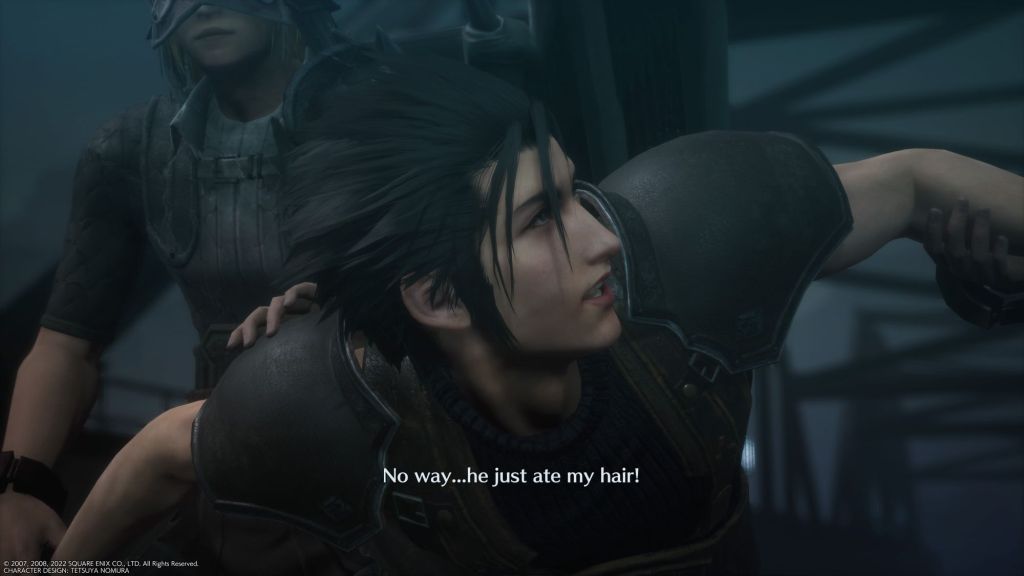
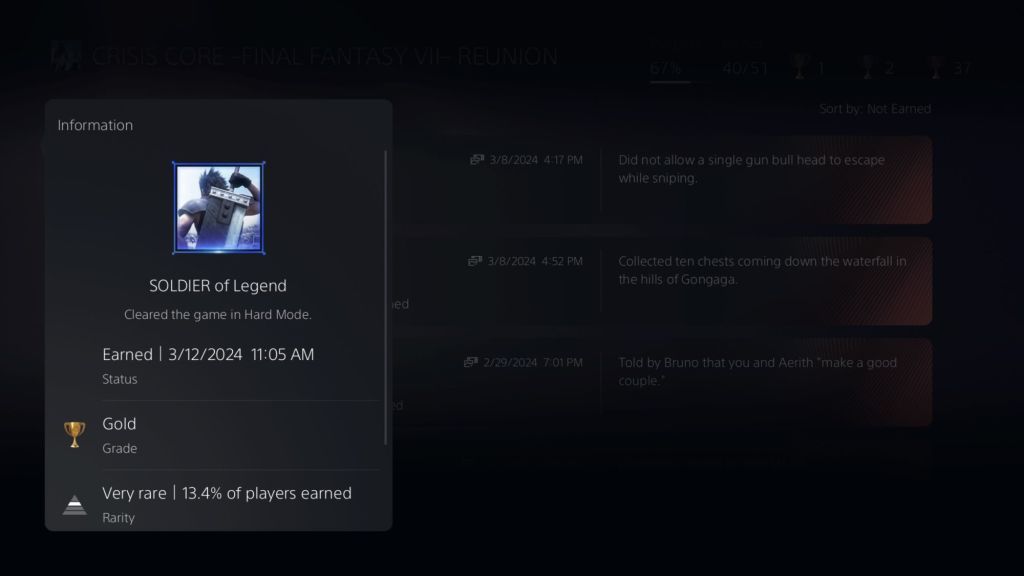
Crisis Core’s unique hook is the Digital Mind Wave (DMW); a slot machine of sorts that rolls random numbers and grants bonuses to the player during combat. Each reel has an image of a character from the game, which is unlocked by progressing through the story, completing optional “Missions” and the like, and if certain reels match, you’ll sometimes break the limit of your parameters or cast supportive/offensive abilities to assist you during battle. When these abilities activate, you’re greeted by a short vignette of Zack interacting with characters from the game. Considering Crisis Core was originally a PSP game and taking the size and scope of the platform into consideration, it was sort of a smart way to include more cinematics and character-building without having to make a whole scene and place it somewhere in the story. The abilities that activate as a result of these DMWs can certainly change the tide of a battle, even if I don’t understand the math and randomness (RNG) behind it all. The game sort of works itself out if you engage with all of its systems, however. Blocking helps a lot, too. I completed the game on Hard difficulty with around 30% of the Missions completed. I have a ton of optional end-game content left to complete, but for now, I just wanted to see the game for what it was worth since, at the time of writing this, Final Fantasy VII Rebirth was right around the corner.
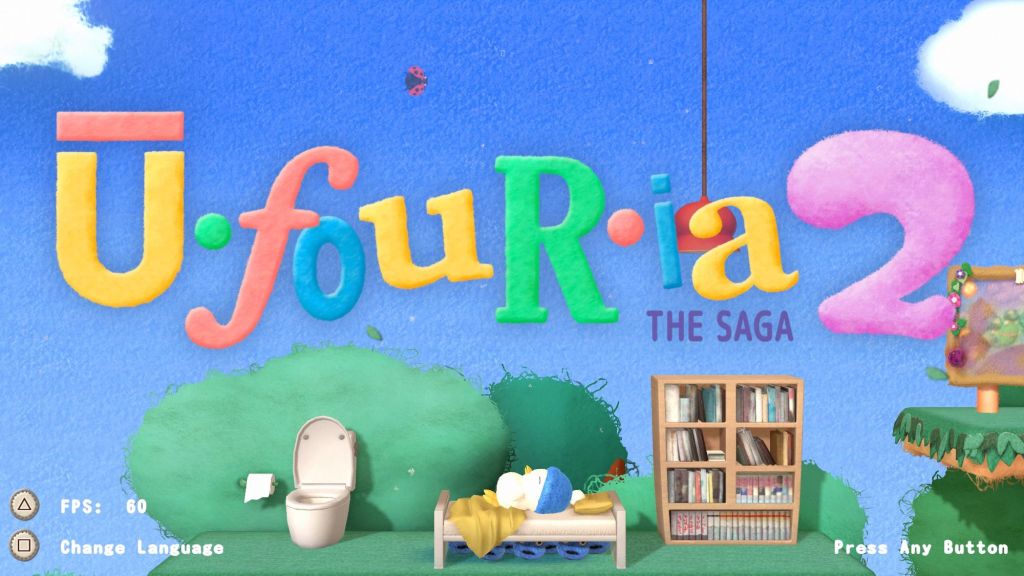
HM8. Ufouria: The Saga 2, developed by Sunsoft, is a sequel to the 1991 NES release that never saw the light of day in North America. Sunsoft is back with one of the most unsuspecting reboots of 2024 and it’s a super jolly affair. Ufouria: The Saga 2 is a simple 2D platformer with Metroid-like elements. You start as the cute and loveable Hebe (who I think is a penguin?) and along the way, you’ll meet your friends who will join you on your quest (after you buy them something they need). Ultimately, you’ll control up to four different characters who come with unique combat and traversal abilities. One friend can swim in water while another can float to out-of-reach platforms, for example. One of your buddies can even freeze enemies so that they can use them as a stepping stone. The game starts in a giant tree (where Hebe lives) and branches outward to a dozen or so stages. It’s a really cozy hub of sorts that gets updated based on the items you purchase from a vending machine. This vending machine provides the primary gameplay loop and it’s quite addictive, even if the whole experience is relatively short-lived. Every time you purchase a new item, you’re also treated to a cute vignette where Hebe and his friends talk about what they just bought and its hear where the writing shines.

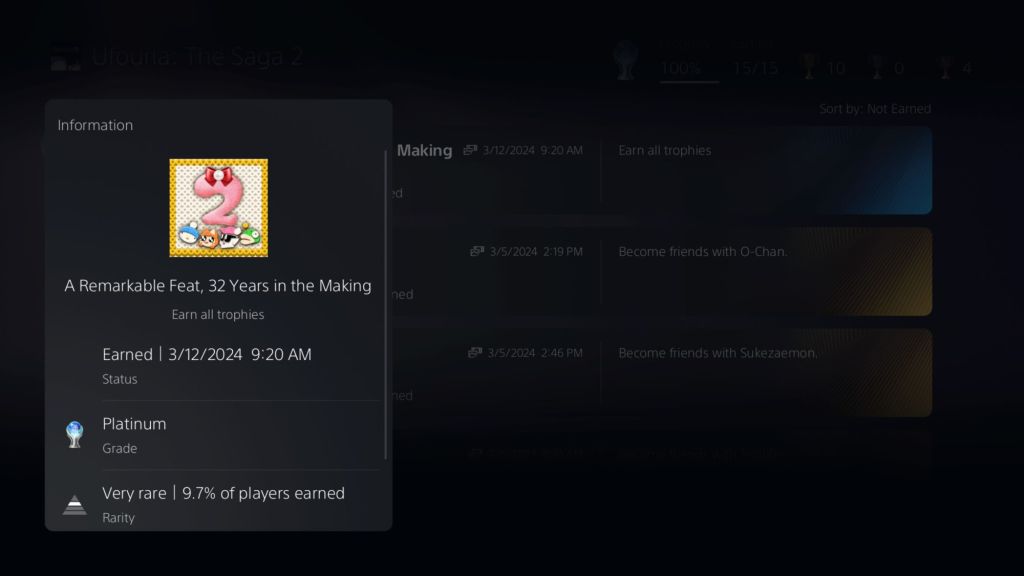
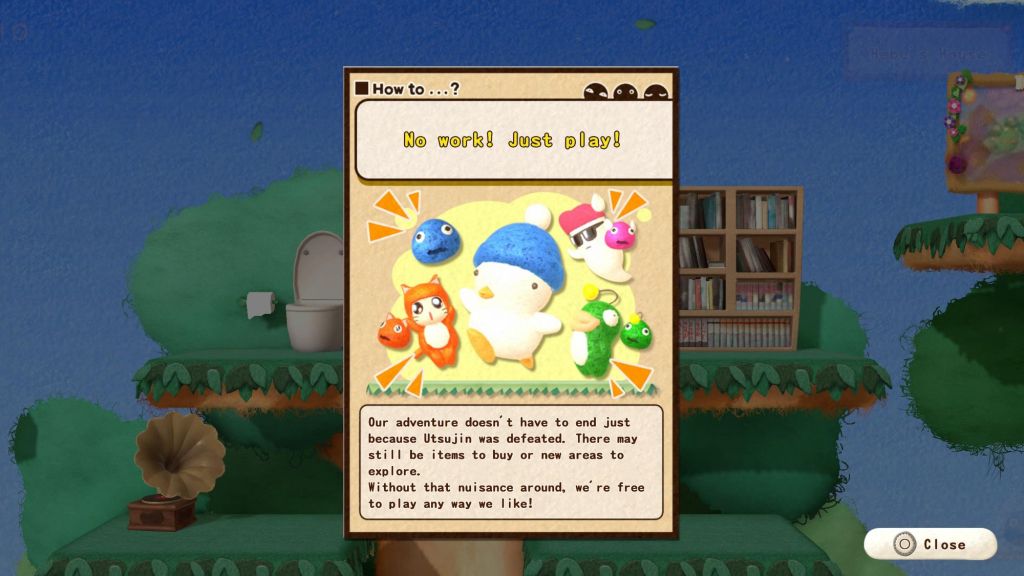
The level design isn’t much to write home about, but it’s not without its interesting hooks and tucked-away secrets. From what I could gather, Ufouria: The Saga 2, unlike its predecessor, consists of randomly generated layouts (similar to the old Tenchu games, if you’re familiar). I believe the levels themselves are hand-crafted, however, each time you enter an area, the layout will be different. Levels consist of simple platforming sequences, enemies to kill and coins to collect. There are also Utsu-cans, which are the game’s main collectable. These cans are needed to progress through the game and are required to purchase new items from the vending machine, but a lot of them are optional for completion’s sake. While Ufouria: The Saga 2 feels like a 2D platformer made to be someone’s first game, its charm, writing and personality makes up for any of its shortcomings. The writing and characters are so endearing, it’s hard not to smile while watching these goofs interact with each other. The game also has a really nice art style with its use of feltwork and pixel-like beads. Sunsoft feels like it’s been making a comeback as of late and I’m here for it.
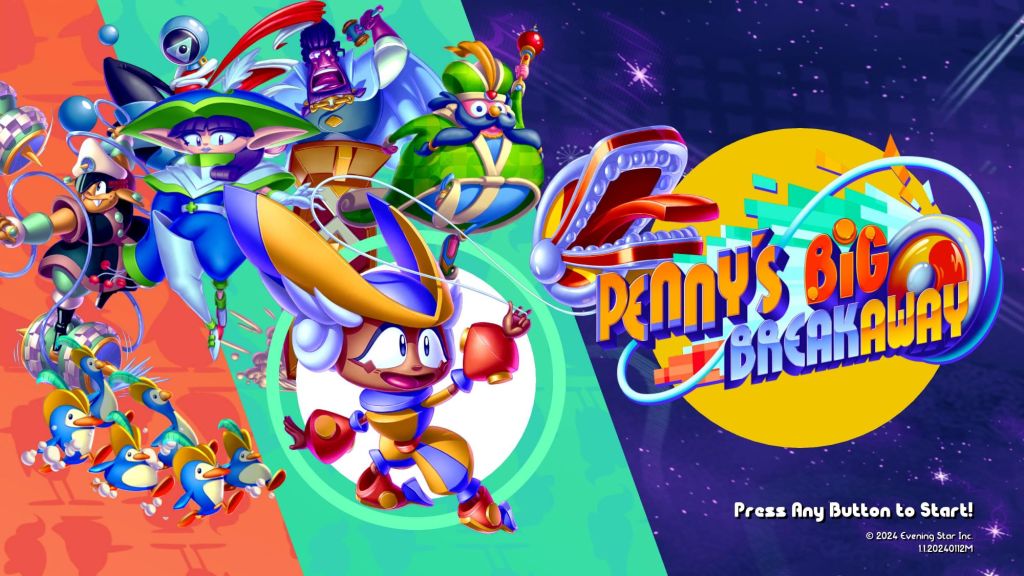
Penny’s Big Breakaway, developed by Evening Star Inc, is a 3D platformer lead by staff who previously worked on Sonic Mania. Penny’s Big Breakaway is nearly everything I expected/wanted it to be and more. It specifically captures Sega’s “blue skies” essence and has a Treasure-like playfulness to it; the game would have easily sat alongside the likes of Ristar, Mischief Makers or Dynamite Headdy, respectively. Like any good 3D platformer, the controls and overall feel of the character movement is paramount and the developers nailed it here. While it takes some time to get used to how the yo-yo functions, once you understand and master Penny’s move-set, the stage flow and momentum feels just right. The camera is also fixed and follows your character, so while you can backtrack though stages to a degree, you’re sort of expected to keep moving forward. The game also employs my favorite camera technique that other 3D platformers utilize at the start of a stage; in most 3D Mario and Ratchet & Clank games, for example, the camera is pulled back to showcase the area but will snap back behind the player once they start moving. Penny”s Big Breakaway looks beautiful, too. It’s bright, colorful and expressive. The game has a sort of painterly-like aesthetic that’s hard to describe. The character models, while low-poly, pack a lot of personality.
In each level, there are Show Pieces to collect, the game’s main collectables, and Dilemmas to solve, which are mini-objectives to solve. Some Dilemmas might ask you to perform a certain amount of tricks during a particular stretch of the stage while another might ask you to take an item and deliver it to an NPC further ahead without taking damage. For the most part, if you’re playing the stages as intended, all of the collectables and mini-objectives sort of funnel/feed into each other which results in a really satisfying “perfect run” of sorts, if you can manage the ask. At the end of the level, there’s a 3-tiered platform that almost looks like a cake and depending on where you land, you must perform a short, but finnicky and not-very-fun QTE, which the game considers “Buskin'”. Hot tip for my readers; use the D-pad exclusively for the cardinal directions, but for the quarter-circles, use the analog-stick (obviously). I found the analog-stick to be far too sensitive when the game asks you to press up, down, left or right. After you “busk”, your points are then tallied and you’re given bonus points based on certain conditions met; how fast you finished the level, if you took zero damage, how well you “busked”, and how many coins/collectables you collected are all taken into consideration for your final score.
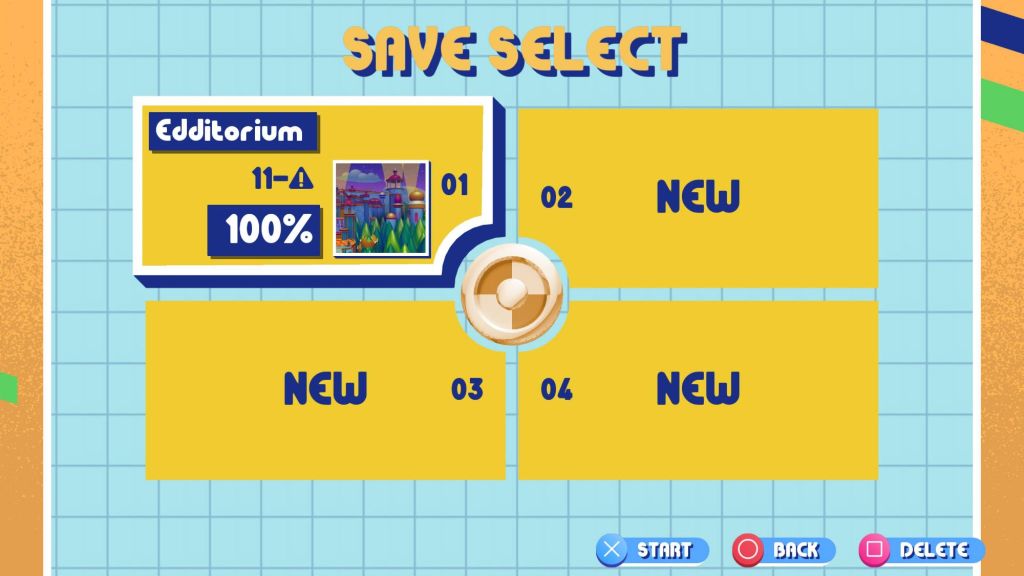

Unfortunately, while the game does a lot of things right, it’s far from perfect. The scoring/ranking system could use a lot of work, for example. In principle, it has all of the right ideas; by performing certain maneuvers/tricks, you’ll begin a combo which racks up points. The more you vary your techniques, your score will continue to increase, including your multiplier, which I believe increases by 1.0 for every 10 combos. If you perform the same trick over and over again (like bouncing up and down on the same trampoline), you’ll receive less points (there is still a reason to do this – read ahead!). As soon as you hit the ground, you drop your combo, so you’re supposed to keep things moving while stringing together each section of the stage, and the levels are (mostly) designed around this idea. The problem, however, is that you can essentially find any flat, open area and indefinitely string moves together to your heart’s content. When you hold R2 mid-air, you’ll perform a technique where you’ll land on your yo-yo and begin rolling, which keeps your combo going. From there, you can launch yourself back in the air, do a few aerial maneuvers, and rinse and repeat. You can use this method to build your total combo to well over 100+, which will net you a very large bonus at the end of the level, but do you really want to play the game like this?
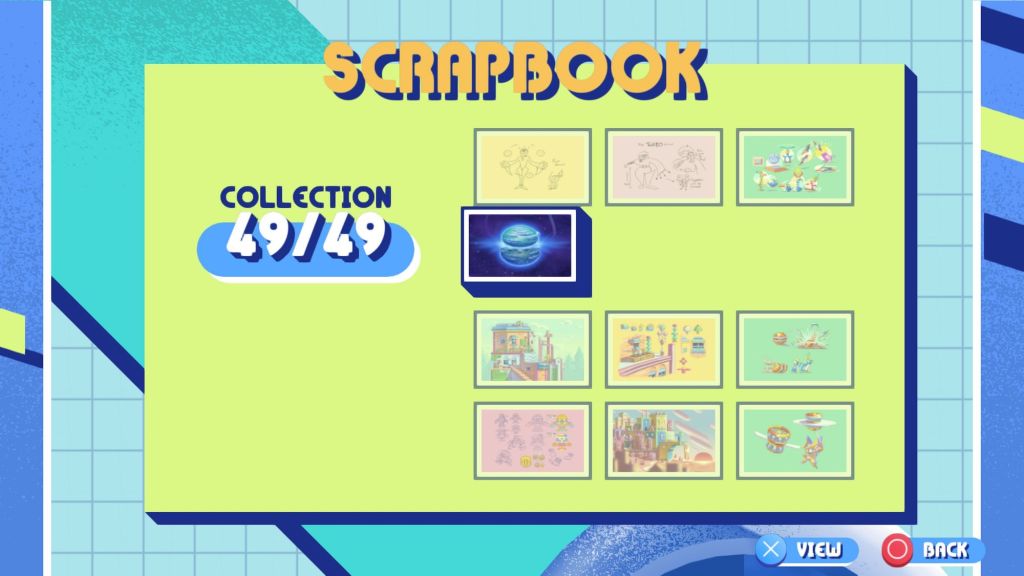
Each level has a threshold to beat, which unlocks artwork in a Scrapbook if you manage to break the high score. For the most part, if you play the levels as intended, perform tricks, land decent combos, collect and do everything the level has to offer, you’ll meet the requirements for each unlock. Some stages, however, have ridiculous requirements and I found myself abusing the method I described earlier to “pad” my score out by the end of the level. It wasn’t exactly fun to stop right before the goal to grind out a 100+ combo, but it almost felt necessary for particular levels, especially for the unlockable bonus stages. Finally, I would be remiss if I didn’t talk about the soundtrack by Tee Lopes and Sean Bialo. The music in Penny’s Big Breakaway brought me back to being a kid again, playing Ristar in my basement on the Sega Genesis, dancing to the music before going to my little league game. I do wish each stage had an original track, but because each world’s theme is so good and thematic, I ultimately didn’t mind. There aren’t many games that can invoke this feeling from me, so the soundtrack alone makes Penny’s Big Breakaway a pretty big deal.
Blasphemous 2, developed by The Game Kitchen, is the sequel to the first Blasphemous title released back in 2019. Blasphemous is a Metroid-like through and through, and the sequel improves upon the original in nearly every aspect. If you’re familiar with the first game, there’s more options here when it comes to rosary beads, prayers (spells) and abilities this time around, including three new weapon types that you can choose between right from the start; twin blades, a giant mace and a large sword (they have fancier names, but I’m too lazy to lookup their proper names). Each weapon comes equipped with unique traits in additional to a traversal ability. The twin blades can charge electricity damage, but they can also be used to propel yourself through mirrors in the environment, for example. You’ll eventually discover the other two weapons you discarded at the start of the game and once you have everything at your disposal, the game becomes impossible to put down. There’s also a new sculpture system called “Altarpieces”, which grant you passive abilities and bonuses when sets are equipped, like more elemental damage or improving the efficacy of your healing vials. The map, just like the first game, is densely packed with smart level design and shortcuts aplenty. You’re almost always saying to yourself, “Oh, I’m back here now!”, which is always a sign of a competently-made Metroid-like. The bosses are also way more challenging in Blasphemous II, but I’d like to think it’s because they are more humanoid than the ones you fought in the first game. Almost all of the bosses are the same size of your character, which I found somewhat disappointing considering how huge some of them were in the first Blasphemous.
Playing both Blasphemous games makes me think about the time I spent attending a Catholic grade school for 8 years. While I’m not a religious person today, I do find churches (stained glass windows, in particular) and religious architecture to hold some sort of beauty, if you remove yourself from the guilt-ridden, oppressive meaning it likely carries. I think religion can be interesting, at least from a storytelling perspective, because that’s what religion is to me; stories. I tend to be drawn to the paranormal when it comes to entertainment in the spiritual realm (the recent Nun movies are a huge guilty pleasure of mine), so that’s partly why I find Blasphemous so compelling. Blasphemous II, just like the first game, speaks to you in religious tongue. At times, it almost feels like someone is reading to you in scripture. Nearly everything that’s written/said goes in one ear and out the other for me, but everything is so elegantly said, I can’t not appreciate the effort it’s making to “stay in character”, so to speak. The Blasphemous games paint these beautifully sad worlds where I want to simultaneously be present and the furthest thing away from. In nearly every corner of the world, you’re greeted by these huge NPCs with beautiful sprite-work and fluid animations who have tragic tales to tell. Do I understand everything they’re telling me? No. From what I can gather, both Blasphemous games might be about carrying the guilt/burden of others? Everyone is seeking penance, except maybe for the character you play as, the “Penitent One”?
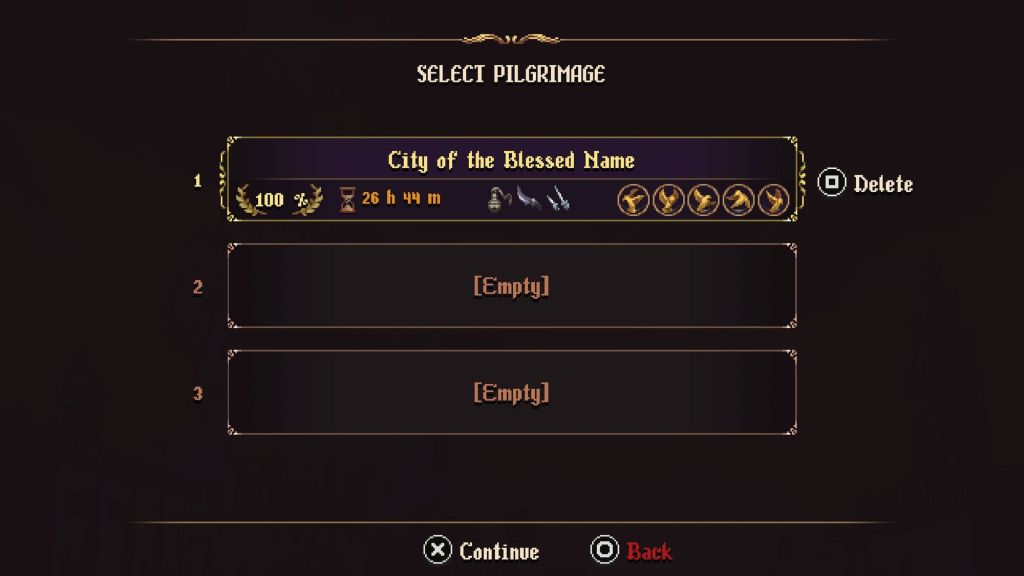
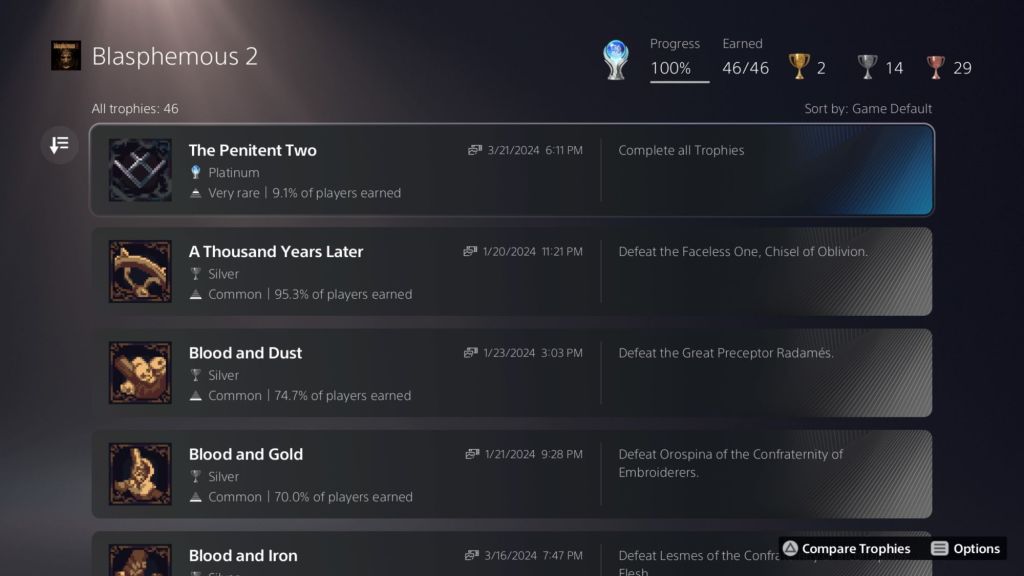

The Blasphemous games, similar to the Souls titles from From Software, contain many cryptic elements and requirements to see and do everything the game has to offer. I completed the game with both endings at 100% with the Platinum trophy earned, but similar to my experience with the first game, I resorted to a guide for some of its more well-hidden secrets. There are things in Blasphemous II that are so well-hidden, I can’t imagine most people finding them on their own (see the hidden symbols, for example). Every time I exhaust a game like this, specifically a Metroid-like, I’m confronted by a personal dilemma; do I take the time to try and find everything on my own or do I just resort to a guide to “get it over with”, so to speak. I almost always end up arriving at the second conclusion because the desire to complete a game at 100% is almost always greater than the former. For Blasphemous II, I swept the map multiple times at the end of the game when I had all of the upgrades and I still couldn’t find a good portion of the items, or the knowledge needed, for 100% completion and the true ending, respectively. So, my time with Blasphemous II feels somewhat bittersweet. Perhaps there’s a version of me in some alternate dimension who’s figuring out all of these esoteric secrets on their own, but unfortunately, I don’t think I will ever be that person.
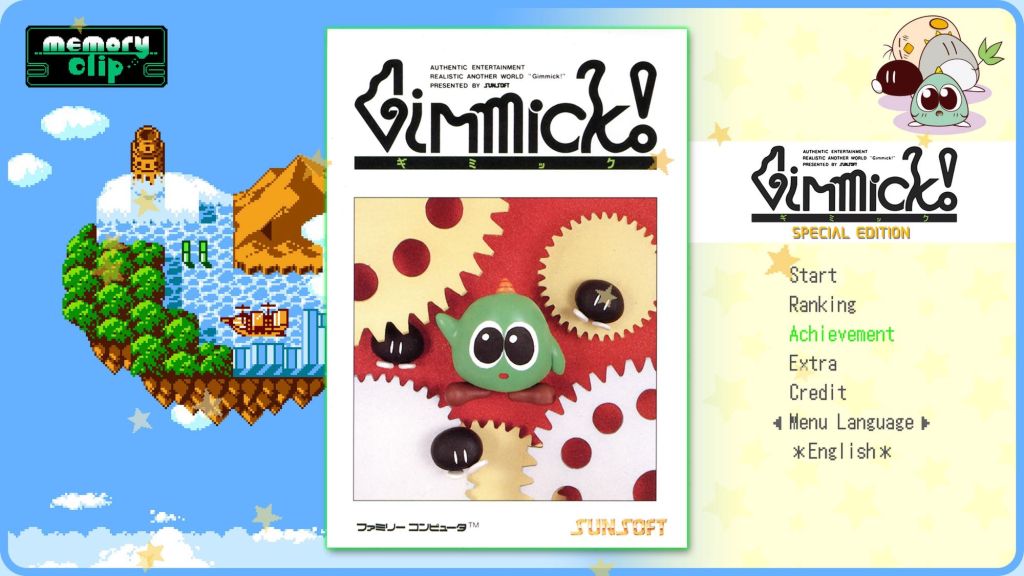
Gimmick! Special Edition, developed by Sunsoft and CITY CONNECTION, is a very challenging 2D platformer originally released in 1992 for the NES that never officially saw the light of day in North America until 2023. The best way to describe Gimmick! is that it’s Kirby-adjacent, only way more difficult. “Mr. Gimmick” can run, jump and stand on most enemies and objects. Your main power is the ability to conjure a shooting star, however, which is primarily used to destroy enemies. You can actually ride on the star too, which can carry you across platforms or give you a boost, but it’s an advanced technique that’s not exactly reliable or safe to use. Levels are surprisingly short and sweet, but nearly every screen is a death trap with gameover pits aplenty. The controls are mostly fine, but precision platforming can feel a bit sticky or slippery at times. There might also be a degree of input lag in this version, but don’t quote me on that. Finally, you actually have an inventory where you can collect and use up to 3 different items at a time. There are healing potions, bombs and other power-ups to collect in each stage and sometimes, enemies will drop them too. These items are almost essential in the final few stages, considering there are back-to-back boss battles towards the end.
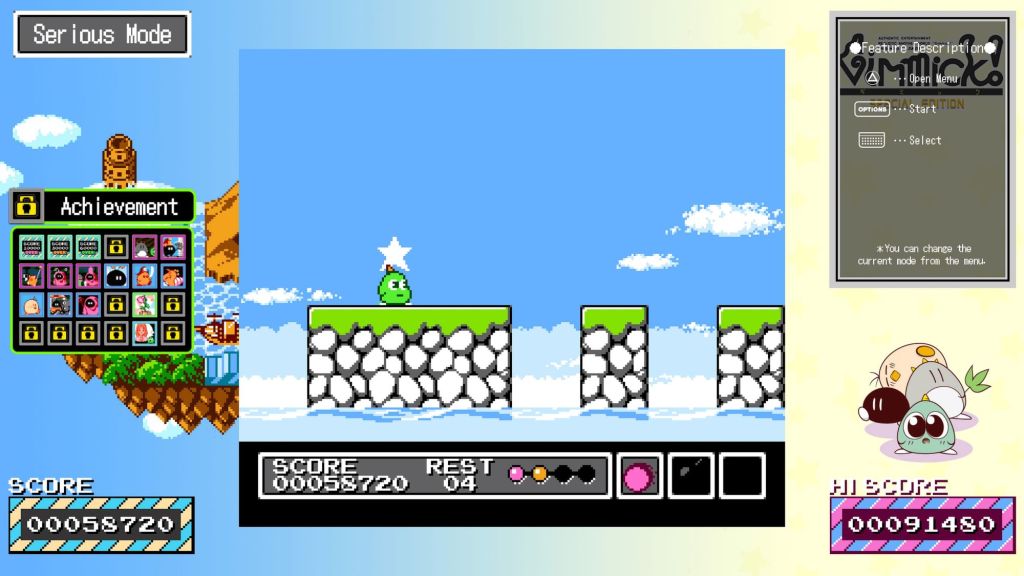
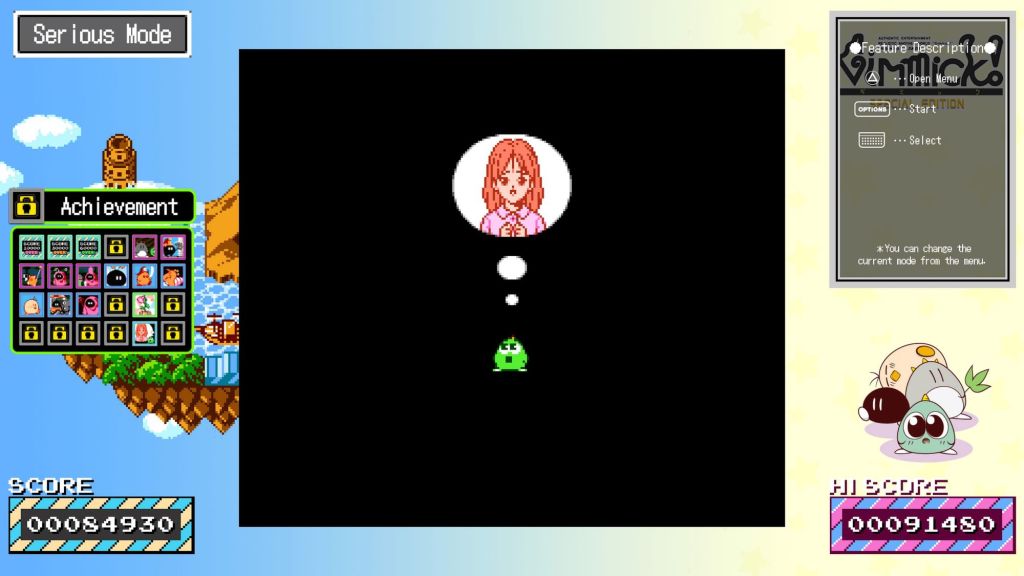

I completed the game on “Serious Mode” with the “Normal” ending earned. I believe Serious Mode is the original game’s difficulty, the way it was meant to be played. I still typically prefer to play retro rereleases without using save states or rewind features, so I was determined to beat my head against the wall until I rolled credits. The trophies/achievements can only be unlocked by playing this mode, too. Most of the trophies/achievements are tied to just completing the game, but there are others which require you to break certain high scores and find all of the hidden items. There’s a “True” ending to earn, but I’m not sure I have the energy/willpower to unlock it any time soon, considering the strict requirements. From my understanding, you have to complete the game with all of the secret items collected without using continues, the latter of which might not be required according to my research. I only found one of the hidden items on my own, but I had an inkling as to where the others were located. After looking up where the rest of the items were, my intuitions were correct!
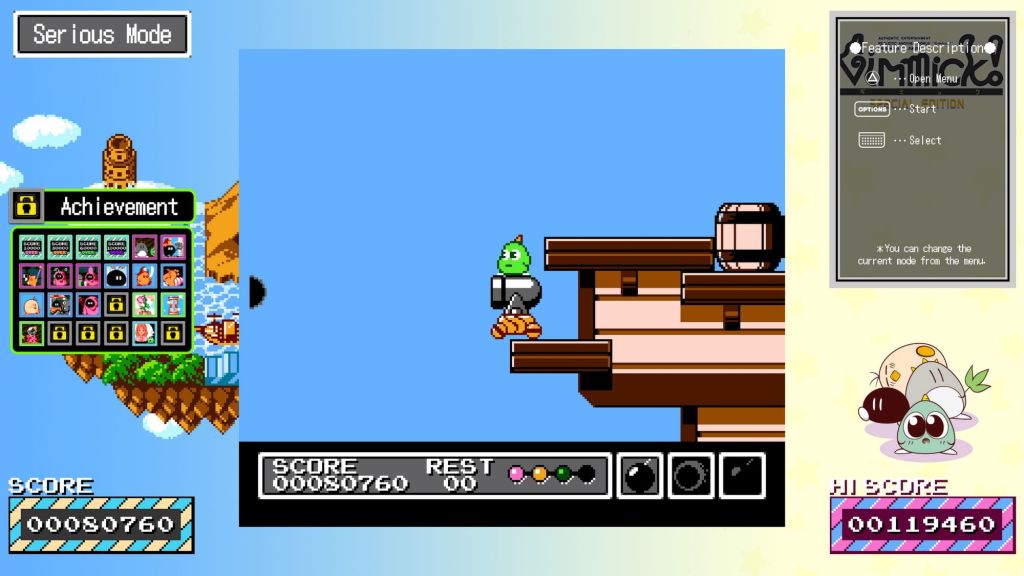
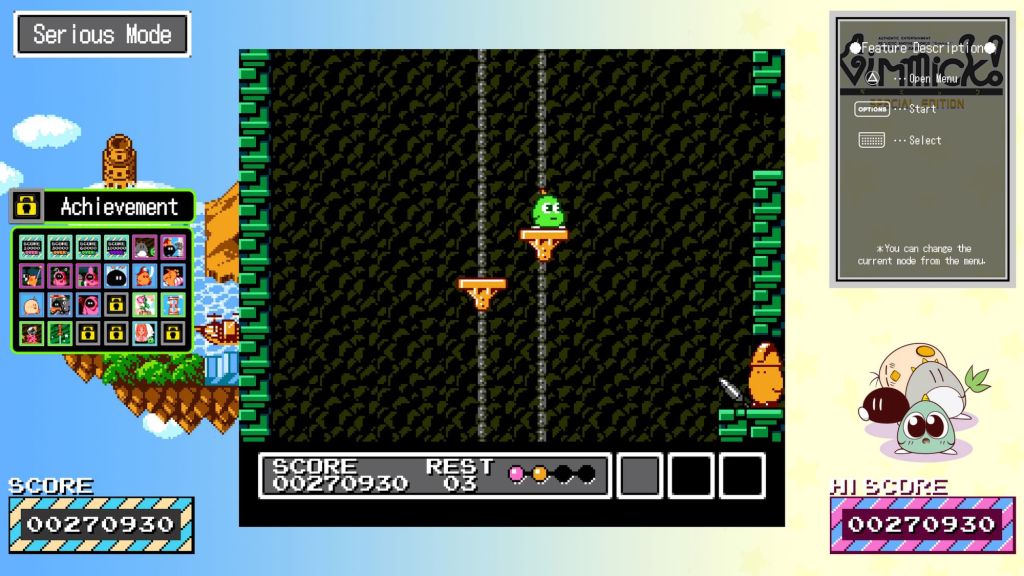

These hidden items are worth a lot of points, but they are also required to see the best ending. Most of the items require you to perform an advanced technique that’s difficult to perform, and a lot of the time, you’ll often find yourself dying just trying to pull it off. Fortunately, you rack a few extra lives when you collect the hidden items, but collecting them all and finishing the stages without dying? It’s a big ask. Similar to how I felt about Prison City, if I was 15-20 years younger, I would have kept banging my head against the wall until I saw the true ending. With that said, I did make an attempt and “give it the ol’ college try”, so to speak. I got to stage 5 or 6, with zero deaths and all of the secret items collected before I gave up. There’s a ridiculous platforming sequence (pictured above) leading up to one of the hidden items and I lost all of my lives attempting to acquire it. I just didn’t have it in me right now to start from the beginning again. I haven’t felt so defeated by a game in a long time, but it’s just not meant to be at the moment. Off to the next (less frustrating) game.
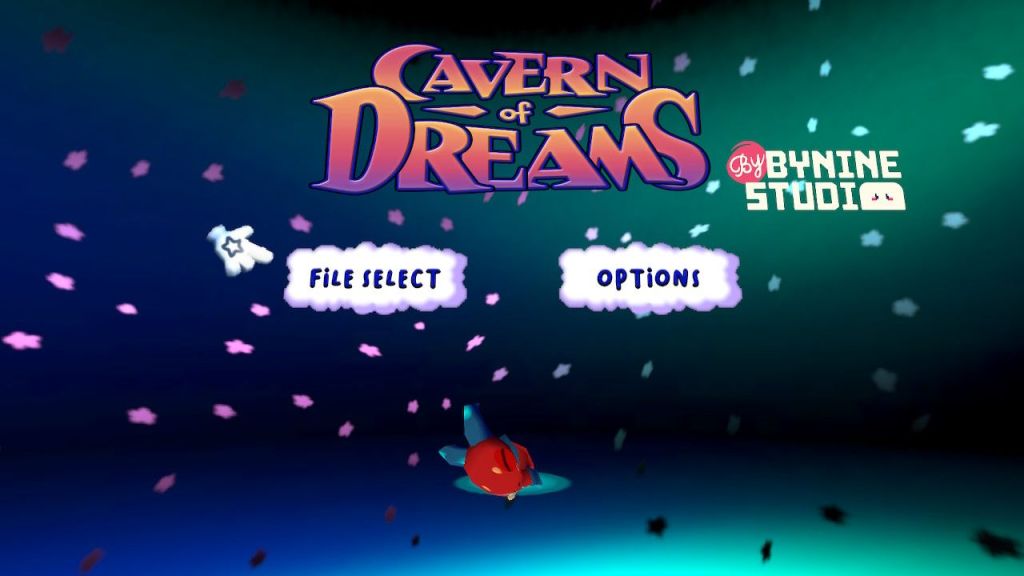
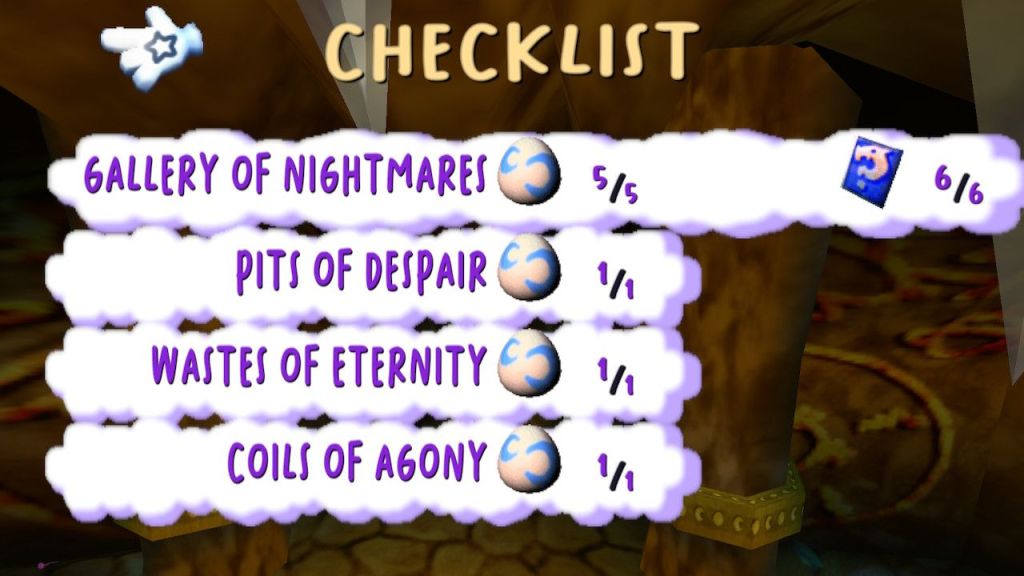
Cavern of Dreams, developed by Bynine Studio, is a low-poly, 3D platformer that wears its love for N64/PS1 era platformers like Banjo-Kazooie and Spyro the Dragon on its sleeve. You play as a cute dragon pup named Fynn and you explore the titular Cavern of Dreams to find your lost siblings. Your next of kin are dragon eggs that are scattered in 4 distinct worlds, which are the game’s main collectables. The dragon eggs are like the Power Stars or Jigsaw Pieces from Super Mario 64 and Banjo-Kazooie, respectively. Some of the dragon eggs are right out in the open to collect while others may require a unique ability to acquire. Fynn earns new abilities after collecting a certain amount of dragon eggs, such as a butt stomp and the ability to blow bubbles (which is a projectile of sorts). Some of the dragon eggs might also be hidden behind a puzzle to solve, most of which are saved for the latter half of the game, and they can be quite challenging and cryptic too.
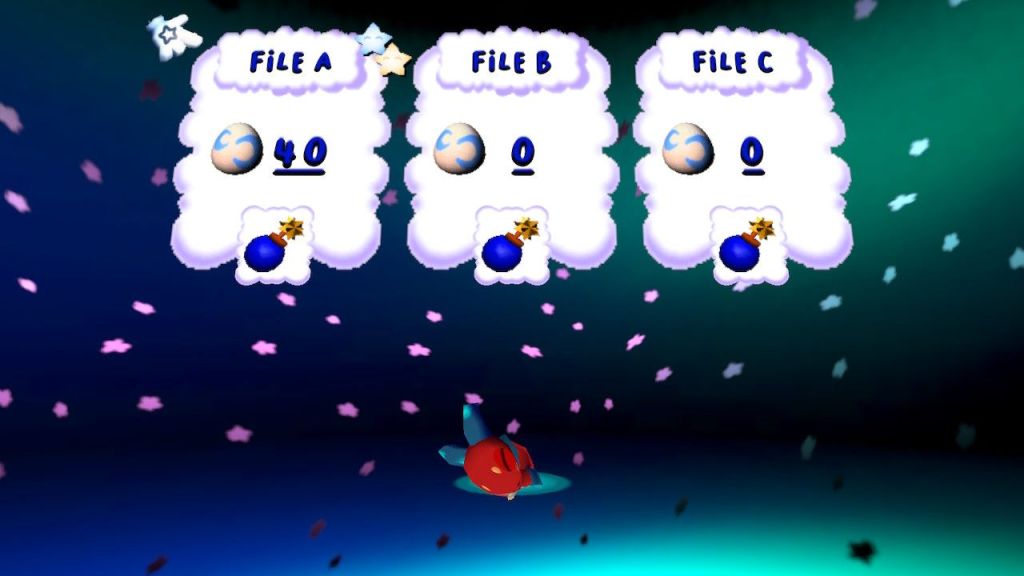

Each world, including the hub area, contain dragon eggs, mushrooms and cards to collect. As I mentioned earlier, the dragon eggs are the game’s main collectable and they are required to unlock new abilities. The mushrooms can be used to feed certain dragon eggs so that they can hatch, which allows you to access more areas in the hub. The cards are basically lore items that provide some additional worldbuilding, which are mostly character bios. There’s a nice checklist that keeps track of everything too, which is a necessity for any 3D platformer. What’s interesting about how the developers approached their collectables, and unlike the games Cavern of Dreams seems to be inspired by, is that there’s really no objective descriptions for the dragon egg locations. You don’t select a Power Star, so to speak, from a menu prior to entering a world and there’s no camera panning of the general area where said collectable is located when you first enter the world. With that said, if you speak to some of the dragon eggs you collected in the hub, they will give you a general hint regarding an egg you may be missing, which is greatly appreciated.

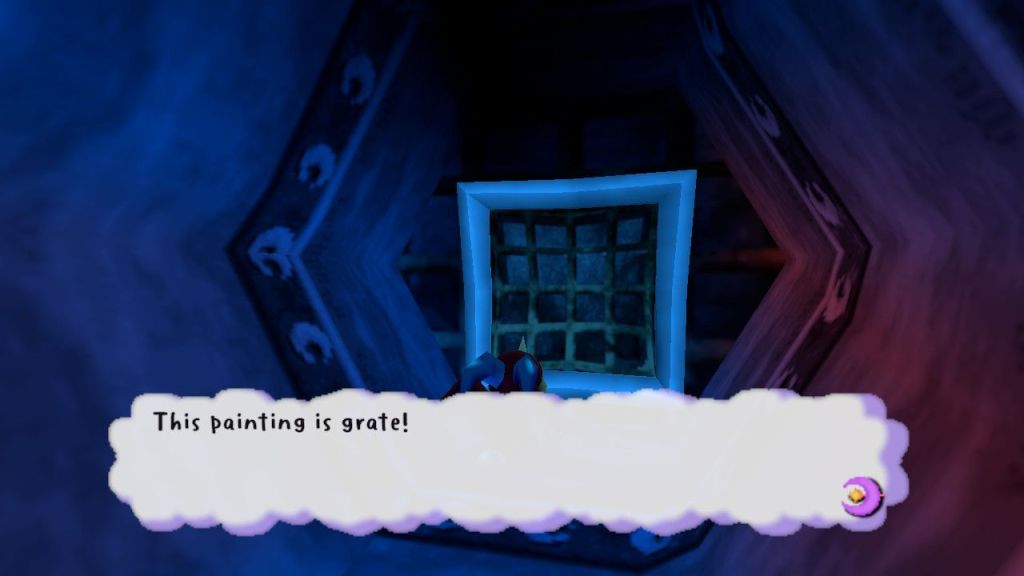
I completed the game at 100% with everything collected and I only had to lookup a hint for the location of one of the collectable cards, which was ridiculously well-hidden if you weren’t paying attention to things. Although it seems relatively prevalent in a lot of indie games, Cavern of Dreams feels like it takes a specific note from Banjo-Kazooie with its hidden secrets that may or may not hint at a larger, undiscovered mystery. Once you collect all of the dragon eggs in the game, you unlock an ability which essentially breaks the game. It’s with this power that lets the player explore “out of bounds”, so to speak. Each area has weird hidden messages and interactions that can only be discovered by learning this final technique. It’s here where some of the Rareware humor shows itself, further cementing the love the developer had for their games, I feel. While I appreciate the “look behind the curtain”, I’m not really a fan of it when games allow me to do so. I usually would rather not see “how the sausage” is made when I’m playing a game, but I know I’m in the minority here.
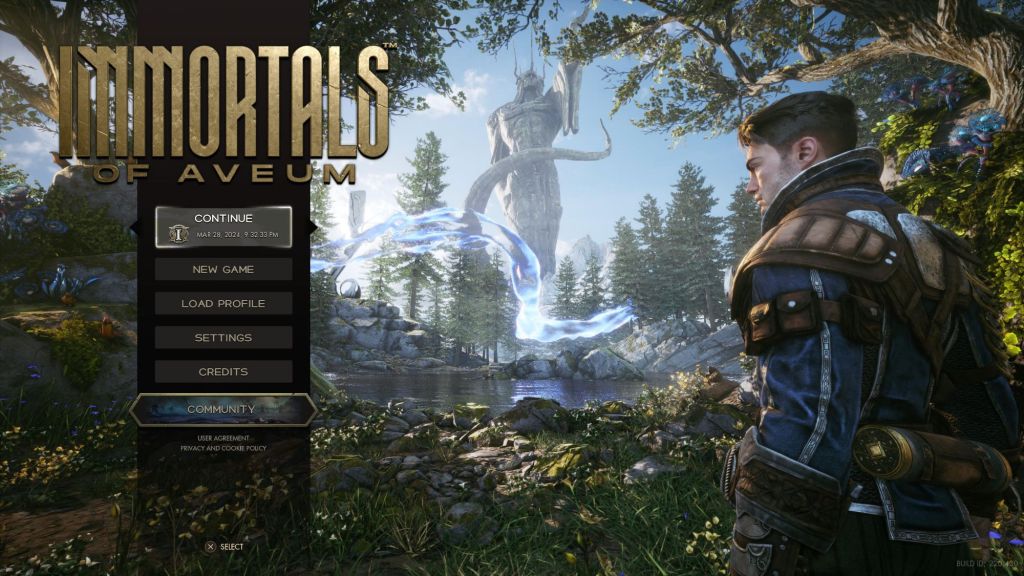
Immortals of Aveum, developed by Ascendant Studios, is a first-person shooter of sorts where you sling magic spells at your enemies instead of bullets. It comes from a new studio consisting of Dead Space and Call of Duty veterans. Similar to the backlash Forspoken received last year, Immortals carries a similar Marvel-esque tone and writing style, complete with one-liners and the epic Hollywood score and presentation you’d come to expect. While this might not be the greatest compliment, Immortals actually feels like a game that would have launched with new hardware. For one, it’s a brand new IP from a new studio consisting of veterans from the gaming industry. There’s an emphasis on the particle effects left behind by the spells you cast too, which has historically been a selling-point for new hardware. Playing Immortals made me think about the jump between PS1 and PS2, specifically From Software’s King’s Field III (which was King’s Field II in NA) to Eternal Ring. Immortals doesn’t exactly feel like it’s taking advantage of the power of the PS5, though. I do wonder if Immortals would have launched with the PS5, instead of say, Godfall, people’s perception of the game would have been different.
The first few hours of Immortals is relatively linear and it consists of set-piece moments and a traditional FPS campaign mission structure. After a certain point, however, the game eventually opens up and becomes Metroid-like where you can explore, find secrets, level-up, earn gear and backtrack to old areas with new powers. The combat in Immortals is relatively tight and satisfying, even if it’s more or less a game of rock-paper-scissors; there’s three elements and each element represents a traditional gun, in a sense, and is effective against certain enemy types. You have blue, green and red magic which are essentially replacements for a rifle, machine gun and shotgun, respectively. The enemy variety is decent; there’s your typical grunt soldiers, big brutes, flying types and shielded enemies, but the game could have used a bit more variety. Fighting most of the enemies on their own isn’t anything to write home about, but it’s most interesting when enemy encounters mix the various types together. You’ll often find yourself frantically switching between your magic types on the fly to gain the advantage and at times, it sort of evokes the feelings I had when playing DooM Eternal. You also unlock three tools (known as Totems) over the course of the game, which can be used in both combat and for other means, such as traversal. There’s a whip ability that can pull enemies towards you, but it also acts as a grapple-hook to cross gaps, for example.
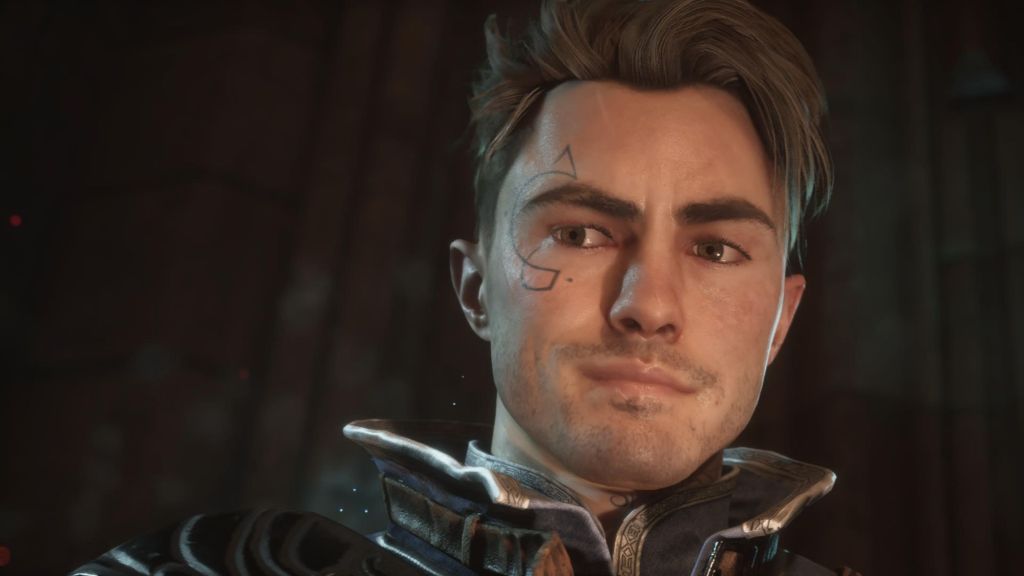
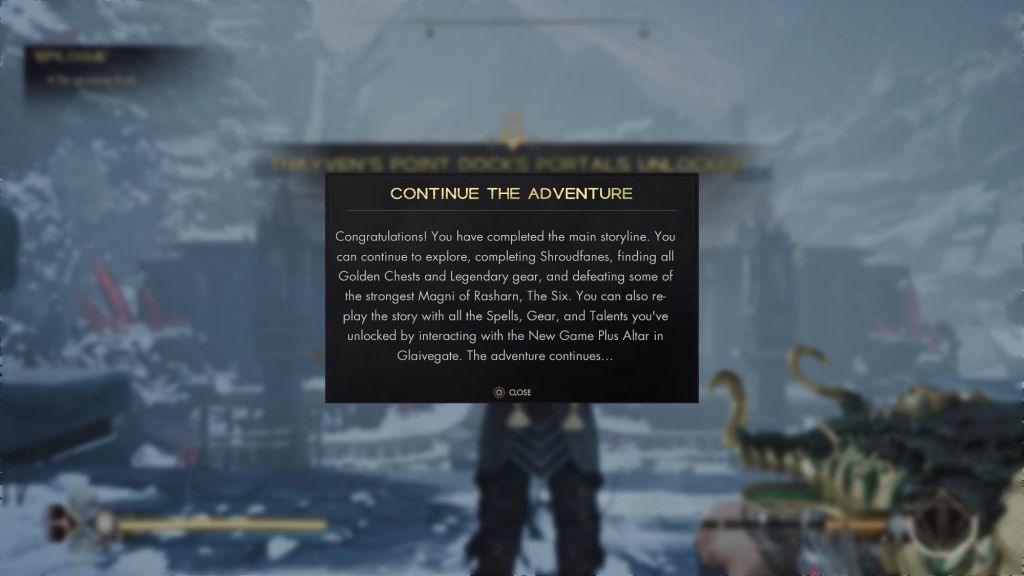

I completed the game on Immortal difficulty, but there’s still a ton of optional content left to do. If I didn’t have another two dozen games that I wanted to play/finish, I would have certainly launched right into new game+ and go for 100% completion and the Platinum trophy. What’s a little upsetting to me, as someone who’s still a completionist at heart, is that there are missable lore items you can collect during each chapter of the game. While you don’t need all of them to earn the trophy that’s tied to it (and there’s no fraction or total to indicate whether or not you have them all), they’re still considered missable. Even with having new game+ as an option, it apparently places you a few chapters in and not at the start of the game. The lore item(s) I’m missing just so happen to be in the first chapter. I wish the developers would have given players the option to skip the first few chapters instead of forcing you, but I’m guessing it’s a non-issue for like 99% of the players who actually did bother to play/finish the game. What’s even more odd is that if you do opt for new game+, it removes the majority of the lore notes you collected, so there’s no way to “have them all” unless you keep a fresh new game save. But why would anyone do that when there’s new stuff only available on new game+? The whole thing is just very odd to me, perhaps just a simple oversight that, again, wouldn’t matter to 99% of the player base. I would love to see a sequel or a new game from this studio again, so here’s hoping they get another opportunity.

See you next quarter.
-Matty

Just a friendly bear who works in financial reporting that would rather be playing, writing or talking about video games. https://twitch.tv/unexpectedenemy
 UnexpectedGames
1 Comment »