Gaming
What I’ve Been Playing (Q4) 2023
Thoughts and impressions on the games I played/finished during Q4 of 2023.
 UnexpectedGames
Just a friendly bear who works in financial reporting that would rather be playing, writing or talking about video games. https://twitch.tv/unexpectedenemy

Thoughts and impressions on the games I played/finished during Q4 of 2023.

I said this last quarter, but I’ll say it again; 2023 has been one of the best and worst years in gaming. Some of the greatest games of all time have arguably released this year, including titles I never thought would see the light of day in North America a decade ago (Like a Dragon: Ishin! and The Legend of Nayuta: Boundless Trails, for example). Last quarter, I shared that 6,000+ people have lost their jobs in the industry. It’s been updated since to be even more than that, so it continues to feel “not good” about the year as the curtains close on 2023. There’s still passionate people behind the games we play, so hopefully my praise (and critique) helps spotlight their works to a degree. With that said, you can read about the games I finished during Q1, Q2 and Q3 of 2023 here, here and here, respectively. On the final day of the year, I have completed 59 games in 2023, so without further ado, here are the games I managed to finish during the fourth quarter (Q4) of 2023.

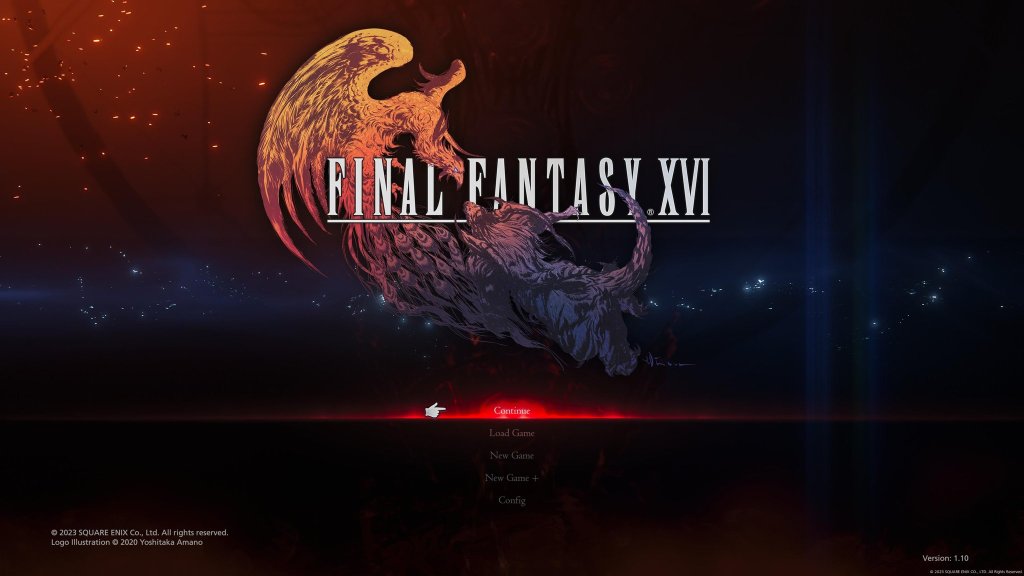
Final Fantasy XVI, developed by Square Enix and CBUIII, is the latest entry in the long-running, legendary Final Fantasy (FF) franchise. Despite being a game about “destroying the legacy of the crystals”, the game still very much adheres to its roots. FFXVI is an action-RPG at its core, a DMC-light if you will. Considering the fact that a former Capcom combat developer joined the team, it’s quite apparent who was responsible for the battle system and overall feel of the game. Although FFXVI tries its best to “not be FF”, it still feels very much like a FF game, at least on a surface level. There’s Chocobos, Moogles, Gil, summons, a memorable cast (depending on who you ask) and spells that end in “aga”. Speaking of spells and magic, nearly all special attacks from enemies are named and it’s most apparent during the big Eikon (summon) fights. The visual/particle effects during these epic battles are what make the game feel truly next-gen. When Ifrit and Bahamut use Hellfire and Gigaflare, respectively, and you see the name of the move pop-up in a window above their massive in-game character model, its hard not to get the chills. Unfortunately, those warm, nostalgic feelings don’t last very long and you slowly start to realize what FFXVI is and is not.
Similar to how I felt about Street Fighter 6’s World Tour mode, with its professionally-shot cinematography and quick-time-events (QTEs), it feels like more Japanese developers, including Square Enix, have been looking at Yakuza/Like a Dragon games over the past few years. Outside of the beautifully rendered cinematics, a lot of the unvoiced, in-game conversations and cutscenes still have that “old-game” feel, for better or worse. While it’s not quite as stiff or dead-eye feeling as a Bethesda game, it still feels like an issue we’ve been dealing with for decades now. Will we ever get to a point where the “best-looking” cinematic is on par with a conversation with the shopkeeper or blacksmith? FF has always been known and praised for its visuals and while the game does look great in some spots, it’s kind of disappointing in other areas. For one, I couldn’t believe the fact that you never get the opportunity to explore any of the major cities/kingdoms from the game. Considering the director, Hiroshi Takai, worked on The Last Remnant (a divisive Square Enix RPG that was arguably a Romancing SaGa game at its core), I was expecting to be able to run about the bustling city streets with their towering crystals in the background. Instead, you only ever get a peek at them from afar during “Meanwhile…” interludes between cutscenes.
The economy in FFXVI is extremely questionable. If you’re playing the game normally; doing all of the side quests and hunts as you progress through the story, you always have way more than enough Gil to purchase the latest equipment. The gear in this game, outside of the accessories, leaves a lot to be desired, however. Since there’s so few stats in the game, the next piece of equipment is almost always immediately better than the last. There’s only a few instances where there’s a tradeoff between older gear and the latest equipment when it comes to your offensive and defensive capabilities, but it’s negligible. Furthermore, there’s extremely expensive music tracks to purchase for Cid’s Hideaway (your base of operations), which simply acts as an in-game music player for the base. Out on the field, the Gil pick-ups are laughable too; you’ll often find yourself running around gathering shiny collectables on the field which result in 15 or so Gil. The entire game, from start to finish, just feels so unrewarding to play. “Final Fantasy” mode, the game’s harder difficulty only available on new game+, should have been selectable from the start. Who has time (or wants to) play a huge 60-80 RPG twice?
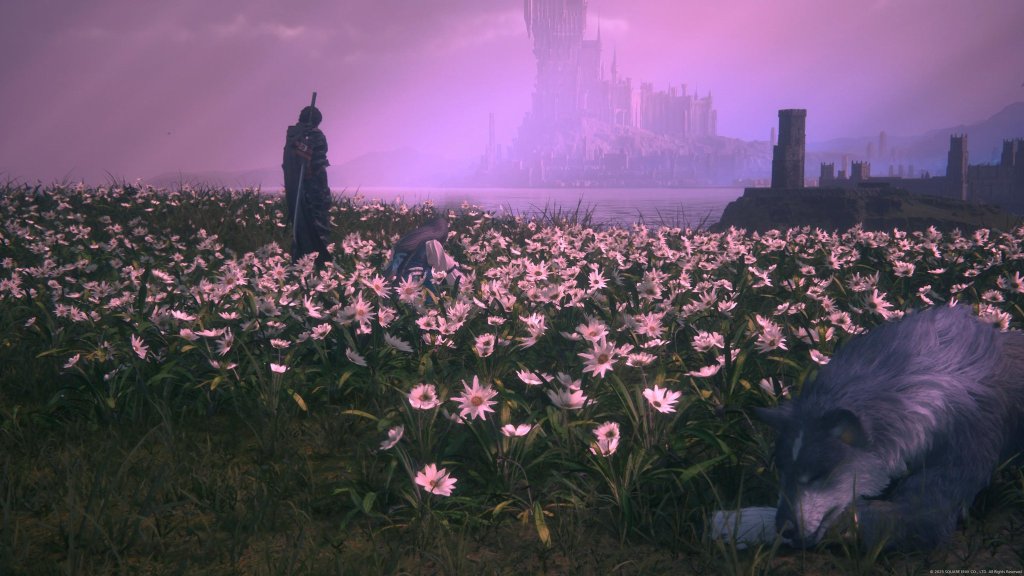
Just like FFXIV, FFXII and FFXI before it, FFXVI’s maps are considered semi-open zones, interconnected areas like an MMO. Early on in FFXVI, you’ll arrive at a place called “Martha’s Rest”. It’s a wet marshland with a town settlement located right in the middle of the map. Ruins, treasure chests, and enemies populate the surrounding area. It’s arguably the first moment where the game feels “open”. The music that plays here makes it feel like you’re finally on a proper adventure. It’s something I feel Falcom has captured and continues to capture in their Ys games. Unfortunately, you’re immediately reminded by FFXVI’s hesitation to commit to anything that would be considered “traditional” by RPG standards (like having a balanced/rewarding economy or interesting enemies to fight). You have fodder enemies, like giant hornets and plant-like creatures, who look like they would cause status ailments to you (such as poison or blind), but they don’t. There’s even Malboro mini-bosses that use “Bad Breath”, but it only does physical damage! Although it was clear the developers wanted to create a more action-oriented combat system, there’s arguably room here to incorporate “old” RPG elements, yet they’re simply not present.
FFXVI does a lot of things right but stumbles along the way getting there. I do really like how organic and natural it feels to travel from the field to a town. Towns and settlements are located naturally in the overworld and there’s no load times running between the two. The load times in general are pretty good, actually. Secondly, there’s a mid/end-game map refresh where the sky changes color and existing enemies get reskinned. It’s something “old” RPGs used to do and while it’s appreciated here, the reason for the map updating isn’t particularly interesting. When this world-shift occurs, enemy levels seem to scale to keep things somewhat “challenging” but the majority of the challenge comes from the optional hunts and the Chronolith Trials. These challenge arenas feel like glorified training tutorials on how to use your Eikon abilities, which are tied to earning trophies and accessories for your character. By performing certain actions during these trials, you can increase your timer and if you manage to finish the trial, you’ll earn an accessory that is beneficial to said Eikon when equipped. There’s really no need to engage with any of this, however, as these accessories certainly don’t make or break any of the encounters.
I also find it interesting that the game doesn’t really have traditional “dungeons”. A lot of the game takes place in interconnected open fields with enemies, towns and the occasional treasure chest off the beaten path. In fact, there’s an “Arcade Mode” you can access from your base that lets you replay what the game considers “dungeons”, but instead, they call it “Stage Replay”. The “stages” in FFXVI almost feel like a product of western Xbox 360 era shooters. They’re extremely linear, set-piece-like sequences with the occasional automated shimmying section or crevice to duck under. You’ll mostly fight enemy encounters in closed-off, arena-like spaces until you reach a boss. These “dungeon” sequences typically precede an epic boss encounter with an Eikon. It’s not unlike how games like DMC or Bayonetta are structured, only in those games, they’re chapter-based and much shorter overall. The first few times you “make the approach to an Eikon” feels exciting, but it becomes formulaic and tiresome when you’re 40 hours in.
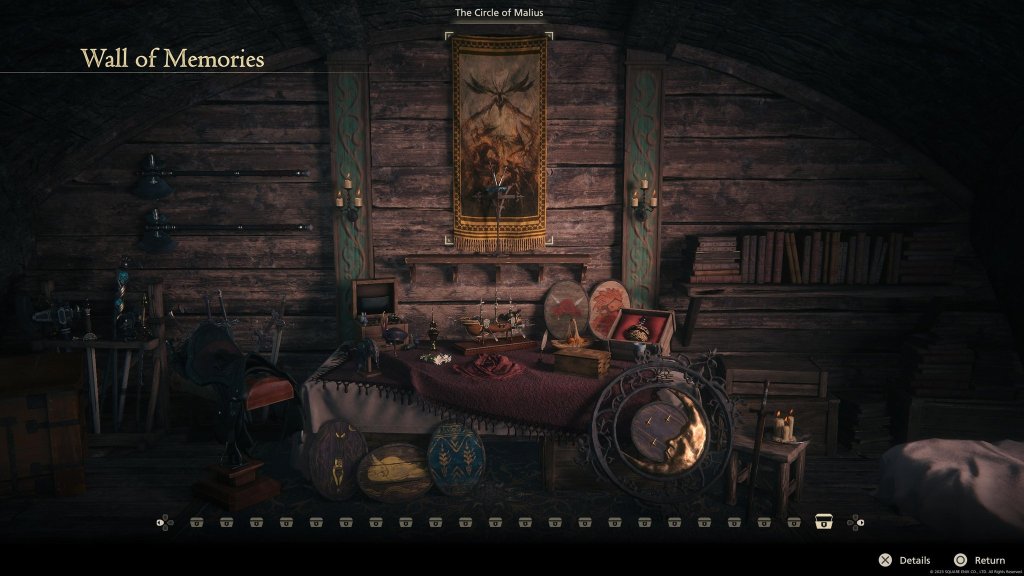
While the side quests feel like they’re straight out of a Bethesda game, stilted conversations and all, the world building and characterization is done fairly well. You’ll meet characters at the start of the game that have questlines that last for almost the entirety of the journey and the payoff for these quests, at least narratively, are worth it (if you’re enjoying the writing). Finally, the game employs a handful of different character models for each NPC, including the main cast, which isn’t something new to the series. It’s also something games like Yakuza/Like a Dragon have been doing for ages. The lifelessness of these side quests is more likely a carryover of FFXIV (which I’ve only ever played for an hour or two), considering the development team responsible here. I completed the game with all side quests completed and Curiosities for Clive’s room collected (which basically means doing everything the game has to offer). There’s a new game+ mode that’s apparently more challenging with some added goodies, but I’m in no rush to replay an 80-hour game right now. I walked away from FFXVI feeling ultima-tely conflicted.
Final Fantasy XVI: Echoes of the Fallen, developed by Square Enix & CBUIII, is a 3-4 hour mini-expansion that takes place during the end-game of FFXVI. Within FFXVI’s world, the Fallen are an ancient group of people who once inhabited the land. Most of their ruins can be found scattered across the Twins (the continent(s) where FFXVI takes place), but the main game doesn’t expand on their history for long. Echoes of the Fallen, however, provides a bit more insight on the game’s SCI-FI/high fantasy world. Final Fantasy is known for having lost civilizations that are far more advanced than the period of time said FF takes place, so I suppose its cool FFXVI get its turn to explore these ideas. The final boss of the DLC is clearly the highlight here. It’s certainly a spectacle visually and it’s easily the hardest challenge the game has to offer. I was level 50 with the best gear from the main game and I still used all of my healing items and died multiple times. Similar to the base game, the final encounter provides the player with multiple checkpoints during the multiple phases of the fight.
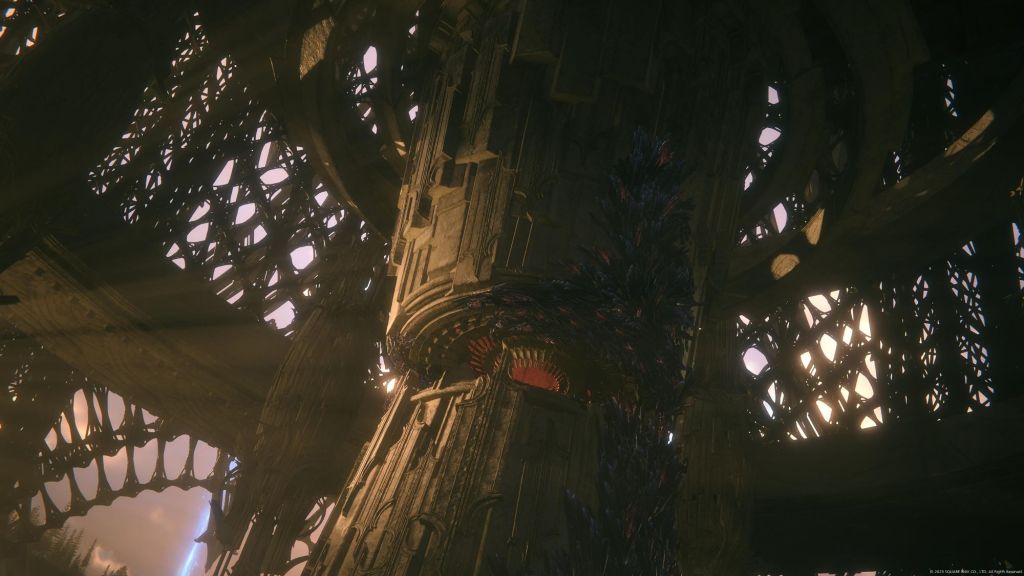
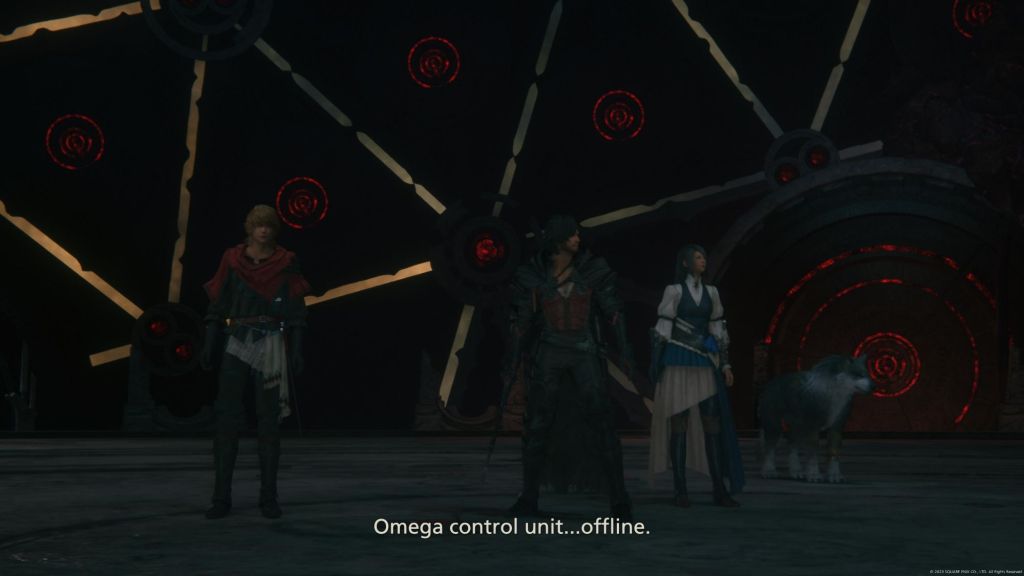
Fortunately for some (or unfortunate for others), your healing items are fully restored if you retry during the fight. I’m not sure if this is different on “Final Fantasy” mode, but it certainly does echo the fact that FFXVI is just a bit too easy and forgiving. I know I could start the encounter from scratch if I wanted a “true” challenge, but why should I when the game allows a full restore on a retry? With that said, while both the mini-boss encounters and the final boss of the DLC are more challenging than the majority of the base game, it appears to reuse/reskin a lot of content, especially the enemies. Even the “dungeon” you “explore” is similar to an area you ran through from the main story. I’m still extremely conflicted on how I feel about FFXVI, but I guess it was nice to be back in this purple-sky world for just a few more hours. I earned all of the trophies from Echoes of the Fallen, excluding the one that requires you to beat the DLC’s final boss on “Final Fantasy” Mode” mode.
Gunbrella, developed by Doinksoft, is a dark and violent revenge story about a man with a gun that also happens to be an umbrella. It’s developed by the same team behind Gato Roboto, and while Gunbrella shares some similarities to their previous game, it’s less of a Metroid-like and more of a quest-driven, action-platformer. You’ll travel from town to town by train and along the way, you’ll solve quests for townsfolk while you search for your child’s kidnapper. Each area has a dungeon-like level which culminates with a boss encounter. The bosses look cool, but they’re mostly easy to take down if you get up close and personal with your gun. You’ll also earn cash and gears which can be used to purchase consumable items and upgrades for your weapon, respectively. Finally, there’s a cooking system where you can collect certain enemy corpses and trade them for meals. The problem, however, is that cooking isn’t always available or easily accessible, especially since there’s no map with marked destinations. If you’ll excuse the pun, most ideas and features in this game feels undercooked. Gunbrella lacks focus and it feels like a game where the developers wanted to incorporate a ton of different ideas, but didn’t have the time/resources to do so.
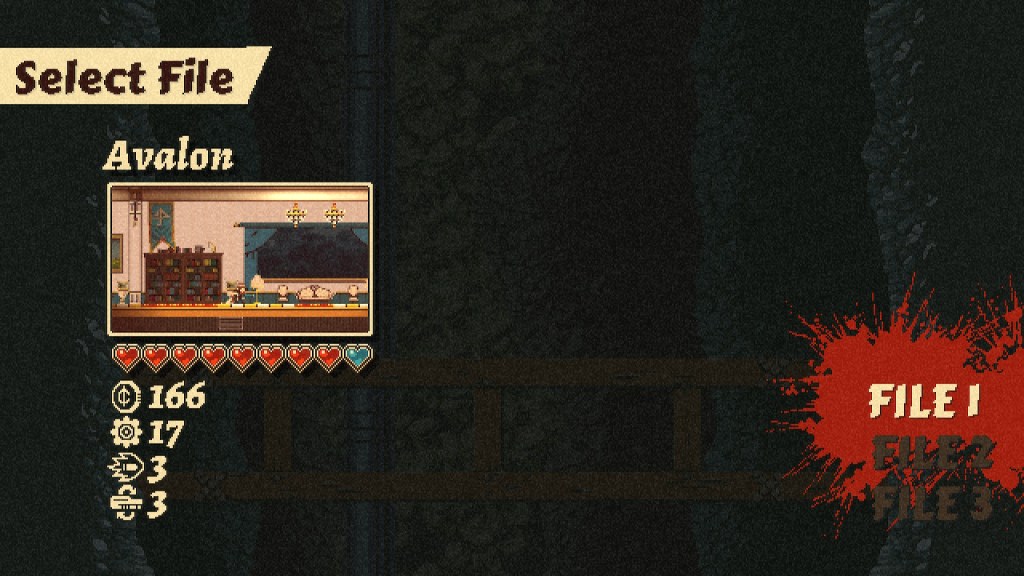
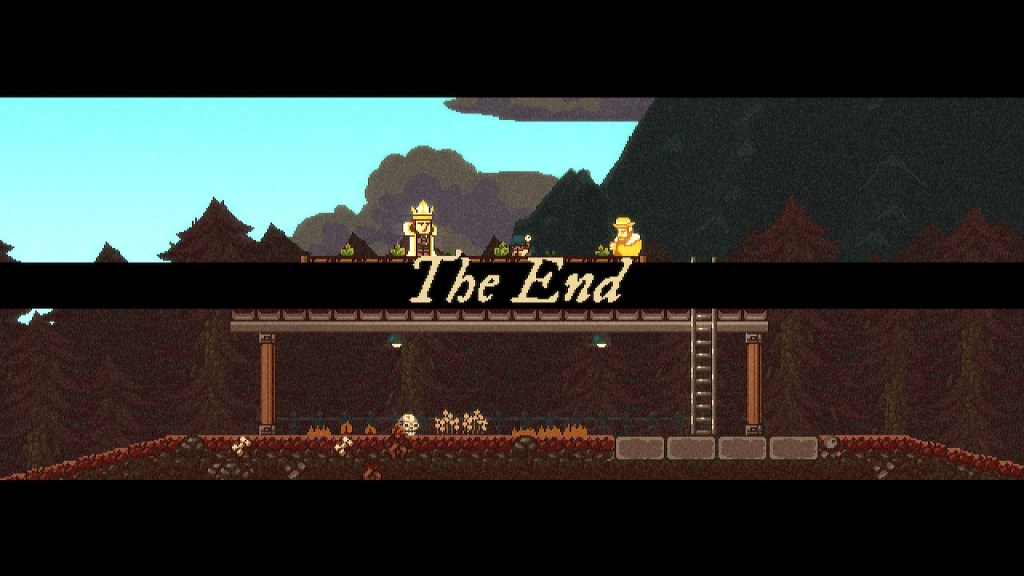
The best thing about playing Gunbrella is using your gun to launch yourself into the sky or a zipline to glide or float to your destination. Unfortunately, the game doesn’t really ask the player to use this technique enough, at least not in interesting ways. I completed Gunbrella on the Nintendo Switch at 100%, I think? Gunbrella is a relatively linear game, but there are a handful of side quests to complete and optional upgrades to acquire. I’m pretty sure I completed every available side quest and upgraded all of the stats to their max capacity (heart containers, firing power and reload speed), but it’s really not clear if I did everything the game had to offer, though. There’s no in-game completion percentage or comprehensive quest list. The game offers multiple choices to the player at specific points in the game, but I’m not sure what impact they have on the story. Perhaps some decisions lock the player out of certain rewards, but I didn’t do enough research after finishing the game. Gunbrella, just like Gato Roboto, locks you out from the rest of the game and auto-saves you right before the final boss. There’s no new game+, chapter select or incentive to replay the game, unless you wanted to see how some of the multiple choices impacted the dialogue. I didn’t dislike the game, but I also didn’t really enjoy it.

Kirby’s Dream Land, developed by Nintendo/HAL Laboratory Inc. is the first entry in the long-running Nintendo franchise. Its humble beginnings paved the way for future installments. One thing I always forget about the first Kirby game is that he doesn’t obtain powers when inhaling enemies. Although I try not to abuse this technique, it seems like you can float to the top of the screen and stay there to bypass most of the levels. In later Kirby games, Kirby will start to sweat and float back down to the surface. It’s certainly a strategy I used on “Extra Game”, the harder difficulty you unlock after you finish the game once (or if you know the input code at the start). For whatever reason, I decided to play this game again on a recent plane trip from the east coast to the west coast.
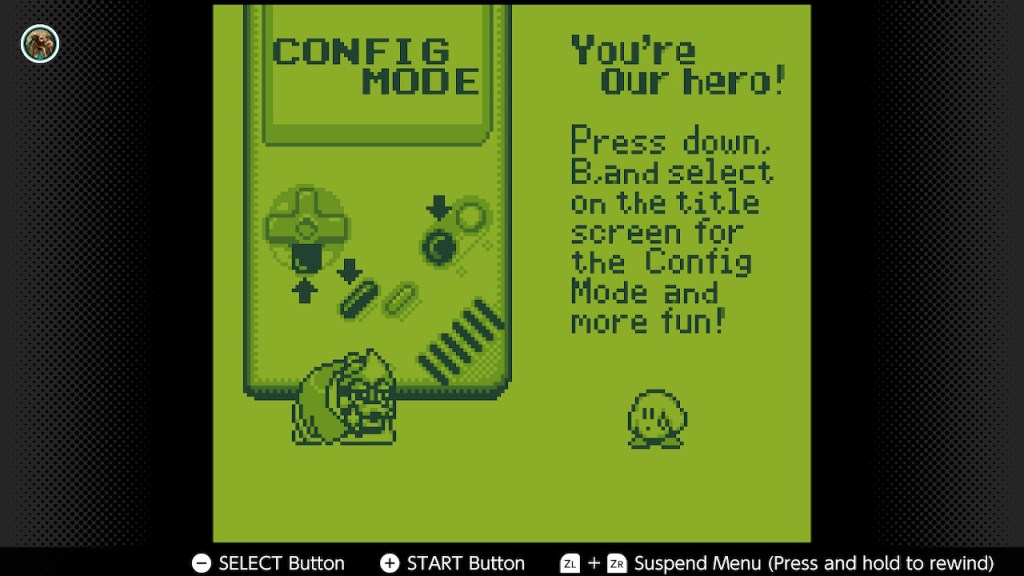

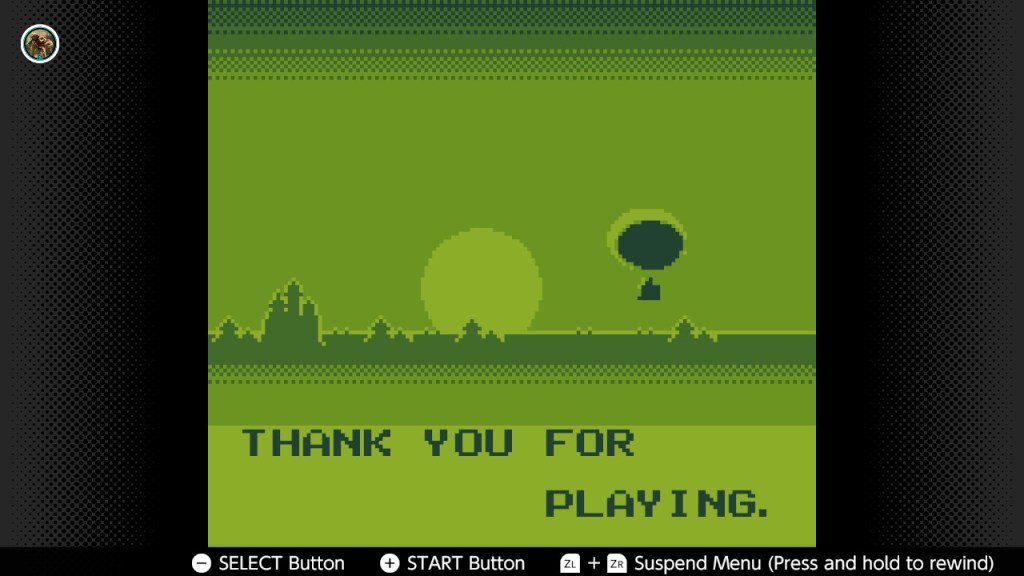
I really don’t like flying and I still struggle focusing on anything or distracting myself during a flight. I typically need a game I can hyper-focus on; something simple or arcade-like typically keeps my head down and engaged. The first Kirby game is extremely short; each playthrough lasts maybe 20-30 minutes. I’ve beaten it multiple times in the past, but sometimes you need to replay an old game to keep yourself grounded, especially when you’re flying through the sky at 500 miles per hour. This time around, I actually finished the Nintendo Switch Online version twice on the plane; once on the default difficulty and another playthrough on Extra Game. It’ll probably be a few more years before I revisit this game again, though.
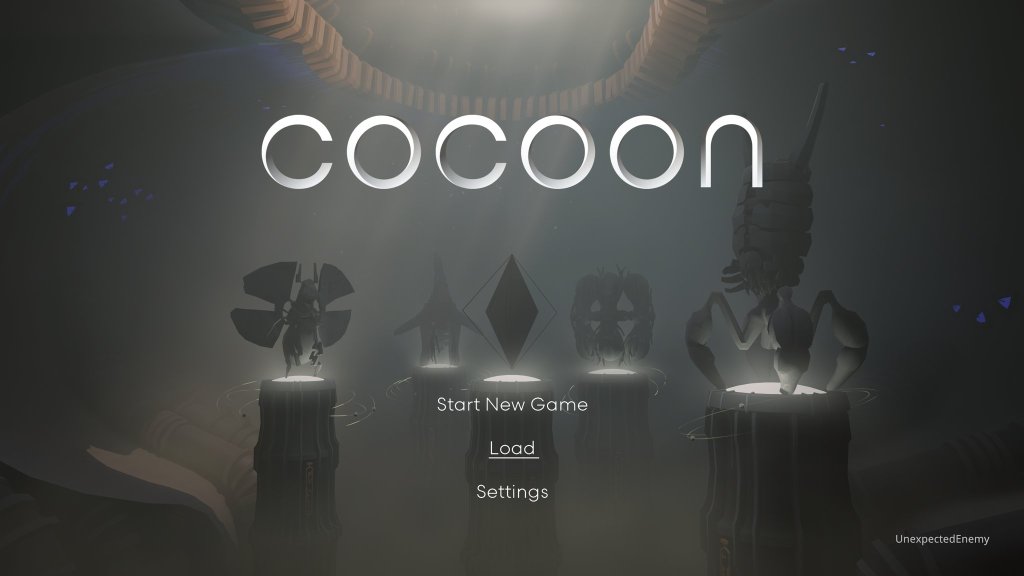
Cocoon, developed by Geometric Interactive, is a top-down, minimalistic puzzle-platformer where you play as a beetle-like creature in a strange world. The game specifically comes from Jeppe Carlsen, the lead gameplay designer of LIMBO and INSIDE, and it shows. Cocoon isn’t exactly a brain-busting puzzle game. The solution to each scenario is almost always right in front of you and there’s rarely any down time between each puzzle. The game is constantly moving forward, until it isn’t, and that’s where Cocoon differs from its contemporaries. Cocoon is a game about exploring worlds within worlds. Very early in the game, you’ll discover an orb, which is actually an entirely different area that you can carry on your back. In certain spots, you can place an orb down and fly into it, revealing an entirely new level. It’s reminiscent of how Marvel’s Ant-Man goes from being human-sized to ant-sized, at least visually. Travelling between worlds is both mesmerizing and essential to progress. By the end of the relatively short journey, you’ll be juggling multiple orbs/worlds at once. The order of operations can definitely become a head-scratcher towards the end, but I never had to resort to a guide, which is always the sign of a good puzzle game.


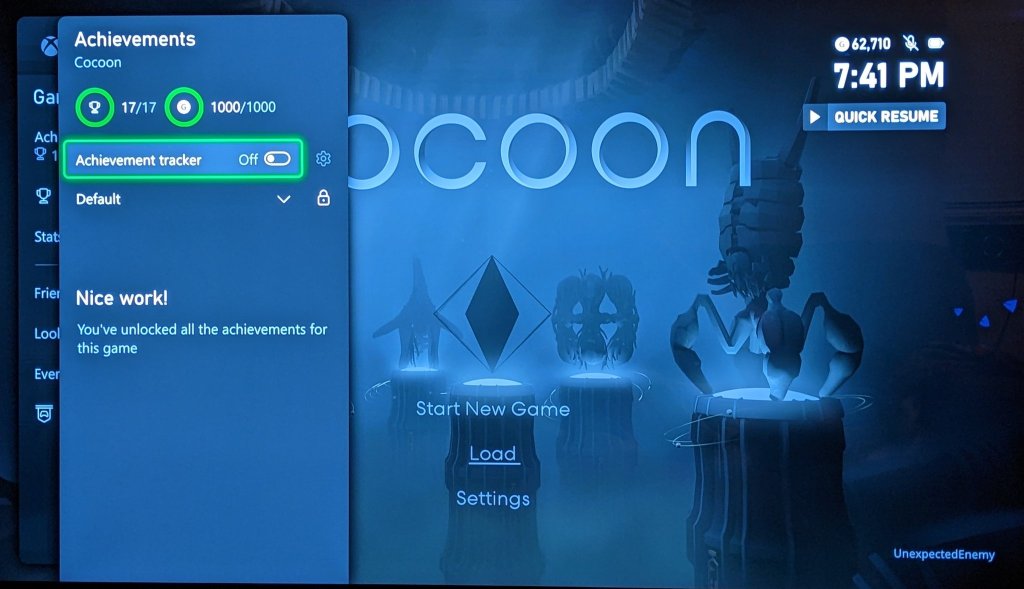
Cocoon is a single-button game, which makes it extremely approachable despite its pedigree. There’s not a single piece of spoken dialogue in the game, either. Like other games in this subgenre, the camera will pull back or move around dynamically to showcase particular sequences. It’s one of my favorite things about these types of games and Cocoon does it effectively and often. The soundtrack is also moody, bassy and appropriately atmospheric. Cocoon is an extremely linear game, but there are a few secrets off the beaten path. In some of the worlds, there are hidden areas which house what appear to be celestial insects which, once activated, take flight. While these hidden creatures are tied to unlocking the achievements, it’s not clear what these secrets unlock in-game. I do think it might impact the ending in a subtle way, however. I played Cocoon on Game Pass and completed the game at 100% with all of the achievements unlocked. It’s easily one of my favorite games of the year.
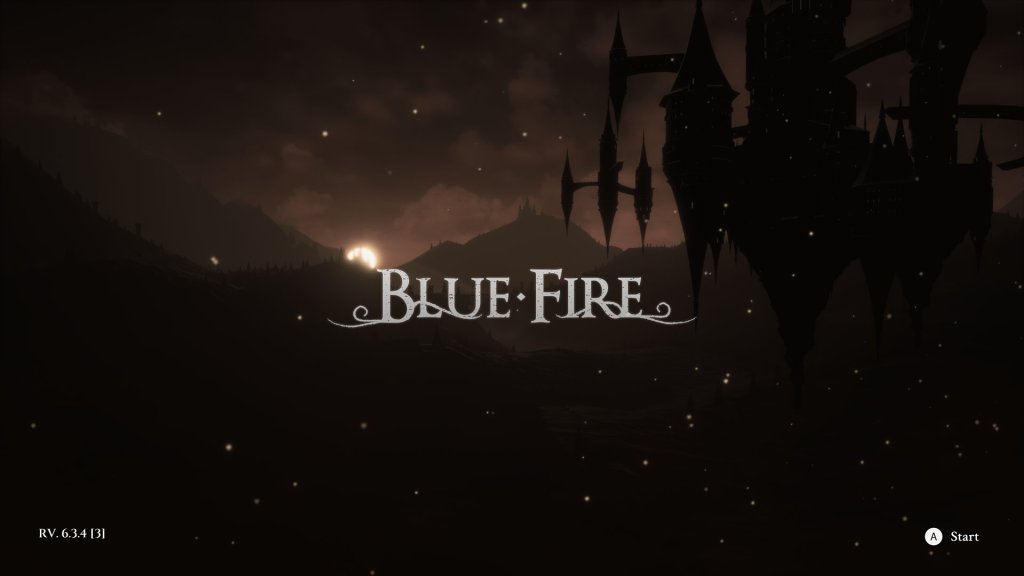
Blue Fire, developed by ROBI Studios, is an action-RPG with a heavy emphasis on 3D platforming. It feels like a product of the post-Souls world we’re living in now, with some Zelda-like influences thrown in for good measure. I sometimes wonder if certain indie games are a response to the success of From Software’s Souls games or if they’re actually original, unique ideas that the developers always wanted to create. I can’t say for a fact, but Blue Fire feels more like the former. Imitation is the sincerest form of flattery, as they said. With that said, Blue Fire actually isn’t exactly a Souls-like; there’s no character classes and I don’t think enemies respawn at save points (but I keep be misremembering). There is an “Estus Flask” equivalent for healing and NPCs who say confusing and vague things to you, however. The game, at its core, feels more structured like an N64 era 3D Zelda game, though. There’s an interconnected hub world of sorts that houses a handful of dungeon-like zones which contain lock & key progression, including boss battles.
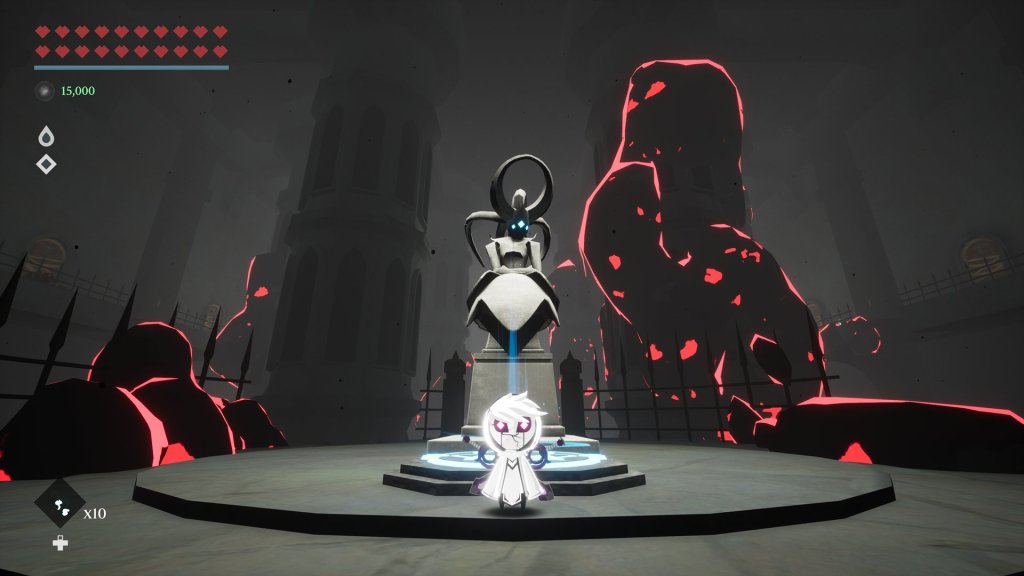

Blue Fire is a quick-moving game that’s surprisingly hard to put down. It just feels good to dash, jump around and collect things. Sometimes, a game just has to nail the basics to keep me engaged. I played Blue Fire on Game Pass and completed the game at 100% with everything collected, but I did not touch the DLC yet. I’m told that it’s just more of the Void challenges from the base game, but far more challenging. Throughout the world, there are isolated platforming challenges, which once completed, grant the player a new heart container (more health). I enjoyed completing these platforming challenges initially, but some were more frustrating than fun, so I’m in no rush to revisit the game anytime soon if that’s what’s waiting for me. Despite the game lacking its own identity, I really enjoyed my time with Blue Fire.

Jusant, developed by Don’t Nod, is a climbing game set in a world with no water. The entire game takes place on a tower where humanity once thrived. Jusant primarily uses environmental storytelling to tell its story; your character doesn’t speak and there’s not a single line of spoken dialogue throughout the entire game (although there are well-written letters and notes to discover which provide some excellent world-building). Jusant is one of my biggest surprises of the year, considering the developer’s pedigree and history. Don’t Nod is mostly known for their narrative-driven adventure games; games like Life is Strange, Twin Mirror and Tell Me Why, for example. They have made action-adventure games in the past; titles like Remember Me or even Vampy to a lesser extent, but Jusant feels like it was made on another planet. There aren’t too many legitimate climbing games out there, either. In an age where everyone is trying to copy how Nintendo revolutionized climbing in Breath of the Wild/Tears of the Kingdom, Don’t Nod opts for a more “realistic” approach while still maintaining that videogame-y feel.
What’s interesting about Jusant, at least from a gameplay perspective, is that you can’t fall off a ledge unless you plant a piton (a peg or spike used to support a climber) into a nearby wall. There’s no game over or health meter in Jusant, just a stamina bar that can get “damaged” under certain conditions. In one chapter, the sun is so intense that your stamina falls more quickly. In another chapter, the sheer force of the wind can reduce your stamina bar even further. It’s these little gameplay wrinkles that keep each location of the tower feel fresh and interesting. Jusant is a cinematic adventure game at its core, but unlike a lot of games in this subgenre, there’s no trial & error since you technically can’t die. I don’t think it’s even possible to throw yourself off of a cliff. The game is specifically designed to always keep you tethered to a rope, even when you’re hanging off the edge of a cliff or running across a wall with rope in-hand. By doing so, the developers have created this frictionless experience, which feels at odds with the fact that it’s a game about rock-climbing.
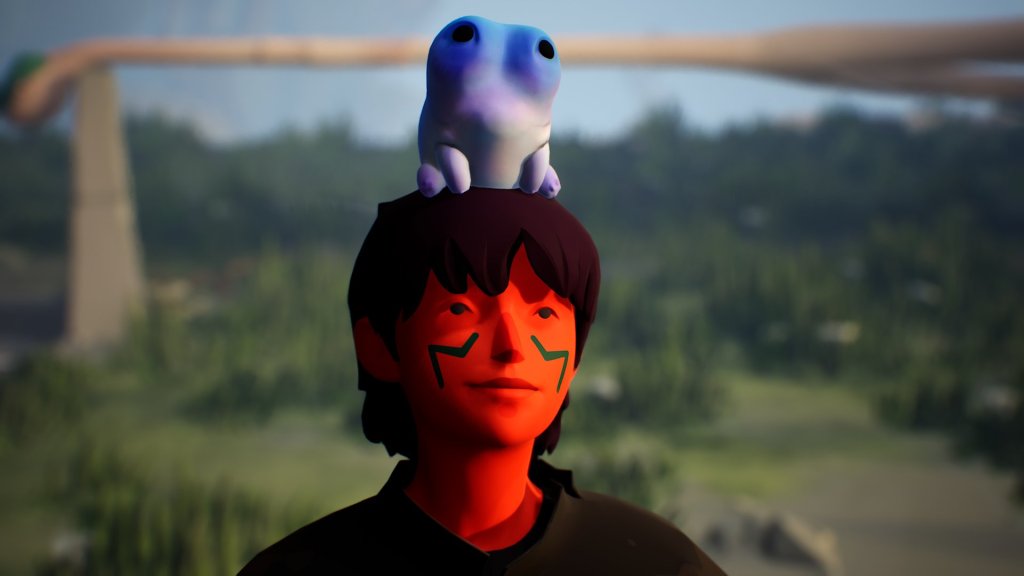
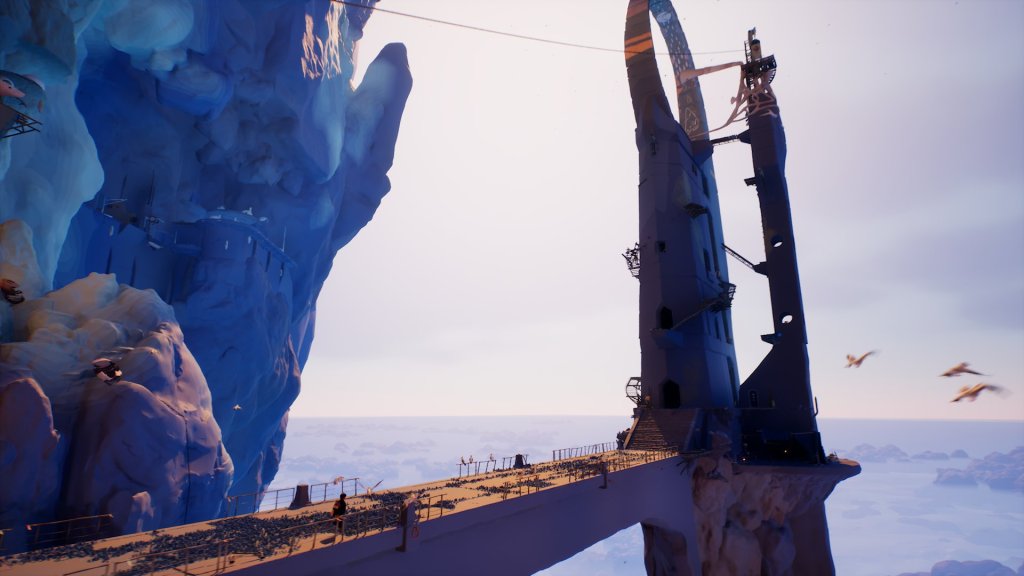

While I was playing Jusant, I couldn’t stop myself from thinking about what a sequel would look like. The game is relatively linear, but there are hidden collectables off-the-beaten path and multiple routes to traverse in order to reach your destination. When thinking about what Don’t Nod could do for a Jusant 2, the recent Tomb Raider trilogy came to mind. I started to picture open-ended spaces with optional tomb-like areas where you’d have to use your climbing gear to solve puzzles or navigate harsh conditions in order to obtain hidden items or upgrades. But then I thought, why can’t I just accept Jusant for what it is; a simple yet memorable and unique experience that perhaps doesn’t need a “traditional” sequel or follow-up.
Jusant does have a few minor quirks, however. I found myself occasionally getting stuck in the geometry, which resulted in having to restart from the latest checkpoint. Fortunately, the checkpointing is forgiving and the whole journey is only about 6 hours long. I played Jusant on Game Pass and completed the game at 100% with all achievements unlocked. There’s a Chapter Select when you finish the game too and it shows you how many of each collectable in the game you’re missing. A warning to those who are trying to collect everything; the chapter must be played in its entirety as the game only saves the collectables you find (so, if you’re missing a collectable at the very end of the chapter, you’re going to have to commit to it). I will probably purchase the game on PS5 (especially if they make a physical edition in the future) as it’s easily one of my favorite games of the year. I am not sure if I necessarily want a sequel to Jusant, but I’ll happily play more games from Don’t Nod where nothing is said.

Super Mario Bros. Wonder, developed by Nintendo, is certainly the best 2D Mario game since the SNES era, but it’s not without its shortcomings. Wonder is gorgeous and it feels creatively charged. Gone are the drab colors and world themes from the New Super Mario Bros. games and instead, you’re presented with a Mushroom Kingdom B-side of sorts, the Flower Kingdom. Taking a page from Super Mario Bros. 3, Wonder’s levels are extremely short yet they never overstay their welcome (which is something I value more than anything when it comes to 2D platformers). Like most Mario games, the goal of each level is to make it to the flagpole, but along the way you’ll collect new series-first collectables called “Wonder Seeds”. Each level is densely packed with hidden blocks, unique platforming sequences and the occasional secret exit. Wonder Seeds are the main collectable, and once collected, they will alter the stage in a unique way. In one stage, you’ll blow-up like a big balloon and float through space and in another level, you’ll turn into a Goomba that has to stealthily sneak by other enemies to reach the goal.
The game rarely reuses ideas, but as things progress, the stage alterations start to lose their luster. With that said, the game’s never not fun; Mario feels good to control and because of the Wonder Seeds, each stage contains a unique “Aha” moment, for the most part. There are also new powerups in Wonder, one of which turns you into an elephant. The transformation is cute and it feels like you’re controlling Wario from the Wario Land games. Slurping up water with your trunk feels satisfying to do, even thought it’s only ever really used to water flowers for coins. Another new feature to Super Mario Bros. Wonder are the Badges. Over the course of the game, you’ll encounter shops and mini-challenge stages where you can purchase or earn new Badges, respectively. The Badges are basically passive/active abilities for Mario; one allows you to wall jump, while another gives you coins when you kill an enemy, for example. I was expecting the Badges to be required for finding other hidden collectables or secrets in stages, to give the game an almost Metroid-like feel, but it never commits to this idea. Badges are really just there to assist new players with completing stages, which from an accessibility perspective, is great.
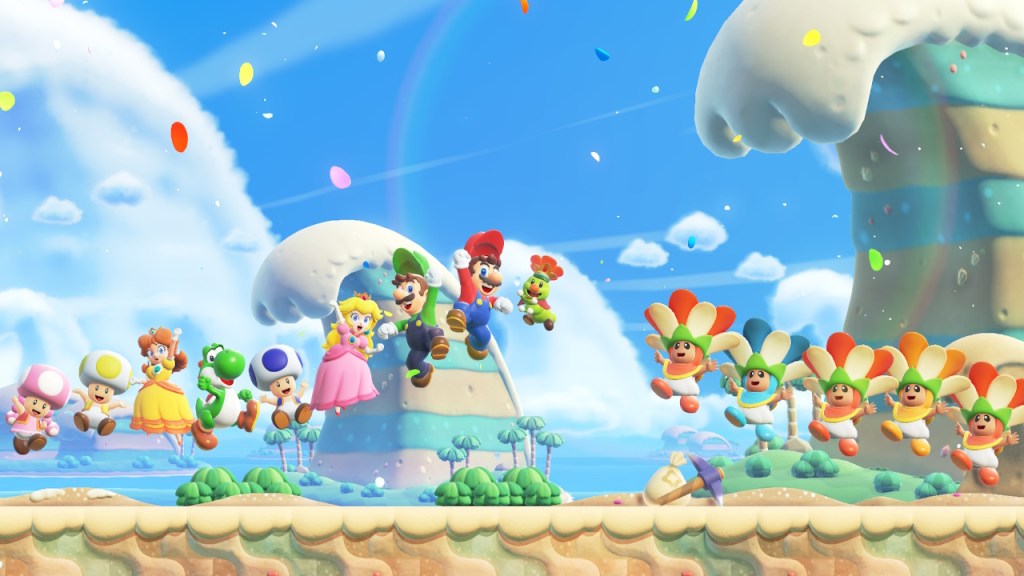
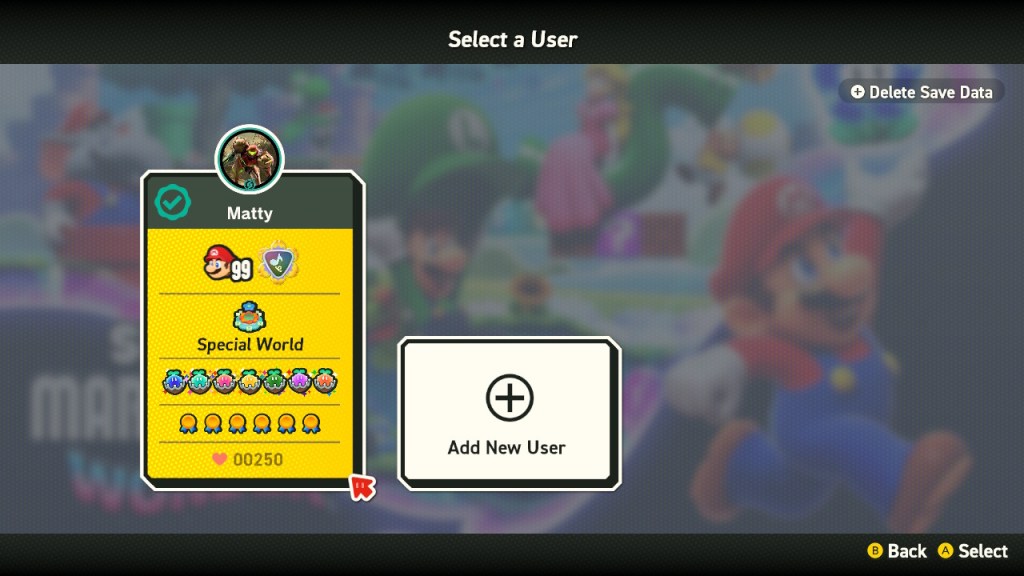
Super Mario Bros. Wonder primarily consists of traditional platforming stages, but there’re also these “Search Party” levels and they are simply not fun. They’re designed to be tackled with a group, but if you’re playing by yourself, they’re just a lesson in frustration. The music, while better or more varied than the New Super Mario Bros. games, still didn’t inspire me to listen to the soundtrack outside of when I was playing the game. I completed the game at 100% with everything collected and all 6 profile medals earned. I really enjoyed my time with the game, but a part of me feels like it was in one ear, out the other; it was over too fast. The “final” challenge stage took 20-some extra lives from me and while it was certainly challenging, it still only took me about 30 minutes to complete. I kind of wanted more from the game when everything was said and done, but perhaps these games aren’t meant to devoured in a week or so. In the future, maybe I’ll learn to savor mainline Mario experiences… who am I kidding, probably not!
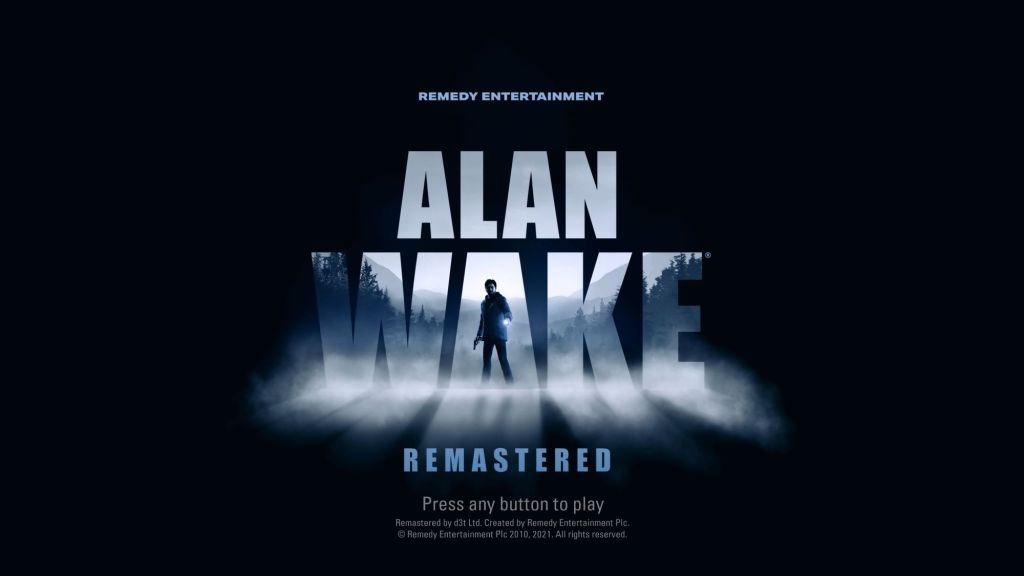
Alan Wake Remastered, developed by Remedy, is a remaster of the original Xbox 360 release. It’s a 3rd-person shooter from a time when brown and grey cover shooters were all of the rave. If you’re not familiar with the game/character, Alan Wake is a best-selling author who’s struggling to write his next piece. With his wife, he travels to a lodge on a lake in the Pacific Northwest to “get away and recharge” when all hell breaks loose. To spoil things lightly, everything Wake writes about starts to comes to life. At the time of its release, the game was clearly inspired by the likes of Twin Peaks. Now that I’ve revisited the game after playing Control, I look at Alan Wake in an entirely new light, however. Remedy is creating a connected universe between their games and I’m completely onboard with the direction they’re taking things. The game itself has aged fairly well, too. Outside of Max Payne, Remedy hasn’t really be known for its combat but taking down enemies in Alan Wake still feels really good. Shining your flashlight to make an enemy vulnerable and then popping their head with a shot of a rifle feels super satisfying to pull off, in due part to the excellent, punchy sound effects. I’d argue it’s as satisfying as earning a head-pop from a pistol in the older Resident Evil games.
In retrospect, it’s interesting to note how each chapter concludes in Alan Wake. When you finish an act, a vocal track will start playing accompanied by a title-card. When you proceed to the next screen, you’re greeted with a “Previously On…” segment where the game recaps the events of the previous chapter. I love when games do this, but it’s not something just any game can pull off. Alan Wake released right before episodic content became a norm in the gaming industry. There was a period of time where developers/publishers felt compelled to emulate TV shows, almost like a Netflix series you’d want to binge on the weekend. We would later see this in Remedy’s very own Quantum Break, with its fusion of cinematic storytelling and live-action downloadable TV episodes, but I digress.
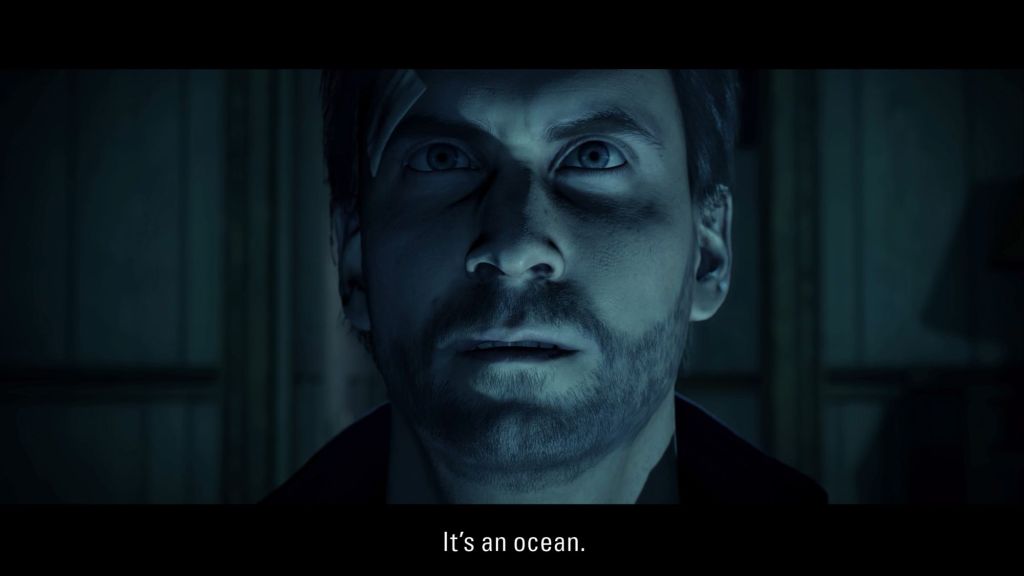

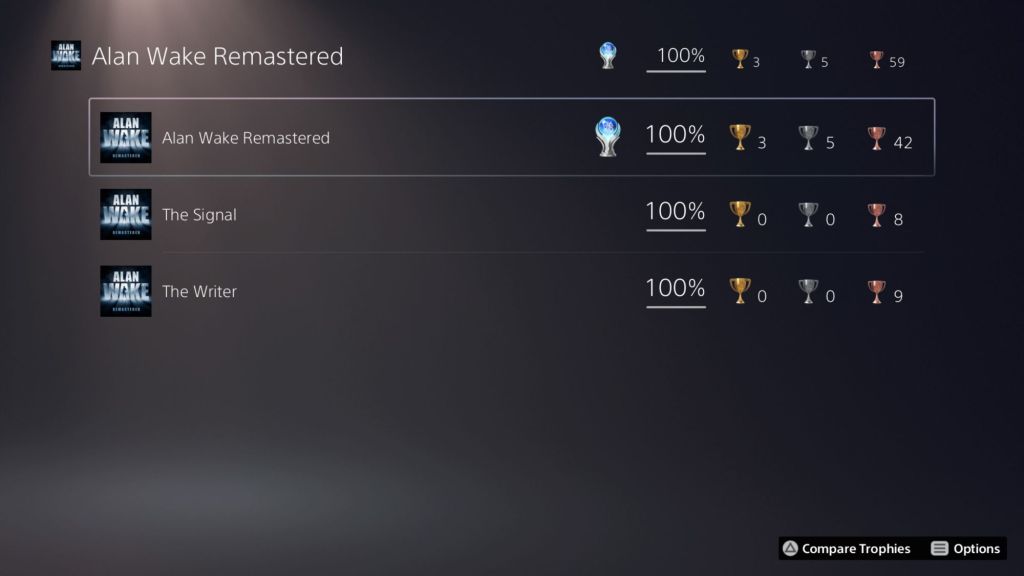
Included in the Remastered edition are both of the original DLC expansions, The Signal and The Writer. I completed both DLCs at 100% (all trophies unlocked). Completing these mini-expansions at their fullest was harder than anything found in the base game, however. There’s trophies for beating each campaign without dying or restarting; basically completing the DLCs in one-sitting. Once you play through one of these DLCs at least once, you can essentially speed-run them in about an hour or so. You can even put the difficulty on Easy if you want to blast through them. The second DLC, the Writer, contained an extremely aggravating trophy list. The DLC is riddled with awkward platforming sequences, something a game like Alan Wake isn’t really known for. With that said, both DLCs do provide some additional context to Alan Wake’s story, including Thomas Zane and what the future could potentially hold for the author and his friends. I can’t wait to finally play Alan Wake II in 2024.
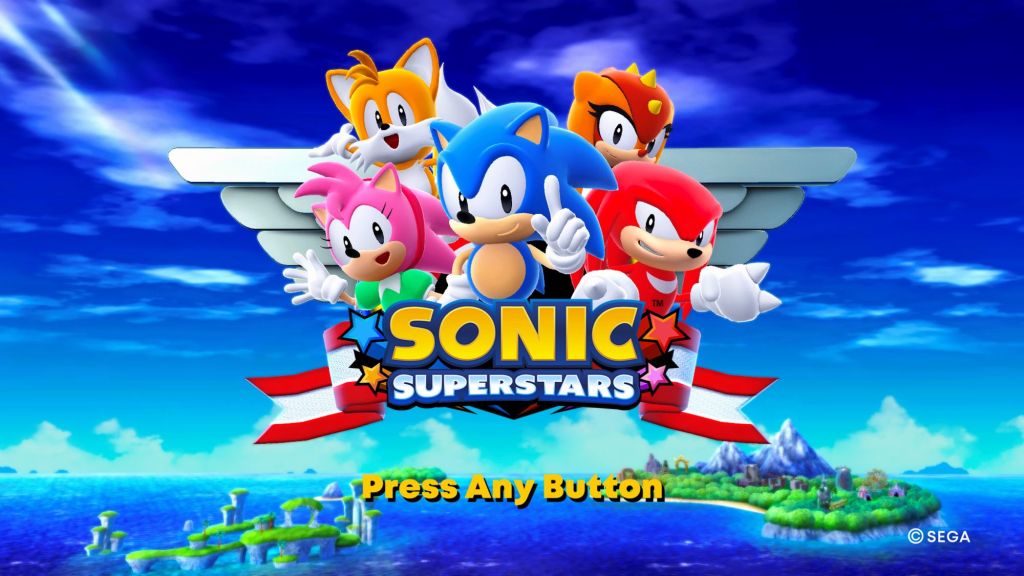
Sonic Superstars, developed by Sonic Team/Arzest, is the latest 2D Sonic game in the long-running Sega franchise. Hot off the heels of Sonic Frontiers, Superstars feels like two steps back, especially if you consider Sonic Mania to be its 2D predecessor of sorts. Sonic Superstar’s new gimmick is using the powers of the Chaos Emeralds. Each emerald grants Sonic and friends a new power once they’re collected, like gaining the ability to swim up waterfalls or turn into a fireball to rocket yourself across the screen. To earn these emeralds, you’ll find yourself jumping into giant rings in the middle of a stage which transport Sonic to a bonus round where you chase down a Chaos Emerald, just like in some of the older games. From my understanding, Sonic Superstars reuses a lot of ideas from previous game, including some assets? It definitely feels like Sonic: The Greatest Hits, despite not starting with a Green Hill Zone level, so that’s a plus. I will typically stomach most “bad” Sonic games if there soundtracks are good. Unfortunately, Sonic Superstars is an inconsistent amalgamation of lackluster tracks and boring themes from numerous composers. Tee Lopes probably has the best contributions here, to no one’s surprise.
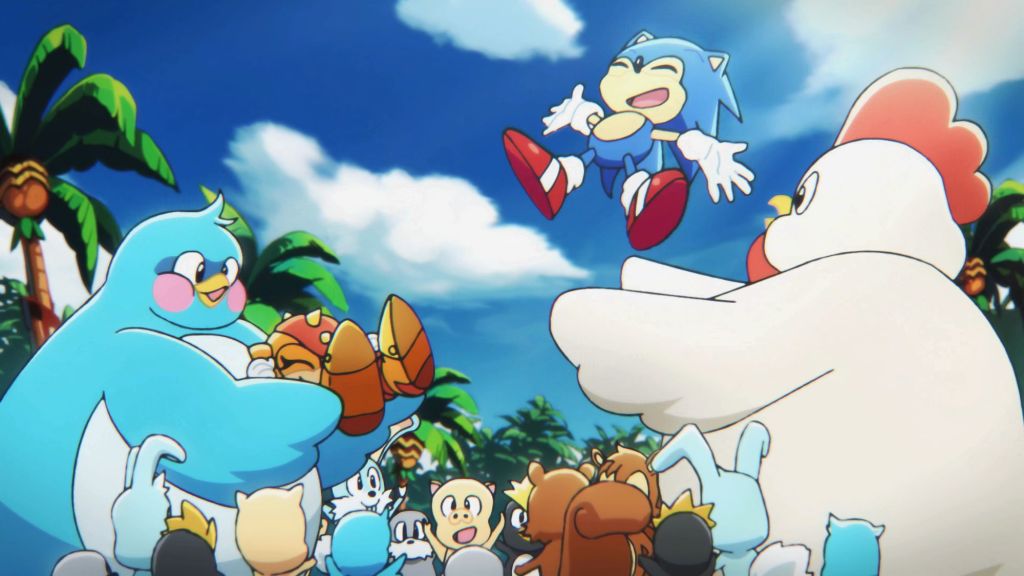
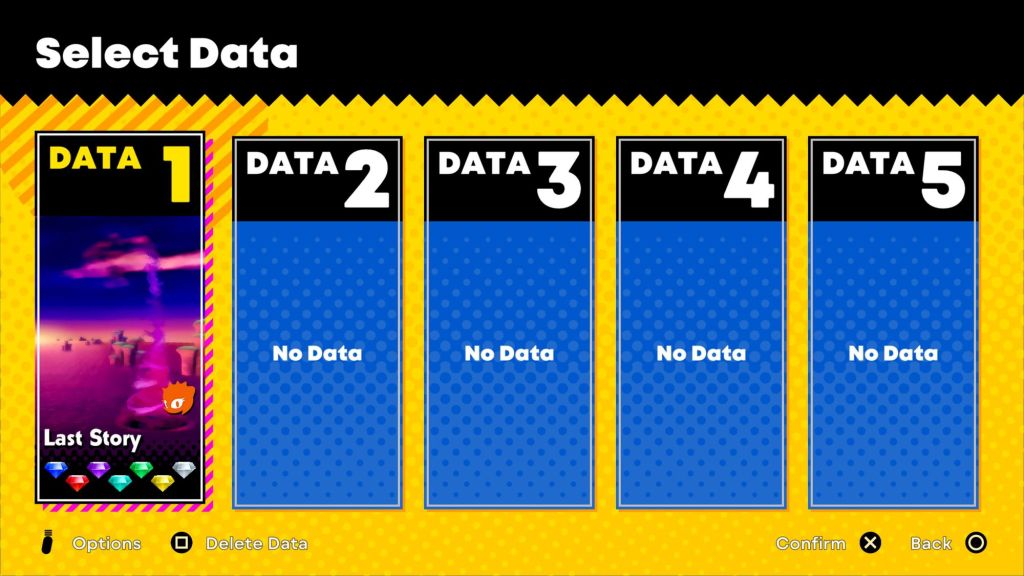
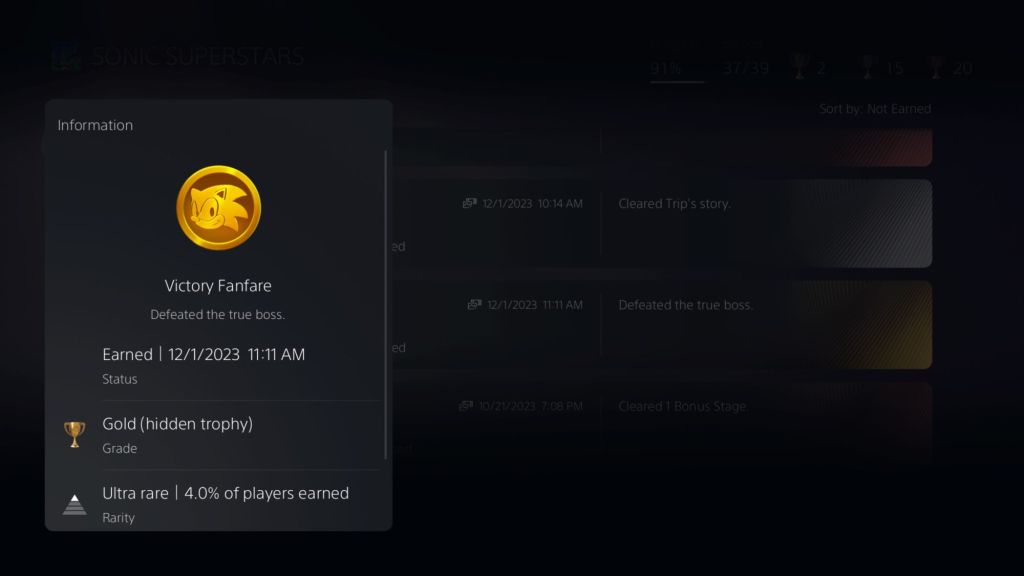
I’m still a completionist at heart, but Sonic Superstars is a frustrating game to complete at 100%. In each level, there are golden enemies to discover. They are hidden in secret spots that usually require the player to use one of the emerald’s abilities. What’s ridiculous about this task, however, is that you must defeat the golden enemy and finish the remainder of the level without dying for it to properly register. If you manage to do this, a golden enemy icon will appear on the stage select screen indicating its record. Sonic Superstars is a glitchy game filled with weird instances where you’ll suddenly die due to the geometry. And that’s on top of the traditional death pits! Some of the late-game bosses are also extremely frustrating to fight, so good luck finishing some of the levels after defeating the golden enemy without dying. I earned all but the one trophy that’s tied to defeating these golden bastards and unless Sega patches the requirements for this trophy, I’m happy not earning the Platinum any time soon. I ultimately did not enjoy my time with Sonic Superstars.
Marvel’s Spider-Man 2, developed by Insomniac Games, is the direct sequel and follow-up to both the original Spider-Man on PlayStation 4 and Miles Morales. I’ve never really been a big comic book guy, but I do enjoy swinging around New York City (NYC) as Spidey and friends from time to time and Insomniac’s recent Spider-Man games provide the best opportunity to do so. Similar to Nintendo’s The Legend of Zelda: Tears of the Kingdom, Insomniac has taken the same space from the previous game and iterated on it. NYC is certainly larger this time around, even if it’s still not one-to-one for obvious reason (I’ve only ever been there once in real-life, despite living on the east coast for half of my life). Spider-Man 2 is exclusive to PlayStation 5 (PS5), so it’s clearly a system-seller and graphical showpiece for a lot of people. It’s the type of game that will likely be bundled with PS5s next holiday season when a “GOTY” version with all of the DLC is included. It looks incredible, and expensive, considering the budget it had.
What’s unique about Spider-Man 2 is that you can now switch between Peter and Miles at any time and they both come equipped with their own unique combat abilities and skill trees. Combat feels mostly the same as the previous games, for better or worse. You’re still launching or sliding under foes to take them out and the enemy variety is only slightly more interesting due to the introduction of mechanical dogs (who can disable your abilities) and birds (who must be taken out with aerial maneuvers). One knock against the combat is that it feels like you’re almost always just throwing your abilities and gadgets out without thinking about anything. I played the game on Spectacular difficulty (the hardest available difficulty at the start), but I never felt like I had to think about the strategy behind it all. Most encounters feel like they boil down to launching all of your abilities/gadgets right out of the gate and then punching, sliding under, or launching combatants until your cooldowns recover. Also new to Spider-Man 2 is the ability to perform parries. When enemies flash red, you can either avoid their attacks or parry them, so that can make encounters slightly more engaging. The boss fights are definitely more interesting than anything else in the game, but many of them take place over the course of multiple phases and can feel like punching bags at times.
The most impressive thing about Spider-Man 2 are the loading times. Due in part to their programming wizardry and the power of the PS5 hardware, Insomniac has somehow managed to create a fast travel system in a sprawling open-world with almost zero downtime. When you unlock a part of the city to fast travel to, you simply pick a spot on the map and the game will relocate you to the nearest street. In an instance, the map screen zooms in on the spot you picked and you’re immediately placed mid-swing, ready to tackle crime. Spider-Man 2 takes a somewhat more organic approach to its open-world map design. While there are still collectable/activity icons littered on the map, it’s far less cluttered than its contemporaries. Most of the side activities serve some narrative purposes; you’re hardly collecting or doing things just for the sake of checking-off items on a checklist. With that said, the payoff for completing these optional quests end on cliffhangers, perhaps as jumping-off points for future DLC expansions.
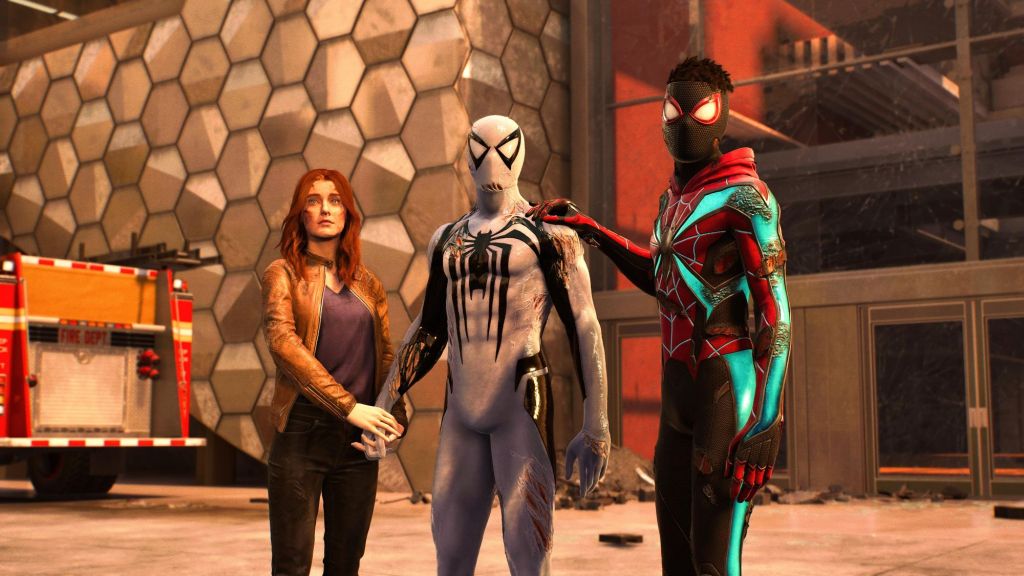
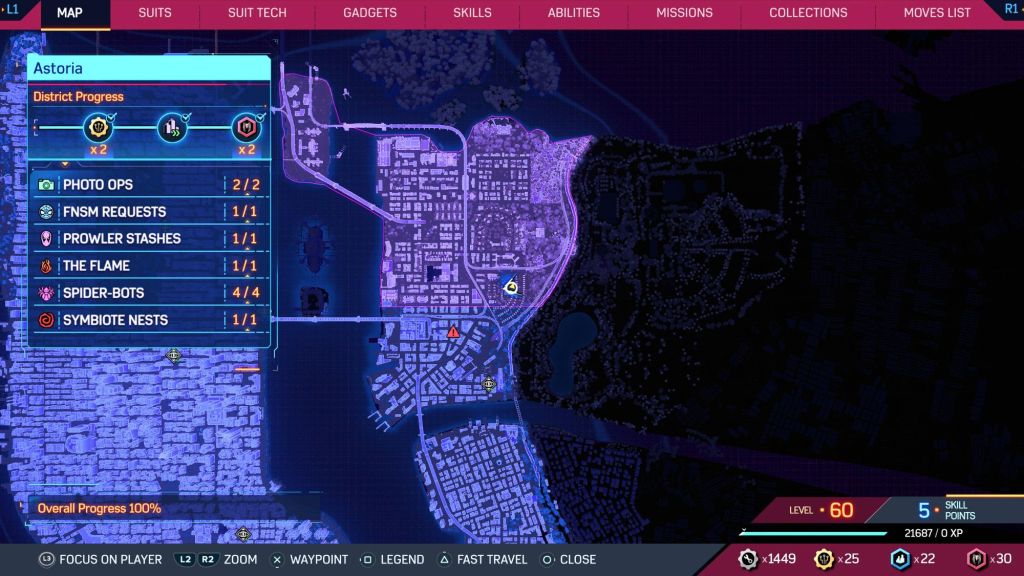
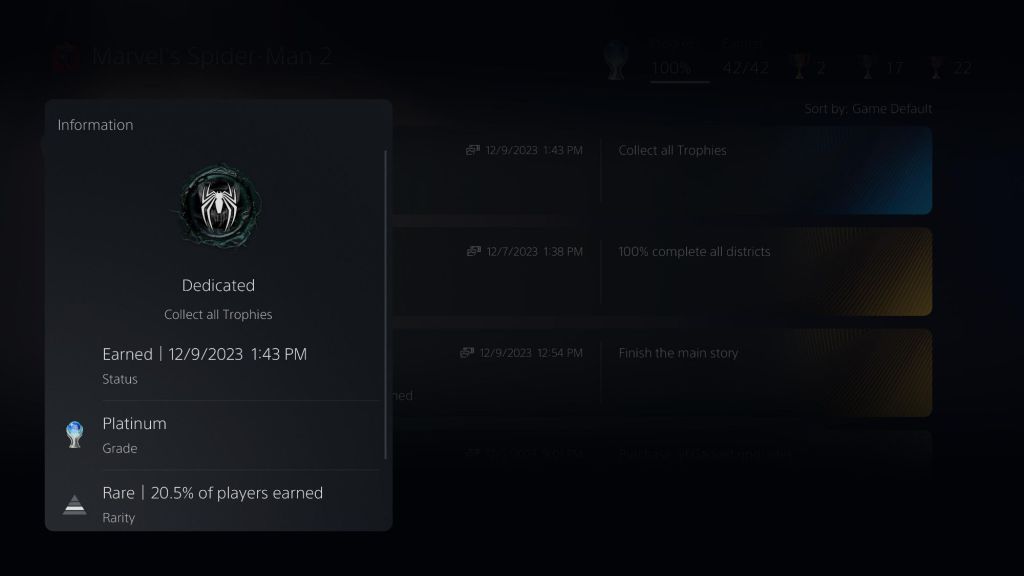
Speaking of side quests, I went back to my Lost Judgment playthrough while playing Spider-Man 2 and it made me realize what Insomniac’s Spider-Man games are missing. I personally don’t find most comic book villains particularly interesting. Kraven, one of the game’s main antagonists, enjoys hunting supervillains, many of which Spider-Man has previously “put away”. While Kraven has his reasons and it makes for an interesting campaign with some great character moments and epic set-pieces, I wish there was more of a focus on Spider-Man being a friendly neighborhood spider. There’s hardly a reason to be on the streets of NYC unless you’re stopping to complete one of the randomly generated crimes. The game flirts with these ideas, like when you help a blind woman with her problems or assist a bunch of school students with their tasks, but I would have honestly welcomed 50 or so of these quests, similar to Ryu Ga Gotoku Studio handles sub-stories from the Yakuza/Like a Dragon games. It’s clear that Insomniac wanted to strike a balance between being an approachable, breezy campaign to an overly dense open-world game, and for most people, it seems like they found the sweet spot. I enjoyed my time with the game and completed it at 100% with the Platinum trophy earned, but I think I’m ready for Miles to become the main Spider-Man now, though.
The Legend of Nayuta: Boundless Trails, developed by Falcom, is an enhanced HD port of the original 2012 PSP release which has not seen an official localization/translation until this year. It’s a game I’ve been wanting to play for well over a decade, so I’m thrilled I got a chance to finally play the game in English for the first time. I’m not too familiar with the original release, so I don’t know what’s been added/changed. There’s definitely some quality-of-life improvements (QoL) here, most notably a feature called “High-Speed Mode”, but more on that later. Nayuta takes a similar note from the Ys series book by taking place in one specific location within a much larger world. You’ll hear about other nations and political issues happening around the world, but the game focuses on a specific island and its inhabitants. In Nayuta, most people believe there’s an edge to the world, a flat earth society if you will. You play as a young handyman of sorts who quickly discovers that there’s a gateway to another world located on the island you’ve been living on. From there, you encounter a realm with four continents that are suspended in different seasons of the year.
Surprisingly, despite taking place in a fictional fantasy world, the game incorporates the same seasons we have here in the northern hemisphere; autumn, winter, spring and summer. Each continent initially takes place during a particular season and contains a handful of stages which culminate in excellent boss encounters. Levels typically take a few minutes to complete, perhaps a product of it originally being a portable game. Each stage contains 3 crystals to destroy, treasure chests to find and an additional challenge to complete, like finishing the level under a certain time limit or killing a certain amount of enemies. Completing these objectives earns you stamps, which can be traded for new weapon techniques. Nayuta feels more like a dungeon crawler, considering you only play as a single character, it’s more akin to the likes of Falcom’s Xanadu Next or Zwei. That’s not to say that the the character progression feels any less rewarding; there are two weapon types to equip, gear which impacts your stats in various ways, and even a familiar who can cast magic spells. Interestingly enough, if you compare 2012’s Nayuta to 2023’s Final Fantasy XVI, Nayuta feels like more of an RPG, considering the simple fact that it has elemental affinities, status ailments and accessories that actually make a difference in combat.
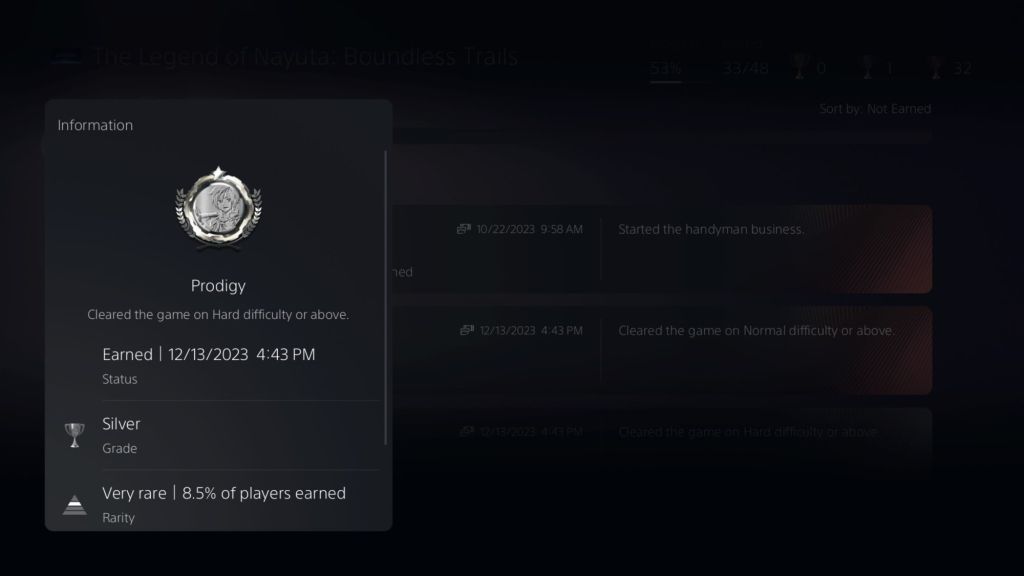
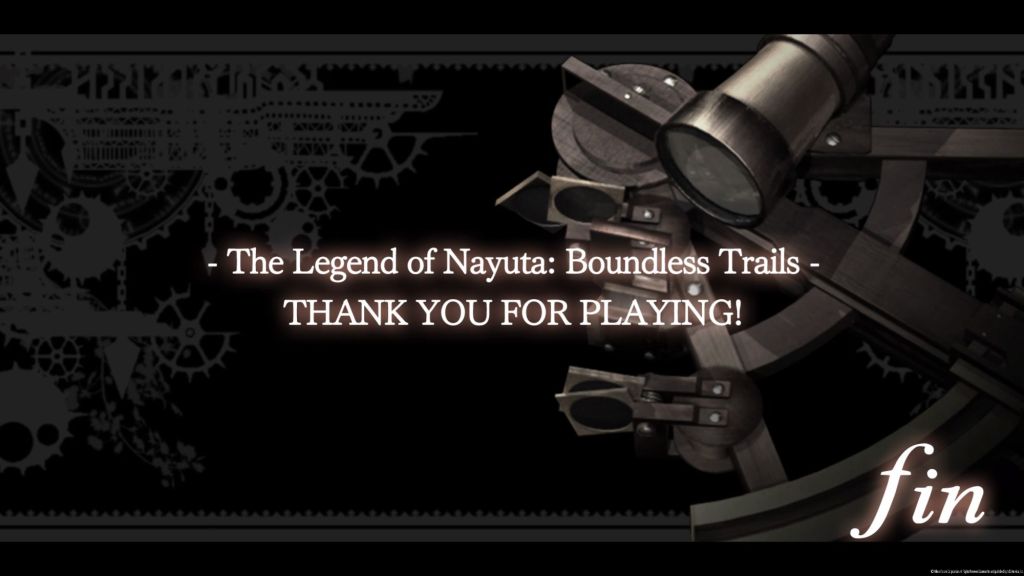

The High-Speed Mode almost feels like a necessary feature to play the game. Nayuta is a slow and deliberate action-RPG. It’s closer to Falcom’s very own Ys series in terms of how it feels to control, but it’s arguably a simpler game, even compared against the more complicated games in the series. Running and jumping sometimes feels like you’re wading through water, unless you’re using the High-Speed Mode. With that said, I never got to experience the original release, so if I played this game back in the day, I wouldn’t have known or expected a mode/feature that “sped-up” all of the actions/animations. It’s also kind of a new feature for modern-day turn-based RPGs, especially remasters of games from the late 90s/early 2000s. While some purists might not appreciate modes like this, at least for Nayuta, using this feature can make certain parts of the game both easier and more difficult depending on the situation. If you’re platforming or learning boss patterns, you’ll want to retain the normal game speed, but if you’re trying to speed-run a level or grind materials, the High-Speed Mode is invaluable. I really enjoyed trying to find the balance between playing the game normally and speeding things up when needed. I completed the game on Hard difficulty with as many of the side quests completed and collectables earned, but there’s more content on a new game+ and an even harder difficulty after you finish the game. A part of me wants to replay the game in 2024, but perhaps I should try to play catchup on The Legend of Heroes series proper first.
NORCO, developed by Geography of Robots, is a point ‘n click adventure game that takes place in what feels like a not-so-distant New Orleans. The game deals with industrialization and the decay of lower-income families impacted by corporate greed, drug use, how religion warp’s people’s minds, toxic internet culture and other topical issues, most of which we still see today in our society. The writing, more than anything, carries this game. It perhaps has some of my favorite dialogue and characters in any game to date. The Garretts, without spoiling anything, are some of the most memorable group of degenerates I’ve ever had the displeasure of knowing. The character portraits and sprite-work are detailed too; they’re chunky and use just the right amount of subtle animation to give each NPC some personality. Although the two main protagonists are more or less faceless, the writing and descriptions are so evocative, I found myself painting a relatively clear picture in my head as to what the characters looked like.
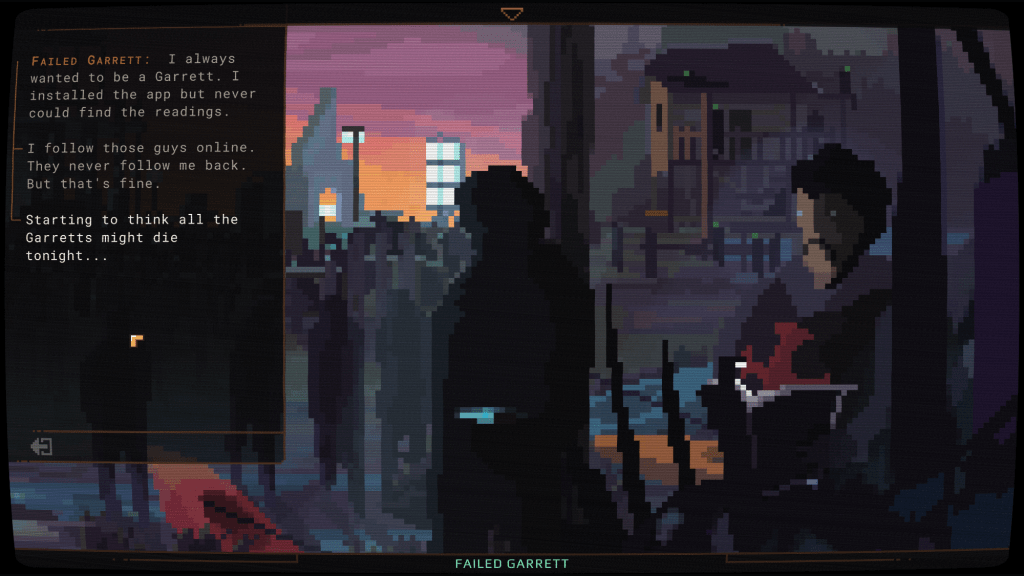
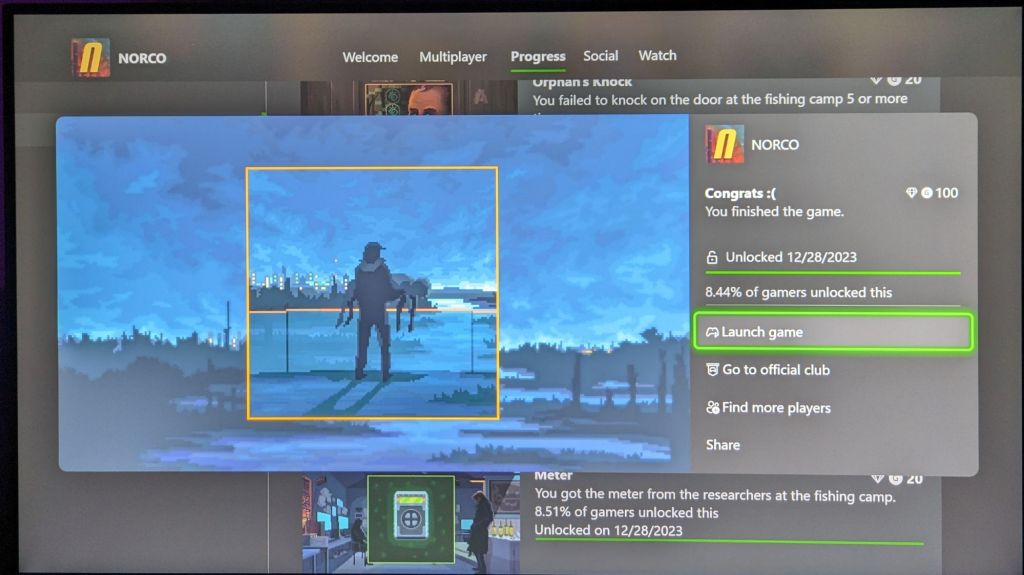
Norco isn’t a terribly long experience, either. You can revisit each act through the chapter select as you complete them, but there are a lot of hidden scenes and actions which are tied to optional achievements, if you care about that sort of thing. Many of these achievements require the player to make certain decisions in one act while following through with those actions in another, so unless you’re an adventure game aficionado and you’re taking notes, you’ll likely need a guide to see and do everything the game has to offer. I completed the game with a bad ending, but I think there are multiple conclusions to the story? NORCO is a trip. The story goes places by the end of its 5-6 hour campaign and I couldn’t tell you if I completely understood what was happening right before the credits rolled, but I loved every second of it.
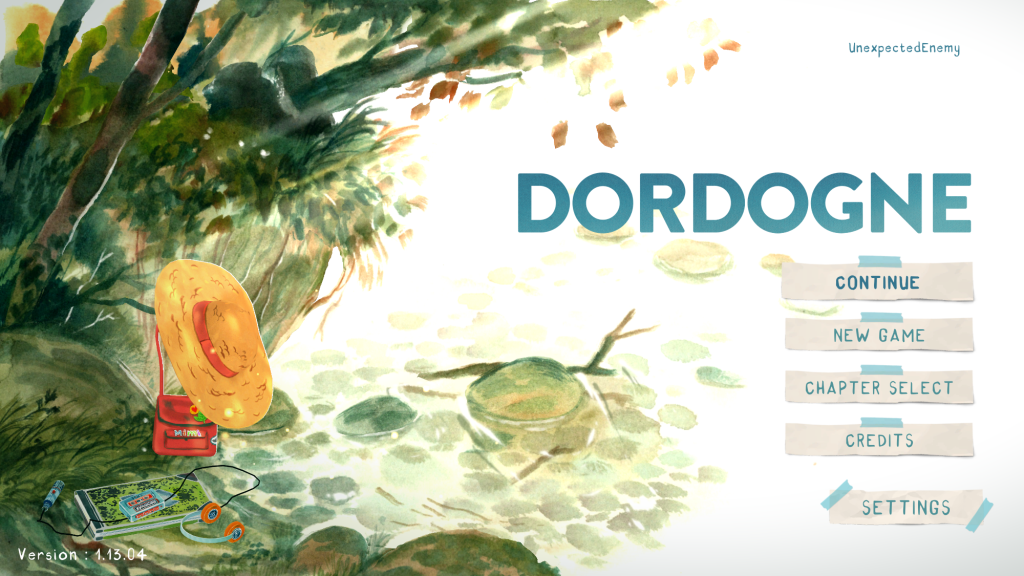
Dordogne, developed by UN JE NE SAIS QUOI and UMANIMATION, is an adventure game of sorts where you play as a young woman who visits her deceased grandmother’s home before it’s put back on the market to be sold. As a child, you begrudgingly spent a summer with your grandmother doing things *some* kids might do during summer vacations; eating sugary cereal, kayaking, catching fireflies, and scrapbooking, for example. Speaking of scrapbooking, creating journal pages at the end of each day is a big part of the game. In each chapter, there are stickers, words, sounds and pictures to collect, which are used to decorate your scrapbook. You can freely create as many of these pages as you want too. You’ll also learn about the dynamics between your grandparents and parents, while making a life-long childhood friend along the way. Dordogne is a beautiful game with its mix of 3D animation and watercolor aesthetics. The music is excellent and the game primarily uses fixed camera angles too, which I really appreciate. During some of the cinematics, it feels like you’re watching an animated Disney short at times. It also sort of feels like a simplified Boku no Natsuyasumi game, but with the life-sim aspects removed.
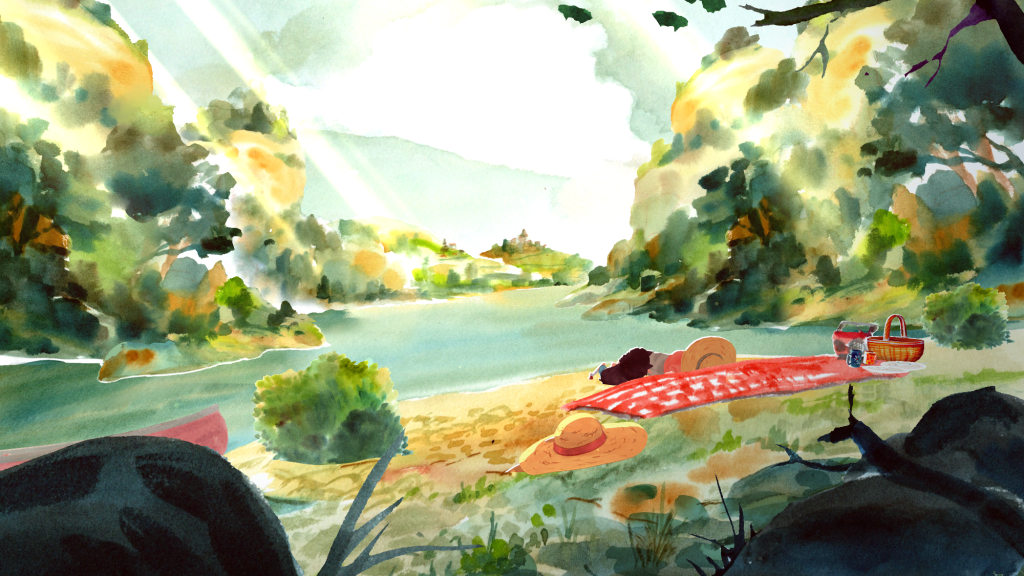
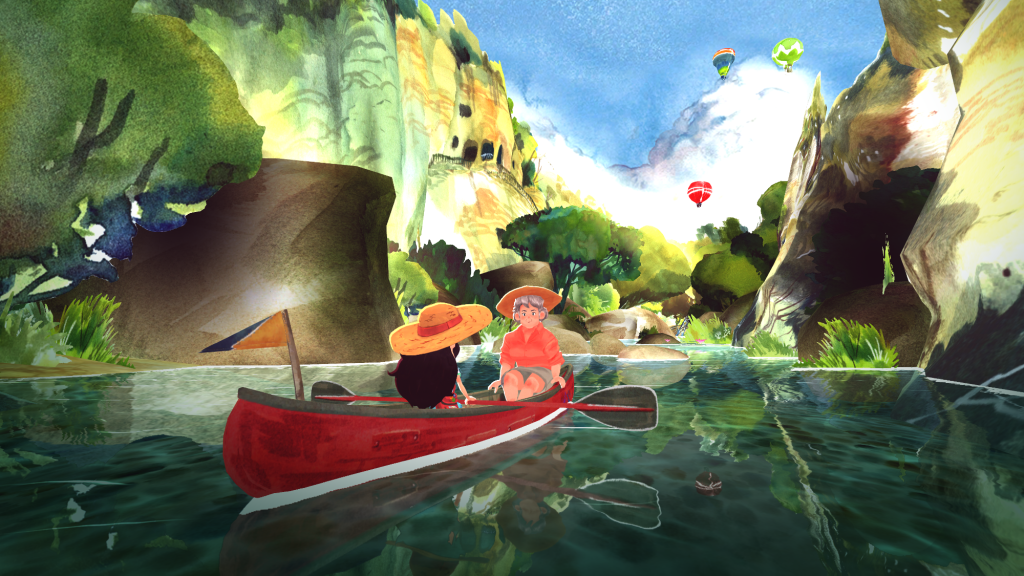
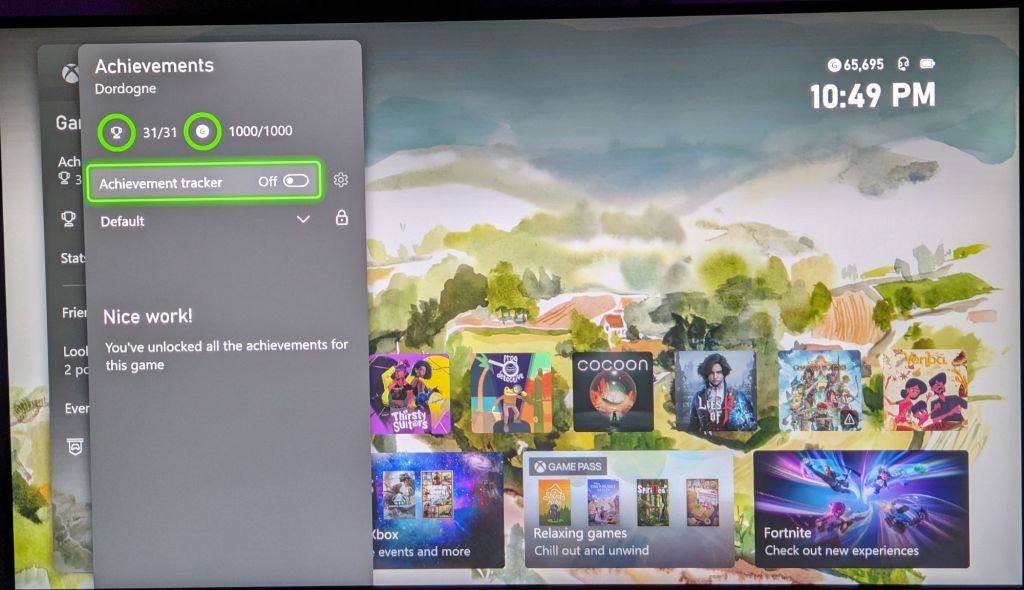
Considering this is the second game focused around scrapbooking I played this year (the first game being Season: A letter to the future), I think I prefer how it’s handled here, despite its limitations. With that said, if you’re a looking to collect and do everything the game has to offer, finding all of these items can become a bit tedious. Icons for stickers and words will appear on the screen when you’re within proximity of them, but some pick-ups almost require you to be right on top of them. It nearly feels like you’re pixel-hunting, which can feel a bit tedious when you’re looking for that one last collectable. As for the pictures/sounds, unlike Season: A latter to the future, there are only certain spots in the game where you can take pictures and record sounds, respectively. I wish the game had a few more areas where you could take pictures because the background art is gorgeous. Dordogne takes place over the course of 8 chapters, but it’s only about 5-6 hours in length. The final two chapters feel a bit rushed, but it’s still one of my favorite games of the year. I completed the game on Game Pass with everything collected and all achievements unlocked.
See you at GOTY…
-Matty

Just a friendly bear who works in financial reporting that would rather be playing, writing or talking about video games. https://twitch.tv/unexpectedenemy
 UnexpectedGames
1 Comment »