Gaming
My Top 10 Games of 2023 (GOTY)
My Top 10 Games of 2023, including honorable mentions, my favorite remaster, DLCs and more…
 UnexpectedGames
Just a friendly bear who works in financial reporting that would rather be playing, writing or talking about video games. https://twitch.tv/unexpectedenemy

My Top 10 Games of 2023, including honorable mentions, my favorite remaster, DLCs and more…

I shared this in my last two posts, but 2023 has been one of the best and worst years in gaming. Some of the greatest games of all time have arguably released this year, including titles I never thought would have seen the light of day in North America a decade ago (Like a Dragon: Ishin! and The Legend of Nayuta: Boundless Trails, for example). Previously, I shared that 6,000+ people have lost their jobs in the industry this year. The layoffs have only gotten worse since, so it’s hard to celebrate the medium when the developers responsible for its success have been tossed to the curb. There’s still passionate people behind the games we play, however, so hopefully my praise (and critique) helps spotlight their works to a degree. With that said, arriving at my Top 10 this year was an incredibly challenging endeavor. Ultimately, I do not put a lot of stock in making lists, though. It’s just a fun thing to do that’s been normalized by the gaming community at large and the process of making lists helps me organize my thoughts, at the very least.
I also wanted to state that I’ve been frustrated with my writing style for a handful of years now. My quarterly posts usually detail what I’ve accomplished in a game. I typically find myself overexplaining mechanics, however, like it’s some sort of mini-review. I’ve always wanted to write reviews for a videogame outlet, so perhaps my writing is a product of that desire to write professionally for a website. I will also describe how a game generally made me feel and how I can relate it to an older game that it may have been inspired by or how it compares to some of its contemporaries. I’m not sure if that’s interesting to any of my readers, though, so if you’re still reading this, I appreciate it. With that said, I did write a few features/opinion pieces that I enjoyed writing more than my typical quarterly updates, which can be found here, here and here.
Finally, my thoughts and feelings about certain games can change on a daily/weekly basis, so take the ordering of things here with a massive grain of salt. Similar to MinnMax’s “The Two Tens“, and just like last year, I was originally going to make a Top 20 list for 2023. As I mentioned, there were just too many great games this year and I didn’t get a chance to play everything that I wanted to, so making my Top 10 was difficult. To save time, I also copied what I had originally written for most of the games listed below, but with some slight editing. If you want to read what I had originally written about the following games in more detail during Q1, Q2, Q3 and Q4 of 2023, you can read about it here, here, here, and here, respectively! Also, if you want to read my companion piece to this post, you can find my overall thoughts on gaming in 2023 here. So, without further ado, here are my favorite games of 2023:

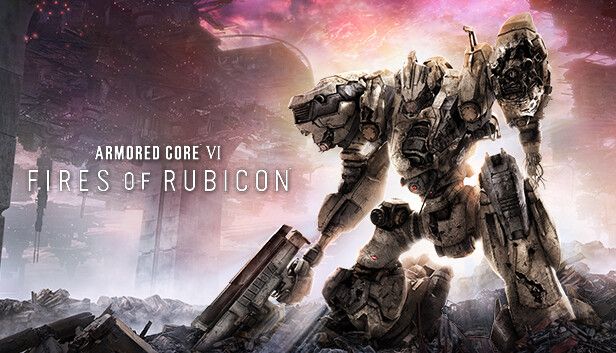
Armored Core VI: Fires of Rubicon (ACVI), developed by From Software, is an aggressively hardcore yet extremely approachable action game where you pilot and battle mechs in a dystopian world. The series has been around for decades and while I grew-up with From Soft’s former flagship series, King’s Field, I only ever dipped my toes into Armored Core here and there over the years (I think I played Armored Core 4 the most back on the Xbox 360). After the game was announced, many people thought From Soft was going to take the series and modernize it by making it more “Souls-like”. Instead, it’s more like 2023’s Ace Combat 7: Skies Unknown. One of the best things about ACVI is how it handles the loadouts for each mission. You’ll often have to change your build to adapt to new enemies and the game is surprisingly built around this idea. Any weapon or part you purchase from the shop can be sold back for the exact same amount of money you purchased it for, so you can essentially swap-out equipment indefinitely, after you’ve earned the required amount of cash, that is. I tried my best to beat ACVI before the end of the year, but only managed to make it to Chapter 3. I will definitely finish it in 2024.
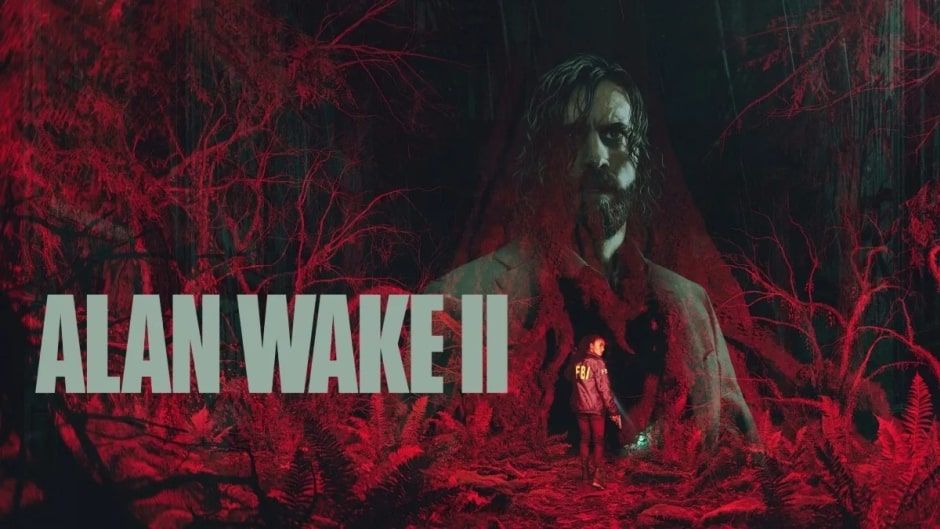
Remedy is probably one of the most consistent and prolific developers of our time. I played and loved Max Payne back in the day. The writing style, its narration and bullet-time mechanics were like nothing I’ve ever seen before in a game. I bought Alan Wake on the Xbox 360 at launch and loved it for being a more interesting 3rd-person shooter compared to its contemporaries at the time. Part of the reason why I bought my Xbox One was because of Quantum Break, which was a novel attempt at bridging Remedy’s storytelling with a live-action TV series. I purchased Control at release and fell in love with it because it wore its love for Twin Peaks and X-Files on its sleeve. I finished a replay of Alan Wake: Remastered and both of its DLCs this year, including Control’s DLCs for the first time. Since then, I’ve become infatuated with what’s now considered the Remedy-verse. Unfortunately, like many games this year, Alan Wake II (AWII) came out during a time of the year when my plate was full. I’ve since started AWII on new year’s day and have nothing but great things to say about it so far. It will likely compete with another game in this section for the title of, “My Favorite Game I Played/Finished in 2024 That Didn’t Release in 2024″…
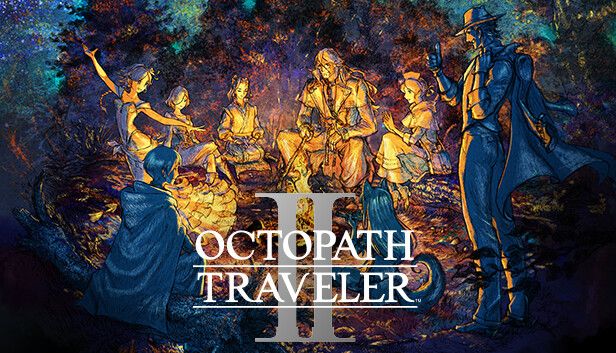

I didn’t get very far in the original Octopath Traveler (nor have I finished any of the previous Team Asano games), but Octopath Traveler II looks like the game they’ve been wanting to make since the original Bravely Default. Everything I’ve read/heard about the sequel sounds like an improvement over the first game. If I had made time for Octopath Traveler II, I think the soundtrack alone would have staked a spot on my Top 10 list. Lies of P is another one of biggest regrets from 2023, in terms of not making time for certain games during the year. It came out during a busy time of the year for me and I wasn’t completely in the mood for another Souls-like (having also dropped Wo Long: Fallen Dynasty earlier in the year). I also really wanted the physical deluxe version on PS5, but it sold-out almost immediately online (being a GameStop exclusive and all). To “get the game out of my system”, so to speak, I started the game on Game Pass, beat the first major boss, and turned it off. I could tell Lies of P was special, so I wanted to give the game its proper due and wait for a better time to play it. I’m hoping to rectify this in 2024 as I was relatively impressed with the little that I played.
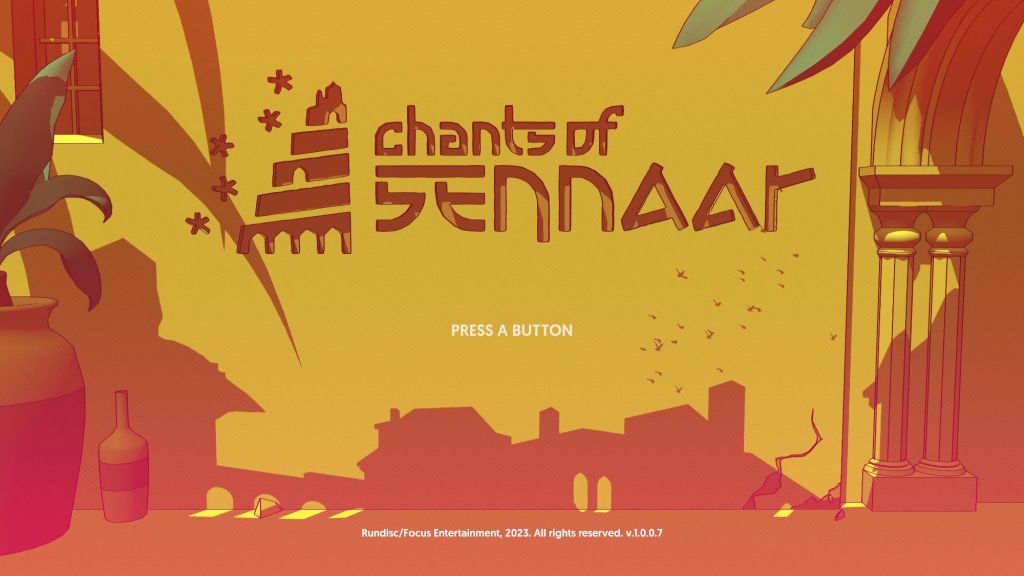
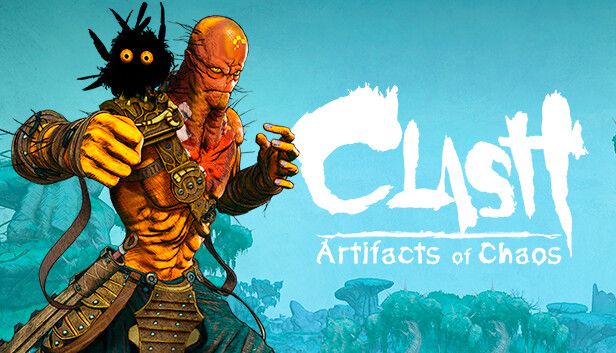
Chants of Sennaar is a minimalistic adventure game where you must translate fictional languages in a Babel-like tower. I’ve actually been playing it with my husband since the start of the new year and we’re both completely enamored by it. At the time of writing this, we actually finished the game making it my first game completed in 2024! I loved Chants of Sennaar so much, I honestly can’t see it not claiming the title for, “My Favorite Game I Played/Finished in 2024 That Didn’t Release in 2024”, sorry AWII. ACE Team’s Clash: Artifacts of Chaos is the spiritual successor to Zeno Clash; a surreal first-person brawler from the same developer. I love ACE Team’s games; they’re bizarre and esoteric, yet still feel very videogame-y. I played Clash: Artifacts of Chaos for about an hour or two and like the Zeno Clash games, the soundtrack, composed by Patricio Meneses, is phenomenal. I especially liked the track titled, “The Boy Calls“. The game boasts a beautiful, pencil-drawn art style that’s brimming with color. I think ACE Team’s games are really special, so I’m really looking forward to making time for Clash: Artifacts of Chaos again soon.
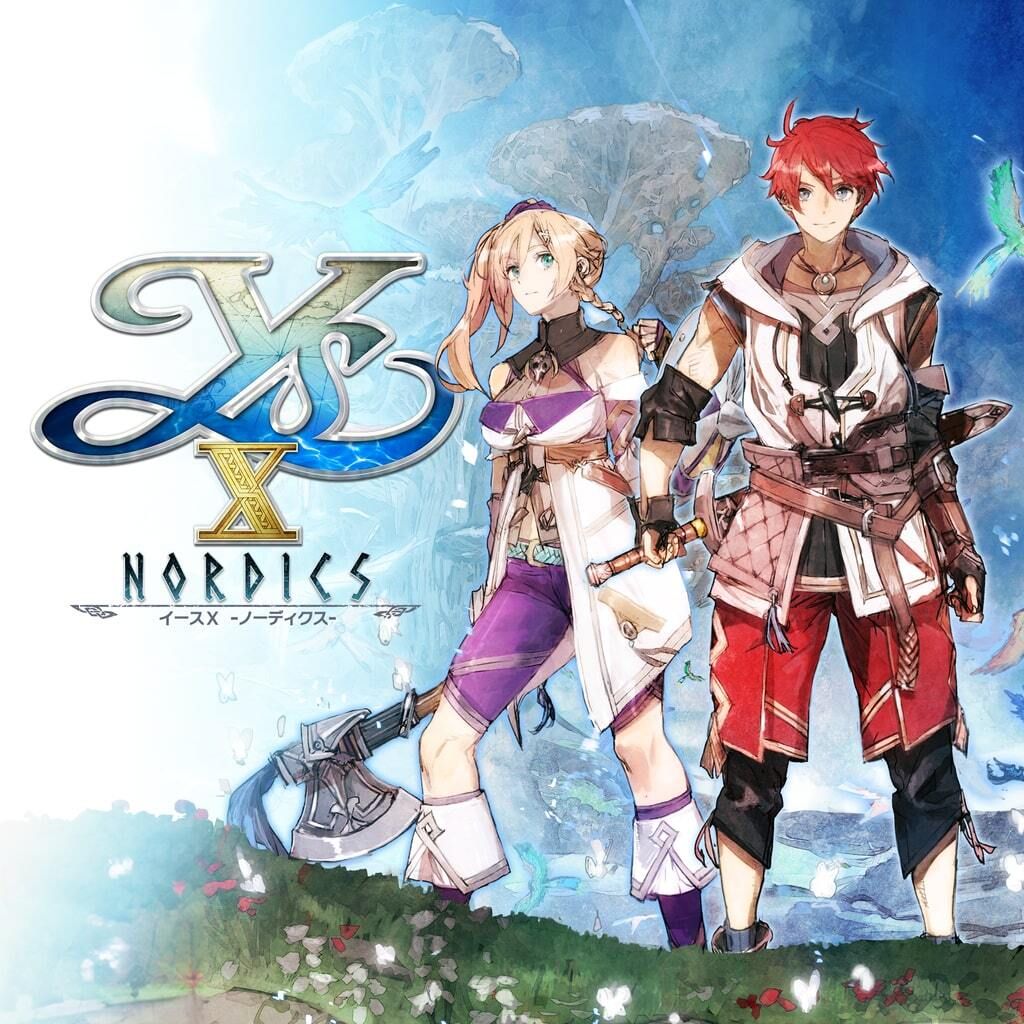
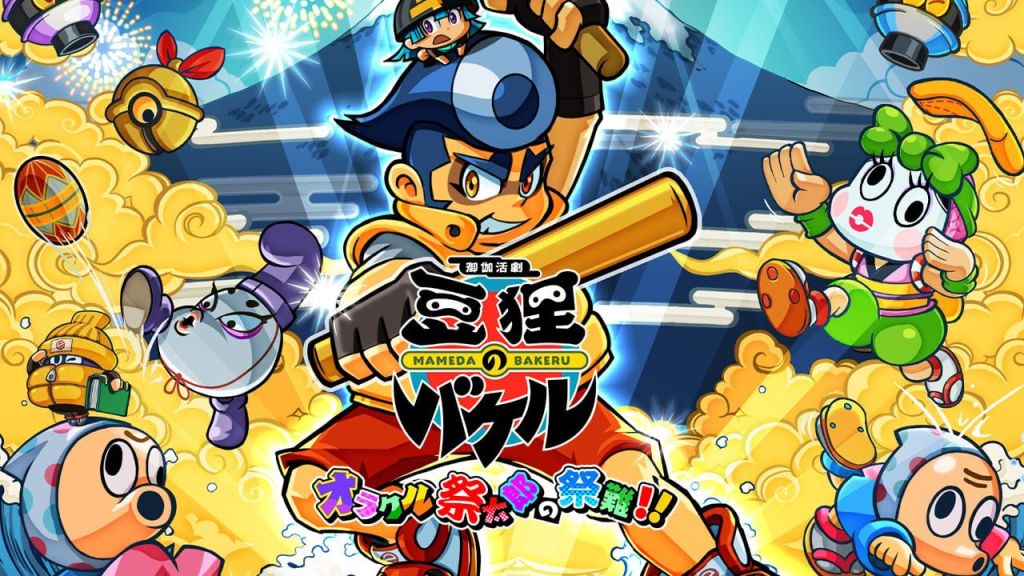
Unlike The Legend of Heroes series, I am mostly up-to-speed with the Ys franchise. In fact, I played/finished Ys IX for the first time in 2022 and it claimed my title for “Favorite Game I Played/Finished in 2022 That Wasn’t a 2022 Release”. I’m surprised we haven’t received a localization announcement for Ys X: Nordics yet. I can’t imagine NISA not publishing Ys X, though. From the footage I’ve seen of Ys X, I know it’s a game for me. They’ve finally moved away from having multiple party members and the rock-paper-scissors battle system they’ve implemented since Ys VII. It’s just two playable characters now and the combat has once again been retooled. The game seems to focus on sea exploration and feel-good, blue sky adventures. I’m so completely ready for it. Speaking of things that feel good, Good-Feel’s Otogi Katsugeki Mameda no Bakeru: Oracle Saitarou no Sainan!! is currently a Japan-only exclusive to the Nintendo Switch. Originally announced back in 2020, this Ganbare Goemon/Mystical Ninja spiritual successor has been on my radar for years. From the videos I’ve seen, it looks like a really fun action-adventure game with a great art direction, fun combat and tons of things to collect. We’re long overdue for a new Good-Feel game, so I’m hoping someone localizes it sooner rather than later.
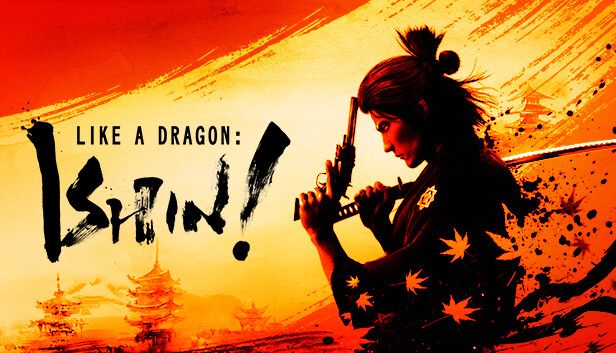
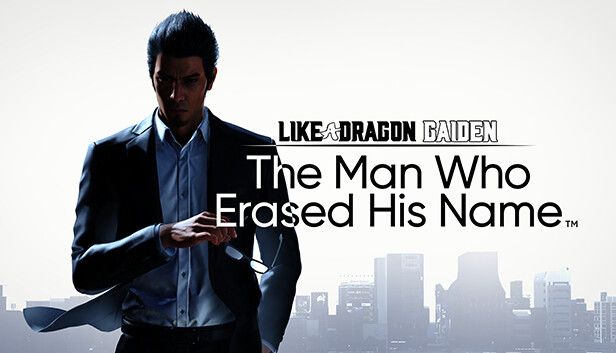
I wrote this in my “Gaming in 2023: In-Review” post, but I’ll share it here too; I’ve been playing Yakuza (now LaD) games since the original Yakuza title on PS2. I was staying on top of the series until Yakuza 5 released as a digital-only title for the PS3. There was a period of time where fans had to more or less beg Sega/petition for LaD games to get localized and now they’re almost always guaranteed to see an international release. All Ryu Ga Gotoku Studio games are an investment and before anyone tells you to “just focus on the main story”, it’s nearly an impossible discipline. You’re going to get distracted when playing a game from this studio and you’re going to spend at least 50+ hours no matter which game you’re playing. Like a Dragon: Ishin! is no different. I only got to Chapter 3 in Ishin and I haven’t even bought Like a Dragon Gaiden: The Man Who Erased His Name yet because I’m so behind, but I love these games and I’m pretty sure one of them would have made my Top 10 list for 2023.

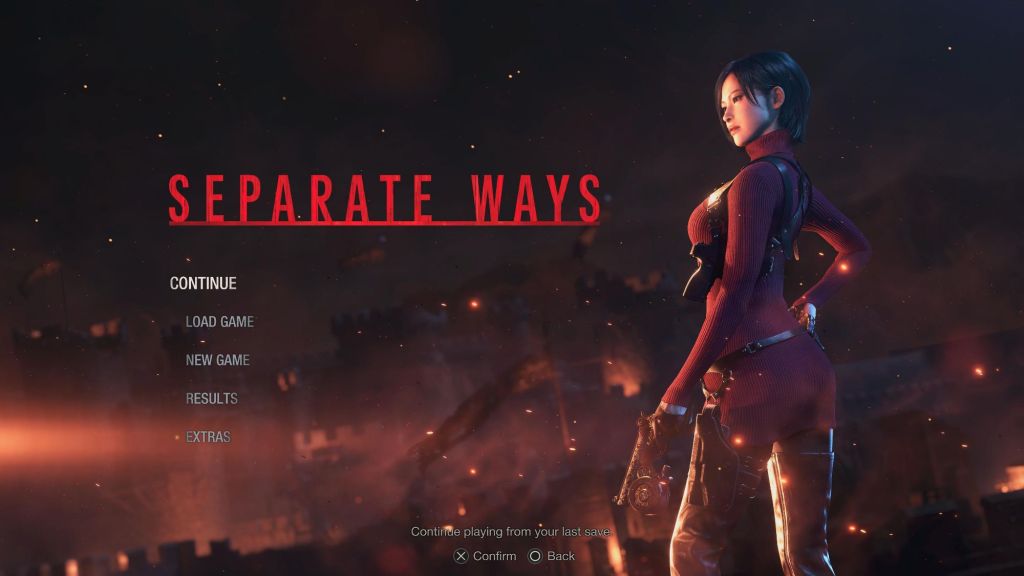
DLC #1 of 2023: Resident Evil 4 – Separate Ways, developed by Capcom, is a remake of the DLC first introduced in the PS2 version of Resident Evil 4. In Separate Ways, you play from Ada’s perspective and essentially get to see what the international spy was doing while Leon was body-slamming and roundhouse kicking the locals. Like most people, I bought the original GameCube (GC) version at launch and played it exhaustively. I honestly can’t recall if I ever played Separate Ways from the original PS2 version, so I do not have a frame of reference as to what’s changed or how faithful it is to the “original” release. I’m told Capcom added some areas/scenarios that were cut from the RE4 remake itself, which is cool. Similar to how I felt about Forspoken’s DLC, In Tanta We Trust, Separate Ways takes everything great about the core RE4 experience and consolidates it into a greatest-hits of sorts. What separates (sorry) Ada from Leon is that she comes equipped with a wicked grappling hook that can be used in combat and for traversal. It feels super satisfying to grapple towards enemies while performing a flying kick. I especially liked the remixed save room/typewriter theme, too. The encounters are good, the boss fights are fun and we finally get to see Wesker proper! I finished the DLC once on Normal difficulty, but just like the regular game, there’s a ton of optional challenges to complete. Separate Ways is a steal for $10.
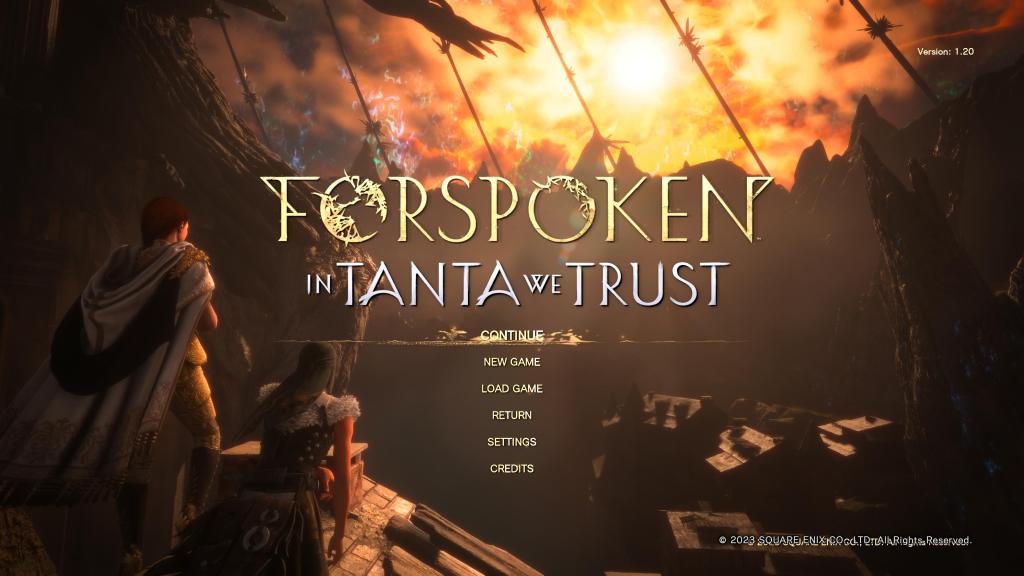
DLC #2 of 2023: The In Tanta We Trust DLC for Forspoken is a really nice 3-4 hour distillation of the base game experience. It’s super focused, snappy and provides a lot of additional lore and context to the main story. It’s a prequel story of sorts where you inhabit the role of a character you only hear about from the original game. You have to relearn a handful of your abilities too, but this time, you’re accompanied with an ally who can perform team attacks with you, which adds a much-needed wrinkle to the combat. The challenges to upgrade your spells are also less demanding (and more fun) to complete in the DLC than they were in the vanilla release. In Tanta We Trust takes place after the ending of Forspoken, but it’s a prequel of sorts in the timeline. It also ends on an interesting cliffhanger, one of which may never be fulfilled considering the production studio (Luminous Productions) has since folded back into Square Enix proper. I completed In Tanta We Trust at 100% and it made me appreciate the entire package more.
DLC #3 of 2023: Final Fantasy XVI: Echoes of the Fallen, developed by Square Enix & CBUIII, is a 3-4 hour mini-expansion that takes place during the end-game of FFXVI. Within FFXVI’s world, the Fallen are an ancient group of people who once inhabited the land. Most of their ruins can be found scattered across the Twins (the continent(s) where FFXVI takes place), but the main game doesn’t expand on their history for long. Echoes of the Fallen, however, provides a bit more insight into the game’s SCI-FI/high fantasy world. Final Fantasy is known for having lost civilizations that are far more advanced than the period of time said FF takes place, so I suppose its cool FFXVI get its turn to explore these ideas. The final boss of the DLC is clearly the highlight here. It’s certainly a spectacle visually and it’s easily the hardest challenge the game has to offer. I was level 50 with the best gear from the main game and I still used all of my healing items and died multiple times. Similar to the base game, the final encounter provides the player with multiple checkpoints during the multiple phases of the fight.
Fortunately for some (or unfortunate for others), your healing items are fully restored if you retry during the fight. I’m not sure if this is different on “Final Fantasy Mode”, but it certainly does echo the fact that FFXVI is just a bit too easy and forgiving. I know I could start the encounter from scratch if I wanted a “true” challenge, but why should I when the game allows a full restore on a retry? With that said, while both the mini-boss encounters and the final boss of the DLC are more challenging than the majority of the base game, it appears to reuse/reskin a lot of content, especially the enemies. Even the “dungeon” you “explore” is similar to an area you ran through from the main story. I’m still extremely conflicted on how I feel about FFXVI, but I guess it was nice to be back in this purple-sky world for just a few more hours. I earned all of the trophies from Echoes of the Fallen, excluding the one that requires you to beat the DLC’s final boss on “Final Fantasy Mode”.

DLC #4 of 2023: Marsupilami: Hoobadventure’s The Hidden World DLC, developed by Ocellus Studio, is a free update/expansion, originally released back in November of 2022. It’s mostly more of the same Marsupilami; a competent 2D platformer that heavily wears its Donkey Kong Country inspiration on its sleeve. The first level has the player essentially ziplining with a herd of animals in the background and it’s probably the coolest moment from the entire campaign. It feels like it’s trying to be that one level from Donkey Kong Country: Tropical Freeze, you know the one, where there’s dancing safari animals and such? But it works here, too. The rest of The Hidden World DLC is definitely more challenging than the base game, but it’s still a fairly breezy experience for fans of the original game who might be looking for a bit more bang for their buck (I would happily just play a Marsupilami 2 as well). I completed the DLC at 100% and really enjoyed my time with it.
Miscellaneous DLC(s) of 2023: Despite not releasing in 2023, I finished The Messenger’s Picnic Panic, Control’s The Foundation and AWE, and Alan Wake‘s The Writer and The Signal DLCs for the first time this year. If you wanted to read my impressions of these DLCs, you can find my thoughts in the quarterly posts linked earlier. I also wanted to play the Horizon Forbidden West: Burning Shores DLC and the God of War Ragnarök: Valhalla DLC, but I simply did not make time for them. Finally, the Xenoblade Chronicles 3: Future Redeemed DLC is probably my biggest DLC regret of the year. I’ve been playing Xenoblade Chronicles 2 since its 2017 launch and I STILL haven’t finished the game yet, so perhaps it’ll be a little bit longer before I close the curtains on this series for good.

Metroid Prime: Remastered, developed by Nintendo and Retro Studios, is a remaster of the 2002 original GC release. As someone who’s first Metroid game was Super Metroid back on the Super Nintendo Entertainment System (SNES), playing Metroid Prime for the first time felt as revolutionary and groundbreaking as the jump from Super Mario World to Super Mario 64 (SM64) on the Nintendo 64 (N64). Not only did Metroid finally jump to 3D, it was a first-person shooter (FPS) yet the game still retained the exploration elements the series was known for. The game felt like the perfect blend of old-school, western FPS design combined with Japanese sensibilities; it was and still is a masterclass in game design. The remaster is beautiful with its enhanced textures and visuals, although the art direction remains as strong as it ever was. It’s clear that Retro Studios and company are competent in utilizing Switch’s dated hardware. I completed the game on Normal difficulty at 100% completion. Bring on the rest of the GC trilogy and where’s Metroid Prime 4!?

HM #10. Final Fantasy XVI, developed by Square Enix and CBUIII, is the latest entry in the long-running, legendary Final Fantasy (FF) franchise. Despite being a game about “destroying the legacy of the crystals”, the game still very much adheres to its roots. FFXVI is an action-RPG at its core, a DMC-light if you will. Considering the fact that a former Capcom combat developer joined the team, it’s quite apparent who was responsible for the battle system and overall feel of the game. Although FFXVI tries its best to “not be FF”, it still feels very much like a FF game, at least on a surface level. There’s Chocobos, Moogles, Gil, summons, a memorable cast (depending on who you ask) and spells that end in “aga”. Speaking of spells and magic, nearly all special attacks from enemies are named and it’s most apparent during the big Eikon (summon) fights. The visual/particle effects during these epic battles are what make the game feel truly next-gen. When Ifrit and Bahamut use Hellfire and Gigaflare, respectively, and you see the name of the move pop-up in a window above their massive frames, its hard not to get the chills. Unfortunately, those warm, nostalgic feelings don’t last very long and you slowly start to realize what FFXVI is and is not. If you want to read my full impressions on the game, you can find them here. FFXVI is probably my biggest disappointment of the year despite spending somewhere close to 100 hours with it.

HM #9. A Space for the Unbound, developed by Mojiken, is a 2D adventure game that feels rooted in classic point ‘n click games. The game takes place during the 90s in Indonesia and follows the story of a young man and his high school girlfriend at the end of their high school days. The greatest thing about A Space for the Unbound is that it gives players a somewhat authentic peek into the lives, history and culture of those who lived in a country that doesn’t always get represented in media, especially when it comes to video games. While the game is a fictional tale told over the course of a 10 hour or so adventure, A Space for the Unbound feels like an extremely personal story that’s certainly relatable to just about anyone, especially to those who grew-up in a small neighborhood. The town in A Space for the Unbound is a quaint, compact place where everyone knows each other’s business. There’s an arcade, a café, a convenience store and a movie theatre, for example, and it’s all richly detailed with beautiful background art and most importantly, the areas feel lived-in.
The game itself follows the traditional point ‘n click formula (you’ll find yourself running back and forth between NPCs, solving fetch quests and the sort), but there’s quite a bit of gameplay variety thrown in for good measure. In one chapter, you’ll face off against town bullies on the streets, played out in quick-time events (QTEs). In another scenario, you’ll have to sneak by people without being seen, among other mini-games. A Space for the Unbound, at times, almost feels like one big sub-story from a Yakuza game. A big part of the game also has you completing a bucket list of tasks (which is also tied into the game’s narrative), most of which are necessary in order to make progress, but there are a handful that are optional (such as petting every animal in the game and collecting all of the bottle caps). Completing all of the bucket list tasks unlocks the true ending, but if you’re not a thorough player, good luck earning this achievement without a guide. I had to play through the entire game twice because there’s no chapter select or anything after you beat the game, so it doesn’t exactly respect your time if you’re going for the best ending. With that said, I liked the game well enough to replay it twice to earn the Platinum trophy.
HM #8. Bramble The Mountain King, developed by Dimfrost Studio, is an adventure game in the same vein as INSIDE or Little Nightmares steeped in Nordic fables and folklore. You play as a young boy who sets off on an adventure after his sister goes missing at night. Everything in Bramble is larger than life; outside of the gnomes and living-acorns that inhabit the surrounding lands, every creature and person you encounter is a giant. The game looks beautiful too, almost photorealistic at times. Visually, it reminded me of EA’s Unravel. The soundtrack is excellent as well; there’s one sequence where a beautiful vocal track plays and it’s a moment that has stayed with me weeks after finishing the game. Bramble’s pacing is nearly perfect; you’re constantly moving forward and no puzzle or platforming sequence overstays its welcome. The levels naturally feed the player into some incredibly-shot vistas with excellent usage of camera panning and positioning (something Little Nightmares also does very well). The items that you pick-up have 3D models and can be rotated like they’re something out of an old-school Resident Evil (RE) game inventory. The game also goes into first-person where you can inspect the environment to solve simple puzzles and it feels like an old PC-style adventure game at times. In one instance, you’ll find a matchbox and you have to rotate it so a key falls out and in another scenario, you’ll have to pull cold fingers of a dead person so that they loosen their death grip on an item that you need in order to proceed. It’s cool stuff. I completed Bramble with everything collected, but there’s a trophy for beating the game without dying and I refuse to attempt that run anytime soon.

HM #7. Pikmin 4, developed by Nintendo, is the fourth official installment in Miyamoto’s long-running garden simulator of sorts. Pikmin 4, like other entries in the series, takes place on some facsimile of Earth. Pikmin has always contained real-world items to collect like Duracell batteries, rubber duckies, and even various Nintendo systems, suggesting that the games take place in our universe. Pikmin 4 is the first entry in the series to suggest that there’s perhaps human-sized people who used to live on an earth-like planet, however. The majority of the game takes place around the backyard and surrounding areas of a modern-day house on a planet that’s arguably Earth. I’ve always likened Pikmin’s vibe and atmosphere to the likes of Nintendo’s very own Earthbound series. There’s a weird air to the games that feels almost alien-like despite taking place in a space that feels so similar to ours. Unfortunately, Pikmin 4 feels too terrestrial, like a greatest-hits of sorts instead of the next evolution in the series. With that said, the game’s still a lot of fun and there’s long overdue quality-of-life (QoL) improvements to boot. You can read more of my thoughts here, but I completed Pikmin 4 with the true ending and zero Pikmin deaths. I still have many things to collect and more of the side content to complete, though. I liked Pikmin 4 well enough and while I normally wouldn’t say something like this, I feel like there’s just too much game here and not exactly the game I was looking for.
HM #6. Gravity Circuit, developed by Domesticated Ant Games, wears its love for Mega Man X/Zero closely on its sleeve. There are many 2D retro-inspired indie games today, so it’s hard to stand out from the rest. This year alone we saw Vengeful Guardian: Moonrider and Bat Boy, for example, two games clearly paying homage to the games of yesterday. Between the three, although they are very different from each other and I finished all three of them, Gravity Circuit is my favorite of the bunch. Gravity Circuit is a Mega Man (MM) game through and through. It’s perhaps what Lies of P was to Dark Souls, but for the MM series. Gravity Circuit pits you against 8 “robot masters” called “Circuits”, which have essentially gone rogue. You take the role of a robot called Kai who’s tasked to put them on ice. Similar to the robots found in most MM games, each one is supposed to serve some purpose on the planet where the game takes place, but of course everything has gone haywire. One Circuit, for example, is blasting musical beats throughout the city causing exterior damage while another Circuit has claimed the highways to disrupt cargo routes for the good guys. You’re not really here for the story, but there are some cool twists and turns along the way.
After the game’s introduction stage, you’re teleported to a base of sorts where NPCs have gathered. Here you can upgrade your character, talk to robots you’ve saved and select your next mission. Levels are relatively straightforward, with platforming sequences, hazards to avoid, and secrets to discover. Most importantly, Gravity Circuit just feels good to play. While there are passive/active abilities you can equip on Kai, he comes equipped with a grappling hook that makes traversal even more rewarding. The game has great sprite-work, a rocking soundtrack and decent parallax scrolling, too. The color usage is also very simple; most Circuits are simply shades of one primary color, including your main character. I completed the game on Normal difficulty with everything collected, excluding a handful of Data Chips (which are basically bestiary entries). Gravity Circuit is a complete package filled with additional modes and harder difficulties, so there’s a lot here if you’re looking to scratch that Blue Bomber itch.

HM #5. Star Wars Jedi: Survivor, developed by Respawn, is the follow-up to Jedi: Fallen Order; a 3rd-person action-adventure game that takes place after the events of Star Wars: Episode III: Revenge of the Sith. If you’re familiar with the franchise, both games take place after Order 66 has been given; the elimination of all Jedi within the universe. Cal Kestis, one of the few remaining Jedi, continues to be on the run from the Empire. Survivor feels like the big budget sequel you’d expect it to be; there’s more set-pieces, more lightsaber stances, more skill trees, more collectables, more of everything. Just like the first game, you’ll hop planet to planet, but this time, your goal is to ultimately find a safe haven for lost Jedi. Each location is densely packed with secrets, shortcuts and encounters. The Souls-like elements (like dropping your currency near the location where you died and enemies respawning when you rest at the bonfire equivalents) make their return as well, although the sequel feels more forgiving considering the amount of combat options you have at your disposal. Less is more, and in Survivor’s case, sometimes there can be too much of a good thing. My favorite thing about the game is the cantina you discover and develop over the course of your journey. By completing side quests and meeting people during your travels, more NPCs will gather at the cantina. I was so enamored with the cantina, I found myself wanting to return to the saloon to see what new conversations popped-up instead of progressing the story. I also really enjoyed collecting the music tracks for the robot DJ to play. I often found myself hanging out at the cantina just to listen to the beats, especially Ebon Flow and Ground Pulse.
The Cantina is reminiscent of the crew you put together in Mass Effect 2 or the base of operations you build in Horizon: Forbidden West. These bar patrons also provide some of the more interesting world-building elements the game has to offer and some of them even offer you their services (such as a robot who trades “Perks” for particular collectables you find). The Perks are passive abilities that impact your playstyle during combat and some of them, like having the ability to block more attacks or gain health back when you defeat an enemy, are extremely useful. Another cool decision the designers made was to give Cal most (if not all) of his traversal abilities from the last game right at the beginning. By doing so, the two Jedi games feel like a more interconnected, continuous journey. Finally, there are Meditation Chambers (which are basically the optional tombs from the modern-day Tomb Raider trilogy), and they’re fun puzzle-platforming challenges that put your force abilities to the test. As of the latest patch, the game is likely in the best shape it’s ever been, but my initial playthrough wasn’t too riddled with glitches, outside of some performance issues. I completed the game on Jedi Grand Master difficulty at 71% completed, but there’s still a lot of side quests to complete and collectables to find. I’m not a huge Star Wars fan, but between Fallen Order and now Survivor, Respawn’s Star Wars games are probably my favorite thing about the franchise right now.
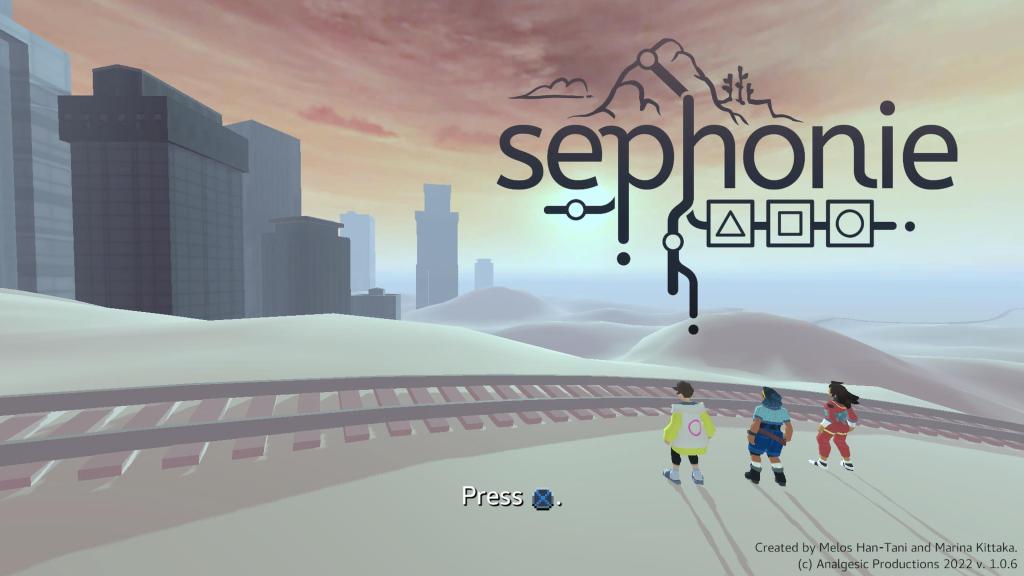
HM #4. Sephonie, developed by Analgesic Productions, is a 3D platformer about three scientists of Taiwanese descent who set out to explore a sentient island. Sephonie is an odd game that’s certainly not for everyone. It’s an extremely strict, precision-based platformer with a somewhat unusual control scheme. Your character controls like a car, almost like an old-school PS1 era game that had tank-controls. While the game has relatively well-placed checkpoints, traversing some of the environments can feel extremely frustrating. With that said, you’ll learn new abilities over the course of the game that makes traversal more manageable (like the ability to dash and glide). The game, at times, also feels autobiographical and has decent LGBTQ+ representation. Similar to the developer’s previous games, Sephonie can become a bit too wordy, however. It’s not as word vomit-y as The Messenger, but there’s a lot of text here, almost like it’s a visual novel with some platforming sequences. The game’s core gimmick, so to speak, is a Tetris-like mini-game that’s not exactly fun to engage with.
To learn more about the island and its inhabitants, the player must link with creatures scattered about the environment. This mini-game of sorts isn’t exactly challenging and it’s sort of confusing if you’re not using the in-game “help” function. You essentially need to fit similarly-colored shapes next to each other, I think? The best part of these sequences is the music. In fact, the soundtrack is quite exceptional, as per usual considering the composer’s previous work on both Anodyne titles. Although there’s a narrative reason for the linking mechanics, I could have done without it (or perhaps the developers could have approached the idea differently) as it sometimes kills the pacing. Sephonie has one of the best post-games I’ve ever seen. When you finish the game, not only can you revisit every area to collect any item capsules or linked creatures you may have missed, but you unlock additional features which makes exploration more approachable. I finished the game with the Platinum trophy earned, but there’s still a ton of things to collect and creatures to link with before I shelf it for good in my digital library.
HM #3. The Legend of Nayuta: Boundless Trails, developed by Falcom, is an enhanced HD port of the original 2012 PSP release which has not seen an official localization/translation until this year. It’s a game I’ve been wanting to play for well over a decade, so I’m thrilled I got a chance to finally play the game in English for the first time. I’m not too familiar with the original release, so I don’t know what’s been added/changed. There’s definitely some QoL improvements here, most notably a feature called “High-Speed Mode”, but more on that later. Nayuta takes a similar note from the Ys series book by taking place in one specific location within a much larger world. You’ll hear about other nations and political issues happening around the world, but the game focuses on a specific island and its inhabitants. In Nayuta, most people believe there’s an edge to the world, a flat earth society if you will. You play as a young handyman of sorts who quickly discovers that there’s a gateway to another world located on the island you’ve been living on. From there, you encounter a realm with four continents that are suspended in different seasons of the year. Surprisingly, despite taking place in a fictional fantasy world, the game incorporates the same seasons we have here in the northern hemisphere; autumn, winter, spring and summer. Each continent initially takes place during a particular season and contains a handful of stages which culminate in excellent boss encounters.
Levels typically take a few minutes to complete, perhaps a product of it originally being a portable game. Each stage contains 3 crystals to destroy, treasure chests to find and an additional challenge to complete, like finishing the level under a certain time limit or killing a certain amount of enemies. Completing these objectives earns you stamps, which can be traded for new weapon techniques. Nayuta has a really nice game loop and it feels more like a dungeon crawler, considering you only play as a single character. It’s more akin to the likes of Falcom’s own Xanadu Next or Zwei. That’s not to say that the the character progression feels any less rewarding; there are two weapon types to equip, gear which impacts your stats in various ways, and even a familiar who can cast magic spells. Interestingly enough, if you compare 2012’s Nayuta to 2023’s Final Fantasy XVI, Nayuta feels more like an RPG, considering the simple fact that it has elemental affinities, status ailments and accessories that actually make a difference in combat. I completed the game on Hard difficulty with as many of the side quests completed and collectables earned, but there’s more content on new game+ and an even harder difficulty after you finish the game. A part of me wants to replay the game in 2024, but perhaps I should try to play catchup on The Legend of Heroes series proper first.

HM #2. NeverAwake, developed by Neotro Inc., is a twin-stick arcade shooter about a young girl from a troubled family who’s fallen into a coma. While she sleeps, the things and people she dislikes from the real world manifests as nightmares she must face in her dreams. The girl in the coma dislikes vegetables (as most kids would), so the first world has you encountering nightmarish amalgamations of carrots, broccoli and other veggies. In another world, the girl had a traumatizing encounter or two with a mean dog, so the boss is a monstrous Pit Bull. The story is told through unlockable text files and storybook images, which can be unlocked after completing bonus objectives after you beat the game. There’s a nice visual progression on the state select screen too; when you complete a world, the hearts shackling the girl break and when they’re all gone, the girl is essentially set “free”. There’s multiple endings and a true final boss if you want to get the most out of the game, but it’s a fairly approachable shoot ’em up that doesn’t overstay its welcome, all things considered.
A lot of old arcade shooters loop after you beat the game, which means the game essentially starts over after you beat the final boss and it keeps going until you lose all of your credits. What’s interesting about NeverAwake, however, is that this traditional “looping” mechanic is sort of built into each individual stage. The level essentially loops over and over again until you collect enough souls from enemies. You can keep the stage going indefinitely if you avoid the souls, which sort of provides bite-sized risk/reward situations for every stage. There’s even accessories which reduce the amount of souls enemies drop for those who want to loop stages over and over again. There’s a plethora of accessories and weapon upgrades you can purchase to suit your playstyle, such as more health or even barriers that can protect your character from harm. I finished the game twice and saw both endings, but there’s still more things to unlock after you beat the game.
NeverAwake’s soundtrack, composed by Fuhimito Uekusa & Keishi Yonao, stayed with me for weeks after finishing it. Not only is the music loud and bassy, the sound engineers do that really cool technique where the music fades out when you exit to the menus or go to the stage select screen, but will start playing and pick back up where the track left off, at full volume, once you enter the level again. I don’t know if there’s an official term for this technique, but I love when games do this. Oh, and the ending vocal piece rules. For whatever reason, the credits theme also reminded of Akira Yamaoka’s End of Small Sanctuary from Silent Hill 3 (it’s probably the guitar). I also really liked the main theme. It sounds like there’s a heart rate monitor in the background, which fits the game’s narrative since it’s about a young girl battling her nightmares, bed-ridden in a hospital due to a coma.

HM #1. Dead Space, developed by EA’s Motive Studio, is a beautiful remake of the 2008 survival-horror game originally made by Visceral Games. In a now post-Resident Evil 2 remake world, Dead Space 2023 had a lot to live up to. Not only have a lot of the key developers from the original release move on to a new project/studio to make the extremely disappointing, The Callisto Protocol, the series had previously lost its way with the heavily criticized Dead Space 3, similar to the fate Resident Evil shared prior to the success of Resident Evil VII (RE7). I would be remiss if I didn’t mention that the remake was also going up against the highly anticipated RE4 remake a few months later. Prior to the game’s release, I was more excited about The Callisto Protocol than I was at the thought of revisiting Dead Space, but now that I’ve played both games, I much prefer the metallic walls and cold corridors of the USG Ishimura. I haven’t revisited the first Dead Space game since the PS3/Xbox 360 era, but the story seems mostly the same; a distress signal has been sent from a planet-cracking space ship and all hell has broken loose.
The player takes on the role of Isaac, an engineer who’s accompanied by a small crew to inspect the now-abandoned ship. There’s some new side quests to flesh-out the characters and setting a bit more and most of the boss encounters have been re-worked to a degree. What’s most exciting/interesting about the remake is that the ship is now fully interconnected, more Metroid-like than even the original release already was. While both the original release and remake are still chapter-based and utilize a tram car to connect the different areas of the ship, the remake’s USG Ishimura has essentially eliminated (or masked) the load times to a staggering degree. It still feels great to shoot-off monster limbs, too. The weapons provide great, visceral feedback and stomping on enemies feels just as crunchy and satisfying as it’s always been. I completed the game on Hard difficulty with all side quests completed, but I only used the Plasma Cutter so I could unlock the “One Gun” trophy. I really hope Dead Space 2 gets remade with the same love & care found here.


Tchia, developed by Awaceb, is an open-world, action-adventure game based on the culture, sounds, history and geography of New Caledonia. The feelings I had while playing Tchia were similar to my experience with Nodding Heads Game’s Raji: An Ancient Epic, a game developed in India. It’s always great to see more games from parts of the world that aren’t always represented. With that said, it’s very clear that the developers here were inspired by traditional, Ubisoft-style open-world games and more specifically, The Legend of Zelda: Breath of the Wild. Despite the game’s checklist-like structure and non-linear progression, what sets Tchia apart from other games is the fact that you can inhabit both inanimate objects and animals. If you see a crab walking around the shorelines, you can posses it and make your way to the ocean floor without worrying about your oxygen, for example. The best way to get around in Tchia, however, is to posses a seagull/bird and fly to your destination (although launching yourself from palm trees and catching the wind with your paraglider is extremely satisfying, too).
Tchia’s story is surprisingly dark and disturbing at times. There’s a scene or two that genuinely shocked me (if you know, you know). Without spoiling too much, Tchia is actually a really heartwarming LGBTQ+ story, which I appreciated. Outside of an optional treasure hunt, the game doesn’t ask you to use most of the animal’s abilities, unfortunately. I don’t think there’s a single spot in the game where you’re asked to use night vision, for example. Digging up holes as a dog is exclusively tied to unearthing optional treasure chests that’s part of the aforementioned side-quest. I think one aspect of Tchia that really surprised me is the fact that the game is practically a musical! There’s so many vocal tracks and a lot of them play during musical sequences that feel like they’re straight out of an animated Disney/Pixar film! I particularly liked one of the main town themes and enjoyed exploring the islands, collecting all of the goodies, and soul-jumping into a bird to reach my next destination while listening to this track. I really enjoyed my 30+ hours with Tchia and I hope the developers make a sequel or create something new again inspired by New Caledonia. I completed the game at 100% with the Platinum trophy earned.
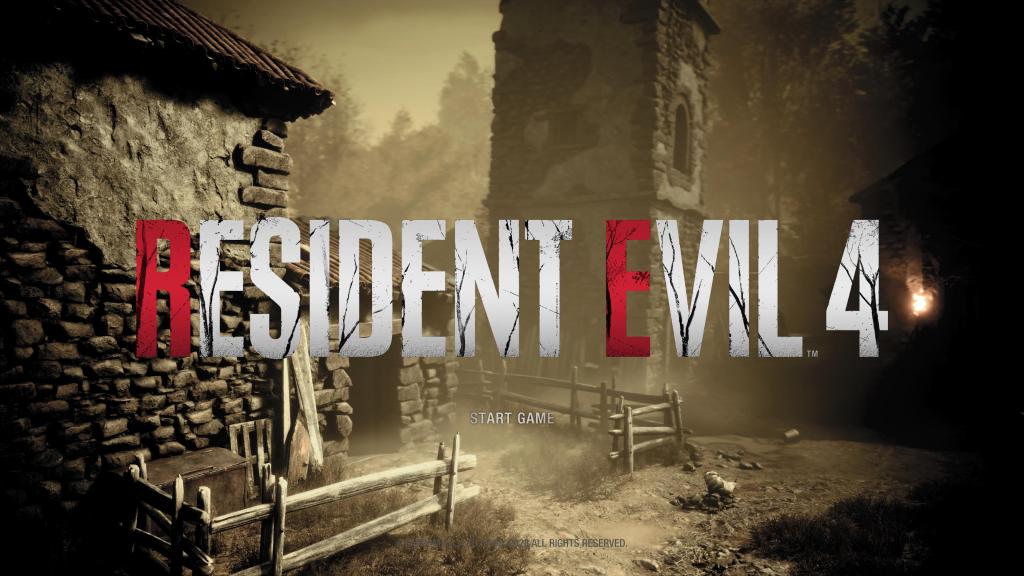
Resident Evil 4, developed by Capcom, is a remake of the 2005 GC release. As someone who grew-up with the original RE games on PS1, I have always preferred the older games with pre-rendered backgrounds and fixed camera angles. RE4 was a groundbreaking sequel that sent shockwaves throughout the industry, however. It paved the way for games like Gears of War and other over-the-shoulder 3rd-person shooters. Playing RE4 on the GC for the first time was an amazing, unforgettable experience. So, “remaking” a game that didn’t necessarily need a remake was a tall order for Capcom. Capcom treaded some dark waters during the post-RE6 days, but since the success of RE7, the series has been back on track. I think if RE2/3 remakes didn’t exist and they decided to remake RE4 first, I would have been more impressed with the final product here. With that said, RE4 remake is a super competent, extremely polished package that doesn’t necessarily replace the original release and instead, compliments it (which is also how I feel about the other recent RE remakes). The game looks incredible too; the character models are still top-of-the-class and parts of the game, like the castle, reminded me of Bluepoint Game’s Demon’s Souls remake, at least in terms of the attention to detail and overall visual fidelity.
I completed the game on Professional difficulty for my first playthrough and it was relatively difficult at times. I think it’s meant to be played on subsequent playthroughs, but if you stick with it out of the gate, the difficulty feels balanced and rewarding. The RE4 remake changed a lot of things, mostly for the better. The combat knife now has durability, the Ashley sections have been altered, and there’s even Merchant Requests, new side quests which make the game feel more well-rounded. The merchant will ask you to shoot all of the blue medallions in an area, kill special (more challenging) enemies, get rid of rats or even sell fish, for example. I completed all of the requests and collected every treasure (excluding one from the village which can only accessed for a brief period of time). One of my favorite things about RE games is hanging out in the typewriter/save rooms. There’s something extremely comforting about these safe havens, mostly due in part to the tracks that play there. Although RE4 doesn’t have my favorite typewriter/save room theme in the series, I still find myself standing around, reflecting on things when I arrive at one. I’m not sure if Capcom is going to remake the rest of the mainline RE games (I have no idea how you would salvage RE6 unless you scrap and reimagine the whole thing), but considering how well the remakes have been doing, it’s only a matter of time before we (hopefully) see Sheva make her triumphant return.

Super Mario Bros. Wonder, developed by Nintendo, is certainly the best 2D Mario game since the SNES era, but it’s not without its shortcomings. Wonder is a gorgeous, creatively-charged Mario game. Gone are the drab colors and world themes from the New Super Mario Bros. games and instead, you’re presented with a Mushroom Kingdom B-side of sorts, the Flower Kingdom. Taking a page from Super Mario Bros. 3, Wonder’s levels are extremely short yet they never overstay their welcome (which is something I value more than anything when it comes to 2D platformers). Like most Mario games, the goal of each level is to make it to the flagpole, but along the way you’ll collect new, series-first collectables called “Wonder Seeds”. Each level is densely packed with hidden blocks, unique platforming sequences and the occasional secret exit. Wonder Seeds are the main collectable, and once collected, they will alter the stage in a unique way. In one stage, you’ll blow-up like a big balloon and float through space and in another level, you’ll turn into a Goomba that has to stealthily sneak by other enemies to reach the goal. The game rarely reuses ideas, but as things progress, the stage alterations start to lose their luster. The soundtrack is better than most, if not all of the New Super Mario Bros. games, but I still didn’t find myself wanting to listen to anything outside of when I was actually playing the game. I think I preferred most of the overworld themes to any of the stage tracks, honestly.
With that said, the game’s never not fun; Mario feels like a dream to control and because of the Wonder Seeds, each stage contains a unique “Aha!” moment. There are also new powerups in Wonder, one of which turns you into an elephant. The transformation is cute and it feels like you’re controlling Wario from the Wario Land games. Slurping up water with your trunk feels satisfying to do, even thought it’s only ever really used to water flowers for coins. Another new feature to Super Mario Bros. Wonder are the Badges. Over the course of the game, you’ll encounter shops and mini-challenge stages where you can purchase or earn new Badges, respectively. The Badges are basically passive/active abilities for Mario; one allows you to wall jump, while another gives you coins when you kill an enemy, for example. I was expecting the Badges to be required for finding other hidden collectables or secret exits in stages, to give the game an almost Metroid-like feel, but it never commits to this idea. Badges are really just there to assist new players with completing stages, which from an accessibility perspective, is great. I completed the game at 100% with everything collected and all 6 profile medals earned. I really enjoyed my time with the game, but a part of me felt like it was in one ear and out the other. I can’t not have a mainline Mario title on my Top 10 list, but I think I’m ready for the next 3D adventure.

Jusant, developed by Don’t Nod, is a climbing game set in a world with no water. The entire game takes place on a tower where humanity once thrived. Jusant primarily uses environmental storytelling to tell its story; your character doesn’t speak and there’s not a single line of spoken dialogue throughout the entire game (although there are well-written letters and notes to discover which provide some excellent world-building). Jusant is one of my biggest surprises of the year, considering the developer’s pedigree and history. Don’t Nod is mostly known for their narrative-driven adventure games; games like Life is Strange, Twin Mirror and Tell Me Why, for example. They have made action-adventure games in the past; titles like Remember Me or even Vampyr to a lesser extent, but Jusant feels like it was made on another planet. There aren’t too many legitimate climbing games out there, either. In an age where everyone is trying to copy how Nintendo revolutionized climbing in Breath of the Wild/Tears of the Kingdom, Don’t Nod opts for a more “realistic” approach while still maintaining that videogame-y feel. The music reminds me of the type of tracks you’d here during particular sequences from Journey, but there’s some good atmospheric stuff here, too.
What’s interesting about Jusant, at least from a gameplay perspective, is that you can’t fall off a ledge unless you plant a piton (a peg or spike used to support a climber) into a nearby wall. There’s no game over or health meter in Jusant, just a stamina bar that can get “damaged” under certain conditions. In one chapter, the sun is so intense that your stamina falls more quickly. In another chapter, the sheer force of the wind can reduce your stamina bar even further. It’s these little gameplay wrinkles that keep each location of the tower feel fresh and interesting. Jusant is a cinematic adventure game at its core, but unlike a lot of games in this subgenre, there’s no trial & error since you technically can’t die. I don’t think it’s even possible to throw yourself off of a cliff. The game is specifically designed to always keep you tethered to a rope, even when you’re hanging off the edge of a cliff or running across a wall with rope in-hand. By doing so, the developers have created this frictionless experience, which feels at odds with the fact that it’s a game about rock-climbing. I completed the game with everything collected and all achievements unlocked. I am not sure if I necessarily want a sequel to Jusant, but I’ll happily play more games from Don’t Nod where nothing is said.
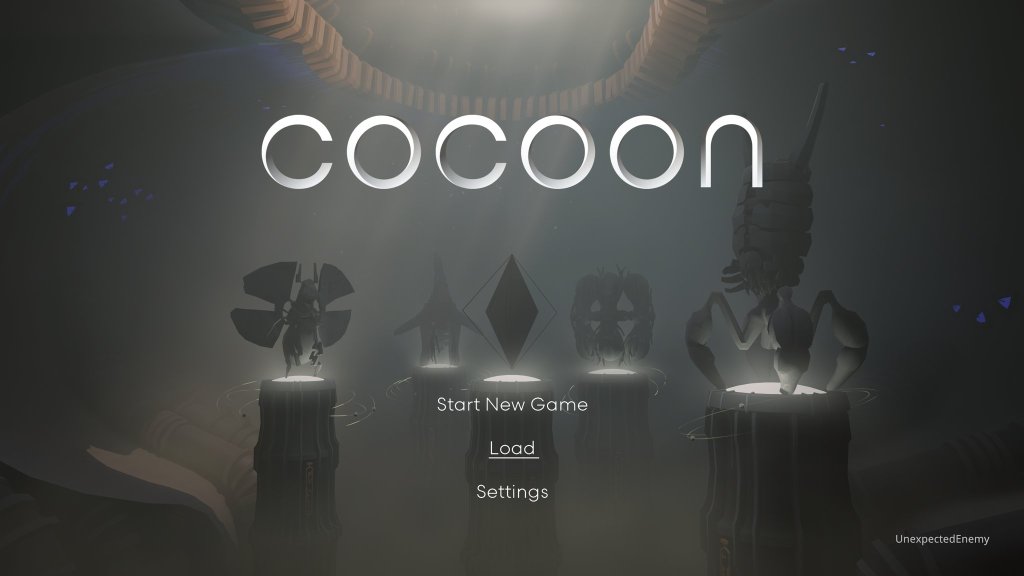
Cocoon, developed by Geometric Interactive, is a top-down, minimalistic puzzle-platformer where you play as a beetle-like creature in a strange world. The game specifically comes from Jeppe Carlsen, the lead gameplay designer of LIMBO and INSIDE, and it shows. Cocoon isn’t exactly a brain-busting puzzle game. The solution to each scenario is almost always right in front of you and there’s rarely any down time between each puzzle. The game is constantly moving forward, until it isn’t, and that’s where Cocoon differs from its contemporaries. Cocoon is a game about exploring worlds within worlds. Very early in the game, you’ll discover an orb, which is actually an entirely different area that you can carry on your back. In certain spots, you can place an orb down and fly into it, revealing an entirely new level. Each orb culminates in a boss fight which grant you new powers once defeated. These encounters make use of each orb ability and they’re extremely polished (almost as if they were designed by folks over at Nintendo). Similar to how I felt about HUMANITY, Cocoon is a series of “Aha!” moments that doesn’t overstay its welcome. The sequence when you’re travelling between worlds is not only mesmerizing, but required to progress. By the end of Cocoon’s relatively short journey, you’ll be juggling multiple orbs/worlds at once.
The order of operations can definitely become a head-scratcher towards the end, but I never had to resort to a guide, which is always the sign of a good puzzle game. Cocoon is also single-button game, which makes it extremely approachable despite its somewhat unapproachable pedigree. There’s not a single piece of spoken dialogue in the game, either. Like other games in this subgenre, the camera will pull back or move around dynamically to showcase particular sequences. It’s one of my favorite things about these types of games and Cocoon does it effectively and often. The soundtrack is also moody, bassy and appropriately atmospheric. Cocoon is an extremely linear game, but there are a few secrets off the beaten path. In some of the worlds, there are hidden areas which house what appear to be celestial insects which, once activated, take flight. While these hidden creatures are tied to unlocking achievements, it’s not clear what these secrets unlock in-game. I do think it might impact the ending in a subtle way, however. I played Cocoon on Game Pass and completed the game at 100% with all of the achievements unlocked. It’s easily one of my favorite games of the year.

Decarnation, developed by Atelier QDB, is a 2D, top-down, narrative-driven indie game with light puzzle-solving rooted in RPG Maker games. It’s a horror story soaked in surrealism about a struggling woman living in Paris looking to do more with her life than dance at a cabaret. Decarnation is the type of game where it’s best to go into it without knowing a whole lot about it, so the less I say here the better. With that said, if you were browsing the Steam or Nintendo eShop storefronts, the banner art and name don’t do the game any favors. It’s a hard sell unless you’re an enthusiast who’s plugged into Twitter (which is where I heard about the game first, from Jill Grodt’s The Indie Informer). Despite feeling/looking like an elevated RPG Maker game, the character sprites are expressive and brimming with personality. Each character comes with unique animations and facial expressions. The background art is highly detailed and colorful, despite the dark and serious tone of the game. The soundtrack is great too, with vocal tracks and contributions from legendary Silent Hill composer, Akira Yamaoka.
You can tell a lot of love and care was put into each frame of the game. It honestly feels like a Netflix series you would binge on the weekend (I couldn’t put it down after a chapter or two). Decarnation is practically a visual novel; you’ll mostly be reading text and walking from one scene to the next, solving simple environmental puzzles along the way. There are also mini-games/QTE events woven into the experience, along with “boss” battles that require a degree of hand-eye coordination. While the game certainly pulls from a variety of genres, it’s kind of doing it’s own thing. The Steam version has a handful of achievements to earn, but it’s mostly a one and done experience for what it’s worth. I played through the Switch version and it performed and ran well, outside of some audio issues which I believe have been patched since the time of writing this. There’s also a chapter select so you can revisit each scene from the six chapters, if you feel so inclined. Decarnation is one of my biggest surprises of the year and it’s the one of the few stories from this year that has stuck with me long after finishing it. I can’t wait to see what these developers from France do next.
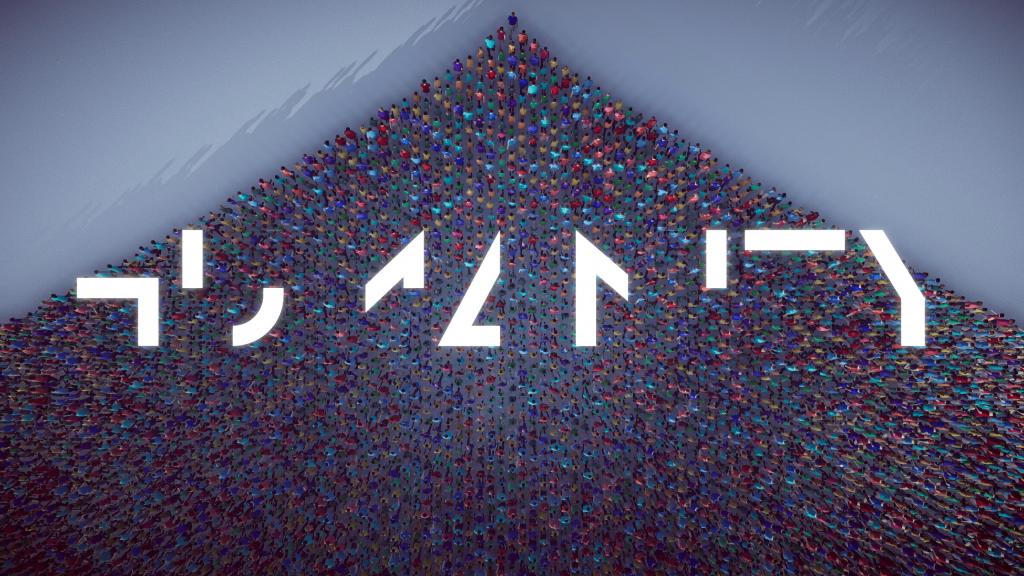
HUMANITY, developed by Enhanced/tha Limited, is a puzzle game in the most traditional sense. While comparisons have been made to cult classics like I.Q.: Intelligent Qube on the original PS1, it feels like a lost Japan Studios game, something that would have sat alongside the likes of Tokyo Jungle back on the PS3. What’s really impressive about HUMANITY is how it feels like two different games by the end of its relatively lengthy campaign. In HUMANITY, you control a Shiba Inu and your goal is to simply guide endless droves of humans to the light in grid-based stages. Over the course of the game, you’ll learn new abilities which allows you to manipulate the humans in specific ways. You’ll make them turn in different directions, jump from one square to the next, arm them with guns and even purposely lead them to their deaths. These abilities don’t necessarily carry over from one sequence to the next, although the game does naturally build on ideas presented in previous levels. The soundtrack is both therapeutic and anxiety-inducing, but if you enjoy a particular track, you can play it during any stage of your liking, which is very cool.
HUMANITY has an incredible sense of visual progression. The game’s main hub is a gigantic white room with statuesque obelisks that take the player to a series of levels. As the dog, you can run around this space freely and even access the game’s options from here. When you finish one world, another figure will appear in the room. At the center of this hub, a large object will change its appearance as you progress. Ever since Star Fox 64, I’ve had a fascination with giant faces in videogames. The giant computer face boss from Contra: Shattered Soldier and Bayonetta’s main angel bosses further solidified my love for gigantic, intimidating face bosses in videogames. I am happy to confirm that HUMANITY doesn’t disappoint in this category, too. The goal for each stage is to typically guide humans to the goal line, but within each level, there are secret characters called “Goldy”. These golden figures stand on certain tiles until humans pass through them, so they require the player to think outside-the-box, often requiring detours to guide them to the goal. Once collected, the Goldy will appear in the white hub room showcasing your mastery of each level. Once you see start seeing a sea of gold in the hub, it’s impossible to not want to complete the game at 100%, and I did!
There’s a level editor in HUMANITY, but I only checked out a level or two made by the community before I went back to the single-player campaign. While I do enjoy the likes of Super Mario Maker, I don’t quite have the willingness or mentality to construct a brain-busting puzzle scenario in a game like HUMANITY. There’s also nice accessibility options where you can watch demonstrations and solutions to any of the puzzles in the game. While I am not against asking for help in a game or looking something up when I get stuck, I felt compelled to solve all of the puzzles without any assistance. Somehow, after banging my head against the wall on certain levels, I completed the game at 100% with the Platinum trophy earned without having to watch any of the solutions. Finally, Game Informer did a mini-documentary on the making of the game and it’s a really great watch. The developers and everyone involved in the making of this documentary do a wonderful job at explaining what the game is and why it’s so special, better than the game itself. HUMANITY was easily one of my most rewarding experiences of the year.

Bayonetta Origins: Cereza and the Lost Demon, developed by Platinum Games, is a prequel story of sorts where you play as Cereza, a witch-in-training and her stuffed animal turned demon, Cheshire. Cereza and the Lost Demon feels like what Capcom’s Okamiden was to Okami. The game has a beautiful watercolor art style and a whimsical storybook-like presentation. The entire game takes place in an interconnected forest comprised of multiple locations with their own unique aesthetics and themes. The forest is extremely dense too; there are shortcuts and areas you cannot access until you unlock certain abilities. It’s very Metroid-like. With that said, it’s very easy to get lost and the map isn’t always helpful. Accessing certain areas of the map might have its path/entrance in an entirely different section, so trying to find everything on your own can become quite the endeavor. While it’s most certainly a side story to Bayonetta proper, the game still feels like it has a relatively large budget. Each area culminates with a unique boss battle and while they’re not as impressive as mainline Bayonetta titles, they’re still quite the spectacle. It’s not a super short game either, you can spend somewhere between 15-30 hours if you want to complete the game at 100%.
Bayonetta Origin’s arguably biggest issue is that it is incredibly easy on the game’s default difficulty. I was unaware that there was a “Platinum Games Code” that you could enter on the title screen to unlock the hardest difficulty at the start. You do unlock this same difficulty when you beat the game once, but I wish it was just available from the beginning. Bayonetta Origins has a fair deal of combat despite mostly being an puzzle-oriented adventure game. While I was playing through the game as thoroughly as I could, I was almost always at max health with a maxed-out item inventory at the end of every battle (including the bosses). Similar to how I feel about most Kirby games, Bayonetta Origin’s difficulty lies in the optional content. There are what the game calls, “Tír na nÓg”, which are essentially the hidden verses/secret missions from Bayonetta/Devil May Cry, respectively. In various spots of the forest, there are pocket dimensions which transport the player to battle arenas or puzzle-platforming sequences. They’re honestly some of the most rewarding/engaging sections in the game, especially if you’re replaying them from the save menu for the Platinum ranks in the Time Trial mode.
The soundtrack is exceptional as well. Hitomi Kurokawa & company delivered what could quite possibly be my favorite piece of video game music in 2023. Rather than try to explain the instrumentation or styles being used here, I’ll put it like this; when I first heard “Trying Out Elemental Powers”, I put the controller down just to listen to the track loop a few times before proceeding. You typically hear this music when you complete one of the game’s main objectives, which is usually when you defeat one of the game’s many excellent bosses. After beating a boss and gaining a new Elemental Orb for Cheshire, you’ll learn new combat and traversal abilities. I felt so incredibly empowered when this music started playing. It also carries a great sense of adventure, considering you now have the ability to access previously inaccessible areas of the forest with your newfound powers. I’ve said this in the past, but I usually only include games on my Top 10 list when a particular music track makes me put my controller down to reflect. Bayonetta Origins doesn’t necessarily do anything new for the genre, but it’s a reminder of better days; when a developer could release a smaller, more experimental companion-piece to their main course. I completed the game on the default difficulty at 100% and loved nearly every second of it.
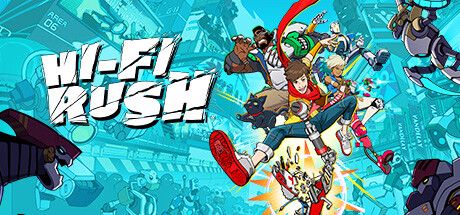
Hi-Fi RUSH, developed by Tango Gameworks, is a rhythm-based, character-action game that came out of nowhere. Announced and released during Xbox’s Developer_Direct in January of 2023, Hi-Fi RUSH was the most delightful surprise of 2023. Tango Gameworks is mostly known for horror games (The Evil Within and Ghostwire: Tokyo, specifically), so Hi-Fi RUSH is quite the departure, to say the least. Hi-Fi RUSH is a character-action game through and through, but its commitment to marrying its narrative to the audio/visual design is what sets it apart from its contemporaries. Everything in the game, including the character’s walk-cycle, enemy attacks, all of the objects in the environment and even the cutscenes, react to the beat of the music. It’s the perfect marriage of gameplay and narrative. Hi-Fi RUSH reminds me of games like Viewtiful Joe (it must be the main character’s scarf), Comix Zone or the types of games we used to get from Smilebit back on the original Xbox. There’s undeniably a lot of Capcom/Platinum Games DNA here and I’m here for all of it.
While its rhythm-based combat is supposed to be the game’s unique hook, you’re not required to attack on beat, which makes the game quite approachable (on top of offering various difficulty modes from the start). Timing your attacks can be quite tricky, but you’re never penalized for missing the beat. With that said, the game is almost begging the player to engage with its rhythmic antics. Similar to Bayonetta’s “Verses”, Hi-Fi Rush’s battles take place during a “Chorus”; fixed enemy encounters that feel like encapsulated arenas where you’re ranked/scored on individual fights instead of the entire mission (like in Devil May Cry). It’s something Platinum Games figured out years ago, so I’m happy to see other developers incorporating this combat structure/flow. When defeating enemies, you’re rewarded a currency which can be used to purchase a variety of character upgrades and abilities. Over the course of the game, you will also have allies join your cause who can also assist you during battle, almost like follow-up attacks from the Marvel Vs. Capcom fighting games. Every special ability in the game, including your ally attacks, are on cooldowns, which can also be upgraded to reduce their time. Each mission is also littered with collectables and after you beat the game, there’s even more to discover on subsequent playthroughs.
I think my only major critique of Hi-Fi RUSH is that the environments sort of blur together and the level design is a bit straight forward. A lot of the environments lack distinct themes; the interior of Vandelay Technologies campus has the player exploring what feels like a bunch of employee-only sections of a warehouse. There’s a lot of pipes lining the walls, computer terminals in rooms and laser-ridden corridors, although there is a decent amount of platforming and verticality thrown in for good measure. I’m not too hot on a lot of the licensed music, but most tracks fit the game’s attitude (I do really like that Honestly song from Zwan, even though I still prefer The Smashing Pumpkins). My favorite non-licensed track has to be Security Shutdown; when the exploration part of the track transitions to the battle portion and you hear the tempo change and chord progression, it triggers all of the right signals in my brain. I completed Hi-Fi RUSH on Very Hard difficulty, but there’s a lot of post-game content and replay value here. I liked the game so much that I bought it digitally despite the game being available on Game Pass. Hi-Fi RUSH will likely be excluded from a lot of people’s GOTY lists, considering it was a January release, but it left such an impression on me, I’m still thinking about it a year later.
I know it’s one of the most obvious choices to make this year, but I can’t imagine putting anything else above this game. The Legend of Zelda: Tears of the Kingdom (TotK), developed by Nintendo, is a masterclass in game design, iteration and ingenuity. It’s not often Nintendo takes an existing world and makes a direct sequel to it. TotK feels more akin to the likes of what Ryu Ga Gotoku Studio does with Kamurocho from the Yakuza/LaD games or even how Insomniac approached reinventing New York City (NYC) in Marvel’s Spider-Man 2. While one could argue that there’s far too many similarities to BotW, TotK primarily differentiates itself by introducing new game-changing powers (Ultrahand and Fuse, just to name a few) and two additional world layers (the sky and depths). TotK’s structure and game flow is incredibly rewarding and satisfying. Exploring the surface of a reimagined Hyrule becomes an intoxicating cycle that’s hard to put down; making progress in one layer of the world allows you to make more progress in the other. Each major town/kingdom from the first game has an interesting twist with new problems to solve. While discovering nearby Shrines feels like familiar territory, the puzzles within are far more interesting in due part to the new abilities/mechanics. Once I became aware of the fact that the Shrines on the surface align with the Lightroots below in the depths, the attention to detail and care that went into designing this game became much more apparent. If anything, perhaps the sky is the most uninteresting aspect of the game, but it’s still not without its memorable moments (like the first time you dive to the surface or discover one of those huge sphere/cube structures).
I never had an issue with the weapon degradation in BotW and now with Fuse, there’s even more opportunities to burn through disposable equipment. In addition to combining two weapons together to make them stronger, you can take objects in the environment and fuse them together to navigate the world. The starting area (which didn’t feel as impactful as The Great Plateau from BotW) teaches the player the basics in terms of crafting; combining tree logs to make a raft or putting a Zonai fan (new items unique to TotK) on the back of a minecart to propel yourself across tracks. Through the power of Fuse and the Zonai items, there’s many options at your disposal when it comes to navigating the surface, skies and depths of Hyrule. With that said, it felt like a system built for younger kids who grew-up with Minecraft, not something a tired 37-year-old wants to tinker with beyond building what’s necessary to progress. Fortunately, over the course of the game, you’ll discover blueprints to craft everything you would ultimately need on the fly, at the expense of resources, of course. The soundtrack is good, but I do wish the dungeon themes were more memorable. I still found myself standing around in Hateno Village just to listen the town theme change from day to night, though.
The one thing I wanted most to be improved from BotW are only marginally better in TotK; dungeons. The Guardian Beasts were a novel idea in BotW, but aesthetically and design-wise, they were extremely bland. In TotK, the dungeons were thematically more interesting and certainly felt more distinct. With that said, the flow/structure of each dungeon essentially boiled down to the same lock & key objective. The bosses are unique and far more interesting to fight this time around, even if they reappear in the depths as optional battles (which sort of diminishes their novelty). With that said, each dungeon had an approach of sorts that felt like a dungeon in and of itself. It’s a conclusion I also reached while playing BotW; the torrential rains leading up to the Zora Domain arguably made traversing the landscape feel like an open-world dungeon when it really wasn’t. The same design philosophies can be found in TotK, and now that we’re two games deep, it’s perhaps a bit too formulaic. With that said, I’ll never forget being high up in the clouds, jumping from one platform to the next, bouncing on floating ships and then diving into a blizzard to access the Wind Temple. The buildups to each dungeon were arguably better than the dungeons themselves!
Finally, while there’s very little continuity between TotK and BotW, I think I’m okay with that. It’s odd that there’s barely any mention of the Sheikah Slate or Guardians, though. While some characters do recognize Link (and the game starts some time after the extended ending from BotW), it’s almost as if TotK is a reboot of sorts (or a standalone experience, at the very least). I’ve been playing The Legend of Zelda since I was a kid and while it’s one of my favorite franchises, I don’t necessarily play it for the story/lore. With that said, TotK is perhaps the game I spent the most playing in 2023. Even though the game reuses bosses, there’s still far too many Korok Seeds and the dungeons and story could have been better, it’s the one game I wanted to keep playing the most this year. It’s also the game my husband enjoyed watching/assisting with the most in 2023, so it has to be number one! When I ultimately had my fill, I logged 130+ hours in TotK; found all but two Shrines on my own, uncovered all three maps completely, maxed out my heart containers and yet I still probably have 100+ hours of content left to consume. Going forward, I hope Nintendo creates two Zelda teams; one that will continue to push the open-world formula and another smaller team to create more “traditional” 2D/3D Zelda titles. I wouldn’t say “no” to another game in the same vein as BotW/TotK, but I think I’m ready for something completely brand new again.

See you next year!
-Matty

Just a friendly bear who works in financial reporting that would rather be playing, writing or talking about video games. https://twitch.tv/unexpectedenemy
 UnexpectedGames